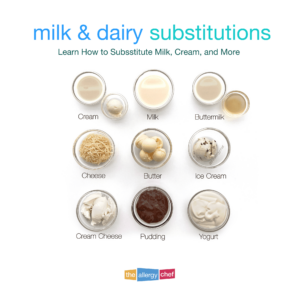
Welcome to the ultimate guide for dairy free substitutes and dairy free alternatives. This all encompassing guide will share resources, tips, and a whole lot more about all things dairy free products. You’ll learn about: dairy free milk, dairy free butter, dairy free cream, dairy free heavy cream, dairy free condensed milk, dairy free ice cream, dairy free yogurt, dairy free pudding, dairy free sour cream, dairy free cream cheese, dairy free buttermilk, dairy free chocolate chips, and dairy free cheese.
Critical Note: We have a LOT of ground to cover today on milk alternatives and substitutes. Use the table of contents. I’ve sectioned this guide by substitute, so you’ll find info products, and questions related to each substitute within each section.
Product Note: In the sections where I share brands, know that I’m located in the US, and the brands shared will reflect that. If you’re somewhere else in the world and need brand recommendations, see if there’s a food allergy app or online support group local to your country.
This is Not Product Endorsement: Just because a brand is in this guide doesn’t mean I personally endorse them, vouch for them, agree with their ingredients, or would purchase them for my kids. Instead, I’ve done my best to compile the available data so you can make the best choice for yourself.
Where to Purchase Dairy Free Foods Online
Depending on where you live, you may have very limited access to quality dairy free products in local grocery stores. When searching online, you’re more likely to find “vegan stores” than “dairy free stores”.
Online stores have come a LONG way in the past decade, and you can get both shelf stable and perishable foods shipped to your doorstep. Here are a few leads to get you started:
- Besties Vegan Paradise (the have one of the most robust dairy free cheese collections I’ve ever seen)
- Feasty Vegan
- Five Vegans (AU)
- Goodness Direct (UK)
- Misfits Market (they have a good amount of vegan and dairy free options)
- Natural Candy
- No Pig Neva
- Plant X (they have a good sized vegan and dairy free collection)
- Thrive Market (membership required)
- Vegan Black Market
- Vegan Essentials
- VitaCost
If You’re Newly Diagnosed with a Milk Allergy
If you’re new to managing a dairy free diet, you’ll also want to check out these resources:
- Dairy Free Diet: Things to Know When You’re New to Dairy Free
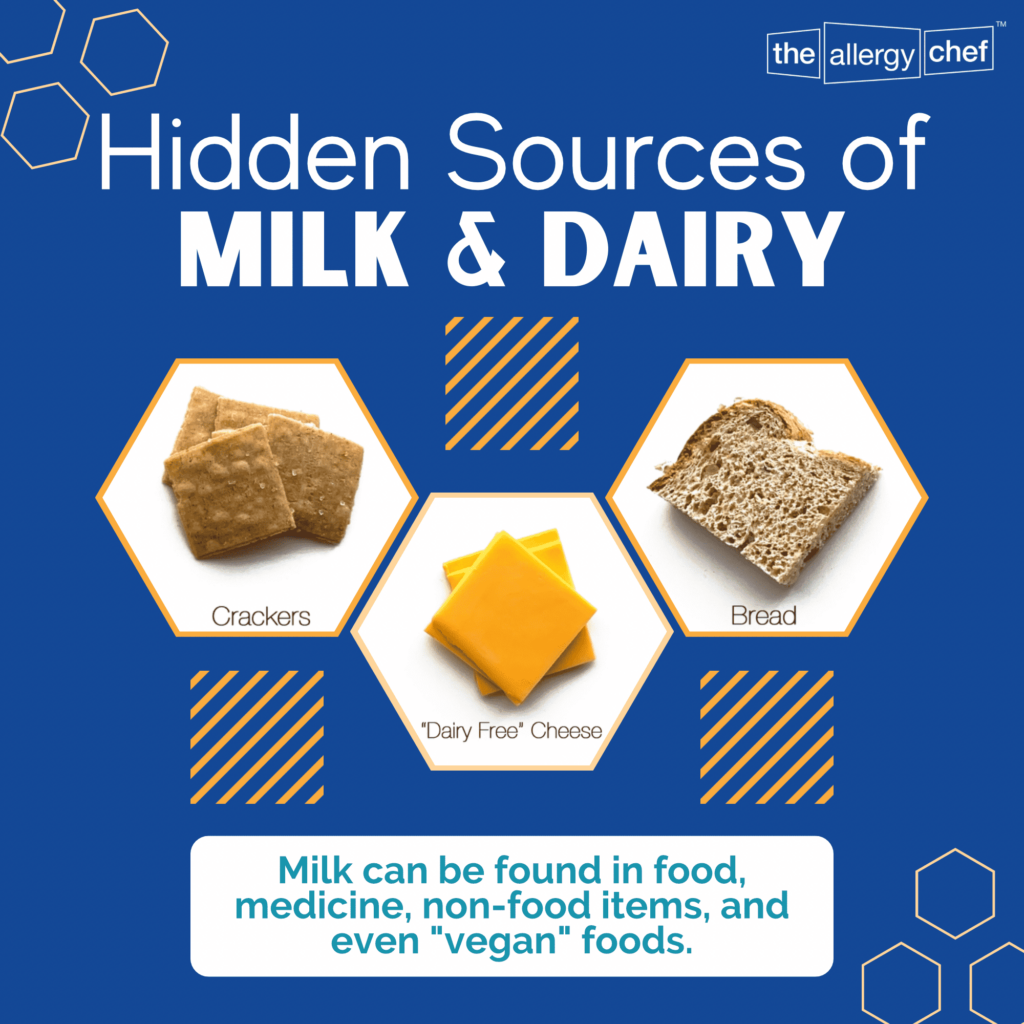
- Hidden Sources of Dairy
- Dairy Free Recipes
- FDA Recall Page (for undisclosed allergens, etc.)
 |
 |
 |
 |
Understanding Shared Equipment and The Dairy Free Bell Curve
In life, the bell curve generally applies to just about everything, and a person’s sensitivity to milk (and other allergens) lies on a curve. To the left, we have people that need to avoid ingesting the allergen. To the right, we have people with contact allergies, airborne allergies, those who can’t consume food made on shared equipment with milk, etc.
Through all of my work with food allergy folks across the globe, I’ve found that about 30% of people with a milk allergy self-report that they can not consume products made on shared equipment with milk (this is not an official stat, just what I’ve learned over time). It’s important to know where you are on the curve, as it will determine which brand of dairy free products will be safe for you.
If you’re in the 30% group, you’ll need to call companies to make sure the product (and the raw materials) weren’t processed on equipment shared with milk or dairy products. For those in the 70% group, the label is generally enough.
Important Recall Note
Most free-from brands that have to issue a recall do so because of undisclosed allergens in the product. 99% of the time, this happens because of shared equipment at their copacker. Some brands handle recalls VERY well whilst others make me so angry…. This FDA page is where you can check for the latest recalls. If you eat food made on shared equipment, be sure to check it a couple of times a year.
What is Shared Equipment
Shared equipment refers to anything and everything used to manufacture a product (from spoons to bowls to major machinery). If the piece of equipment handles any other product that contains milk, the equipment is “shared” with milk.
Some equipment is easier to clean than others. There are standards in food manufacturing that can help prevent cross-contact, but no method is perfect. It’s also why some people are able to eat a product for years, then suddenly react, and that’s because they got a bad batch.
Shared Equipment vs Shared Facility
A shared facility doesn’t always indicate shared equipment. It’s possible to have dedicated equipment that’s milk free, that resides in a facility that also handles milk. Additionally, a facility can be the size of the average home kitchen, or the size of a football field.
There’s a lot of information “missing” when we simply say “shared facility”. To get the full range of information, you’ll need to contact the manufacturer directly. Know that when a small brand is purchased by certain larger umbrella corporations, you’re no longer able to get all of the details. They have a scripted/form response, and that’s all the information you’re going to get.
Copackers
Some brands don’t have the capital to open their own facility. They give their formula to a copacker who receives ingredients, manufactures the product, and packages the product for them.
The downside to a copacker is that the allergen status of your manufacturing equipment can change overnight. It’s also why some brands will give you a blanket statement and/or a blanket warning, because of their copacker.
Brands can also change copackers overnight, thus, changing their allergen status.
The Danger of House Brands
A house brand, or store brand, is a line made by grocery chains to offer a wide range of products at a lower cost. Store brands offer products that are nearly identical to their counterparts because they’re using the white label version from a well-known brand.
Example: the store brand of dairy free Parmesan is actually made by a popular dairy free cheese brand. Under the white label program, stores can buy the product in ginormous, amounts and put their own label on it.
The Pro: Stores can offer you a comparable product at a lower cost.
The Con: Stores can change who they purchase from overnight, thus changing the allergy status of the product overnight. In addition to that, sometimes, when a store makes the change, it takes a while for the customer service system to get updated with the current allergen information.
My Personal Stance
With the exception of two products, I never buy store brands. I’ve run into too many moments where I get conflicting information, and since I manage a child in the 30% group, the risk is simply not worth it.
The two products that I do purchase were investigated quite a bit, and I only use them because risk of change is low, and they were items no one else was offering from dairy free equipment.
Ultimately, you have to do what’s best for you. If you’re comfortable, purchase store brands and enjoy the savings (and maybe buy a LEGO set). If you’re not, skip them and stick to brands you’ve investigated. There’s no right or wrong answer here.
Vegan Brands vs Dairy Free Brands
As you go about living your best dairy free life, it’s critical to remember that vegan brands aren’t created for food allergy folks; they overlap. It means that a vegan company is more likely to have shared equipment, and won’t have a robust allergen section in the FAQ of their website.
Vegan brands are also able to use lab engineered proteins that will cause an allergic reaction if you’re allergic to milk. Their primary concern is not using animal products, and since it’s lab grown, it’s no longer an ethical issue for them.
If you’re in the 30% group, always start your food search with a proper free-from brand, not a vegan brand, as you’ll normally find better results. That’s because the founders of free-from brands usually have food allergies, or have a child with a food allergy, and better understand our needs.
That’s not to say that a vegan brand won’t take good care of you, just remember, you aren’t their primary customer. You’re their secondary customer.
Reading Labels for Allergens
Legally, all mammal milks are supposed to carry a warning of “contains milk”. This includes cow, sheep, buffalo, water buffalo, goat, and camel. No matter which country you reside in, if your country recognizes major allergens (also called top allergens), milk is always included on that list.
Non-Dairy vs Dairy Free
Non-dairy (also written as nondairy) used to imply that there could be a very small amount of cow’s milk dairy in a product. Dairy free on the other hand means zero dairy. Period.
Whilst the regulation has changed over the years, the US FDA generally has the viewpoint that “non dairy” could contain up to 0.5% of dairy milk derivatives such as caseinate. Dairy free always meant zero milk or milk derivatives.
At the time of publishing in 2025, what I can tell you is this: many brands are using the terms as if they’re interchangeable. This can be confusing because you’re not sure what they’re referring to.
When in doubt, always contact a company to better understand their ingredients and manufacturing process.
Lactose Free vs Milk Free
Lactose is milk sugar, and is a component of milk. If a product says it’s lactose free, that means that the milk sugar has been removed. The milk fat content and milk proteins remain. Lactose free foods and beverages are not safe for anyone with a milk allergy, or anyone who needs a 100% milk free diet.
Milk free on the other hand means that the product is free from all milk content including the protein, whey, fat, and lactose.
Dairy Free vs Milk Free
The easiest way to think about this is with this sentence: you find milk, yogurt, and butter in the dairy section of your grocery store.
Milk is the foundational ingredient, and it’s transformed into lots of other products. All of these products are then sold next to each other in the dairy section. Dairy has a few definitions including the building where milk is processed, the building where milk products are sold, and products containing milk.
The terms milk free and dairy free are used interchangeably by those in the free-from community as well as manufacturers. Where you’ll really see the difference is that people say “milk allergy” not “dairy allergy” since milk is the singular individual allergen.
Contains and May Contains Statements
The contains statement on food labels is a legal requirement by the US FDA and other international food agencies. If a product contains on of the US top 9 allergens (including milk), the allergen must be called out in bold, in plain language, or in a contains statement (most brands do both, but not all do).
In the US, if you see a “may contains” statement, this is completely voluntary. If a product doesn’t have a “may contains” statement, that’s not a reflection of the equipment or the facility, just that the brand chooses not to use it.
A may contains statement indicates that the facility, the equipment, or both handle milk. The only way to get specific details is to contact the company directly, or check their website for more information.
Some brands choose to put a detailed statement on their product such as “this product was manufactured on milk free equipment in a facility that also processes milk”. Any statement like that is completely voluntary.
Food and non-food products are under different labeling laws. If a non-food product contains milk (such as makeup or hand sanitizer), it doesn’t need to be called out. You can read more about this, along with the hidden sources of milk in this article.
Diet Types That are Naturally Dairy Free
Sometimes, it’s really helpful to know what other diet types you overlap with, as you can use this as a search term when looking for products, as well as restaurants.
- AIP Paleo
- EOE Friendly
- FPIES Friendly
- Paleo
- Paleo-Vegan
- Top 9 Free
- EU Top 14 Free
- Vegan (with the exception of lab grown proteins)
Dairy Free Substitute for Milk
There are so many milk alternatives to choose from these days. Honestly, there’s never been a better time to be alive and dairy free.
Anytime you set out to replace products from animals, it’s critical that you consider its natural state. In the case of cow’s milk, we need to think about taste, texture, and viscosity of this liquid. Additionally, we have to consider how it behaves in different scenarios (cooking, baking, whipped, and so on).
Fat content is another important element to look at, since fat can greatly impact the final outcome of everything you cook and bake. Dairy milk comes in a range of varieties, and each version has a different fat content (whole milk, skim milk, etc.).
Milk from animals also has a sugar content (lactose). The good news is that these natural sugars have much less of an impact, so dairy free milk manufacturer’s have one less thing to try to replicate.
Here’s a list of the types of dairy free milk substitutes sold in most grocery stores:
Dairy Free Milk Made From Tree Nuts
- Almond Milk
- Cashew Milk
- Hazelnut Milk
- Macadamia Milk
- Pecan Milk
- Pistachio Milk
- Walnut Milk
DF Milk Made From Legumes
- Pea Milk
- Peanut Milk
- Soy Milk
Dairy Free Milk Made From Pseudograins
- Oat Milk
- Rice Milk
DF Milk Made From Fruit
- Banana Milk
- Coconut Milk
Dairy Free Milk Made From Seeds
- Flax Milk
- Hemp Milk
- Sesame Milk
Blended and Flavored Milks
These days, there are a lot of brands that offer blended dairy free milks, and flavoured milk (especially dairy free chocolate milk). A company that’s very interesting is Kiwi Milk. They have an organic, gum free, unsweetened milk blend (seeds, rice, and more).
Another interesting company from Canada, Maïzly makes a blended milk from corn fiber, coconut oil, chickpea protein, and more. As someone with a severe corn allergy, it’s very interesting to see this on the market now.
Most of the brands in the sections to follow make at least one kind of flavoured milk. Chocolate, vanilla, and strawberry are the most popular, and you can make a lot more at home.
Depending on your budget and personal food values (organic, etc.), and any other restrictions you manage, take your time finding a substitute that could be a good fit for you. Remember, your local store won’t have every single dairy free milk on the planet. Shop around, look online, and be sure to sample lots of choices before settling on something.
Very Important Notes About Oat Milk
Fermentation Process: If you’re sensitive to fermentation, or follow a low histamine diet, do not purchase commercial oat milk. It undergoes a lot of processing to get to the final product, and most brands include a fermenting stage. Instead, make oat milk at home.
Gluten Free Oats: Most brands producing oat milk aren’t using gluten free oats or Purity Protocol oats. Get in touch directly with brands if you need gluten free oats.
Homemade Oat Milk: This is one of THEE most amazing products you can make at home. When you cook with homemade oat milk, it gets so rich, creamy, and is a better thickener than other dairy free milks.
Brands That Sell Dairy Free Milk
CRITICAL WARNING: Most brands don’t disclose shared equipment with milk on the package, and some don’t even disclose it in the FAQ of their website. If you can’t handle trace amounts of allergens, you must get in touch before purchasing. Milk, tree nuts, soy, and sesame are the major allergens most commonly seen where shared equipment is concerned.
Corn Allergy Note: If you have a severe corn allergy, the only brands that might be worth looking into are Native Forest, and Malk. You need to find milk with 5 ingredients or less, no vanilla, no additives, organic should be a priority, and so on. Personally, I’ve never purchased dairy free milk for myself, and make it at home instead.
- Blue Diamond Almond Breeze (almond)
- Califia Farms (organic, oat, almond, coconut, cashew, fresh options, shelf stable options)
- Chobani (organic oat)
- Dream Blends (organic, rice, coconut, horchata)
- Eden (organic, soy, super clean and minimal, water and soy only)
- Elmhurst (oat, cashew, coconut, hazelnut, pistachio, walnut)
- Forager (organic, blend of cashew + oat)
- Good Karma (flax, oat)
- Kiwi Milk (blend of rice + seeds + coconut)
- Malk (organic, tree nuts, oat, fresh options, shelf stable options, the shelf stable options are also super clean)
- Milkadamia (macadamia, organic options)
- Minor Figures (organic, oat)
- Mooala (organic, almond, banana, oat, super clean and minimal ingredients)
- Native Forest (organic, coconut, range of products, all super clean with minimal ingredients)
- NotMilk (long list of ingredients, fridge and shelf stable options)
- Oatly (oat)
- Orgain (organic, almond)
- Organic Valley (organic, oat [contains coconut])
- Pacific Foods (almond, coconut, hemp, oat, soy)
- Pecana (organic pecan milks)
- Planet Oat Oatmilk (oat)
- Plant Strong (different blends of oats + nuts)
- Ripple (pea, fresh options, shelf stable options)
- Silk (almond, oat, soy, coconut)
- Simply Asia (full fat coconut milk)
- So Delicious (almond, coconut, organic options)
- Thai Kitchen (full fat coconut milk, organic options)
- Three Trees (organic, almond, oat, pistachio, super clean and minimal ingredients)
- Vita Coco (organic, coconut)
- West Life (organic, soy, super clean and simple, water and soy only)
- Willa’s (organic, oat, super clean and minimal ingredients)
Brands That Sell Dairy Free Milk Powder & Dairy Free Milk Concentrate
This is a fairly new category of products on the market these days. I’ve not personally used powdered milk, and many are being marketed as a convenience product to carry with you, rather than something to cook or bake with.
If you have milk-based recipes that call for powdered milk, there’s a 50/50 chance that dairy free powdered milk won’t work. The application is really important, and like liquid dairy free milk, powdered dairy free milk lacks specific proteins, fat content, and so on. It would be better to find a dairy free version of the recipe, to ensure your powdered milk substitute really works.
This is a non-exhaustive list of milk powder alternatives. When looking online, you’ll find a lot of coconut based powdered milk substitutes, as well many lactose free powdered milk options (if that’s something you need).
Gluten Free Oats: Most brands producing oat milk aren’t using gluten free oats or Purity Protocol oats. Get in touch directly with brands if you need gluten free oats.
Cow’s Milk Note: If I see a brand also makes cow’s milk powder, I’ve noted it for you, as this can be a red flag for allergens (shared equipment). Lack of a note does not deem the product safe. Always do your due diligence.
- Anthony’s (coconut, oat, organic options, call for allergen info since they make cow’s milk powders as well)
- Bulk Supplements (coconut, contains gum, call for allergen info since they make cow’s milk powders as well)
- Burroughs Family Farms (organic almond)
- Druids Grove (organic, soy)
- Essenzefruits (organic, coconut)
- Folona (pea)
- Healthier Comforts (organic, oat, call for allergen info since they make cow’s milk powders as well)
- Hoosier Farm (organic, oat, call for allergen info since they make cow’s milk powders as well)
- Jiva Organics (organic, coconut, contains maltodextrin)
- Joi (almond, coconut, oat, organic options, powder and concentrate)
- Kos (organic, coconut)
- NorCal Organics (organic, oat)
- Native Forest (organic, coconut, contains tapioca and gum)
- Now Foods (organic, coconut, oat, call for allergen info since they make cow’s milk powders as well)
- Symken (soy, contains several ingredients you may not love)
- Wild Tusker (organic, coconut [contains rice])
- Wildly Organic (organic, blended, contains enzymes)
- Z Natural Foods (organic, cashew, coconut, call for allergen info since they make cow’s milk powders as well)
- Zimmerman (organic, oat, made in Belgium)
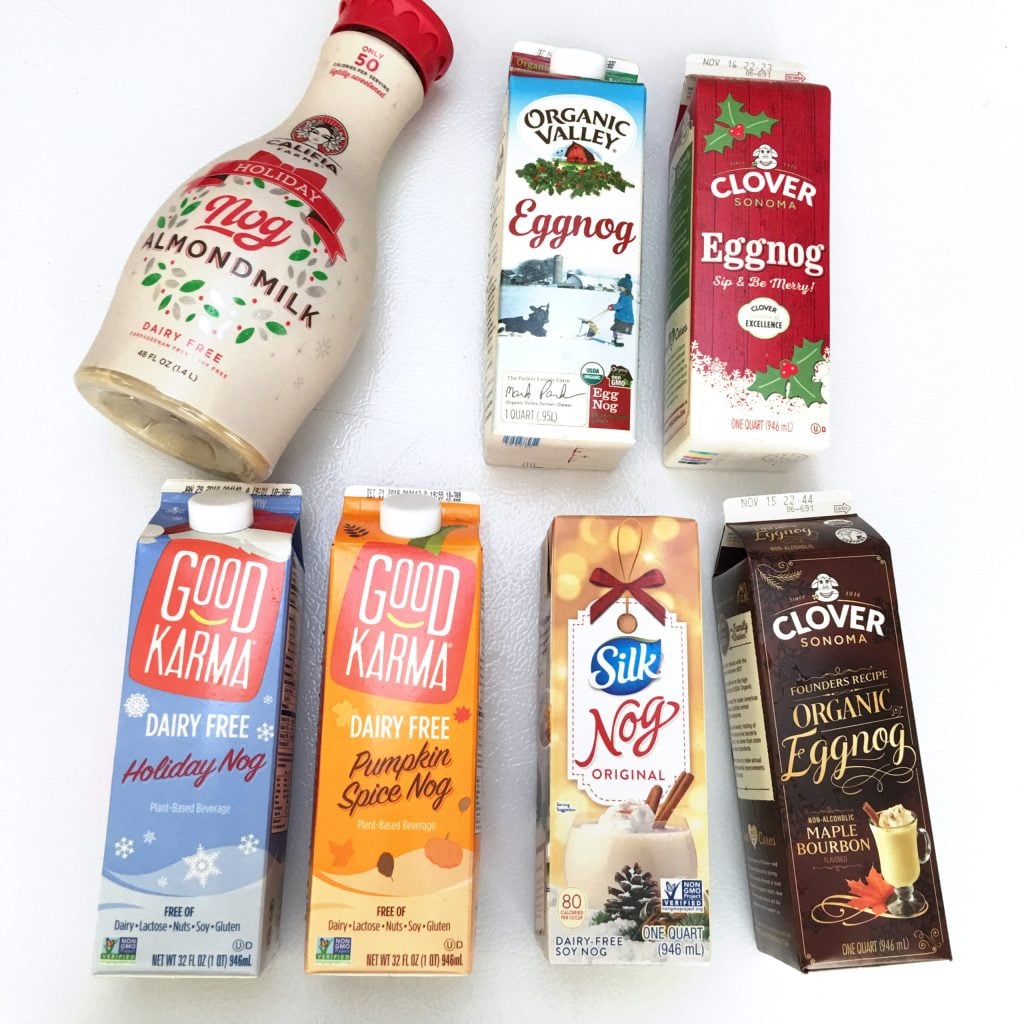
Dairy Free Brands That Sell Holiday & Nog Drinks
The brands below usually have some kind of pumpkin or fall flavour, as well as some kind of holiday nog. It’s usually not called egg nog since these are vegan brands. However, the reviews online are so mixed it hurts. Some say too thick, others say too thin, some say it’s like sugar water, and others prefer to just make their own.
If you can have eggs, I’d suggest making your own at home with dairy free milk (I’ve heard goof things about the Alton Brown recipe if you like it boozy). If you end up purchasing one of these, start with one to sample, and make sure you drink it chilled, then go buy ten more if you love it.
Chobani and Silk may also have a dairy free egg nog, but I’m unable to find actual product links on their websites, so check your local stores.
- Blue Diamond
- Califia
- Earth’s Own (Canadian brand)
- Elmhurst
- Malk
- NutPods (creamer)
- So Delicious
Read the Holiday Drink Review: A comparison of dairy free drinks to milk based egg nog.
How Much Milk to Use (Dairy Free Milk Substitution Rate)
If you’re new to dairy free living, welcome! There’s a good chance you’re wondering how much dairy free milk to use when you’re substituting it for cow’s milk (sometimes just called regular milk).
Ready. Take notes. Dairy free milk is a 1:1 substitution for regular milk. Did you catch all of that? 🙂
It’s really that simple. Below, I’ll talk you through the nitty gritty, because there are times that it’s not a 1:1 substitution. However, in basic cooking, baking, smoothie making, and all other regular recipes, if “milk” or “milk of choice” is the ingredient, you can use the same amount of your dairy free milk and keep on moving.
When Dairy Free Milk Is Not a 1:1 Substitution
If a stovetop or baking recipe calls for “1 cup of milk” (225mL), it’s a simple 1:1 substitution. In this scenario, you can use any dairy free milk.
When a recipe calls for a special milk such as low fat milk, whole milk, cream, heavy cream, or buttermilk, these are not 1:1 substitutions. Technically, in a pinch, plant-based milk will work, however, your results may be far from what the author intended.
As we know, you can purchase a wide range of plant based milks including rice, soy, oat, peanut, almond, flax, walnut, sesame, and coconut. Each one of these will have a different fat and protein ratio, meaning some are better for a particular task than others.
Take soy milk for example. It behaves better in some baking projects due to the protein content AND how the protein behaves when baked. Oat milk as another example, can be made/manufactured in several different ways, and each will produce a different result. Coconut milk can be purchased as “full fat” or not, and this makes a HUGE difference in the end.
All of these small details matter when you want to take on advanced baking projects. In those cases, please, follow a proven recipe at least once, so you get an idea of how it’s all supposed to work.
Alternatives to Dairy Free Milk in Cooking
If you’re all out of dairy free milk, or don’t have a safe option, when cooking you can often swap the milk content for a broth or stock. It’s going to vary by recipe, so use your best judgement.
In a cream sauce, bone broth will make a reasonable substitution, but adjust your expectations. In recipes heavy with tomatoes (stew, etc.), you most likely won’t notice the difference. For pasta and rice dishes, you will absolutely have a flavour shift, but the function will still be there.
Alternatives to Dairy Free Milk in Baking
Great news! I’ve been testing a theory for years and it has yet to fail me. You can bake with hot water in place of dairy free milk. It’s important that you use hot water, not room temp, and not cold. I’ve been testing this in cakes and muffins with a 100% success rate. Also know though, I am an egg free baker, so I can’t tell you if that makes a difference.
 |
 |
 |
 |
Making Dairy Free Milk at Home
Remember when I mentioned shared equipment? Well, this is going to be a HUGE part of the equation for some people with a milk allergy. If you’re allergic to milk + nuts + sesame, or milk + corn, there’s a 95% chance you’ll need to make your own milk at home.
What most people don’t know is that just about every brand of dairy free milk is made on shared equipment with other major allergens, INCLUDING COW’S MILK. Take a moment and let that set in.
I learned about this the hard way after discovering my child with a milk allergy was in the 30% group. I had to find everything made on DF equipment and was downright shocked to learn that many major brands were producing DF milk on equipment with milk. It felt like a huge defeat.
However, don’t give up. There are some brands that use dedicated equipment to produce their dairy free beverage. But, that’s where nuts and corn come into play. Sesame as well. If you’re allergic to those ingredients, you’ll be very hard pressed to find a safe milk to purchase.
Yet, there’s GREAT news. You can easily make dairy free milk at home with safe raw ingredients. I’ve been doing it for well over a decade. When I launched my GF + Top 9 Free + Vegan Bakery, I made the milk. I refused to be a place that the 30% couldn’t eat at safely.
It takes about 10 minutes of hands on time to make dairy free milk. There’s a video on this page you can watch that walks you thru the process. Tools such as the NutraMilk and Almond Cow can help you. You can also use a nut milk bag when you’re first starting out, however, if you need more than a liter of milk per week (about 4 cups), I strongly suggest investing in a tool to make the process faster, and more efficient when compared to a nut milk bag.
Note: It looks like NutraMilk is no longer available in the US. The Nama M1 looks like a smaller version of a NutraMilk.
Watch me make homemade milk in a NutraMilk
What’s The Best Dairy Free Milk For…
OK, I’m sure you’re itching to know which milk is the best for each scenario, so we’re going to take a look. However, I need to preface this with a warning: the opinions of my kids and strangers you meet on the internet mean nothing. Ultimately, you get to decide which milk is right for YOU.
If you’re in the 30% group, your options will be limited, and the suggestions below may longer apply to you. Additionally, if you’re sugar or salt sensitive, your options will be limited as well. If you only consume organic ingredients, yup, you guessed it. Limited options. There are so many variables that come into play, so take everything below with a pinch of delicious smoked salt.
The Best Dairy Free Milk for Cereal
When it comes to choosing the best milk alternative for your cereal, you have to also take into account the sweetness of the cereal itself. If you eat mega healthy cereals with little to no added sugar, there’s a good chance you’ll want your dairy free milk to be the same. The winner: Malk.
Milk makes super clean nut milks without gums and added nonsense. I’m also told that there’s no funky aftertaste that you’ll find in other varieties. Second place goes to cashew milk, whilst third place goes to soy milk.
Best Dairy Free Milk for Cooking
In cooking, any unsweetened dairy free milk is going to be the best choice. Every so often, it’s nice that your milk has some sweetness, as it makes the dish a little more interesting. However, with most savory dishes, you don’t want a background note of sweetness hanging around, which can happen with the wrong type of dairy free milk.
When I used to purchase dairy free milk, I always bought a sweetened and unsweetened box. My kids knew to enjoy the sweetened version in cereal and for drinking, and I’d use the other for cooking and baking. I suggest you do the same if you don’t plan on making milk at home.
The Best Dairy Free Milk for Baking
In baking, the only milk to avoid is full fat coconut milk from a can. All other dairy free milk alternatives will be a suitable choice. Soy milk bakes up a little differently (I’m told in a good way) because of the protein content.
With the exception of full fat coconut milk, all other milks are a 1:1 substitute for cow’s milk in a standard baking recipe. Also know, in a lot of cake, muffin, pancake, and waffle recipes, you can replace the milk with hot water.
I’ve been testing this during recipe development… I’ve made several new cake recipes as of late that only call for hot water and none of the taste testers can discern the difference. So, in a pinch, give it a try. Just remember. HOT water.
Best Dairy Free Milk for Oatmeal & Overnight Oats
Oatmeal is such a fantastic vessel for other flavours. Knowing that, there’s no one size fits all answer here. If you want a basic oatmeal, go with rice milk, oat milk, cashew milk, or almond milk.
For a tropical oatmeal or fruity oatmeal, banana milk, coconut milk, and even full fat coconut milk are great choices. Second place is pretty much any other milk that won’t clash with your flavour profile.
If you’re a fan of savory oatmeal like sausage + oatmeal or something of that nature, use an unsweetened, low flavour milk. Cashew milk, oat milk, rice milk, almond milk, and soy milk will be the top choices for this category.
Overall, the milk that you choose only provides a hint of flavour. In some cases, the hint is no big deal, and in others, the hint can throw off your whole bowl.
For overnight oats, use any milk, except for full fat coconut milk. That type of milk performs best when it’s heated, or well blended into something. With overnight oats, you’re only giving the mix a stir, then popping it in the fridge. If you use full fat coconut milk, it would be kind of like eating small bits of cold butter with your oats. Not fun at all.
The Best Dairy Free Milk for Homemade Yogurt
In grocery stores, there are only a few types of dairy free yogurt sold, and for good reason: the milk base is the best for dairy free yogurt. The top milks to use are:
- Almond
- Cashew
- Coconut
- Oat (homemade oat is THEE best)
- Soy
The reason these are the best is because of their fat content and/or viscosity. Take a moment to think about rice milk. It’s incredibly thin, and if you were to try to make yogurt with it, you’d have a consistency a lot closer to kefir. Full fat coconut milk on the other hand is a lot thicker, and does well when thickened even further.
The reason homemade oat milk is amazing in this application is because it will have amazing natural thickness (kind of like oatmeal, wink wink). When making yogurt at home, be sure to use the right equipment, along with a safe starter (more on this in the yogurt section of this guide).
Best Dairy Free Milk for a Glass of Milk
Each version of dairy free milk is made of the same basic components: water, mass, and salt. Mass is the key ingredient (almonds, oats, etc.), and depending on what YOU enjoy, the best option for a glass of milk will differ.
Some milks, such as hemp milk, are generally never enjoyed standalone. Most people can agree, it’s just not a good idea. A lot of homemade milks also aren’t great standalone.
Ultimately, the best option will be what you like. In most cases, it’s going to be either a super high quality unsweetened milk (such as Malk or Three Trees) or a sweetened and lightly flavoured dairy free milk (which is what most brands sell).
The Best Dairy Free Milk for Coffee
When it comes to a cup of Joe (I should look up why we call it that), if you can, add a dairy free creamer, or a “barista” style dairy free milk. Barista style dairy free milk is engineered to be thicker, and to be able to foam up better.
Dairy free creamer is just that: creamier. It will give more body to your coffee, rather than leave you with the sensation of being watered down. If you don’t have a creamer or barista style milk available to you, the best choices for coffee will be cashew milk and oat milk, due to their body.
Note: I ended up looking it up. There are many conflicting stories but the one about Josephus Daniels was very interesting.
Best Dairy Free Milk for Toddlers & Children
Many parents who have a child with a milk allergy are concerned about the nutrition aspect of being dairy free. The top question is “If my child getting enough calcium?” First, it’s critical to remember that calcium can be found in a huge variety of foods. Milk from cows is not the end all be all for calcium.
Next, people often wonder about Vitamin D. If you see milk with Vitamin D, more often than not, it’s been fortified. Like cow’s milk, you can also purchase plant-based milks that have been fortified. However, depending on what else you may be allergic to, fortified foods may not be a safe choice (especially if you manage a corn allergy).
Just remember, foods will contain varying amounts of calcium and Vitamin D (as well as other nutrients), and people all over the world who don’t drink milk do just fine. Before you rush out to supplement anything, make sure you get tested first.
Your GP can run panels for vitamins, minerals, omegas, and more. Make sure you receive a printed copy and review the numbers yourself. You’ll be able to see where you fall on the charts, and know if supplementation is needed, if you should expand on your well rounded diet, or if you’re doing just fine.
Helpful Resource: Free-From Toddler Nutrition Basics & Guide
The Best Dairy Free Milk for Pancakes and Waffles
When it comes to making pancakes and waffles, all dairy free milk alternatives, with the exception of full fat coconut milk will work well. Now, if you don’t like the taste of a particular dairy free milk, it’s not a good choice for you. However, where function is concerned, they all have the same performance.
For full fat coconut milk, you can use it, in theory, but you’ll need to thin it out a bit so it’s more like a very thick milk, or, remove some of the fat cap when opening the can. Be sure to mix well before adding it to your pancake batter.
If you’ve run out of milk, you can use room temperature water in pancake recipes, or even cold juice in the place of milk.
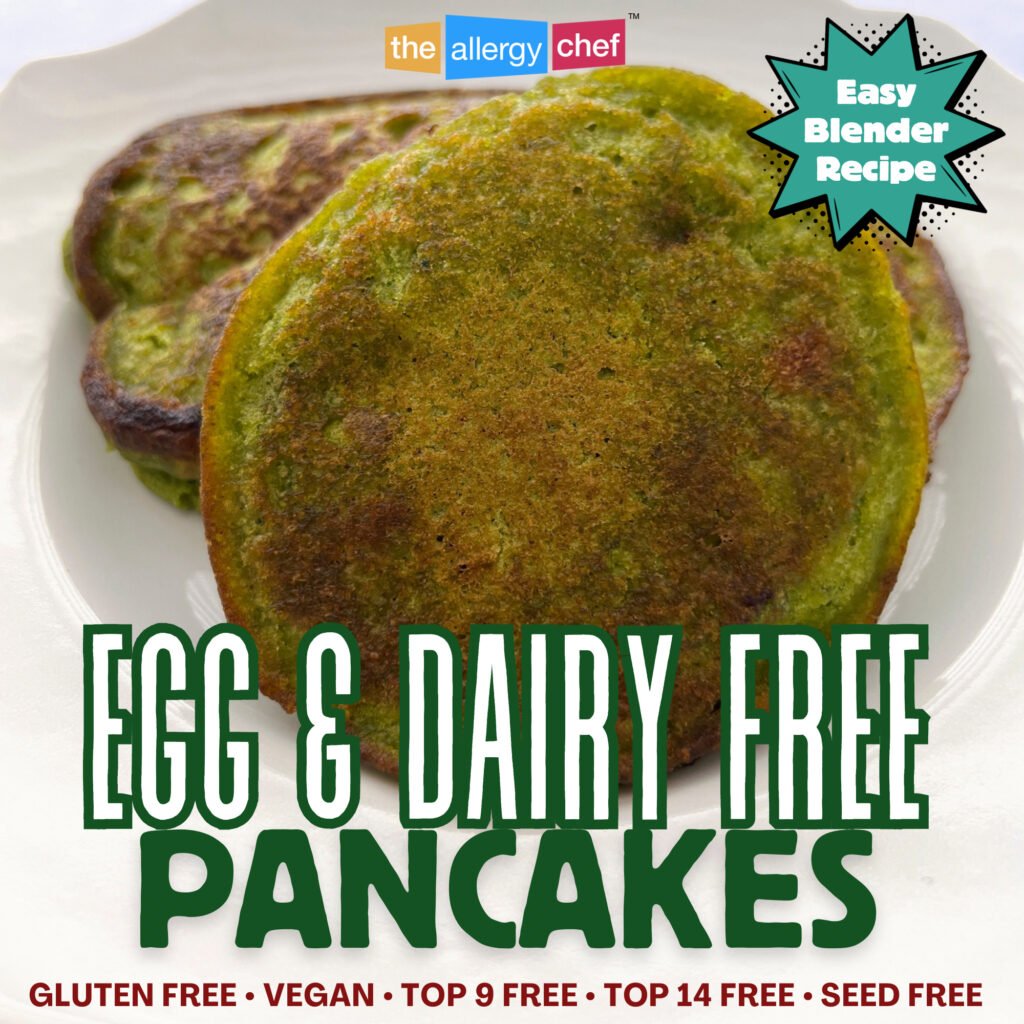
Delicious Pancake & Waffle Recipes
Each of these dairy free breakfast recipes if gluten free, egg free, top 9 free, and more.
 |
 |
 |
 |
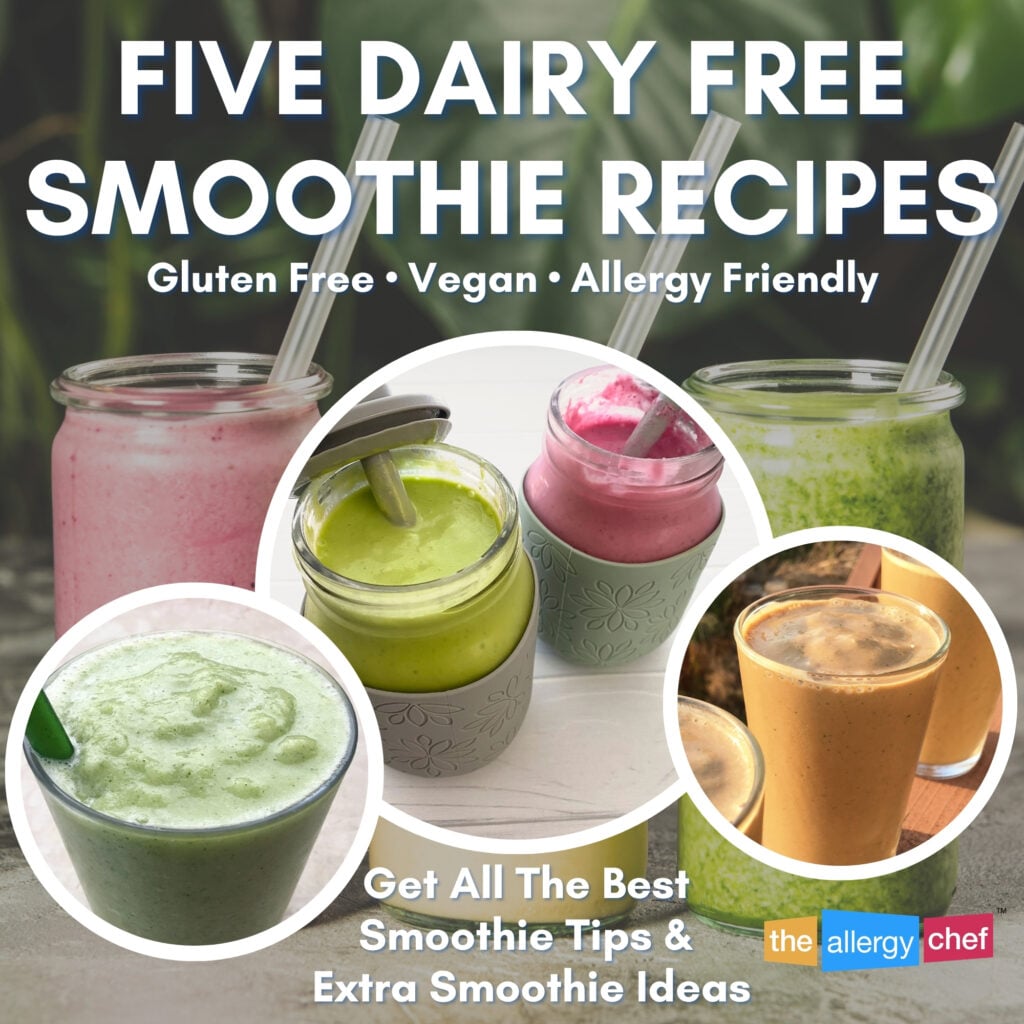
Best Dairy Free Milk for Smoothies
In the case of a dairy free smoothie, you’ll want to avoid milks that have a really harsh taste (think hemp milk and walnut milk). Now, if those harsh milks are flavoured, there’s a good chance you’ll still enjoy your smoothie. Unsweetened however, you’re playing with fire.
As a general rule, I tend to make dairy free smoothies with the more neutral tasting milks: almond milk, cashew milk, flax milk, oat milk, and rice milk.
 |
 |
Dairy Free Milk to Avoid
This is all going to come down to personal preference, so think of this as super duper general advice. Dairy free milk alternatives, like gluten free flour, have a TASTE, and not all of it is good. Additionally, some have ingredients you won’t love. On top of that, some of the “mass”/base ingredients will have a specific taste, looking at you coconut milk.
For example, if you were to use full fat coconut milk at every turn, you won’t have a hint of coconut flavor, you will full on have coconut flavor in everything you eat. If you don’t LOVE coconut milk, it’s the milk to avoid.
Hemp milk, banana milk, macadamia milk, pistachio milk, pea milk, pecan milk, walnut milk, and soy milk are all alternatives that can fall into the same category. Now, you may be wondering, why do companies even make them then?
Simple: because no two people are the same. We all have different health needs, taste preferences, and so on. If anything, it’s a miracle and a blessing that we have this many options to choose from. When my child with a milk allergy was first diagnosed almost 25 years ago, we had maybe three options to choose from (rice milk, soy milk, and almond milk). Could you imagine if you had a child allergic to milk, plus those three?
See what I mean? We have so many liquid options that sometimes I think it’s wild. So, think about the type of dishes you’ll be cooking and choose a dairy free milk that’s safe for you, but one that will also compliment what you plan on cooking.
Making Flavoured and/or Protein Dairy Free Milk at Home
Once I started making my own dairy free milk at home (a very budget friendly endeavor FYI), I also got into making specialty milks for my kids. The results were amazing, and I think it’s something more free-from folks should be doing.
You can make the classic flavours (chocolate, vanilla, and strawberry), or, you can go wild. I’m sure you’ve figured out that I went wild. I see dairy free milk as a beautiful blank canvas, ready for me to release my inner Piet Mondrian.
Karen’s Naturals, one of my fave brands, sells a wide range of organic freeze dried fruits and fruit powders. These can be combined with dairy free milk + organic vanilla extract + organic maple syrup in your blender for an amazing drink. You can use the powders to make peach milk, berry milk, and so much more.
Alternatively, you can blend fresh fruit + dairy free milk + organic vanilla extract + sweetener of choice to create really tasty fresh drinks.
For protein drinks, start with a basic dairy free organic protein powder. If you’re more than dairy free, check out the Zego Pure Protein. If you’re only dairy free, you have a lot more options, including one of my fave brands, Just Ingredients. You’ll want to blend dairy free milk + organic vanilla extract + protein powder + optional sweetener.
You can also make flavoured milk teas and cold coffees and have them ready to go. Essentially, if you like drinking it, why not make up a big batch and make sure future you has something cold and refreshing?
I would often make a blender full of flavoured milk, then leave it in the fridge in glass jars similar to these (SO adorable). Since my kids would fight over all things delicious, I labeled the lids for even distribution.
Answering Dairy Free Milk Questions
Is lactose free milk dairy free?
No, lactose free milk, an awesome product if you’re lactose-intolerant, isn’t dairy free or milk free. If you have a cow’s milk protein allergy, a casein allergy, or have been told to avoid “milk” or “dairy”, you cannot drink lactose-free milk.
Anything ending in “ose” means sugar (lactose, fructose, etc.). In the case of this beverage, the sugar (lactose) has been removed. All other parts of the milk remain intact (fat, water content, proteins). Those who are allergic to milk will have an allergic reaction if they were to consume lactose-free milk.
Is non-dairy milk the same thing as dairy free milk?
If you manage a milk/dairy allergy, it’s important to know that generally, no, they don’t mean the same thing. Nondairy (also written as non-dairy) used to imply that there could be a very small amount of cow’s milk dairy in a product. Dairy free on the other hand means zero dairy. Period.
Whilst the regulation has changed over the years, the US FDA generally has the viewpoint that “non dairy” could contain up to 0.5% of dairy milk derivatives such as caseinate. Dairy free always meant zero milk or milk derivatives.
Anytime you’re at a grocery store and want to purchase plant-based milk but you see the term non-dairy rather than dairy free, contact the brand for clarification. You can also start on their website, as some brands have a robust FAQ.
If you don’t like the answer, or are uncomfortable, do not purchase the milk. If you mange a lactose intolerance, there’s a good chance you’ll be able to have the product, but it’s still a good idea to get in touch with the brand before purchasing.
Is bulletproof coffee dairy free?
Bulletproof coffee (the blended drink), sometimes called butter coffee, is not inherently dairy free. However, it can be made dairy free. The vegan version of bulletproof coffee is often made with coconut derived MCT oil, and this is something you can purchase online and in health food stores.
Also know, there’s a brand that sells coffee beans called Bulletproof Coffee, and their beans are dairy free.
What’s a good dairy free milk to use when making a roux?
There are a few things to consider when we’re talking about a roux. First, are you more than dairy free, or do we have access to a really wide range of options? If you only have one or two safe milk choices, use what you have and manage your expectations. If we have options, let’s keep chatting.
Depending on what the roux is for, you’ll want to choose a different dairy free milk. Here are a few examples:
Gumbo Roux: Choose a nut based milk with flavour. Skip cashew milk since it can be mild. A hazelnut or pecan milk would add a great amount of depth to your recipe.
Mac-n-Cheese Roux: Choose a mildly flavoured milk. Skip coconut milk, most nut milks, and anything that’s not unsweetened. Cashew milk, almond milk, and flax milk are all great choices.
Curry Roux: Tap into full fat coconut milk. This brings flavour and body to your final sauce, and pairs well with coconut spices.

Dairy Free Substitute for Butter
Now let’s take a look at all things dairy free butter. This is an important product in dairy free baking and vegan baking. In fact, in most baking recipes, you cannot swap the butter for an oil instead. The reason: butter is solid at room temperature. This distinction is what sets butter and oil apart, especially in baking.
In cooking, recipes are MUCH more forgiving and you can cook food in an oil instead of dairy free butter. The flavour will change, but the end results will mostly be the same.
Critical Note: Below, I share store bought versions of dairy free butter substitutes. Most brands will be operating on shared equipment with major allergens, including milk. Always do your due diligence and talk to companies before making a purchase, especially if you’re in the 30% group that can’t handle trace amounts or shared equipment.
When it comes to brands and performance, essentially, they all behave the same. Some will be a little more spreadable than others, and some will have a more distinct taste when compared to others. However, in terms of melting and cooking, they’re all going to be the same.
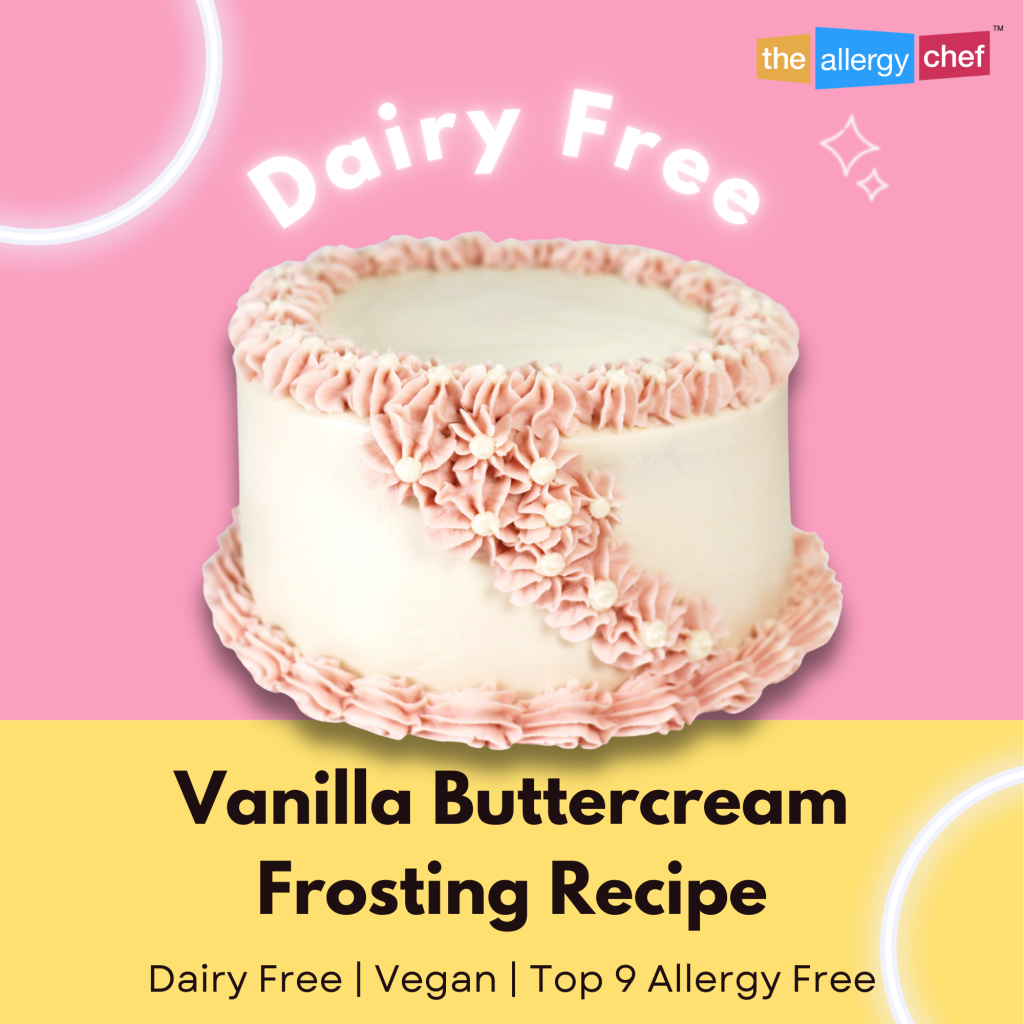
Where you’ll really see a difference: anything that has butter as the star of the show, such as a vegan buttercream frosting recipe, or buttered toast.
Cost & Flavour as Factors
All of the dairy free butter alternatives sold in stores will contain one or more major allergen, and each will have a unique taste. Purchase dairy free butters that are safe for you and sample them so you know which you prefer.
Cost is also a factor here that can’t be ignored. If you find that you like the taste of an expensive dairy free butter, use it for toast, or when flavour really counts. Then find something a little less expensive for everyday use, for baking, and cooking where the flavour will be masked or muted.
What is Dairy Free Butter
Unlike dairy based butter, dairy free butter alternatives are a blend of oils and other ingredients you may not be excited about. To make butter from milk, you churn cream. It’s quite literally one ingredient, and some butter brands add sea salt. That’s it.
It’s not uncommon to see at least 10 ingredients in modern butter substitutes. Many varieties contain coconut oil, olive oil, sunflower seed oil, flaxseed oil, and other oils. There’s also some water content, stabilizers, and ingredients used for flavouring (and colour as well).
Dairy free butter is an engineered product, however, as a free-from recipe developer, I think I can safely say that most brands have gotten this product pretty right. Whilst there are some limitations such as browned butter, these products melt well, firm up and re-set, can make frosting, and just about everything else in between.
What is Margarine
By definition, margarine is a butter substitute made from vegetable oils or animal fats. That means, technically speaking, all dairy free butter is a form of margarine. However, as you go through a grocery store, know that most conventional margarine is not dairy free.
 |
 |
 |
 |
Brands That Sell Dairy Free Butter & Rendered Animal Fat
Here’s a pretty comprehensive list of brands that sell dairy free butter substitutes here in the US. Each has a different allergen profile, which I’ve tried to note for you. Not all brands are available everywhere, so you’ll have to call around, or have a special order placed thru a store. Note: Ghee is NOT dairy free or vegan.
- Country Crock Plant Butter with Olive Oil (soy based, they have other flavours available)
- Earth Balance Original Buttery Spread (blended vegetable oil base, contains soy)
- Earth Balance Vegan Buttery Sticks (blended vegetable oil based, contains soy)
- Earth Balance Olive Oil Buttery Spread (soy free, mainly palm based)
- I Can’t Believe It’s Not Butter Vegan (soy and palm based, they sell a non-vegan version that contains milk)
- Melt Organic (blend of oils, coconut, palm, canola, sunflower, and flaxseed)
- Miyoko’s Creamery (coconut oil and cashew milk based, they also have a hint of salt flavour)
- Rosario Organic Black Truffle Plant Based Butter (coconut oil and cashew based)
- Wayfare Foods Dairy Free Butter Original (white bean, coconut, sunflower based)
- Fix & Fogg Everything Butter (peanut, sunflower seed, flaxseed based, also contains almonds and sesame)
Here are butter adjacent products you may find interesting. The vegan ghee is pretty new, and one of a kind. The dairy free butter extract could come in handy if you’re really trying to achieve a specific taste, or perhaps want to make something like popcorn, but intensify the buttery flavour.
- Nutiva Organic Butter Flavored Coconut Oil (coconut oil and natural flavor based)
- Vegan Butter Flavor Extract
- Livlo Vegan Ghee (coconut oil, avocado oil, and flavouring based)
- Spectrum Organic Shortening (palm)
- Nutiva Shortening (palm and coconut based)
- Chosen Foods Avocado Shortening (avocado only)
Depending on the application, animal fat (tallow, lard, grease, drippings) can be used in place of dairy free butter. It’s excellent for stovetop cooking, and I’ve personally messed about with it for making cookies. In baked goods, you KNOW it’s there, but also, if you have super limited options, you won’t mind. There are quite a few major brands making and selling rendered animal fat, so here’s a list to get you started:
- Bacon Up Rendered Bacon Fat (contains a lot of additional ingredients, might be better off making this at home)
- Mad Foods Aux Délices des Bois Bacon Fat (contains less ingredients than the Bacon Up brand, but you still may want to make it at home)
- Bear Grease (yes… cooking fat from bears… I know)
- Fatworks Organic Grass Fed Beef Tallow
- Epic Grass Fed Beef Tallow
- South Chicago Wagyu Beef Tallow
- Northstar Bison Tallow Cubes***
- The Honest Bison Tallow***
- Desert Farms Camel Hump Fat*** (good for cooking, and some baking)
- Fatworks Chicken Fat AKA Schmaltz
- Epic Duck Fat
- Fatworks Lamb (Mutton) Tallow
- Fatworks Leaf Lard (from pig kidney fat specifically)
- Fatworks Organic Pork Lard
***I’ve personally trialed these and can tell you they’re worth tying if you have a severe corn allergy.
Tip: If you want to make bacon fact at home, check out this awesome strainer.

What are the Best Dairy Free Butter Options For…
Alright, it’s time to take a look at when to use which type of butter alternative in cooking and baking. Whilst this isn’t an extensive list, you can read over the different butter options and start to see the patterns. If you need a substitute for something that’s not listed, see what’s suggested for something similar.
If you’re new to dairy free living, selecting a dairy free butter can feel overwhelming on a good day. I always suggest purchasing the different options available to you, and taste testing. When it comes to sampling, use your butter alternatives the way you would use them most. If you never have bread + butter, don’t sample that way, but instead, use a method that you’ll lean in to often.
Best Butter Substitute for Cake Recipes
Cakes Containing Eggs: Use a dairy free butter that doesn’t contain coconut oil. Coconut oil has a TASTE, and this can clash with your other cake ingredients.
Egg Free Cakes: Do not bake with dairy free butter if you’re egg and dairy free, unless you can find a proven recipe. As an expert free-from recipe developer, this is one pitfall I’ve seen with egg + dairy free baking. Instead, you’ll want to follow a recipe that uses oil. Most of the cake recipes in my cookbooks use olive oil as a way to ensure there’s moisture, without throwing off the texture.
The Best Dairy Free Butter Options for Cookie Recipes
Any dairy free butter alternative will work well in edible cookie dough as well as baked cookies. So long as your butter is at room temperature, you’ll be able to cream dairy free butter with sugar, and follow the rest of the recipe instructions as expected.
Even the butters with coconut will be fine, as coconut oil performs well in cookies, and the flavour is generally masked by the other ingredients.
Unlike cake, you don’t need to worry about egg containing versus egg free treats. All dairy free butter options will work in the case of cookies.
Best Butter Substitute for Pastry Recipes
As someone who has developed a lot of free-from pastry recipes, I can tell you that the Earth Balance food storage 30 pound box is the top choice. Second to that is the Earth Balance Vegan Buttery Sticks.
These products both yield amazing results in pastry shells, frosting, cookies, and more.
The Best Dairy Free Butter Options for Stovetop Cooking
Earth Balance, Miyoko’s Creamery, Melt, and Country Crock are the top four choices in this category. I tend to avoid encouraging butters that contain coconut oil because of the taste, but in some applications, the taste can be a good thing.
In stovetop cooking, you’re most likely going to need dairy free butter for a roux, cream sauce, or general cooking oil. In all three scenarios, I’ve had amazing results with Earth Balance, and have a recipe developer friend that’s had great success with Country Crock.
The Best Dairy Free Butter Options for Pancakes
For cooking pancakes in melted butter, any dairy free butter option will be fine. In terms of putting a pat of butter on top of cooked dairy free pancakes, there’s no right or wrong answer. It comes down to what YOU like best.
Best Dairy Free Butter Substitute for Someone with a Seed Allergy
If you manage dairy and seed allergies, you’ll want to lean into coconut oil, coconut palm oil, tiger nut oil (tuber, not a tree nut), and vegetable shortening for your cooking and baking needs.
Pretty much all dairy free spreads and butters contain seeds, even the ones that you’d think would be seed free because they add annatto for colour. In the case of shortening, you will have some baking limitations as it changes the texture of cookies and has a somewhat synthetic taste about it. All you can do in that case is adapt to the taste, or follow recipes that use oil instead.
For non-seed commercial options, you’ll want animal tallow for cooking and some baking (such as camel hump fat), palm shortening, or avocado shortening.
The Best DF Butter Substitute for Someone with a Soy Allergy
Honestly, the best soy free dairy free butter I’ve ever used is the Earth Balance 30 pound food service box. However, as the name suggests, it’s for food service. Since I owned and operated a free-from bakery, I was able to special order the product.
However!! You can as well. Find a grocery store in your area that’s a Co-Op style and where the people are super nice. If they carry any Earth Balance product, it means they have access to UNFI distribution and can special order the box. Warning, it’s going to cost you at least $100. Offer to pre-pay so they know you aren’t a flake, and thank them a bunch of times. Bonus points if you bake something and gift it to them as well.
I was able to keep myself stocked with butter this way for years. Now, if that’s not an option for you, Livlo Vegan Ghee, Earth Balance Olive Oil Spread, Chosen Foods Avocado Shortening, Desert Farms Camel Hump Fat, and Miyoiko’s Creamery Plant Milk Butter are all soy free options.
If shared equipment is an issue for you, do your due diligence, especially with Earth Balance since their other butter substitutes contain soy.
Best Dairy Free Butter Substitute for Someone with a Corn Allergy
For someone that’s corn free + dairy free, vegetable shortening is the only safe butter alternative for baking (specifically this brand). I’ve heard mixed reviews about other ones on the market, but last I checked, this is the best option.
For cooking, organic tiger nut oil (tuber, not a tree nut), or organic extra virgin oil (make sure it’s properly sourced) are the two safest options.
Like all things truly corn free, there are limitations, and you won’t be able to make just anything with these options, however, you can make most things. Plus, if you manage your expectations, you’ll most likely enjoy what you make.
Know that vegetable shortening has a synthetic taste and feel about it, even the corn free organic option. There’s nothing you can do about it but adjust. Shortening can be used in cookies only when baking. For all other baking projects, use shortening at your own risk.
When I develop truly corn free recipes, I lean hard into tiger nut oil since it has a super clean taste, and a great performance track record. Camel hump fat is another option that should be explored, along with bison tallow.

Limitations of Dairy Free Butter
In all my years of recipe development and authoring over a dozen free-from cookbooks, I’ve only ever run into one issue with dairy free butter and spreads: pound cake. Now, in my case, I also don’t work with eggs. It could be that dairy free butter can stand on its own when paired with eggs, but I’ll never know since several of my tasters are allergic to eggs.
Alternatives to Dairy Free Butter in Cooking
You know the saying, “cooking is an art and baking is a science”? Well, that’s a great way to think about dairy free butter. In cooking, you have a lot more wiggle room, and in baking, it’s the letter of the law. Not our artistic spirit.
If you don’t have a safe dairy free butter, or you’ve run out of your butter alternative, you can replace butter with oil. The top two oils I suggest are organic extra virgin olive oil and organic tiger nut oil (tuber, not a tree nut).
- If a recipe calls for butter as the cooking fat, you can use oil or tallow in its place.
- When a recipe calls for butter as part of a roux, use the same amount of oil instead.
- Should your recipe call for oil as more of a flavouring agent, replace it with a high-quality, flavour forward oil.
The only time you can’t use oil as a replacement for dairy free butter is if there’s a setting phase. Butter is solid at room temperature, and oil is liquid at room temperature. If your recipe needs to have firmness, or a set, oil won’t set up. Depending on the recipe, you may be able to use coconut oil or shortening as a replacement.
Alternatives to Dairy Free Butter in Baking
When it comes to baking, you’ll have to be very careful about replacing the butter with something else. Each baking category (cookies, crust, cake, etc.) all use different features of butter. If you were to remove it, you risk ruining the recipe.
In some cases, such as cookies, it’s not the end of the world if you make the swap. In other recipes, such as cakes, you’ll destroy your end results with that kind of swap. It’s mainly going to come down to liquid vs room temperature fats. By replacing a solid fat with a liquid one, you affect how the recipe behaves as its baked.
Let’s look at pie crust as an example. Can you make a functional pie crust with oil? Yes. Will you have rich flaky layers? Nope. The reason: because as the solid butter heats there’s a steaming effect that’s created, and you end up with little pockets of goodness all over. That effect doesn’t happen with baked oil.
I could go on and on about this and give you examples based on baking category, but I don’t want to keep you all day. If you absolutely need to make the swap, use coconut oil, since it’s the closest in function to dairy free butter when at room temperature. However, and this is big. You WILL alter the taste. Coconut oil is no joke. It can be very intense, and if you don’t love the taste, you’ll need to consider shortening, or a different recipe.
Shortening as an option: shortening sometimes works as a butter alternative, however, it will alter not only the taste, but texture. You should only use this option if it’s something you’re used to.
Answering Your Dairy Free Butter Questions
Is I Can’t Believe It’s Not Butter buttery spread dairy free?
According to their package (original), no, their products are not milk or dairy free. Additionally, the products contain soy. What’s interesting is that if you read the ingredients, nothing jumps out as milk, so it must be in the natural flavour.
However, this brand does make a vegan version (product link). It’s not something I’ve ever used, so I can’t tell you if it’s any good.
Which dairy free butter has the most authentic butter flavor?
Unfortunately, there’s no easy answer or clear winner. It’s always going to come down to personal preference and what you remember butter to be. For example, kids born with a milk allergy, who have no point of reference, think most of the options taste good.
On the other hand, adults without food allergies, or those who are newly diagnosed, have serious opinions. Some feel that the cashew based options (Miyoko’s Creamery as an example) are the best and everything else has a weird taste. However, some feel that the Earth Balance brand is the best, hands down.
The only way to answer this question is to purchase the dairy free butter from the grocery stores in your area and sample them all. You’l have more options if you shop at stores such as Whole Foods, Sprouts, and Co-Op style grocery stores.
Is coconut butter a dairy free butter alternative?
No, coconut butter is essentially coconut flesh that’s been transformed into something that’s more akin to a nut butter or peanut butter. Coconut oil however, will be closer to a dairy free butter substitute, especially in stovetop cooking.
Is cacao butter a type of dairy free butter substitute?
No, cacao butter is a product of chocolate manufacturing. You’d use cacao butter if you’re wanting to make white chocolate at home, or create special chocolate projects.
Can I use oil in place of dairy free butter in recipes?
For stovetop cooking, yes, you can safely swap dairy free butter for an oil of choice. This will change the final flavour profile, however, the function will still be there.
In other applications, it’s going to be on a case by case basis. For example, if the recipe needs to set and firm up, no, you can’t make the swap. Dairy free butter is solid/firm at room temperature, and that’s a key highlight. Oil can’t firm up the same, so that’s going to be the top variable to account for in recipes.
In baking recipes, no, you cannot make this swap and expect to have the same outcome. Oil and butter perform differently in baking. If you need to use oil-based recipes, start with those, rather than follow a recipe that’s not designed for you.
Dairy Free Substitute for Sour Cream
These days, there are quite a few dairy free alternatives that you can pick up to replace sour cream in recipes. When it comes to selecting the best sour cream alternative, you’ll want to think about the application first and foremost.
Critical Note: Below, I share store bought versions of dairy free sour cream substitutes. Most brands will be operating on shared equipment with major allergens, including milk. Always do your due diligence and talk to companies before making a purchase, especially if you’re in the 30% group that can’t handle trace amounts or shared equipment.
What is Dairy Free Sour Cream
It’s really important that you understand what dairy free sour cream alternatives are, especially if you highly value clean and organic foods that don’t read like a science experiment.
Milk-based sour cream has been around for thousands of years, and undergoes a natural fermentation process. The end result is a milky product that’s naturally thickened, and has a richness similar to Greek yogurt.
Generally, a container of organic sour cream will have 5 ingredients or less (cultured cream, enzymes, cultures, and sometimes sea salt are the main ingredients).
Dairy free sour cream alternatives on the other hand are a combination of ingredients (that aren’t always awesome), scientifically engineered to behave like sour cream. They have to use thickeners, starches, added sugar, and some other ingredients and additives that you may not love. It’s not uncommon to see up to 20 ingredients in a container of dairy free sour cream.
What this means for you: make sure you read over the nutritional label and ingredients, understand what they are, and research how often something like this should be consumed. Personally, I didn’t serve dairy free sour cream to my kids more than a few times a year because I just can’t get behind a lot of the ingredients.
How to Use a Dairy Free Sour Cream
The great news is that dairy free sour cream is a 1:1 substitution where milk-based sour cream is called for. In hot applications, you may have results that are different than what you had hoped for. If your recipes aren’t thick enough, or have a rich mouthfeel you were aiming for, add a bit of cashew cream, or an arrowroot slurry to better thicken the recipe.
In cold applications, you won’t see a change in thickness when it’s used in recipes.
Brands that Sell Dairy Free Sour Cream
Each version will contain major and less common allergens including cashews, almonds, added sugars, guar gum (legume derived), tapioca starch, and more. You won’t be able to get all of these brands nationwide in grocery stores, so always call ahead to see what’s available. Some brands have a store locator on their website, and you may be able to get additional information that way.
Grocery stores that cater to organic, non-GMO, and natural ingredients are more likely to carry these brands. If you have a Whole Foods, Sprouts, or Co-Op style store in your area, I’d start there. Those grocery stores are also the most likely to be able to special order these types of products for you.
- Elmhurst (oat + coconut + sunflower + hemp based, comes in a squeeze pouch)
- Forager Sour Cream (coconut cream and cashews are the base)
- Kite Hill Sour Cream (almond milk and coconut cream are the base)
- Tofutti Sour Cream (palm oil and soy are the base)
- Gloriously Vegan NoochyLicious Sour Cream Substitute (tapioca starch, cashews, and almond flour are the base)
- Violife (coconut oil, potato starch, and tapioca starch are the base)
- Wayfare Foods Dairy Free Sour Cream (White bean, oat, and coconut based)
What’s very interesting about the Gloriously Vegan brand is that they state that the yeast has been tested and is free from candida albicans. This isn’t the kind of information brands normally share on the label, and it’s rather refreshing to see.
The Best Dairy Free Sour Cream Substitute For….
Let’s take a look at the best sour cream substitutes based on application. For this particular list, I’ll be referring to the brands you can purchase.
Best Dairy Free Sour Cream Alternative for Dips
If you want to make a classic dip that has sour cream as a leading flavour profile, honestly, you need to choose the sour cream that YOU like the taste of. Generally, all of the brands are going to have a similar performance, but their tastes will be wildly different.
If you want something a little more neutral in taste, use the Forager or Kite Hill brands. If you want something a little more funky, use any of the other three brands.
The Best Dairy Free Sour Cream Substitute for Soups
In soup, I’d start with the Tofutti brand because of its thickness. The soy in their formulation gives their product a little bit more of an edge. For a cleaner flavour, use the Forager or Kite Hill brands of dairy free sour cream.
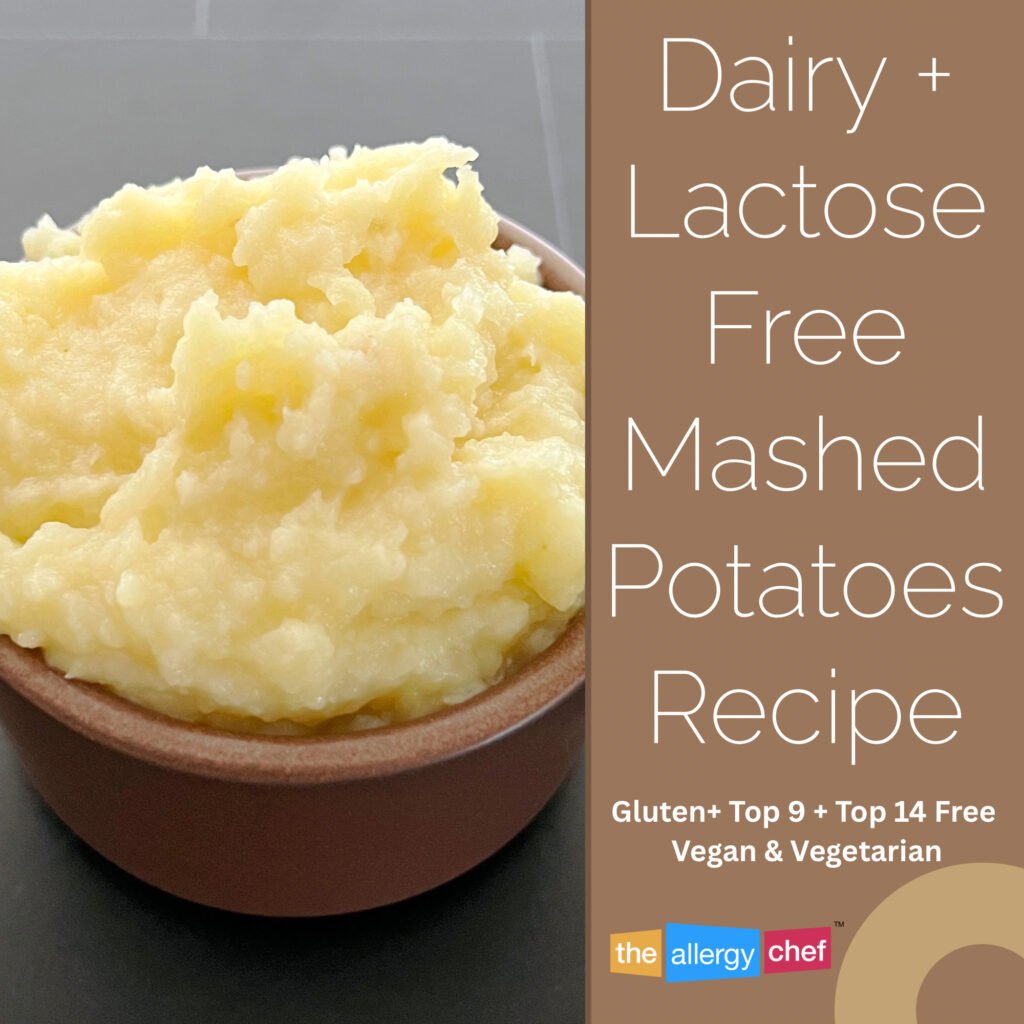
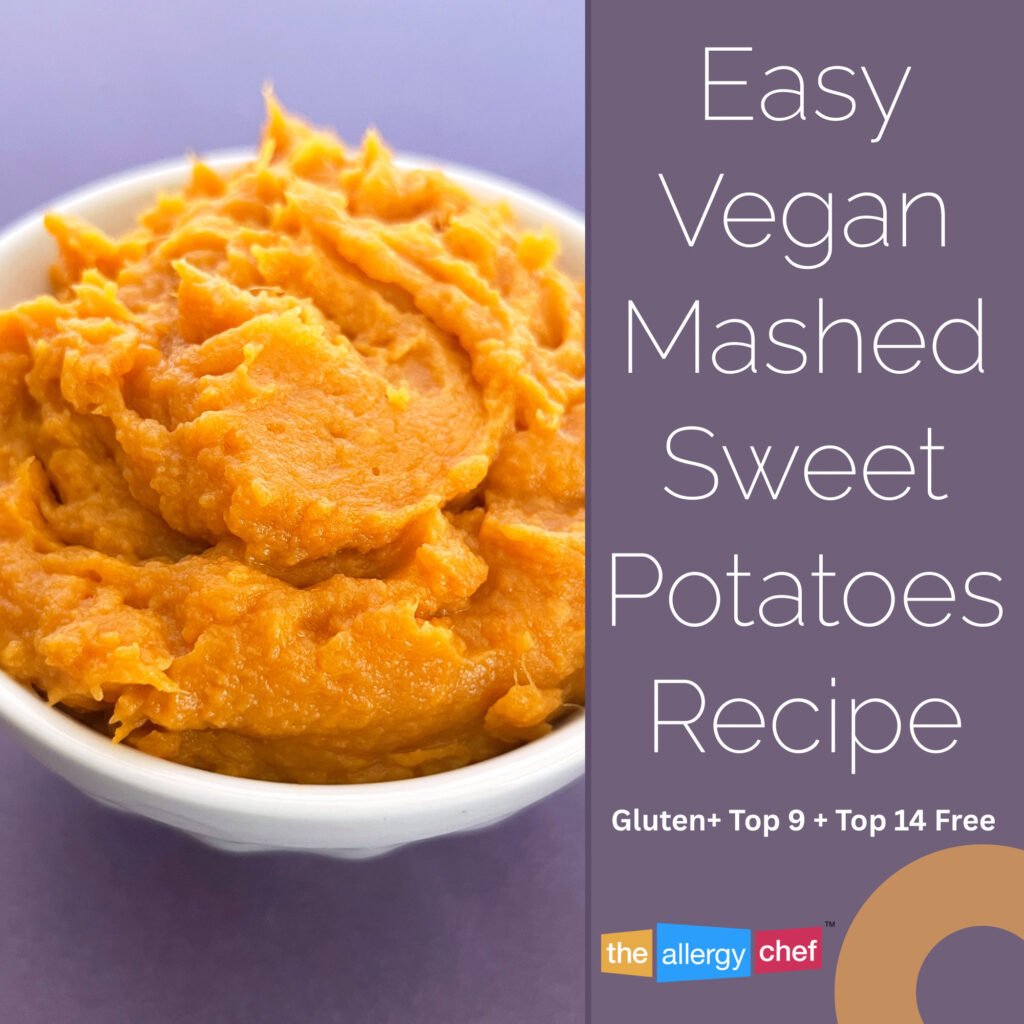
Best Dairy Free Sour Cream for Mashed Potatoes
In mashed potatoes, you’re going to want to use the sour cream that you like the best, but also the sour cream that has the most neutral taste. Kite Hill would be my top pick in this category.
If you enjoy making unique mashed potato recipes, especially loaded mashed potatoes, I think the Gloriously Vegan brand may give you some really tasty results.
 |
 |
The Best Dairy Free Sour Cream Substitute for Meat Dishes
If you plan to make a dish such as beef stroganoff, and it calls for sour cream, honestly, any of the store bought sour cream alternatives will work. The reason why: your meat and sauce will mostly mask the flavour.
In this case, what you’re really needing is the thickness, richness, and slight tang that sour cream offers. As long as your dairy free version provides that, you’re good to go.
Best Dairy Free Sour Cream for Homemade Salad Dressing
There won’t be a tonne of salad dressing recipes that call for sour cream, but on the off chance you want to follow one, I suggest Kite Hill, followed by Forager. These brands will have the most neutral tastes, and will be able to pair well with a wide range of other ingredients in said salad dressing.
Answering Your Dairy Free Sour Cream Questions
Is lactic acid a milk product?
You’ll find lactic acid bacteria in lots of versions of dairy free products including salad dressing, yogurt, and kefir. Whilst the name sounds like milk (lactose is milk sugar, and lactic sure sounds close to lactose), there’s no milk involved.
Lactic acid is naturally formed when certain foods or bacteria go a fermentation process. There’s also lab-made versions of lactic acid that are less natural.
Bottom line: lactic acid isn’t a milk product, and is safe to consume if you have a milk allergy, lactose intolerance, or need milk free foods for any other reason.
Could I make something like a dairy free sour cream at home?
Yes and no. First, it’s going to start with managing your expectations. You have limited options at home since you aren’t operating a commercial kitchen with heavy machinery and specialty ingredients. However, that being said, with some clever ideas and a good combination of ingredients, I think you can create a great sour cream memory at home.
Start with cashew cream or coconut cream, and thin it out with water until you’ve reached the consistency of sour cream that you like. If you want a super clean flavour, use cashew cream. Only use coconut cream if you LOVE the taste of coconuts, or have a cashew allergy.
Once you have the cream at the right consistency, add a pinch of cane sugar, a tiny pinch of sea salt, a teaspoon of lemon juice, and a splash of white vinegar. Mix well, taste, and adjust as needed. The lemon and vinegar are going to provide the tang that you’d typically find in sour cream.
Dairy Free Cream Cheese Substitutes
Alright, it’s time to look at everyone’s favourite bagel topping. Well, most people’s fave. Surprisingly, there are a lot of dairy free cream cheese alternatives available these days. However, you’re going to have to shop around. I’ve found that the natural and organic style stores (whole Foods, Trader Joe’s, etc.) carry a particular set of brands whilst conventional stores carry the others. A few brands cross the line, and some are just hit and miss.
What is Dairy Free Cream Cheese
Cream cheese, generally speaking is a thick spread that’s popular for serving on the side at breakfast time. It’s also great for making dips, desserts, and more.
Like all of the other dairy free alternatives in this guide, dairy free cream cheese is an amalgamation of plant-based ingredients brought together to mimc the taste and texture of milk based cream cheese. Some brands have had more success than others, and dairy free folks are pretty divided on which option is the best.
In terms of ingredients, you’ll consistently find a base/mass (usually cashews, almonds, or coconut), added salt/sodium, water, added sugars, seed based ingredients, and many more additives you may not love.
Each ingredient serves a function to help the substitute perform as expected. Depending on the style, you’ll find specialty ingredients such as chives or strawberries, which can be nice. The Violife brand offers a Vitamin B12 boost which can be helpful for those who are exclusively vegan.
If nutrients such as fiber, potassium, or Vitamin D are a concern, neither milk-based cream cheese or dairy free cream cheese make a considerable contribution to those daily values, so make sure you’re eating a well rounded, balanced diet.
Delicious Recipes Featuring Dairy Free Cream Cheese
- Peach & Pork Dutch Oven Pasta Bake
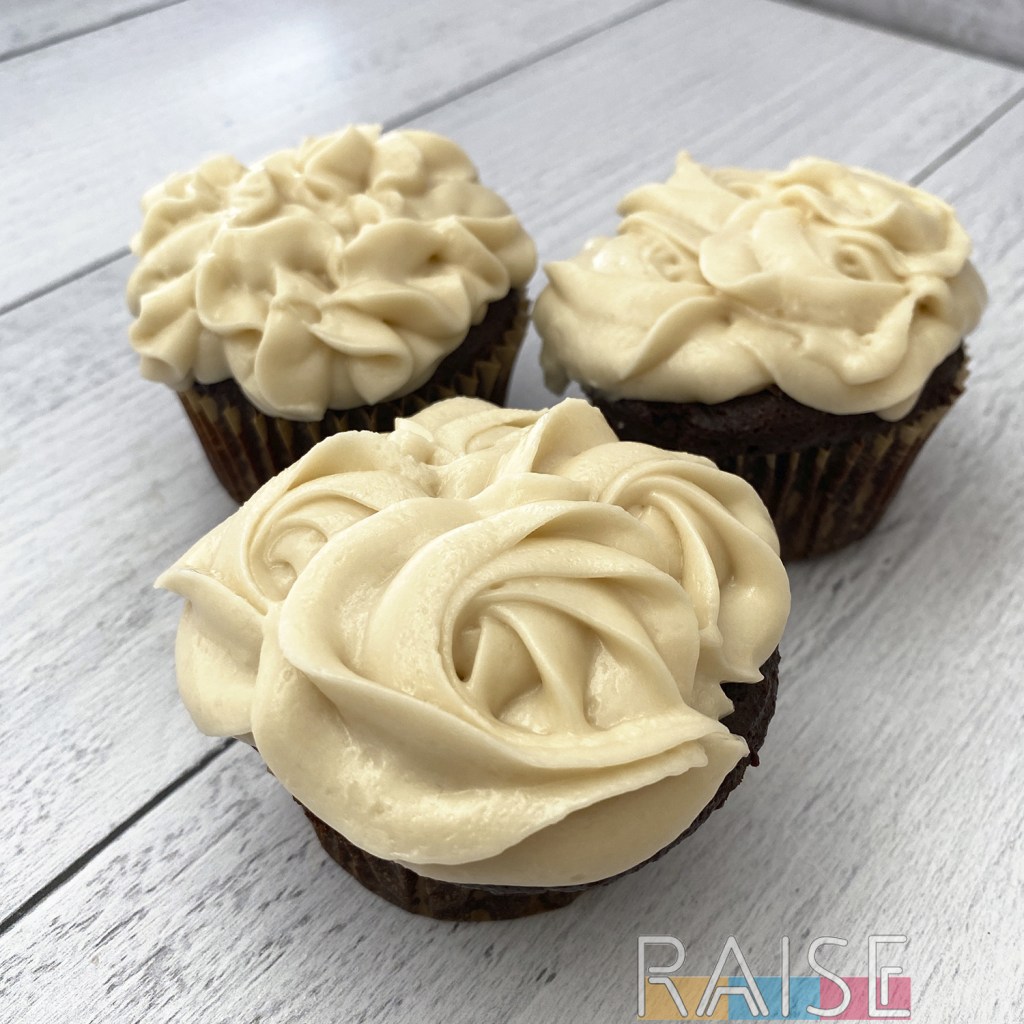
- Dairy Free Cream Cheese Frosting Recipe (vegan, allergy friendly)
- Dutch Oven Dairy Free White Lasagna Recipe
- Vegan Pumpkin Pie Cheesecake Recipe
 |
 |
 |
 |
Brands That Sell Dairy Free Cream Cheese Alternatives
Like with all other product references in this guide, you’ll need to call the company if you need info on shared equipment and raw material sourcing.
- Kite Hill Plain Cream Cheese (almond based, contains legumes)
- Kite Hill Chive Cream Cheese (almond based, contains legumes)
- Miyoko’s Creamery Vegan Cream Cheese (cashew and coconut based, comes in original, everything, and savory scallion)
- Never Better Foods Better Than Soy Free Vegan Cream Cheese (coconut based, contains potato, legumes)
- Philadelphia Plant-Based Original Cream Cheese (coconut oil based, contains potato, legumes)
- Philadelphia Plant-Based Strawberry Cream Cheese (coconut oil based, contains potato and legumes, appears to have real strawberries as well as flavouring)
- Tofutti Dairy Free Cream Cheese (soy based, contains palm)
- Treeline Cashew Cream Cheese (contains cashew, seeds, rice)
- Violife Original Dairy Free Cream Cheese (coconut oil based, contains potato)
- Wayfare Foods Dairy Free Cream Cheese (white bean, coconut, sunflower base, also available as strawberry and onion & chive)
Miss Jones Organic Cream Cheese Frosting (coconut based, uses natural flavouring rather than cream cheese)
What’s The Best Dairy Free Cream Cheese Substitute For…
It’s time to look at the best substitutions based on scenario. TL; DR: it’s going to come down to personal preference, any other dietary restrictions you manage, and your tastebuds.
Each brand that you can purchase will generally perform well in both sweet and savory applications, so you’ll see me say it again and again, it’s about what you like. If you’re new to dairy free living, and there’s anything you need to know, it’s this: dairy free substitutes have a taste and smell that you have to adapt for.
In some products, it’s more present. I’ve found that people without a milk allergy tend to be more offended by the taste of dairy free foods (as compared to those who are vegan or those born with a milk allergy), and that’s because they have a strong point of reference. And, at the end of the day, DF swaps really are engineered products that have to walk a fine line.
I recently heard one lady call a dairy free product “violently offensive” and wow did I have to take a moment. She meant no harm, and it was an honest knee jerk reaction. However, I share that as a warning for you.
You may find yourself offended by dairy free cream cheese, or you may want to share something you love with others and they look at you like you’re crazy.
Best Dairy Free Cream Cheese for No-Bake Cheesecake
For no bake cheesecakes, my tasters have said that the Tofutti brand is the best dairy free cream cheese substitute. It was a head to head battle between Tofutti, Kite Hill, and Violife.
In terms of taste, if you want a clean flavour, go with Kite Hill or Tofutti. Brands that use coconut as the base are going to always come with a very specific taste, and it’s one that can easily split a crowd.
Best Vegan Cream Cheese for Baked Cheesecakes
All of the vegan cream cheese alternatives will be a reasonable choice for a baked cheesecake, especially if it’s not a vanilla cheesecake. If you’re making fruity cheesecakes or a chocolate cheesecake, the flavour is pretty well masked.
If you’re planning to put a vanilla cheesecake on the menu, make sure you pick a dairy free cream cheese substitute that you LOVE. In this scenario, it’s more about taste than performance, since they’ll be about the same.

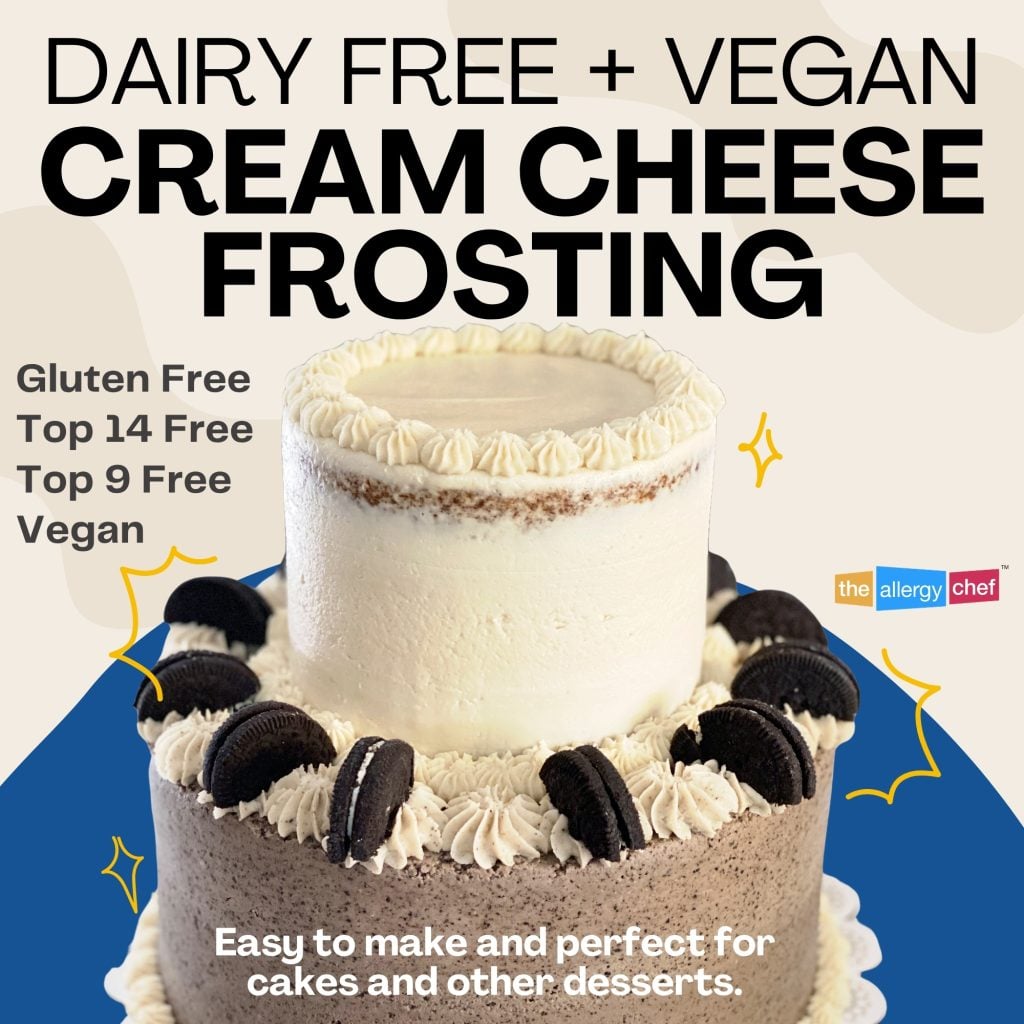
The Best Dairy Free Cream Cheese for Cake Frosting
For dairy free cream cheese frosting, I tend to reach for the Tofutti brand. It’s one that everyone seems to agree has the least “offensive dairy free taste”. With cake frosting, there’s not a lot to hide behind, so it’s important that you choose the brand that you like the taste of most. In terms of performance, they’ll all be on the same level.
You’ll be able to whip them with your stand mixer and incorporate all of the other ingredients without issue. It will just always come back to if YOU like the taste.
As an alternative, you can also try using the Miss Jone Organic Cream Cheese Frosting (coconut based, uses natural flavouring rather than cream cheese). I’ve not personally used it, but my kids have tried one of their other products and have enjoyed it.
Best Dairy Free Cream Cheese for Dip Recipes
For dipping, I’d suggest the Kite Hill or Philadelphia brands of dairy free cream cheese. Kite Hill will take first place in this category because the almond base gives it a slight edge over the competition.
Not only that, but if you plan to make savory dip, maybe something like chives and onion, they do offer the chive flavoured cream cheese. That could be used as a base, and you can build upon it.
The Best Vegan Cream Cheese for Snack Recipes and Appetizer Recipes
Depending on the snack recipe or appetizer recipe, you’ll want to start with the Kite Hill brand due to the cleaner flavour profile. It’s also going to be a tad bit easier to mix when compared to its coconut counterparts.
Where performance is concerned, all of the alternatives will get the job done in both snacks and appetizers. Where taste is concerned, remember, it’s always about what YOU like best. In these settings, it’s not uncommon for the cream cheese flavour to be forward and present, so always defer to flavour first.
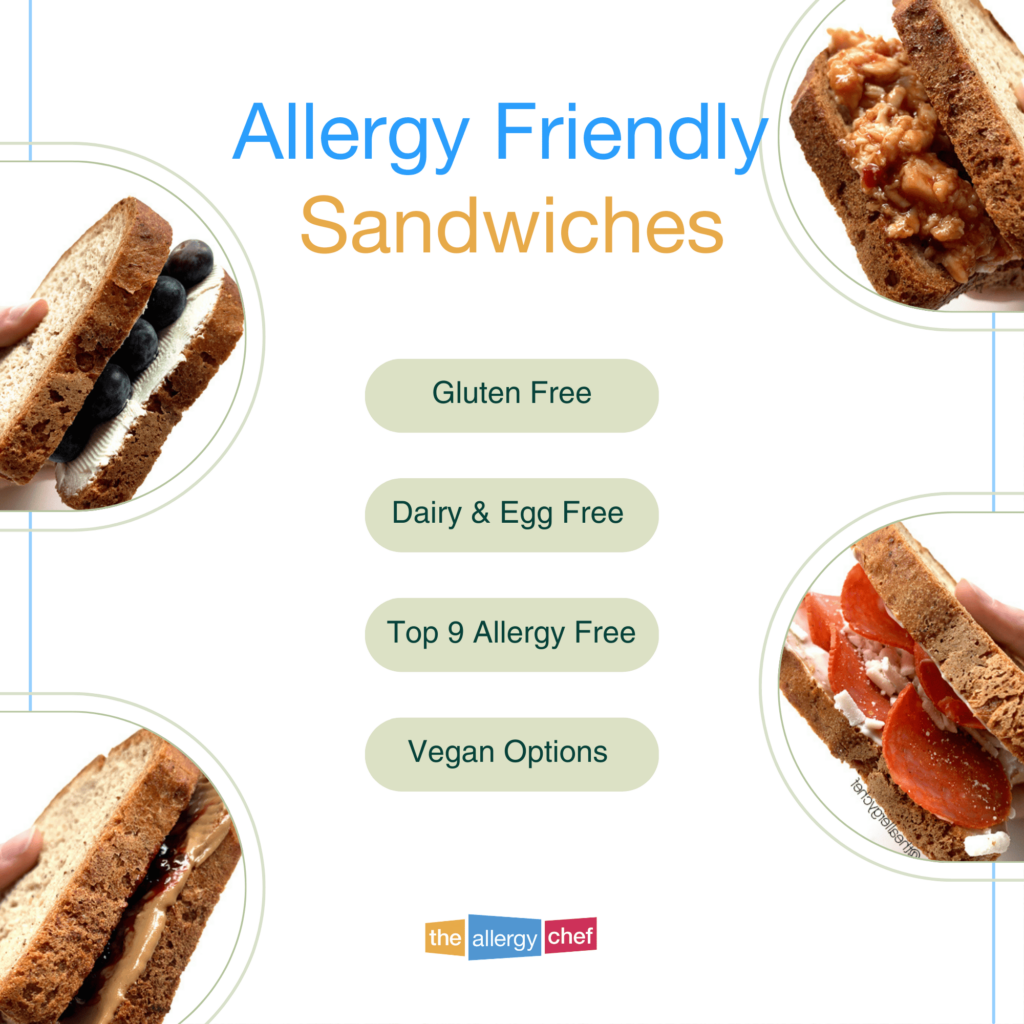
The Best Dairy Free Cream Cheese for Sandwiches
When it comes to creating a delicious spread for your sandwich, I’d suggest the Violife, Philadelphia, and Kite Hill brands. Each one is going to have a pro as to why it should be used, but it’s really about taste and spreadability.
Most likely, you’ll be mixing the cream cheese with something else (or at least, I hope you do so you end up with a mega delicious sandwich), so taste is a little less of a concern since some of the flavour will be masked.
Ultimately, all of the cream cheese substitutes can work, but those three brands are going to mix really well with other ingredients.
Answering Your Dairy Free Cream Cheese Questions
Is dairy free cream cheese also gluten-free?
From what I’ve personally seen, yes. The dairy free cream cheeses sold in stores are gluten-free. Always double check the ingredients and contact the company directly if you have questions or concerns.
Could I use coconut cream in place of cream cheese?
No. Well, yes, but also no. If you want the same performance that you’d get from a container of dairy free cream cheese, no, you can’t use coconut cream. If you’d like something thick to spread on toast or a bagel, sure, you can use coconut cream (or even cashew cream). It’s not going to have the same mouthfeel as cream cheese or a cream cheese substitute. It also won’t have the same tang, unless you dress it up a bit.
If you want flavour, but can’t have dairy free cream cheese (or maybe you ran out), consider a nut/seed/tuber/legume butter such as peanut butter, almond butter, and so on. You can toast bread and bagels, spread on a nut butter, add additional toppings (chocolate chips, seeds, fresh fruit slices, etc.) and still have a delicious experience.
It won’t be the same as cream cheese, however, sometimes, the best way to substitute is to walk a whole different path so you don’t have the point of comparison. It’s a lot easier to think “man, this coconut cream isn’t the same as cream cheese” because of the expectation. On the other hand, we don’t expect a nut butter to be a cream cheese alternative, so it just hits differently.
Is lactose free cream cheese dairy free?
All lactose free cheeses (cream cheese, sour cream, etc.) contain milk. They are not dairy free products and should not be consumed by anyone with a milk allergy, or anyone that needs to be strictly milk free.
Is there a dairy free cream cheese for someone allergic to corn?
No, you won’t find a safe commercial option. Pretty much every version of vegan cream cheese on the market contains xanthan gum, along with a hefty list of corn derived ingredients. In fact, it’s rare that a dairy free substitute of any kind would be truly corn free. You may have luck with Malk dairy free milk since it’s nuts, water, and sea salt. Everything else though? It’s like a corn derivative party you and I shouldn’t be invited to.
Could I use firm tofu in place of dairy free cream cheese in recipes?
In a chocolate pie recipe, yes. All other recipes, it depends. Firm tofu is fantastic in recipes, especially where your food processor or blender is called for. It allows for you to still achieve a smooth texture, and the firmness transfers wonderfully.
However, you will be missing the flavour of cream cheese which can have some tangy notes. To make up for that, add a splash of organic white vinegar or organic lemon juice.
In a recipe like a soup, it will be a lot harder to use tofu in place of cream cheese, and the same is true of some appetizer and snack recipes. Yet, where there’s a will, there’s a way. You can take a firm block of tofu, blend it on high until ultra smooth, then pretend it’s cream cheese. Notice I said pretend. Again, this isn’t a perfect substitution, but if it’s the only option that’s safe for you, it’s worth experimenting with.

Dairy Free Cream, Dairy Free Creamer, & Dairy Free Heavy Cream
Let’s clear the air before we go too far on this topic. Whilst they all sound similar, or the same, these are all different products:
- Cream
- Creamer
- Heavy Cream
- Whipping Cream
- Whipped Topping
Each one has a different thickness and application, and we’ll dive into that further down.
What is Dairy Free Cream & Cream Products
Like the other dairy free items in this guide, these cream alternatives are a mixture of vegetable based ingredients. If you’re not a huge fan of coconut flavor, you’ll want to look for products that lean into cashew cream instead.
Cow’s milk cream is essentially a liquid that’s milk + milk fat. The amount of milk fat present determines the name of the product, but also what it’s capable of. The lower the fat content, the less the product can do. It’s why you can whip heavy cream to stiff peaks where a creamer is good for frothing.
Dairy free products not only have to use more ingredients to achieve the same behaviour, but they can’t quite compete at the same level, no matter what the information on the package says. It’s just not the same, but, we don’t have to let that stop us. We just need to adjust our expectations.
As you explore the world of dairy free cream, you’ll continuously see thick mass/bases, thickeners, gums, salt, sugar, vegetable oils, and more. Each ingredient serves a purpose to get you close to replicating cream.
These cream substitutes start with a thick base such as cashew or coconut. From there, legume based gums and sometimes corn based gums are added to stabalize the product. You’ll also see salt and sugar to balance the taste, but also to replicate the natural sweetness in cream.
The vegetable oils present are usually there to boost the fat content so you have a more cream-like behaviour. Everything else is usually there for stabilization, performance, and shelf life.
Brands That Sell Dairy Free Creamer
Of all of the cream substitute needs, dairy free creamer is probably the “easiest” product for brands to make, and that’s because of how it performs. Creamer isn’t expected to do the things a heavy cream can do, such as form stiff peaks, so in terms of engineering, it’s less work and less ingredients.
There are a lot of varieties to choose from, but each will contain major and less common allergens including almond, coconut, cashews, seeds, and more. In terms of the cleanest option, Forager is at the top of the list. It has minimal ingredients that are all organic. The rest are all pretty much at the same level. You’ll find a thickener, sugar, and additives you may not love.
- Califia Farms Better Half (almond milk and coconut cream based)
- Elmhurst Oat & Pistachio Creamer (oat and pistachio based, contains seeds and sugar)
- Forager Organic Dairy Free Cashew, Oat, Coconut Creamer (gluten free oat, cashew, coconut cream based, seed free)
- Nut Pods Dairy Free Creamer (coconut cream and almond based, contains sunflower)
- Silk Original Creamer (soy based, contains other legumes)
- Sown Organic Oat Creamer (oat milk based, contains a lot of other ingredients, sweetened and unsweetened options)
Dairy Free Whipping Cream to Purchase
I’m going to level with you: I’ve not had much success with these types of products. I honestly think they’re hit and miss, however, if you’re on the hunt for a whipping cream alternative, these are the best options to start with.
Unfortunately, both contain coconut, which can be a drawback if you’re allergic (some of my tasters are allergic to coconut). Where dairy free ingredients are concerned, coconut is one of the easiest ingredients to manipulate for the purpose of making cream. It’s also why you’ll see coconut in almost every cream substitute available.
- Nature’s Charm Oat Whipping Cream (oat milk and coconut based)
- Thai Kitchen Sweetened Coconut Whipping Cream (water, coconut, legumes)
Brands That Sell Dairy Free Heavy Cream
These are two products that are currently on the market that claim they can take the place of heavy cream. I’ve never used the Califia Farms, but, I’ve heard a lot of good things about the brand. They claim that their product is a 1:1 swap for heavy cream in recipes.
I can go out on a limb and believe that’s true for standard dishes such as soups and curries that call for a heavy cream. In free-from pastry however… I’m going to have to see it in action, several times, before they make a believer out of me.
- Califia Farms Dairy Free Heavy Cream (coconut oil and sunflower oil based, also contains legumes)
- Let’s Do Organic Organic Heavy Coconut Cream (coconut and water only)
How to Make Dairy Free Cream and Heavy Cream at Home
Now, for my favourite part!! We’re going to take a look at how you can make cream and heavy cream alternatives at home. These won’t whip up on their own like the store-bought options, however, they can be used in other applications.
If a recipe calls for cream or heavy cream, first, you need to know the fat percentages.
- Cream at a minimum is 18% fat.
- Whipping Cream is 30% fat.
- Heavy Whipping Cream is 36% fat or more.
I won’t bog down this article with the science of milk fat, but just know, it’s very interesting. Should you ever want to create delicate pastry, be sure to read up on this topic first.
To replace cream and heavy cream, you need dairy free milk + fat.
Let’s say a recipe calls for 100mL of whipping cream. This means you have 70mL of milk and 30mL of fat. I like to use homemade milk in conjunction with shortening as a replacement for cream. I do this because shortening is essentially pure fat, unlike dairy free butter which has water content and a specific taste.
Depending on the recipe you use, you may need to use an immersion blender to combine the two ingredients. Now, this is where we start to veer on to the path of complicated recipes, so I’ll just quietly back track.
Most likely you’ll encounter cream in some kind of curry, stew, or muffin recipe. In these instances, you can use dairy free milk + butter as a substitute. You may need to melt the butter in advance, especially for a muffin.
This substitution however does not work well for whipped cream, as in, the kind that comes in a canister. For that, you’ll need expensive tools and stabilizing ingredients.
Making cream, heavy cream, and heavy whipping cream will all be the same process. Take the amount of the ingredient called for, and mathematically calculate the fat percentage. It’s a million times easier if you’re using a recipe that measures in mL/g rather than cups.
Finally, remember that cream is a minimum of 18% fat, where whipping cream IS 30%, and heavy cream is a 36% or MORE. In other words, there’s wiggle room with cream and heavy cream. How you change the percentages will impact the final flavour, texture, and mouthfeel of your recipe.
If you’d like to try your hand at creating something for a canister, get yourself an iSi like this, along with the cartridges.

How to Make Dairy Free Buttermilk
Currently, there isn’t a brand that produces dairy free buttermilk commercially that’s available nationwide. However, you can easily make a dairy free buttermilk substitute at home with just a couple of ingredients and a measuring cup.
What Is Buttermilk
I’m always telling people: the more you understand what you’re trying to replace, the better you’ll be at knowing how to select the best substitutes. So, before we go too far, let’s look at what cow’s milk buttermilk actually is.
Buttermilk, in modern times, is a fermented milk product. It’s cultured with lactic acid bacteria and left to age. The end result is a thick liquid that’s tangy and acidic. The acidity can work well with baking soda and help produce the coveted carbon bubbles that provide lift in baked goods. However, buttermilk can also help produce a tender and flaky crumb in your baked goods. Interestingly, potato starch also lends to a delicate crumb in gluten free baking, but that’s a conversation for a different day.
If you’re a fan of food history, you’ll want to know that prior to modern times, buttermilk was traditionally a byproduct of the butter making process. Butter – Milk. Get it?
Essentially, buttermilk is a thick acid-bringing product that also adds a tangy flavor, and can help tenderize. It’s a popular ingredient in biscuits, cornbread, cakes, muffins, some pancakes, and other recipes that produce tasty carbohydrates.
Dairy Free Buttermilk Substitute Pitfalls
Now that we understand what buttermilk is, we have to remind ourselves: we aren’t working with milk. Dairy free milk is a completely different process, so if you grab rice milk off the shelf and try to convert it to buttermilk, you won’t have as much success.
The reason why: milk is a complex structure made up of whey, fat, protein, and lactose (milk sugar). All of that is missing in dairy free milk. Now does that mean you can’t have something like buttermilk? No. Of course not.
It means you need to manage your expectations, especially if you’re allergic to more than milk and can’t have most dairy free alternatives.
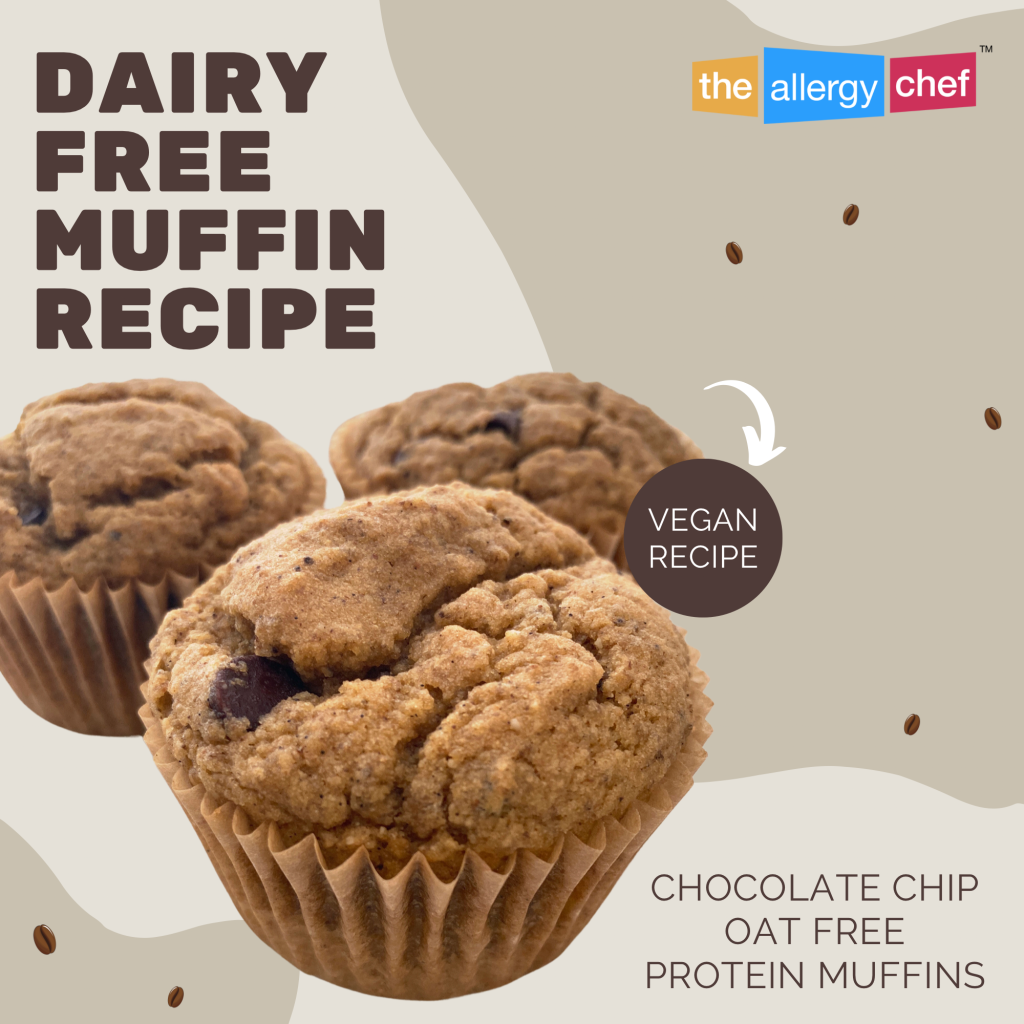 |
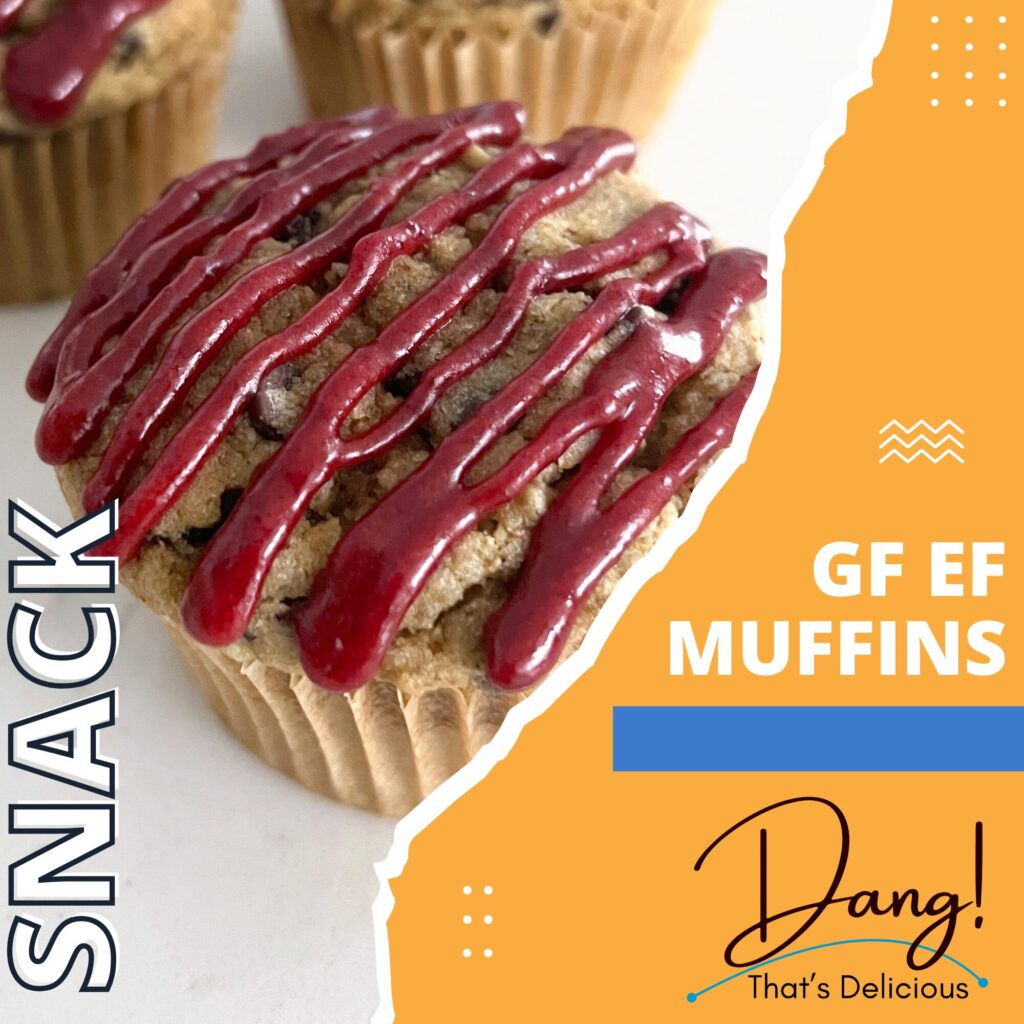 |
Easy Dairy Free Buttermilk Substitutes
Below are the two “easiest” buttermilk options. You have to remember, dairy substitutes lack the full range of components in milk, as they’re an engineered product designed to mimic milk. It means our dairy free buttermilk will never compete 100% with milk based buttermilk. You’ll get close, but please, manage your expectations.
Plain Dairy Free Yogurt + Dairy Free Milk or Water
This buttermilk substitute is a classic combination. It performs the best in cake (chocolate cake, carrot cake, etc.), marinades, buttermilk pancakes, and muffins. Now, I can’t tell you if it will be effective in gluten + egg free muffins, so if that’s the application, make a half batch of your recipe in case things don’t turn out as expected.
You’ll Need: 180g Plain Dairy Free Yogurt + 40 – 50mL Plain Dairy Free Milk
Place the ingredients into a bowl or large mason jar and whisk together. Once it’s smooth, you can use it in recipes. With the yogurt method, any milk alternative works since its function is to thin the yogurt.
Dairy Free Sour Cream + Milk or Water
This is another classic combination and it works because of the inherent acidity in the sour cream. When you thin out sour cream to have the same consistency as buttermilk, it makes for a great substitute. This mixture performs well in cakes, muffins, cookies, scones, and other baked goods, as well as in marinades.
You’ll Need: 170g Plain Dairy Free Sour Cream + 60mL Plain Dairy Free Milk
Place the ingredients into a bowl or large mason jar and whisk together. Once it’s smooth, you can use it in recipes. With the sour cream method, any milk alternative works since its function is to thin the sour cream.
Dairy Free Buttermilk Recipe
Now let’s look at how to make buttermilk at home. The good news is, we don’t need any wild calculations like with cream and heavy cream. In fact, all you need to remember is this simple ratio: 225mL/8 ounces/1 cup Dairy Free Milk + 1 Tablespoon Acid.
Now, like everything else we’ve discussed in this article, it’s not quite that straight forward as some milks will yield good results whilst others will leave you thinking I’m a bit crazy.
- Best Option: 225mL/8 ounces/1 cup Dairy Free Cashew Milk + 1 Tablespoon White Vinegar
- The Other Best Option: 225mL/8 ounces/1 cup Cashew Milk + 1 Tablespoon Lemon Juice
- Best Cashew Milk Alternative: Coconut Milk, Almond Milk
- Acid Alternatives: Apple Cider Vinegar, Rice Vinegar
- Acids to Avoid: Balsamic Vinegar, Red Wine Vinegar, White Wine Vinegar, Heavily Flavoured/Novelty Vinegars
Instructions for Homemade Vegan Buttermilk
The good news is this will come together with ingredients I’m sure are already in your kitchen. Once you’ve selected your liquid and acid, place an empty measuring cup on your kitchen scale. Tare to zero, add the dairy free milk, then add the acid. Whisk your mixture together very well, and allow it to sit for 5 – 10 minutes.
Depending on the milk alternative you’ve used, within a few minutes you’ll see a curdle effect happening. After you’ve let the mixture sit for 5 – 10 minutes, it’s ready to be used. Allowing it to sit for a longer period of time won’t improve the results.
Know that this method is great for small quantities of homemade dairy free buttermilk. If you need more than half a liter (about 2 cups), you won’t see the same results in your final baked or cooked goods.
How to Store Leftover Dairy Free Buttermilk
Once you’ve made your vegan buttermilk, if you have extras, you can store it in an airtight container in your fridge for several days. Personally, I like to use a mason jar. I don’t suggest drinking your new milk beverage straight from the jar, as it will be a very unpleasant taste. Instead, plan for another baking project, and maybe batch bake so you can have leftovers for your freezer.
Why These Particular DF Milks
It’s all about the fat content. I’ve found that low fact dairy free milks (think rice milk, etc.) barely curdle, if at all, when using this method. Almond milk and cashew milk on the other hand, they really show up for you.
If you’re OK with the taste of coconut milk, you’ll have decent results with that, but even better results if you’re using full fat coconut milk.
Alternatives Aren’t the Best
Notice I’ve given you the best options first. That’s because they’re most likely to perform as intended. The further you get away from that fat content and acidity level, the less effective the buttermilk mixture will be.
Another way to think about it is a bullseye. In the center, you’ll find the substitute that will give you the most points and best performance. The further you get from the center, the less points you’ll have.
Does that mean you should give up on your free-from archery? Nope. Just manage your expectations and keep on baking.
My Basic “Buttermilk”
You may know that I’ve authored over a dozen cookbooks, and most of them are gluten free and cater to top 9 free, top 14 free, and so on. What that means: I don’t use the best options. In fact, one could argue that my method is far from ideal. I do however use the options that are safest for the most amount of free-from folks as possible.
Want to know the results: an award winning free-from bakery, and award winning recipes trusted by thousands worldwide. Let that inspire you. Even if you can’t use the best options, and you don’t have the same tang and texture, you can still have safe and super delicious food.

Biggest Dairy Free Buttermilk Tip
Remember how I said we’re missing the components of milk? Well, some dairy free milk alternatives are going to perform better than others. Cashew milk and almond milk are going to perform the best, and that’s because of the fat content. However, you need the *good* milk, not the super watered down kind, or you’re almost no better off. Bonus points if you’re using homemade milk.
Answering Your Dairy Free Buttermilk Questions
What’s the best dairy free buttermilk substitute for salad dressings?
This is a great question, and from what I know, you’ll want a combination approach, and here’s why. The milk + acid method won’t produce the thickness needed for the body of a salad dressing.
Alternatively, the yogurt and sour cream methods might be too strong for the salad dressings you’re trying to make, and may ruin the flavour of your dishes. Whilst this isn’t something I’ve personally made, I’d actually skip all of these methods and use a white gravy style recipe as the base. Then, I’d add my acid to that.
The body of that recipe I’ve linked is going to get you close to salad dressing, without tasting overtly of yogurt or sour cream. That also makes it more ideal as a jumping off point. You can use it for sweet leaning dressings, savory leaning salad dressings, and so on.

Can I make vegan buttermilk with homemade milk?
Yes, you can make dairy free buttermilk at home with homemade milk. Just remember that different kinds of dairy free milks will produce different results (think: nuts, pseudograins, legumes, etc.). Depending on the fat content and overall makeup, it will interact with the acid differently.
You’ll follow the same steps (measure, whisk, rest, then use) when using a homemade milk.
Is it possible to purchase lactose free buttermilk?
From what I’ve seen, no, this isn’t a product that’s commercially available. I imagine there’s a low demand for something like that (when compared to regular lactose free milk) and if brands were to make it, there would be a considerable amount of waste.
However, the great news is that you can purchase organic plain lactose free yogurt like this one, and use the yogurt method I outlined. You could also purchase whole lactose free milk and use that as your buttermilk base.
Could I make vegan buttermilk with cashew cream or coconut cream?
Yes, in theory you can. This isn’t something I’ve personally tested, so you may want to poke around online and see if other recipe developers are talking about it. Here’s what I would do if it were me:
Combine cashew cream (or coconut cream) with water or dairy free milk until I’ve reached the consistency of yogurt. Next, measure out 225mL/8 ounces/1 cup of this mix. Now, add the Tablespoon of lemon juice or vinegar. Once combined, let the mixture sit for at least 5 minutes, then use it in my recipe.
Will be exactly like the yogurt or sour cream method? Kind of. Dairy free yogurt is generally a base, salt, a little sugar, and a bunch of gums and stabilizers. You’re essentially skipping over the additives. However, you’ve also skipped over the fermentation, and that’s something you may notice in the long tun.
Now, as long as you manage your expectations, I think you’ll be happy with this kind of method.
All About Dairy Free Cheese
I’m going to be honest with you: there’s so much to learn about dairy free cheese and I could seriously give a TED talk on this topic. It’s huge, it’s messy, it’s cheesy, and you might love it, or hate it. So, let’s take a look.
If You Don’t Like Sciency and Engineered Foods
I’ll put this disclaimer up front: if you don’t like foods that read like a science fair project, you need to purchase nut based, clean, organic dairy free cheese. Look at brands such as Miyoko’s Creamery and Nuts for Cheese. You may also like Kite Hill since the ingredients are on the more minimal side.
Outside of that style of cheese, you’re going to see really long ingredient lists. LONG. You’ve been warned.
Big Tip: Give Yourself Time to Forget
If you’re newly diagnosed with a milk allergy or need to go dairy free for any reason, you need to give yourself 6 to 12 months to forget the taste of cheese. Dairy free cheese has a TASTE and a SMELL. Those caps aren’t used willy-nilly. I’m serious. Heed the warning.
Even nut based cheeses are off putting to some, but also some of the more tolerated cheeses by those who really enjoy milk-based cheese. Once you’ve forgotten the taste of cheese, then start sampling the options in your area. Additionally, mixing DF cheese into something else where it’s not the star of the show can be helpful in adapting to the taste.
Nutritional Yeast: A Highly Debated Ingredient
Nutritional yeast is a special ingredient that can be purchased fortified, or unfortified. In stores, you’ll usually only find fortified options, but can find several unfortified options online.
Nutritional yeast has a pungent smell, and some people are convinced that it tastes “cheesy”. I’ve talked with vegans, non-vegans, vegetarians, dairy free folks, and those without food allergies. Yeast as a cheese substitute is NOT agreed upon at all. Some vegans say no, some non-allergy people say yes. It’s a total mixed bag.
However, you’re going to see this ingredient a lot in dairy free cheese. If you’re not a fan of nutritional yeast, double check all labels, for all styles of dairy free cheese, as it can pop up anytime.
Nut Based Cheeses Have a Better Reception with the General Public
Now, this isn’t a hard and fast rule, however, from what I’ve seen, people who can have milk complain the least about nut based (especially cashew based) dairy free cheese. Additionally, cheese without nutritional yeast tends to be preferred as well.
Where you can, get a cheese that doesn’t have an intense smell, as that style also seems to be preferred. Cashew cheeses tend to be super creamy and have a better mouthfeel, which is a huge reason they’re highly enjoyed.
 |
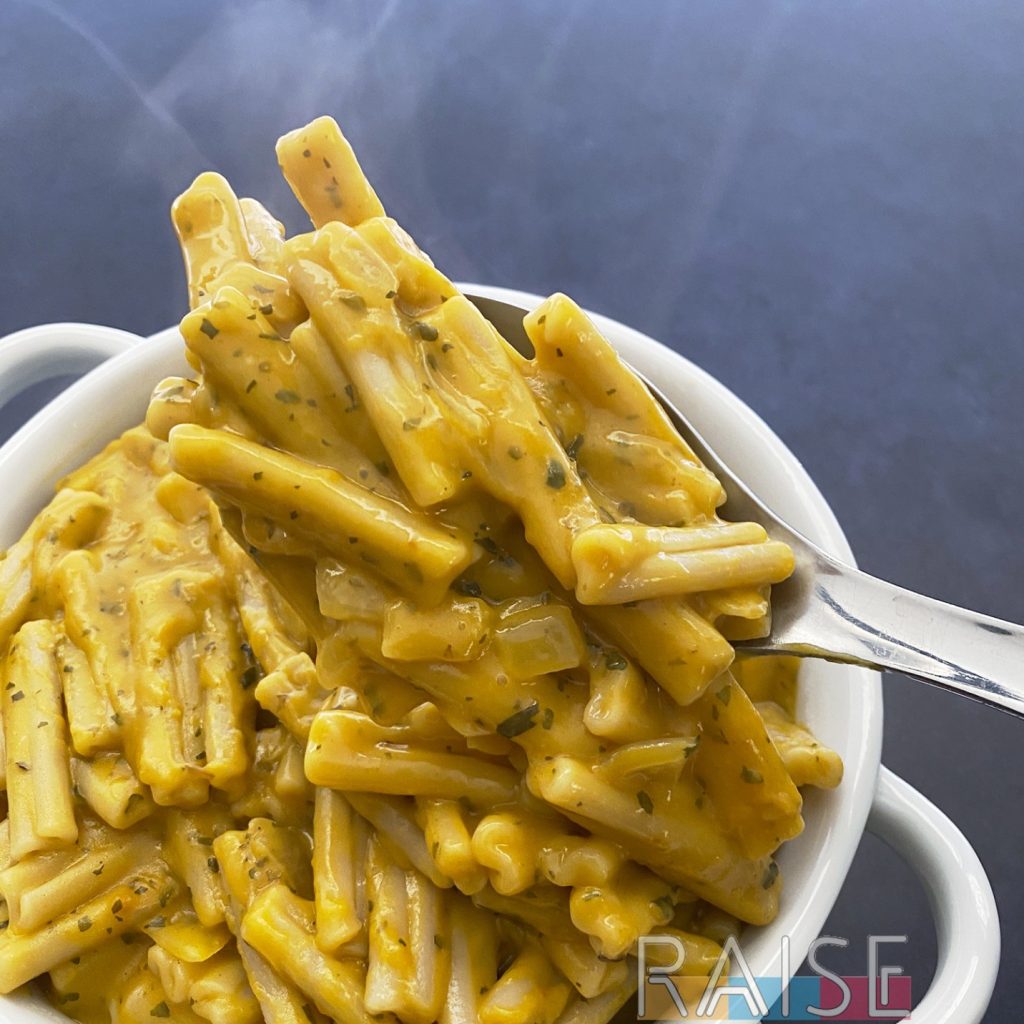 |
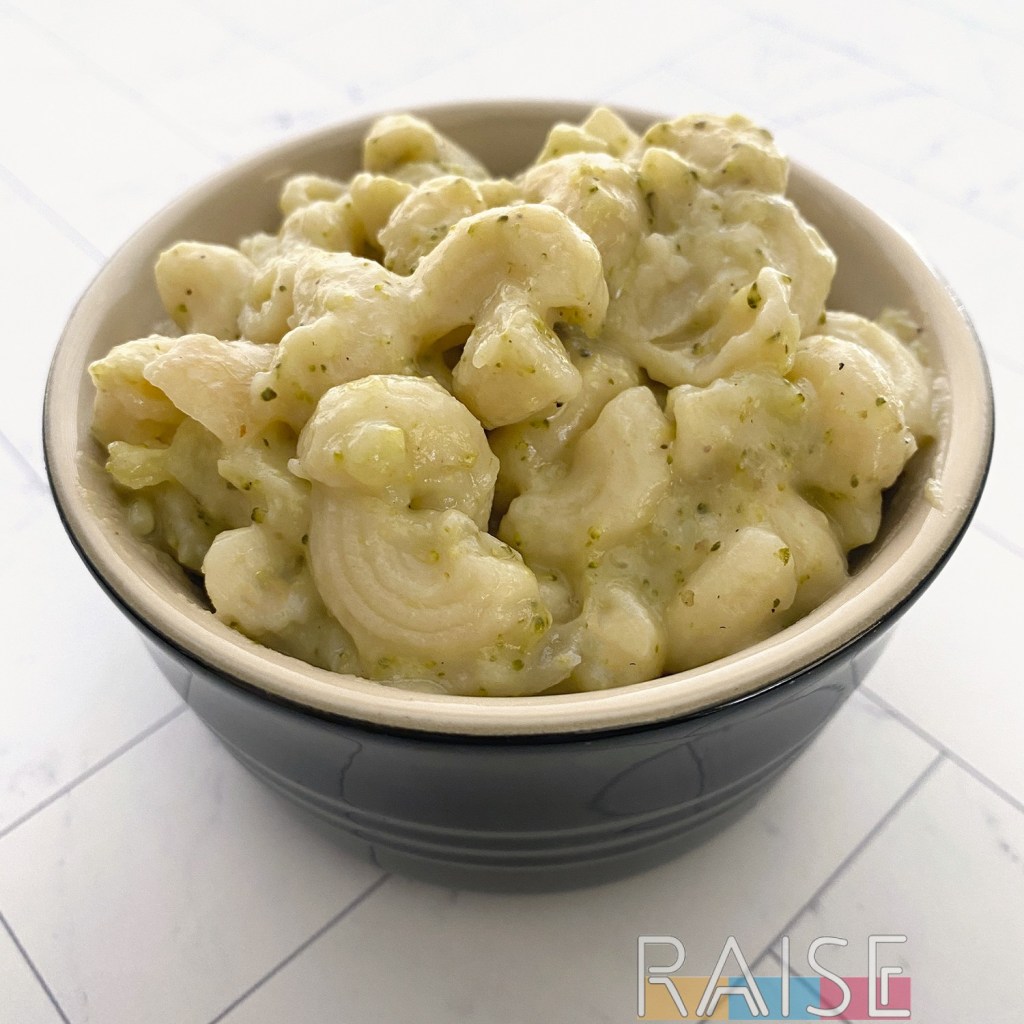 |
 |
Dairy Free Cheese Basics
The free-from and plant based communities are wildly divided on dairy free cheese. Trust no one but yourself. If Sally Jane across the street swears by a specific brand, don’t rush out to buy a tonne. Ask her if you can come over and sample instead, just in case you don’t like it. Ultimately, it doesn’t really matter what I tell you about dairy free cheese because YOU need to love what you eat. Period.
I’ve heard people refer to dairy free cheese as “incredibly offensive”, whilst others say “this is the best thing I’ve ever eaten”. I need you to prepare yourself for this experience because you’ll need to sample a lot of cheese (brands and flavours) to see which you like best. And it can be an expensive adventure….
The Package Lies: This is an Engineered Product (Melting Issues)
Brands will make claims that their products melt “just like real cheese”…. You know that eye rolling emoji? Imagine a few here. There isn’t a single brand of dairy free cheese that I’ve tested that properly melts. Each one requires some extra TLC if you want it to melt.
These engineered products just don’t have the molecular makeup to do what cheese does, and that’s OK. The warning is here so you’re not disappointed. I want you to walk in prepared, and be like, eh, no big deal.
Grilled Cheese Sandwich Tip: To make a proper dairy free grilled cheese, heat a nonstick pan on medium heat. Add your cheese to the pan and let it slowly melt. When it’s *just* about right, slide it on to your toasted/buttered bread, then top with another slice of toasted bread. I’ve been using this method for over two decades and it works like a charm, every time.
This method should also be used for the best quesadillas.
Nachos Tip: Make a blender cheese sauce you can drizzle all over your nachos, or use the sandwich tip that’s above. Do not put DF cheese on your chips, then pop that in the oven thinking the cheese will melt properly. It will melt eventually, but your chips may burn whilst you’re waiting.
Delicious Recipe: Cheesy Mushroom Turkey Burgers (dairy free, gluten free, top 9 free, top 14 free)

Shared Equipment
Like all other dairy free products, shared equipment will be an issue for about 30% of people with a milk allergy. Know that a lot of dairy free cheese is made on shared equipment with milk (and other major allergens).
When you get in touch with a brand, you must ask five critical questions:
- Do you own the equipment, or are you using a copacker?
- Is your cheese manufactured on equipment that also processes milk or dairy ingredients?
- I know there are a lot of steps to making the product. At any point, in any step, does the product come into contact with machinery that also handles dairy products?
- For every raw ingredient in your cheese, is each one processed on dairy free equipment?
- Is the manufacturing equipment the same for all sizes of the product (ex: 4 ounce bag vs 8 ounce bag)?
Each one of these questions is very important if shared equipment with milk is an issue for you. For example, one brand I spoke to told me “our equipment is dairy free, however, there’s one step in the manufacturing where the cheese does come into contact with a machine that also handles milk”.
They were super transparent, unlike another brand I spoke with. When I asked about the product, they said “it’s made on dairy free equipment”. I then rephrased and asked about every single raw material, and surprise surprise, almost every sub ingredient was processed on shared equipment.
That brand has become more transparent since that time, which I can appreciate, but it really helps you understand that you have to ask the question in several ways. Additionally, manufacturing is a HUGE process. It’s possible that one product from their line is on equipment A and another product uses equipment B. This is why getting in touch is critical, so you can be informed, and make the best decision for you and your household.
Make a Cheese Sauce First
This tip is really for meals such as mac-n-cheese. For best results, you’ll want to make a cheese sauce in a separate pot, then pour cheese on top of cooked pasta. Do not store leftover cheese on the pasta, in the fridge. Dairy free cheese gets odd and clumpy in the fridge after its been cooked.
You’ll want to reheat the sauce separately from cold, then pour it over fresh cooked pasta the second (or third) time around.
For the BEST results, start the sauce in your blender. Some dairy free cheeses, even with steady heat on the stovetop, still don’t have a good consistent melt. The solution is to put dairy free milk and dairy free cheese into your blender. Blend on high until super smooth.
Transfer that to your sauce pot and add any other sauce ingredients. Heat, then pour over your pasta, etc. The nice thing about the blender method is that you can use any style of dairy free cheese (block, shreds, slices, etc.).
Easy Cooking Video: Easy Mac with Blender Sauce
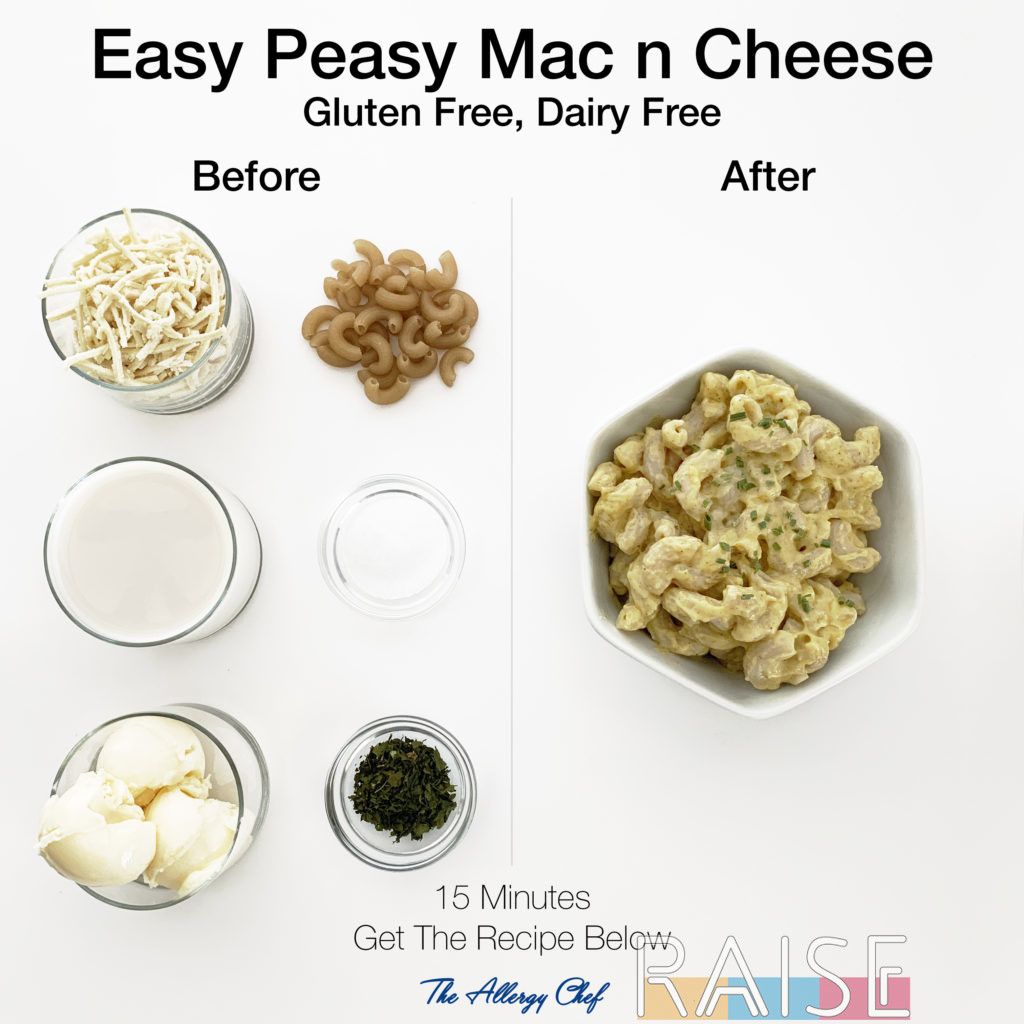
Dairy Free Cheese Can Be Awesome
Now, if you’ve read my warnings and are thinking “she sure isn’t selling me on dairy free cheese”, let me remind you: it can be totally awesome. In the past 25 years, dairy free cheese has come a loooongggggggggg way. Gone are the days of only having two major brands to choose from (and one legit feeling and looking like plastic).
Food scientists have worked hard to transform dairy free cheese into products that sort of behave like cheese, and sort of taste like cheese. Right now, you’re living in the golden age for all things dairy free products.
Dairy free cheese can be used on all sorts of foods including:
- Sandwiches
- Toast
- Savory Waffles (fold cheese shreds into your waffle batter)
- Pizza
- Cheesy stovetop meals
- Hamburger Helper style meals
- Mac-n-Cheese
- Enchiladas
- Chicken Parmesan
- Queso
- Dips
This list only scratches the surface. Trust me when I say, where there’s a will, there’s a way.
Popular Brands That Sell Dairy Free Cheese
And now, let’s take a look at the brands that are out there creating cheese like products for free-from folks to enjoy.
Label Warning
Shared equipment isn’t always disclosed, so always check before you buy. Also, grocery stores put 100% milk free, non-dairy (not always milk free), and lactose free cheeses in the same area. READ LABELS CAREFULLY. Don’t accidentally purchase something that contains milk because it was in the special area.
House Brand Warning
Personally, I never purchase free-from items that are the house brand (also called store brand). The reason: they’re using a third party white label company, and can change which company they use at the drop of a hat. Not only that, but there can be a delay with customer service when updating allergen information (I’ve actually experienced this where they were telling customers the old info, not the updated info).
Knowing that, purchase house brands at your own risk. It’s not that the product itself isn’t good. It is. It’s the information and allergen status that may not be what you think.
- Credo Oat Milk Queso (oat and cashew based, they also make a CHEESE IN A CAN OPTION like cheese whiz, but DF)
- Daiya Foods Dairy Free Cheese** ( Diary Free Cheddar Cheese Sauce, Dairy Free Cheddar Shreds, Dairy Free Mozzarella Cheese Shreds, and a LOT more)
- Empasta Vegan Cheeze Sauce Dairy, Gluten, Nut, Soy Free (pea based, contains a LOT of ingredients)
- Field Roast Chao (coconut and corn based, contains soy and sesame)
- Follow Your Heart** ( Dairy Free Feta Crumbles, Mozzarella Slices, Parmesan Shreds, Pepper Jack Cheese Slices, and a LOT more)
- GO Veggie! Parmesan (Soy, rice, coconut based)
- Judee’s Vegan Cheddar Flavor Powder (nut free, corn and yeast based)
- Kite Hill Almond Milk Ricotta (almond based, super duper clean and simple ingredients)
- Kite Hill Whipped Almond Milk Ricotta (almond based, contains rice, legumes)
- Kite Hill Queso, Medium Heat (almond based, lots of ingredients)
- Laughing Cow Plant-Based Cheese (almond, coconut, sunflower, corn based, several flavours available, brand makes milk products so get in touch for allergen info)
- Living Jin Foods Magic Dairy Free Cheese Powder (coconut, corn, and soy based)
- Living Jin Magic Dairy Free Cheese Cheddar Cheese Powder (coconut, corn, pea based)
- Miyoko’s Creamery** (cashew mozzarella, cheese spread, dairy free cheese slices, vegan cheese shreds, pourable cashew cheese)
- Never Better Foods (coconut, sunflower, and chickpea base, dairy free cheddar and dairy free mozzarella)
- Nooch It Dairy Free Cashew Parmesan (cashew, hemp, spices, very simple and clean)
- Nuts for Cheese (cashew, coconut, chickpea, and rice based, several flavours available)
- Primal Kitchen ( Top 9/14 Free Queso, Top 9/14 Free Dairy Free Spicy Queso)
- Tofutti Dairy Free Ricotta Cheese (palm, soy, and rice based)
- Treeline Vegan Soft Herb & Garlic Cheese, French Style Cashew Cheese (cashew based, clean and simple ingredients)
- Treeline Vegan Creamy Scallion Cheese, French Style Cashew Cheese (cashew based, clean and simple ingredients)
- Treeline Non-Dairy Pimento Cheese, French Style Cashew Cheese (cashew based)
- Urban Platter Vegan Parmesan Cheese (cashew and sunflower based)
- Violife Dairy Free Cheese (coconut & potato based, Cheddar Shreds, Mexican Shreds, American Singles, Feta, Colby Jack, Parmesan Wedge, Mozzarella Shreds, Mature Cheddar Slices)
- Wayfare Foods Cheese Sauce, Original and Nacho Cheese (white bean, oat, coconut based)
A Few Notes
**Daiya uses a wide range of ingredients across their different products including oat, coconut, corn, seeds, and legumes. They are a super transparent company, but have asked that I not publish their allergen info, as it can always change, and they would rather have consumers get in touch for the most current information.
**Follow Your Heart uses a wide range of ingredients across their products. Visit their website and go to the allergen information. They have one of the most robust allergen charts that includes facility, equipment, and less common allergens.
**Miyoko’s Creamery uses several bases across their product range, so read labels carefully.
Bonus Products
- Alive Foods Unfortified Nacho Cheesy Goodness Nutritional Yeast Shaker (this is basically seasoned nutritional yeast)
- Growee Vegan Red Pepper Dip Queso Alternative (contains coconut, several flavours available)
- The Big Vegan Cheese Making Kit DIY Vegan Cheese Starters (a very cool product, comes with just about everything you need to make six types of dairy free cheese at home)
- Wholly Veggie Gluten & Dairy Free Mozzarella Sticks
Coconut Free Dairy Free Cheese
Fun Fact: I have a child allergic to milk + soy, and another child allergic to coconut. Know what that means? I had to reinvent every type of dairy free product at home for over a decade because back in the day, everything dairy free was soy or coconut based. Eventually, brands offered other options, but said options are still very limited.
At the time of original publishing, these are still the only three dairy free + coconut free cheese options available. Each brand processes coconut, so make sure you read up on equipment and facilities before purchasing.
- Follow Your Heart Parmesan Shreds
- Kite Hill Foods Original Dairy Free Ricotta
- Miyoko’s Creamery Pourable Cashew Cheese (great in pasta, and on pizzas)
I’ve used all three products for my kids. Kite Hill is the best for pizzas, and those who can have milk complained the least about it. The Parmesan has a HUGE range of uses. Those who can have milk tended to complain about it some, but it also wasn’t the end of the world.
The pourable cashew cheese was a hit, but it’s fairly new when compared to the others, so I haven’t used it much. When I have, no one complains, so that’s a promising note.
If these are your only options, the biggest tip I can give you is this: mix it into other foods, liberally. In other words, don’t let the cheese be the star of the show. When it is, unless you were born with a milk allergy and have zero point of reference, you will struggle to adapt at times.
Sunflower Free Dairy Free Cheese
Alright, this is a TALL order. In fact, don’t let the length of this list lull you into a false sense of security. Generally, every dairy free cheese brand is going to use some kind of oil, and currently, sunflower oil is the golden girl of oils and it’s in just about everything.
Brands such as Wayfare Foods list sunflower and/or safflower oil on their labels, and personally, I’d never use something like that. The and/or is a huge red flag and whilst the company is great, for your safety, avoid products like those.
- Kite Hill Foods Original Dairy Free Ricotta
- Miyoko’s Creamery Cultured Pepper Jack Slices (contains oats, corn, coconut, rice, and more)
- Never Better Foods Plant-Based Shredded Mozzarella Cheese
- Nuts for Cheese (cashew and coconut based, several flavours available)
- Primal Foods Dairy Free Queso Cheese Dip
- Treeline Vegan French Style Dairy Free Cashew Cheese (available in several flavours)
- Violife Dairy Free Parmesan Wedge
Truly Corn Free Dairy Free Cheese
You won’t find a truly corn free, commercial dairy free cheese product. There’s so many corn derivatives (and full corn) in the supply chain in dairy free cheese. It’s in the thickeners, stabilizers, processing aides and much more.
If you can tolerate sheep’s milk, visit St. Jame’s Creamery. Call them, tell them you have a severe corn allergy and you’d like animal rennet and thistle rennet products only. The Fleur de Maquis from France is BOMB. So are a couple of the thistle cheese. For safety, purchase whole wheels, or make sure they’re using super clean knives when cutting your portions.
Outside of that, you’ll need to make recipes at home. This dairy free queso recipe is truly corn free, and pretty easy to make.

Dairy Free Yogurt
Let’s take a trip to the end of the alphabet on our dairy free substitutes journey. Time to take a good look at dairy free yogurts and all that they entail.
Yogurt has been a well loved food for thousands of years, and for good reason. It’s naturally packed with probiotics due to the fermentation process and can help improve gut health (when eaten alongside a well rounded diet).
This traditional breakfast food is fantastic as a snack, you can add it to smoothies, and even cook with it for amazing savory results. Some bakers also use yogurt in their muffins and cakes.
What to Look for In Dairy Free Yogurt
When it comes to choosing the best yogurt, it’s always going to come down to the taste test. However, there are other aspects to consider:
- Sugar Content
- Shared Equipment with Milk (or other allergens you manage)
- Nutrition (strains of probiotics, calcium, fiber, etc.)
- Other Ingredients (remember, this is an engineered product)
Sugar Content
Whilst it’s possible to purchase yogurt with 0g of sugar per serving, you’re more likely to see yogurt with some form of sugar, and that’s because sugar can be part of the fermentation process. Aim for 5g or less of sugar per serving in the yogurt you purchase, especially in yogurt that contains flavour (vanilla dairy free yogurt, peach dairy free yogurt, etc.).
A lot of the clean dairy free yogurt alternatives made with minimal ingredients will have little to no sugar per serving.
Shared Equipment
In all of my research, I have yet to see brands disclose on the container if it’s made on shared equipment. with allergens. However, if you reach out to companies directly, you’ll learn very quickly that shared equipment is so common it hurts.
Not only that, but it can get confusing. For example, with one brand I spoke to years ago, at the time, their small products were made on dairy free equipment, but it you purchased the large container (which saves money), it was made on shared equipment with milk.
I encourage you to reach out to brands before purchasing, then, follow up once per year to make sure nothing’s changed. If I’ve learned anything about the food industry, it’s that manufacturing can change at the drop of a dime.
Nutrition Facts
If you’re eating yogurt for the health benefits, make sure you examine the nutrition facts. With dairy free yogurt, it’s going to vary by base (oat, almond, coconut, etc.), as well as style (Greek vs regular).
Additionally, some brands will use different probiotic strains to give their dairy free yogurt an edge above the rest. If you have specific nutritional concerns or deficiencies you’re correcting (such as Vitamin D2 or B12), you may need to look for a brand that fortifies their yogurt, or look to other foods for those nutrients.
Other Ingredients
Ahhh the dreaded list of extras found in dairy free products. A lot of the super clean and minimal yogurt brands such as Coconut Cult are doing an amazing job at eliminating extra ingredients. However, there’s a reason it’s so expensive (2 – 3x the cost of other dairy free yogurt). Creating dairy free products with clean organic ingredients, and without fillers, it’s a pricey endeavor.
If a brand only uses a few items such as vanilla extract, sea salt, and a gum for thickening, that may be the sweet spot for you. Just know going in that you may not love all of the labels, and the ones you love will put a dent in your wallet.
Tasty Recipes Featuring Dairy Free Yogurt
- Easy Dairy Free Yogurt Pops
- Delicious Dairy Free Yogurt Chicken Recipe
- Dutch Oven Spicy Mushroom & Dairy Free Yogurt Chicken Recipe
- Kite Hill Dairy Free Yogurt Review
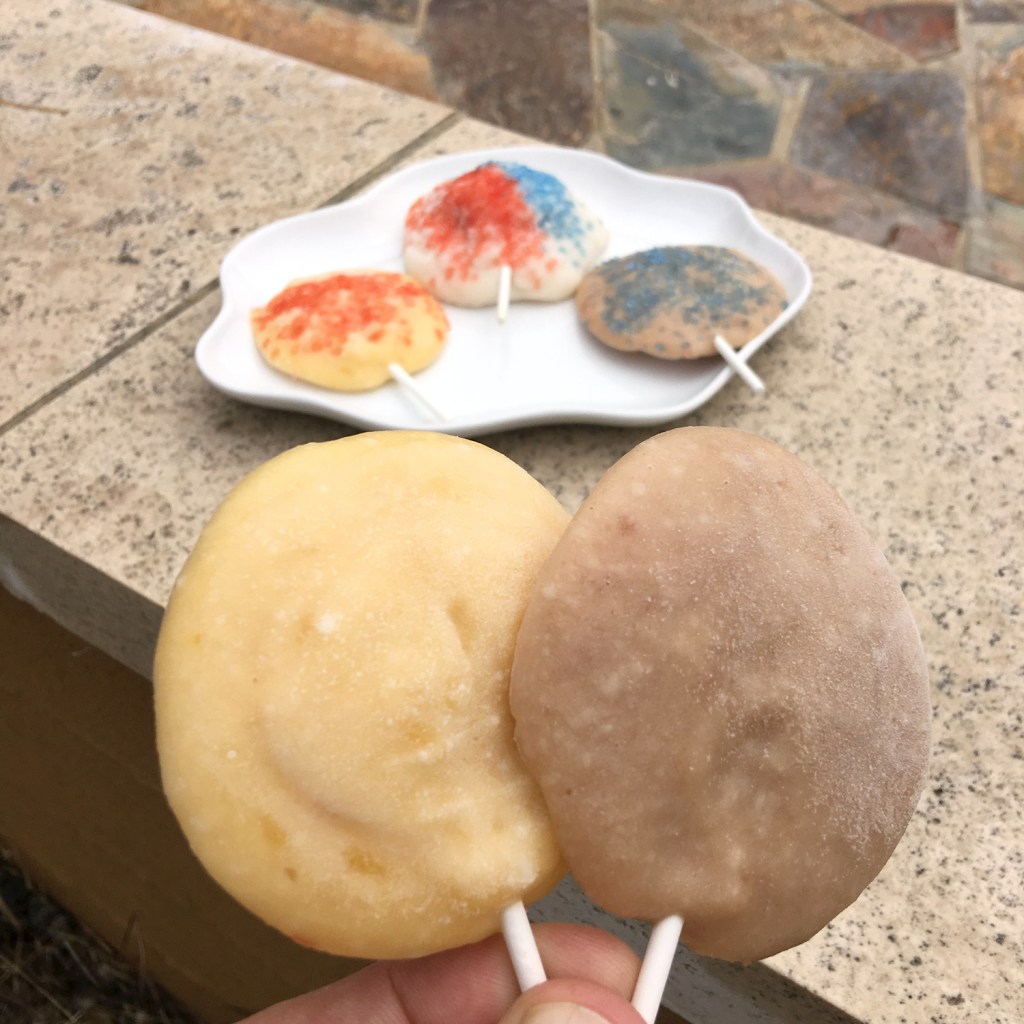 |
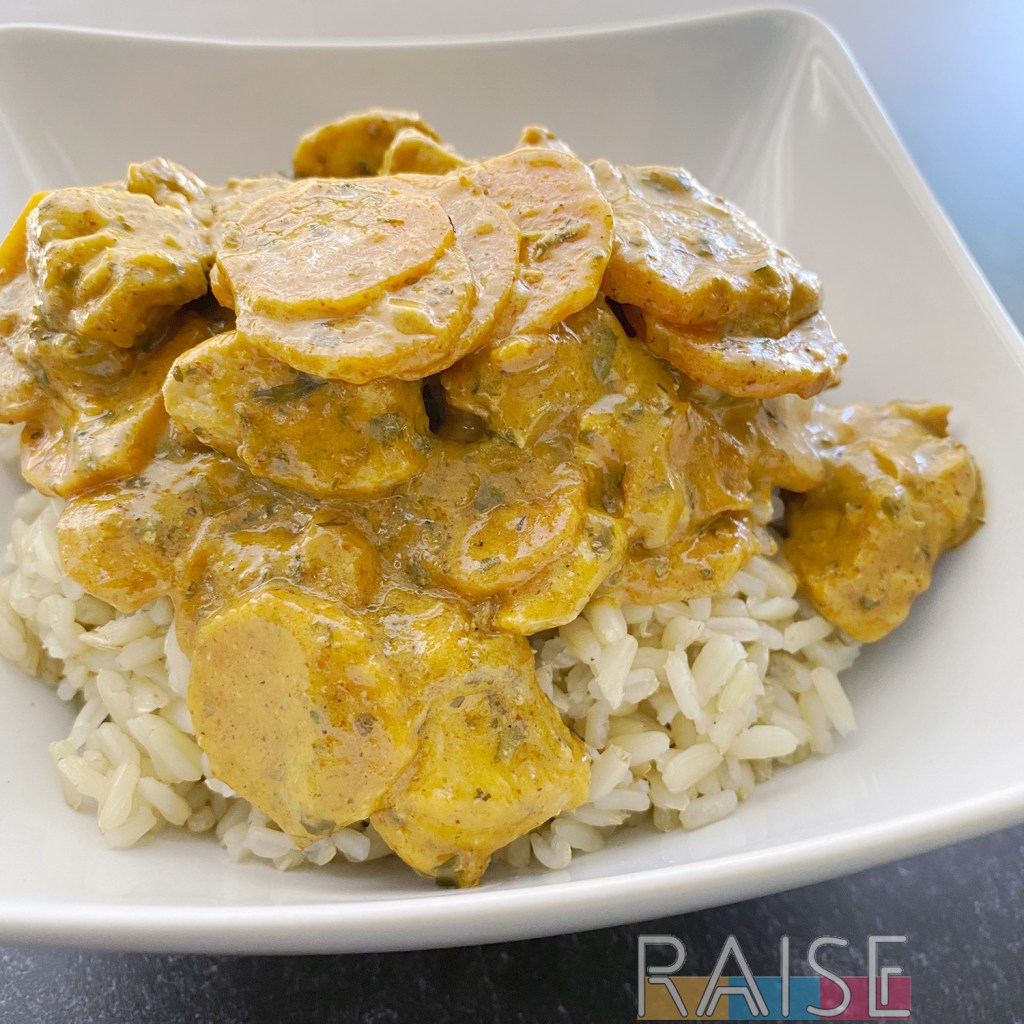 |
 |
 |
Brands That Sell Dairy Free Yogurt
Critical Warning About Shared Equipment: None of these brands include equipment or facility statements on the package. You’ll have to contact each one to get the current information.
Dairy Free Yogurt That Contains Coconut
- Coconut Cult Organic Probiotic Coconut Yogurt (coconut, water, and probiotic cultures only, product comes with a warning to not shake or double dip)
- Cocojune Organic Pure Coconut Yogurt (coconut, cassava, and cultures, super minimal ingredients)
- Cocoyo Pure Raw Coconut Yogurt (super clean, 3 ingredients)
- Culina Plain & Simple Coconut Yogurt (very clean, contains hand shucked coconut, agar, water, and probiotic cultures)
- Culina Unsweetened Plain Coconut Protein Yogurt (contains coconut, grass fed bovine collagen is the protein content)
- Forager Plain Unsweetened Coconut & Cashew Yogurt Alternative
- Forager Organic Dairy Free Greek Style Yogurt, Plain & Unsweetened (contains coconut, cashew, rice, agar)
- Harmless Harvest Unsweetened Plain Organic Cultured Coconut (pretty clean, contains coconut, tapioca, cane sugar, and cultures)
- Icelandic Provisions Oat Milk Non-Dairy Yogurt (contains oat, pea, coconut, and many more ingredients)
- Lavva Organic Dairy Free Probiotic Yogurt (coconut based, contains pili nuts, plantain, cassava, lime, salt)
- Siggi’s Plain Plant-Based Yogurt (contains coconut, pea, macadamia)
- So Delicious Unsweetened Plain Coconut Yogurt Alternative (contains quite a few ingredients…)
Coconut Free Dairy Free Yogurt
- Kite Hill Plain Unsweetened Greek Style Yogurt (almond and soy based)
- Kite Hill Plain Unsweetened Almond Milk Yogurt (contains almond milk, gums)
- Silk Soy Milk Yogurt Alternative (contains soy and a lot of additional ingredients)
- Silk Almond Milk, Soy Free, Dairy Free Yogurt Alternative (contains almonds and quite a few additional ingredients)
Oatly sells an oat based yogurt, but says “since ingredients often differ slightly between markets they aren’t available on the global site” so I’m unable to give you ingredient details.
Making Dairy Free Yogurt at Home
Now, if you’ve looked over the bands that sell dairy free yogurt and find that none of it is safe for you (or you don’t love the ingredients), you can make yogurt at home. I won’t lie, it’s not the easiest of tasks, but once you make it successfully, it gets MUCH easier.
Some recipe developers say you don’t need a yogurt maker, but as someone who has messed about with the process, get the yogurt maker. You can purchase a standalone yogurt maker, or use something like an Instant Pot Pro. The one that I have has a yogurt setting and it works like a charm.
To make dairy free yogurt at home, you’ll need a dairy free milk, along with some kind of starter. Cultured yogurt can be used as a starter, probiotics can be used as a starter, and you can also purchase a standalone starter. Here are a few starters, but full disclosure, I’ve never used this type of product:
- Belle + Bella Non-Dairy Yogurt Starter (get in touch with the brand for current/accurate ingredients as they aren’t easy to find)
- Cultures for Health Vegan Yogurt Starter (get in touch with the brand for current/accurate ingredients as they aren’t easy to find)
- Eugurt Better than Yogurt Make at Home Mix (dairy free, soy free, contains fava bean, coconut, chicory, rice, monk fruit)
- Freshly Fermented Vegan Soya Yoghurt Starter (contains soy, tapioca, cultures)
Once you get the hang of things, the process is pretty easy, and not too time consuming. However, unless you really need to control the ingredients, it’s easier to just purchase dairy free yogurt.
Cooking & Baking with Dairy Free Yogurt
Generally speaking, dairy free yogurt will be a 1:1 swap for yogurt in other recipes. In cooking, it’s absolutely a 1:1 swap, and your main concern should be taste. For example, if you don’t love coconuts, you’ll need to stick to the coconut free list. The coconut flavor is usually very present in a yogurt that contains coconut, unless it’s from a brand that masks it with a lot of additional ingredients.
In baking, it’s a whole different story, and it’s going to vary by application. Often times, yogurt is used to tenderize, help lift, and provide a specific flavour profile. Dairy free yogurt can’t always deliver, but it sure will try.
If you’d like to bake with yogurt regularly, I strongly suggest purchasing a small container of plain yogurt, from each brand available in your area. Then, make a half batch of a yogurt-containing recipe. Bake it all up on the same day and do a side-by-side taste test.
Ultimately, this is the only way to know which of these yogurts will perform the best, and taste the way you expect. And don’t take someone else’s word for it… dairy free products are loved by some and hated by others, so make sure you know what YOU like.
Answering Your Dairy Free Yogurt Questions
Is it possible to purchase lactose free yogurt that contains milk?
Yes, brands such as Green Valley make organic, lactose free yogurt. You’ll need to call around to stores in your area to see who has something like this available. I’ve found that both organic style grocery stores and conventional stores all carry at least one brand of lactose free yogurt.
Where can I purchase Nancy’s dairy free yogurt?
Unfortunately, at the time of publishing, Nancy no longer offers the dairy free yogurt line. The info isn’t on their website anymore, and I personally haven’t seen this brand in stores (the dairy free line) in a few years.
That’s the way of free-from. Brands and products come and go, so enjoy the goodness whilst you can.
Can dairy free yogurt be used in curry recipes?
Yes! I’ve tested this with coconut free dairy free yogurt and it’s amazing (or so I’m told since I’m allergic to the food I make for others). You’ll want to stick to plain yogurt, unsweetened if possible. Be sure to avoid fruit based options etc., as these can throw off your final recipe (unless that’s your goal because that could be interesting).
When using dairy free yogurt in cooking recipes, it’s a 1:1 swap for milk-based yogurt.
Could I use dairy free yogurt in homemade yogurt ice cream?
Most likely, yes. This isn’t something I’ve personally tested, however, it’s worth trying at least once. You’re going to need to mind the fat content for sure, as that can throw off even the most fantastic ice cream recipes.
If this is your first time making an ice cream that contains yogurt, I strongly suggest finding a recipe online to follow the first time around. You don’t want to waste expensive ingredients. Also, make sure you mind the sugar content. Some dairy free yogurts can read as very unsweet, and with ice cream, it naturally reads as less sweet once it’s made (from the temperature change).
You’ll want to make sure you’ve accounted for all of the little details for the highest chance at success.
Is it possible to purchase corn free dairy free yogurt or make it at home?
Maybe. I’ve taken the plunge and trialed a few super clean coconut based dairy free yogurts and have had severe reactions to each one, and I’m pretty sure it was from corn. The issue is always going to be the cultures. Most vegan cultures have corn in their supply chain, and there’s no real getting around it.
I’ve had the most success at home with sheep’s milk that’s from corn free sheep, but that’s not dairy free. And so we’re back to the same issue. Now, if you can source truly corn free probiotics (check out this brand, I was able to tolerate their very expensive refrigerated product sold locally), you could use that as a starter. Full disclosure: I tried this with homemade corn free + dairy free milk and it was a total fail. That’s what took me back to experimenting with sheep’s milk and a local sheep yogurt.
Ultimately, it’s going to come down to a LOT of trial and error at home. If you can make it work though… you won’t regret it.
We All Scream For Dairy Free Ice Cream & Popsicles
Dairy free ice cream is a pretty personal, and sometimes touchy subject. Everyone has an idea in their head as to what the perfect scoop looks like and feels like. If that’s not enough, milk farmers get touchy about us free-from folks using the term ice cream because of the legal definition (and the lack of cream content), which is why you’ll see the term “frozen dessert” or “frozen treat” on dairy free products.
These days, you can purchase dairy free ice cream made from cashew milk, almond milk, coconut milk, soy milk, hemp milk, and so much more. So, let’s take a look at the different types of ice cream, popular brands making dairy free ice cream, then we’ll move on to making dairy free ice cream at home.
CRITICAL WARNING: Most dairy free ice cream is made on shared equipment with milk. This is also true of dairy free popsicles. Additionally, brands that produce a milk based and dairy free version of their product more often than not use the same equipment. If you are allergic to tree nuts as well as milk, it’s incredibly important that you also reach out to brands, as most equipment is also shared with tree nuts.
Types of Ice Cream & Frozen Desserts
- Traditional Sorbet: Made from fruit puree and sugar (should contain no other ingredients).
- Traditional Italian Ice: Made from puree and sugar, icier than sorbet, and contains less sugar than sorbet.
- Traditional Dairy Free Vegan Ice Cream: Made without milk or egg, but can have a high-fat content.
- Custard Ice Cream AKA Frozen Custard: Made with milk and eggs.
- Traditional Dippin’ Dots: Made from frozen droplets of liquid ice cream.
- Traditional Dondurma: A thick Turkish ice cream.
- Traditional Frozen Yogurt & Soft Serve
- Traditional Gelato: Made with whole milk, but no eggs.
- Ice Milk: A type of low fat ice cream.
- Traditional Kulfi: A type of Indian Ice Cream
- Traditional Mochi: A Japanese style frozen treat containing rice, milk, and eggs.
- New England Ice Cream: A type of chewy ice cream native to New England, contains milk.
- Philadelphia Ice Cream: Made with milk, but no eggs.
- Rolled Ice Cream: A trendy novel ice cream that’s rolled up cream, milk, and sugar.
- Semifreddo: A thick type of ice cream that can be sliced, made from a combination of ice cream, mousse, and custard.
- Traditional Sherbet: Made with fruit puree (sometimes fruit juice), and contains a small amount of dairy.
- Snow Cream: Shaved milk-based ice cream.
- Spumoni: Not as thick as a custard based ice cream, but also contains nuts or candied fruit.
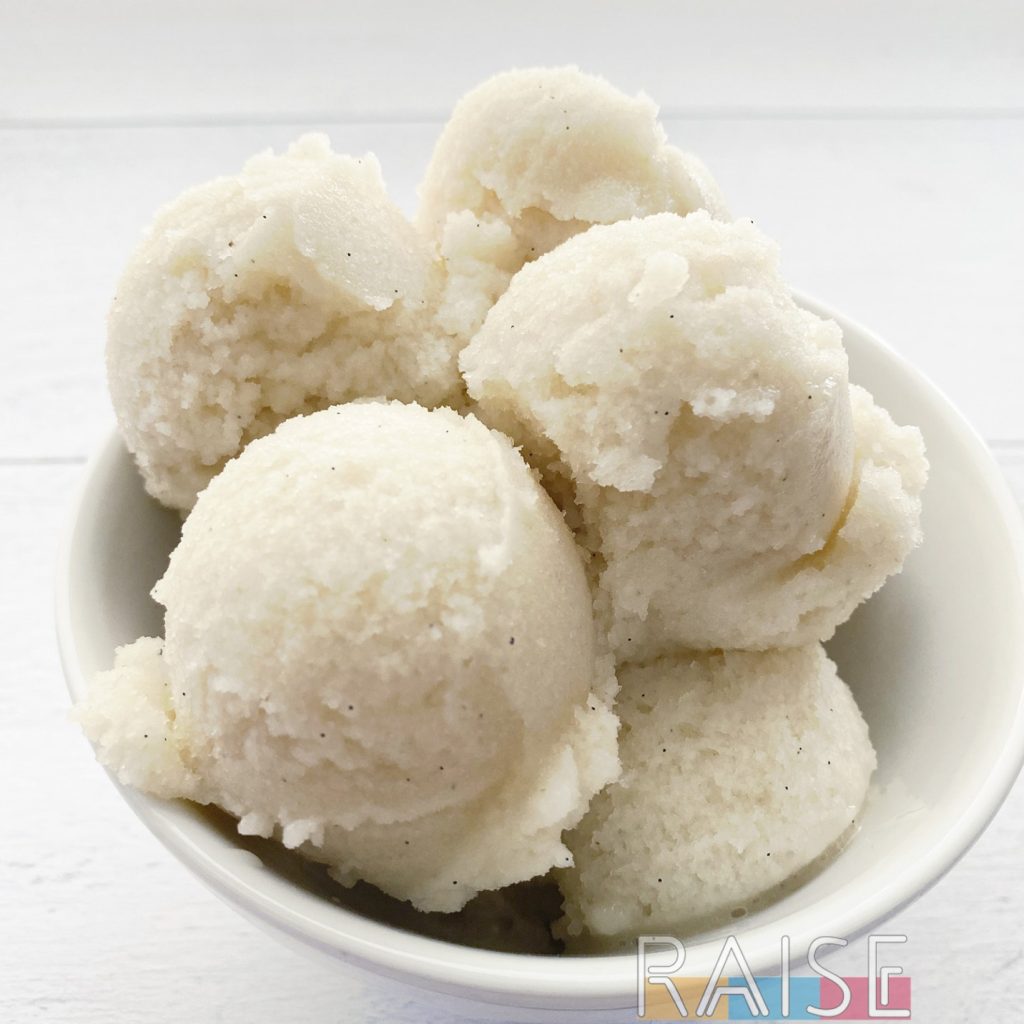 |
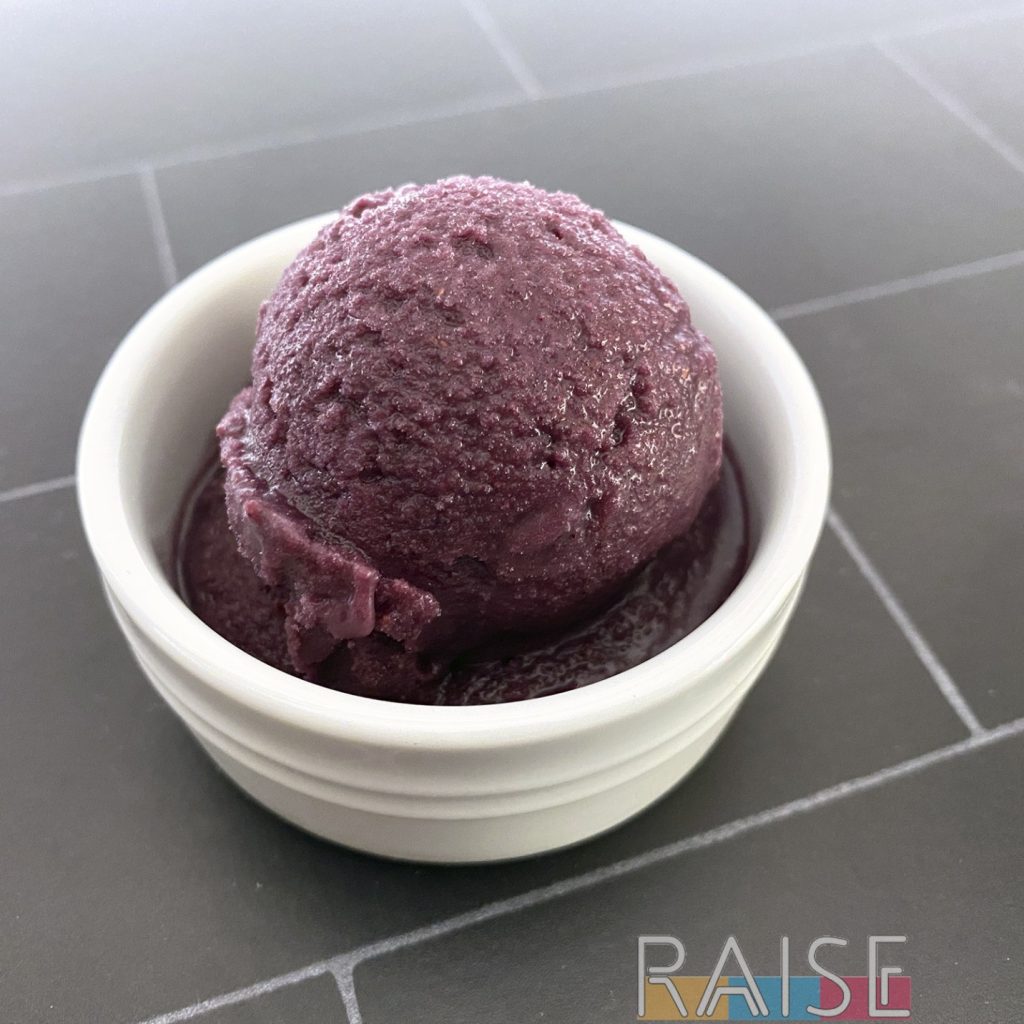 |
 |
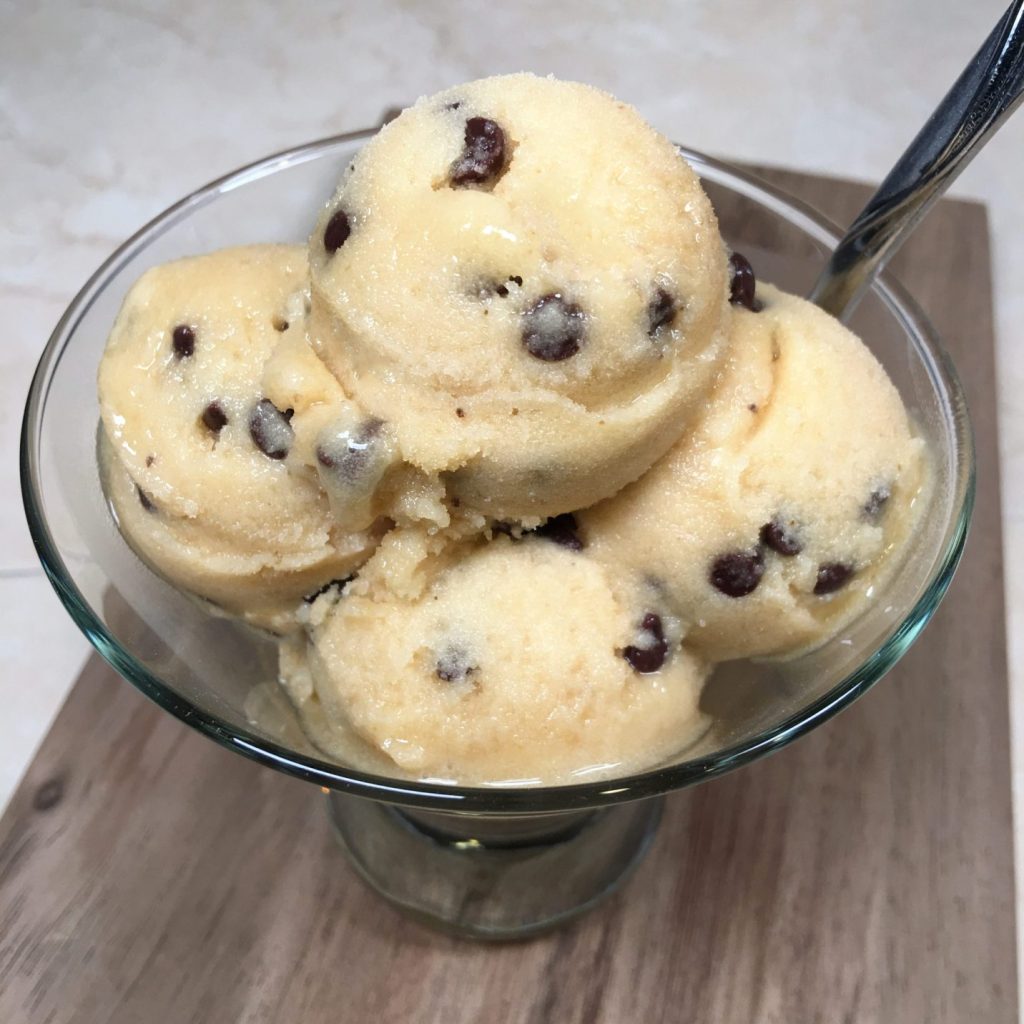 |
Popular Brands That Sell Dairy Free Ice Cream
This list is in ABC order since the bases are just all over the place and many products contain several allergens as the base. Please, PLEASE remember, companies change. Do your due diligence. Always research before you buy, especially if shared equipment is an issue.
- Ben & Jerry’s Non-Dairy Vegan Pint (several flavours available, contains wheat, soy, oat, legumes, and a lot of other ingredients)
- Breyers Non-Dairy Oat Milk Ice Cream (contains coconut, soy, legumes, and a lot of questionable ingredients)
- Cado – Nationwide Shipping (AMAZING reviews, avocado based, range of flavours, get in touch for most recent allergen info since it’s no longer on their website)
- Coconut Bliss (ice cream pints, ice cream sandwiches, coconut based, but they also have a milk line now, so double check allergen info)
- Deebee’s Organics (wide range of popsicles, coconut based gelato pops)
- Good Pop (gluten free ice cream sandwiches, creamy popsicles, fruit juice popsicles, fudge pops, different products have different bases, lots of organic ingredients)
- Green Girl – Nationwide Shipping (ice cream pints and ice cream sandwiches, range of flavours, coconut based)
- Higher Harvest by H-E-B (specific grocery chain, appears to have a range of flavours, contains coconut, tree nuts, seeds, legumes)
- Jenni’s Dairy Free Ice Cream (several flavours available, coconut based, brand also produces a milk-based line)
- Jolly Llama (gluten free + dairy free ice cream sandwiches and ice cream cones, contains coconut, soy and several other legumes, )
- JonnyPops (they have a range of milk based and milk free items, so read labels carefully and get in touch about shared equipment.)
- Kind Frozen Bars (contains soy, peanuts, tree nuts, may contain wheat and milk)
- Luigi’s Real Italian Ice (fruit, corn, and sugar based, lots of flavours to choose from)
- Nada Moo – Nationwide Shipping (pints, coconut based, organic, very allergy friendly)
- So Delicious has a HUGE range including almond bars, coconut + legume ice cream, cashew + coconut ice cream, and wheat + coconut ice cream sandwiches.
- Talenti Dairy Free Gelato (contains almonds, cashews, eggs, soy, has a may contain statement for other nuts, but not milk, so this may be made on DF equipment)
- Talenti Dairy Free Sorbetto (range of flavours, contains fruit, sugar, and legumes)
- Tofutti Ice Cream (corn, soy, and legume based)
- Valsoia (gelato, several flavours and bases, check website for current info)
- Van Leeuwen Non-Dairy Frozen Dessert Bars (oat based, contains coconut and soy, ice cream available, ice cream bars, and more)
- ZeBuZu Organic Popsicles
Oatly also sells a dairy free ice cream, but says “since ingredients often differ slightly between markets they aren’t available on the global site”, so I’m unable to give you ingredient details.
Check out This Cado Dairy Free Ice Cream Review
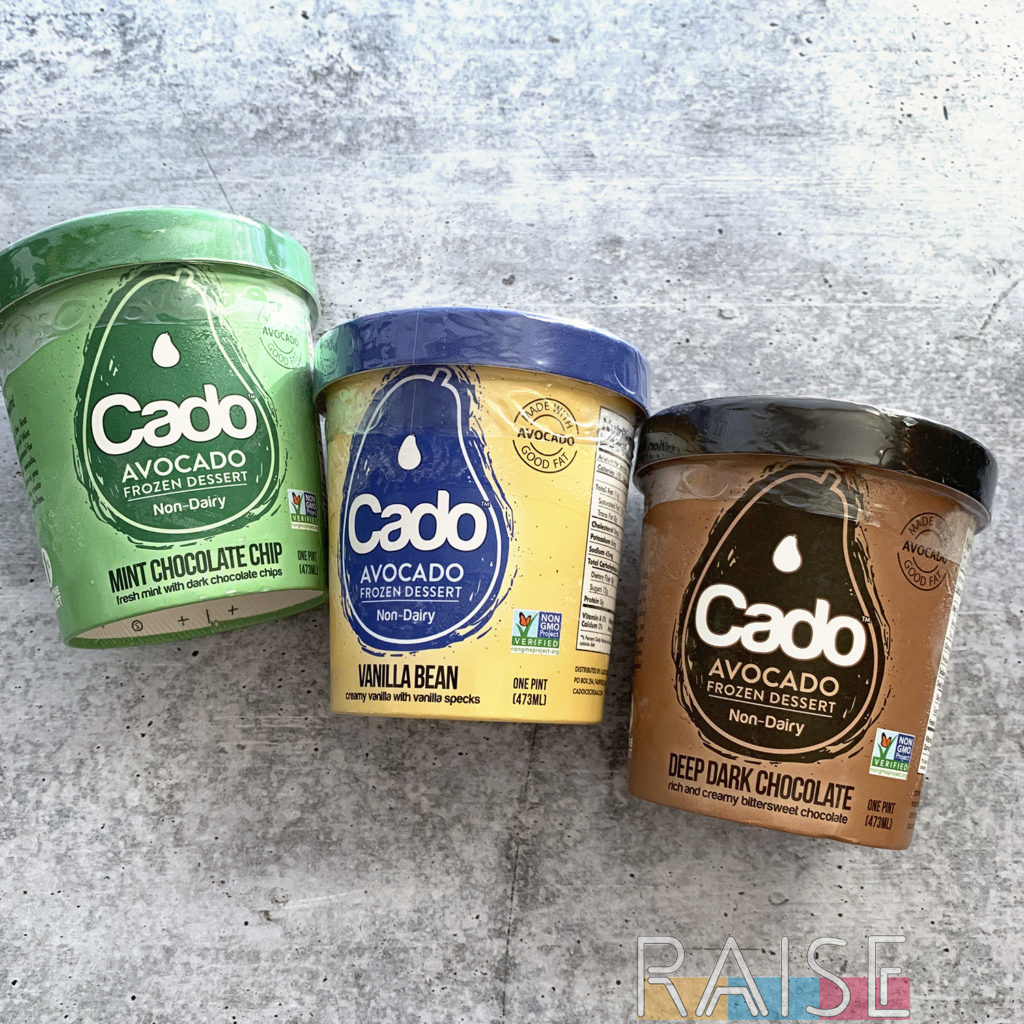
If You Don’t Like “Sciency” Foods
Here’s the hard truth about dairy free ice cream: it’s going to come with a LIST of ingredients, and you won’t always love them. Some brands pride themselves on using minimal ingredients, but they often times contain allergens.
One thing you won’t be able to avoid: gums and/or binders. Without them, dairy free ice cream generally falls apart at the commercial level. This is an important distinction because at home, man oh man…. I have had an insane amount of success with homemade ice cream, free from gums and binders. However, that’s the advantage of small scale development.
The more complicated an ice cream flavour, the more ingredients you’ll see. If you’re not a fan, stick to vanilla ice cream and add your own toppings that you enjoy. For example, there are brands that sell peanut butter dairy free ice cream, but if you’re into organic etc., you’d be better off with a vanilla ice cream and adding organic peanut butter at home.
If you don’t like artificial flavours (strawberry, lemon, peach, etc.), you’ll absolutely want to add toppings at home, rather than purchase ice creams with a flavour.
Label & Purchasing Tips
In the world of dairy free ice cream, it’s critical to really stop and read a label twice. Grocery stores tend to stick all of the specialty ice creams together, and it’s easy to get confused.
Dairy Free: Should be 100% milk free, period.
Non-Dairy: May contain small amounts of milk, or the brand doesn’t understand the proper terminology, read the label several times.
Lactose Free: Not milk free, will contain milk proteins.
Vegan: ALWAYS double check. Vegan means dairy free, however, with the emergence of lab grown proteins, that’s no longer the case 100% of the time. Brands that are dedicated to the vegan cause (not the food allergy cause) are more likely to use these proteins. If you are allergic to milk, you WILL have an allergic to these proteins, as they’re engineered to be identical to milk proteins. Please. Read labels carefully. So far, these brands have been responsible and they put this info on the label because no one want to be liable, but it means you can’t just glance. Fully read.
Shared equipment with milk: If this is an issue, you’ll have limited choices. Cado is a good starting point and they offer nationwide delivery.
Gums and other ingredients: If you’re not comfortable eating stabilizing ingredients, then your options will be very limited and you’re better off making ice cream at home.
Creaminess: The higher the fat content, the more creamy your dairy free ice cream will be, especially if there aren’t any gums and other “sciency” ingredients.
Eating & Enjoying Tip
Ice cream that contains egg is naturally softer, and only takes a few minutes to warm up to the perfect scooping texture. Other ice creams, especially dairy free ice cream (which is also usually egg free so they can market to the vegan crowd as well) can read as heavy, hard, and dense. For the maximum enjoyment, allow your dairy free ice cream to melt a little bit when you pull it out of the freezer. I typically let it sit for 5 – 10 minutes, depending on the brand. This softens it and gives you a better mouthfeel in the long run.
Mixed Allergy Household Tip
Some flavours of ice cream, especially cookies-n-creme, caramel, and cookie dough, have similar package designs across many brands. If you manage a mixed allergy household, and have products that look even remotely similar, label them.One of my kids had a severe allergic reaction because of this once, and that experience lead me to purchase a separate mini fridge/freezer to separate the ice creams (my kids LOVE ice cream). In my case, this was the safest option, and it worked out well.
For labeling, you’ll want to purchase something like silicone wrist bands (bonus points if you get them customized). Assign a colour to each person, and their ice cream pint gets that colour band. Stickers, sticky notes, and other adhering items will struggle to properly stick to frozen items. The beauty of the band is that you can slide it on, and reuse it when you purchase the next pint.
Local Ice Cream Parlors & Juice Shops
Depending on where you live, you may be able to find amazing, delicious dairy free ice cream at a local parlor. In those instances, they usually have dedicated equipment used on site. I’ve found several safe options in Seattle, Oregon, and the San Francisco Bay Area for those with a milk allergy (and can’t do shared equipment).
Mr. Dewie’s is a prime example. There, you’ll find a cashew based ice cream that’s gluten free, dairy free, soy free, and more. Two brothers started the place and have kept it going for almost two decades. Dear Bella Creamery in Hollywood is another fantastic example.
As you search in your area, look online for “dairy free ice cream shop”, “vegan ice cream shop” and “plant based ice cream shop”. In terms of marketing, some brands start because of their dedication to the vegan lifestyle whilst others are here for those with food allergies. What it means for you: how you search online matters. Just changing “dairy free” to “vegan” yields different results.
In some area, organic-leaning juice shops are also offering some kind of ice cream or soft serve experience. Be sure to see what’s in your area and call around. You may be delightfully surprised by what you find.
How to Make Dairy Free Ice Cream at Home
After looking over all of the brands, if you decide that purchasing dairy free ice cream isn’t an option for you, the great news is that creators all over the world are developing AMAZING dairy free ice cream recipes you can make at home.
Biggest Tip: I cannot stress enough the importance of having a proper ice cream machine. Skip the bowl freezing units and save up for a proper countertop unit with a compressor built in. I have two and have my eye on a third and have made the most amazing creations with them.
And yes, I tried the other methods. NOTHING compares to the proper machine. Nothing. This is the unit I use the most, and this is the one I plan to get next.

Pros to a Proper Ice Cream Machine
Full Control: You have a lot more control over the timing and churning of your ice cream.
Creativity: You can easily create mix-ins and ripples for your ice cream recipes. This is much harder to accomplish with other machines.
No Bowl Freezing: Honestly, this is the top pro. If you like to batch cook and freeze like I do, know that you can run your ice cream machine for HOURS and it keeps on churning because of the compressor. You don’t have to pause to refreeze the bowl and so on.
Push Buttons and Walk Away: There’s no need to babysit these units. You push a few buttons and move on with your day.
No Shared Equipment: For us free-from folks, this is perhaps the other great pro. You own the machinery, you source the raw materials, and you can make ice cream as clean as it needs to be. Both myself and one of my kids are in the 30% group, so this was a no brainer purchase for me.
Cons to a Proper Ice Cream Machine
Cost: These machines are an investment, especially the one I want to get next. If you don’t plan to use it often, don’t waste your money. Use the ice salt + shaking method instead. Know that to break even, you need to make at least 65 pints at home. Now, that number will vary based on the type of ice cream you purchase, but you get the idea.
Space: Proper ice cream machines aren’t small. They have a good size footprint, so you’ll either need countertop space, or somewhere to store it.
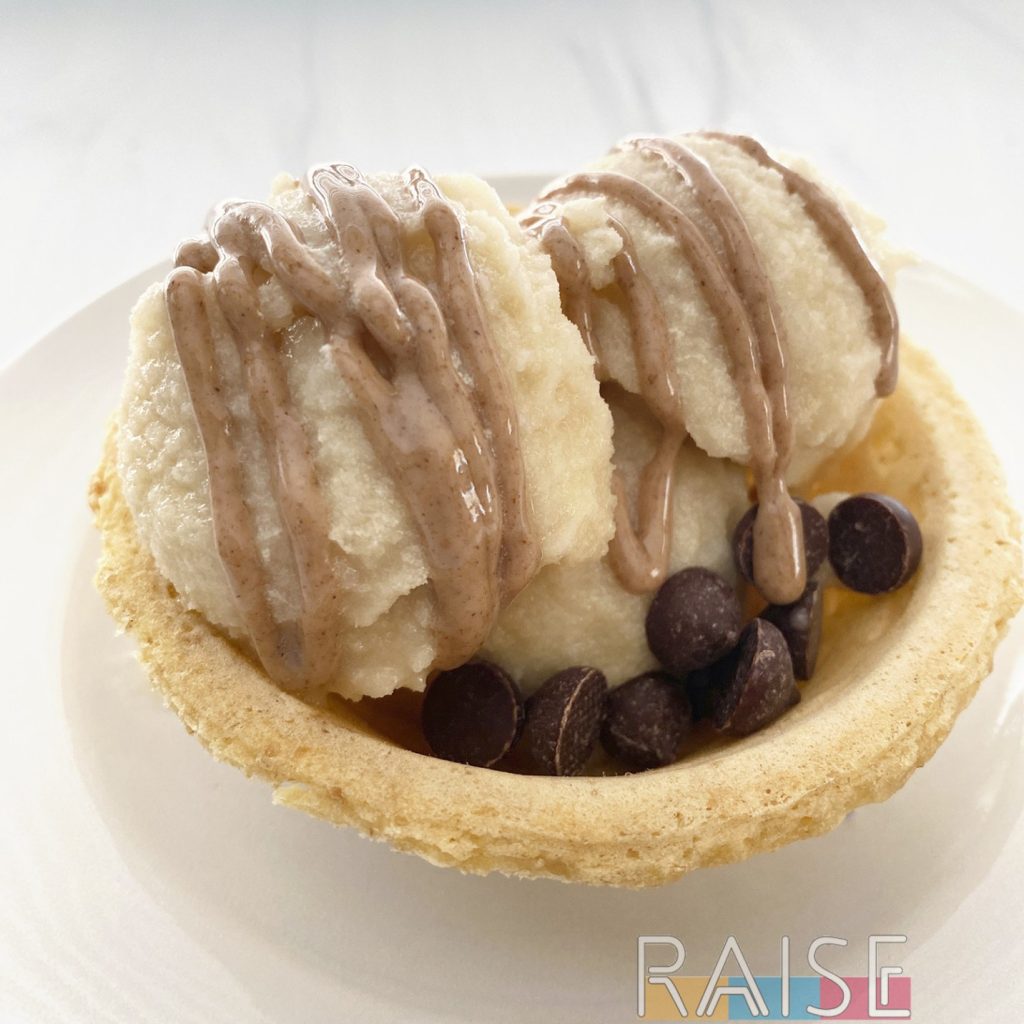 |
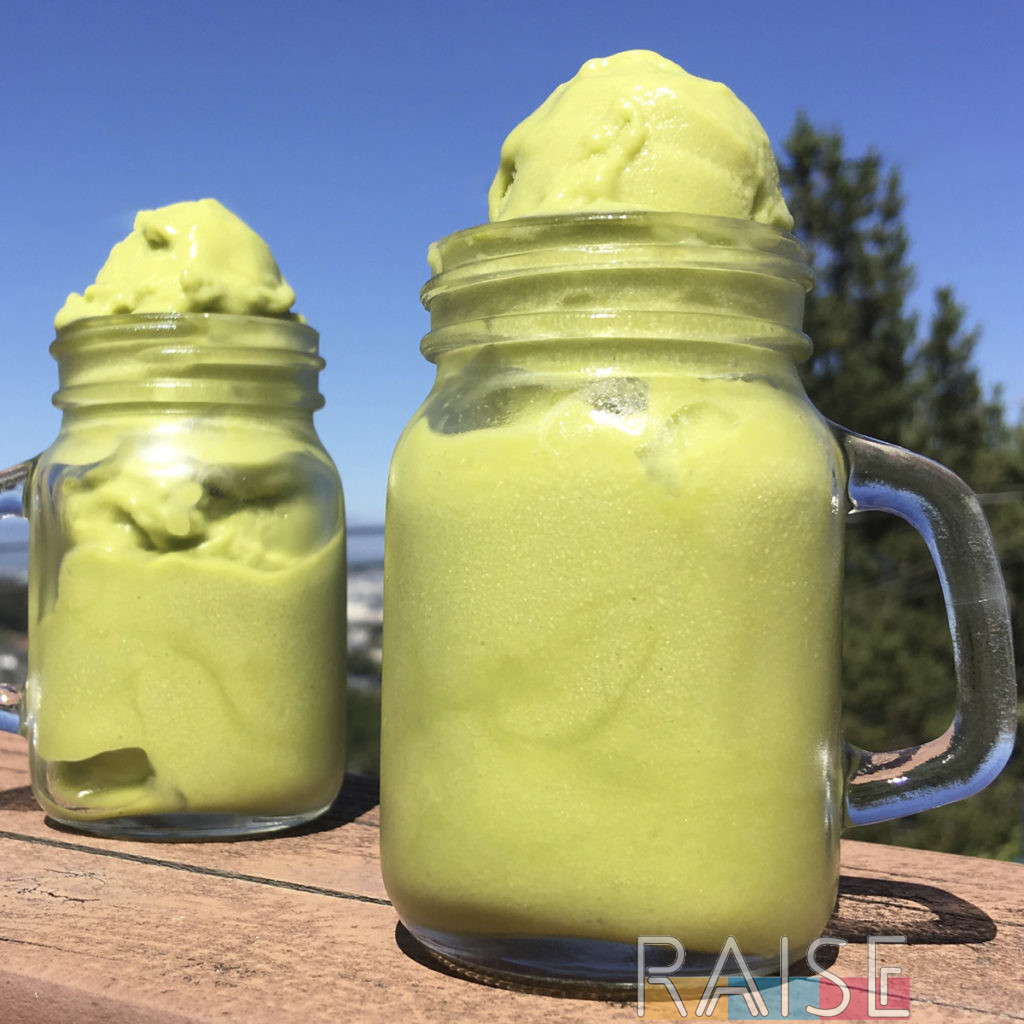 |
 |
 |
Creating Your Dairy Free Ice Cream Formula at Home (with Eggs)
Fun fact, if you can have eggs, you can make THEE most amazing custard style ice creams at home, and you don’t even need dairy free milk. I once made a BOMB truly corn free ice cream with:
- Corn Free Organic Egg Yolks
- Water
- Corn Free Organic Maple Syrup
- Corn Free Organic Vanilla Extract
- Sea Salt
That’s it. In the case of this style of formulation, you start by blending all of the ingredients together, then heating on the stove to temper the yolks. Once that happens, chill in the fridge overnight. The net day, churn and enjoy.
Why This Works: Egg yolks are fat bombs. Ice CREAM. It’s called ice cream because of the cream content which translates to a rich and creamy mouthfeel. Once we’ve removed the cream, we need to find a way to replace that textural element. In this style of recipe, egg yolks have you covered.
When searching online for recipes, you’ll want to find custard style recipes, but those that exclude cream, glucose, milk powders, and so on. Including words such as “Paleo” in your search term can be incredibly helpful.
Creating Your Dairy Free Ice Cream Formula at Home (without Eggs)
Alright, it’s time for me to reveal the big secret. How you can make the most amazing dairy free, egg free, gum free ice cream at home. Ready? You’ll want to take notes. Fat. Did you catch it? I’ll repeat myself, just in case. Fat.
Remember, the CREAM in ice cream is a literal reference to the cream content (and why the dairy farmers don’t want us using the term). When there’s no cream content, there’s little to no fat, unless you creatively bring in another way. Avocado flesh, nut butter, seed butters, coconut products, cashews, and oils all get the job done. Bananas are also able to create a creamy consistency, but the downside is the distinct taste.
A basic ratio is that the oil should be 6% of the milk weight. If your dairy free milk is 950mL, you’d use 55 – 60mL oil. Tiger nut oil (tuber, not a tree nut) is hands down the best oil for this job, but to each his own.
To make amazing dairy free ice cream at home, you have a couple of choices:
- Dairy Free Milk
- Organic Maple Syrup
- Organic Tiger Nut Oil
- Organic Vanilla Extract
- Sea Salt
OR
- Dairy Free Milk
- Organic Maple Syrup
- Xanthan Gum
- Organic Vanilla Extract
- Sea Salt
That’s all you really need. From there, you can add all sorts of mix-ins, freeze dried fruits, ripples, toppings, flavouring agents, and so on.
Why it Works: The countertop unit. If you try to make these basic formulations in anything but a proper ice cream machine with a compressor, you will have sub-par results, and really no one wants to eat that. If you want to jump into ice cream making, my RAISE Membership website has well over 700 dairy free recipes, including ice cream recipes.
Dairy Free Chocolate Chips
Let’s take a quick look at all things dairy free chocolate chips. First, a HUGE warning. I’ve been on the commercial side of the food industry, and have lots of friends with food businesses. Want to know what they’ve warned me about?? Chocolate.
If you’re allergic to milk or peanuts, I have it on good authority that you should not purchase chocolate candy, chocolate chips, or other chocolate products that’s been made on shared equipment with your allergens. The issue is how the machinery is cleaned, and that the risk for cross contact is incredibly high. So, as you shop for dairy free chocolate chips, keep that in mind.
Swap & Substitution Ratios for Dairy Free Chocolate
If a recipe calls for some kind of regular chocolate chip (sweet, semi-sweet, dark, etc.), use the dairy free version of what’s called for. It’s a 1:1 swap by weight.
You can use mini chips in place of regular sized chocolate chips, and the amount is the same. It’s more helpful if the recipe is done by weight so you can easily make the swap.
If you’re following super special recipes, look up the brand of chocolate chips that the recipe developer uses to make sure you’re selecting a dairy free counterpart that’s the same percentage. Additionally, make sure you check for cocoa vs cacao, as they aren’t the same thing. Most dairy free chocolate chips are cacao based.
Dairy Free Chocolate Tempering Warning
As a professional recipe developer and someone that’s big into free-from pastry, it’s so important that you be warned. Standard cacao based dairy free chocolate can be easily tempered following conventional methods.
Dairy free white chocolate is a pain in the ass, pardon my French. I have no other way to tell you that…. It melts down a bit funny, gets weird past a specific temperature, and will generally have some streaking/bloom even when done well.
I’ve found that the real secret to tempering dairy free white chocolate is to use a freeze dried fruit powder in the process. Fixes SO many issues, and adds a nice flavour.
More Dairy Free White Chocolate Warnings
I can’t stress this enough: dairy free white chocolate has limitations in all regards, including baking. If you use the chocolate chips in recipes with a longer than usual bake time, they’ll disintegrate during the baking process.
They should not be used in cakes with long bake times for the same reason. Additionally, you cannot caramelize dairy free white chocolate chips like milk-based white chocolate.
For best results, use dairy free white chocolate chips in cookie recipes that bake for 22 minutes or less, at 350f/175c or less.
Delicious Recipes with Dairy Free Chocolate Chips
- Buckwheat Chocolate Chip Cookies (vegan, gluten free, top 9 free)
- Nut Free Chocolate Chip Granola Bars (vegan, top 9 free)
- Dairy Free Peanut Butter White Chocolate Chip Cookies (gluten free, tree nut free, soy free)
- Coffee & Chocolate Chip Pancake Recipe (gluten free, dairy free, egg free, top 9 free)
 |
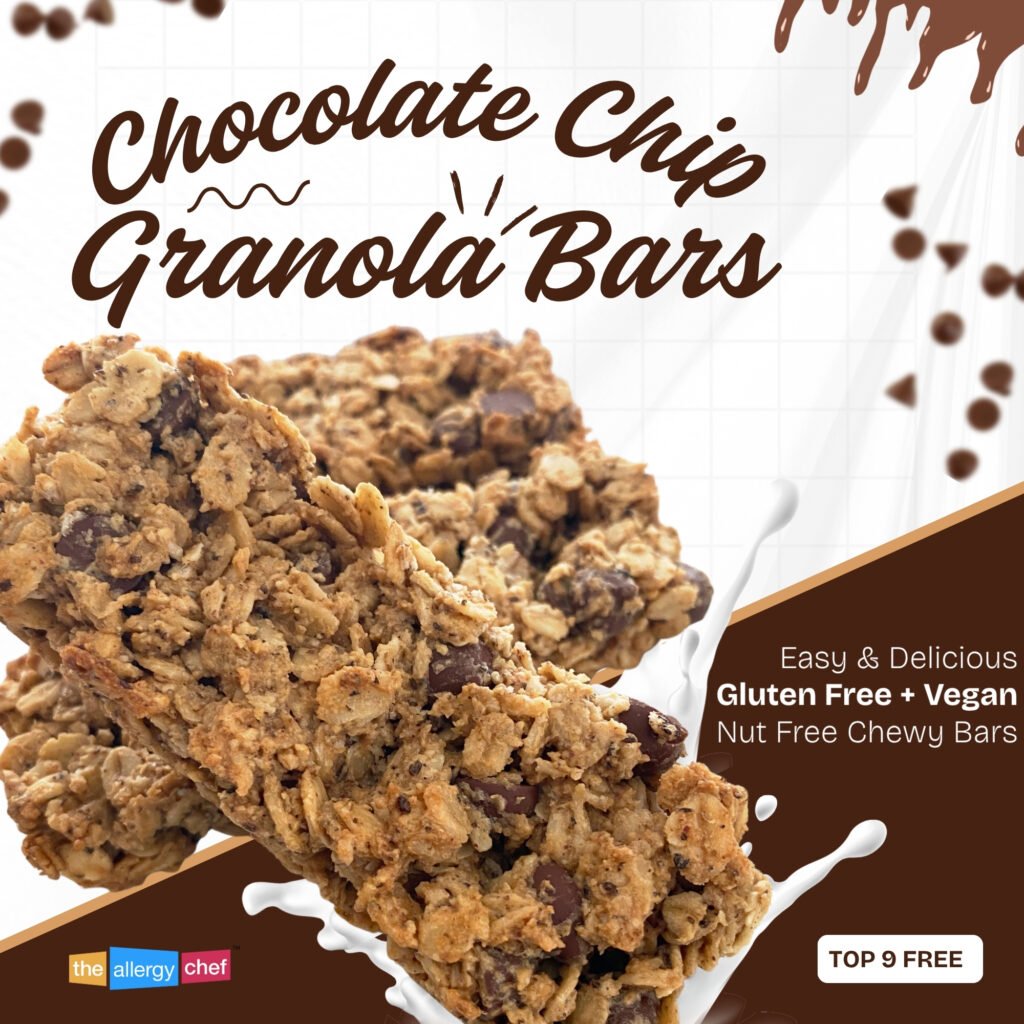 |
 |
 |
Brands That Sell Dairy Free Chocolate Chips
Always read labels carefully. For example, Guittard sells a semisweet chocolate chip that doesn’t have milk ingredients, but clearly states “made on shared equipment with milk chocolate and not suitable for people with milk allergies”.
- Enjoy Life (they also sell mini chocolate chips in bulk)
- Just Date Organic Chocolate Chips (65%, 3 ingredients, refined sugar free, very clean, peanuts and tree nuts in facility)
- Just Date Organic Milk Chocolate Chips (31%, 4 ingredients, refined sugar free, peanuts and tree nuts in facility, doesn’t indicate that oats are GF so confirm if you need it)
- Pascha (robust line, all organic, keto option, truly corn free option, mini chips as an option)
- No Whey (amazing brand, offer chocolate chips and a wide range of vegan and allergy friendly candy, top 9 free)
- Equal Exchange 55% Organic Semisweet Chocolate Chips (brand has a range of options, not all are DF, the DF items are made on DF equipment)
Diary Free White Chocolate
- Enjoy Life Dairy Free White Chocolate Chips (top 9 free, top 14 free)
- Pascha (top 9 free, top 14 free)
- Kind David (contains soy, may contain traces of gluten, peanuts, almonds, tree nuts, sesame)
Additional Dairy Free Chocolate Chip Options That May Work for You
- Ghirardelli Non-Dairy Chocolate Chips (contains soy, comes with a clear may contain milk warning)
- Gefen Chocolate Chips (I’m unable to confirm the actual product ingredients, but company claims it’s dairy free)
- Hu Kitchen (simple, organic, 3 ingredients, has very clear may contains statement)
- GreenZep (refined sugar free, coconut as sweetener, you’ll need to confirm safety of equipment)
- Good Balance Health Dark Chocolate Wafers (sugar as sweetener, you’ll need to confirm safety of equipment)
- Lakanto Sugar Free Semi Sweet Chocolate Chips (monk fruit and erythritol as sweeteners, confirm safety of equipment, brand has failed gluten free checks in the past)
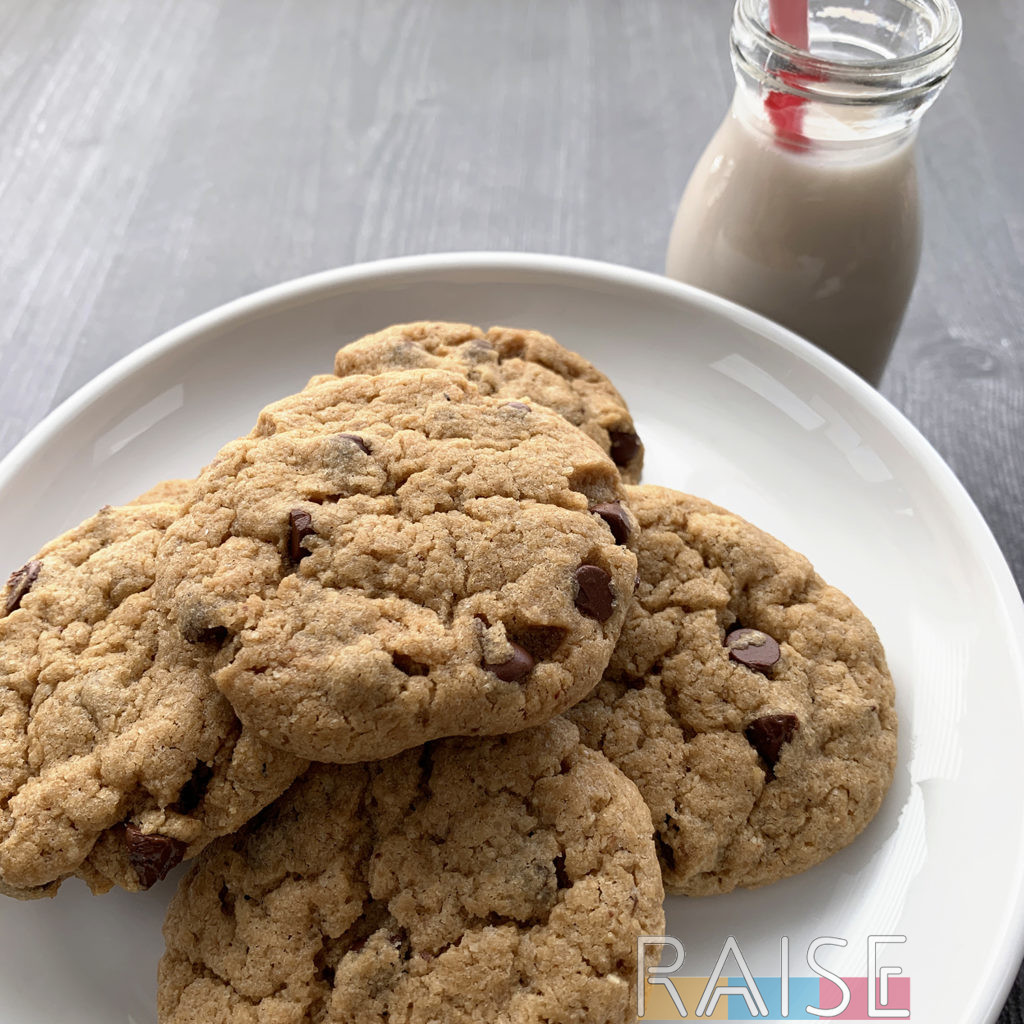
Carob Chip Options
If you’re unable to consume cacao, and carbo is an option, there are several brands that sell milk-free, vegan carob chips. As you go on your confection adventure, know that you can use carob chips in place of chocolate chips as a 1:1 swap. However, don’t be afraid to pull back, as you may not love the taste.
- Missy J’s Sweet Aussie Organic Carbo Chips (contains coconut, made on shared equipment with peanuts and tree nuts)
- Missy J’s Sweet Aussie Unsweetened Organic Carob Chips (contains palm, made on shared equipment with peanuts and tree nuts)
- Missy J’s Sweet Aussie Organic Mint Carob Chips (contains coconut, made on shared equipment with peanuts and tree nuts)
- Landau Sweet Carob Chips (you’ll need to confirm the allergy status of the equipment)
- CarobMe Aussie Organic Carob Chips (contains coconut, made in a facility with peanuts and tree nuts)
Answering Your Dairy Free Chocolate Chip Questions
Are cacao nibs the same thing as chocolate chips?
Nope, and I’m so glad you asked. I’d hate to see you go to make a delicious treat thinking they’re the same thing. Cacao nibs are essentially pure dark chocolate, and are very bitter. Most brands sell them unsweetened, and it can be a real shock to the system the first time you try them.
Cacao nibs should only be used in recipes that call for them specifically, as the recipe developer will have accounted for the lack of sugar. Cacao nibs (in small amounts) are also a popular topping for smoothie bowls, so you could try that as well.
In case you need a starting point, check out Navitas Organic Cacao Nibs.
Is it possible to purchase lactose free chocolate chips that contain milk?
You’ll need to search far and wide for a product like that. As far as I know, you’re either getting dairy free/vegan chocolate chips, or full on milk chips. I’ve not seen any brands that specifically sell lactose free only chips. Brands that advertise lactose free, when you read the ingredients, you’ll see that they’re fully milk-free.
Dairy Free Condensed Milk
This is a fairly new product category and honestly, a SUPER exciting one. Let’s take a look at what condensed milk is, what the dairy free options are, and the applications for this product will be.
Warnings: Brands aren’t including shared equipment notes on these products. Get in touch if that’s an issue for you. READ labels carefully. I’ve seen complaints because “this wasn’t supposed to have XYZ in it” when in reality, the person purchased the wrong product.
Just because a brand makes a claim on one product (such as gum free) doesn’t mean all of their products are gum free. So please, read carefully, get info from brands directly, and so on.
What is Condensed Milk
There are three terms to be aware of in this category:
- Condensed Milk
- Evaporated Milk (here’s an example)
- Sweetened Condensed Milk
Evaporated milk (also known as unsweetened condensed milk) is made by removing up to 60% of the water content of cow’s milk. This has been done for centuries, and was also used as a way to preserve milk, and eventually used as part of rations for soldiers. If you’re a fan of food history, it’s a great product to research.
Milk-based sweetened condensed milk is made by evaporating and sweetening milk. Milk and sugar are heated, then simmered for 30 – 45 minutes. During that time, approximately 60% of the water content from the cow’s milk evaporates and the end results are a thick and super duper uber sweet milk product. It also continues to thicken once it cools.
Technically, condensed milk and sweetened condensed milk are two different terms. However, the term “condensed milk” has been used in place of “sweetened condensed milk”, so these days, people say evaporated (unsweetened), or condensed (sweetened).
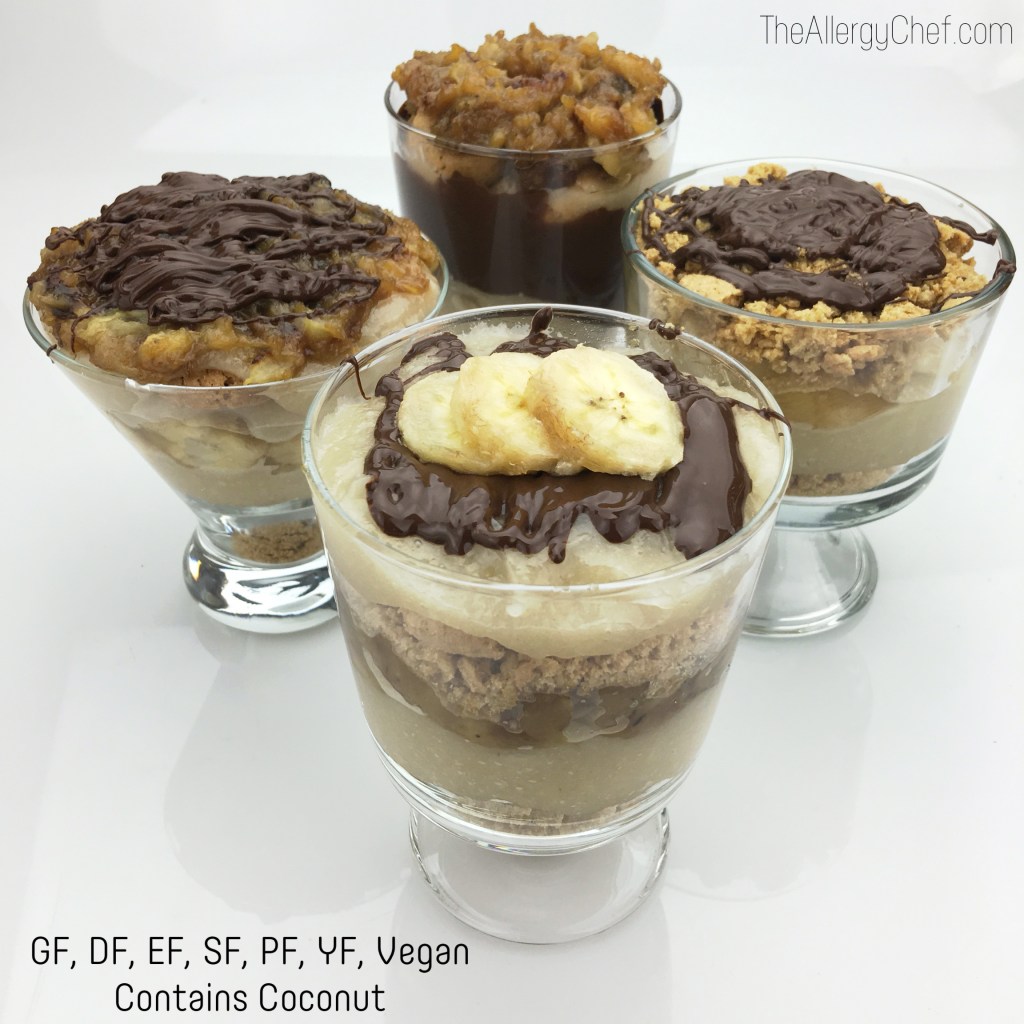
Uses for Condensed Sweetened Milk
The uses for this product are amazing in desserts including pudding, ice cream, custard, pie, fudge, dulce de leche, and even tres leches cake. You can also make caramel, and even millionaire shortbread with sweetened condensed milk.
If you want to try making condensed milk at home, check out this info from Gemma’s Bigger Bolder Baking. Read thru her notes, as well as the questions and answers at the bottom of the page before starting, as there’s some great additional tips to be found.
If you are dairy free only, you may be able to use dairy free sweetened condensed milk as a 1:1 swap for condensed milk in recipes (the reviews are mixed, more on that below). If you are also egg free and/or gluten free, do not take a standard recipe and make swaps. Instead, you need to start with recipes that are close to your needs as possible, as some substitutes won’t work as well with the milk substitute as others.
Evaporated Milk Uses
You can use evaporated milk in any kind of savory dish that you’d like to thicken. Mac-n-Cheese is a great example of a dish that would be enhanced by evaporated milk. Casseroles, sauces, stews, and pasta bakes can all benefit from evaporated milk.
If you’re following a savory recipe that includes baking (such as pizza, crescent rolls, etc.) and the evaporated milk is in the dough portion of the recipe, stop. See if you can find the same recipe, but dairy free, to confirm that the dough will bake up the same. Milk protein in baked doughs is critical for success, and since we’re dairy free, we’re constantly messing with that type of thing.
Dairy Free Evaporated Milk & Dairy Free Condensed Milk Warnings
These aren’t products that I’ve used a lot, but when I have, I’ve had success. However, the overall consensus online is that these are NOT 1:1 substitutions, especially in baking. Additionally, some products have weird tastes that really come thru whilst others aren’t so bad.
The sweetened “sugar free” condensed milks seem to be the most misleading based on what I can tell. There are a lot of complaints, across the board, about the thickness, sweetness levels, and how useful these products are in traditional recipes.
What this means for you: follow recipes that are designed to use these products, rather than swapping them in a recipe that uses milk-based evaporated or condensed milk. If you can’t find a recipe to follow, make the swap, BUT, make a half or quarter batch of the recipe. You need to determine if it really works, without wasting lots of your expensive ingredients.
Brands that Sell Dairy Free Sweetened Condensed Milk
- Gourmanity Organic Sweetened Vegan Condensed Coconut Milk (coconut, sugar, salt, no gums etc.)
- Let’s Do Organic Sweetened Condensed Vegan Coconut Milk
- Mamanta Inc Organic Plain Coconut Condensed Milk (coconut, coconut sugar, guar, water, also available as vanilla, coffee, and strawberry)
- Nature’s Charm Sweetened Condensed Coconut Milk (coconut cream, sugar, salt)
- Nature’s Charm Sweetened Condensed Oat Milk (oat, sugar, coconut, guar, salt)
- Nature’s Greatest Foods Dairy Free Organic Condensed Coconut Milk (organic coconut, organic sugar, no gums etc.)
- Real Naturals Sweetened Condensed Coconut Milk (coconut, sugar, salt, guar, doesn’t state which type of lecithin is used)
- Samui Sweetened Condensed Dairy Free Oat Milk (oat, sugar, coconut, guar, calcium carbonate, salt)
- Thai Coco Organic Sweetened Dairy Free Condensed Coconut Milk (coconut, xanthan, guar)
Made with Alternative Sweeteners:
- Keto Naturals Sugar Free Coconut Condensed Milk Low Carb (coconut, tapioca, sunflower, xanthan, guar, artificial flavor, Stevia, very mixed reviews)
- Nature’s Charm Sugar Free Sweetened Condensed Dairy Free Coconut Milk (coconut, erythritol, calcium carbonate, guar, salt)
Brands that Sell Dairy Free Unsweetened Evaporated Milk
- Let’s Do Organic Dairy Free Evaporated Coconut Milk Unsweetened (coconut, water, no gums etc.)
- Nature’s Charm Dairy Free Evaporated Coconut Milk (coconut sugar, guar, salt, it’s a super small amount of sugar)
- Nature’s Charm Evaporated Dairy Free Oat Milk (oat, coconut)
- Nature’s Greatest Foods Organic Vegan Dairy Free Evaporated Coconut Milk (coconut, guar)
- Thai Kitchen Dairy Free Evaporated Coconut Milk (coconut, palm, several stabilizers, artificial flavour)

Dairy Free Pudding
This is a small category, but deserves a bit of a mention. First, know that it’s incredibly easy to make dairy free pudding at home from scratch with and without eggs. Additionally, you won’t find a lot of store-bought options for dairy free pudding. In fact, it’s usually only sold at natural and organic style grocery stores.
Be sure to call around to see what’s available in your area so you don’t waste time and gas running around looking for a needle in a haystack. Here are some brands to be on the lookout for:
- Bon Devil (made in a shared facility with milk, nuts, and coconut)
- Happy Tots Oatmilk Pudding (toddler pouch, contains banana, contact for GF status, could be used as a jumping off point for your own creation)
- Wayfare Foods Pudding, Vanilla, Chocolate, and Butterscotch (white bean, oat, coconut based)
- Zen Organic (coconut based, brand also has an almond version, national distribution is spotty at best)
- Sun Tropics Coconut Milk Rice Pudding (not quite traditional, but a valid option, contains legumes)
- Sun Tropics Coconut Milk Tapioca Pudding (great if you can’t have the rice option, contains legumes)
- Simple Mixes Instant Pudding Mix (contains sugar, corn, soy, and several other ingredients, brand has several flavours available)
- Mom’s Place Gluten Free Pudding Mix (contains corn, starches, gluten free flour, brand has several flavours available)
- Simply Desserts Pudding Mix (lots of flavours available, sugar free, Keto)
- Vivian’s Pudding Mix (contains sugar, starches, banana, and several other ingredients)
Tips For Making Dairy Free Pudding at Home
If you can have eggs, follow an egg yolk based pudding recipe and use dairy free milk in place of the milk in the recipe. You’ll have amazing results.
If you can’t have eggs, look for recipes that include cashew, avocado, or banana. These three ingredients are truly the powerhouses of dairy free pudding and vegan pudding recipes. They create amazing texture, great mouthfeel, and you’ll usually be able to freeze leftovers.
Without those ingredients, you’ll need to rely heavily on gums or an arrowroot slurry. Know that you’ll have something a bit more goopy than pudding. This does NOT mean it isn’t delicious. It means you’ll need to manage your expectations and remind yourself that you’re creating new food memories.
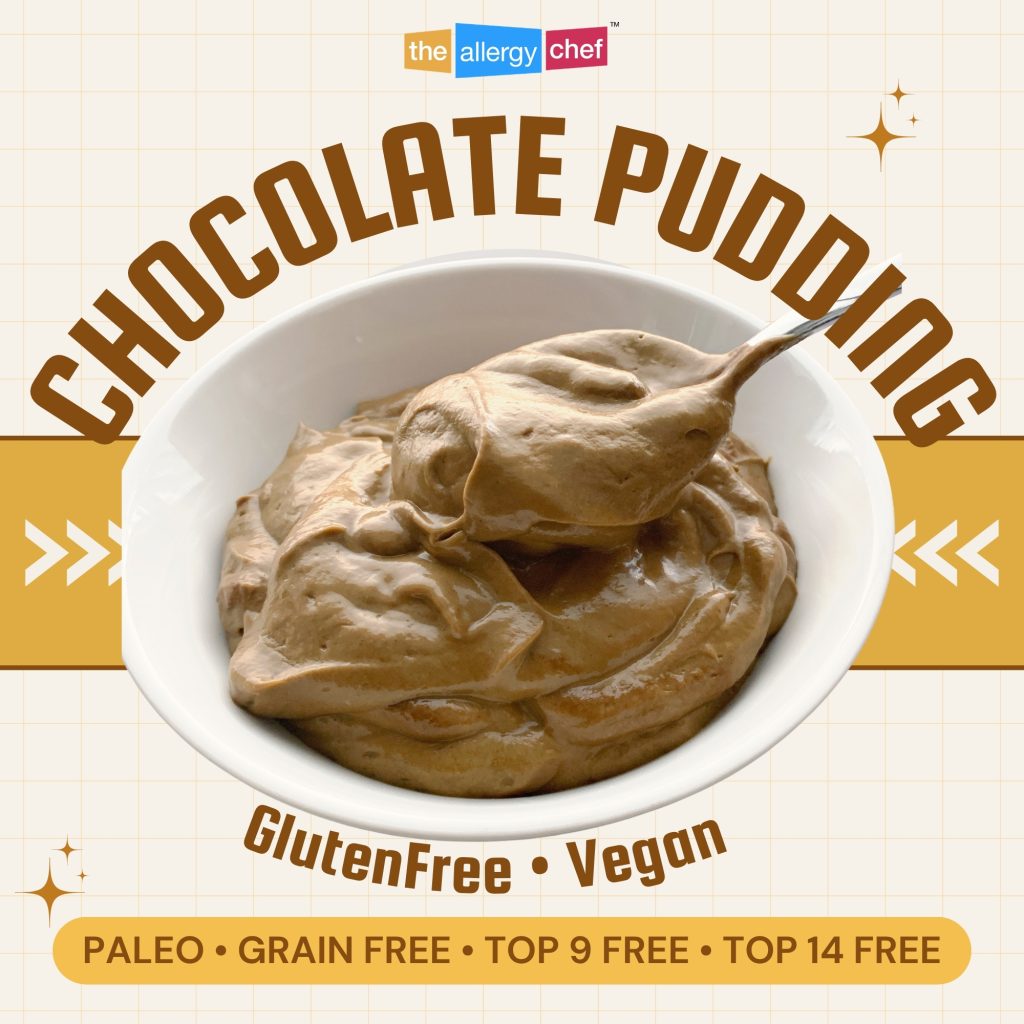
More Delicious Dairy Free Pudding Recipes
- Dairy Free Cashew Pumpkin Pudding Recipe (Paleo, refined sugar free)
- Chocolate Chip & Blueberry Chia Pudding Recipe (top 9 free, top 14 free, vegan)
- Black Bean Chocolate Pudding Recipe (egg free, dairy free, top 9 free, top 14 free, vegan)
- Chia Pudding Two Ways (gluten free, vegan, allergy friendly)
 |
 |
 |
 |