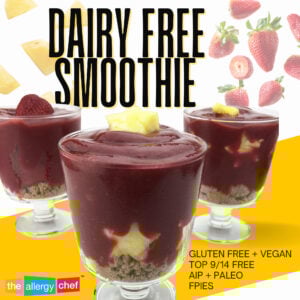
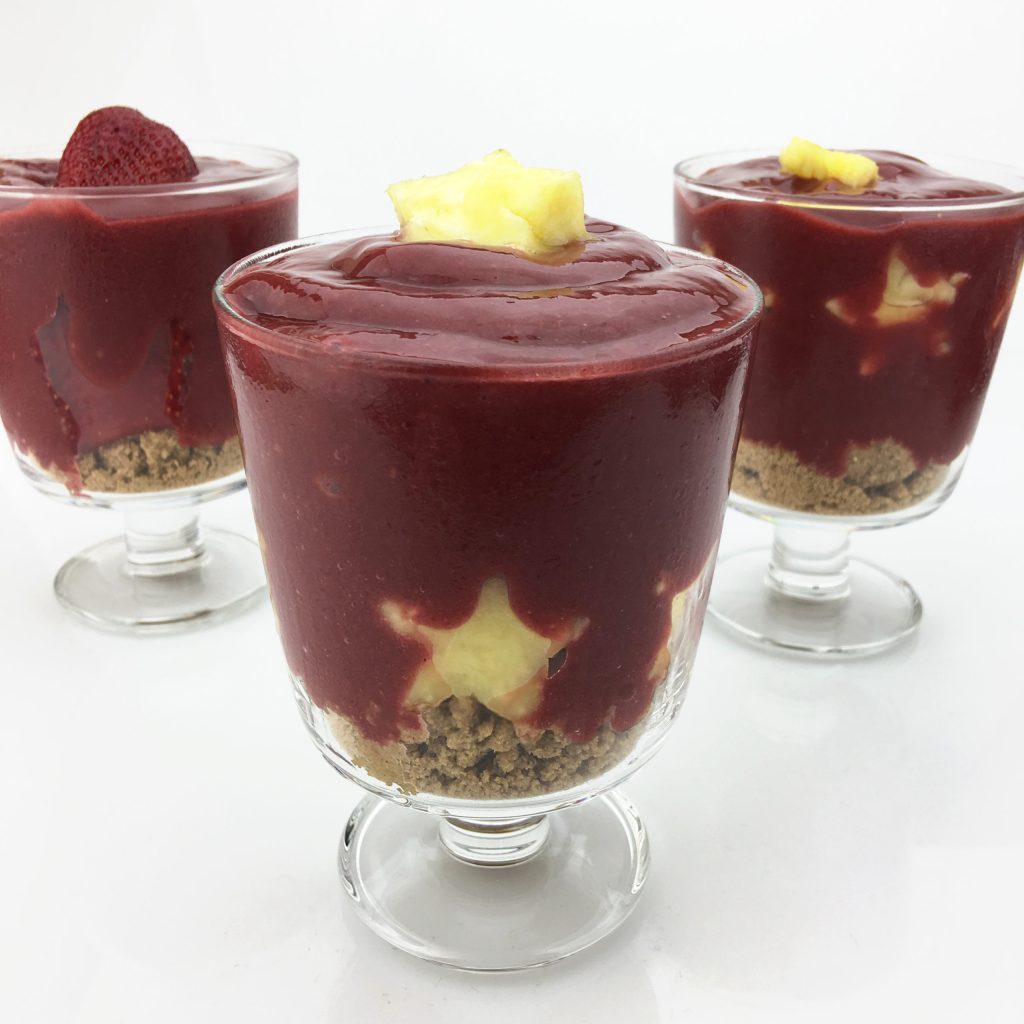
Today we’re making a delicious dairy free smoothie recipe together. After the recipe, I’ll be sharing my best tips and practices for making dairy-free smoothies at home. We’ll look at delicious ingredients to keep on hand as well as different flavour combinations I think you’ll love. Grab your blender and let’s get to work.
Allergy Status
Free From: Wheat/Gluten, Dairy, Egg, Soy, Tree Nuts, Peanut, Fish, Shellfish, Sesame, Top 9 Allergens, Top 14 Allergens, Alliums, Beans & Lentils, Buckwheat, Cane/Refined Sugar, Carrot, Celery, Cinnamon, Citrus, Coconut, Cooking Oil/Added Fats, Cruciferous, Garlic, Legume, Lupin, Mushroom, Mustard, Nightshade, Oat, Onion, Pea & Pea Protein, Potato (Nightshade Variety), Poultry, Red Meat, Rice, Seeds, Squash & Gourd, Sweet Potato & Yam, Tapioca/Cassava/Yuca/Manioc, Tomato, Yeast
Friendly To: AIP Paleo, EOE, FPIES, GAPs, Grain Free, Paleo, SCD, Vegan
AIP Paleo Reminder: Fruit should be consumed in moderation. You can scale the recipe down, or freeze your extras in popsicle molds.
Dairy Free Smoothie Recipe Ingredients
- 785g Organic Frozen Mango (28 ounces)
- 280g Organic Pineapple (10 ounces)
- 225g Organic Blackberries (8 ounces), fresh or frozen
- 110g Organic Strawberries (4 ounces)
Note: This amount of ingredients is enough for the whole family. If you’re just one person, cut this recipe down to 25%, or what works for you.
Easy Smoothie Directions
Here’s how you make this easy smoothie recipe. Start by placing your empty blender container on your kitchen scale and tare to zero. Add the pineapple and strawberries to your blender, then blend. Once smooth (it only takes a few moments), return your blender to your scale.
Tare to zero and add the frozen mango and frozen blackberries. If your blackberries are fresh, add them to the blender first, which makes it easier for them to be fully combined.
Blend on high speed until you have a smooth consistency. That’s it. You’re ready to serve.
Take note of the frozen fruit to fresh fruit ratio. The next time you make this recipe, you can use other frozen fruits, as long as they total around 785g/28 ounces to get the consistency right. Now, keep on reading (or use the table of contents to jump around) to see my best dairy free smoothie recipe tips.
Ingredients to Stock if You Want to Make Dairy Free Smoothies Often
Dairy Free Milk Options
These days, it seems like there’s a new type of dairy free milk option on the market every month. From nuts to seeds to grains and beyond, there’s a lot to choose from. The good news is that where dairy free smoothie recipes are concerned, you can use any milk that you enjoy.
If you’re part of the 30% group that can’t have food made on shared equipment, it’s critical that you call companies before purchasing a milk alternative. Through my research, I learned that (at the time) every plant-based milk manufacturer used shared equipment with major allergens, and some were made on the same equipment as milk.
In the end, I decided to make dairy-free milk at home since it was the only way to make sure the milk was safe for my child in the 30% group.
Here are popular milks to choose from:
- Oat Milk
- Coconut Milk
- Rice Milk
- Soy Milk
- Nut Milk (Almond Milk, Cashew Milk, Hazelnut Milk, Pistachio Milk etc.)
Less popular milks include:
- Banana Milk
- Hemp Milk
- Peanut Milk
- Tiger Nut Milk (here in the US, this is sold as a mixed milk, for pure, you’ll have to make it at home)
Ultimately, all dairy free milk is a 1:1 swap, so you can use any from the list. With coconut milk, recipes are calling for the boxed/watery style, not full fat coconut milk, unless otherwise stated.

Sweeteners to Keep on Hand
- Honey (I like to keep several varieties on hand including local raw honey and Manuka honey)
- Maple Syrup (I use this truly corn free brand for myself, the Costco brand for my kids who can have milk, and this one for my child with a milk allergy)
- Organic Maple Sugar
- Organic Medjool Dates (Sam Cobb is an amazing farmer selling nut free dates)
- Organic Date Syrup (this is the organic brand I normally use, but here’s an organic bulk option as well)
- Organic Date Sugar (this is the brand I purchase)
Honey Note: Research before selecting a brand. Food fraud is very real and a lot of Manuka honey has been found to be fraudulent. The brand I linked is one that’s been legit and I’ve used it for years.
Maple Syrup: It’s important that you source truly dairy free syrup. Call companies and ask about defoamers and make sure they haven’t used a dairy based deforamer (it happens).
Date Syrup: There are several quality brands to purchase. I suggest sampling each one to see which you like best.
Alternative Syrups: You can also purchase sorghum, rice, and sweet potato syrups if you have a limited safe list of foods and those can meet your needs.
Granulated Sweeteners: You can use granulated sugars in smoothies, but I find syrups to be the better option since they emulsify with the other ingredients a lot better. Any granulated sweetener will work. If that’s your only option, place fresh fruit + liquid + sugar in your blender and blend on high. Then, add the frozen fruit and blend again.
Other Helpful Ingredients
- Organic Ground Vanilla (this is ground vanilla beans and can take non-berry and non-chocolate smoothies to the next level)
- Organic Vanilla Extract (this is the truly corn free brand that I use)
- Extracts from the Cook’s brand (I’ve called companies about allergens, and tested for quality and this is the best brand I’ve found so far)
- Organic Food Grade Oils (not the same as flavouring or extracts)
I use select extracts from Cook’s to enhance smoothies here and there. Maple extract is my top pick, and then a few of the fruit extracts if I’m using fruit that’s out of season.
Food grade oils are amazing and will blow away any flavouring you purchase. It’s important to note that flavouring is usually ingredients you don’t want to eat and taste super synthetic. Extracts are better, but not equally made. Oils will take your dairy free smoothie to the next level.
I’d tell you the brand that I use, but they may have gone out of business. To find a good brand, visit a store in your area that’s natural/organic or a co-op style. They’re more likely to carry organic food grads options from a reputable brand. That’s how I found the one that I’ve used for over a decade.
Great Ingredients to Mix Into Your Dairy-Free Smoothies
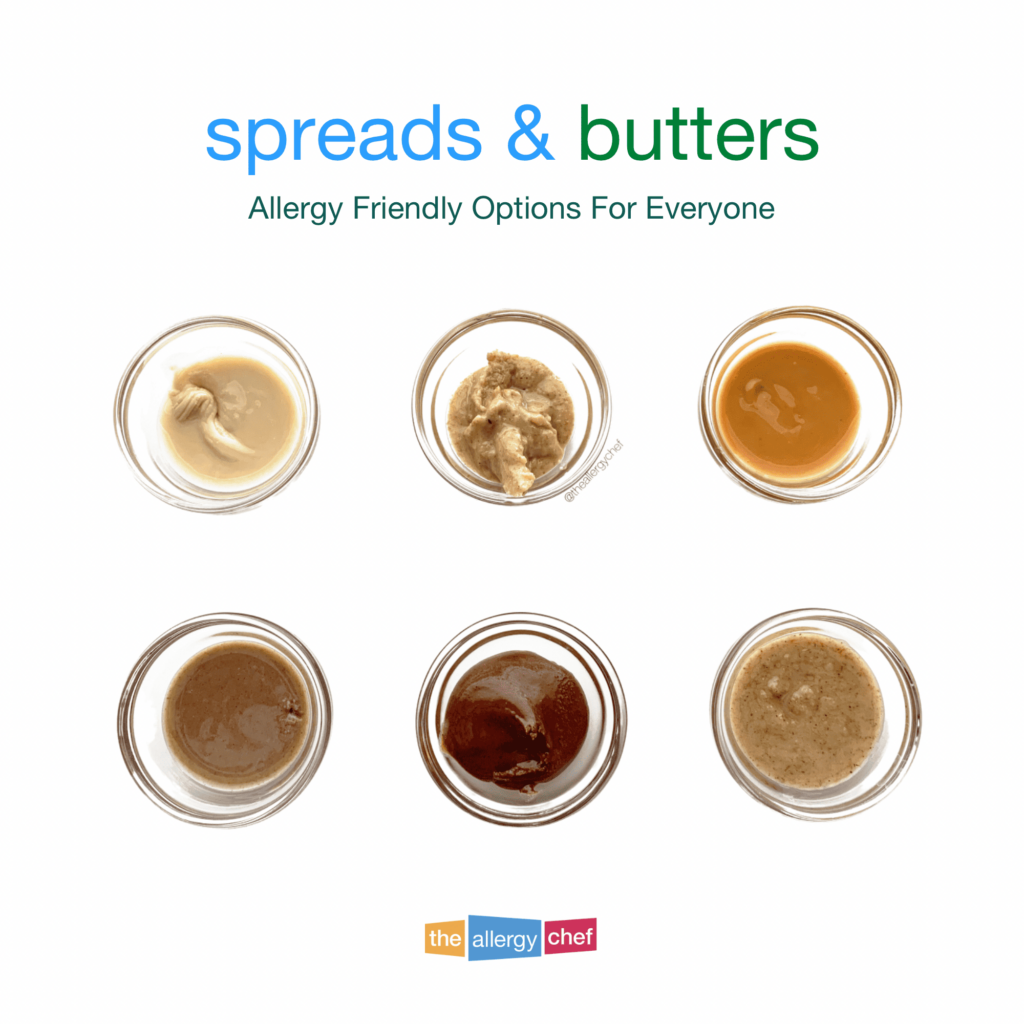
- Seeds (flax seeds, chia seeds, hemp seeds, pumpkin seeds, etc.)
- Butters/Spreads (peanut butter, almond butter, sunflower seed butter, etc.)
- Dairy-Free Yogurt
- Mushroom Powder (see note below)
- Protein Powder (I like this one from Zego, and the dairy free options from Just Ingredients)
- Superfood Powders (this is the brand I use, almost exclusively)
- Vegetable Powders
Mushroom Powder: Mushrooms are a superfood in their own right, especially some varieties. I like to purchase dried mushrooms, then make my own powders in my spice grinder. However, these days, there are more options on the market, but they tend to be pretty pricey. Mushroom powder is excellent in chocolate smoothies and berry heavy smoothies where the flavour is easy to mask. It’s such an easy ingredient to add that can seriously boost the nutrition profile of your breakfast smoothie.
Vegetable Powders: You can search online for organic vegetable powders and find a wide range to choose from. I like to keep beet and spinach powder on hand as their flavours are easy to mask.
Smoothie Popsicles: Easy Treats & Snacks
When my kids were growing up, I got into the habit of storing leftover breakfast smoothies in popsicle molds. They’re the perfect afternoon snack, especially on hot days, and you can feel really good serving them because you know what went into them.
At some point, I got smart and started using silicone popsicle molds. I always struggled to get the mold to release without doing the hot water trick, but silicone molds literally changed my life. Plus, there are a lot of fun shapes to choose from. Just make sure you’re using a quality brand, as they’re not all equally made.
You can also purchase popsicle mold bags, like Otter Pop bags. I don’t have a brand to suggest on this one, as it’s not something I got into much.

Getting the Perfect Creamy Texture
If you want an insanely creamy texture, frozen banana is going to be your new best friend. This is something you can purchase at select stores these days, but you can save money and make this at home yourself. If you have a Costco membership, you can get your organic bananas there, and save even more.
To make frozen banana at home, line a large baking tray with parchment paper. Add sliced banana and spread it all over, then freeze the whole tray. Transfer the frozen banana to a bag once solid.
Alternatively, if you can have tree nuts, cashews are an amazing way to get a super creamy texture in your smoothies. To save money, especially since you’re blending them up anyways, purchase cashew pieces rather than whole cashews.
Smoothies That Taste Like Dessert
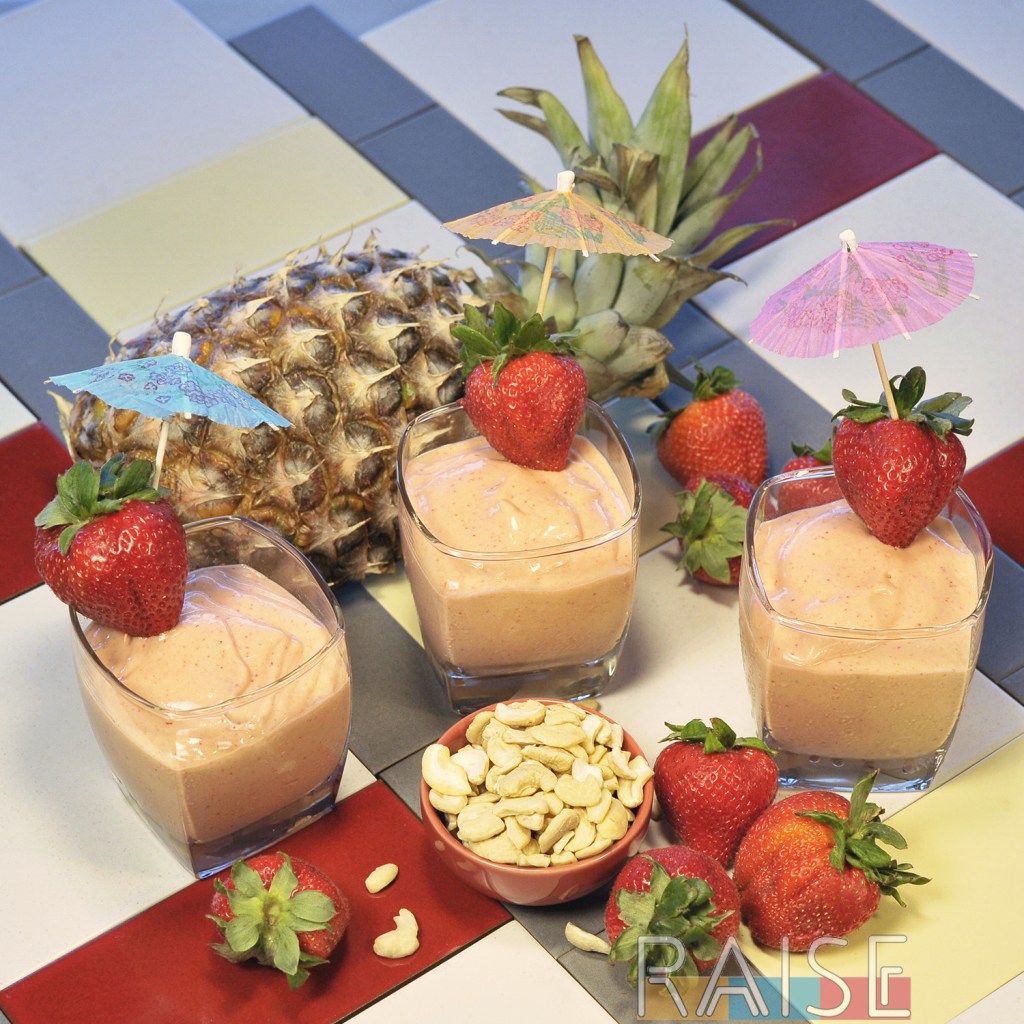
If you have a sweet tooth and want to reduce how much added sugar you consume, these smoothies could be a great dessert alternative for you. A lot of the main ingredients are naturally sweet, the frozen element can create a consistency that reminds you of ice cream. Here are some combinations to get you started.
Pineapple Mango Smoothie
- Frozen Organic Pineapple
- Frozen Organic Mango
- Milk of Choice (only use enough to combine)
- Organic Vanilla Extract
- Organic Cashew Pieces
- Organic Medjool Dates
Chocolate Avocado Smoothie
- Organic Avocado
- Organic Cacao Powder (this is the one I use)
- Splash of Organic Vanilla Extract
- Organic Medjool Dates OR Organic Maple Syrup
- Frozen Zucchini Slices OR Ice
Strawberries & Cream Smoothie
- Organic Frozen Strawberries
- Organic Cashews
- Milk of Choice
- Organic Vanilla Extract
- Small Organic Banana
Apple Pie Smoothie
- Organic Frozen Green Apples & Red Apples (this will have to be homemade)
- Organic Cashews
- Milk of Choice
- Organic Vanilla Extract
- Organic Cinnamon + Nutmeg + Pinch of Cloves
Orange Creamsicle Smoothie
- Organic Frozen Orange Segments (this will have to be homemade)
- Organic Cashews
- Milk of Choice
- Organic Vanilla Extract
- Small Organic Banana
Dairy-Free Smoothie Recipes My Kids Love
Here are some easy smoothie recipes that are all dairy free, vegan, and very allergy friendly.
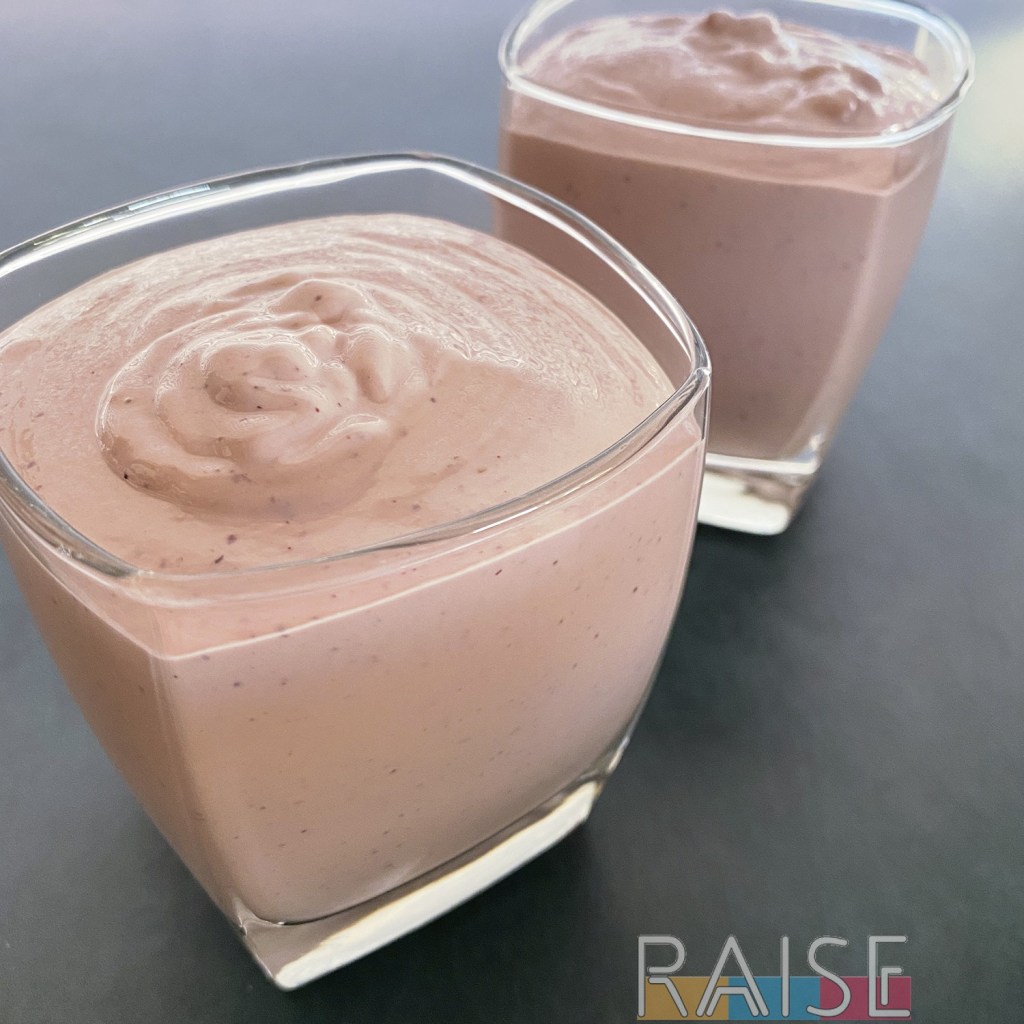
- Simple Spread & Banana Smoothie (a great breakfast smoothie)
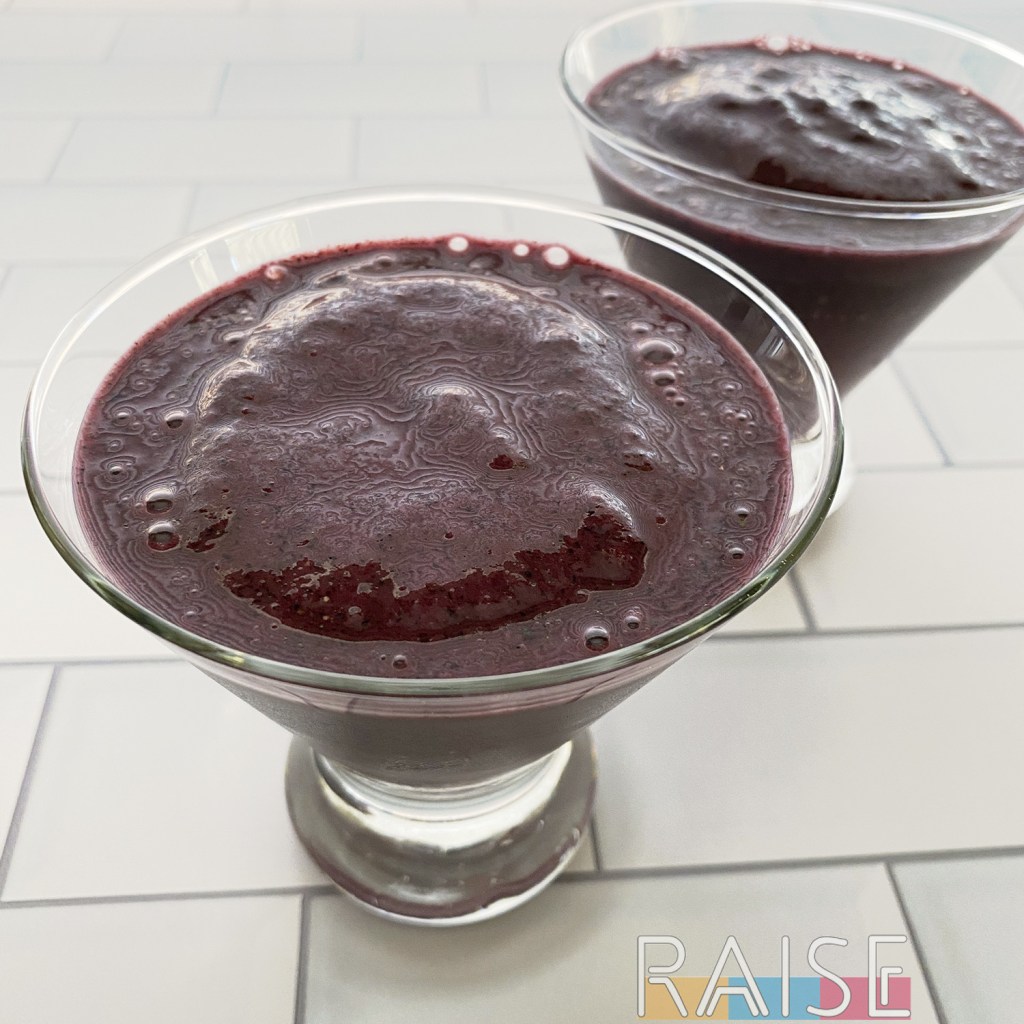
- Dairy Free Lemon Blueberry Smoothie (my kids really love making this easy berry smoothie for themselves)
- Cranberry, Peach, and Cashew Smoothie (this is the perfect smoothie to enjoy during the holidays)
- Sunbutter Bliss Breakfast Smoothie (chocolate and zucchini for the win)
 |
 |
 |
 |
Ice Cubes in Smoothies: Yay or Nay
As you look up smoothie recipes online, you’re going to see ice… a lot. We all know that ice can water down a beverage pretty quickly, especially if you like to sip over the course of an hour, rather than drink it down in ten minutes.
A great way to skip ice cubes is to make milk cubes, something I do often. It’s as simple as it sounds. Place dairy free milk into an ice cube tray and freeze. Once frozen, I transfer the cubes to a large freezer bag and repeat the process so I have a stock available. Then, anytime a recipe calls for a handful of ice, reach for your milk cubes instead.
You can also make fruit juice cubes or coconut water cubes and use those in smoothie recipes.
Another method I’ve employed is to use frozen fresh banana and frozen zucchini in place of ice cubes. I know some people also like to use frozen cauliflower, but my kids say that’s a hard pass.
To make these fruit and veg “ice cubes”, you slice fresh produce, and freeze. To prevent sticking and having large clumps, you’ll want to line a large baking tray with parchment paper, add the produce, spread all over, then freeze the whole tray. Transfer the frozen produce to a bag once solid, and now you have a nutritious ice alternative.
My kids loved this smoothie that I made for them weekly growing up, and frozen zucchini was the star, even though the taste was completely masked by the chocolate.

Tips for Selective/Picky Eaters
Never Hide Ingredients
Personally, I never use the term “hidden” with food due to food allergies. It can break trust pretty quickly. With kids, they may be upset if they learn you’ve used something they don’t like and “tricked them” into eating it.
Rather than create that kind of drama, have your child help you make the smoothie. You can also teach them how their fave fruits can mask the taste of ingredients they’re still learning to like. For some kids, you’ll want to be dramatic: rather than use a handful of spinach, use one spinach leaf.
Over time, your child’s taste buds will adjust and you’ll have more wiggle room.
Use Ingredients That are Naturally Sweet
Let’s face it. We love sweet things. If you have a child who tends to only eat hyper palatable foods, you can transition them to more whole foods by selecting ingredients that are naturally sweet.
That’s not the same thing as using syrups and sweeteners. Instead, it’s using strawberries instead of raspberries, or a really ripe banana in your mix.
The Power of Five Mini Chocolate Chips
I wish I were exaggerating when I say it only takes 5 mini chocolate chips to get a kid on board. I did this when my kids were learning to like lots of fruits and vegetables. I’d add five mini chips to something and they were SOLD.
Yes, I’m the parent who wants the least amount of added sugars most days (hello 80/20), but man… five mini chocolate chips just made certain meals a lot less fight and a lot more enjoyable.
This only works if your kiddo enjoys chocolate chips, so give it a go if they do. If they don’t, find their magical ingredient and lean into it. Perhaps it’s 10 sprinkles, or 1 chopped date.
It’s easy to forget sometimes that food should be FUN, and this is certainly one way to let the good times roll.
More Delicious Dairy-Free Recipes to Enjoy
If you follow a gluten free, dairy free diet, here are some great recipes to enjoy. Most are also top 9 free, top 14 free, and more.
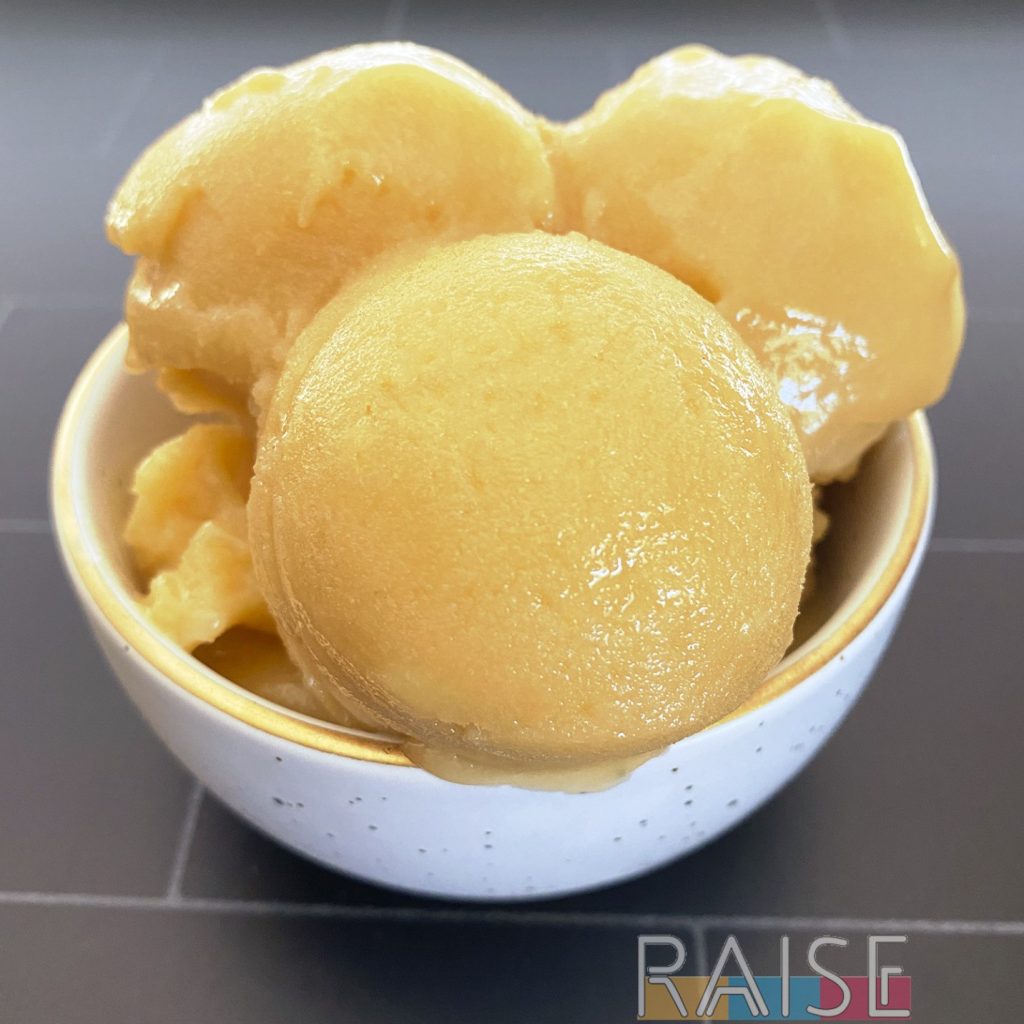
- Nectarine & Peach Ice Cream Recipe
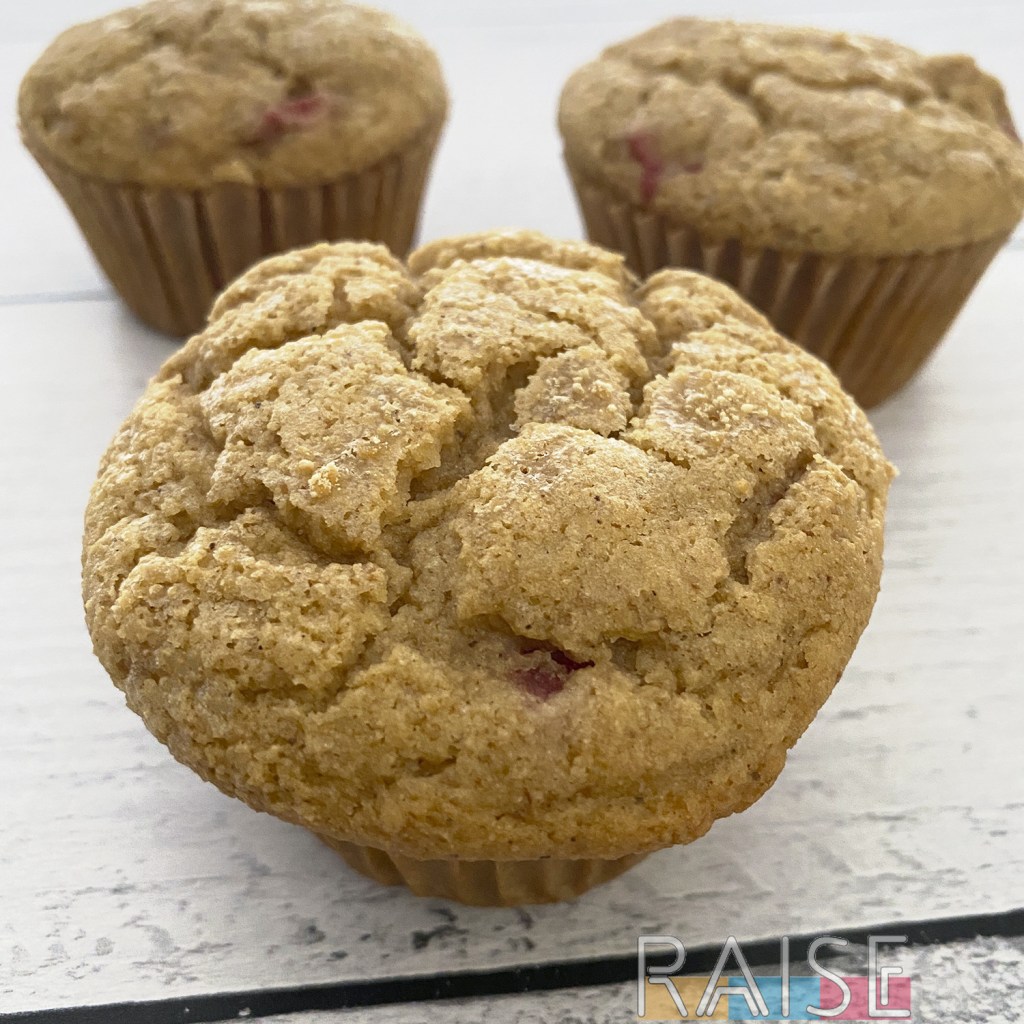
- Strawberry Grain Free Muffins Recipe
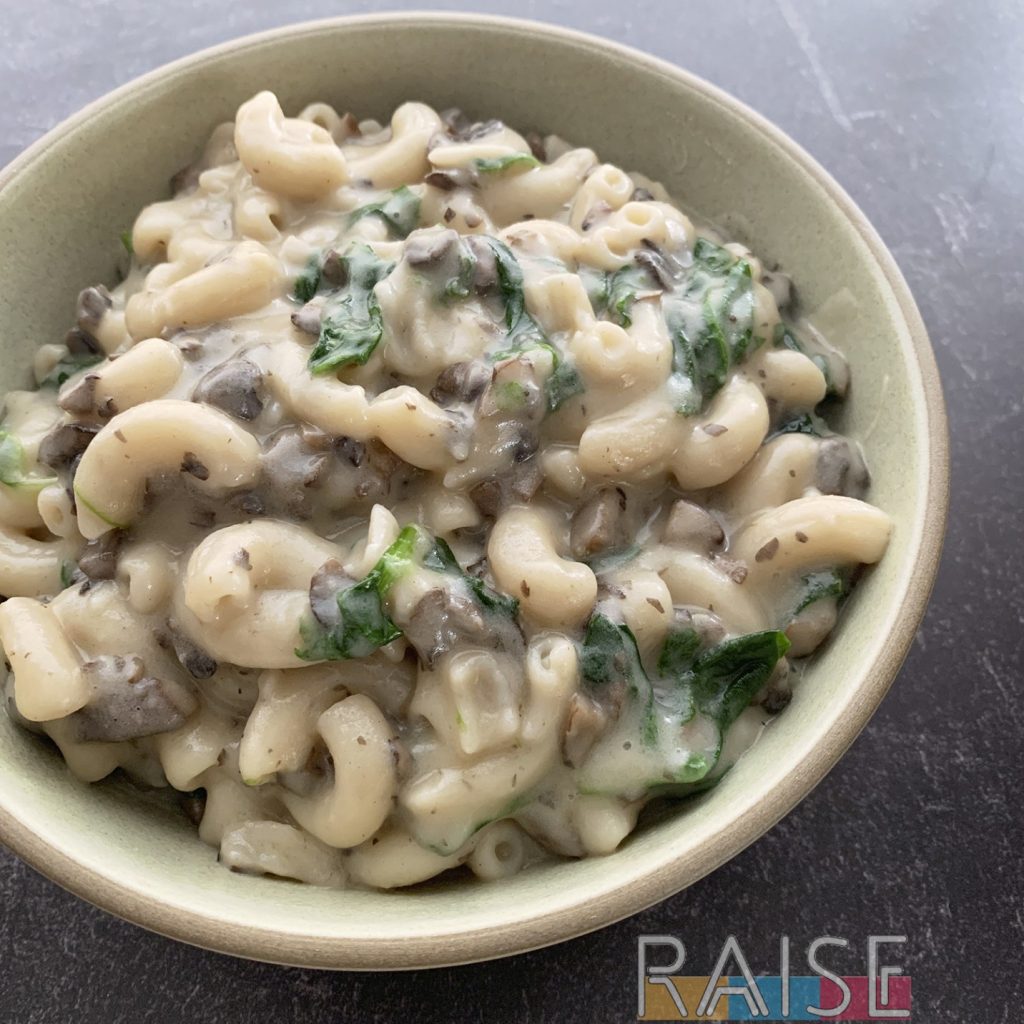
- Cheese Free Creamy Mac (this skips dairy free cheese and shows you how to create an incredible mouthfeel)
- Pineapple Cherry Upside Down Cake Recipe
 |
 |
 |
 |
Answering Your Dairy Free Smoothie Recipe Questions
Do you know of a good dairy free protein powder I can add to my smoothies?
My favourite dairy free protein protein powder to recommend will be Zego Pure Protein. It’s sacha inchi based, is truly corn free, and also top 14 free. However, it has a pretty intense flavour and shouldn’t be used in really large amounts (unless that’s the flavour you absolutely love).
From there, know that one of my fave brands, Just Ingredients has a line of dairy free protein powders that people are raving about. I love the principles that this brand stands on, and they have a wide selection to choose from.
Is a smoothie bowl the same thing as a smoothie?
Yes and no. A smoothie bowl is a smoothie that’s been poured into a bowl, but then toppings are added. You can add a whole range of toppings including fresh fruit (ripe bananas, fresh strawberries, misc. fresh berries, etc.), seeds, granola, chopped nuts, and so on. It’s really the toppings that are key difference, as the smoothie ingredients are the same.
Are smoothies gluten free?
By nature, yes, smoothies will be gluten free. Where you’ll run into issues is cross contact with protein powders and other ingredients outside of the fruit and vegetables. Even some alternative sweeteners have tested positive for gluten.
However, on the surface, smoothies are gluten free, and you’ll want to make sure you’re carefully sourcing all of the ingredients you personally use.
Could I use monk fruit as the sweetener in my smoothie?
Yes, but I couldn’t tell you how much monk fruit to use since it’s not a sweeter that I work with. I’d suggest looking up other dairy free smoothie recipes online and see how much sugar to fruit to liquid the ratios are. That will give you a good idea on how much monk fruit to start with.
What’s the best almond milk to purchase?
When I want to use almond milk in a recipe, I purchase Malk at a local grocery store that stocks a lot of natural and organic ingredients. Malk is hands down, my favourite almond milk producer. The ingredients are so clean, and the products are all gum free. Whilst it’s a more expensive organic ingredient, I don’t mind paying extra since it’s not something I use often.
If you plan on using almond milk regularly, I’d encourage you to look at the Almond Cow. Making milk at home is an easy way to control the ingredients of your milk, but also bring down the overall cost of groceries.
Are smoothies a healthy breakfast?
A good smoothie starts with a handful of simple ingredients, and they could absolutely be the base of a healthy breakfast. However, and this is really important: the term healthy isn’t a regulated one. The definition can change from one person to the next. With that in mind, here’s my personal take on smoothies.
There are a lot of smooth recipes available online that double as healthy recipes. You’ll especially see this if you’re looking at a green smoothie recipe. The green color indicates the types of nutrients that are present, and the types of health benefits you can expect over time. The same is true of smoothie recipes that are full of berries due to their high antioxidant content.
Where you’ll start to get into trouble is when a simple smoothie recipe starts to call for lots of sweeteners. A little is great, but a lot can be a red flag, especially if the recipe already contains natural sweetness from ripe bananas, dates, etc.
When there are too many sugars present, this can cause some people to see their energy levels soar whilst others have their energy levels tank. Not only that, but the spiking of blood sugar isn’t something everyone tolerates well.
All of that to say this: for some people, anything more than 3 – 4 ounces of a smoothie is too much, even if there’s no added sugar. By nature, smoothies contain lots of carbs and natural sugars, and that’s not for everyone.
Ultimately, you have to consume foods and beverages that meet YOUR needs. Not Sally’s across the street, or the average person’s, but yours. Just how no two people are the same and everyone has a unique medical situation, your food should be uniquely suited to you as well.
Does dairy-free mean the same thing as a nondairy smoothie?
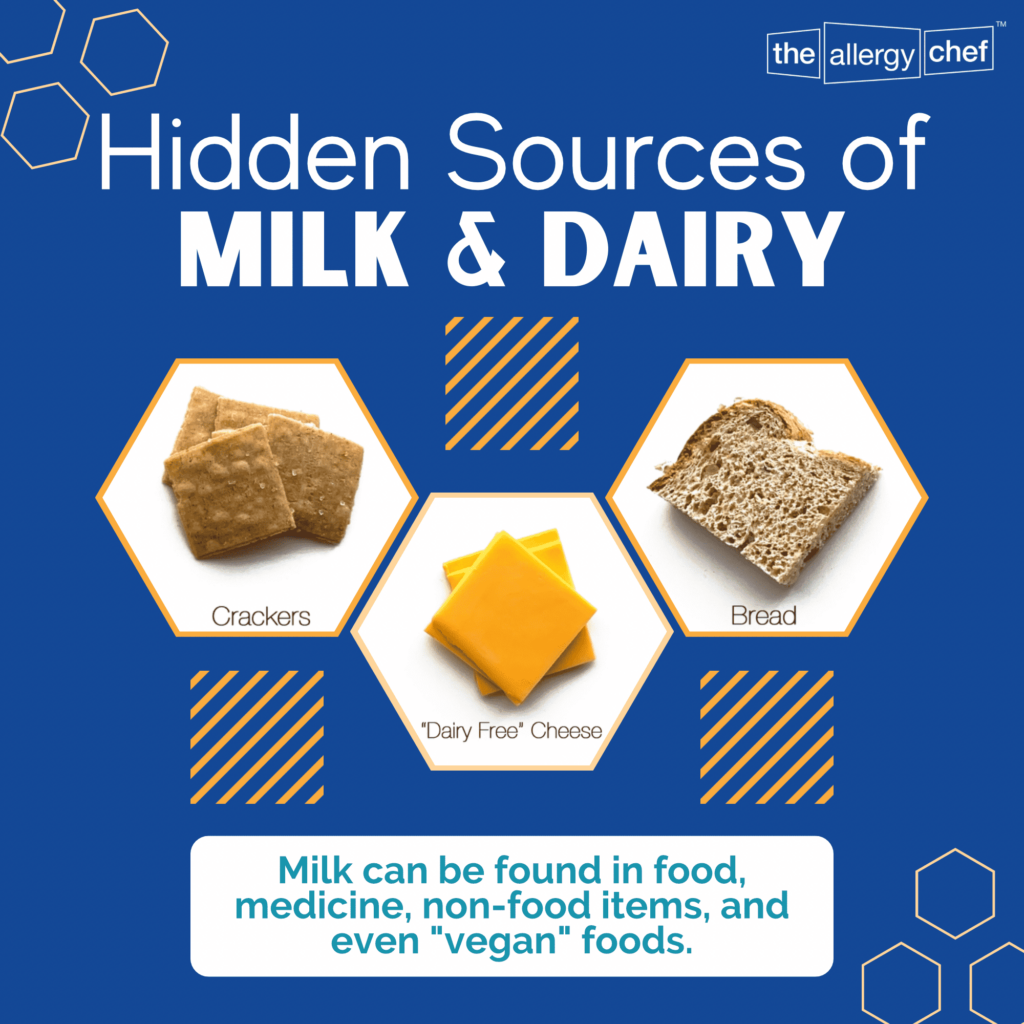
Generally, no, they don’t mean the same thing. Nondairy (also written as non-dairy) used to imply that there could be a very small amount of dairy in a product. Dairy free on the other hand means zero dairy. Period.
Whilst the regulation has changed over the years, the US FDA generally has the viewpoint that “non dairy” could contain up to 0.5% of dairy milk derivatives such as caseinate. Dairy free always meant zero milk or milk derivatives.
Anytime you’re out and about and want to order a smoothie but you see the term non-dairy rather than dairy free, ask a manager (or chef) for clarification. They should be able to show you a full list of ingredients and sub-ingredients used when making their smoothie.
If you don’t like the answer, or are uncomfortable, do not purchase the smoothie.
Is it true that silken tofu will make my smoothie better?
It’s going to depend on the smoothie, and your personal preferences. Silken tofu does have the ability to help create a creamy texture. Plus, it’s high in protein which can be helpful if that’s something you need more of.
Light banana smoothies may not benefit from the tofu treatment whereas chocolate cherry smoothies would mask the taste well. Honestly, that’s really the key here: how to best mask the flavour.
I’d suggest looking up recipes for homemade smoothies that are more berry and chocolate focused. That’s going to be the best way to cover up the taste of tofu.
If you decide to give it a try, make sure you’re using a really good high speed blender, as you don’t want silken tofu chunks throughout your delicious smoothie. When in doubt, blend the tofu with some liquid first, then add the frozen ingredients and blend again.
Does my frozen fruit need to be organic?
If organic isn’t a priority for you, no, your frozen fruit doesn’t need to be organic. If you’d like to learn more about the topic, I always like to point people towards the EWG Dirty Dozen list. Each year, this organization puts together a lis of frozen and fresh ingredients that should be purchased organic if you’d like a starting point.
Their dirty dozen list is comprised of the produce that’s the most contaminated by pesticides etc. The concept is that if you remove the dirty dozen, you’re already helping your overall health in a big way, without breaking the bank and going exclusively organic.
Now, if you’re like one of my kids and has a medical condition that requires organic and clean ingredients, yes, your frozen fruit should be organic.
What can I add to simple green smoothies to make them a little sweeter?
A large banana that’s very ripe might be the perfect way for you to add a little more sweetness without going overboard. From there, pitted medjool dates. The nice thing about both of these options is that the fiber is still intact, so it won’t be as intense as adding maple syrup etc.
What’s a better way to store smoothie leftovers, a mason jar or a freezer bag?
This is a great question, as there’s no easy answer in my humble opinion. It’s really going to come down how you plan to eat it from the freezer.
As long as the mason jar isn’t full to the top, it’s good option. You’ll need to leave room for expansion so the glass doesn’t crack. Freezer bags are great because you can easily store them in your freezer, whereas a mason jar takes up a specific footprint.
Either way, for best results, make sure you’re using a proper airtight container. With a mason jar, I use these lids since it’s not for canning, and the seal is legit, use after use, unlike canning lids that can warp a little over time and many uses.
I have friends that enjoy using silicone freezer bags and otter pop style popsicle mold bags for storing smoothie leftovers. Personally, I like silicone popsicle molds since the release is easy and you can make fun shapes.
Personally, I use mason jars for myself due to my severe corn allergy and corn being in lots of plastics. I can easily avoid that by using glass. For my kids, I use a mix of storage containers. If you plan to use these in a lunchbox situation, I’d suggest a small freezer bag since it’s disposable and you don’t need to worry about glass breaking in transit.