I’m back with another delicious low histamine meal plan! It’s all gluten free, and very allergy friendly. Be sure to use the table of contents to jump around if you’d like to learn more about the low histamine diet.
If you’re new to the low histamine diet, don’t skip over the tips, and make sure you read the section about cooking meat. You can also find more help, recipes, and so on in the related resources section.
If you’d prefer a printable PDF version of this meal plan, click here to have it emailed to your inbox.
7 Day Low Histamine Meal Plan
Below is a sample 7-day meal plan that eliminates common trigger foods and is pretty easy to make. I’ve also included notes, along with recipes where applicable. If you’d rather have this as a downloadable PDF, click here and I can email it to you.
All of the linked recipes are gluten-free, dairy-free, egg free, and super allergy friendly.
Cooking Meat & Planning for Leftovers
Fresh meat is very important if you’re following a low-histamine diet. As meat ages, there’s a natural release of histamine, and that can cause symptoms. The same is true of leftover cooked meat, that at it ages, the amount of histamine increases. The great news is that freezing your leftovers is the perfect way to avoid this issue.
It’s so important that you have the right containers on hand. In these situations, I can’t suggest enough having individual portion style containers that are freezer friendly. This allows you to only thaw what you need, and prevent your cooked foods from further histamine-based aging.
I’ll also encourage you to check out these sous vide bags that come with a pump so you can remove ALL of the excess air. It’s easier to use than a FoodSaver system, though, those are a valid option as well.
Throughout this meal plan, I’ll call for a leftover protein of choice. In an ideal world, you’ll spend a weekend cooking up tonnes of ground meat with different seasonings, then getting it all frozen in individual containers so you can pull out what you need over the course of 4 – 6 weeks (yes, a BIG batch).
Remember, when it comes to cooked meat, you can freeze ground meat, shredded meat, meatballs, meat loaf slices, shredded meat, thin meat slices, and just about all other options you may enjoy.
Click to download the meal plan as a PDF.
Sunday
- Breakfast: French Toast + Fruit and/or Protein of Choice
- Lunch: Tacos
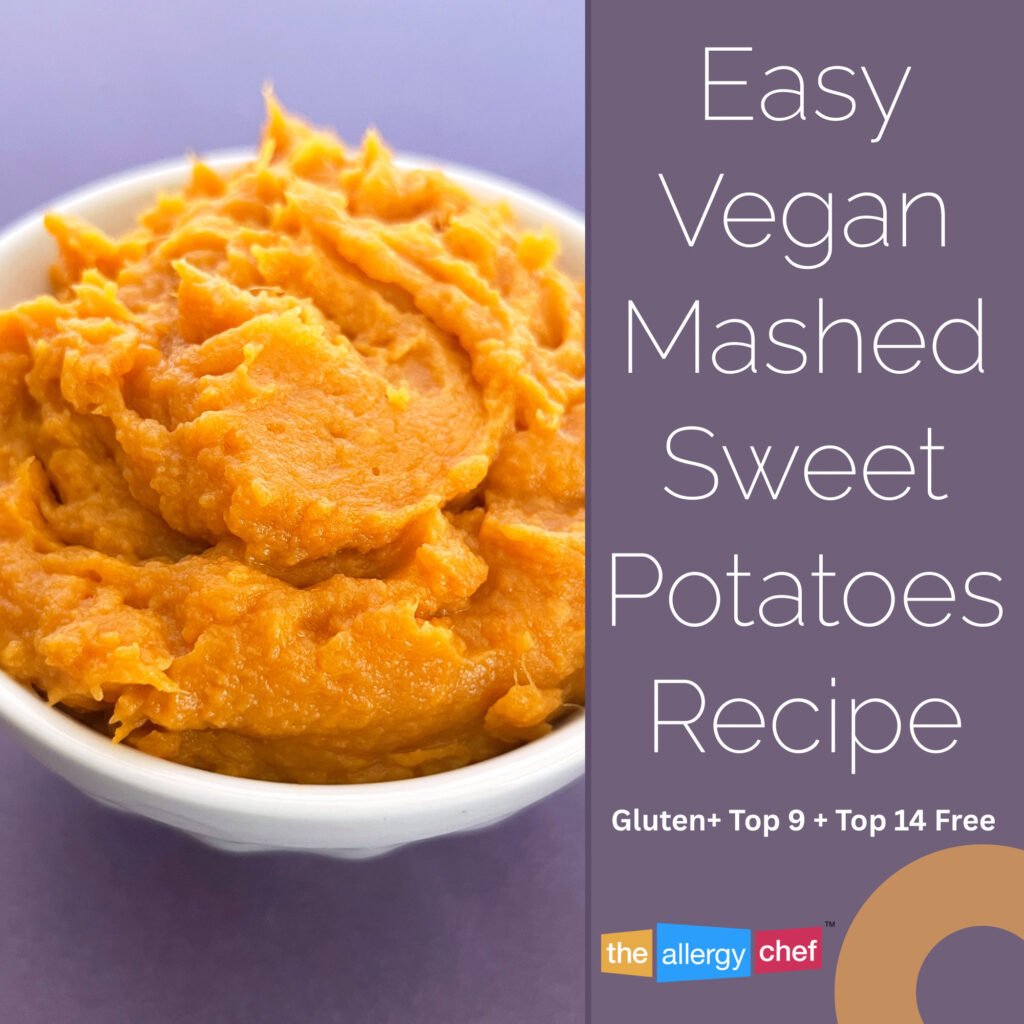
- Dinner: Dairy Free Mashed Sweet Potatoes + Protein of Choice
Notes: You can follow the shared recipes, or use your own. For the tortillas, if you don’t have a store bought option, consider making your own. I use this electric tortilla press and LOVE it. Plus, you can make really cool flavours of tortillas by using fruit and vegetable powders.
Be sure to make enough mashed sweet potato for another serving later in the week. Remember, ideally, your protein is coming from the freezer. However, you can make a double batch fresh as the sweet potato cooks and have a nice little stash to pull from.
Look ahead to Friday and read about the carrot prep. If you can, take care of that today so it’s ready come Friday.
 |
 |
 |
Monday
- Breakfast: Green Smoothie
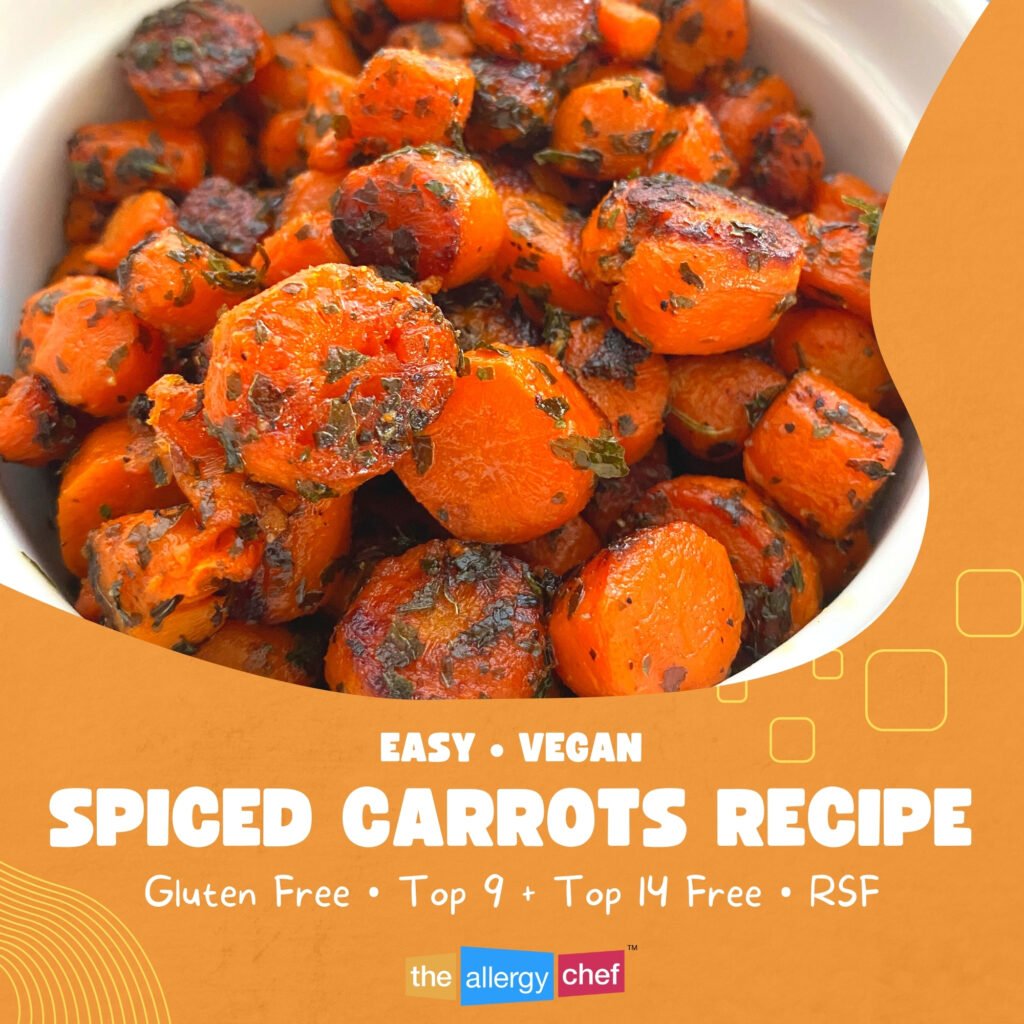
- Lunch: Spiced Carrots + Protein of Choice
- Dinner: Pork & Peaches + Carb of Choice
Notes: Your smoothie can be made of up any ingredients you love. The carrots should be served with a protein that’s hopefully leftover from your freezer.
When you make pork and peaches, you can swap the pork for a different protein if needed.
 |
 |
Tuesday
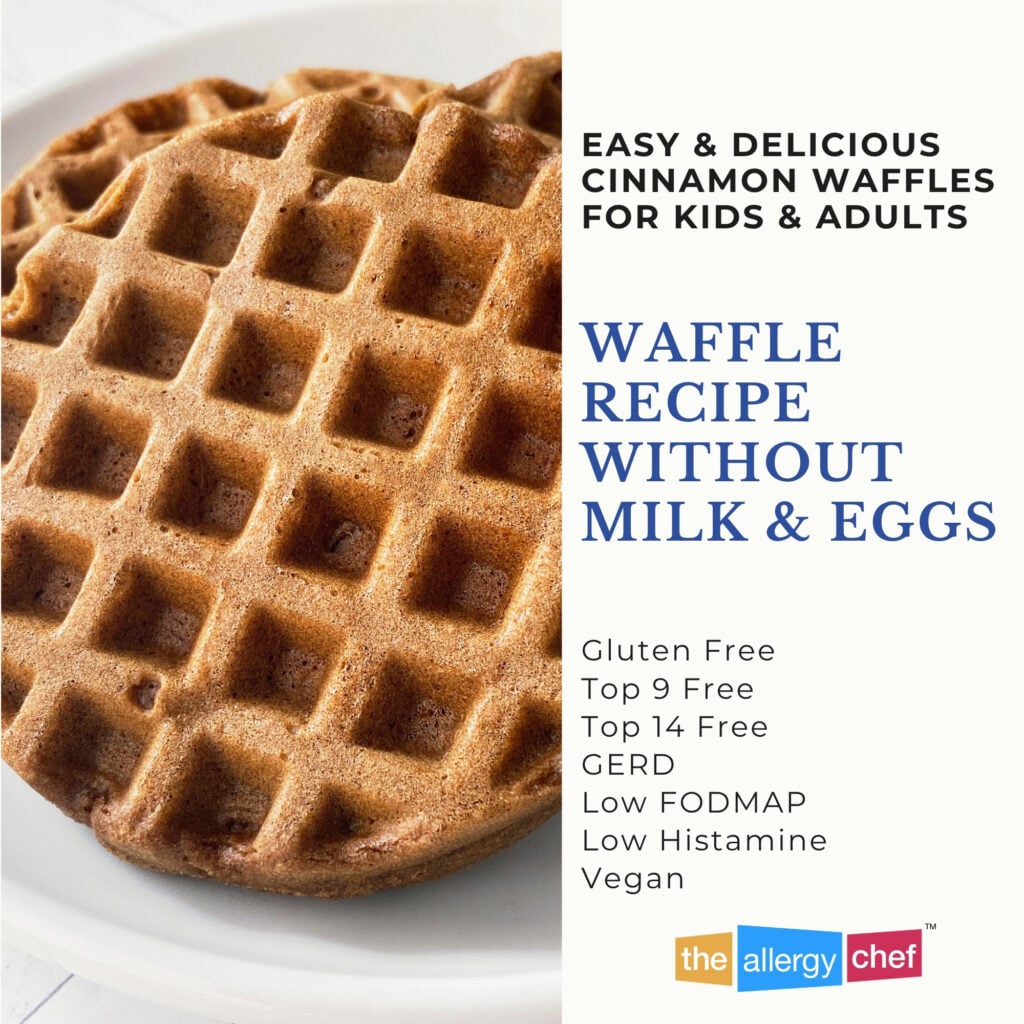
- Breakfast: Cinnamon Waffles
- Lunch: Pork, Beets, & Rice
- Dinner: Simple Ragu + Veg and Carb of Choice
Notes: The waffles are freezer friendly, and you’ll have them again later in the week. Make sure you make enough.
 |
 |
Wednesday
- Breakfast: Creamy Breakfast Hash
- Lunch: Leftover Carrots + Protein of Choice
- Dinner: Leftover Mashed Sweet Potatoes + Protein of Choice
Notes: A creamy breakfast hash is essentially seasoned meat, potatoes, onion, and any other veg you’d like. Cook that on the stove top, then sprinkle flour all over, mix it in, then add a milk of choice and mix together very well to create a creamy texture.
You’ll tap into leftover sides from earlier in the week, and hopefully your protein of choice will be coming from the freezer. Remember, if you need to make a new batch, make extra for your freezer so future meals are easier.
|
|
Thursday
- Breakfast: French Toast + Protein of Choice
- Lunch: Easy Beef & Broccoli
- Dinner: Leftover Pork & Peaches (from the freezer)
Note: To make an easy beef and broccoli, start by steaming frozen broccoli. Whilst that’s going, dice a white onion, and cook that on medium heat in a cooking fat of choice for 8 – 10 minutes. Add the ground beef along with any additional seasonings you’d like (don’t forget salt), mix everything together, and cook until the beef has cooked all the way through.
When the beef is cooked, everything should be ready. Alternatively, cook rice in a rice cooker and use the steamer insert basket for broccoli. Either way, it all finishes at about the same time, and you’ve got a basic beef and broccoli to enjoy.
|
|
Friday
- Breakfast: Carrot Smoothie
- Lunch: Leftover Tacos
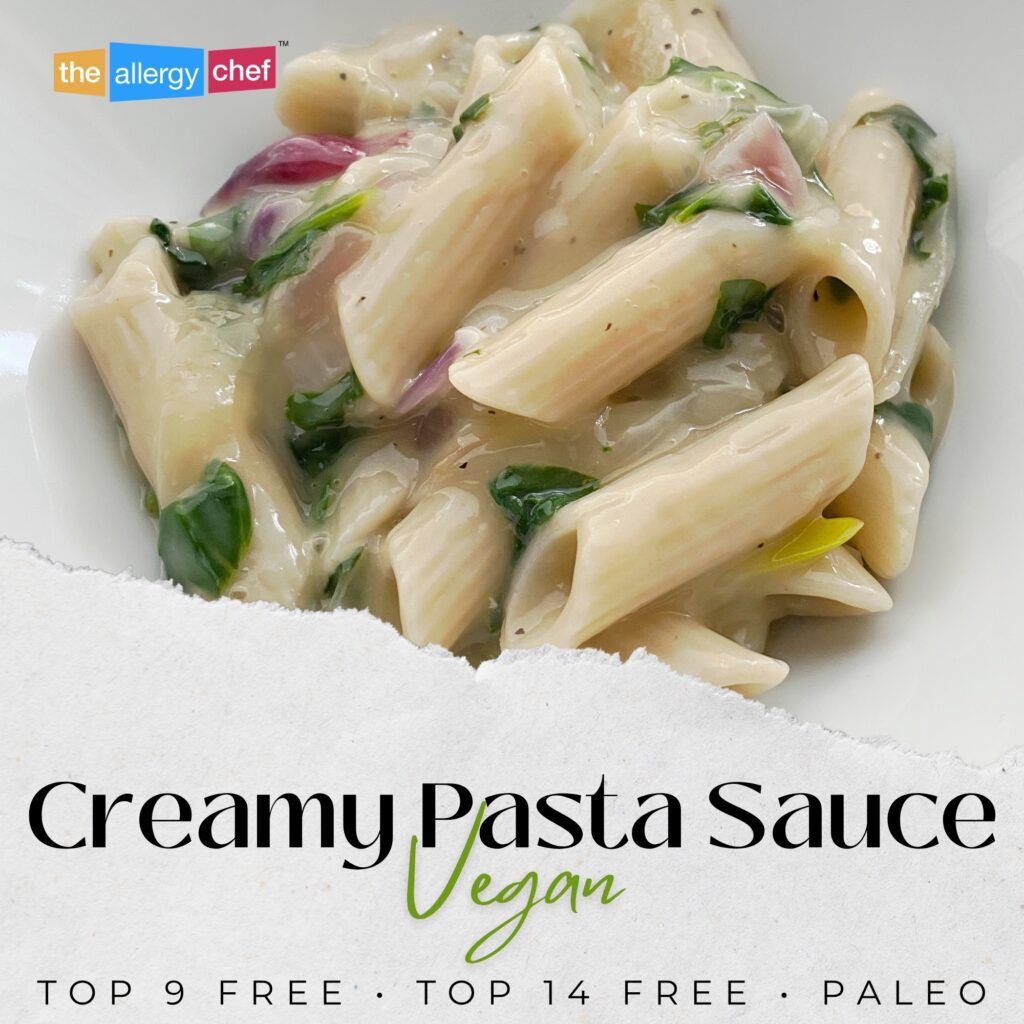
- Dinner: Simple Creamy Pasta
Notes: Carrot smoothies are so freaking delicious they’ll make you want to cry. However, there’s prep involved. Wash, peel, and cut your carrots down into ice cube sized pieces. Steam said pieces until they’re just fork tender and can be pierced with a fork. Allow the carrots to cool completely. Line a large baking tray with parchment paper, then spread the carrots all over to form a single layer. Pop the whole tray into your freezer. Once the carrots are frozen solid, transfer them to a freezer bag and label. These are your carrot ice cubes.
To make the smoothie, combine the carrot ice cubes with vanilla milk of choice, a sweetener (I use maple syrup), and anything else you’d like to add. Only use just enough milk to allow the smoothie to form and the end results will be an ice cream like creation that’s just so damn good.
The taco meat should come from the freezer, and your tortillas and toppings can all be fresh.
|
 |
Saturday
- Breakfast: Leftover Cinnamon Waffles (from the freezer)
- Lunch: Leftover Pork, Beets, & Rice (from the freezer)
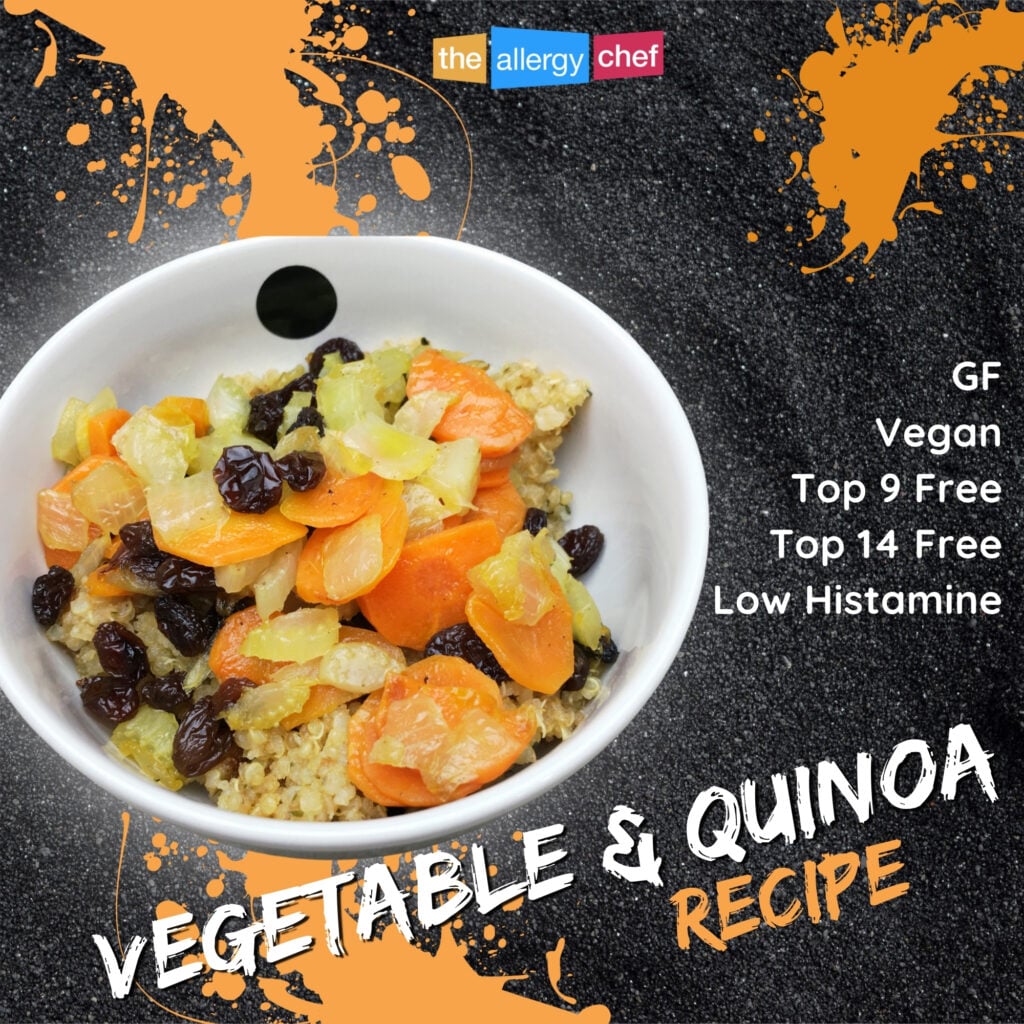
- Dinner: Sweet Veg & Quinoa
Note: The quinoa dish is essentially diced and cooked veg with raisins and cooked quinoa. It’s super versatile, and you can use any collection of veggies you enjoy (fresh or frozen).
|
 |
Snacks & Desserts for the Week
- Homemade Snack Bars
- Carrot Cake Power Balls
- Easy Gluten + Egg Free Muffins
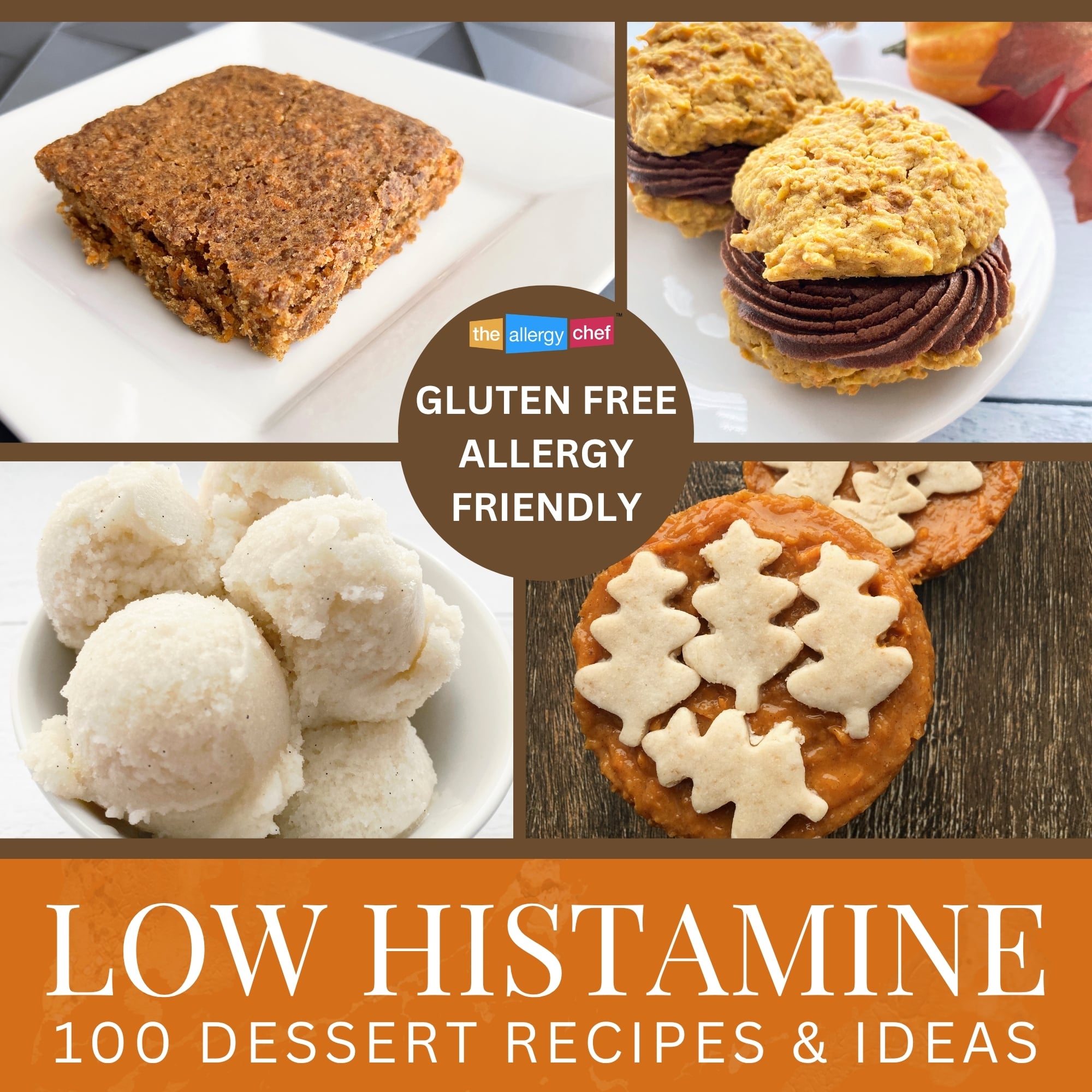
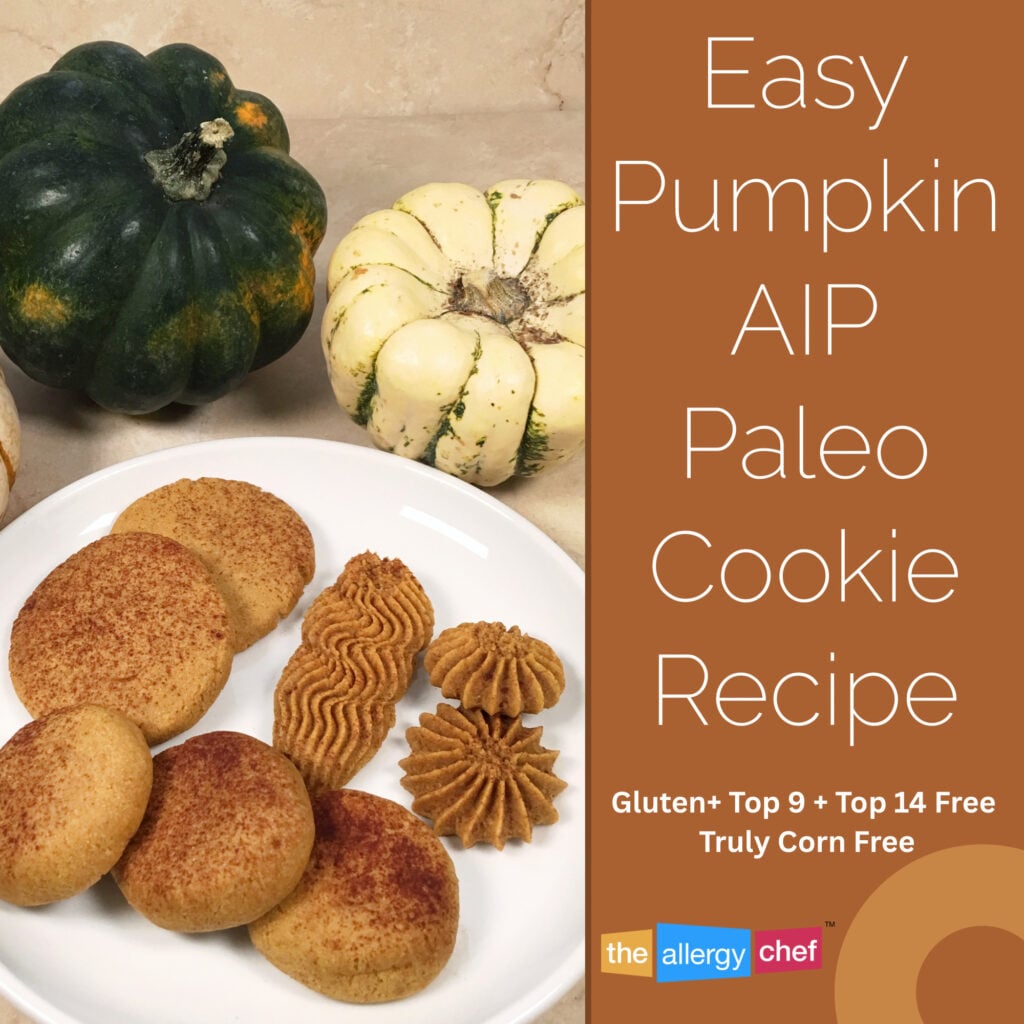
- Pumpkin AIP Cookies
- Dairy + Egg Free Vanilla Ice Cream
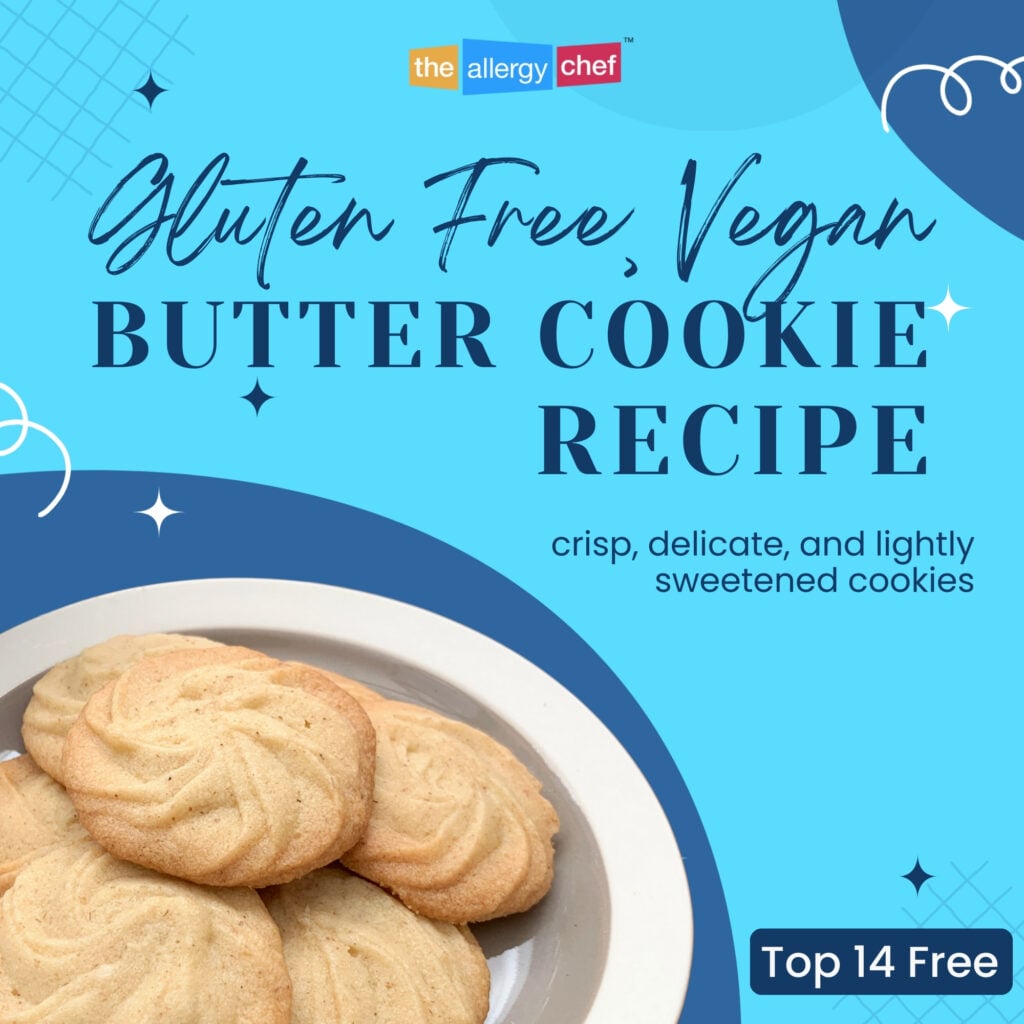
- Vegan Danish Butter Cookies
All of the snacks and desserts are freezer friendly, so feel free to make big batches for future use.
 |
 |
 |
Additional Low Histamine Articles & Resources
- How to Create a Low Histamine Diet Plan
- Low Histamine Food List (produce, proteins, carbs, spices, and herbs)
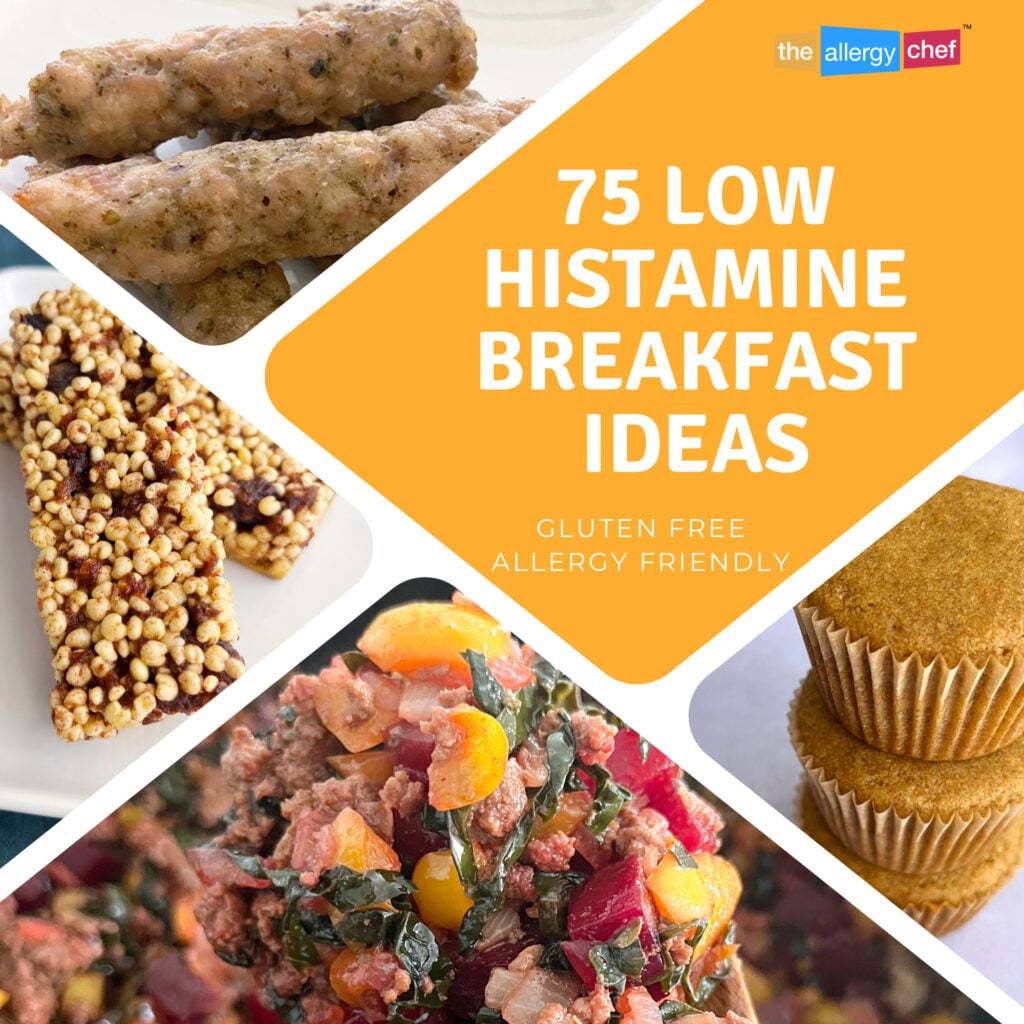
- 75 Low Histamine Breakfast Ideas and Recipes
- Low Histamine Lunch Ideas & Recipes
 |
 |
 |
 |
Low Histamine Meal Plan Tips
As you go about crafting delicious low histamine meal plans, there are the best tips that I can share with you to make your journey a little easier.
No Two People Are the Same
This is something I will always remind people of because it can greatly impact recipes you can follow and so on. As you read about low histamine living, treat the food lists and info you find online as good general information.
You’re going to have to keep a detailed food journal and determine what foods are safe for you to enjoy, and they won’t always align with what you’ve found online. A low histamine diet is a kind of restrictive diet that’s 10000% hyper-individualized, so personal info people share online is just that: personal.
So, keep that in mind if something isn’t working that *should* work.

Manage Your Expectations if You’re New to All of This (and even if you aren’t)
Some health problems won’t clear up quickly whilst others are gone in the blink of an eye. A detailed food journal is one of the best tools to lean into when it comes to the management of histamine intolerance.
Meal Prep Like You LOVE It
Get the right containers, make meal plans that include freezer friendly options, and batch cook & meal prep. The thing is, and many people won’t tell you this, you DON’T have the bandwidth to cook every thing, every single day. It’s exhausting.
However, if you lean into batch cooking and filling a freezer, sure there’s an upfront investment of time and energy, however, the ROI is enormous. You’ll be able to pull 30 – 50% (or more) of your meals from the freezer and just have things a whole lot easier.
In the Early Days, Keep is Simple
The easiest foods you can eat when following a low histamine diet are going to be simple, unprocessed foods. Think back to the basics of rice + veg + meat or quinoa + creamy veg, and so on.
When you keep your meals simple, they’re not only less expensive and easier to make, but it will be so much easier for you to control how much histamine you’re exposed to regularly.
Get Great Kitchen Tools
I can’t stress this enough: invest in the right tools for your kitchen. Having the right tools will allow you to have an easier time in the kitchen, but will allow you to explore different cooking methods as well. When you have a good range, it means you can create a variety of flavour profiles, textures, and so on.
A few of the top tools I recommend are:
- Great Blender
- Instant Pot
- Good Knives (this is a knife series that I love, but you don’t need something that fancy)
- Pots and Pans
- Dutch Oven (get the BIG one for the sake of batch cooking)
- Large Waffle Maker
- Air Fryer (specifically this model because of its range)
- Food Processor (get that last, unless there are a lot of FP dependent recipes you want to try)
- Stand Mixer (only get this if you plan to bake a lot, you can start with a handheld mixer if needed)
More About The Low Histamine Diet
What is a Low Histamine Diet?
A low histamine diet is one that is made up of low-histamine foods. Now, what does that really mean? There’s histamine content in al of the food that you eat. However, when someone has a histamine intolerance, the breakdown of histamine doesn’t happen properly and this creates food allergy-like symptoms. A low histamine diet removes foods that are high in histamine or are histamine liberators (more on this further down).
If you’re new to all of this, Mind Body Green has a great (long) intro on histamine intolerance and what you need to know about a low-histamine diet.
Common High Histamine Foods to Avoid
Whilst this is not an exhaustive list, here’s a list of high-histamine foods you’ll want to avoid if you don’t have histamine tolerance. RAISE has a lot more low histamine recipes and resources on the topic. I will warn you, as you look online for more information, you’re going to find a lot of conflicting information. Sift through it all, and make a plan that makes sense to you and your medical team. Not all foods will work for everyone.
As you prepare to make foods at home, you’ll also want to avoid pre-made spice blends and make your own blend at home. This is because there are a range of ingredients, common to spice ingredients, that you won’t be able to eat on a low histamine diet.
- Cured Meats (such as salami, deli ham, dried meats, ham, bacon, etc.)
- Preserved Veggies (pickles, olives, etc.)
- Tomato
- Eggplant
- Mushroom
- Hard/Aged Cheeses
- Shellfish
- Nuts
- Peanuts
- Avocado
- Lemon Juice & Citrus Fruits
Common Histamine Liberators to Avoid
Also not an exhaustive list, but this will give you an idea of what some common histamine liberators are. Histamine liberators are foods that aren’t naturally high in histamine, but can trigger the release of histamine from your immune system.
- Alcohol (beer, champagne, wine, etc.)
- Artificial Dyes
- Banana
- Fish
- Chocolate
- Pineapple
- Strawberries
Common Low-Histamine Ingredients to Enjoy
Again, not an exhaustive list, but here are some delicious ideas to get you started. Note: you can opt for frozen fruits and vegetables or fresh vegetables and fruits. If you opt for canned, be sure to double check all ingredients.
- Apples (great for making apple muffins which you can freeze)
- Blackberries
- Carrot
- Cauliflower
- Celery
- Chia Seeds (great for making chia pudding)
- Coconut Products (coconut flour, coconut oil, coconut milk, shredded coconut)
- Honey
- Kale
- Lettuce
- Maple Syrup
- Nectarine
- Pumpkin Seeds
- Sweet Potato
- Zucchini
List of Fresh Herbs That are Low Histamine
Fresh herbs (and seasonings in general) can take a bland meal to the next level. When you’re managing a restricted diet, it’s important that you pack flavour into your food. This will help you feel more satisfied with each meal, and resent your diagnosis less.
- Basil
- Mint
- Oregano
- Parsley
- Rosemary
- Sage
Low Histamine Meats
These meats are generally considered low histamine by the leading researchers and doctors in the field.
- Beef
- Duck
- Veal
- Quail
- Turkey
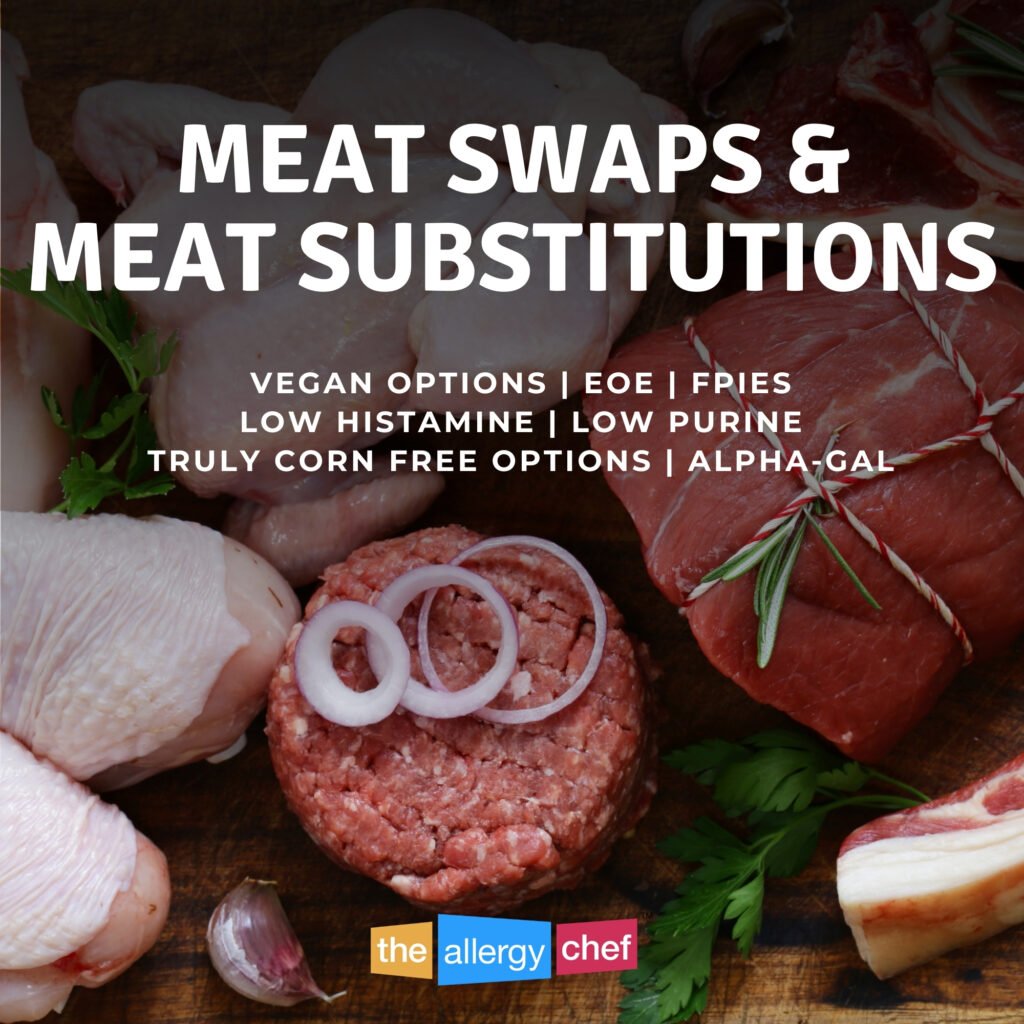
You can read this article on Meat Substitutions to learn about different alternatives, based on cooking methods/preparation and type of dish.
Meats Tolerated by Some
These meats (and fish) are generally hit and miss. A low histamine diagnosis is a hyper-individualized medical condition. Always remember that no two people are the same and you have to eat what works for you, no matter what you may have read *should* or *should not* work.
- Chicken
- Pork
- Venison
- Wild Game Meat
- Fresh Caught Fish
- Frozen at Sea Fish
- Trout
The Importance of Fresh Foods
Fresh meat, for example, is very important if you’re following a low-histamine diet. As meat ages, there’s a natural release of histamine, and that can cause symptoms. The same is true of leftover cooked meat, that at it ages, the amount of histamine increases. The great news is that freezing your leftovers is the perfect way to avoid this issue.
It’s important to remember, no two people are the same. People who follow a low-histamine diet each have personal histamine tolerance levels. To better understand your personal limits, keep a food journal/food diary for at least the first two months of your new diet. The journal should include food, stress levels, restroom, sleep cycle, any symptoms, and other details your medical team may benefit from knowing.
As you go about avoiding high-histamine foods, your overall histamine load should decline and you should start to see a reduction of the symptoms of histamine intolerance. However, if you’re not feeling any symptom relief (or very little relief), absolutely follow up with your health care provider. There could be an additional underlying condition that needs to be addressed.
Answering Your Low Histamine Meal Plan Questions
What can I do if I still have symptoms of histamine intolerance after changing my diet?
Unfortunately, not everyone will see loads of results from diet change alone, and some require a medicinal option on top of an elimination diet. For some, it’s west all the way, whilst others find relief with eastern options. Then there are those who use a select combination of the two and maximize their results.
This isn’t medical advice, and no stranger on the internet can comment on your immune system since they don’t know your personal case history and so on. The best I can tell you is to work with your healthcare provider/medical team to reevaluate all of the changes you’ve made, assess your detailed food journal (I’m assuming you’ve been keeping one), and explore ALL of your options.
Are there supplements I can take for mast cell activation syndrome?
Mast Cell Activation Syndrome (MCAS) is one of many medical conditions that requires doctors to really and truly look at a patient’s individual needs. Some health conditions, like Celiac Disease only have one treatment option, which is to avoid gluten. Something like MCAS has the potential for root causes that can be reversed, and that will have to be explored.
All of that to say this: you’ll need to work with your medical team to determine if there are any specific supplements (or even a specific food) that can help your individual case. Even if you decide to go it on your own, it’s always a good idea to get tested before supplementing, as you don’t want to guess.
Additionally, be sure to keep a detailed food journal so you can track the significant changes you make, and how said changes are impacting your overall health (hopefully for the positive).
Will a registered dietitian be able to help me figure out what to eat?
An RD that has experience with food allergies, food intolerances, gut health, Celiac Disease, irritable bowel syndrome (IBS), and other digestive issues should be able to help you immensely. They’ll be able to offer fantastic guidance and help you put together a high quality, long term meal plan.
If you select a registered dietitian without that kind of experience, it’s not that they won’t be able to help you, it’s that they’re going to be fighting an uphill battle since they don’t know the ins and outs of all things low histamine.
Before committing to working with a specific RD, ask them how many low histamine patients they’ve seen, and if you’re not comfortable with the answer, see if they know anyone that may be a better fit (a lot of them know each other well, and refer to others who specialize).
No matter which way you go, be sure to keep a detailed food journal, as this will help your RD (and medical team) know if your immune response is improving, and if you’re on the right path for your individual needs.
What are some good substitutes for tomatoes and bananas?
Rather than talk your ear off all day, I’m going to point you to these two articles: Banana Substitutes and Tomato Substitutes. You’ll be able to see a variety of options and select swaps that avoid histamine-rich foods.
In both articles, I offer substitutions based on a range of uses and cooking methods.
Is it OK to eat ginger on a low histamine diet?
Ginger isn’t considered a low histamine ingredient. If you refer to the SIGHI low histamine food list, it’s ranked a 1 out of 3. However, it does have lower histamine content when compared to other foods if we’re looking at the scale. In small amounts, ginger is tolerated pretty well by most low histamine patients.
This is one of those ingredients that you should ask your medical team about, to see if it would be a good idea for you to trial a small amount.
Is garlic a low histamine ingredient?
Garlic isn’t considered a low histamine ingredient. If you refer to the SIGHI low histamine food list, it’s ranked a 1 out of 3. However, it does have lower levels of histamine when compared to other foods when looking at the scale. In small amounts, garlic is tolerated pretty well by most low histamine patients.
You’ll want to talk with your medical team about which foods will be good for you to trial. They can also help you determine what a small amount of garlic would be for your individual needs (it might be something like 2 teaspoons of garlic powder per 2KG of meat). You can also ask if garlic infused oil would be a safer choice for you.
Will I be able to eat balanced meals on a low histamine diet?
Yes! Whilst the low histamine diet does eliminate quite a few foods (and some food groups), you can still find balance in your meals and consume a wide variety of nutrients.
That’s not to say it will be a walk in the park since a lot of your food will be made at home from scratch, however, with some elbow grease and mindful planning, you will absolutely have balanced meals (and live your best life).
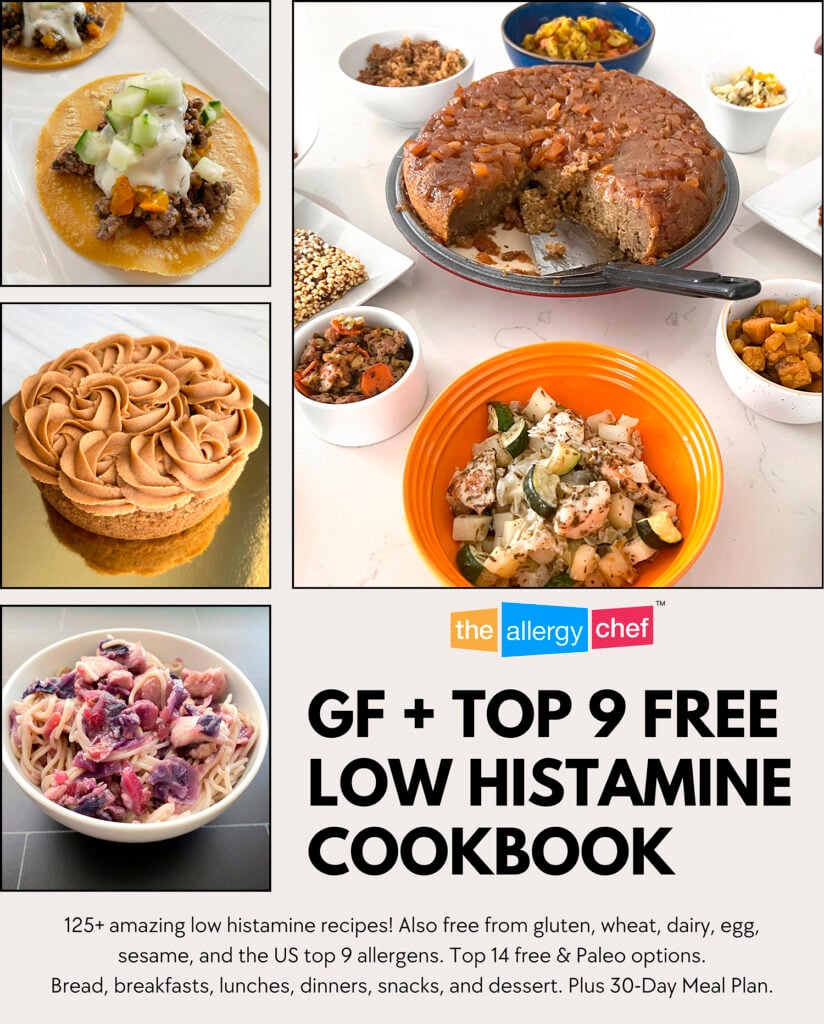
You can rotate through select grains, fresh produce, a decent amount of proteins, spices, and herbs. When combined, you still have a lot of ingredients to choose from. If you’re not sure where to start, I’m going to point you towards my Low Histamine Cookbook. It even comes with a 30-day meal plan which includes batch cooking, to set you up for long term success.
Can I still eat roast chicken on a low histamine diet?
Pretty much every low histamine foods list will give chicken a green light, however, there is one major institution that gives chicken a red light. Ultimately, the type of food you’ll be able to regularly eat will depend on your individual needs and thresholds.
Assuming chicken is still on the menu for you, roast chicken would be a delicious option to enjoy. Just be sure to follow the proper food storage guidelines for meat (freezing to prevent histamine development).
Are there any cooking oils I should avoid on a low histamine diet?
Sunflower oil (made from sunflower seeds) and walnut oil are the two you’ll want to avoid, based on popular low histamine food lists. Personally, I cook and bake with organic extra virgin olive oil, organic tiger nut oil (tuber, not a tree nut), tallow, and lard when developing low histamine recipes.
What’s a good ground chicken substitute?
Depending on the recipe, and your individual tolerance, ground turkey would be a good ground chicken substitute. Ground meats are generally a 1:1 swap for each other by volume and function. It’s taste that will make the real difference.
For example, if you can tolerate rabbit, ground rabbit is one of the best ground chicken substitutes, followed by ground turkey. From there, all of the other meat options (low histamine or not), are going to be in the red meat category and have. deeper flavour that you’ll need to be mindful of when seasoning said meat.
No matter which ground chicken substitute you go with, make sure leftovers are frozen to prevent histamine development.
Are there any low histamine substitutes for citrus fruits?
Citrus fruits, as a general rule aren’t the easiest thing to replace, and that’s because of their sharp and sour profile. Low histamine fruits to try, in your quest to replace citrus fruits should be: acerola, aronia berries, blackberries, blackcurrants, cherry, cranberry, gooseberries, sour grapes, mulberry, pomegranate, red currants, and sour cherries.
Each one of these fruits can bring something to the table that will remind you of citrus fruits. However, for the best results, I’d encourage you to taste them all and take good notes. Then, from the ones that you can tolerate, try combining them in unique ways to get a little of this and a little of that, which overall, could get you closer to citrus fruits.
Should I use special storage containers when I freeze meat?
Honestly, you don’t neeeeed special storage containers, however, they sure can help. We freeze meat because we don’t want it to age in the fridge and develop histamine.
However, the wrong storage containers can leave your frozen meat wishing for better days. Air is ultimately the enemy of frozen foods, so to make sure your freezer foods age with grace (where freezer burn is concerned) make sure you’re using air tight lids, leaving a minimum amount of air in the container (between the meat and the lid), and removing air if possible.
Be sure to check out these sous vide bags that come with a pump so you can remove ALL of the excess air. It’s easier to use than a FoodSaver system, though, those are a valid option as well.
What would be a good shellfish substitute?
When it comes to choosing the best shellfish alternative, it’s mainly going to come down to what your body can tolerate. Not every food has been rated as high histamine foods or low histamine foods. What that means for you: you’ll have to trial ingredients whilst keeping a detailed food journal.
One of the best shellfish substitutes will be hearts of palm, however, a lot of brands sell it in some kind of brine which usually won’t be tolerated. If you can find something similar, I think you’ll enjoy the results.
I’ll also add, if you can tolerate fish (some MCAS and low histamine needs do well with uber fresh fish or frozen at sea fish), fish is actually the best swap. There are so many types of fish to choose from, and I’m sure you’ll be able to find one that ticks all the boxes for you.
Why are olives not considered low histamine but olive oil is considered low histamine?
When it comes to olives vs olive oil, it’s all about the processing. Whole olives are usually a product you purchase fermented. If you’re able to purchase non-fermented or non-vinegared olives, they could work for you.
Olive oil, especially god olive oil, is organic, cold pressed, and isn’t treated with additional ingredients.
What seeds are good for low histamine snacking?
The best seeds to start with will be pumpkin seeds. They can be roasted, salted, coated, and well enjoyed. There are other seeds that are considered low histamine such as chia seeds and psyllium seeds. However, these aren’t snacking seeds, unless we’re talking about homemade chia pudding.