Today we’re going to take a good look at your options for selecting a tomato substitute. Replacing tomatoes isn’t impossible, so long as you manage your expectations.
This article covers a lot of ground, so be sure to use the table of contents to jump around as needed. Also, if you’re a culinary geek like me, at the end of this article, I teach you how to build a tomato substitute from the ground up.
Have a nightshade allergy? This article includes tomato substitutes from the nightshade family. If you’re 100% nightshade free, please refer to this article on Nightshade Substitutes instead.

What Is a Tomato
A tomato is an edible berry, and is often considered a vegetable (remember that age old debate when we were kids?). Tomatoes grow on vines, and have a strong umami flavor. However, some varieties have more sweetness, making them ideal for snacking.
There are thousands of types of tomatoes grown around the world, including heirloom tomatoes which can look pretty gnarly when compared to a perfectly round tomato.
The most common types of tomatoes you’ll see in stores are beefsteak tomatoes, roma tomatoes, sugar plum tomatoes, cherry tomatoes, San Marzano tomatoes, and heirloom tomatoes (these are more common in natural/organic/co-op grocery stores).
You can purchase fresh tomatoes in the produce section, or preserved tomatoes and other tomato products with the canned goods. Whilst tomatoes in glass jars provide a cleaner taste, canned tomatoes continue to dominate the market.
Related Articles
- Nightshade Ingredient Substitutes
- List of Nightshade Foods
- Oral Allergy Syndrome
- Latex Allergy Information
 |
 |
 |
 |
More About the Nightshade Family
A nightshade plant is part of the Solanaceae family, which is made up of more than 2,500 individual plants. Many have a high amount of alkaloids, making them ideal for food and medicinal purposes.
The nightshade family includes potatoes, tomatoes, eggplants (aubergine), and peppers. In fact, these four ingredients are the most popular of the entire solanaceae family and you’ll find them in cuisines all around the world.
What Does Tomato Taste Like
Before we can truly choose a good substitute for tomatoes, we have to understand what they taste like, and the texture they bring to a dish.
It’s also important to note that there are thousands of tomato varieties, and each one will have a slightly different flavour profile. There are also some tomatoes, such as the San Marzano, that are hailed for their superior quality in pasta sauce making.
Depending on the variety of tomato you purchase, you’ll experience a combination of sweet, slightly sour, and a little acidity. There’s also earthy notes and a touch of umami. Add to that the juiciness, and you’ve got a tomato.
Some tomatoes have a higher juice content, making them better suited for juicing and snacking on. You’ll also encounter tomatoes that have a very thick flesh that almost reads as “dry” when you bite into it.
Small, cherry tomatoes, tend to be a sweeter. Additionally, the color of your tomatoes will alter the taste. Yellow tomatoes tend to be much lower in acid constant and have a milder taste. At the other end of the tomato spectrum you’ll find purple tomatoes (usually as cherry or heirloom) and they have a much more complex flavor profile.
All of that so say, tomatoes are a very interesting member of the nightshade family, and when it comes to choosing the best substitute, we’ll look at these key points.
Tomato Free Product Recommendations (to Purchase)
If you’re here looking for something to purchase, rather than something to make, this is the section for you.
Here are some basic products you can purchase. You won’t find these alternatives at your local grocery store, so be sure to stock up once you’ve found substitutions that you love.
- Tomato Free Ketchup
- Tomato Free BBQ Sauce
- Tomato Free Salsa (some stores will have something like this in the fresh produce section as well)
- Tomato Free Pizza Sauce
- Tomato Free Pasta Sauce
Bonus: Mushroom Ketchup Recipe. It’s not a product to purchase, but it’s a fantastic recipe for a tomato free ketchup.
Basic Substitutes for Foundational Tomato Products
The following basic tomato substitutes are the ones you’d want to batch cook and freeze so you always have it available to you.
Tomato Substitute for Crushed Tomatoes
If your recipe calls for crushed tomatoes, the best tomato substitute will crushed tamarillos or crushed tomatillos.
After that, seasoned crushed gooseberries can get the job done. If none of those are an option, you’ll want to steam white carrot or salsify, then mash with a potato masher. Once mashed, add a bit of milk of choice (to mimic the tomato juice), and lightly season. This will not be nearly as good of a substitute as the top two, but it can add some texture and flavour to your dish.
Tomato Alternative for Tomato Juice
In recipes and juices that call for tomato juice, the best tomato substitute will be this blend:
- 80% Carrot Juice
- 10% Beet Juice
- 10% Apple Juice
You can alter the flavor profile by using white carrots instead of orange carrots. Only use red beets, as gold beets can be very off putting to some people. You can also tweak these percentages to get the faux tomato flavor just right.
This is the juicer that I love (I have three). My model might be slightly different, since it’s a little older now. For ease, you can juice a boat load of produce, and freeze portions in 16 ounce jars.
Best Tomato Substitute for Tomato Paste
The top two tomato substitutes will be homemade blended carrot or blended butternut squash. To make this, you’ll oven roast your vegetables on a large baking tray. If you dry roast, use parchment paper.
You can roast on the tray with oil, and this will add a little caramelization, which increases overall flavour in the long run. For an even more interesting flavor profile, add a red or orange bell pepper to your veg tray.
Once roasted, transfer to your blender and blend until smooth. You may need to use a tiny bit of water to get it to blend. Personally, I roast up two trays at a time, and then the blender is full and I don’t have to use a liquid.
Once you have a smooth paste, use this as a 1:1 substitute to tomato paste in your recipes. Optionally, you can add a little smoked salt, touch of sweetener (I use maple or dates), a dash of liquid smoke, and a splash of an acid. These ingredients will promote a tomato flavor.
This homemade blended paste is freezer friendly. I have an army of 8 ounce glass jars that I use to freeze portions of prepped items so I can pull out just what I need each time.
Tomato Substitute for Tomato Puree
For a tomato puree substitute, use the above method for tomato paste, but make it a bit thinner by adding a liquid of choice until you reach the desired consistency. You can use water, stock, broth, or a milk of choice.
You can also blend with heavy cream, especially if you’ll be using your puree for a pasta recipe.
Tomato Substitute for Tomato Sauce
Top Pick: Blended & Strained Tamarillos. These will get you close to a tomato flavor, and the texture will be pretty spot on.
Second Pick: Roasted, Blended, Thinned, & Seasoned White Carrot. To make this, you’ll oven roast peeled & cubed white carrots. Transfer to your blender with a little milk of choice or water (broth or stock works as well and can add more flavour).
Add a splash of liquid smoke, balsamic vinegar, and smoked salt to your blender with the carrots. As you blend, pour the liquid in slowly through the hole in the lid. The goal is to have the final blended texture to be close to tomato sauce.
General Tomato Substitute for a Range of Dishes
You’re going to see me mention tamarillo and tomatillo a LOT in this article, and for good reason. These two ingredients should have a regular place in your kitchen. They’re the two ingredients that are going to get you SO close to tomatoes without even trying.
However, there are a few times when these aren’t the best options. Not only that, but if you can’t have nightshades, they’re both off the menu.
Tomato Substitute (General All-Around Use)
We know that tamarillo and tomatillo are the top all-around tomato substitutes. If those are off the table, here are a few others you can try:
- Basic Nomato Sauce (like this one that you can purchase)
- Blend of Roasted White Carrot + Liquid Smoke + Lemon Juice + Mushroom Powder + Touch of Maple Sugar
- Blend of Steamed White Carrot, Steamed Red Beets + Liquid Smoke + Mushroom Powder + Sweetener + Lemon Juice
Tomato Substitutes for Raw Applications
Raw tomato substitutes for salad and more will always be a little harder. The reason the other swaps work is because they’re cooked down, and the flavours have time to develop.
With raw applications, there’s no simmer, to melding, just swaps in all their raw glory. So, let’s take a look.
Tomato Substitute in Salad
There are a few ways to bring in the essence ot tomatoes to your salads. Here are a few ideas to get you started:
Bell Peppers
You’ll want to leave the skin on to mimic tomato skins. Be sure to remove all of the pith when cutting your peppers. Use an orange or yellow bell pepper for the best experience.
Tomatillo or Tamarillo
These will have all of the juicy tomato-like bits that make salads refreshing. Cut as you normally would, and use as a tasty salad topping.
Gooseberries + Gojiberries
Combining these two berries can create balance, give you the tomato texture, some juiciness, as well as earthiness.
Grilled Peaches
One of the best dinner tips I can give you is this: don’t let the idea of traditional hold you back. Peaches have an amazing texture, and taste phenomenal when grilled and seasoned properly. They can also deliver on the juiciness if you mix grilled with fresh cut peaches.
I’m sure you didn’t stumble into this article thinking peaches would be a good swap, but they are. Not only that, but peaches pair really well with a wide range of other salad toppings and dressings.
Substitute for Sun Dried Tomatoes
The best sun-dried tomato substitute (that’s tomato free) will be vegan mushroom jerky. This is one of the cleanest options available. The Thai flavour contains tomato powder, but the other flavours are all tomato free.
You can roughly chop those to be the size of sun-dried tomato pieces and use it as a 1:1 substitute. It won’t be the same, but you’ll be in an adjacent neighborhood.
For a less intense flavour, look into dried butternut squash, and dried pumpkin. You’ll need to add some spices and a splash of acid when using, but you won’t have the overwhelming mushroom flavour.
Tomato Substitutes for Condiments
The absolute hands down, top tomato substitute when making condiments is tamarillo. It’s so close to tomatoes that you can use them, alongside spices and sweeteners, and not notice a difference so huge you want to walk away from your kitchen.
If tamarillow isn’t an option for you, here are more choices, based on the product. Remember, at the top of this article, there are links to items you can purchase, rather than make these condiments yourself.
Condiment Making Tips
If you like spicy foods, use Korean gochujang as part of your base. It’s got great umami flavour, and can pack a bit of a punch. It’s naturally a tomato free condiment.
Heat your sauce in a medium saucepan and allow it to simmer with a lid covering most of the top. This prevents splattering, but doesn’t prevent evaporation, which helps thicken the sauce. Cooking the sauce first, then cooling before using, will give you a richer depth of flavor in the long run.
Experiment! If you’re avoiding tomatoes for health reasons such as an allergy or intolerance, explore all of the different options available to you so you can have experience variety on a regular basis.
Freeze sauces that you won’t use for dipping. A lot of homemade sauces will break if you freeze-thaw them. However, that doesn’t matter if you reheat it on the stove top, then mix with something else. On the other hand, if you plan to dip straight, you’ll notice the break, and it may negatively affect your dipping experience.
Tomato Substitute for Pasta Sauce
For a delicious tomato free pasta sauce, here are some blends you can make:
- Roasted White Carrot + Roasted Bell Peppers + Smoked Salt + Herbs & Spices
- Roasted Butternut Squash + Mushroom Powder + Smoked Salt + Red Wine + Herbs & Spices
More Tomato Free Pasta Sauce Ideas:
- Eggplant Pasta Sauce
- Honey Ginger Creamy Pasta Sauce
- Butternut Squash Parmesan Pasta Sauce
- Pumpkin Parmesan Pasta Sauce
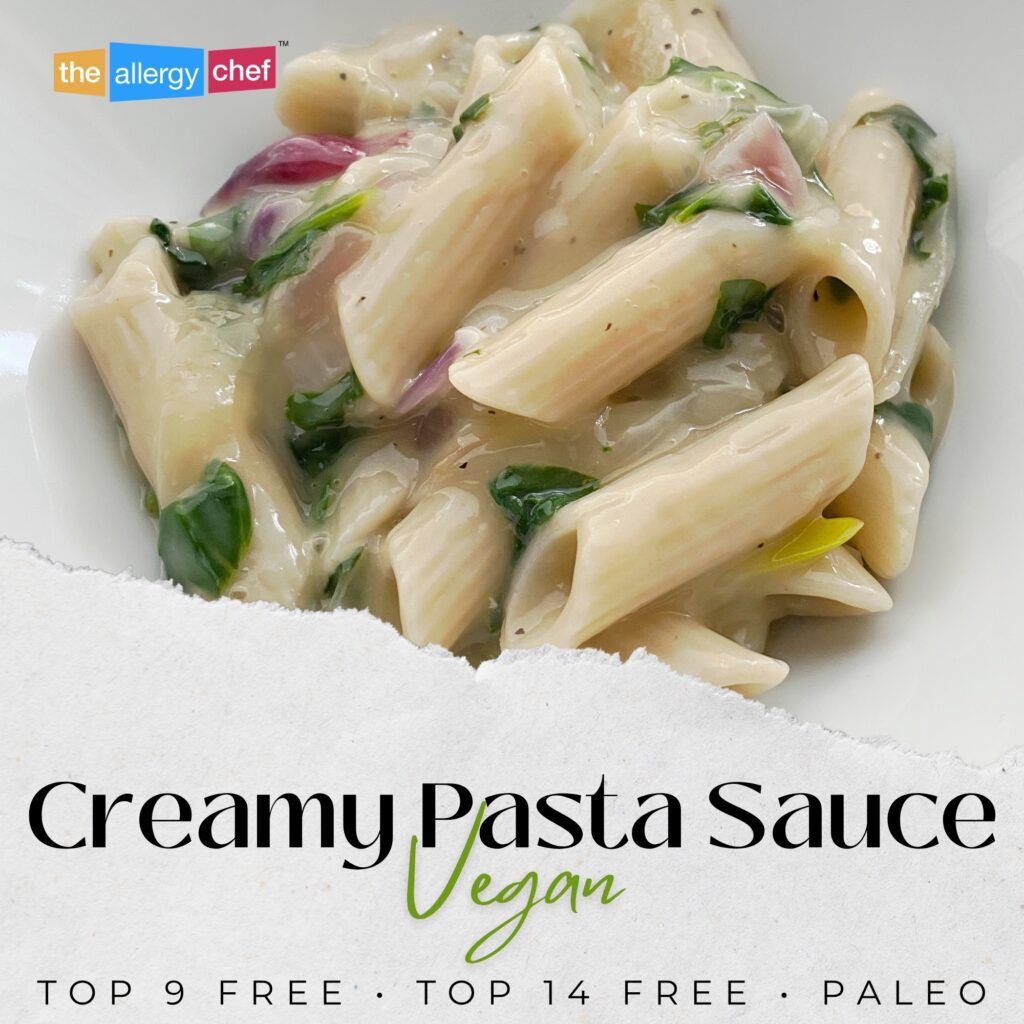
- Creamy Onion Pasta Sauce
- Bacon & Squash Pasta Sauce
- Pesto
- Creamy Lemon Tarragon Pasta Sauce
- Creamy Cashew & White Bean Pasta Sauce
- Peanut Sauce
 |
 |
Tomato Substitute for Salsa
In a salsa recipe, you can use tamarillo or tomatillo as a 1:1 tomato substitute. Now, if you can’t have nightshades at all, exploring salsa with fruits is going to be the best way to get away from nightshade based salsa.
Mango, peach, and pineapple will be the top three types of salsa recipes to look into. They’ll also call for ingredients such as onion, cilantro, and lemon.
If you’re not in the mood to make your own salsa, check out this tomato free salsa option you can purchase.
Tomato Substitute for Ketchup & BBQ Sauce
Most BBQ sauce recipes and ketchup recipes call for tomato paste and/or tomato sauce. From there, a recipe will cal for a sweetener, vinegar, spices, and molasses.
For both tomato free ketchup and tomato free BBQ sauce, tamarillo is the best substitute. You can use a homemade tamarillo paste and/or sauce as a 1:1 swap for the tomato products.
If that’s not an option, jump back up to the instructions on how to make tomato paste at home.
Make the paste, but thin it out a small amount, and that will serve as your base. Season, add any other cooked vegetables in the recipe (such as onions), blend, and enjoy.

Tomato Substitutes for Cooked Applications
As you read over these different substitute options, you’ll continue to see a multipronged approach. That’s because when you’re cooking with tomatoes, you’re adding layers of complexity, not just a singular note.
If you don’t want to go through making tomato products at home, remember at the top of this article, I shared products you can purchase. You can always use that as a swap, and just manage your expectations.
Tomato Substitute in Chili
Chili recipes can call for a range of tomato products. Use the table of contents to jump to a section that covers the type of tomato product you need. Normally, it’s tomato sauce, tomato paste, or crushed/diced tomatoes.
Tomatillo will always be the top substitute. If that’s not an option, butternut squash, or white carrot, or beet, along with spices and an acid will be the next best choice.
Alternatively, you can make a white chili recipe that’s naturally tomato free.
Tomato Substitute in Soup
For soups that call for tomato products such as crushed or diced tomatoes, the best tomato substitutes are:
- Crushed tamarillo as a 1:1 exchange.
- Steamed beets, lightly mashed + liquid of choice + lemon juice.
- White carrot, steamed & lightly mashed + smoked salt + mushroom powder + blackberry vinegar.
For soups that are blended and tomatoes are part of the ingredients, here are the best alternative ingredients:
- Tamarillo as a 1:1 exchange for tomatoes.
- 2/3 tomatillos + 1/3 gooseberries + smoked salt + mushroom powder.
- Parsnips + smoked salt + balsamic vinegar + lion’s mane mushroom powder.
Tomato Substitute in Curry
In curries, tomatoes can add a lovely depth of flavor, along with earthy notes and hints of acid. Here are a few ways you can replace tomatoes in a curry:
- Tamarillo as a 1:1 exchange for tomatoes.
- Butternut squash (blended) + tamarind paste + liquid smoke + lemon juice.
- 1/2 white carrot + 1/2 red beet + lemon juice + mushroom powder.
Tomato Substitute in Stew
Stews that call for tomatoes usually call for a can of some kind of tomato product. Here are a few ways you can replace tomatoes in a stew:
- Tamarillo as a 1:1 exchange for tomatoes.
- Butternut squash (blended) + red wine + liquid smoke + balsamic vinegar.
- 1/2 white carrot + 1/2 red beet + balsamic vinegar + splash lemon juice + ginger.
Building the Best Tomato Substitute From the Ground Up (step by step for culinary nerds)
Ground. Ha. Ha. I crack myself up, but don’t worry, I won’t be doing a stand up tour next week. So, if you’re like me and you like to build substitutes from a combination approach, keep reading.
We’re going to nerd out a little over nightshades, their flavor profile, and how we can replicate bits and pieces to create a fantastic tomato substitute.
Note: If you can’t have any nightshades, please refer to this Nightshade Substitutes article instead.
The Base Layer
First, you’re going to need something to serve as your tomato substitute base. Honestly, go with the tamarillo. You can purchase frozen tamarillo pulp here. In case you’re new to this ingredient, tamarillo is a South American nightshade fruit that’s like tomato meets persimmon.
If that’s not an option, you’ll want to oven roast carrots and/or butternut squash. With or without oil is fine, as both have their merits. More base options:
- White Carrots (these have a milder carrot taste, which means the carrot notes will take a back seat)
- Parsnips
- Salsify
Optional Texture Ingredients for Tomato Substitutes
There are some ingredients that naturally lend themselves to being a good tomato substitute in sauces because of their texture.
Additionally, each ingredient tends to have a bit of an earthy note, which can help give the illusion of eating a tomato based sauce. These are the ingredients you’ll commonly see in tomato free recipes:
- Butternut Squash
- Beet (specifically red beets)
- Carrot
- Peach (depending on the application)
- Tamarillo
- Tomatillo (depending on the application)
Umami Ingredients for Tomato Substitutes
As you go about creating tomato substitutes at home, it’s important to remember the umami quality of tomatoes. You’ll want to bring this back in through various ingredients here and there.
The goal isn’t to make the food taste like these suggestions, rather, to give your tomato substitute a background note of the native umami flavor tomatoes have. Here are options to choose from:
- Fermented Foods (fermented seaweed and rice koji are the top two items)
- Mushrooms
- Parmesan Cheese (dairy free Parm in case you need it)
- Soy Sauce (soy free soy sauce info)
- Tamarind Paste
- Fish Sauce (vegan fish sauce in case you need it)
Seasonings for Your Tomato Substitute
So we’ve got texture, and a little taste, but now we’re going to amp up the flavour using ingredients you probably have in your pantry.
Now, before you go grabbing a load of spices, remember, how you season the tomato substitute will also depend on the final use. A pasta sauce won’t use the same ingredients as a ketchup alternative, and the same is true of a tomato substitute for Thai cuisine.
Italian Sauces
For classic pizza and pasta sauces, stick with classic Italian green herbs, fresh or dried. This includes rosemary, thyme, marjoram, and basil. Personally, I use a decent amount of marjoram, and only a little of the other 3 ingredients.
BBQ Sauce & Ketchup
These sauces need a few key elements to be successful: sugar, vinegar, molasses, spices (paprika, ancho chili, etc.), and a touch of liquid smoke. If you have those, you’re almost guaranteed to have success.
From there, you can take both ketchup and BBQ sauce in hundreds of different directions where your spices are concerned.
Bringing it All Together
OK, now that we’ve covered the main points, let’s look at how you bring this substitute together.
First, roast the base and optional texture ingredient. For harder vegetables, make sure they’re fork tender before taking them out of the oven.
You’ll also want to blend vegetables if you go in that direction. For example, white carrot + beet is a good idea since they can balance each other out. If you go too far in the earthy direction, you won’t love the final results (unless earthy flavors are your absolute JAM).
Pop the roasted veg into your blender, and this is where things get fun. Add one of the umami ingredients, in a small amount (start with 1 Tablespoon). Remember, choose this item based on the final result. For pasta sauce, use Parmesan or mushroom. If you’re headed in an Asian direction, use something fermented. For Thai and Indian, use the tamarind.
Finally, add your spices. This can be onion granules, garlic granules, smoked paprika, and so on. Just be sure to also use smoked salt as the salt. The smoke is going to help push that tomato memory to the forefront of your mind.
Blend it all up and taste! If you’d like to see the way this method really works, check out this recipe for tomato free ketchup. You’ll see the base, the spices, and so on, plus, some basic ratios.
Answering Your Tomato Substitute Questions
Is pumpkin puree a good substitute for tomato paste?
I wouldn’t say that pumpkin will be the best replacement for tomato paste, however, it’s also not the worst idea either. First and foremost, it’s going to come down to the type of meal you’re making.
In chili, stews, or another meal that’s full of ingredients, honestly, the pumpkin will be ok. On the other hand, if it’s an Italian dish that’s loaded with herbs, garlic, and onion, pumpkin isn’t a good choice. The flavour is going to start to clash.
Recipes that have some kind of sweetness, such as a BBQ sauce or ketchup can get away with pumpkin as the base, especially since you’ll have supporting ingredients to mask the pumpkin flavour.
If for some reason this is the only ingredient you can safely use, my advice to you is this: make a half batch or quarter batch of your recipe and make sure you love the taste before going all in.
Would celery be a good addition to a homemade nomato sauce?
You can add celery to your recipe and it won’t be a terrible idea. However, don’t use a boat load of celery. If you’re making a sauce and want to start with a mirepoix (which is how I would add it), you’re going to end up with a delicious result.
Generally speaking, celery isn’t a super forward flavour, and if you’re blending the sauce (which I hope you are), you won’t have the fibrous bits all over. If for some reason this isn’t a blended sauce, do not add celery. However, you could add celery seeds to bring in some of that flavor profile.