
Today we’re going to take a look at all things blue foods. Now, I will warn you, the list isn’t a very long one. Also, some of the foods are more purple (or black) than blue. However, we’re just going to let that slide for the sake of having fun with our food.
More Colourful Foods to Choose From
- List of Red Foods
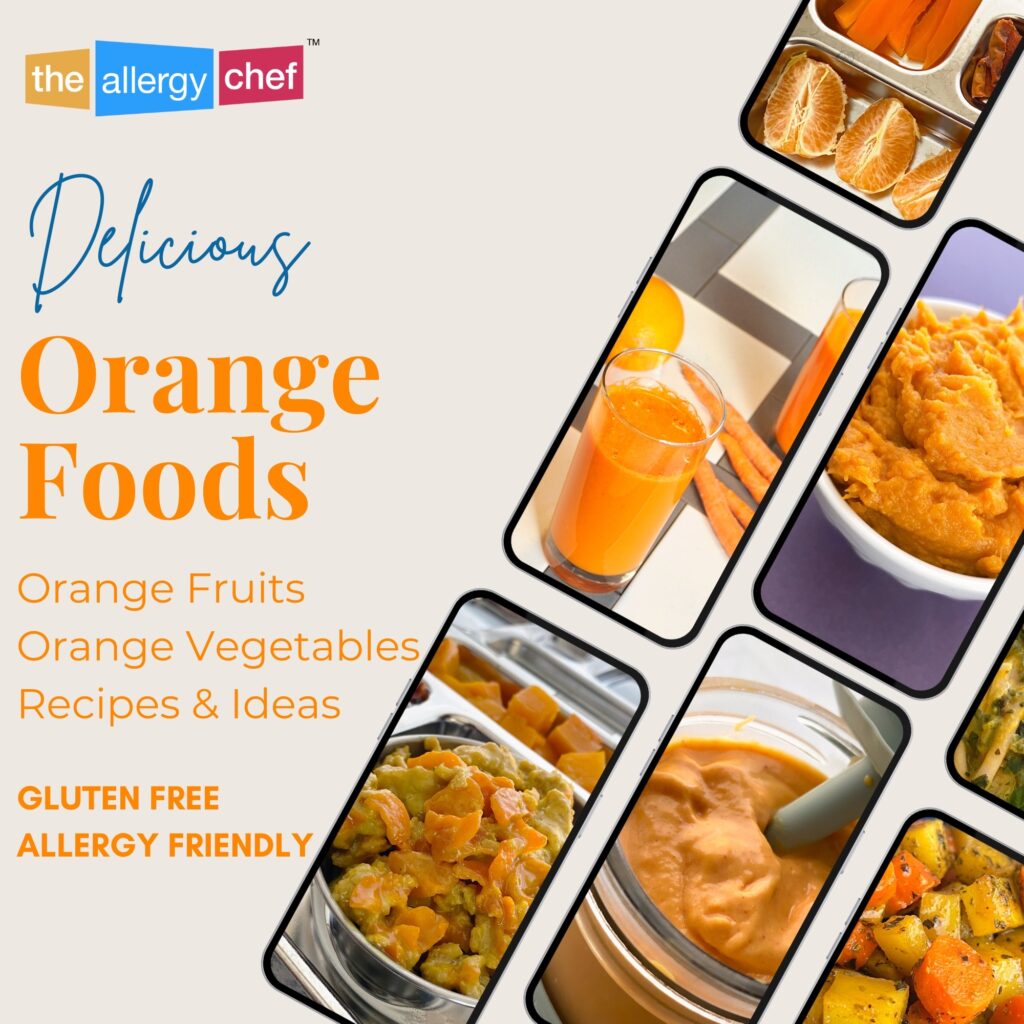
- List of Orange Foods
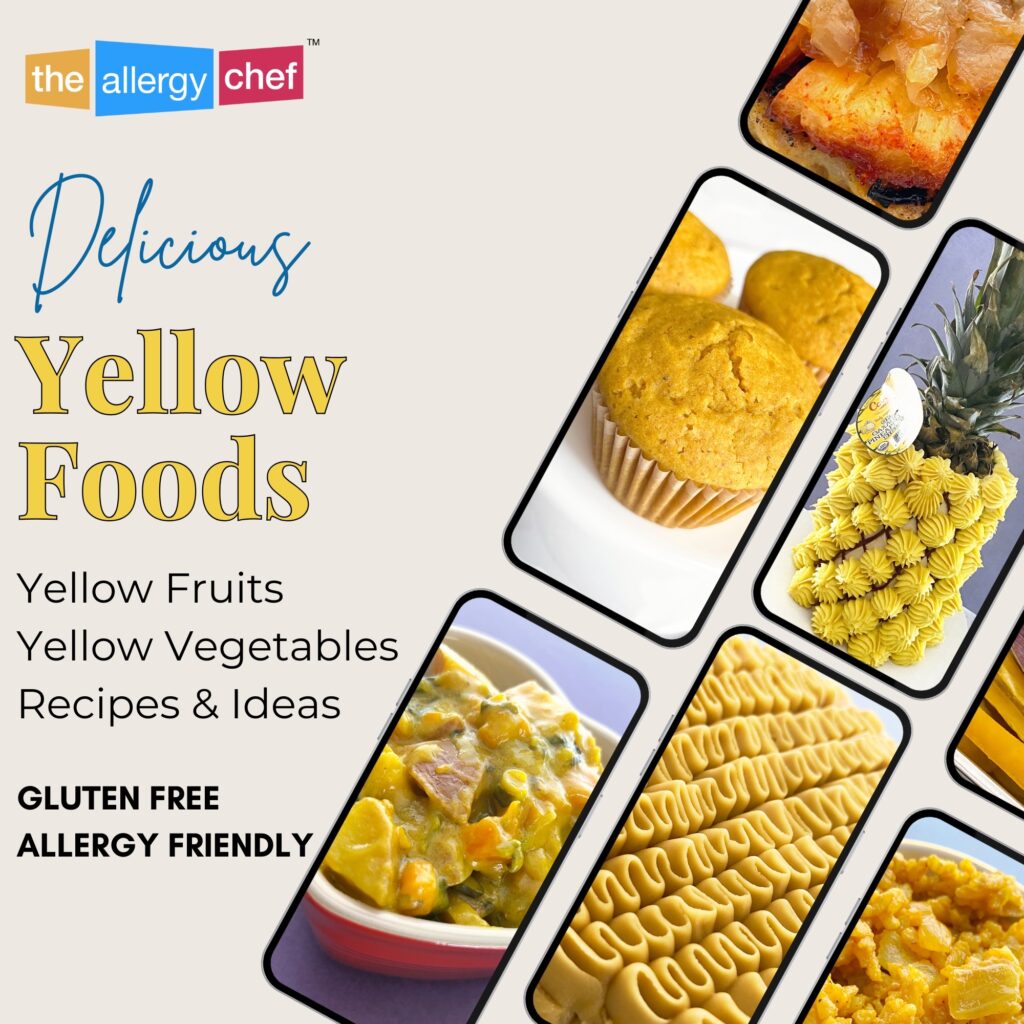
- List of Yellow Foods
- List of Purple Foods
- List of Green Foods
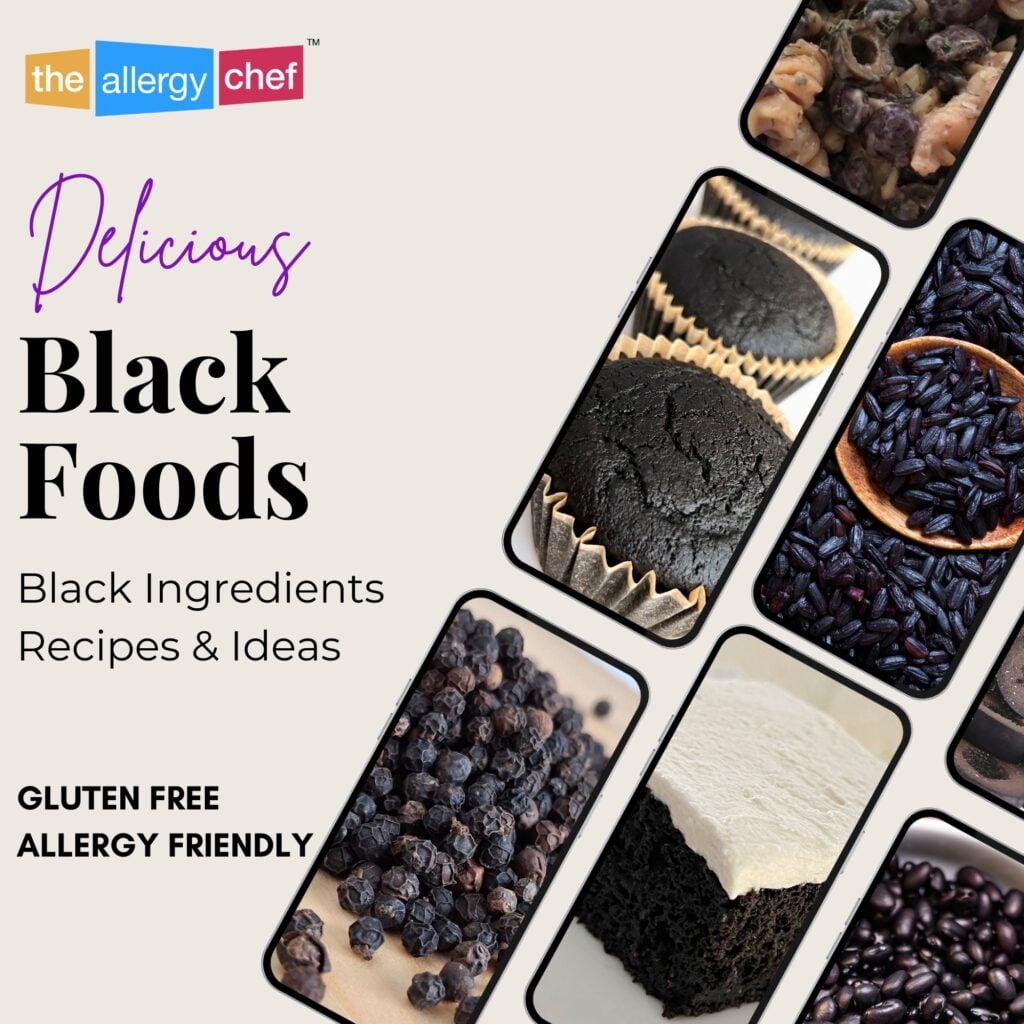
- List of Black Foods
 |
 |
 |
 |
 |
 |
List of Blue Fruits
Whilst there aren’t a tonne of blue fruits to choose from, your options are pretty good ones:
- Blueberries
- Blue Raspberry (see the notes)
- Concord Grapes
- Elderberries
Blue Fruit Notes
Blueberries can be purchased as fresh/regular berries, frozen regular berries, or frozen wild blueberries. The wild variety are considerably smaller and have a more intense taste that you may enjoy. My kids generally prefer wild frozen blueberries over fresh blueberries.
Blue Raspberry is a very wild flavour with quite the history. Bon Appétit did a fabulous writeup on the topic. Yet, there are actual blue raspberries that grow in the wild. They’re also called White Bark Raspberries, and they’re a lot more purple than blue (like a lighter blackberry).
The flavour blue raspberry is completely made up, and many people say it’s vile, yet, people continue to eat that stuff up, so do what you will with that info.
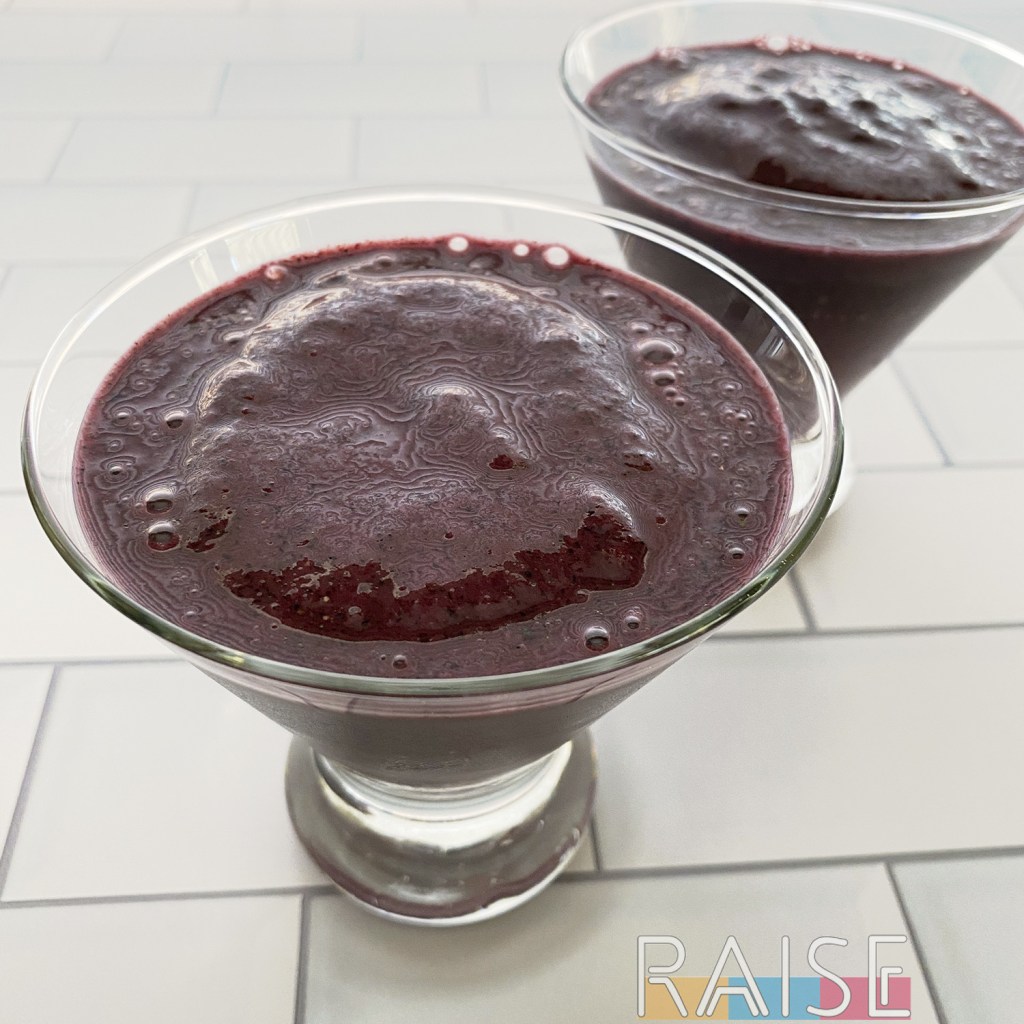
Whilst the grapes and elderberries are more purple than blue, if you combine a small amount of them with something like a cashew-based smoothie, you start to kind of see the blue colour. Kind of…
List of Blue Vegetables
Whilst this is another short list of blue foods, again, these are some pretty solid options. I will say this though: you’ll struggle to find most of these foods at typical grocery stores. You’re a lot more likely to run into these blue foods at a robust farmer’s market whilst it’s in season.
- Blue Broccoli
- Blue Corn
- Blue Squash (the skin is a blue/gray colour and the inside is a typical orange/yellow colour)
- Purple Potatoes (sometimes called blue potatoes, includes adirondack blue and magic molly potatoes)
Miscellaneous Blue Foods and Ingredients
In addition to blue fruits and blue vegetables, there are a few more foods you can lean into as you go on a quest to eat the rainbow (or just all things blue).
- Bleu Cheese (also spelled Blue Cheese, a type of cheese with added edible mold)
- Blue Crab (not 100% blue, but has blue sections and streaks)
- Blue Lobster (also not 100% blue)
- Blue Milk Mushrooms (also called indigo milk cap, indigo milky, and indigo lactarius)
- Blue Spirulina Powder (this is a great brand)
- Butterfly Pea Flower Powder (also called blue matcha tea)
- Edible Flowers (there are a few here and there, check the produce section of your grocery store)
- Lingcod (also called Buckethead, a type of fish that usually has raw blue flesh but turns white when cooked)

Blue Foods Notes
Bleu cheese, in my humble opinion, is more forest green than anything else. There are some varieties that have a different colouring to them, but overall, it’s blue in name only.
Blue fish and blue shellfish tend to cook up white like most other fish and shellfish. You shouldn’t expect BLUE fish, unless we’re talking about sashimi.
Blue spirulina is seriously THE GOAT, as the kids would say. It’s probably the best item out of all blue foods available because it’s so versatile. You can use it in both sweet and savory applications, tint foods, beverages, and so on.
Butterfly pea flower (this is the one I buy) is used to make tea (it’s in the legume family FYI). First, it starts off blue, then, when you add an acid, it turns purple. Even something mildly acidic such as strawberries can change it from blue to purple. If you have children, please, I BEG OF THEE, get some and have fun with it. Make them purple/blue drinks, muffins, cake, granola bars, and everything else in between.
When my kids were younger and I wanted them to dink more water (and less juice and other beverages with sugar), I’d make a BIG batch of this tea each week and leave it in the fridge. When it was half gone, I’d usually add some pineapple and strawberries to turn it purple so the good times would roll.
You can purchase a kit to grow blue oyster mushrooms at home which could be a fun activity if you have children.
List of Blue Foods That Really are Purple
OK, let’s take a quick look at what a lot of people like to call blue foods, but come on. We all know they’re purple.
- Blackberries
- Blue Raspberries (also called blackcap, look more like a blackberry in terms of color)
- Purple Cabbage
- Blue Tomatoes and Heirloom Tomatoes (select varieties such as Blue Bayou)
Whilst these foods won’t scream blue, they’ll still be a fun option to enjoy.
What Do Blue Foods Taste Like
Generally, blue foods are going to have a similar flavor and texture as their non-blue counterparts. Sure, there will be some mild differences in taste and sweetness, however, the hue of the food won’t have it suddenly doing at 180 on flavour.
Just know that when you add blue foods to your plate, you can expect a pretty standard experience, unless you’re a child. Then, that’s just pure magic.
Great Ways to Enjoy Blue Fruits and Blue Vegetables
From a snack to a full fledged dinner, there are so many ways to make sure blue foods make it on to your weekly menu. Let’s look at a range of ways you can enjoy blue fruits, blue vegetables, and especially blue spirulina.
Rainbow Fruit Snack Platter
There’s a well known saying that we eat with our eyes. Friend, it’s SO true, especially kids. Creating a rainbow fruit and veg snack platter with a dip can be a fantastic way to incorporate blue foods, but also other colours.
If you have kids, have them help you shop for produce, wash, peel, and chop as well. You can purchase child safe knives and get them started in the kitchen pretty young. For little littles, you can start them off with a salad spinner and they can help wash and spin-dry produce.
If you have the bandwidth, get some cute mini cookie cutters as well and make a few stars. I have it on good authority that it’s the most delicious shape.
Make Blue Frosting or a White Chocolate Glaze That’s Tinted Blue
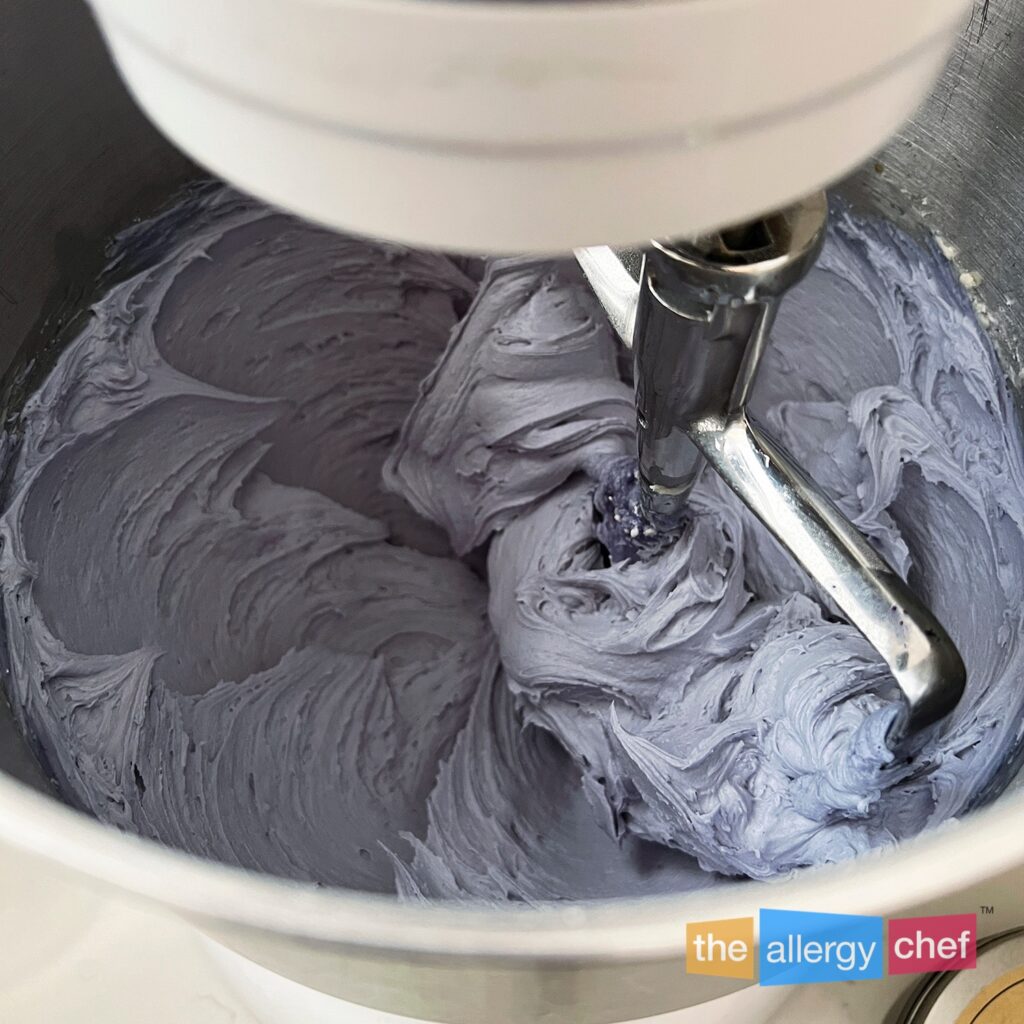
I don’t know about you, but my family loves when I spruce up a treat with a little extra color. Blue spirulina is my go-to for making blue tinted frosting and blue glazes.
I’ve also been known to use a little butterfly pea flower powder in frosting, but the hue isn’t an intense blue. In fact, depending on how much you use, the color is more purple/gray.
Whilst you can use blue food colouring, I’d much rather use something natural like the spirulina, especially since one of my kids can’t have dyes.
You can experiment with varying amounts of the powder, and this will impact how BLUE your final results are.
Make Delicious Blue Smoothies
It’s blue spirulina to the rescue again! Sure, you can make a smoothie with blueberries, however, the end result is a purple looking smoothie (been there, done that).
If you want a smoothie that screams blue, you’ll want to use light coloured ingredients such as a banana, cashews, peeled apples, and so on. Blend those up with your blue spirulina powder and get ready for a cup of magic.
You can also boost the nutrition of your smoothie with lion’s mane mushroom powder, which is naturally white.
Make Blueberry Jam
You can make a jam that leans into blueberries. However, you’ll want to think about the range of levels of sweetness you run into with fresh fruit. Be sure to sample your blueberries, and add some kind of sugar or unrefined sweetener as needed.
Also know, it’s going to be more purple/black than blue. If you want a sky blue jam, you’ll have to start with something light in colour like lychee, then add blue spirulina to the mix to dive home the color.
Dye Hard Boiled Eggs
Have you seen those nifty videos online where people take hard boiled eggs and soak them in a coloured water for a natural dye effect? Yeah, do that.
This isn’t something I’ve personally done since one of my kids is allergic to eggs, but it does look like a lot of fun. You can use blue spirulina powder or butterfly pea flower powder to tint your water blue.
Make Blue Sugar
You can combine white cane sugar with blue spirulina powder to make a blue sugar. Now, the sugar isn’t truly blue, more that there’s blue mixed in.
If you use that sugar as a garnish on a light coloured item, it will have a really cool pop. If you heat the sugar, the results will change.
If you enjoy making rock sugar candy, you can also use blue powder in that to give the candy a natural blue tint.
Give Your Salads a Pop of Colour
A salad is already a pretty healthy food choice (assuming we’re not talking about a fried chicken salad with loads of cheese and ranch). You can enhance the nutrition of your salad with quartered grapes, seeds, and even a little seared blue mushroom.
Roasted blue corn would also be a lovely addition to any salad.
Tint White and Light Foods Blue
As I’ve already shared several times, blue spirulina powder is amazing. It can be used as a natural dye with stunning results.
Light coloured foods (white, tan, light yellow) will all take on a blue hue pretty nicely. Peeled apples, Tokyo turnips, and white rice are all fantastic foods to start with on your blue food tinting journey.
Make Blue Drinks and Blue Smoothies (and Ice Cream)
Yup, you guessed it, blue spirulina. Well, the butterfly pea flower powder can also be used for this application, but personally, I lean into the spirulina for blue drinks and blue smoothies.
The most important thing to remember is that you need to start with light colored ingredients. If you use something like chocolate or strawberries, you won’t get blue.
You can tint water, milk, smoothies, juice, ice cream, and everything in between. As long as it’s light, you’ll be allright.
Create Savory Sauces
You know me, and I love to share all sorts of recipe ideas that are absolutely not traditional. With that in mind, you can absolutely create blue sauces and have fun with your food.
There’s the obvious route of using blue ingredients as part of the sauce base. However, you can also make something like a blue potato purée or blue celeriac purée by using blue spirulina as part of the sauce when you run it through your blender.
This gives you a traditional taste with a non-traditional look, and it will still pair well with meat, fish, other veggies, and so on.
Make Blueberry Pie (or Other Blue Pies)
Blueberry pie is a classic, and for good reason. I’m told that it’s delicious (I’ve never eaten it before) but it is on the purple/black side of things.
Now, if you really want to have fun with your food, you can take this a step further and tint your pie shell blue (if you’re making the dough from scratch) by adding blue spirulina powder to the flour mix. Alternatively, you can make a blue glaze and brush the crust after it’s baked to make sure the colour really POPS.
On the other hand, if you want a sky blue pie, make something like key lime pie that’s naturally light in colour, and tint it blue with blue spirulina powder or butterfly pea flower powder.

Blue Food Recipes (Purple pretending to be blue)
Each of these recipes is gluten free, and very allergy friendly.
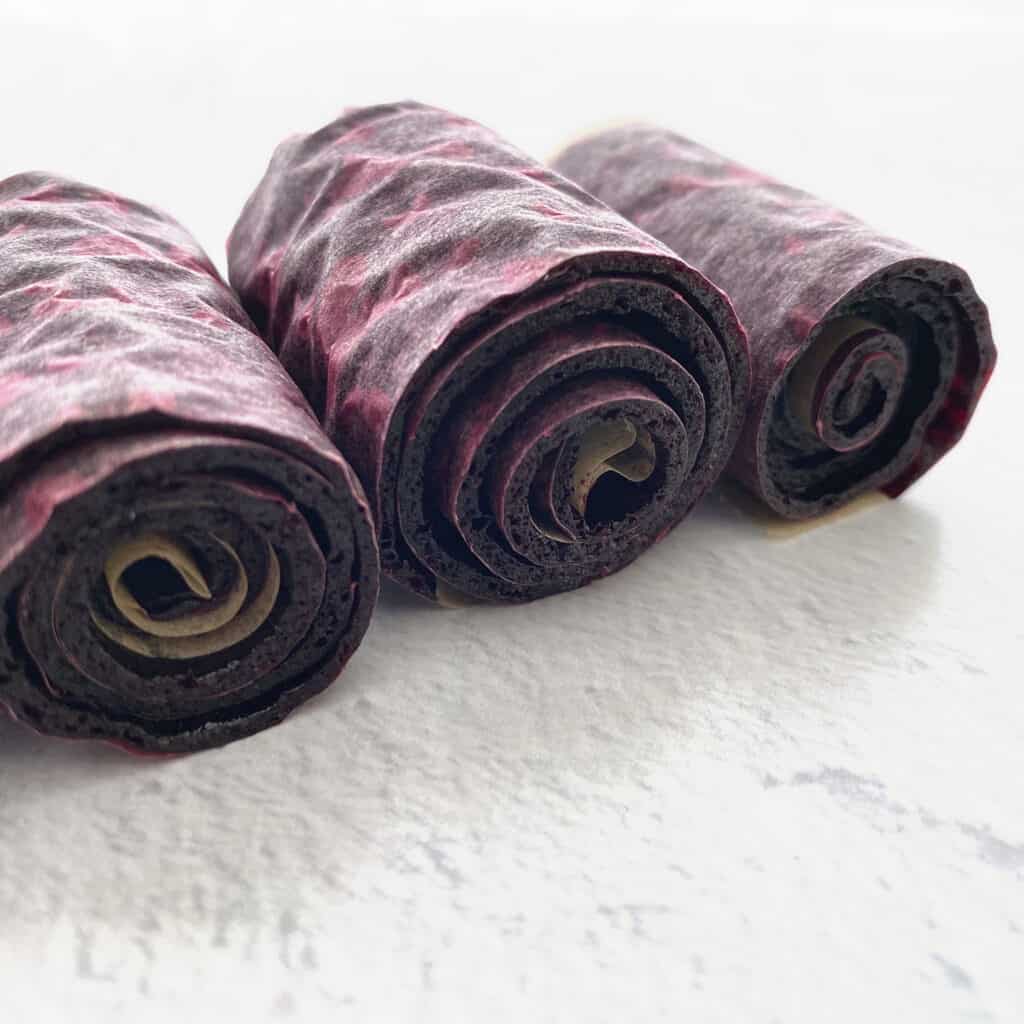
- Blackberry Fruit Leather
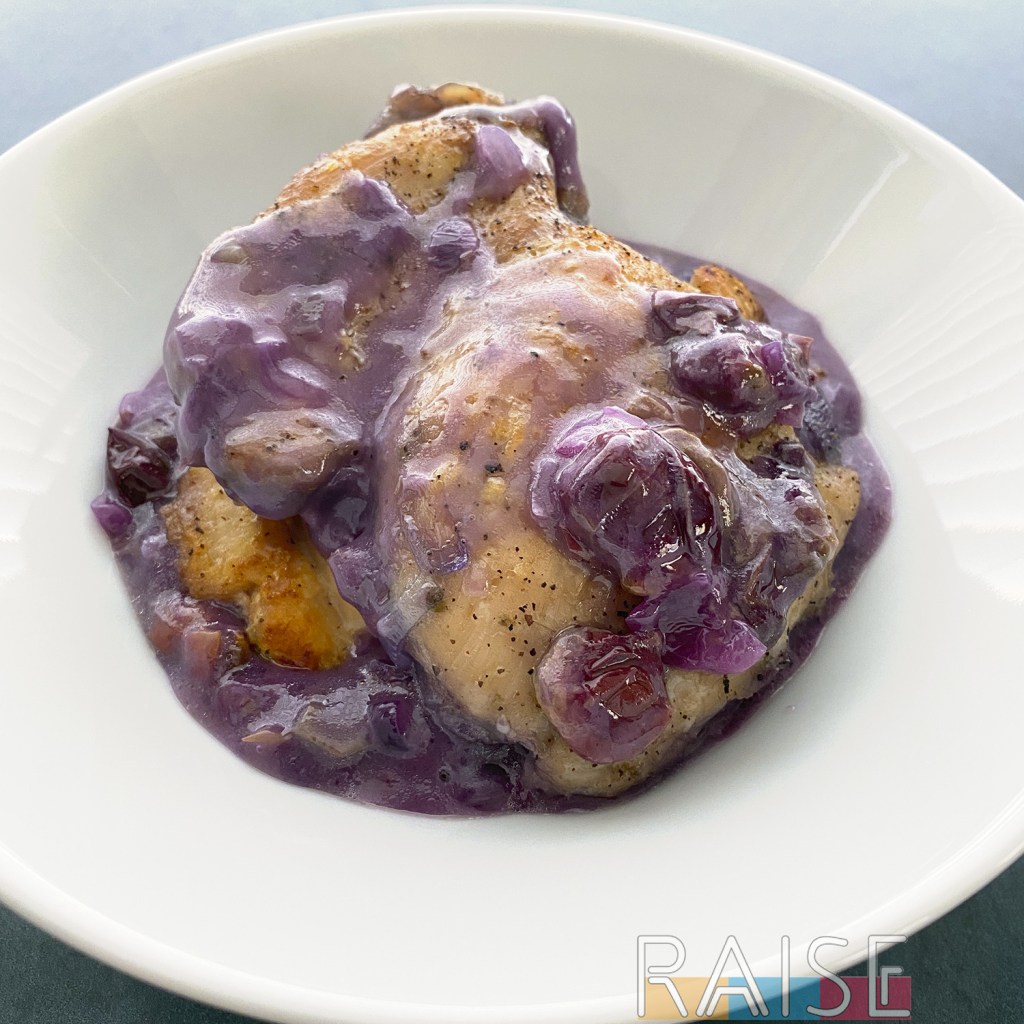
- Grape Chicken
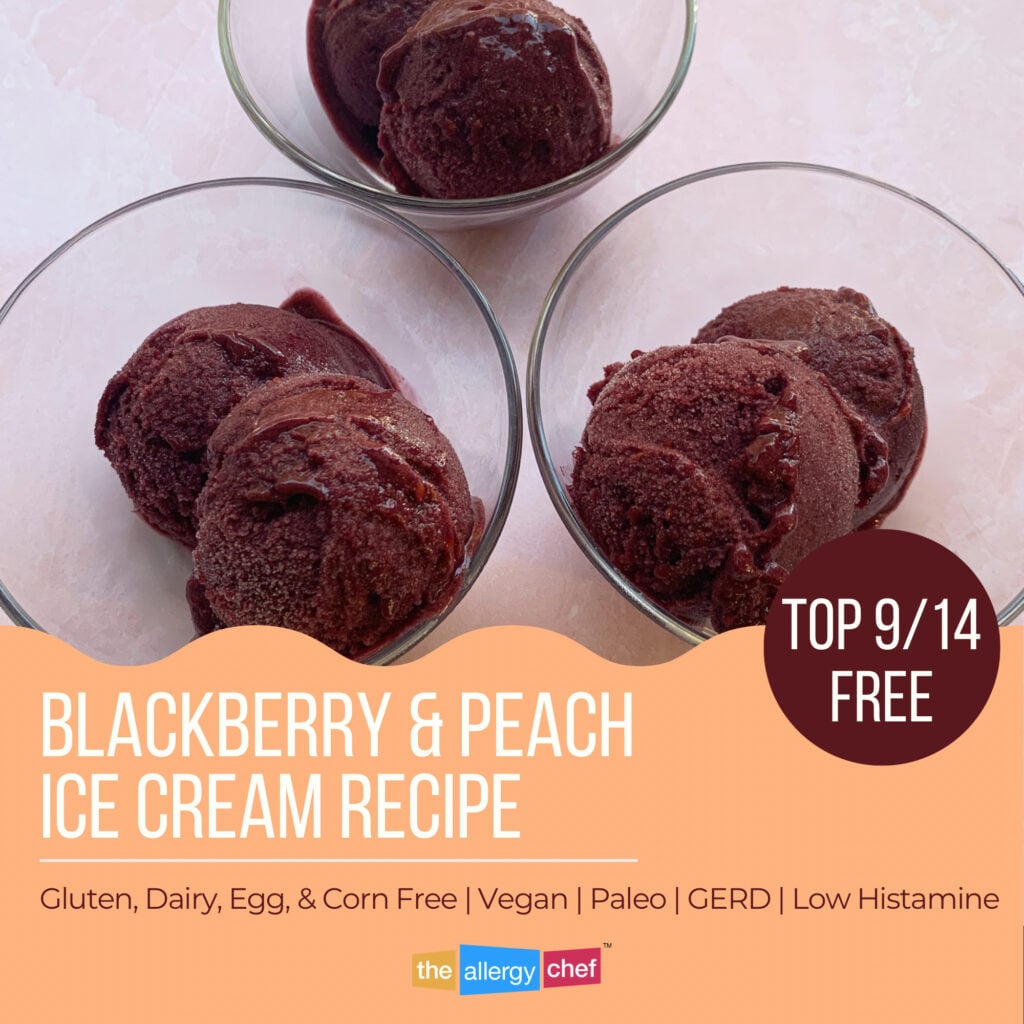
- Peach & Blackberry Ice Cream
- (ready to tint) Blue Waffles – Start with something like the linked recipe and add blue spirulina powder to the batter.
 |
 |
 |
 |
Tips on Including a Range of Colors in Your Diet
If you’re wanting to add colours to your own plate, I suggest purchasing one new item to try each time you go to the grocery store. Over the course of a year, that’s at least 25 new items that you’ve tried, hopefully in a range of colors.
If you have kids, start by talking with them about the beauty of the produce, then sample colourful foods together. Chat about the taste, texture, and even add in age-appropriate health benefits (orange for eyes, and so on).
For kids who struggle to try new foods, pair new products with something they already enjoy. For example, if your child loves lettuce cups with protein, make that, then add a blue vegetable on the side, or mix it into the lettuce cup filling. You know your child best. If pre-mixing will cause them to shy away, serve it on the side.
Benefits of Eating a Range of Colors
Each week, we subconsciously make thousands of food choices. With all of that decision making, sometimes, the colors get lost. However, I want to encourage you to mindfully incorporate the rainbow into your diet, as there are numerous health benefits.
Produce, even white produce, contains a range of antioxidants and essential nutrients (vitamins, minerals, and so on). Not only that, but online, you have access to thousands of studies where we can see the long term effects of a diet that’s rich in color.
Research shows that some of the properties in colourful foods can help lower the risk of some chronic illnesses and diseases. These foods can be a good source of fiber, as well as energy that nourishes your cells.
Whilst colourful foods do have a novel effect, know that they can (over time) absolutely improve your digestion, health, and life.
I’ll also add this: the reason you want to include all types of colors is because each one will provide something a little different. Darker foods have a higher amount of anthocyanins and nutrients such as resveratrol. Lighter colours will provide more beta carotene and varying amounts of essential vitamins.
Foods with more anthocyanins and antioxidants will do a better job at protecting your cells from oxidative stress. However, I want to stress, that doesn’t mean that white produce is useless. It still contains fantastic nutrients that your body can appreciate.
More on the Nutritional Benefits
If that’s not enough, we also know that blackberries and other deep/rich colored berries have been known to boost cognitive function as well as your mood. Colourful foods can improve your immune system, fight free radicals, and support the overall function of the human body. Plus, colour-rich foods have anti-inflammatory properties which can help you move well and feel awesome.
To get the most out of colourful foods, make sure you wash and eat the peels where possible. With some colorful fruits and vegetables, that’s where a lot of the added benefit comes from.
Whilst there isn’t a lot of protein in fruits and vegetables, you can pair them with a range of protein forward ingredients to create balanced dishes that meet all of your needs.
If you’re needing to reduce your calories, colourful vegetables are a great choice since they’re naturally low fat, and low in calories. Some will also have a decent water content, which can aid in other ways (such as skin health).
Overall, know that when you include black fruits and vegetables in your diet, you’re including a variety of nutrients (including fiber), minerals such as potassium and magnesium, essential vitamins, and a decent amount of antioxidants.
For more information on health benefits, including how some fruits and vegetables can lower your risk of some diseases check out websites such as nutrition.gov or HealthLine.com where you can look up benefits of specific ingredients.