
If you’re new to managing a milk allergy or a lactose intolerance, you may find yourself asking if Parmesan is dairy free. Before we go any further today, let me answer that question first. Parmesan cheese, also called Parmigiano Reggiano is not dairy free. Parmesan is a product made from cow’s milk. It’s one of many aged cheeses that many people enjoy.
For those who are managing a milk allergy who still want to enjoy a taste of Italy, the great news is that milk free/vegan Parmesan cheese is totally a thing.
not everyone’s taste buds agree with
If you have a lactose intolerance, know that some patients are able to safely eat some hard cheeses and aged cheeses. That’s because with these dairy products, the lactose content is incredibly low.
If you only have a cow’s milk allergy and can eat sheep’s milk products, investigate Manchego. It’s essentially a sheep’s milk version of Parmesan cheese. There are other Parmesan styles made from sheep, but Manchego (from Spain) is the most popular.
Parmesan Cheese Alternatives
Scroll down (or use the TOC) to see ingredients for each of these brands.
- Follow Your Heart Parmesan Shreds (Dairy-Free Cheese)
- Good Planet Foods Grated Parmesan
- Madly Hadley Plant-Based Parmesan Cheese (cashew based)
- Nooch It Cashew Parmesan Cheese
- Panacheeza Plant Based Grated Parmesan Style (comes in several flavors)
- Vio Life Parmesan (Dairy-Free Cheese)
- 365 by Whole Foods Dairy Free Parmesan Style Shreds (Dairy-Free Cheese)
- Nutritional Yeast (link to unfortified option)
On that last option, it’s a common misconception that everyone who eats nutritional yeast will think it tastes like cheese. Let me tell you. Just how applesauce can’t replicate the lift factor of an egg (but it’s a great egg replacer they say), nutritional yeast doesn’t taste like most cheeses including gouda and Swiss cheeses, along with many others.
In fact, I have vegan friends that say nutritional yeast is outright disgusting and will only use it in very small amounts, when mixed into something else. Now will some people love it? Of course. If they didn’t, the free-from community wouldn’t keep pushing this narrative. However, I like to warn people because your mileage will vary and I don’t want you to be disappointed. Rather, I want you to walk into the situation, eyes wide open.
Delicious Dairy Free Recipes Featuring Dairy Free Parmesan Cheese
- Turkey & Parmesan Ragu (top 9/14 free, gluten free)
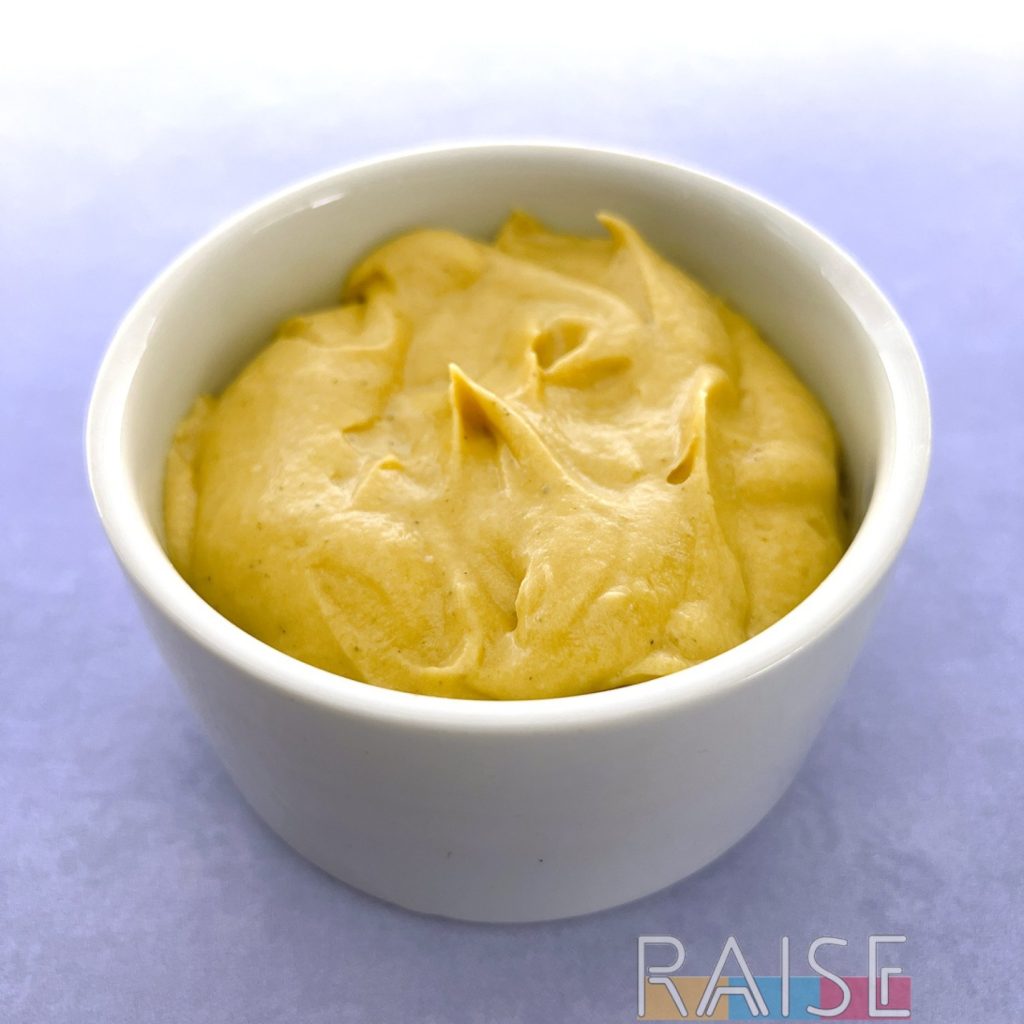
- Dairy Free Butternut Squash Pasta Sauce (top 9/14 free, gluten free)
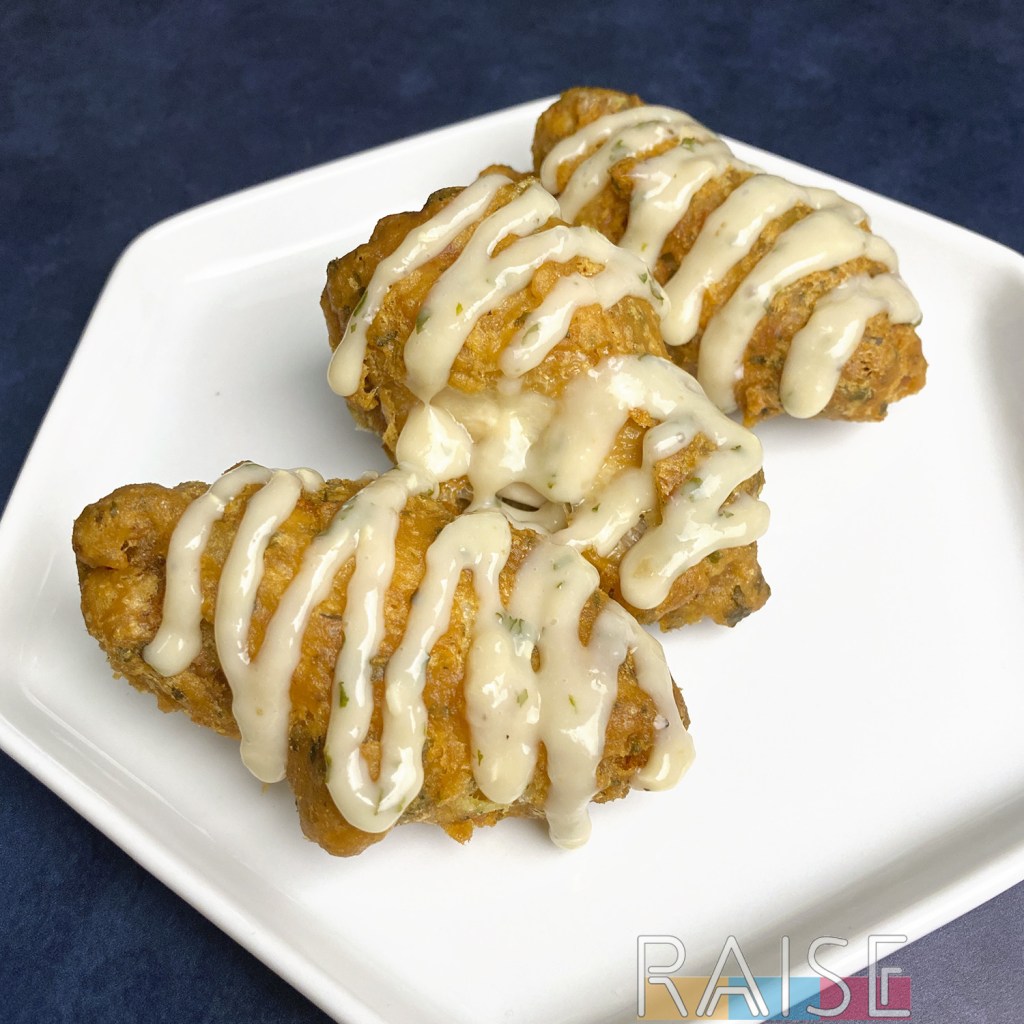
- Gluten Free Garlic Parmesan Fried Chicken Wings (top 9 free)
- Turkey Parm Smash Burgers (top 9/14 free, gluten & grain free)
 |
 |
 |
 |
Dairy Free Cheese Ingredients
Dayia Dairy-Free Parmesan Shreds
Daiya Oat Cream™ Blend (water, gluten-free oat flour, pea protein, cultures, enzymes), Tapioca starch, Coconut oil, Corn starch, Expeller pressed safflower oil, Calcium phosphate, Salt, Less than 2 percent of: Konjac flour, Yeast extract, Fruit juice (for color), Dextrose, Xanthan gum, Lactic acid, Natural flavors. Cheese Link.
Follow Your Heart Parmesan Shreds (4 ounce container)
Filtered Water, Organic Palm Fruit Oil†, Modified Food Starch, Canola Oil, Natural Flavors (plant Sources [contains Autolyzed Yeast]), Vegetable Glycerin, Less Than 2% Of: Lactic Acid (vegetable Source), Calcium Lactate (vegetable Source), Sea Salt, Sodium Phosphate, Carrageenan, Bamboo Fiber, Nutritional Yeast, Calcium Phosphate, Organic Chickpea Miso (organic Handmade Rice Koji, Organic Whole Chickpeas, Sea Salt, Water, Koji Spores), Sunflower Lecithin, Citric Acid, Annatto. Cheese Link.
Follow Your Heart Parmesan Shreds (5 pound bag/2.2KG)
Modified Potato Starch, Organic Palm Fruit Oil, Filtered Water, Canola Oil, Cellulose, Maltodextrin, Natural Flavors (Plant Sources [Contains Autolyzed Yeast]), Less than 2% of: Organic Vegetable Glycerin*, Sea Salt, Citric Acid, Nutritional Yeast, Calcium Phosphate, Bamboo Fiber, Sodium Phosphate, Carrageenan, Organic Chickpea Miso* (Organic Handmade Rice Koji, Organic Whole Chickpeas, Sea Salt, Water, Koji Spores), Sunflower Lecithin, Annatto. Cheese Link.
Good Planet Foods Grated Parmesan
Modified Potato Starch, Coconut Oil, Cellulose, Filtered Water, Sea Salt, Natural Flavors (Vegan Sources), Sodium Phosphate, Lactic Acid, Paprika, and Beta Carotene Extracts (Color). Cheese Link.
Madley Hadley Plant-Based Parmesan Cheese
Organic cashews, organic nutritional yeast, Himalayan salt, organic garlic, organic onion. Cheese Link.
Nooch It Cashew Parmesan Cheese
Organic Cashews (Tree Nuts), Organic Nutritional Yeast, Organic Garlic Powder, Organic Hemp Seeds, Sea Salt. Cheese Link.
Panacheeza Plant Based Grated Parmesan Style
Raw Cashews, Nutritional Yeast [Dried Yeast, Niacin, Pyridoxine Hydrochloride, Thiamin. Hydrochloride, Riboflavin, Falic Acid, Cyanocobal-min], Pink Himalayan Salt, Apple Cider Vinegar, Garlic Powder. Contains: Tree Nuts (Cashews) Cheese Link.
Urban Patter Vegan Parmesan Cheese
Cashew Nuts, Sunflower Seeds, Nutritional Yeast, Dried Garlic Powder, Pink Himalayan Rock Salt Powder. Cheese Link.
Vio Life Parmesan
Filtered Water, Potato & Rice Starch, Food Starch-Modified (Potato), Coconut Oil, Salt (Sea Salt), Rice Protein, Parmezan Flavor (Vegan Sources), Olive Extract, Beta Carotene (Color), Vitamin B12. Cheese Link.
365 by Whole Foods Non-Dairy Parmesan Style Shreds
Water, Highly Refined Coconut Oil, Potato Starch, Modified Potato Starch, Cornstarch, Sea Salt, Rice Starch, Natural Flavor, Glucono Delta-lactone, Olive Extract, Beta-carotene (Color). Cheese Link.
Answering Your Questions About Parmesan, Lactose Intolerance, and Milk Allergy
Is it easy to find different types of cheese in stores that are dairy free?
Brands such as Follow Your Heart (called Earth Island in some countries) are sold nationwide these days. I’d say it’s pretty easy to find at least one grocery store within a 20 mile radius that carries dairy free cheese.
When in doubt, always call first since you don’t want to waste a trip. Also know that organic, natural, and co-op style grocery stores are going to have a MUCH wider selection for you to choose from.
If Parmesan cheese is made with lactose-free milk, is it dairy free?
No. If something is lactose free only, it’s not safe for someone who follows a strict dairy-free diet. In the case of a milk allergy, not even a gram of lactose would be OK, as the milk protein is present and can cause a life threatening allergic reaction.
Be sure to read above in the article where I share different brands that make some kind of Parmesan option.
Is the cheese-making process similar with milk and milk free cheeses?
Nope. Not even close. Dairy foods are made via a lot of traditional manufacturing processes (and equipment). Dairy free foods on the other hand require science, engineering, and ingredients you won’t find in milk products.
That doesn’t make them inherently bad, however, some of the ingredients found in dairy free foods really should only be consumed in small amounts. If health and wellness is important to you, I encourage you to really examine food labels. Read through the ingredients, and if there’s something you don’t recognize, look it up and learn all about it.
You may determine you’d rather make something at home that reminds you of cheese, but has ingredients you’re more comfortable with.
Which brand is a good substitute for parmesan cheese in a quiche?
This is a loaded question, and it comes down to performance. The truth is, even the best vegan cheeses have melting issues, and that’s going to be what you’ll want to pay attention to.
Since the cheese should be mixed into the quiche, and you want to ensure the texture isn’t disrupted, I may not use the shreds. The good news is that several of the brands I listed above in the article sell Parmesan cheese powders. That may be your ticket to success. However, this isn’t something I’ve personally tested, so I’d suggest testing it out on a small scaled down quiche before going all in.
If your tester works out, next time, make a larger quiche and have leftovers to enjoy in the fridge.
Is dairy free Parmesan a good source of healthy fat?
The word healthy is going to mean something different to each person. Would I personally call DF Parm a healthy fat source? No, and that’s because most dairy free cheese products are highly processed and ultra processed foods.
Sure, many contain coconut products, and coconut is a great healthy fat, but eating it in this format isn’t the same as mixing organic coconut oil into your smoothie and getting the health benefits that way instead.
Now, that doesn’t mean that this cheese shouldn’t be enjoyed. It’s that it should be enjoyed in moderation, alongside a well rounded diet. Make sure you’re getting enough dietary fiber, vitamins, minerals, and following other dietary guidelines. Remember, just because it’s made with plant-based ingredients doesn’t mean it’s overtly good for you.
What’s the most delicious dairy-free Parmesan for someone allergic to milk, nuts, and coconut?
With this combination of food allergies, the only option for you to try will be Follow Your Heart 4 ounce Parmesan Cheese tub. Does it taste good… that depends on who you ask. If this is your first time having dairy free cheese, and you really remember what milk-based cheeses taste like, there’s a good chance you won’t like it.
Dairy free cheese tends to be pungent, and it’s best received when well mixed into something else. If you’re new, give yourself 6 – 12 months before jumping into this kind of product. If you were able to have nuts, it would be a different conversation, but this is where you are. I have yet to meet a person who can eat milk who LOVES the FYH the first time they eat it. It’s just not the same, and I don’t want to mislead you.
However, I will say this. For kids who are born with a milk allergy like one of my kids, products like these are giving them food experiences they would have never had. But! And this is a big one. These kids have no point of reference, and it’s literally all they know about “cheese”, so it works out.
Sorry this wasn’t some great note, but I like to be honest when someone is about to take a walk into the dairy free cheese world, at least in the United States. I can’t speak for cheeses sold in other countries. Perhaps they live in a better world where DF cheese is concerned and we’re over here missing out.
Do dairy free Parmesan cheeses taste like traditional Parmesan cheese?
Based on what my tasters say (the ones who aren’t allergic to milk), yes and no. First, dairy free cheese makers have to look at lot of aspects including total fat, achieving a creamy texture, and overall performance.
Most vegan cheesemakers would tell you that they have to really focus on one aspect, as they can’t address each need, and that’s due to ingredient and engineering limitations.
You’ll generally have a cheese that feels right, or performs right. You’re especially lucky if it also tastes right. Some cheese will look and feel like dairy based Parmesan, whilst others will taste spot on.
On top of that, how you use the cheese matters. If you were to make something that was supposed to mimic an Italian food that’s heavy on the Parm, I think you’ll feel let down. Yet, if you were to make a ravioli that only needs Parmesan as the filling, you’ll enjoy the results a lot more because the taste is there, lingering in the background.
Is vegan Parmesan made on dairy free equipment?
No, not always. You’ll want to check a brand’s website and look at their FAQ. Many have the information there for you, front and center. If you don’t see information on shared equipment, reach out to the brand.
However, you have to be so specific (and this annoys me to no end). You can’t ask “is your product made on shared equipment with milk”. You have to ask “is your product, or any of the sub products, including any natural enzyme made or processed on shared equipment with milk or any dairy products”.
I know. It’s a mouthful. Here’s why you have to be so specific though. I once talked with a brand who told me their vegan Parmesan was made on dairy free equipment. I then asked about the sub ingredients and wouldn’t you know, almost EVRY single one was made on shared equipment with a range of major allergens.
They were taking the stance of “our equipment is free-from so it’s fine”. Talk about violating the spirit of the law. And it doesn’t end there. Another brand (a much more transparent brand) shared with me that one step of their manufacturing process included shared equipment with milk.
Remember, to make any kind of dairy free product, a LOT of moving parts are involved. It’s not as simple as say something like, milk based ice cream where there are a few pieces of equipment and one facility. Instead, it’s importing a wide range of products and putting them all together.
If I have a lactose intolerance, can I eat Parmesan cheese?
Maybe. First and foremost, you’ll want to talk with your healthcare provider, as they’re going to be able to give you information based on your personal case.
Generally speaking, there are lower levels of lactose in cheeses like Parmesan cheese because of how long it’s been aged for. That makes it easier on the digestive system when compared to a fresher cheese, or something like cottage cheese. Many people with a lactose intolerance are able to safely consume Parmesan cheese.
I encourage you to read more about this topic, as not everyone who is lactose intolerant benefits from the lower lactose levels and still react to aged cheeses. Remember, less lactose doesn’t mean no lactose, even though some people would have you believe that it’s totally lactose free.
At the end of the day, do what’s best for you. If you find you can’t tolerate aged cheese, don’t eat them.