
Last Updated on September 23, 2026 by The Allergy Chef
Today we’re going to take a look at a 7-day GERD diet plan. I’ll also share a list of foods to keep on hand when managing this chromic condition, as well as links to GERD friendly recipes and reflux-friendly meals. If you’d rather have me email you the 7 day GERD diet plan as a PDF, click here.
Be sure to use the table of contents to jump around, as this article contains a lot of information.
GERD Diet Shopping List
As you go about making a GERD meal plan, it’s important to know what types of foods you should purchase, and if your favorite foods are still on the menu.
Unlike many other restricted diets that can make your time at the grocery store a lot harder, I can tell you, the GERD diet (and the acid reflux diet) offer you a VERY wide range of ingredients to work with. Whilst this isn’t an exhaustive list, it will get you started. Don’t forget, it’s always a good idea to work with your medical team when making major diet and lifestyle changes to to ensure you’ll have the best results.
Fresh Vegetables
Here’s a list of common and popular fresh veggies you can incorporate into your diet. Also note, frozen vegetables have great health benefits and vitamins + nutrients, and can be included in your diet as well.
- Asparagus
- Bok Choy
- Corn
- Cruciferous Veggies (broccoli, cauliflower)
- Edamame (soy)
- Leafy Greens (chard, collard greens, kale)
- Lettuce & Salad Greens (arugula, spinach)
- Mushrooms (there are loads of varieties to choose from)
- Root Vegetables (beets, carrots, potatoes, parsnips)
- Squash (spaghetti squash, zucchini/courgette)
- Sweet Potatoes, Japanese Yams, and Yams (these are not the same thing, but tend to look the same, and are sold next to each other)
 |
 |
 |
 |
Frozen Veggies
As you go about managing this chronic condition, know that there are a wide range of frozen vegetables you can lean into. Get into a good habit of making these (or fresh veg) part of your go-to meals.
- Asparagus
- Broccoli
- Butternut Squash (peeled and sold frozen in convenient cubes)
- Carrots
- Edamame
- Green Beans
- Mixed Vegetables (this blend tends to be peas, carrots, and corn)
- Mushrooms
- Peas
- Spinach
- Sweet Corn (you can purchase sweet yellow corn and sweet white corn)
- Sweet Potatoes (peeled and sold frozen in convenient cubes)
You’ll want to avoid some vegetable blends such as stir fry veggies or mirepoix, as they can contain non-GERD friendly ingredients.
Fresh Fruits
Non-citrus fruits and low-acid fruits are going to be the focal point of what you want to eat on a GERD diet. Remember, frozen fruit will also deliver great health benefits, vitamins, and nutrients, so use those as well. Here are lots of delicious options:
- Apple
- Apricot
- Banana
- Blackberry
- Blueberry
- Cantaloupe
- Dates
- Figs
- Grapes
- Honeydew Melon
- Mango
- Nectarine
- Peach
- Pear
- Strawberry
- Watermelon
Frozen Fruit Note: A lot of these fruits can be purchased frozen. Some fruits you can freeze at home, but only if you plan on using them in sauces or smoothies.
Whole Grains
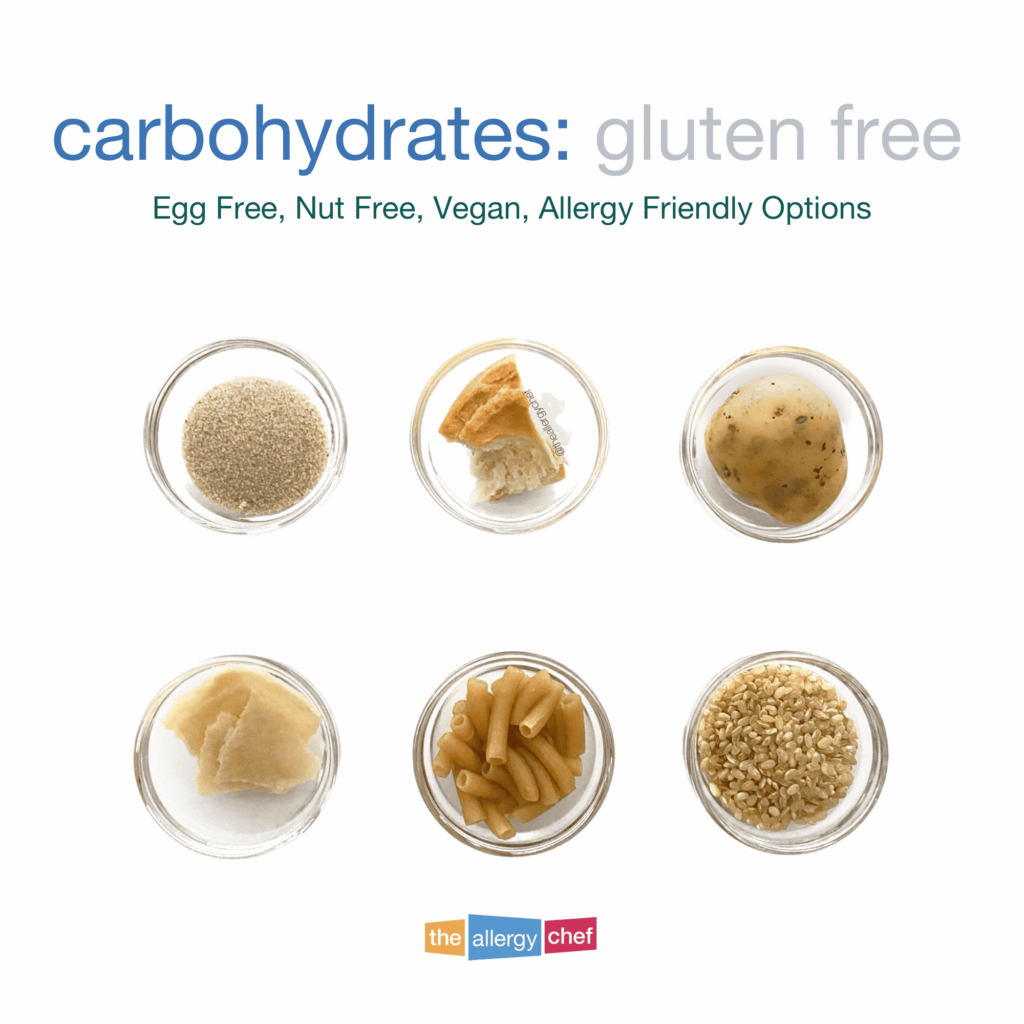
There are SOOOOO many whole grains to choose from that will be compatible with a GERD diet. I’ll list a few, but this no where near an exhaustive list.
- Brown Rice, White Rice, Wild Rice
- Gluten Free Grains (Buckwheat, Cassava, Millet, Sorghum, etc.)
- Oats (Rolled Oats, Steel Cut Oats, Oatmeal, etc., use this to make homemade granola)
- Quinoa
- Wheat (Whole Wheat, Wheat Flour, Wheat Pasta, etc.)
- Whole Grain Bread & Whole Grain Tortillas
 |
 |
Lean Meats & Lean Proteins
Lean meat comes in a wide range of options. Here are many to use in your recipes. I personally like to rotate thru proteins as they each have a different nutrition profile, and will bring different flavors to your plate (or bowl).
- Beans & Lentils: legumes are on the menu, and their fiber content can improve digestion over time, however, don’t start with a cup of beans if you’re not used to eating them as this can cause GI distress. Tofu, made from soy, is another great option to include in your meals. Other legumes include chickpeas (also called garbanzo beans), pea, lentils, kidney beans, and so on.
- Eggs (some need to avoid egg yolks due to the fat content and only eat egg whites)
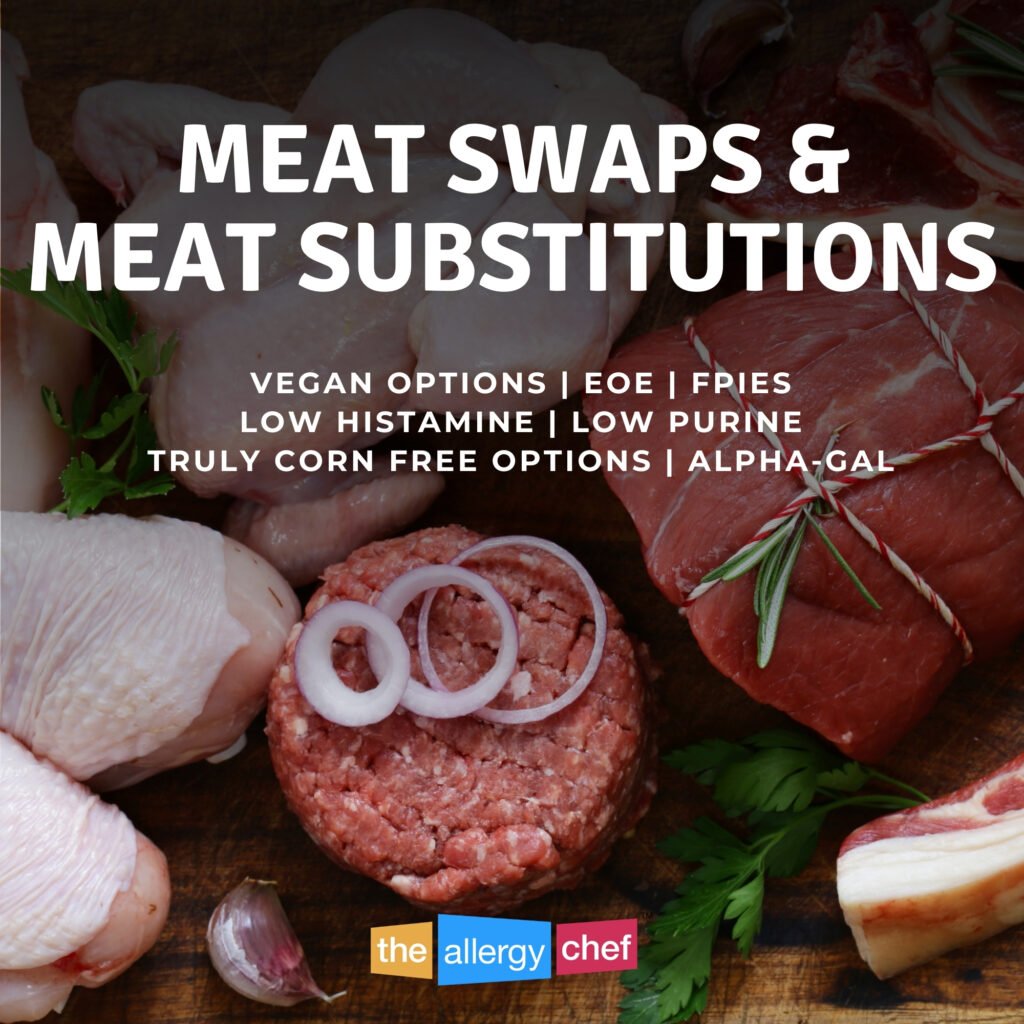
- Lean Mammal Meats: beef, bison, chicken breast, rabbit, and turkey (for some, you’ll need to specifically purchase a lean cut or lean grind).
- Seafood: fish such as tilapia, salmon, trout, and sea bass. Shellfish such as scallops, shrimp, and oysters. Generally, all seafood is on the menu.
Healthy Fats in Moderation
Whilst you’re going to need to avoid greasy foods and deep fried foods, there are still many healthy fats to choose from on a GERD diet. Make sure you’re making wise choices and look into monounsaturated fats and polyunsaturated fats as these will bring the good fats to the table.
- Cooking Oils: Avocado oil, coconut oil, olive oil, sesame oil, tiger nut oil (tuber, not a tree nut)
- Avocado and Homemade Guacamole (store bought guacamole will contain non-GERD ingredients)
- Tree Nuts: Almonds, Brazil Nuts, Hazelnuts, Macadamia Nuts, Pistachios, Walnuts
- Seeds: Chia Seeds, Hemp Seeds, Flaxseed, Pumpkin Seeds
- Fatty Fish such as Salmon
Tea, Broth, Stock, and Bone Broth
Beef stock, chicken broth, and bone broth are all excellent items to make at home. You may be able to purchase clean/minimal/organic options, but due to how common onion is as an ingredient, you may need to make these at home.
When you make these at home, you can cook with them to make flavourful soups, stews, and more. You can also use them to cook rice, quinoa, and pasta in to add more flavour to your meals.
You can also consume some herbal teas on a GERD diet, such as chamomile, ginger, and lavender which are all naturally caffeine free . Ginger tea is a well loved digestive aid, and has anti inflammation properties. You can easily make ginger tea at home with organic dried ginger pieces.
Seasonings to Use on a GERD Diet
To avoid having bland and boring meals, it’s important that you learn how to salt and season your food well. Whilst you’ll need to avoid most seasoning blends as they contain onion and garlic, you can still make your own combinations as home. Also, lean into fresh herbs such as fresh dill or fresh parsley with your meal, as they can provide macro nutrients and a nice pop of flavour.
- Salt (sea salt, pink salt, finishing salt, smoked salt)
- Basil
- Bay Leaf
- Caraway
- Cardamom
- Celery Seed
- Cilantro
- Cinnamon (not all individuals can tolerate warming spices)
- Cumin
- Dill
- Fennel
- Juniper Berries (excellent with apples, pork, and game meats)
- Lavender
- Marjoram
- Mustard (not everyone can tolerate mustard seed)
- Oregano
- Parsley
- Rosemary
- Saffron
- Sage
- Tarragon
- Thai Basil
- Thyme
- Turmeric
You can make a faux Italian seasoning combination with basil + marjoram + tarragon + thyme. Be sure to explore other combinations though, as seasonings have a wide range of pairings.
GERD Condiments (Ketchup, Mayo, etc.)
Some condiments such as mayo fall under the category of high-fat foods where others such as ketchup and BBQ sauce will contain copious amounts of common food triggers.
The most common US condiments are ketchup, mayonnaise, mustard, ranch dressing, and BBQ sauce. Mayo is the one condiment that some individuals may be able to tolerate in small amounts whilst others are going to need to eliminate it completely.
One of the easiest ways to enjoy condiments is to make them at home. This allows you to control all of the ingredients, based on your individual threshold/tolerance level. You can also search online for “GERD + condiment name + recipe” and find a lot of good options to choose from.
It may not seem like a big deal, but making lots of simple changes (different spice blend, new condiments, etc.) can add up to relief.

Ketchup & BBQ Sauce Alternatives
Nomato (no tomato) sauces are going to be the best ketchup and BBQ alternatives available. However, there’s a good chance you’ll need to make them at home because most nomato sauces are designed for people who are nightshade free only, or AIP Paleo. These diets still allow for onion, garlic, and vinegar.
If you can tolerate those three ingredients in small amounts, then you should absolutely try something like this and see if you like it. That brand offers a wide selection of sauces and condiments.
Mayonnaise Alternatives
It’s important to know that mayo is essentially flavoured fatty creamy goodness. It doesn’t matter if you’re purchasing egg based mayo or vegan mayo, it’s mostly fat (vegan alternatives use oil in place of the egg).
A lot of low fat mayo uses thickeners, gums, and stabilizers that read more like a science experiment than food. So then, what’s the alternative? Lean into spreads made from healthy fats, in small amounts.
You can purchase organic mayo made with avocado oil from pasture raised hens which is about as good as it gets. You can also make a spread from avocados at home. They key will always be moderation, and eating an amount that works for your personal needs.
Mustard Alternative
Mustard is a tricky condiment because two of the main ingredients (mustard seed and vinegar) in this particular food are both usually avoided. Plus, the other main ingredient (oil) can push this condiment into the high fat category if you consume too much of it.
From a commercial standpoint, sauerkraut could be a great mustard alternative. It’s naturally fermented (making it good for gut health), and isn’t made with vinegar or added spices. It will have a little kick, and some crunch as well. However, you could blend it and make it dip-able.
From a chef’s point of view, I’d suggest making a ginger + asafoetida spread, managing your expectations. The ginger will provide a little heat, like with mustard, and the asafoetida (also called hing) can bring in an aromatic quality like onion. Is this mustard? Nope. Not even close. Will it be a nice spread? Yes, and that’s the part you’ll have to focus on.
Also remember, some people can tolerate a condiment like prepared mustard in small amounts, so talk with your medical team about your personal tolerance levels.
7 Day GERD Diet Plan
Below is a sample 7-day meal plan that eliminates common trigger foods and is pretty easy to make. I’ve also included notes, along with recipes where applicable. If you’d rather have this as a downloadable PDF, click here and I can email it to you.
Sunday
- Breakfast: Spinach Banana Pancakes + Homemade Breakfast Sausage
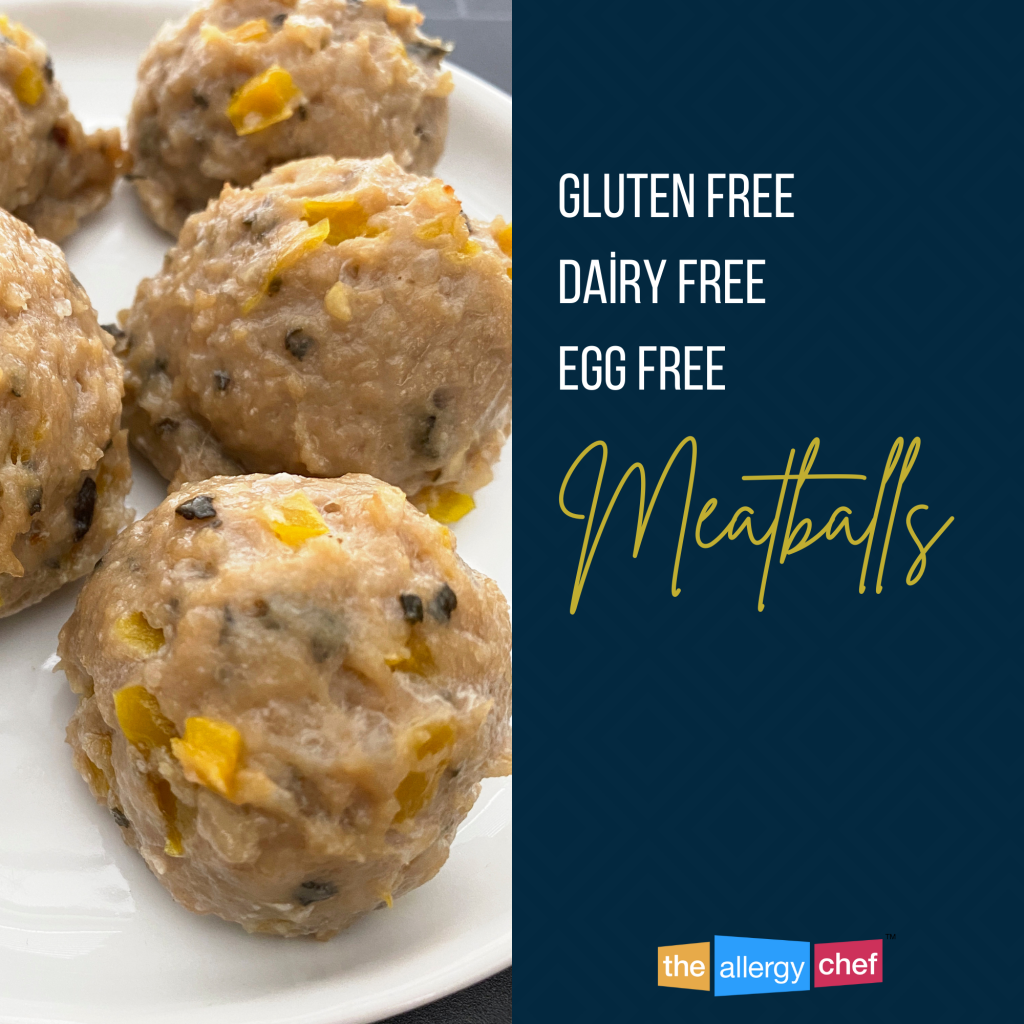
- Lunch: Chicken Meatballs + Salad
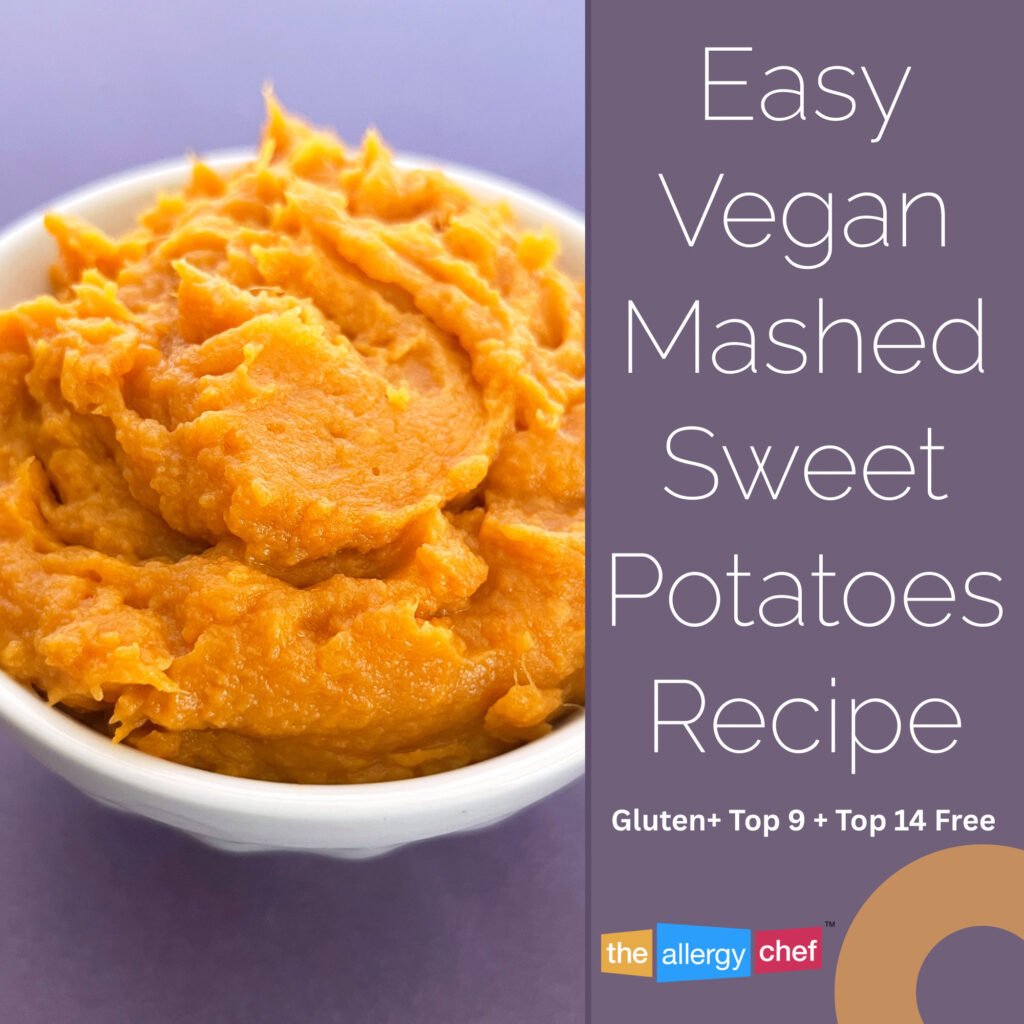
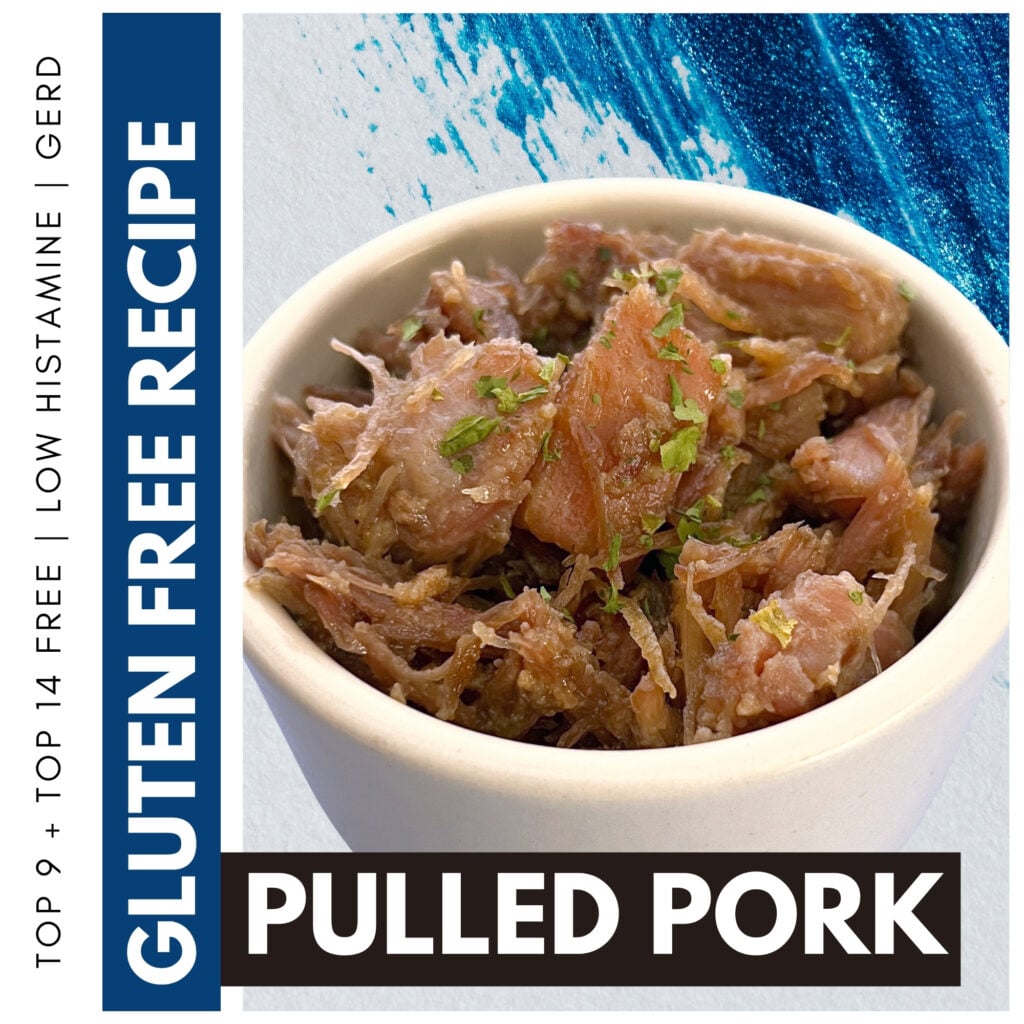
- Dinner: Candied Honey Pressure Cooker Pork + Dairy Free Mashed Sweet Potatoes
Note: Use the weekend as the day to get ahead. These three suggested meals are all batch cooking ready. Double or triple the recipes, and store the leftovers in the freezer, in labeled airtight containers. This is also a great day to steam some brown rice and store it in smaller portions so you can grab one from the fridge as needed.
You can make homemade croutons by adding herbs to a slice of whole grain bread, then toasting it in the oven or air fryer. Once you’ve got your whole grain toast, use a sharp knife to cut it into crouton sized pieces. For best results, this is something you’ll want to make fresh whole-grain toast, just before eating, rather than having it sitting around all day waiting for lunch time.
 |
 |
 |
 |
Monday
- Breakfast: Baked Strawberry Banana Oat Bars
- Lunch: Easy Tuna Salad + Apples
- Dinner: Chicken Noodle Soup Flavored Rice

Tuesday
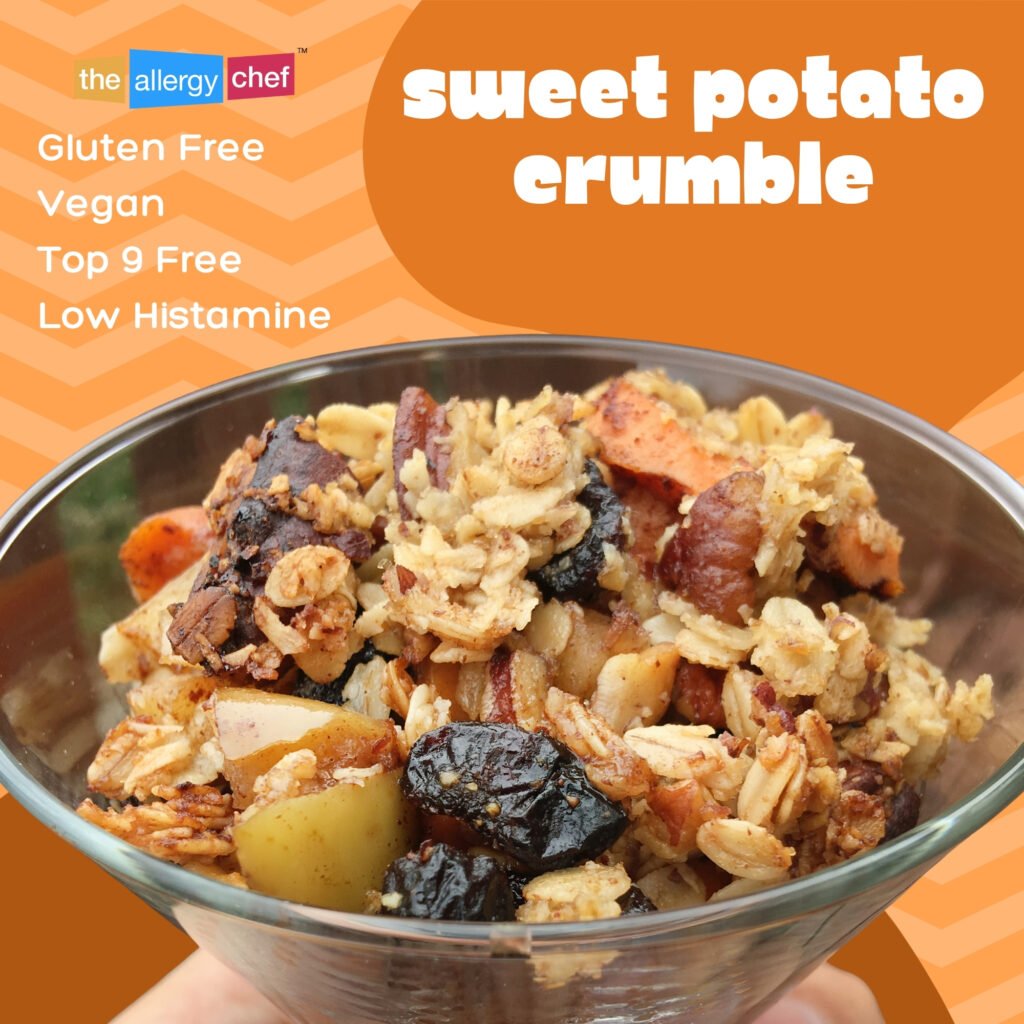
- Breakfast: Sweet Potato Crumble
- Lunch: Leftover Honey Pork + Vegetable Spears + Tortilla (make it a wrap)
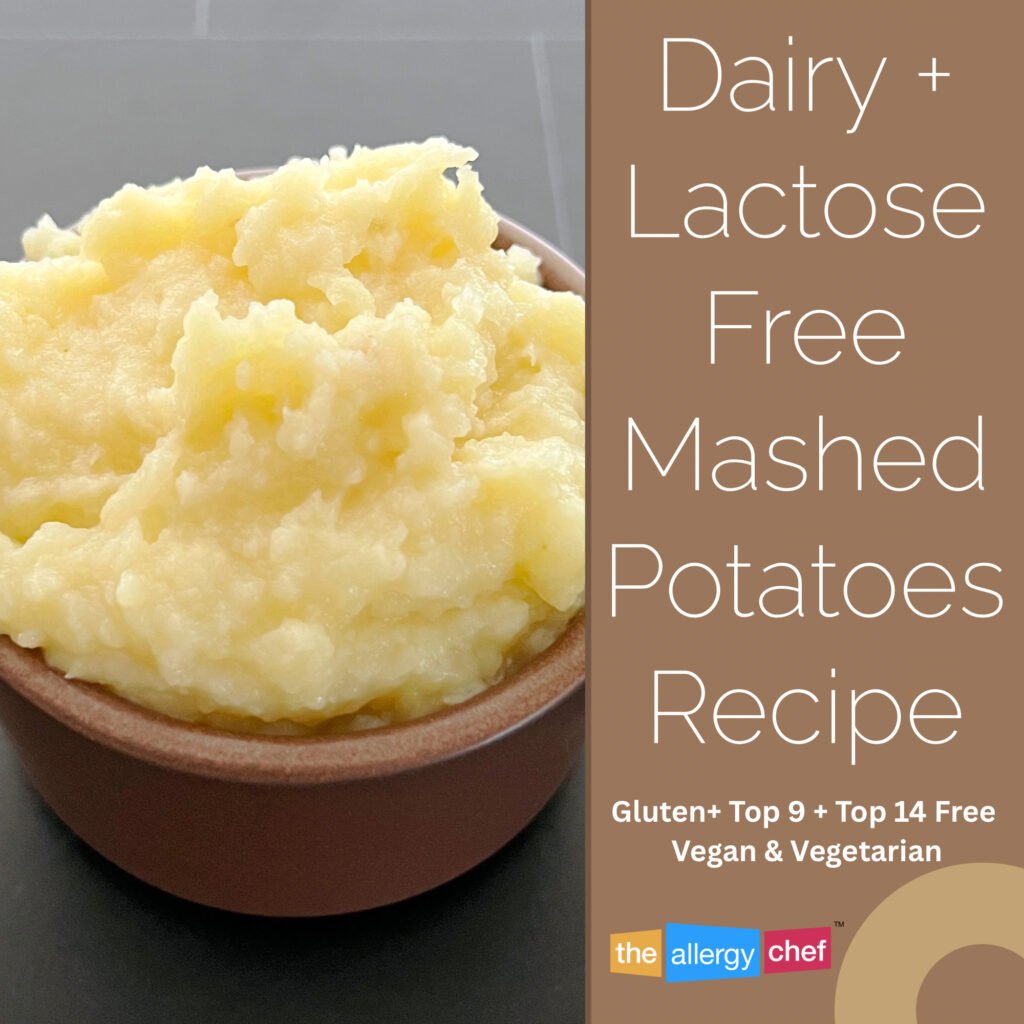
- Dinner: Easy Ground Pork & Peaches + Dairy Free Mashed Potatoes
 |
 |
 |
 |
Wednesday
- Breakfast: Leftover Spinach Banana Pancakes (from the freezer)
- Lunch: Leftover Meatballs + Carb of Choice
- Dinner: Kale & Date Chicken
Note: Try eating your meatballs with a whole-grain tortilla and something fresh like cucumber slices or a low fat homemade slaw.
|
|
 |
Thursday
- Breakfast: Leftover Sweet Potato Crumble (suggest reheating, not eating from cold)
- Lunch: Grilled Fish Taco + Avocado Slices
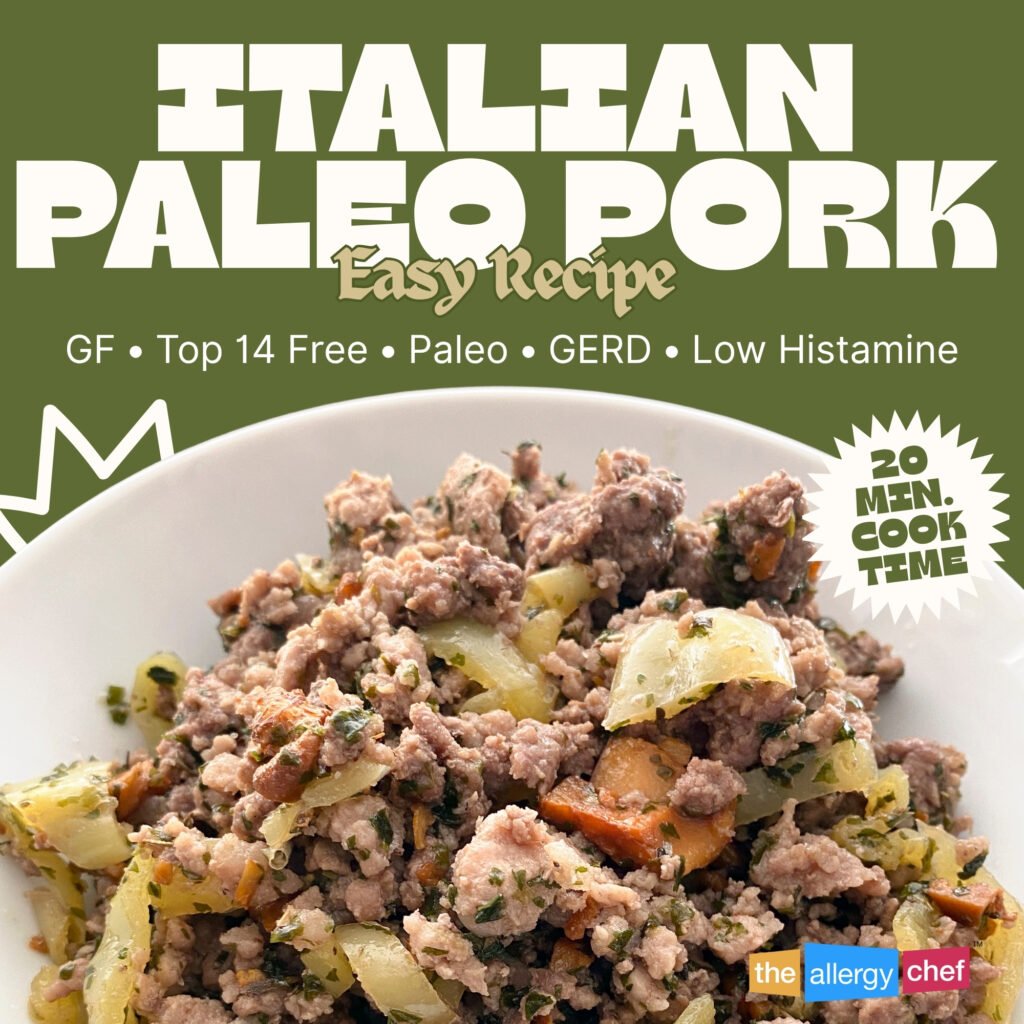
- Dinner: Easy Italian Pork + Brown Rice + Steamed Veg of Choice
Note: You can swap the pork for lean ground turkey, ground chicken, or another ground protein you enjoy.
|
 |
Friday
- Breakfast: Leftover Baked Strawberry Banana Oat Bars
- Lunch: Carrot Cake Waffles + Green Veg of Choice
- Dinner: Leftover Kale & Date Chicken + Mashed Sweet Potato
|
 |
|
|
Saturday
- Breakfast: Maple Banana Oat Squares + Smoothie
- Lunch: Cheese Free Creamy Mac + Oven Roasted Veg
- Dinner: Homemade Pot Pie

Snacks & Desserts for the Week
- Fresh Fruit (banana slices, melons, berries, etc., you can even prep up a homemade fruit salad)
- Homemade Hummus
- Vanilla Protein Power Balls
- Pumpkin Protein Power Balls
- Tiger Nut Ginger Cake
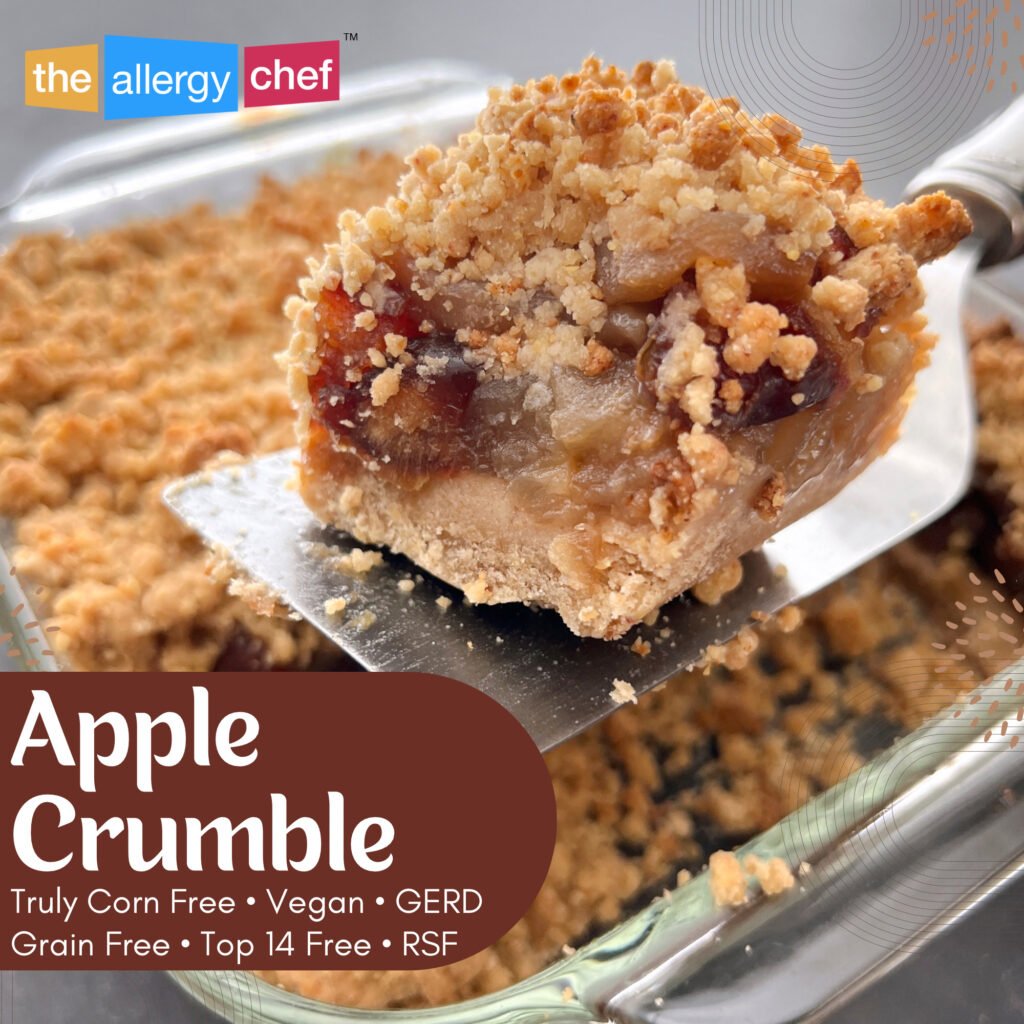
- Grain Free Apple Crumble
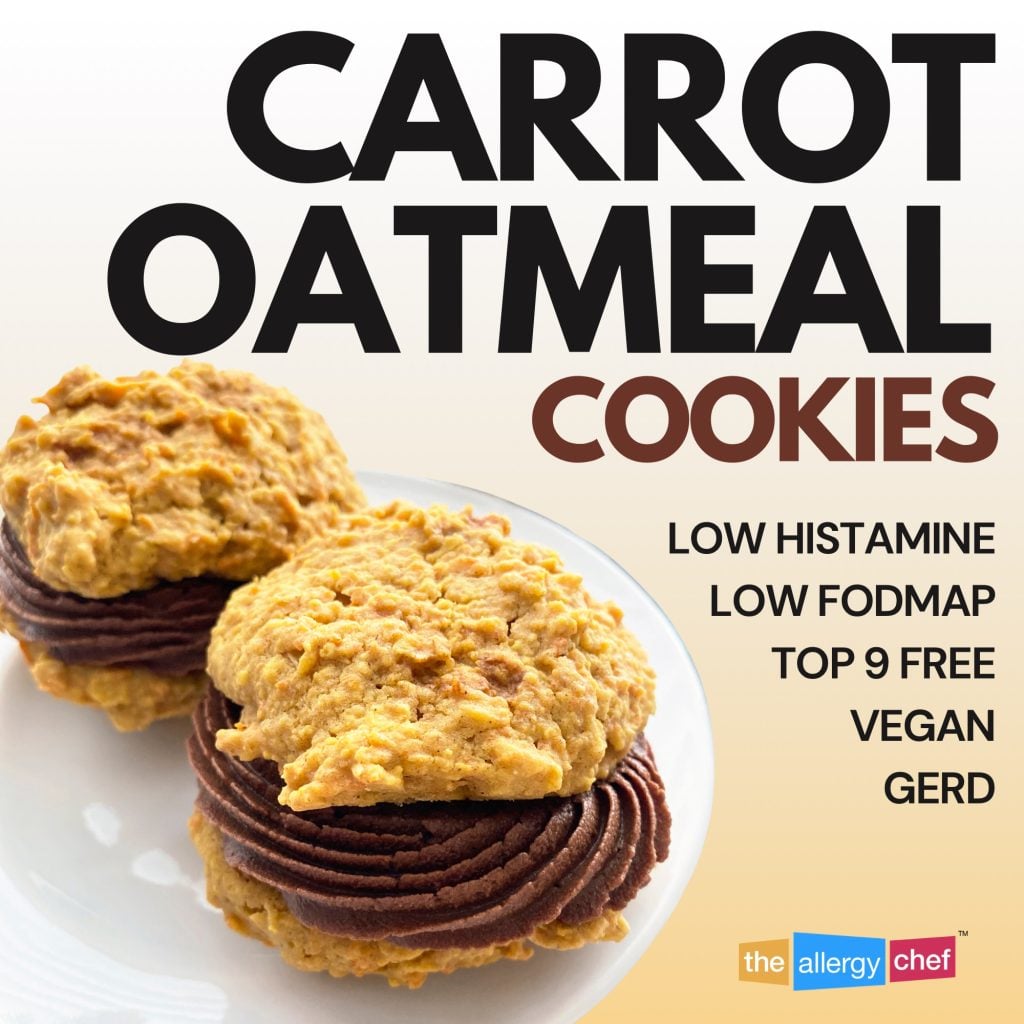
- Carrot Oat Cookies
 |
 |
 |
 |
Smaller Meals vs Large Meals
When it comes to the daily management of GERD, you should take the time to learn if your body responds better to smaller meals versus large meals. As you make changes to your eating habits, keep a detailed food diary/food journal so you can rack your progress, and really know if it’s working.
When you take the small meal approach, you eat smaller and a bit more frequent meals. If your starting point is eating at 7am, 12pm, and 6pm, but large meals, your new approach may be small meals at 6:30am, 10:30am, 2:30pm, and 6:30pm. Remember, as you adjust your eating patterns, you want to avoid eating too close to bedtime, as this can cause trouble when you lay down.
In terms of portion size, an easy way to start is to weigh your regular meals for a few days using a kitchen scale. Let’s say your grand total for the day is 1400 grams (50 ounces/3.125 lbs). Rather than eat about 460g 3x per day, eat 350g 4x per day. A simple redistribution of your food may take some of the extra pressure off the sphincters. If you find that this change gives some relief, but there’s room for more, shave off 30 grams (1 ounce) per meal. It doesn’t seem like a lot, but it can be the difference between some relief and complete relief.
The reason this may work for you: larger meals put extra pressure on the sphincters that keep stomach contents where they belong. which can inhibit healthy digestion and trigger GERD symptoms. When you eat a smaller meal, it gives your physical anatomy literal room to breathe.
I’ll also add this: not everyone who makes all of the significant changes sees massive improvement. If you’re sticking to the appropriate diet, but not finding relief, keep a detailed food journal. Make an appointment with your physician and discuss different diet options such as an AIP Paleo diet which is all about anti inflammation.
Whilst the GERD diet is great at helping reduce or eliminate acid reflux, it’s not an anti inflammatory diet by design, and if you have other health issues, you may need a multi-pronged approach.

Creating Balance When Managing GERD & an Acid Reflux Diet
Anytime someone learns that they need to follow some kind of restricted diet, they often think about two things: all the foods they’ve lost, and how imbalanced their meals will be moving forward.
First, as a person who manages more than 200 food allergies and intolerances, I want to encourage you to flip the script. Don’t think about everything you can’t have, but instead, focus on what you CAN have. It’s much easier said than done, but if you can do it, you’ll find that there’s less mental drain from managing your diet.
Second, you can create balance with a simple recipe (or meal) formula: protein + produce + starch + texture. That’s it. Honestly, there are so many GERD-friendly ingredients available to you that I’m certain you can put that formula to work. Here are a few examples:
- Lean Bison + Chopped Romaine + Small Diced Japanese Sweet Potato + Blackberries (an amazing warm salad)
- Ground Chicken + Oven Roasted Green Beans + Basic Cream Sauce + Buckwheat Crisps (creamy dip + faux crackers)
- Homemade Breakfast Sausage + Oven Roasted Peas + Pancakes (simple breakfast)
Hopefully you can see that it is possible. Focus on what you can have, rotate thru available ingredients, and you’ll create balance. Remember, when it comes to healthy eating habits, don’t stress over making every single meal “perfect”. Instead, build healthy eating habits over a week. Take a step back and look at your weekly meal plan and ask, did I balance out the nutrients? Should I tweak it a little?
Looking at a week, rather than a day, will make it much easier to create balance in the long run.

What is GERD
You may be aware of heartburn (an occasional common condition), but GERD (gastroesophageal reflux disease) is more than regular heartburn. It’s when a person experiences ongoing heartburn (some describe this as a burning sensation in their chest) several times a week, has a tendency to become more severe over time, and can occur at night (waking the person up). The ongoing occurrence is what makes this a chronic condition.
GERD can also be called chronic acid reflux, but first we need to know, what is “reflux”? Reflux is defined as the flow of fluid through a vessel or valve in the body, in a direction opposite to normal. So when we put the two together acid + reflux, we get “the flow of acid in the wrong direction”. In the case of GERD and acid reflux, it’s moving back up towards the mouth rather than down towards the intestines and digestive tract.
How Fatty Foods Trigger GERD Symptoms
I personally think that when you have a better understanding of how the mechanisms in the body work, it makes it easier to not only understand our medical conditions, but also be invested in improving our overall health. So, let’s take a look at fatty foods.
When you eat fatty foods and they enter the stomach pouch, this triggers the release of a hormone called cholecystokinin (also called CCK). This in turn can cause the lower esophageal sphincter (also called LES) to relax. The chronic relaxing or malfunctioning of the lower esophageal sphincter is what allows for the reflux to happen, which then causes your symptoms.
Another way to think about this: your LES is like the door to your house. If it’s locked up tight, nothing gets in. When it’s left wide open, wind, debris, and who knows what else can enter. However, just like a door to your home, it can be left ajar (open a tiny bit), or wide open. How open the door is indicates how much stuff can enter your home.
The same is true of your LES. In some patients, there’s only slight disfunction whilst others are experiencing chronic, full on disfunction. Some foods diminish the function and ability of the LES, which is what a GERD diet or acid reflux diet seeks to correct.
Common GERD Symptoms
Symptoms of GERD can include:
- Upper Abdominal Pain
- Chest Pain
- Burning Sensation in Your Chest
- Difficulty Swallowing
- Lump in the Throat
- Sour Liquid Backwash
- Nausea
Whilst these are the most common acid reflux symptoms, remember, no two people are the same. You may experience some, none, or all of them. Additionally, you may have symptoms that aren’t on this list.
A great way to track not only symptoms but any progress made from diet and lifestyle changes is to keep a detailed food journal. This will also help you have a better understanding of your unique trigger foods, and also if you have a threshold on the amount of food eaten to cause a flare in symptoms.

Foods to Avoid on a GERD Diet
As you read over this list, you’ll notice that the common thread for most of the items are acidic foods and fatty foods. In a nut free nutshell, those are the most common triggers for those managing acid reflux disease and GERD. The following foods should be avoided, unless otherwise directed by your medical team:
- Alcohol
- Bacon
- Bell Peppers
- Butter (in high amounts)
- Caffeine (including coffee)
- Carbonated Beverages/Fizzy Drinks
- Cayenne
- Chili Powder
- Chocolate
- Citrus (including lemon juice, lime juice, orange juice, etc.)
- Cream Cheese
- Cream Based Soups (made with dairy cream, not a creamy soup made with a thickening agent)
- Cured Meats with a High Fat Content
- Dairy & Egg Based Puddings (think: pudding made with fatty ingredients such egg yolk)
- Egg Based Mayonnaise (small amounts of egg free may may be tolerated, but it’s not completely fat free)
- Fast Food (think: traditional greasy not good for you foods rather than a grilled chicken salad option)
- Fatty Foods in General
- Fatty Red Meat
- Fried Foods
- Full Fat Dairy Products (cream, sour cream, etc.)
- Garlic
- Greasy Foods
- High Fat Foods (butter, cheese, ice cream, etc)
- Ice Cream (made with traditional ingredients, see this article on GERD friendly ice cream)
- Onions (green onion, white onion, yellow onion, red onion, purple onion, scallions, shallots)
- Peppercorn (black pepper, white pepper, green pepper, pink peppercorns)
- Peppermint
- Pineapple
- Salad Dressing (most will contain ingredients you can’t have, but you can make delicious salad dressing at home)
- Salsa
- Spearmint
- Spicy Foods (including spices such as cayenne pepper and condiments such as hot sauce)
- Tomato (including tomato sauce, fresh tomatoes, jarred tomatoes, tomato paste, etc.)
- Vinegar
- Whole Milk
It’s important to note that these foods are mostly healthy foods for those who aren’t managing GERD. The issue for those battling acid reflux is that on an empty stomach, these foods can cause acid reflux and lead to you experiencing symptoms.
For those who enjoy milk, especially because it’s known to alleviate heartburn in the short term, fat-free milk in small amounts is the way to go. Know that milk, in the long run, can increase stomach acid production which is what we’re trying to avoid.
Answering Your GERD Diet Plan Questions
Will this GERD diet plan help with weight loss?
This 7 day GERD diet plan doesn’t focus on weight loss, but instead on eliminating the foods that can trigger GERD symptoms. I would suggest printing out this meal plan and taking it to your registered dietitian or healthcare provider to see if it’s the best fit for your personal goals.
They may feel that it’s good as-is, or suggest some tweaks that will make it right for you. Remember, no two people are the same. As you eliminate food groups in your quest to experience significant improvement with your GERD symptoms, and tackle weight loss, keep a detailed food journal. This will help your medical team determine if the significant changes you’re making are really working for YOU.
Are hard-boiled eggs GERD friendly?
The good news is that the egg white will for sure be a GERD friendly option. The egg yolk is where the fat is contained, and depending on your personal thresholds and tolerance for fatty foods, you may or may not be able to eat the yolk.
Talk with your healthcare provider as you go about planning your individualized GERD-friendly diet plan. If you can tolerate approximately 30g of fat in one sitting (the amount found in an egg yolk), then you’d be OK to give it a go. If not, you can boil the eggs and use just the whites to make something like an egg salad sandwich. Above in the article, I list out some mayo alternatives if you need one for said sandwich.
Is almond milk a good dairy free GERD option?
That’s going to depend on how the almond milk was made. A fresh, raw almond milk, or one that’s made with almond butter + water, may have a fat content that’s too high for your personal needs.
However, some commercial brands that sell almond milk make it pretty thin (which some consumers complain about). However, this low almond content is what can make it right for you.
Before purchasing any kind of milk, read the ingredient label and see how much fat is present per serving. From there, you can make the best choice for your personal needs.
Can I eat peanut butter on a GERD diet?
Peanut butter is one of many food items that’s considered a high fat food. However, organic peanut butter would also be considered a healthy fat, which some GERD patients can tolerate in small amounts.
Talk with your physician about your personal daily limits for fat consumption (or how much you can have in one meal). From there, do the math and see what a serving of peanut butter would look like for you, then use it creatively.
If you’re told that your limit for now is zero, consider soy bean butter or chickpea butter made without oil. You may need to make this at home, but a bean based butter would get you in the right ballpark.
On the other hand, if you’re given the green light to have a small amount, use your kitchen scale to divvy up the proper amount, then consider mixing it with something else to make a peanut butter flavoured spread.
Is there a way to still enjoy spicy meals on a GERD diet?
Unfortunately, not really. Fresh ground mustard seeds (not everyone can tolerate these) may give you a little kick, but there isn’t a GERD compliant ingredient that brings the heat. The compounds responsible for said heat are the same compounds that tend to trigger GERD symptoms.
Ginger may be an option, but in large amounts, it might trigger symptoms in some patients.
What can I drink as an alternative to orange juice?
I’d suggest making some tasty drinks at home with something like blended coconut water and a blended fruit such as strawberries. You might be able to purchase something like this, but you’ll save a good amount of money if you make it at home yourself. Here are a few more coconut water combos that might interest you:
- Coconut Water + Peach (get yellow peaches as they’ll taste better in this blend than white peaches)
- Coconut Water + Blueberries
- Coconut Water + Watermelon
You can also make these drinks like a smoothie by freezing coconut water in ice cube molds, or blending cold coconut water with frozen fruit.
Are there gluten free whole-grain crackers I can eat?
Yes, there are a few whole grain cracker options that are also gluten free. The top suggestion I can give you is a whole grain rice cracker, which will generally be easy to find in stores. The good news is that a lot of gluten free crackers are made from whole grains. However, you need to check the fat content before purchasing, as a lot of said crackers have nuts and seeds as part of the ingredient list. Here are some options to get you started:
- Brown Rice Crisp
- Brown Rice Thins
- Coconut Crackers
- Crispberad (several varieties)
- Multigrain Crackers
- Oat Crispbread (mind the fat content on this one)
- Rice & Seed Crackers
- Veggie Pita Crackers
Can I eat low-fat yogurt on a GERD diet?
In all likelihood, yes, you’ll be able to eat low-fat yogurt. Some individuals aren’t able to tolerate any dairy products, but most find that intake of low-fat milk and dairy doesn’t trigger their GERD symptoms.
Ask your medical team if they think it would be a good fit for you, based on your individual case. If they give you the green light, start with a small amount and track how you feel in your detailed food journal.
Is mint the same thing as peppermint?
In terms of botanical identification, mint, spearmint, and peppermint usually refer to different plants. However, in the scope of a GERD diet, you’ll want to avoid all three.
Interestingly, there are dozens of varieties of mint, so when you see the term “mint” it’s usually referring to a non-peppermint variety. When a recipe developer wants you to use peppermint, they usually call for it by name (or peppermint extract or peppermint oil).