
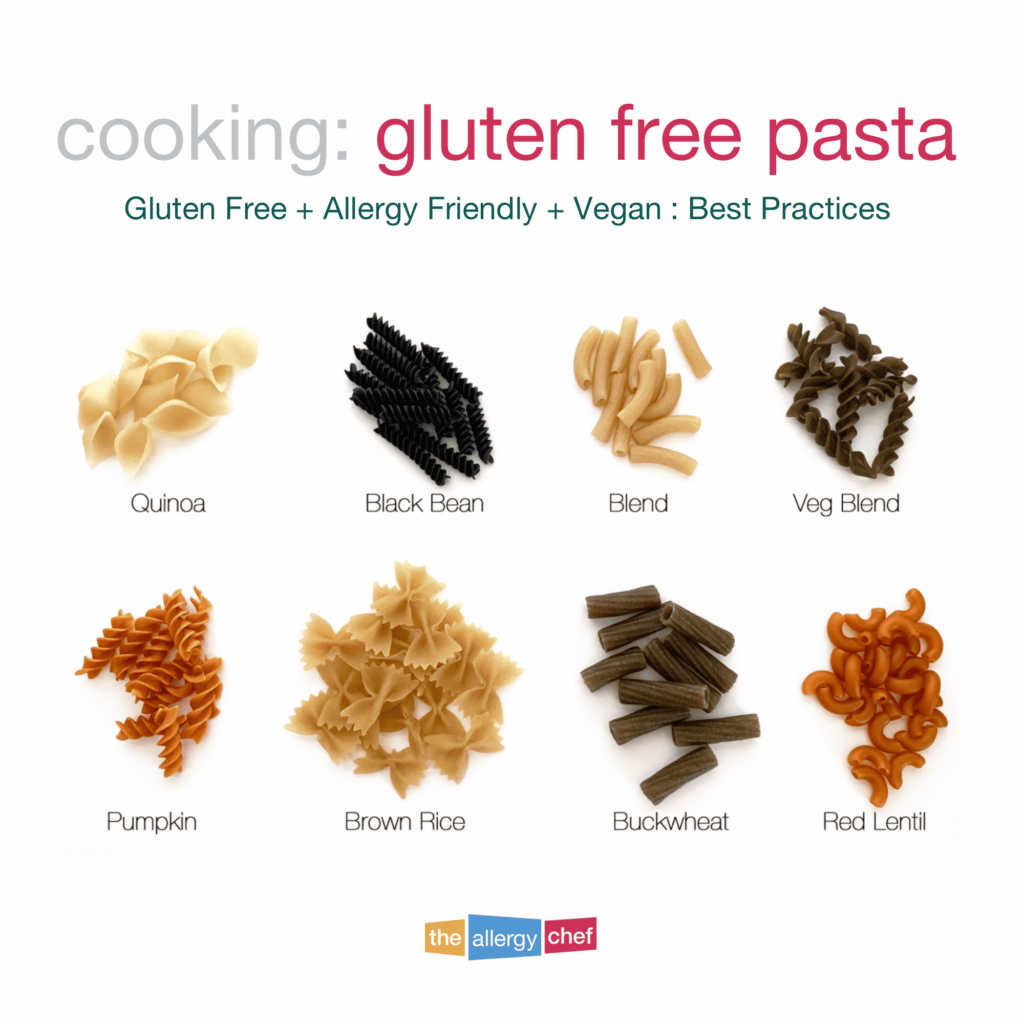
There are so many gluten free pasta brands and pasta varieties to choose from today, so let’s do a deep dive. Not only will I be sharing brand options for gluten free, but I’ll cover egg free pasta brands, grain free pasta brands, and grain free pasta alternatives you can make at home.
If you need gluten free bread or gluten free crackers, check out these resources as well.
 |
 |
Choosing a Pasta Shape
Each brand will offer at least two or three classic pasta shapes. Brands such as Jovial have a pretty extensive line whilst other brands only have one or two types of pasta shapes to choose from.
Ultimately, the pasta shape will alter your sauce’s ability to adhere, and in some cases, the overall eating experience (thin vs thick). Common pasta shapes include:
- Angel Hair Pasta or Capellini (great for creamy sauces)
- Bow Tie Pasta (Farfalle, fun for kids, versatile shape)
- Bucatini (amazeballs because of the hole that traps sauce)
- Caserecce (good for holding on to thicker sauces)
- Fettuccine (fantastic for meat and seafood pasta)
- Fusilli (spirals)
- Lasagna Sheets
- Macaroni (also called elbow noodles, classic mac n cheese noodle)
- Mafalda (like the ruffled sides of lasagna, but bite sized)
- Manicotti (amazing, like a cannoli tube you can stuff)
- Penne Rigate
- Shells (large and small, large shells can be stuffed and baked)
- Spaghetti
Diet Types to Know
As you shop for gluten free pasta and allergy friendly pasta, it’s important that you understand which diet types you overlap with, as this can make shopping a little easier.
US Gluten Free = Gluten Free, Rye Free, Barley Free, can contain wheat starch
US Top 9 Free = Wheat Free, can contain rye, barley, and oats.
EU/UK Gluten Free = Wheat Free, Rye Free, Barley Free, can contain uncontaminated oat products
EU/UK Very Low Gluten = can contain gluten free wheat starch, and can test at 21 – 100ppm gluten.
UK/EU Top 14 Free = Gluten Free, Wheat Free, Rye Free, Barley Free, Oat Free
Wheat Free = Wheat Free, can contain rye, barley, oat
Paleo = Gluten Free, Wheat Free, Rye Free, Barley Free, Oat Free
Keto = Not gluten free by default, can contain oat fiber, wheat, and other major allergens, it’s about the carbs, not the allergens
AIP Paleo, GAPs, SCD = Gluten Free, Wheat Free, Rye Free, Barley Free, Oat Free
Vegan & Vegetarian = Not gluten free by default, can contain all gluten containing grains
Taste Notes
As you know, I always strive to be so transparent with you. I’ve had my tasters try so many gluten free pasta brands and egg free pasta brands over the years. It’s so hit and miss that it’s not even funny.
I’m told that pasta from chickpeas, unless smothered in a sauce, tends to be one of the worst options. Chickpea flour is loved by some people, whilst others find it entirely off putting. Only choose chickpea flour pasta if that’s your only option (or you LOVE chickpeas), and even then, shop around.
Pasta made with brown rice flour is not only the most popular sold at the supermarket these days, it also seems to be the type of gluten free pasta a lot of people can agree on. If you’re new to managing a wheat allergy or gluten sensitivity, I’d suggest starting there.
If you see specialty pastas like cauliflower pasta, spinach pasta, beet pasta, and so on, tread lightly. The best part about these options is the added nutrition from the veggies, however, these particular alternative options need to be smothered in a really delicious pasta sauce.
Gluten-Free Pasta Brands & Options (Egg Free Pasta Brands)
When a recipe calls for a pasta of choice, it really does mean a pasta of choice, so if you’re gluten free or wheat free, you’re in luck. These days, there are LOADS of gluten-free pasta (many organic) options to choose from. Here’s a non-exhaustive list to get you started.
Critical Note: Most brands don’t disclose up front if their pasta is made on shared equipment with wheat. Get in touch before sampling if this is an issue. Also, where brands use oat or oat fiber, make sure it’s from gluten free oats.
Nationwide Shipping: These days, many brands ship from their website nationwide, so be sure to check. You may also find more products to choose from.
- Amish Wedding Foods (rice + egg yolk pasta)
- Ancient Harvest (quinoa pasta, lentil pasta, corn blended pasta)
- Andean (white rice + quinoa blend, several flavour options)
- Banza (chickpea pasta, brown rice pasta)
- Barilla (corn and rice blend)
- Big Green (buckwheat pasta, millet pasta [this one is deemed pretty good by those who can have wheat], sweet potato blend, ramen, lots of shapes to choose from, single ingredient pastas)
- BioNaturae Gluten Free Pasta (usually a blend of ingredients)
- Chef’s Kiss (lupin + cassava + psyllium, very clean looking brand, organic)
- Chickpea (organic, yellow pea + chickpea blend)
- Dr. Gundry MD (sorghum single ingredient pasta)
- Explore Cuisine (black bean pasta, edamame pasta, red lentil pasta, chickpea pasta, brown rice pasta)
- Garofalo (from Italy, corn + rice + potato + quinoa blend)
- Giadzy (from Italy, corn + rice blend)
- Heaven & Earth (brown rice pasta, grain free cassava pasta, hearts of palm pasta)
- Jovial Foods Brown Rice Pasta (my kids who can have wheat swear this is the best GF pasta and is the closest to wheat pasta)
- Kaizen (lupin bean + fava bean + tapioca blend)
- Le Veneziane (corn and stabilizers)
- Living Now (quinoa + rice + amaranth blend)
- Lotus Foods (Ramen Noodles [these cook up in 3-4 minutes], Asian style noodles [pad thai, pho, etc.])
- Natural Heaven (hearts of palm, single ingredient)
- Rummo (from Italy, brown rice + corn + potato blend)
- Sanniti Italian Gluten Free
- Taste Republic (wide range of options, including filled pastas)
- The Only Bean (variety of bean only pastas)
- Tinkyada Brown Rice Pasta (great if you have a corn allergy)
- Veggie Craft (pea and lentil base with additional vegetables blended in, several options)
- VeggiePasta (red lentil pasta, yellow pea pasta)
Gluten Free Pasta With Eggs
Know that there are more brands in this category, but I also had to take reviews into account. One brand in particular had more than 25% 1 star reviews and a LOT of complains, and were left off of this list.
- DeLallo (contains corn, egg, rice, may contain soy)
- Jovial (contains rice and eggs)
- Miracle Noodle (egg white noodles, shirataki noodles)
Grain Free Pasta Brands & Options
- Bean Pasta (black bean, soy bean, etc.)
- Buckwheat Soba Noodles (buckwheat is a seed, not a form of wheat)
- Cappello’s (almond flour + egg + tapioca base)
- Chickpea Pasta
- Glass Noodles (sweet potato noodles)
- Hearts of Palm Pasta
- Jovial Cassava Pasta
- Konjac Shirataki Noodles (Livivia has an interesting line)
- Lentil Pasta
Tip: If you decide to make pasta at home, experiment with unique flavours such as adding ground mushroom powder or even authentic truffle oil to your pasta dough.
Grain Free Pasta & Noodle Alternatives
If you’re looking to avoid all grains and pseudograins, here are a few grain free pasta alternatives you can lean into. These are options you can tap into for Paleo, Keto, AIP Paleo, GAPs, SCD, and more.
- Hearts of Palm Pasta
- Spaghetti Squash Noodles (fresh homemade or from dried)
- Salsify Noodles (great with creamy sauces)
- Sweet Potato Noodles (spiralize sweet potatoes and sauté)
- Turnip Noodles (spirialize turnips and sauté)
- Zucchini Noodles (made with a spiralizer, can eat raw or sauté)
Another method is to use a vegetable sheeter like this one. It’s an attachment for a stand mixer, however, you can also purchase a standalone unit like this one. There are lower priced options, but sometimes, you really get what you pay for.
Once you’ve sheeted the vegetable of choice, gently fold the long strip and cut like you’ve made fresh pappardelle. Depending on the vegetable you sheet, you can serve raw or lightly cooked.
Tip: A vegetable sheeter can also be used for fruit. If you enjoy making a wide range of non-traditional savory recipes and sweet recipes, a sheeter is awesome. If you’re only here to dabble, it may not be a good investment for you. I’ve used it for apple lasagna, sweet potato lasagna, and more. However, as a recipe developer, it’s a good choice for me.
Fresh & Filled Gluten Free Pasta & Allergy Friendly Options
This is an interesting pasta category that a lot of people ask me about. Your access to these products will be hit and miss. The good news is that some brands offer shipping from their website, however, I strongly suggest trying to find a single package locally so you can taste it before placing an online order. Online, there’s usually a minimum order amount involved.
- Beecher’s (this is frozen mac and cheese, not a filled pasta, contains egg and milk)
- Cappello’s (contains almond, milk, egg)
- La Pasta (contains milk and egg, has a may contain warning for most major allergens)
- Manini’s (millet + tapioca base, contains egg and cashew, yeast)
- Taste Republic (rice + potato + tapioca based, contains egg and milk)
Brands such as Amy’s and Kite Hill have dairy free filled pastas, but they aren’t gluten free. When searching online for leads, do an additional search with the term vegan for EF/DF, as you may find more brands this way.
Overall, there are aren’t a lot of options here, and that’s all down to supply & demand, plus cost of manufacturing. If you’re missing filled pastas, you can always make a super thick/rich pasta sauce at home and essentially have pasta covered in ravioli filling.
UK + EU Gluten Free Pasta Brands & Allergy Friendly Pasta Brands
As you may have guessed, I’m not from the UK or EU, so most of the brands in this article are geared for the US. However, here’s a short list of allergy friendly options I was able to find online. I’m sure there are a lot more to choose from. Also note, each brand has several options available.
Note: I can’t vouch for taste, texture, or allergen info, as I’m located outside of the EU. Hopefully these are good leads for you.
Standout Brand: Mill & Folks. As you look through this list, there’s a lot of rice and corn, or full on keto. This brand is one of the few that’s offering something a little different which is fantastic if you manage less common allergens.
- Amisa (rice option, buckwheat option, excellent free-from brand, they have more than just pasta)
- Barenaked Noodles (konjac + soy + oat)
- Barilla (corn + rice)
- Biofair (organic, rice + quinoa)
- BWFO (organic, red lentil options, brown rice options)
- Clearspring (organic, rice options, buckwheat options, pea + quinoa options, red lentil + rice options)
- Doves Farm (4 varieties of pasta bases, and they have a HUGE range of GF products with a dedicated website here)
- Eat Water (Keto, organic, they have a range of products available)
- Emma Basic (rice vermicelli, they offer quite a few gluten free Asian ingredients)
- Explore Cuisine (range of different legume pastas)
- Felicia (organic, buckwheat, rice, oat [oat + corn + rice + tapioca]
- Gallo (corn + rice)
- Garofalo (corn + rice + potato + quinoa, may contain warning for soy)
- Goldbaums (rice)
- goodFarm (chickpea pasta, red lentil pasta, organic)
- Granoro (corn + rice)
- Keto Chef (konjac + gluten free oat, they have a range of products available)
- Keto Skinny (organic, konjac + gluten free oat)
- King Soba (buckwheat, carries a may contain statement for nuts, soy, and sesame, they also make rice paper wraps)
- La Molisana (rice + corn + tapioca + quinoa, seems to have good reviews)
- Maidea (corn + rice)
- Mill & Folks (quinoa + millet + psyllium, other blends and varieties are available)
- Morrison’s Free-From Fusilli (corn + rice)
- Palmini by OA Foods (Hearts of Palm)
- Profusion (red lentil, single ingredient, yellow lentil also available)
- Profusion (chickpea, single ingredient)
- Real Naturals (ramen noodles, rice + tapioca)
- Rummo (rice + corn + potato, they also have a legume line)
- Schär (corn + rice + millet, carries a may contain statement for soy, brand has a wide range of products available)
- Seggiano (different options available, they have more than what’s on Amazon, check their website)
- X.O. (brown rice vermicelli)
Purchasing Pasta with Celiac Disease or a Wheat Allergy
I’m going to level with you: there’s more to your food than what’s on the packaging and in the ingredient list, even if it’s certified gluten free.
For some people with food allergies or Celiac Disease, eating food made on shared equipment with wheat simply isn’t an option. However, most brands don’t put this info on the package, and only some put the info on their website.
If you’re new to managing food allergies and medically restricted diets, you need to learn about shared equipment, shared facility, and so on.
I’ve shared detailed information in my free eCourse Food Allergy Help 101: Celiac Disease and Wheat Allergy.
You may be thinking that a certified gluten free item you find at the grocery store isn’t made on shared equipment. Spoiler alert: most of it is made on shared equipment with wheat or gluten containing grains. To make matters worse, some brands aren’t testing every batch for cross contact. I once spoke to a brand using shared equipment that did testing once a YEAR. Y E A R. Let that dink in.
Now, does everyone need to worry about this detail? No. Only some people with a wheat allergy or Celiac Disease. However, if you fall into that category, stay on top of this kind of information from brands that you choose to support.
Where to Purchase Gluten Free Pasta, Egg Free Pasta, and Grain Free Pasta
If you already know which brand you love and they meet all of your requirements, online is usually one of the best places to purchase. A lot of brands offer free shipping, and often have sales that beat out in-person stores. Said sales are a great time to stock your pantry.
If you’re here in the US, the top nationwide stores I can suggest are:
- Kroger
- Sprouts
- Target
- Trader Joe’s
- Walmart
- Whole Foods Market
Additional Regional Stores Include:
- Co-Ops (these will have a different name in each region, so look online for “co-op grocery store + nearest major city to you”, as they’re more common in larger areas)
- Fresh Thyme
- Good Earth Markets
- Natural Grocers
Whenever I’m traveling, I love, love, LOVE visiting new grocery stores. I often find them by doing an online search for “organic grocery store + city name” and find good options. I also look up things like “natural health food store + city name” or even “organic restaurant + city name”.
Sometimes restaurants have a store next to them, or can give you good leads as well. All of these stores will have a robust selection of gluten free pasta, egg free pasta, and grain free pasta. Well, the grain free options are less robust, but still available.
Gluten Free, Allergy Friendly Pasta Cooking Tips
When it comes to cooking gluten free pasta, getting the texture right is going to be the most important task. Second to that is salting your pasta water to ensure it doesn’t taste bland.
If you have to follow a low sodium diet, please, I beg of thee, make pasta sauce that’s LOADED with flavor, and use aromatics liberally. Doing that will make it easier to overlook the reduced salt content.
Most people enjoy eating their pasta al dente (with a little bite, not mushy). You’ll want to start with 2 minutes less than what the instructions on the box say when cooking your gluten free pasta. Taste, assess, and continue to cook until you reach the desired texture.
If you’re new to the diagnosis, one tip I can give you: take good notes. Each time you cook a new brand of free-from pasta for the first time, use a timer and stay on top of things. This way, you’ll know exactly how long to cook each brand/shape for. Spoiler: it’s different for each brand.
For more free-from pasta tips, check out this article on how to properly cook gluten free and allergy friendly pasta.
Gluten Free, Allergy Friendly Pasta Recipes
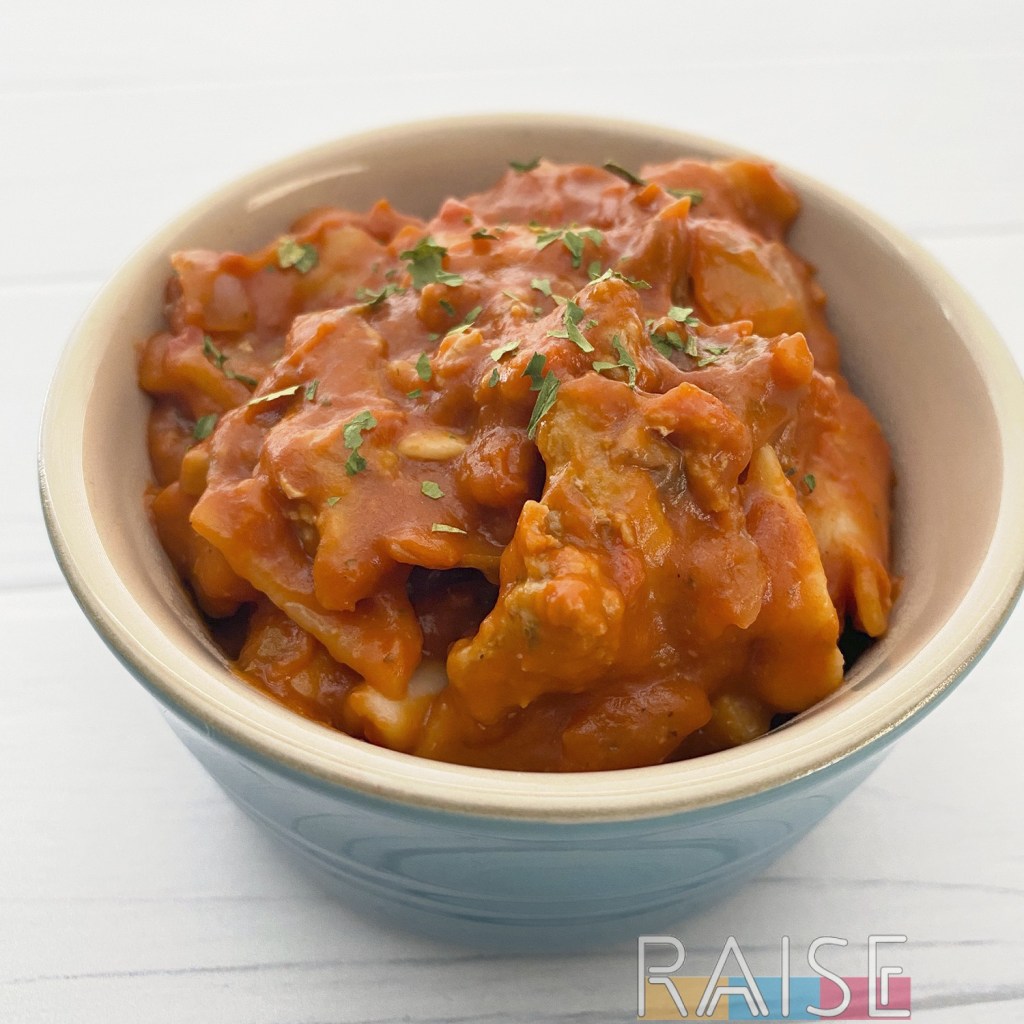
- Lasagna Soup Recipe (top 9 free, top 14 free)
- Dutch Oven Peach & Pork Pasta Bake
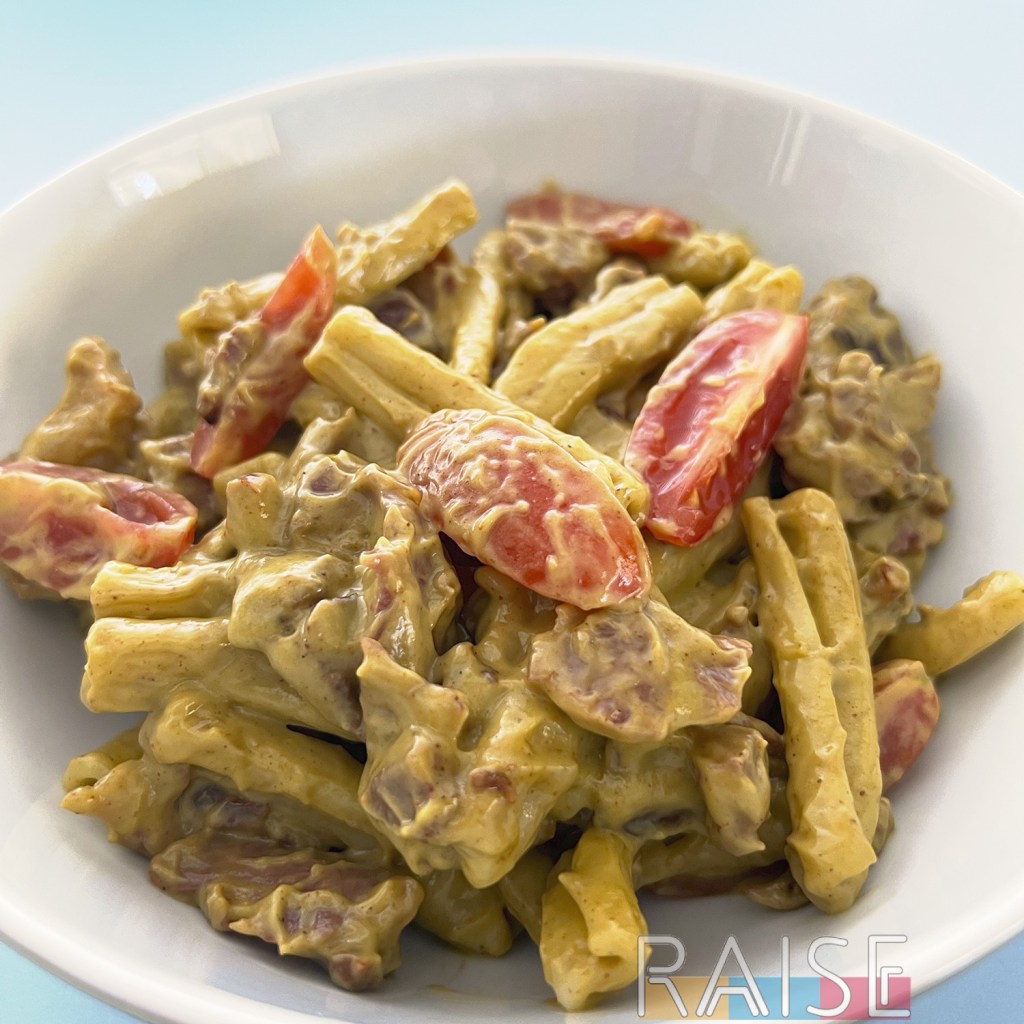
- Gluten Free Bacon & Tomatoes Pasta Recipe (top 9 free)
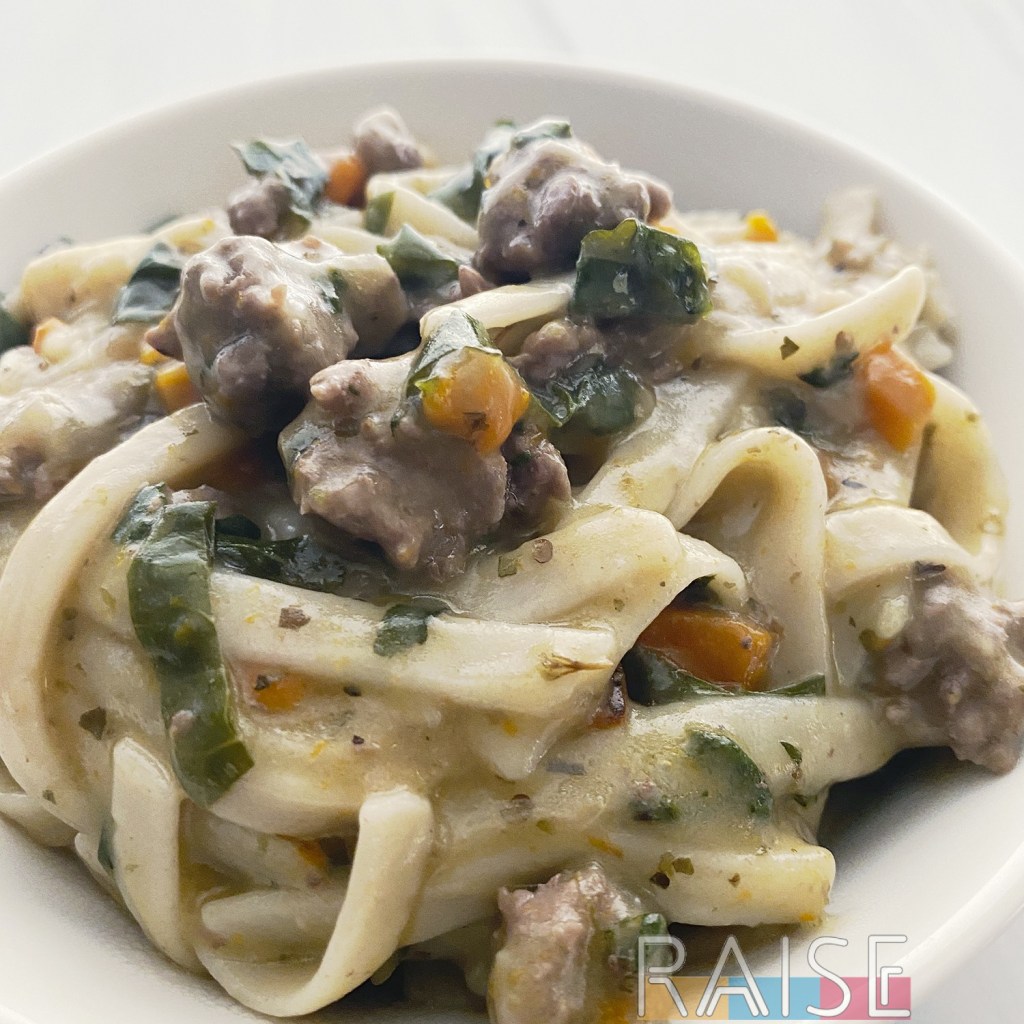
- Creamy Dairy Free Lamb Pasta Recipe (top 9 free, top 14 free)
 |
 |
 |
 |
Vegan Pasta Recipes
- Vegan Black Bean Pasta Recipe
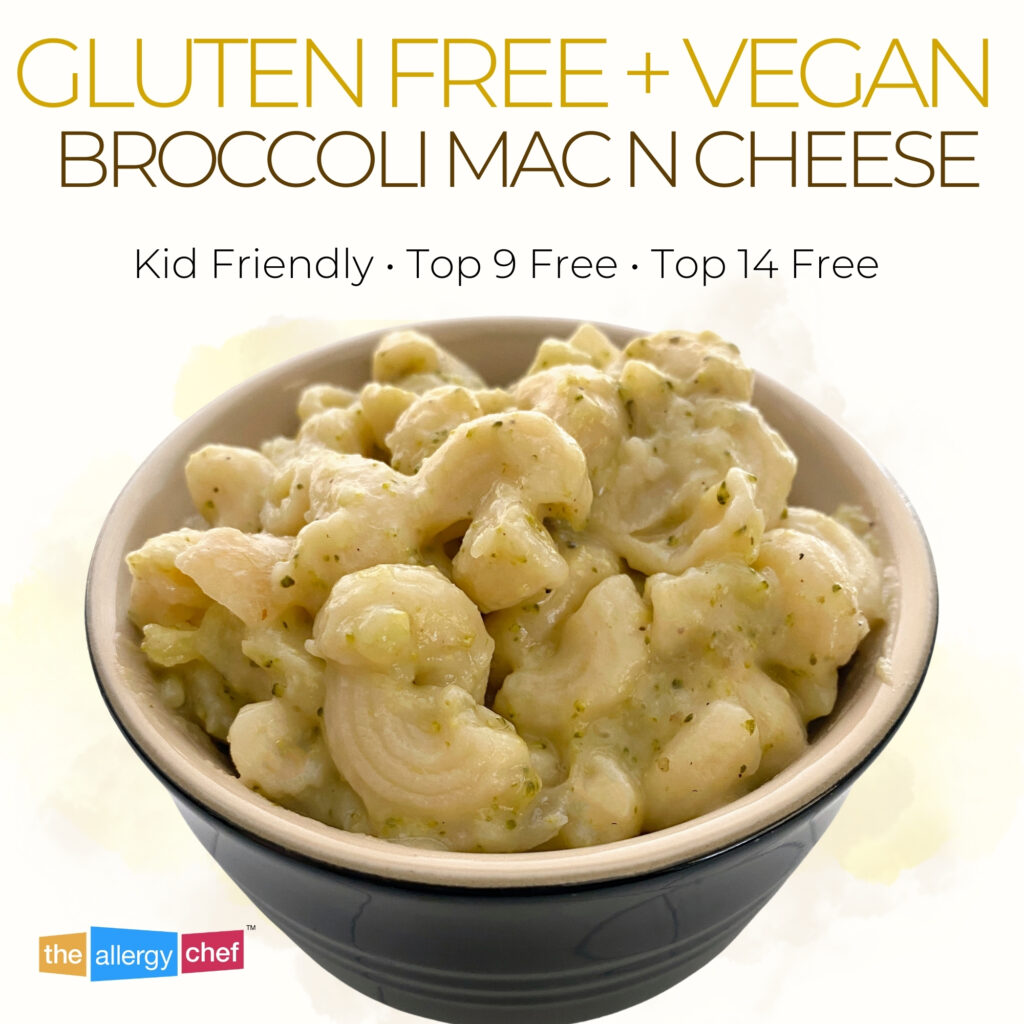
- Vegan Gluten Free Mac and Cheese Recipe with Steamed Broccoli
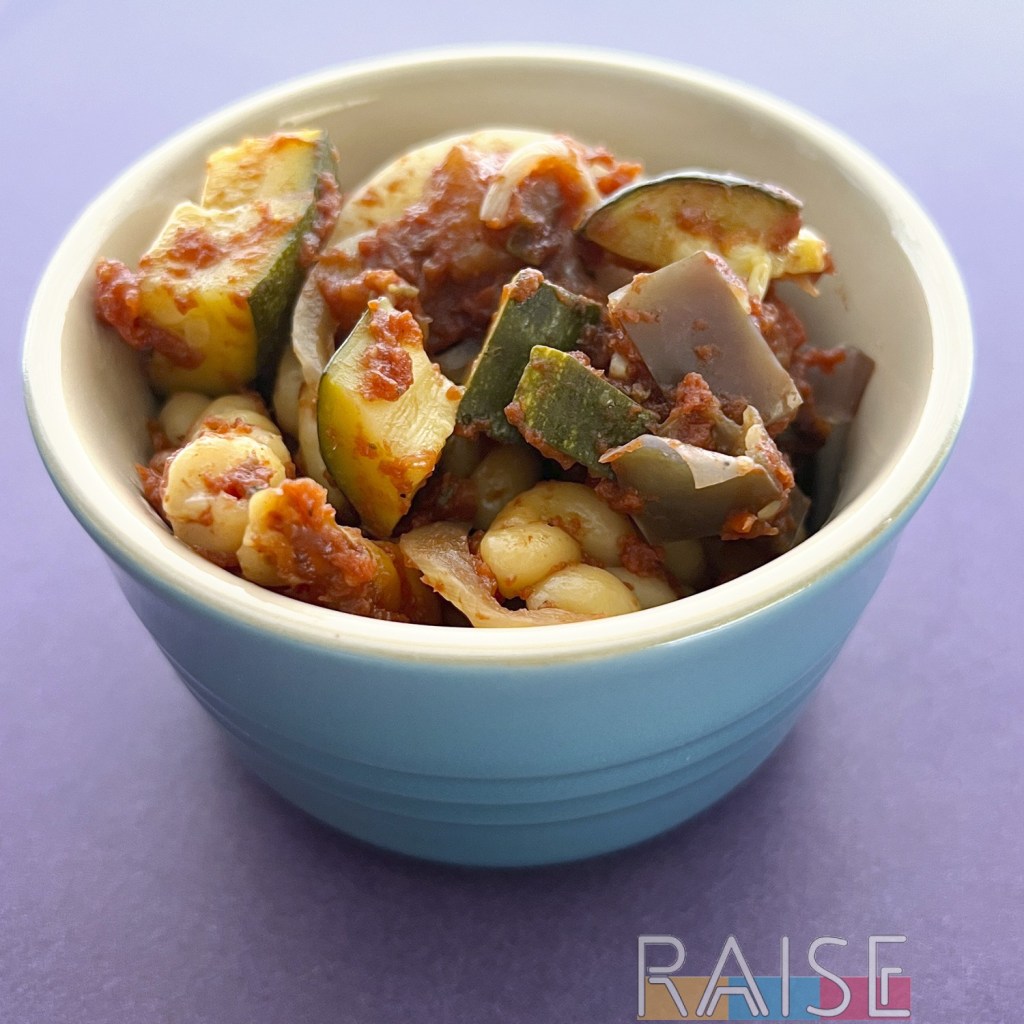
- Vegan Eggplant Pasta Bake
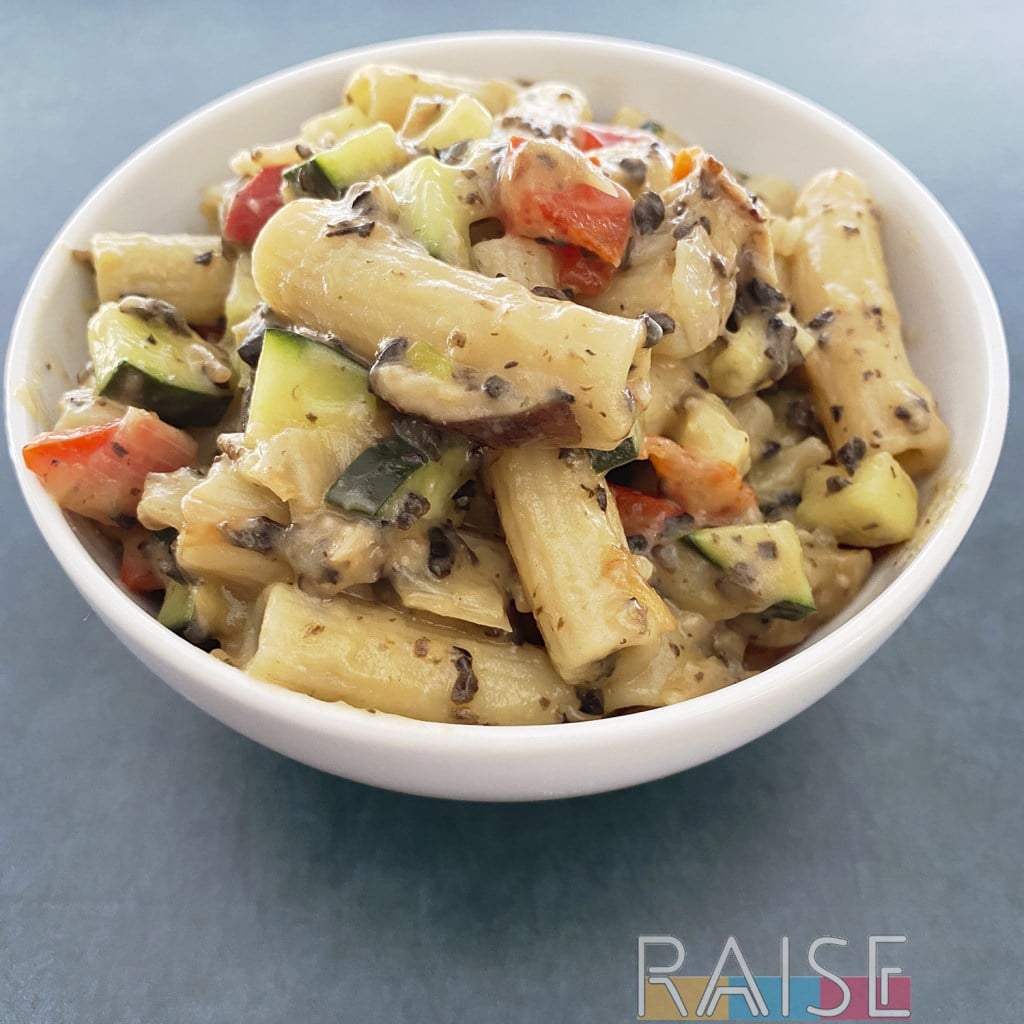
- Gluten Free, Mayo Free, Vegan Pasta Salad Recipe
 |
 |
 |
 |
Grain Free Pasta Sauces & Pasta Recipes
- Nut Free Pesto Recipe
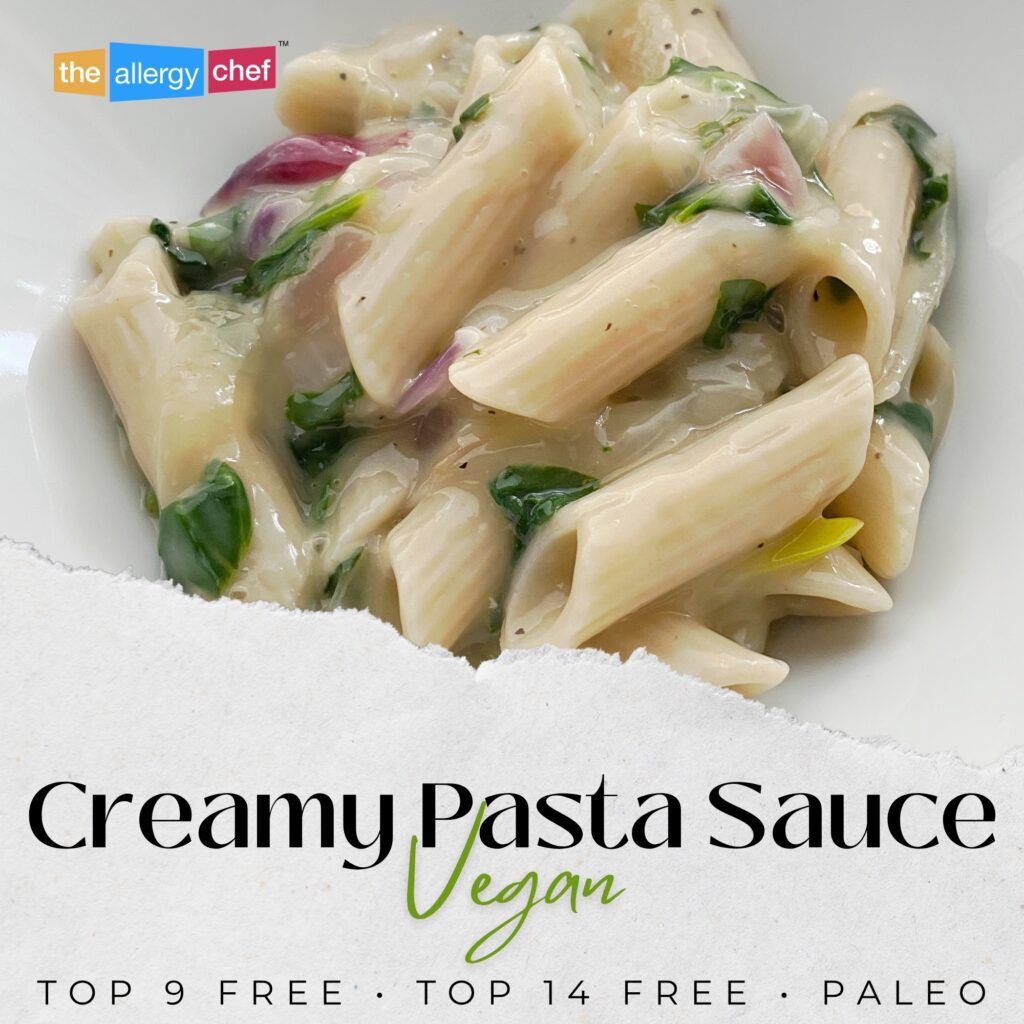
- Foundational Creamy Pasta Sauce
- Easy Lamb Ragu Recipe
- Turkey & Parmesan Ragu Recipe
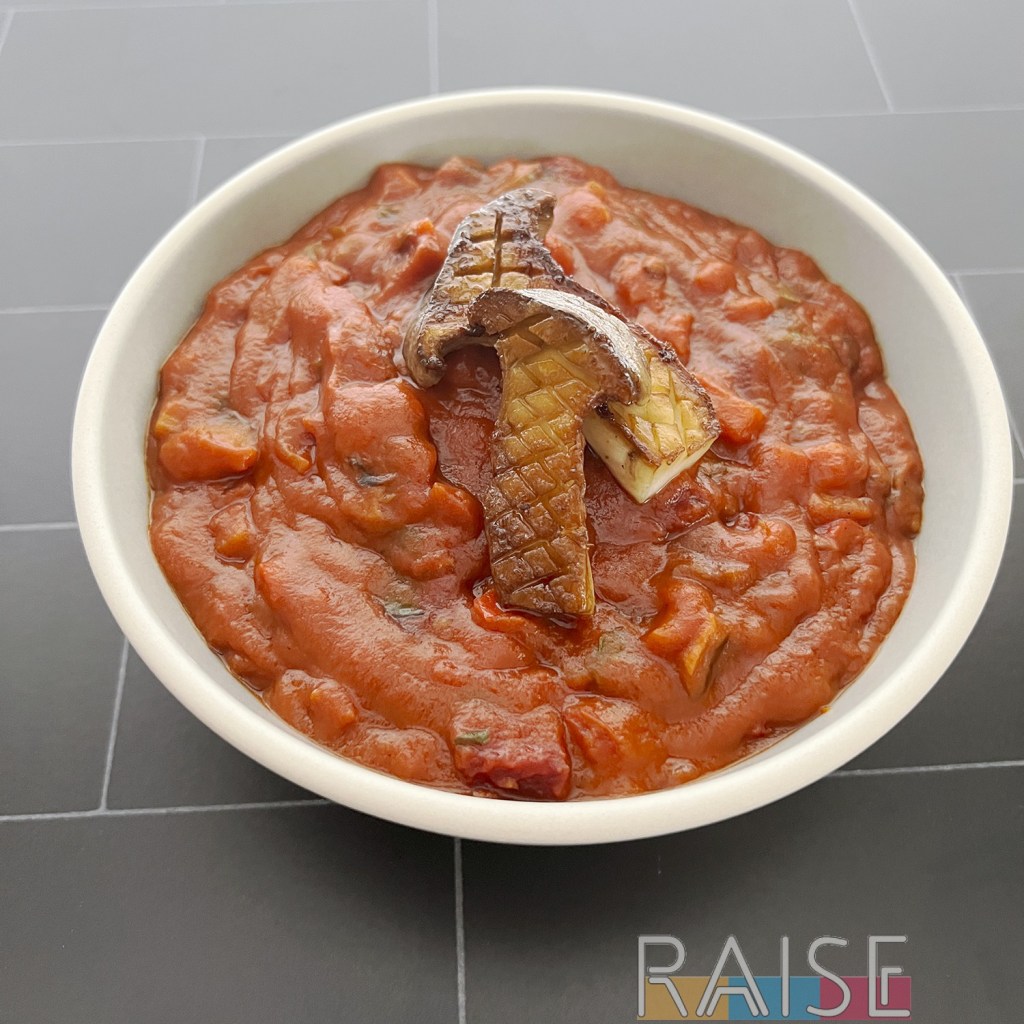
- Vegetable Harvest Pasta Sauce (the tasters say it’s amazing and there’s nothing else like it)
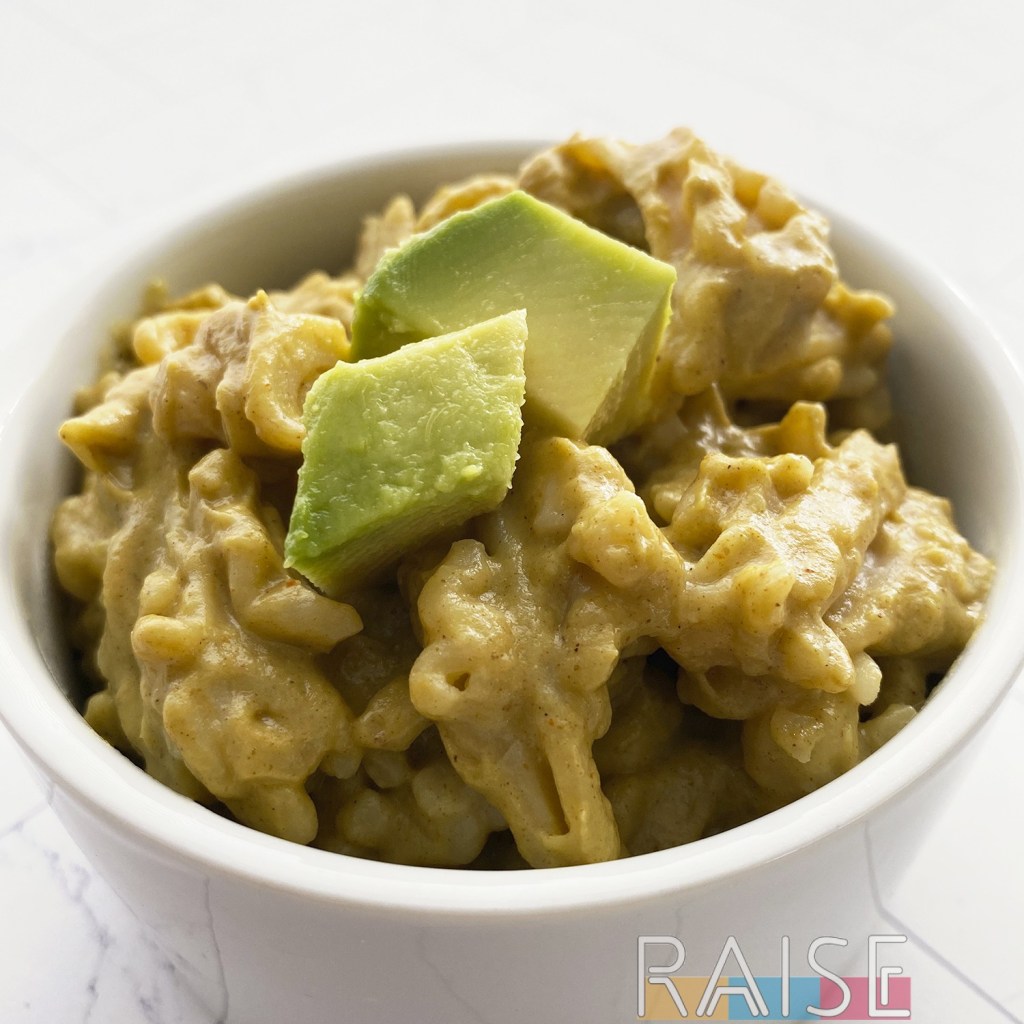
- Dairy Free, Creamy Avocado Pasta Sauce (pairs so well with a range of other flavors)
 |
 |
 |
 |
 |
 |
Answering Your Gluten Free Pasta, Egg Free Pasta, and Grain Free Pasta Questions
Is it possible to make gluten free pasta from scratch at home without eggs?
Yes! You can make pasta at home free from gluten and eggs. However, you will need specialty tools to pull it off and get the best results. Whilst there are several methods you can employ to make pasta from scratch, I STRONGLY encourage you to use a proper pasta making machine. It can be a standalone unit like this one, or a unit that makes several shapes, or this style of attachment for your stand mixer.
Where cost is concerned, it’s less expensive to buy a box of pasta when you factor in your time and energy, so know that you’re making homemade pasta because you love it… like sourdough bread making.
In addition to that, you won’t have as many shape options such as elbows and specialty shapes. You can sometimes purchase small handheld blocks to make specific shapes, but again, you have to LOVE pasta making to go down that road.
The best flours to use when making gluten free pasta from scratch are superfine brown rice flour and superfine sorghum flour. However, if you get your flour blend just right, almost and gluten free or grain free flour will work.
Does red lentil flour pasta taste good?
That’s going to depend on who you ask. The thing is, every review is subjective to the person’s personal preferences and taste buds.
Over the years, my kids have only really disliked a few gluten free pasta options and one of them was a red lentil flour pasta. Said pasta was from a brand that has since gone out of business, and they haven’t tried anything like it since.
Having said that, lentil pasta is a great source of protein, and if you know you like lentils, you’ll probably enjoy the flavor profile of lentil pasta.
On the other hand, you might hate it. I recently had tasters compare several gluten free pastas, and the lentil pasta from one brand was at the bottom of the list whilst another brand was at the top of the list.
Sometimes, it’s not as simple as “buy this type of pasta”, but instead “buy this brand’s version of this specific product”.
How do I know if the cross contact risk is high with a particular pasta?
As I mentioned earlier, this type of info isn’t on the label. The only way to get solid information is to reach out to a brand directly. There are a lot of questions you’ll have to ask (learn all about this in my free eCourse Food Allergy Help 101: Hidden Allergens). One of the biggest factors to consider is their cleaning policy, as well as what other ingredients are processed on the shared equipment.
In terms of risk, it’s going to depend on the place a company manufacturers their product in. The best way to get that info is to contact them directly. If wheat flour is in the air all the time in a particular facility, knowing how airborne that flour can get, you may want to look for another option.
What’s the best tasting low-carb pasta substitute available?
I’m going to preface my answer with this: taste is subjective. You could ask anyone in the gluten free or grain free communities and get a different answer each time.
Now that we’ve got that out of the way, based on what my kids tell me, it’s going to be spaghetti squash, but covered in a sauce.
Spaghetti squash is low in carbs with approximately 10g per cup, so it’s got a nice ROI if you ask me. My tasters don’t tend to love most packaged low-carb pastas.
I will add, a friend of mine says that hearts of palm pasta (even lower in carbs than spaghetti squash) is amazing.
I’d start with those two options, then try other pastas as you see fit.
Do all rice noodles taste the same from different brands?
According to my family, no, the different brands don’t taste the same. There’s been a lot of gluten free pasta on the menu for them, and my kids who can have wheat say that the rice noodles from Jovial Foods is the best rice pasta.
The best way to put the pastas to the test is to make a big batch of pasta sauce you love. Then, cook up small portions of several brands of gluten free pasta all at once (use all 4 – 6 burners on your stove).
Toss each pasta in your sauce and sample. Whichever one you enjoy the most should be what you start to purchase.
Is gluten free pasta healthy?
My favorite thing to tell people is that the term healthy isn’t a regulated one, and you’ll always get a different answer, depending on who you ask. For example, if your doctor says you need more protein in your diet, you may feel like legume pasta and other protein forward options are the only “healthy choice”.
Alternatively, if you’re allergic to rice and legumes, you may think that homemade zoodles are the only “healthy choice”.
See the problem? I could go on, but I think you get it. The best way to determine if a food is a healthy choice for you is to analyze the nutrition, and compare it to your unique needs (vitamins, minerals, iron, protein, calories, etc.).
Are gluten free pastas also milk free?
The great news is that a lot of gluten free goods are also milk free. In the case of gluten free boxed pasta, I have yet to see any that contain milk or any kid of dairy product. The exception is if you purchase a box of mac n cheese that comes with the cheese packet.