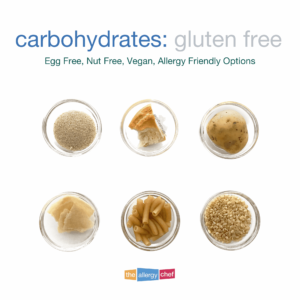
You get a carb, you get a carb, and you get a carb!!! You all get gluten free carbs!!! I hope you can tell how excited I am to talk about gluten free carbohydrates with you.
In addition to being gluten free, all of the carbs I’ll share today will be free from rye and barley as well.
This article will also contain gluten free, wheat free, allergy friendly products you can purchase so you can have easy & convenient carbs to pull from your pantry.
Whilst we won’t be talking about bread baking, I do have this handy article on gluten free & wheat free bread options you can purchase. You can view more gluten-free products here (crackers, egg free options, and loads more).
We’ll cover a lot of ground today, so be sure to use the table of contents to jump around, as I’ve tried to share carbs based on a range of scenarios you may encounter.
A lot of people associate the term carb with foods such as cookies, cake, crackers, pancakes, waffles, pizza, and other super starchy foods. Those with a gluten intolerance, Celiac Disease, or wheat allergy often make this awful mistake: they think these foods are no longer on the menu.
Well friend, that couldn’t be further from the truth. All of your starchy faves can still be part of your meals, and you can rest assured that there are plenty of gluten free starches and carbohydrates to choose from.
What Is Gluten
Gluten is a protein found in wheat, rye, and barley. It’s responsible for the elasticity in dough. When you go gluten free, you’ll find that the ingredient list on packaged foods starts to look a bit scientific. That’s because food manufacturers are trying to replicate what gluten does as well as the texture it provides.
Oats are in an in between zone due to the protein avenin. In some countries, you can’t claim a product is gluten free if it contains oats. You can read all about the topic in this article about gluten free oats.
To learn more about starting a gluten free diet when you’re newly diagnosed, this article is a great read.
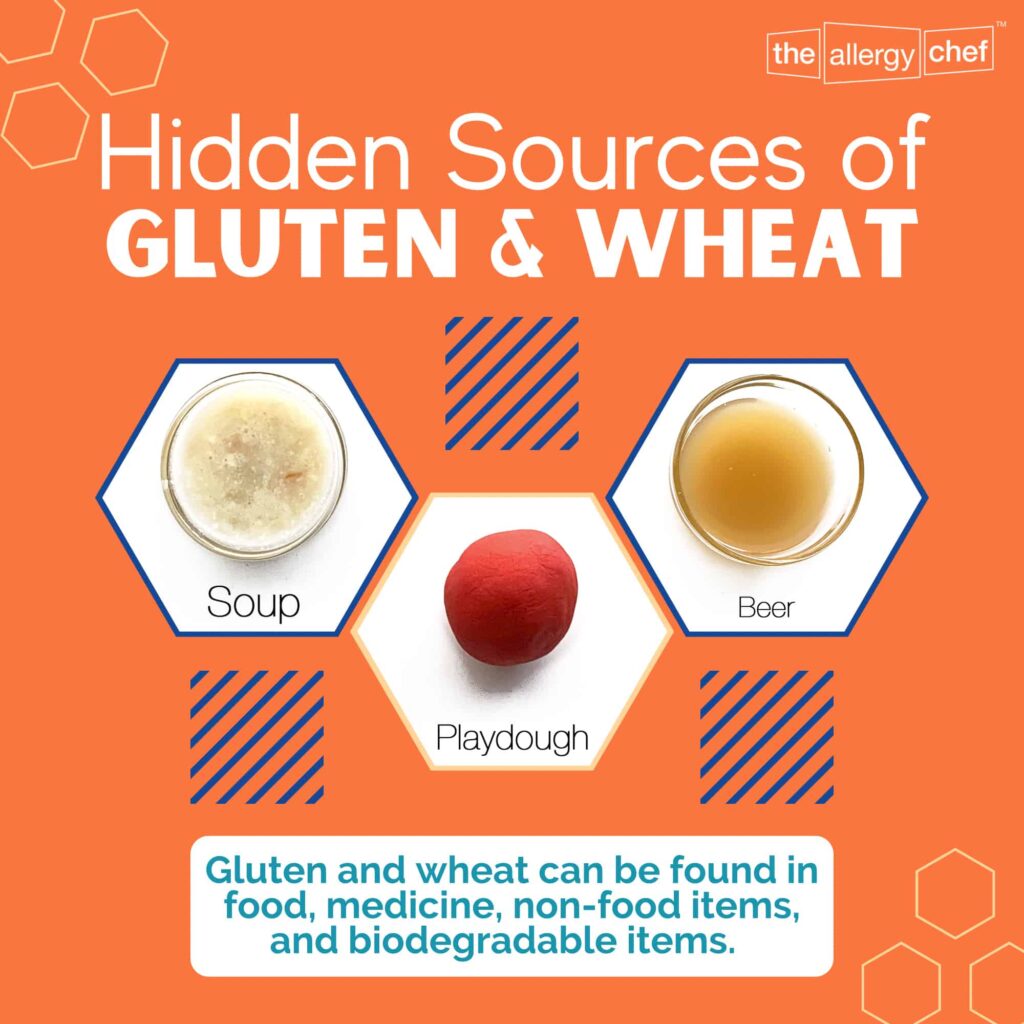
Related Resource: Hidden Sources of Wheat & Gluten (wheat and gluten can hide in candies and sweets, non-food items, soups, stews, and even some types of coffee grounds, so be sure to read up on this if you’re new to the gluten-free diet)
What is a Carbohydrate
Carbohydrates are the fiber, sugars, and starches found in a range of foods including grains, vegetables, and fruit. If you’d like to take a deep dive into the science of carbohydrates, check out this article.
Like protein and fat, carbs play an important role in our day-to-day living. In easiest terms, we get energy (and sometimes “quick” energy) from carbohydrates (especially fruits due to their natural sugar content).
This is why it’s important to make sure that unless it’s done for a medical reason, children should not be put on low carb diets. They need this energy to learn, play, and develop. The same is true of fat and protein as well, so make sure you’re offering a range of ingredients for them to choose from.
In case you’re curious, there are 4 calories per gram of carbohydrates, 4 calories per gram of protein, and 9 calories per gram of fat.
List of Basic Gluten Free Starches & Carbs
There are lots of gluten free starches to choose from:
- Fonio
- Gluten Free Breads
- Gluten Free Pasta
- Gluten Free Pancakes
- Gluten Free Waffles
- Injeera
- Japanese Sweet Potatoes
- Plantains
- Potatoes (mashed, fried, etc.)
- Pseudograins
- Quinoa
- Rice
- Sago
- Squash (acorn squash, butternut squash, pumpkin, spaghetti squash, etc.)
- Sweet Potato
- Tapioca
- Tortillas
- White Potato (nightshade)
- Yam
List of Naturally Gluten Free Carbs
In addition to the list of raw materials above, here’s a list of gluten free carbohydrates you can purchase. These are all sold in a format that’s either ready to cook or ready to eat, making your life easier in the long run.
- Gluten Free Bread
- Cassava-Based Goods (baked goods, pasta, tortillas)
- Gluten Free Fonio
- Gluten Free Purity Protocol Oats
- Potatoes (Banana, Brown, Fingerling, Gold, Purple, Red, White)
- Gluten Free Pasta (comes in a variety of options including buckwheat, cassava, corn, legume, millet, rice)
- Polenta (made from corn)
- Rice
- Starchy Vegetables (such as carrots, parsnips, beans, and lentils)
- Sweet Potatoes
- Gluten Free Tortillas (variety of options available these days)
- Yams
List of Grains and Gluten Free Grains
In the world of grains, there are two key terms to know: grain and pseuograins. The term pseudo means not genuine, or imitating. So pesudo + grain = something essentially pretending to be a grain.
As you dive into the world of gluten free grains, you’ll see that some aren’t grains at all, such as buckwheat (seed) and garbanzo bean (chickpeas) flour. Flours from legumes, tree nuts, seeds, and vegetables can all fall into this category.
If you need access to a range of non-traditional baking flours, Hearthy is a neat company that creates all sorts of pseudograins for gluten free baking, many of which are not grains.
List of All Grains (gluten + gluten free)
Whilst this isn’t an exhaustive list, it gives you an idea of what’s available these days. Items marked with ** contain gluten.
- Barley**
- Bulgur**
- Corn
- Durum Wheat**
- Farro**
- Einkorn**
- Emmer**
- Kamut**
- Millet
- Oat
- Rice
- Rye
- Semolina**
- Sorghum
- Spelt**
- Teff
- Triricale**
- Wheat**
- Wild Rice (not the same as rice)
List of Gluten Free Grains
These foods are specifically classified as grains, and are also naturally gluten free.
- Corn
- Millet
- Rice
- Sorghum
- Teff
- Wild Rice (not the same as rice)
List of Pseudo-Grains (all gluten free)
- Amaranth
- Arrowroot
- Buckwheat
- Cassava
- Coconut Flour
- Kañiwa
- Nut-Based Flour
- Potato Starch (and potato flour)
- Quinoa
- Tapioca Starch
- Tiger Nut (tuber, NOT a tree nut)
Gluten Free Flours for Baking
If you’re wanting to purchase gluten-free flours, you have a lot to choose from, however, gluten-free flours are like… science. You need to know what you’re doing if you want to have the best results.
The first option is to purchase a pre-made gluten free all purpose flour. This brand sells a good option that’s also top 9 free, and they have a gum free flour you can use as well.
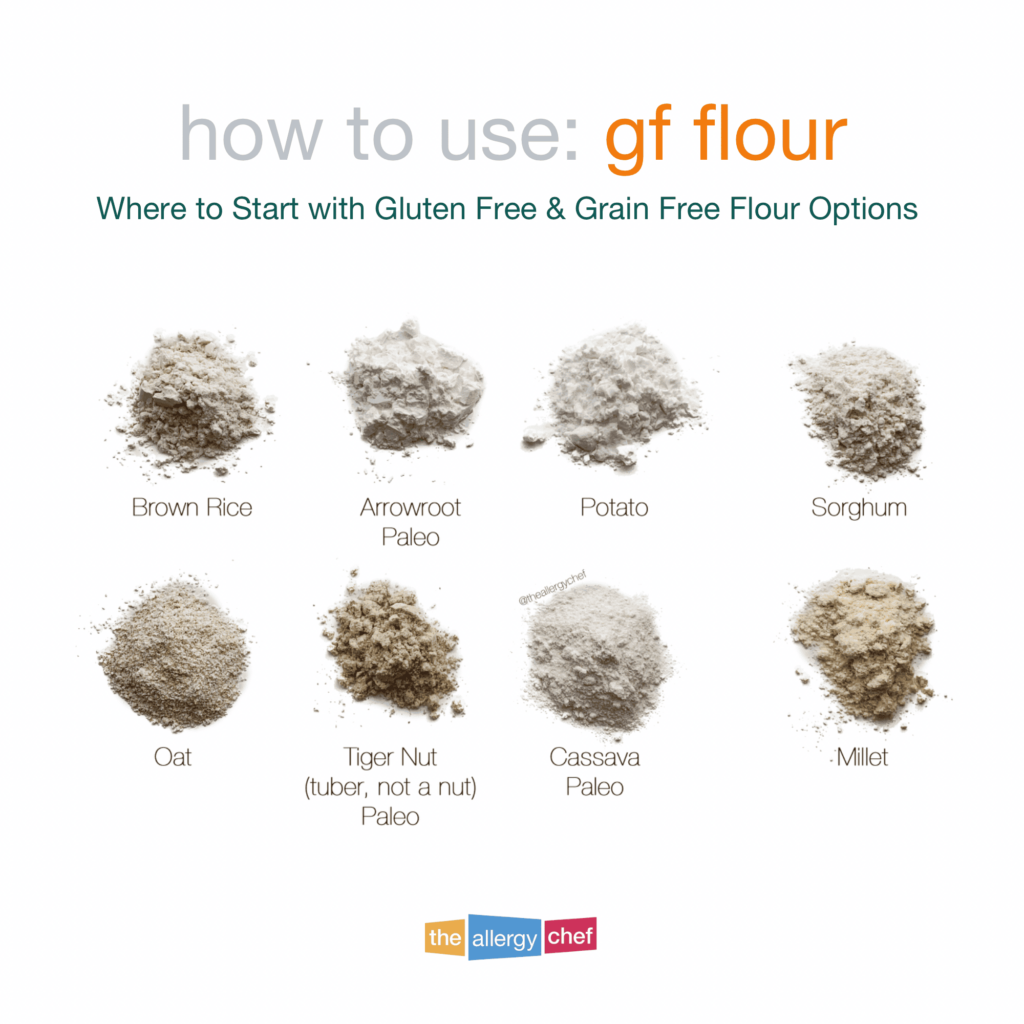
Someone like me chooses to use individual gluten-free flours for baking. Here are my personal favourites for baking (in ABC order)
- Almond Flour (I use both blanched and natural from this brand, for grain free projects specifically)
- Arrowroot
- Buckwheat Flour (I get organic for projects, and sometimes purchase sprouted groats and make my own flour)
- Cassava Flour (this is the brand I’ve been using for over a decade and it’s truly corn free as well)
- Hazelnut Flour (rarely use it, but cool for special projects)
- Millet Flour, superfine (this has a corny taste which is good if you have a corn allergy)
- Oat Flour (I use organic, gluten free, Purity Protocol oat flour)
- Plantain Flour (I sometimes use this for special grain free projects)
- Potato Starch
- Quinoa Flour (I only use this for special projects when developing for people with really limited options)
- Rice Flour, superfine (I mainly use brown rice flour, but white and sweet sometimes as well)
- Sorghum Flour, superfine
- Tapioca Starch (I don’t use this a tonne, but keep it on hand)
- Tiger Nut Flour (tuber, not a tree nut)
Do YOU Need These Flours?
Please don’t look at my list of gluten-free flours and think you need to have a pantry that’s identical to mine. I am a professional recipe developer in the free-from space. It’s my job to use a wide range of ingredients.
Not only that, but I don’t develop recipes for my own needs and share them with you. Instead, I’m developing recipes for the entire free-from community, based on a range of needs. To do that well, I need a lot of gluten free flours.
Truthfully, what YOU need is a set of flours that can be blended to just about anything you need. The most basic gluten-free flours to purchase will be:
- Almond Flour
- Arrowroot
- Millet Flour, superfine
- Oat Flour (make sure it’s safe)
- Potato Starch
- Rice Flour, superfine
- Sorghum Flour, superfine
- Tapioca Starch
- Tiger Nut Flour (tuber, not a tree nut)
With these, you can do anything. Now, you’ll need to alter the list if you have additional restrictions such as grain free, nightshade free, and so on.
List of Gluten Free Carbs to Purchase
If you’re new to the gluten free lifestyle and think there won’t be carbs to purchase, I hope this list brings you some peace of mind. Here are gluten free alternatives you can purchase online, and in a lot of grocery stores:
- Gluten Free Bagels
- Gluten Free Breadcrumbs (this article has lots of great brands to choose from)
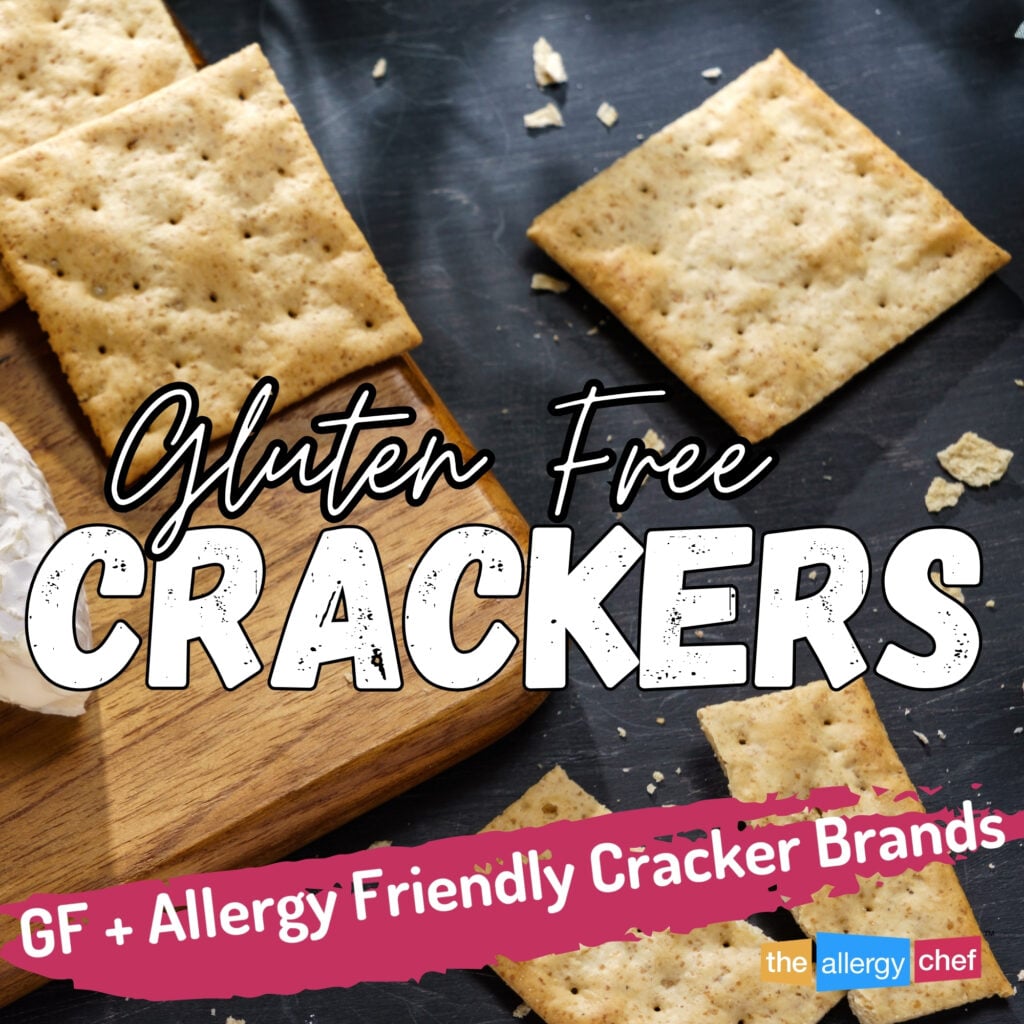
- Gluten Free and/or Grain Free Crackers
- Gluten Free Crispbread (can be made from buckwheat, chestnuts, quinoa, etc.)
- Gluten Free Matzo Squares
- Gluten Free English Muffins
- Grits (you can get corn based or rice based grits)
- Gluten Free Naan
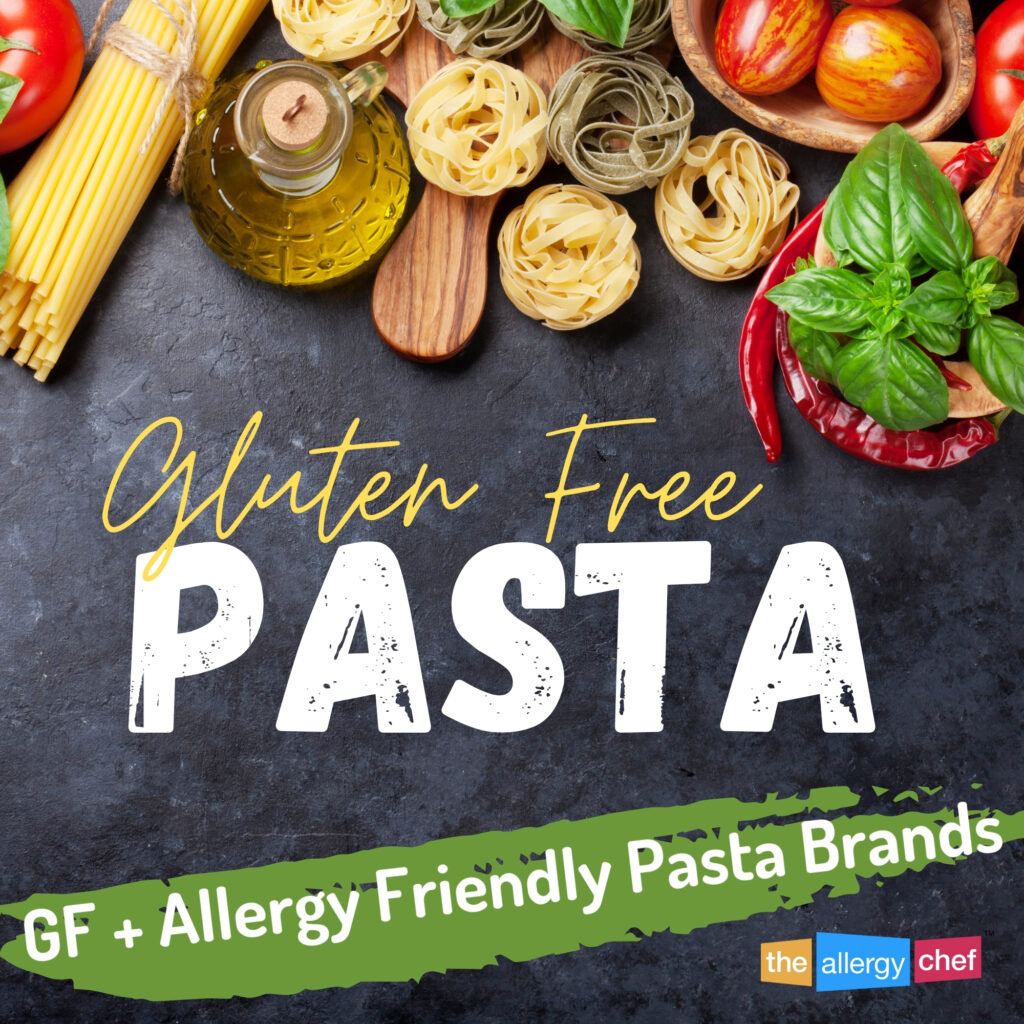
- Gluten Free Pasta (this article has lots of great brands to choose from)
- Gluten Free Pita
- Quinoa
- Rice (arborio, basmati, brown rice, jasmine, sushi, white rice)
- Gluten Free Rolls & Buns
- Gluten Free Tortillas & Wraps
- Cream of Buckwheat (example)
- Popped Sorghum (example)
- Gluten Free Oatmeal (this is a fantastic brand)
- Rice Cakes
- Wild Rice (not the same thing as regular rice)
If you need brand recommendations, download my free guide: 99+ Free-From Snack Brands. You’ll find brands that cover a lot of these categories.
Related (each article contains gluten free and grain free options):
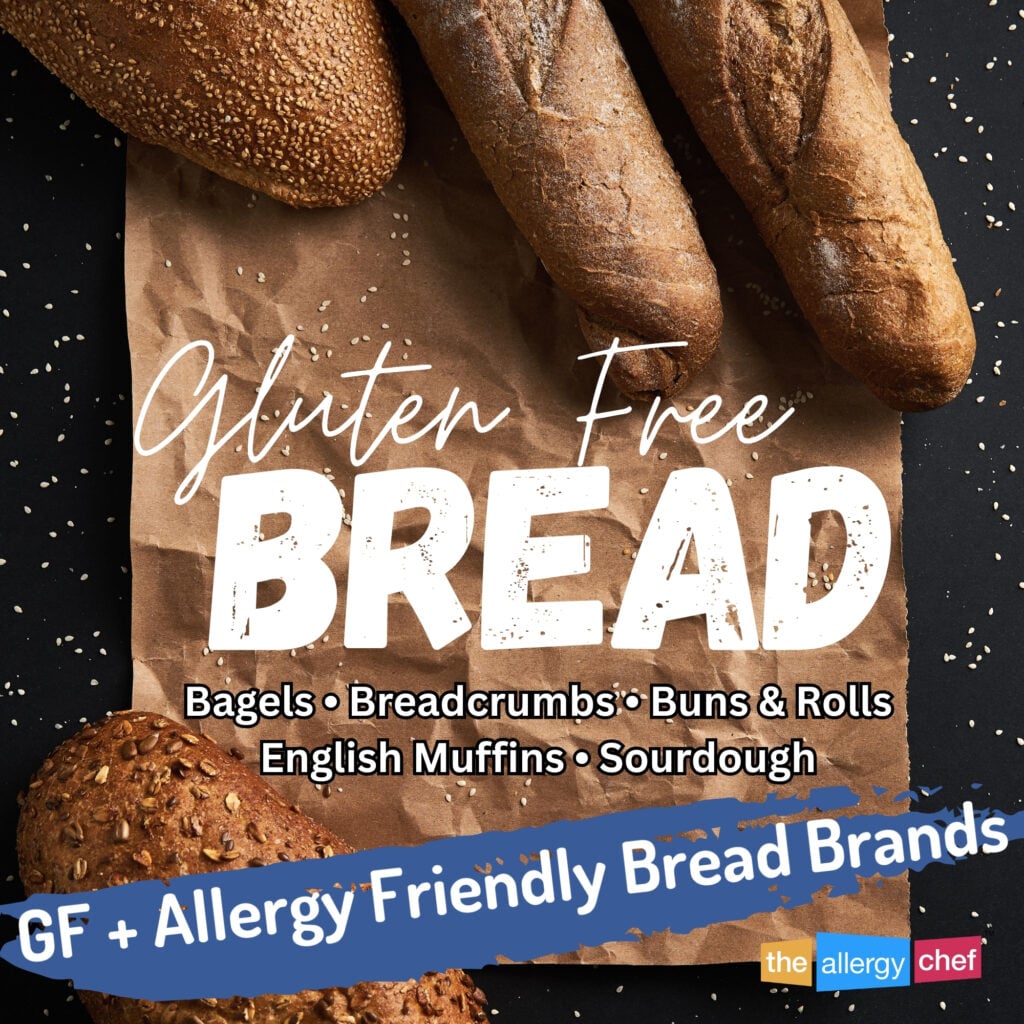
- Gluten Free Bread Brands (US and UK/EU Options)
- Gluten Free Cracker (and graham cracker) Brands (US and UK/EU Options)
- Gluten Free Pasta Brands (US and UK/EU Options)
 |
 |
 |
List of Gluten Free Starchy & Carby Snacks (to purchase)
This is by no means an exhaustive list. In fact, for some of the best brands and examples of gluten free and allergy friendly snacks, download my free guide: 99+ Free-From Snack Brands.
- Applesauce
- Cassava Chips (example)
- Corn Cakes
- Crunchy Chickpeas
- Dried Fruits (there are a lot to choose from)
- Dried Sweet Potatoes (example)
- Energy Bars (many contain high carb fruits like dried dates)
- Gluten Free Bagel Chips (example)
- Gluten Free Crackers & Crisps (there are lots of grain free options as well)
- Gluten Free Graham Crackers
- Gluten Free Granola & Grain Free Granola
- Gluten Free Muffins (check the freezer section of your store which may have additional options)
- Gluten Free Pretzels
- Gluten Free Chips
- Gluten Free Trail Mix
- Plantain Chips (example)
- Popcorn (or popped sorghum if you have a corn allergy)
- Puffed Snacks
- Rice Cakes
- Sweet Potato Awesome (Freeze Dried Sweet Potatoes)

Shared Equipment Warning
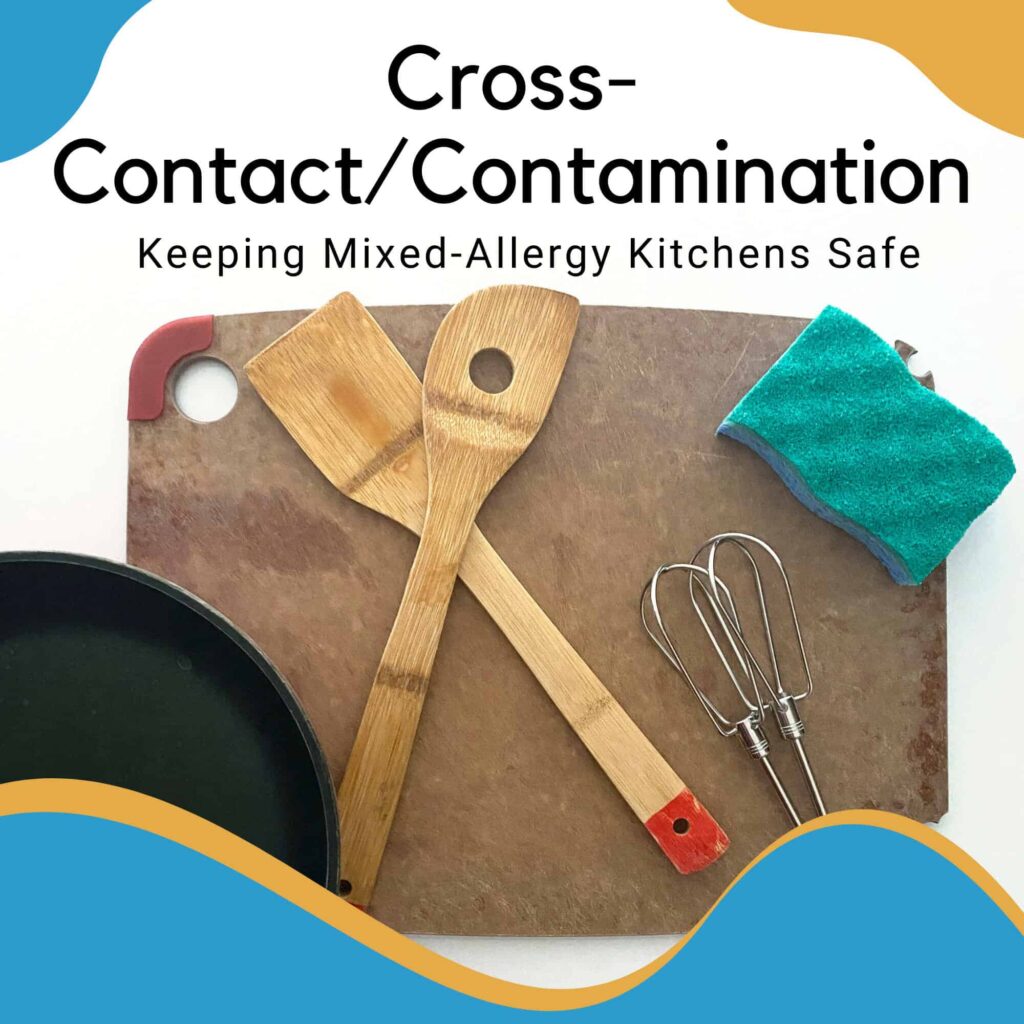
If you’ve read my articles in the past, or follow along on social media (especially Instagram), you’ve heard me talk about shared equipment. This can be an issue for someone who cannot tolerate trace amounts of gluten or wheat.
Shared equipment means that a part, or all, of the equipment used to make a product was shared with other products. There are regulations about cleaning, however, no system is perfect. Hence the problem with shared equipment. Also, the current food label law doesn’t require that this info be on food labels.
What this means is that if gluten (or wheat) is in product A, trace amounts may be left on the equipment, even after cleaning. When product B is made, these trace amounts can end up in the product. Everyone has difference tolerance levels, and not everyone needs to worry about trace amounts.
Know this: even certified gluten free products are made on shared equipment with wheat, and it’s not disclosed on the labels.
The best advice I can give you is this: if you don’t tolerate trace amounts of wheat or gluten, for your own health and safety, always reach out to companies for information before making a purchase. Doing your research and due diligence can save you a lot of trouble in the long run.
Here are two helpful resources that dive deeper on these topics:
 |
 |
List of Starchy Vegetables
If you’d like to take the vegetable approach to adding carbs to your meals, here’s a list of starchy vegetables that can be of service.
- Beans & Lentils (chickpeas, kidney beans, black beans, cannellini beans, pinto beans, etc.)
- Butternut Squash
- Carrots
- Corn
- Japanese Sweet Potatoes
- Parsnips
- Peas
- Potatoes (nightshade variety)
- Sweet Potatoes
- Taro
- Yam
The nice thing is that in addition to carbohydrates, these veggies can provide a range of nutrients (including fiber) to your meal.
List of Gluten Free Carbs to Make at Home
These are great carb options if you enjoy making food at home from scratch.
- Beans & Lentils (Refried Beans, Bean Cassoulet, Smashed Chickpeas, etc.)
- Gluten Free Bread
- Steamed Carrots (or steam other starchy veg)
- Cornbread (you can make millet versions if you have a corn allergy)
- Roasted Japanese Sweet Potatoes
- Savory Muffins
- Gluten Free Pizza Dough Bread Sticks
- Potato Recipes (Baked Potatoes, Hash Browns, Mashed Potatoes, Smashed Potatoes, etc.)
- Gluten Free Sourdough
- Rice Recipes (Pilaf, Risotto, Steamed, etc.)
- Roasted Squash (Acorn Squash, Butternut Squash, etc.)
- Sweet Potato Recipes (Baked, Mashed, Cubed & Roasted, etc.)
- Tortillas (grain free or regular gluten free)
- Savory Waffles
This is a non-exhaustive list, and you can search online for more tasty ideas to try. So long as you’re using safe-for-you raw materials, a lot of recipes online can be made gluten free.
List of Gluten Free Baby Friendly Carbs & Toddler Friendly Gluten Free Carbs
Here are carb options that you can feed your little ones. If you have a baby under the age of 12 months, be sure you’re sticking with low/no sodium options. Additionally, for under 12 months, you’ll want to make sure your gluten free carbs are also honey free. There are lots to choose from, but be sure you’re reading labels carefully.
Here are some non-exhaustive lists of gluten free carbs you can make for your little ones:
Baby & Toddler Gluten Free Carbs to Purchase
- Baby Puffs (this brand is a great example)
- Corn Tortillas
- Gluten Free Bagels
- Gluten Free Bread (make sure you watch sodium and honey for under 12 months)
- Gluten Free English Muffins
- Pacha Buckwheat Bread & Buckwheat Tortillas (low sodium, minimal ingredients)
- Plain Gluten Free Cereal (for toddlers, I like this brand)
- Rice Cakes & Corn Cakes (for toddlers)
For leads on free-from snack brands that may meet your needs, download my 99+ Free-From Snack Brands PDF.
Baby & Toddler Gluten Free Carbs to Make at Home
- Beans & Lentils
- Cream of Buckwheat
- Gluten Free Pancakes
- Gluten Free Pasta (if feeding 6 – 12 months, make sure it’s soft enough for them)
- Oatmeal or Overnight Oats
- Polenta/Grits (pre-made is usually high in sodium)
- Rice and Quinoa
- Smashed Starchy Fruits (bananas, etc.)
- Soft Baked Oat Bars
- Smashed Starchy Vegetables (potatoes, sweet potatoes, carrots, squash, etc.)
- Steamed or Baked Fruit (apples, pears, peaches, nectarines, etc.)
- Gluten Free Waffle Sticks
To easily make smashed veggies, steam your veg. When it’s super easy to pierce with a fork, smash with a potato masher and serve. You can do the same thing with fruits. Do not serve young eaters hard foods such as raw apples, raw carrots, and so on.
If you want to learn all about how to properly prepare solids for your little one, visit the 101 Before One website. They have an amazing cookbook and app that will guide you through the entire process.
Best Gluten Free Carbs for Breakfast
I’m going to level with you: avoiding gluten-containing ingredients in pre-made breakfast foods can be tough if you’re newly diagnosed. However, the good news is that there ARE lots of gluten free carbs you can have for breakfast. Depending on your level of sensitivity, you’ll want to batch cook and fill a freezer with your faves.
Don’t forget, gluten free carbs aren’t just about grains and vegetables. There are lots of fruits and juices that naturally contain carbohydrates, and they’ll be gluten free. This watermelon juice from Evolution Fresh is something I keep on hand, and they also have this great pulp free organic orange juice option.
I’ll also add, my kids are big fans of Cotton Candy grapes, mangoes, melon (so long as I dice it for them, SMH). Now, here’s a non-exhaustive list of some of the best gluten free carbs you can have as part of your breakfast:
- Baked Oat Bars
- Breakfast Fried Rice (sushi rice, eggs, bacon, seasonings)
- Breakfast Potatoes
- Cream of Buckwheat
- Cream of Rice
- Congee
- Gluten Free Granola (you can have an oat based, or something grain free such as cashew + almonds + flaxseeds)
- Gluten Free or Grain Free Granola Bars
- Gluten Free Muffins (or muffin loaves)
- Homemade Cereal Bars
- Oatmeal (there are elevendybajillion ways to make this exciting)
- Overnight Oats (these can also be served warm if you’re not a fan of cold oats)
- Gluten Free Pancakes (or baked sheet pan pancakes)
- Power Balls (with or without oats)
- Quick Breads (banana bread, zucchini bread, pumpkin bread, date walnut bread, etc.)
- Smoothie (remember, fruits are full of carbohydrates, and you can add in all sorts of healthy ingredients for additional vitamins and minerals)
- Gluten Free Waffles
Gluten Free Breakfast Recipes
Here are just a few recipes to get you started. If you need more options(especially if you’re more than gluten free), check out the Advanced Recipe Search on RAISE where you can mix and match over 100 filters.
You can also grab one of my cookbooks (all gluten free and super allergy friendly).
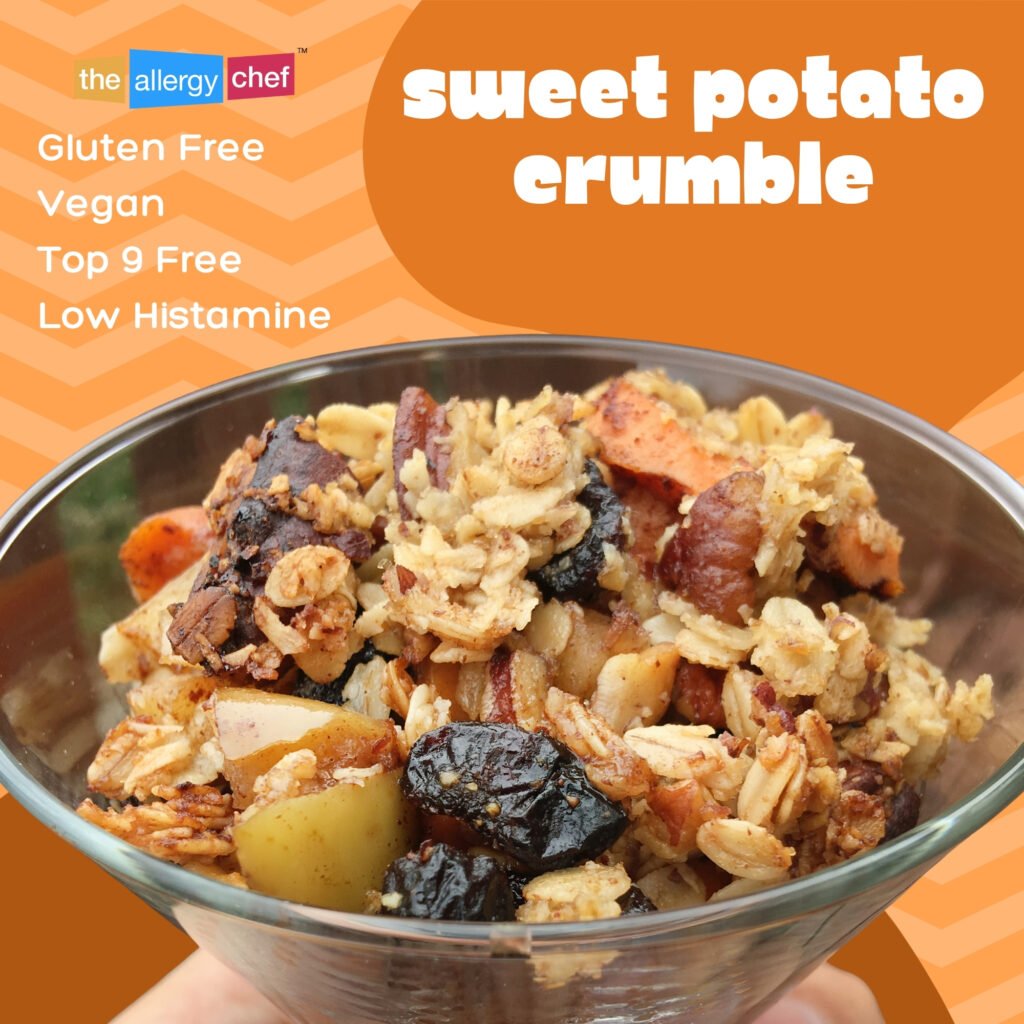
- Sweet Potato Breakfast Crumble (this has such a great flavor)
- Chewy Oat Fruit Bars (great for toddlers)
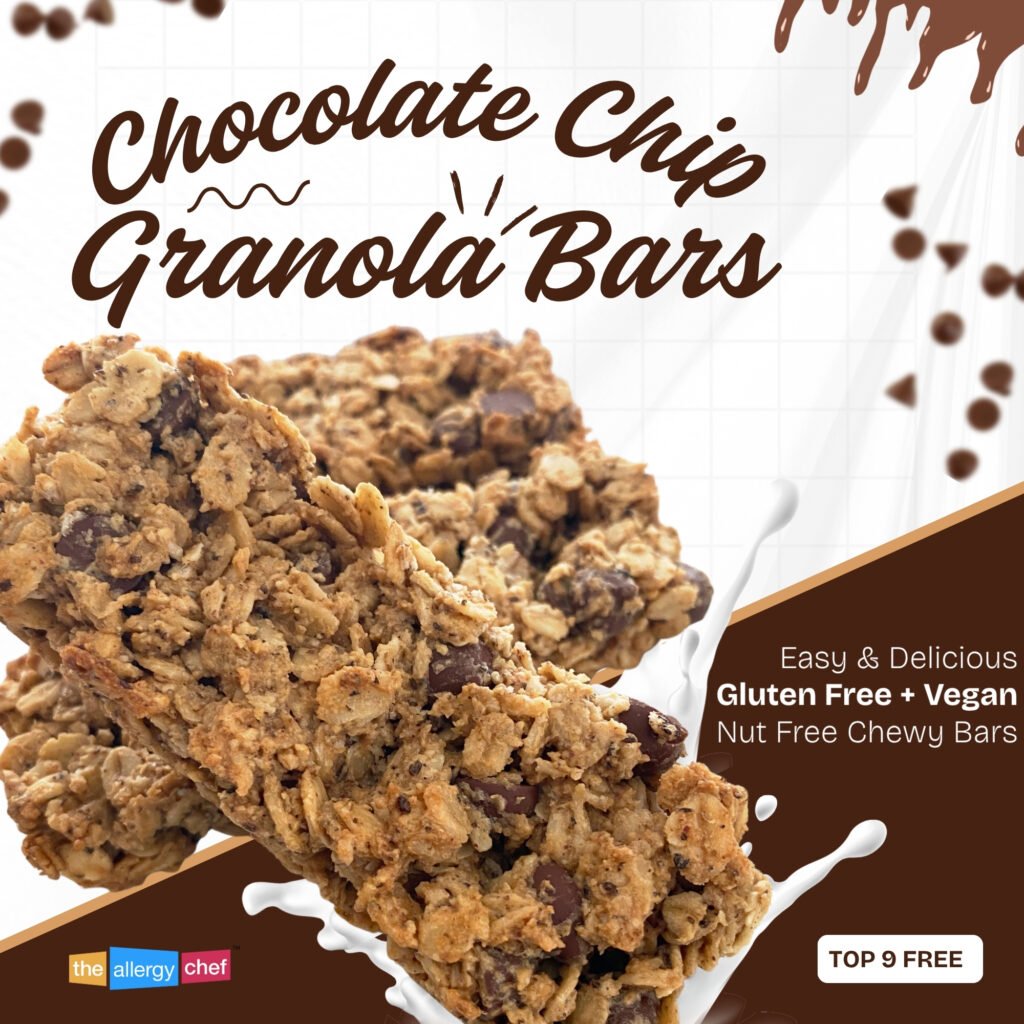
- Gluten Free Granola Bars
- Homemade Breakfast Sausage Recipe
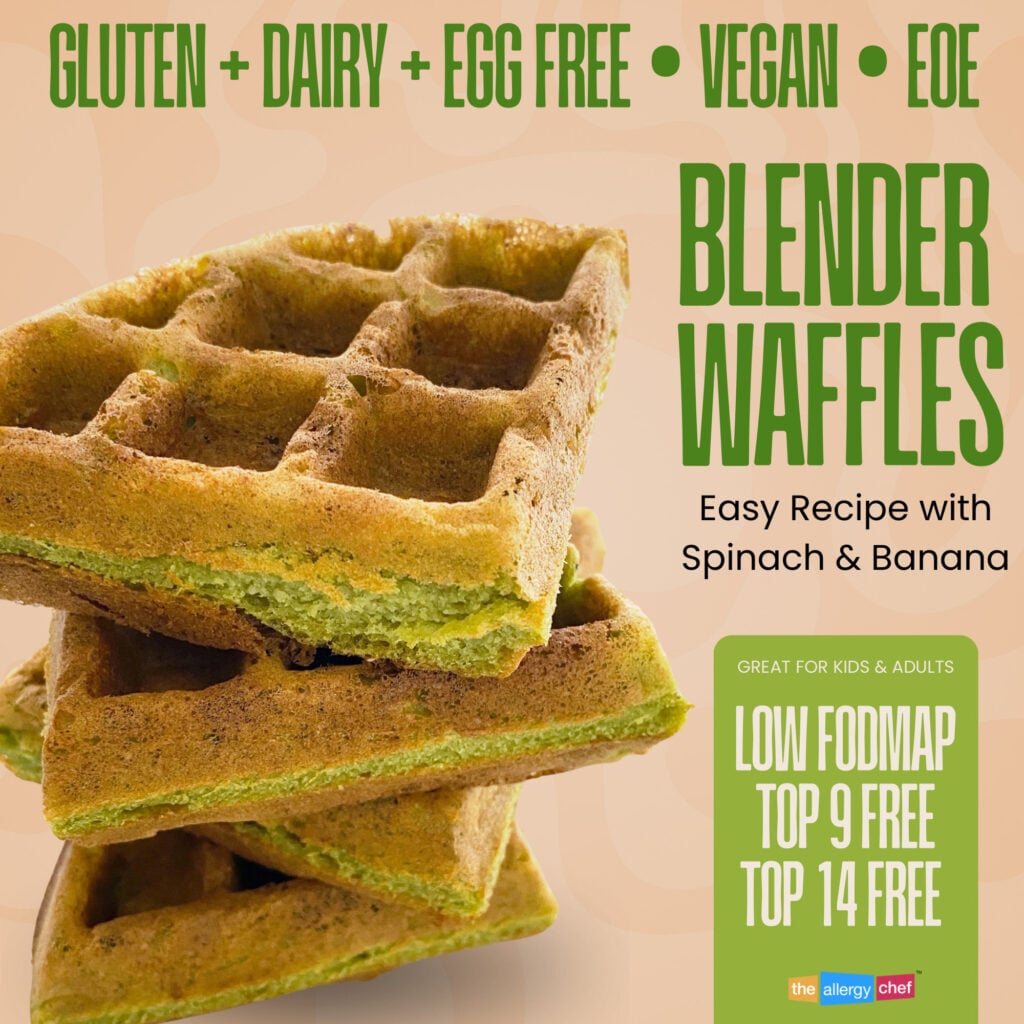
- Easy Blender Waffles
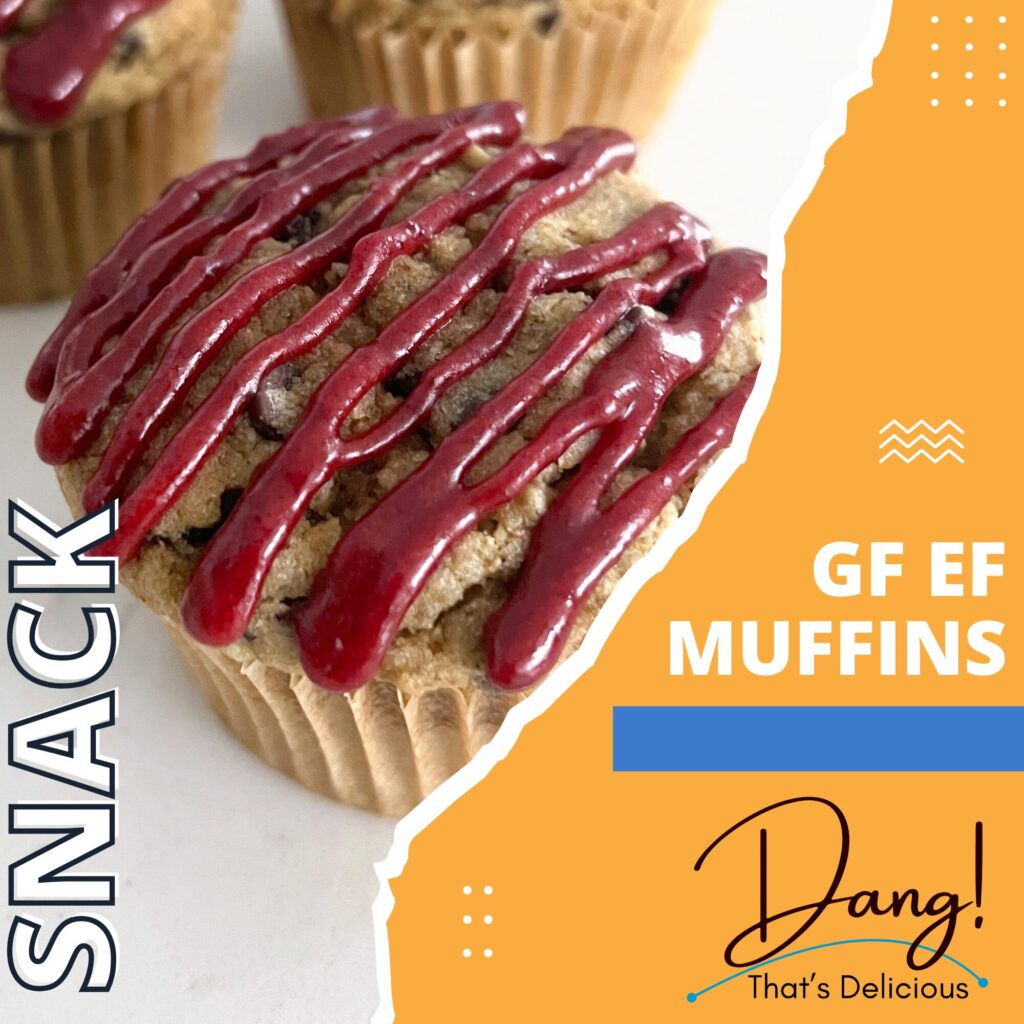
- Grain Free Muffins Recipe
 |
 |
 |
 |
 |
 |
List of Gluten Free Carbs for Dinner
Generally speaking, there are some pantry basics you can keep on hand so it’s easy to serve gluten-free carbs with dinner. Here’s a little list to get you started:
- Beans & Lentils
- Gluten-Free Bread, Breadcrumbs, and Croutons
- Polenta (corn)
- Potatoes
- Gluten-Free Pasta
- Gluten-Free Pizza Dough (you can do more than just make pizza)
- Quinoa
- Rice (brown rice, white rice, etc.)
- Gluten-Free Tortillas (make sure you heat them up first)
- Wild Rice (technically not the same thing as regular rice)
In addition to these, you can also batch cook and fill your freezer with homemade gluten free waffles and pancakes if you’re a breakfast for dinner kind of person. Though, you could make savory pancake and waffles (been there, kids LOVE them).
Tasty Ideas for Gluten Free Dinner Carbs
There are so many ways you can incorporate gluten-free carbs into your magnificent dinner, from a hearty sauce to tasty toppings for your salads. Here’s a non-exhaustive list of ideas.
- Add a bowlful of mashed potatoes to the table for everyone to share.
- Have toasted gluten-free bread available in a cute bread basket (I’m a sucker for a bread basket).
- Serve oven roasted sweet potatoes + onions when you serve soups and stews.
- Make a delicious side dish of oven roasted root veggies (turnips, beets, carrots, etc.).
- Make a hearty potato curry with legumes, coconut milk, gold or red potatoes, and rich spices.
- Serve up a side of cheesy seafood polenta.
- Make a simple side of rice and peas (can be lightly or aggressively seasoned)
Need more ideas? Check out this article for 100 Side Dishes, all gluten free and allergy friendly. Many are on the carby side of life.

Great Ways to Use Rice with Dinner
If you’re a white rice fan, sushi rice is my top pick. I’ve tried jasmine rice with my kids, but they weren’t buying what I was selling. Arborio rice (specific rice for making risotto) was a big hit with them. Brown rice took a lot of getting used to, but when I mixed it into a meal such as fried rice, they were happy little clams.
Here are some delicious ways you can incorporate rice into your gluten-free diet:
- Seasoned rice balls (season sushi rice, use a small cookie dough scoop to form balls)
- Make peanut chicken with rice noodles (use toasted seeds if you’re allergic to peanuts and make a custom sauce with a safe nut or seed butter)
- Make a simple fried rice and use it as a base for proteins you have on hand.
- Use leftover cooked rice to make a simple creamy rice side dish and serve with protein and veg.
- Serve rice with a creamy soup.
- Pan fry your rice in a flat layer to create a crispy rice experience.
- Make rice + aromatics (onions, mushrooms, etc.)
- Create a sweet rice by adding chopped dates and serve with something like glazed pork.

Fantastic Ways to Incorporate Legumes
OK, we all know how to add refried beans to tostadas, or add cooked beans to a delicious burrito. However, there are SO many other ways you can use beans and legumes.
First, know that legumes have different flavours and textures, so explore all of your options. This is the bean brand that I personally use, and they have loads of varieties to choose from.
Second, know that there’s a learning curve if you want to cook dry beans, rather than pop open a can. If you go the dry bean route, make sure you do your homework and have a solid understanding of soaking times and cook times.
Now, here are some fun ways to add legumes to your gluten free dinners:
- Toasted chickpeas (aka garbanzo beans)
- Chickpea salad (these are super cool, think pasta salad, but with chickpeas as the base)
- White bean purée (serve with protein, think pork + applesauce, but protein + bean instead)
- Black bean pasta salad.
- Hummus + veggies + protein layered dip.
- White bean + small diced potatoes + onions + bacon cooked, served as a side dish.
- Quinoa + beans + mirepoix.
- Red beans & rice, sweetened (my kids love this with a little organic sugar).
- Maple beans & bacon.
- Smashed seasoned beans.
- Black beans + corn + diced bell peppers + crumbled feta + squeeze lime juice (think: fresh bean salad).

Best Gluten Free Carbs for Meats & Soups
When it comes to serving up delicious meats and gluten free soups, you have a quite a few gluten free carbs to choose from. Here’s a short, non-exhaustive list of options, and a few ways to use them.
- Thick gluten free noodles, including broken lasagna noodles are fantastic for serving with meat and soup.
- Mashed potatoes are a great side dish for meaty meals. You can serve up regular mashed potatoes, or mashed sweet potatoes.
- Starchy root vegetables are a great gluten free carb option for meat-based meals. You can serve them as a side dish standalone, or mix them into something like rice or quinoa.
- Both rice and quinoa are excellent gluten free carb choices for meat meals and soups. You can serve on the side, or mix things together.
- For meaty dinners, gluten free tortillas are a great addition to the meal.
- Toasted gluten free bread should be on your list of carb choices for both meaty meals and soups.
- Freeze dried sweet potatoes can be used as a base for cooked meat, or like a chip for dipping into a meaty stew.
- Grill gluten free pizza dough and serve it as a bread alternative with both meat and soup.
This tiny gluten free pasta from Jovial is so freaking cute I might collapse. You can cook this pasta and add it to a soup just before serving (don’t cook with the soup because you can easily overcook it that way).
Gluten free pasta can be added to soups, after they’ve cooked. Personally, I never cook GF pastas in the soup base. I cook it separately, then fold it in, and serve. I do store the leftovers in the soup though, since it can help prevent the pasta from drying out in the refrigerator.
Gluten Free Pasta Options
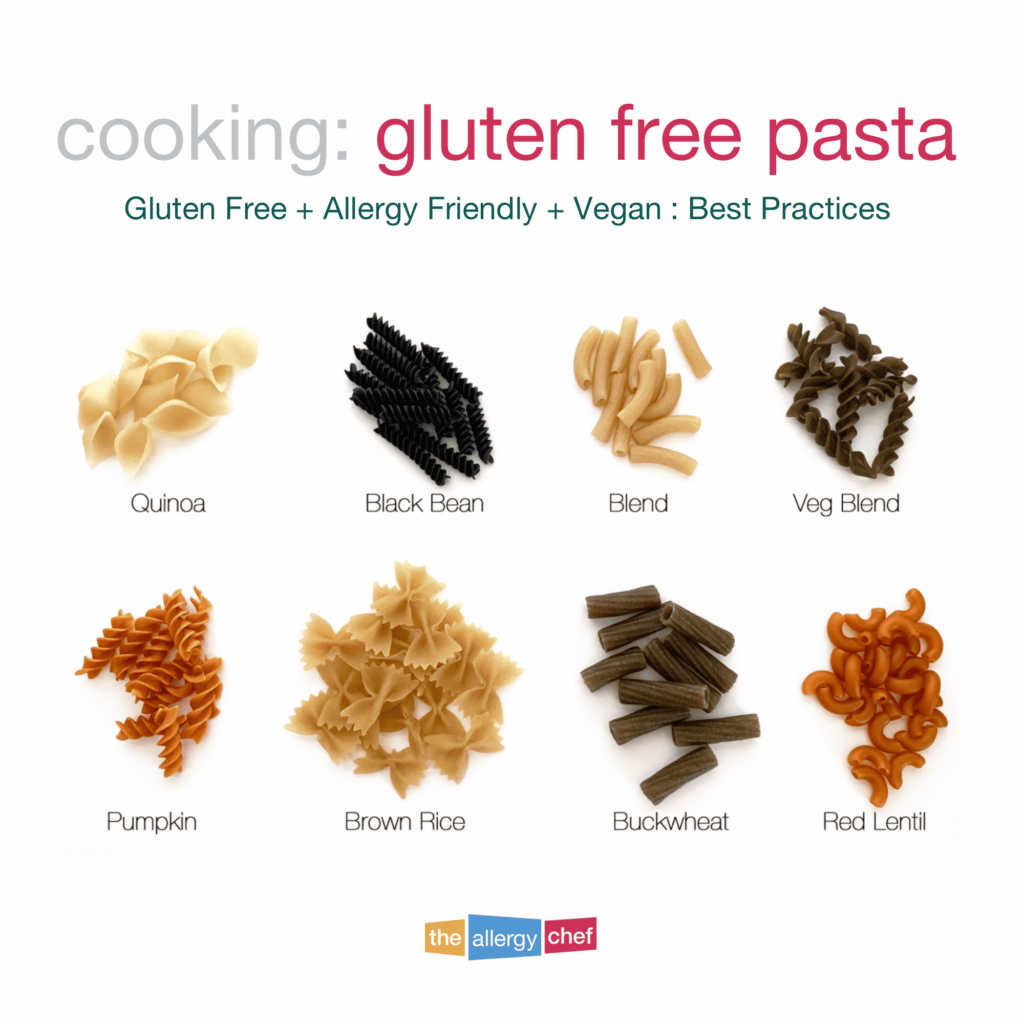
These days, you can get pastas made from pretty much all forms of gluten free starches. From rice noodles to corn noodles to noodles made from hearts of palm, there are SO MANY to choose from. These are the types of gluten free pasta choices you’ll run into at most grocery stores:
- Gluten Free Buckwheat Pasta (technically grain free since it’s a seed)
- Gluten Free Corn Pasta
- Gluten Free Rice Pasta
- Gluten Free Millet Pasta
- Gluten Free Sorghum Pasta
- Grain Free Cassava Flour
- Grain Free Lentil Pasta
Online, there are a lot of specialty pastas to choose from (more than what I’ve listed), and you can read about them in this article. I’ve outlined the brands that are available, along with what the base of the pasta is, and any major allergens.
Cooking Gluten Free Pasta
It’s so important to know that once you go gluten free, cooking pasta has a bit of a learning curve, and each base is slightly different. Not only that, but the number one tip I can give you is this: never trust the package. The time on the package almost never matches the real world, so be on your A-game.
I’ve written this helpful article, all about how to cook gluten free & allergy friendly pasta, and the pitfalls to watch out for. If you plan to rotate through different pastas (which you should), keep a little sticky note in your kitchen or a cheat sheet on your phone so you know how long each brand/base takes on your stove. And remember, not all stove eyes receive the same amount of power, so use the same one each time if you can.
If you’re wondering if gluten-free pasta can be used in a pasta bake, the great news is, yes! They absolutely can. If you want to follow a Dutch oven recipe or oven based recipe where you add dry pasta and a hefty amount of liquid, know that gluten free pasta can get the job done.
Pasta Alternatives
There are so many reasons you may not be able to purchase gluten free pasta. The great news is that you can make pasta-adjacent meals using vegetables as the base. I like to use a vegetable sheeter to make veggie lasagna noodles, and a spirializer to make veggie noodles.
Some vegetables that make for a great pasta alternative:
- Butternut Squash
- Celeriac
- Salsify
- Spaghetti Squash (probably one of the best options to start with)
- Sweet Potatoes
- Tokyo Turnips
- Zucchini
To use a vegetable noodle, you’ll peel and prep your veg with the appropriate tool, then cook the vegetable to your desired doneness. From there, top with a sauce. For example, if I make sweet potato noodles, I’ll peel sweet potatoes, spirailaze them, then sauté until they have a noodle vibe going.
On the other hand, if I make spaghetti squash noodles, I’ll cut the squash in half, then oven roast until the flesh can be flaked away. Once that happens, you’re left with strings of squash that are like angel hair pasta and it’s so freaking awesome.
For a lasagna effect, I’ll sheet a vegetable, then cut it to fit the dish I’ll be baking in. From there, I build layers (meat, “noodles”, etc.), then bake until vegetable sheet is easy to pierce with a fork.
Gluten Free Carbohydrates to Fry at Home
If you’re a fan of fried foods, it’s helpful to know where to start. First, you’re going to need a good deep fryer. Personally, this is the one that I use since it has a cool oil filtration system built in, which means less oil waste.
From there, choose an oil to fry in. I use organic sunflower oil, or avocado oil when frying for my kids. If I fry something for myself, I use organic tiger nut oil (tuber, not a tree nut).
Then, you get to do the fun part, decide what to fry! Truthfully, anything can be fried. However, when it comes to good gluten free carbs that you can eat alongside a meal, here’s a good list of vegetables and grains to fry up first:
- Carrots
- Chickpea Flour Fries
- Eggplant
- Green Tomatoes
- Mushrooms
- Plantains (look up tostones if you’ve never heard of them, and try to make those)
- Polenta (look up polenta fries)
- Potatoes (all colours, each type will produce different results)
- Sweet Potatoes
- Yams & Japanese Yams
Whilst you can fry all vegetables, some will come out crispy (like kale) versus starchy and carby (like potaotes).

Great Tools for Your Gluten Free Kitchen (to make tasty carbs)
If you’re just embarking on a gluten-free lifestyle and aren’t sure about kitchen tools, let’s talk shop for a hot minute. When it comes to cooking gluten free carbs, you’ll want these basic tools:
- Knife (my current favourite series)
- Cutting Board
- Pans (have several sizes)
- Baking Trays (also called sheet pans, not the same thing as a cookie tray)
- Oven
- Glass Baking Dish (also called a casserole dish)
- Vegetable Peeler
- Rice Cooker (technically, you don’t need one, but I kinda swear by them)
- Stand Mixer OR Electric Hand Mixer (only if you plan on baking a LOT because a bowl and whisk are fine)
- Waffle Maker (this one is my favorite)
Here are tools you can get if you want to take your gluten free carbs to the next level:
- Air Fryer
- Pressure Cooker or Slow Cooker or Multifunction Cooker
- Deep Fryer (great for homemade French fries)
- French Fry Cutter (the kind you mount to the wall, if you plan on making French fries often)
- Food Processor (great for dicing/chopping onions, bell peppers, and other basics, which can enhance all your meals)
- Mandolin Slicer (ONLY if you don’t have good knife skills, or want super consistent thin results)
- Electric Tortilla Press (only get this if you can’t purchase gluten free tortillas)
With the basic tools, you can make a really wide range of gluten free carbohydrates, so start there. Focus on learning which textures you enjoy the most, as well as what tastes great to YOU.
If you’d like to see more tools I personally use and enjoy, check out my Amazon Shop.
Go Forth & Feast on Gluten Free Carbs!
I hope that your takeaway here is that you aren’t super limited in what you eat when you’re gluten free. Sure, you’ll have to cut out key ingredients, however, there are loads of work arounds and substitutes available for almost any gluten-containing product on the market.
As a parting note, look into Feel Good Foods. They make pot stickers, spring rolls, and pizza pocket bite thingies. The kids say you’ll thank them later for that. OH! And The Organic Coup has gluten free corndogs and Applegate has gluten free chicken nuggets.
Enjoy indulging in Safe & Delicious Food!!
Recipes for Gluten Free Carbs
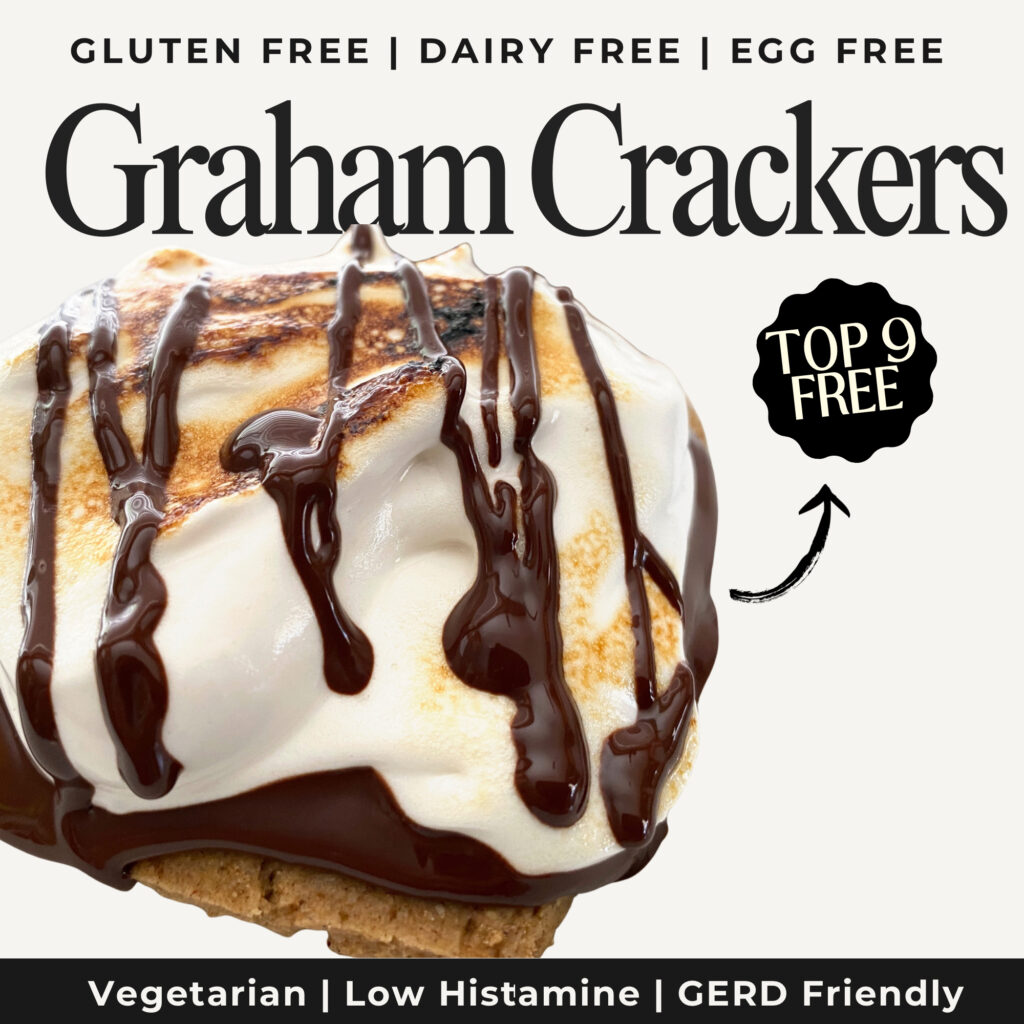
- Homemade Gluten Free Honey Graham Crackers Recipe (Top 9 Free)
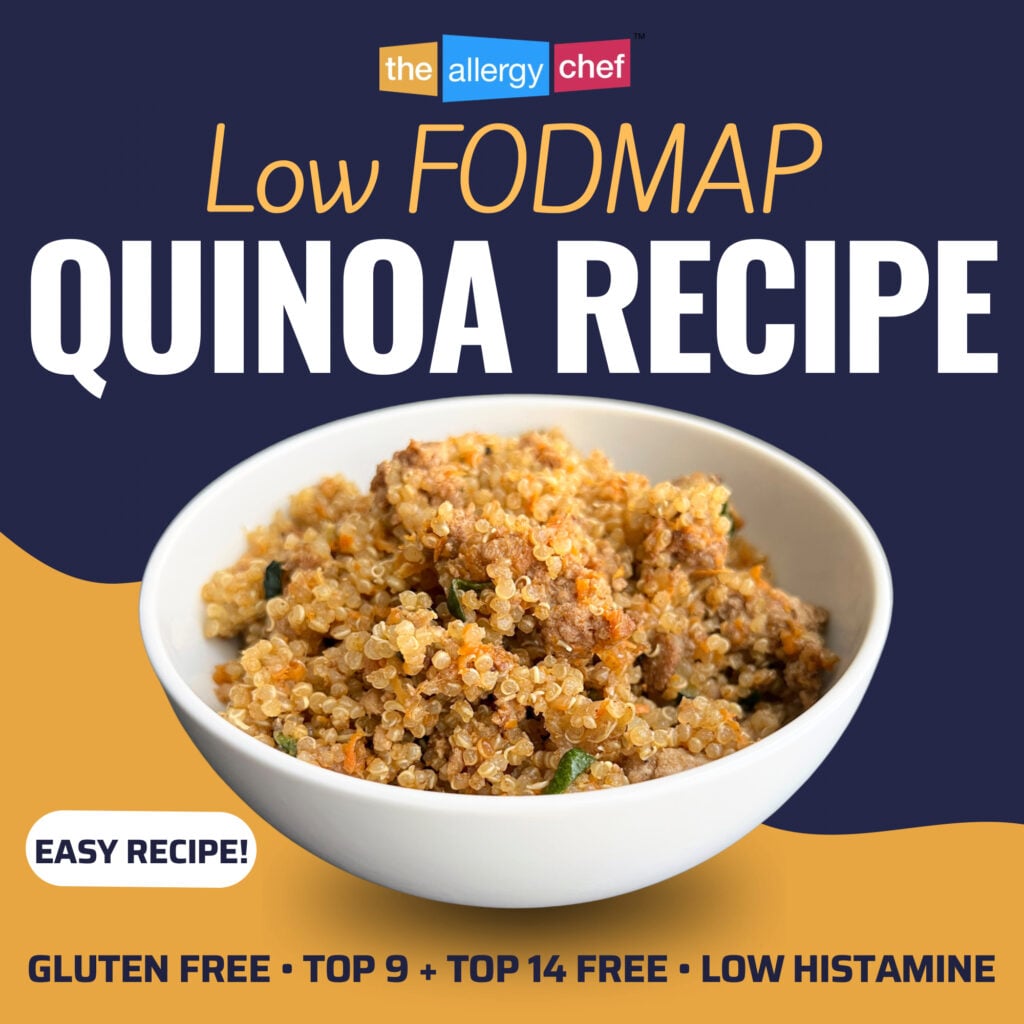
- Easy Low FODMAP Quinoa Recipe (Top 9 Free, Top 14 Free)
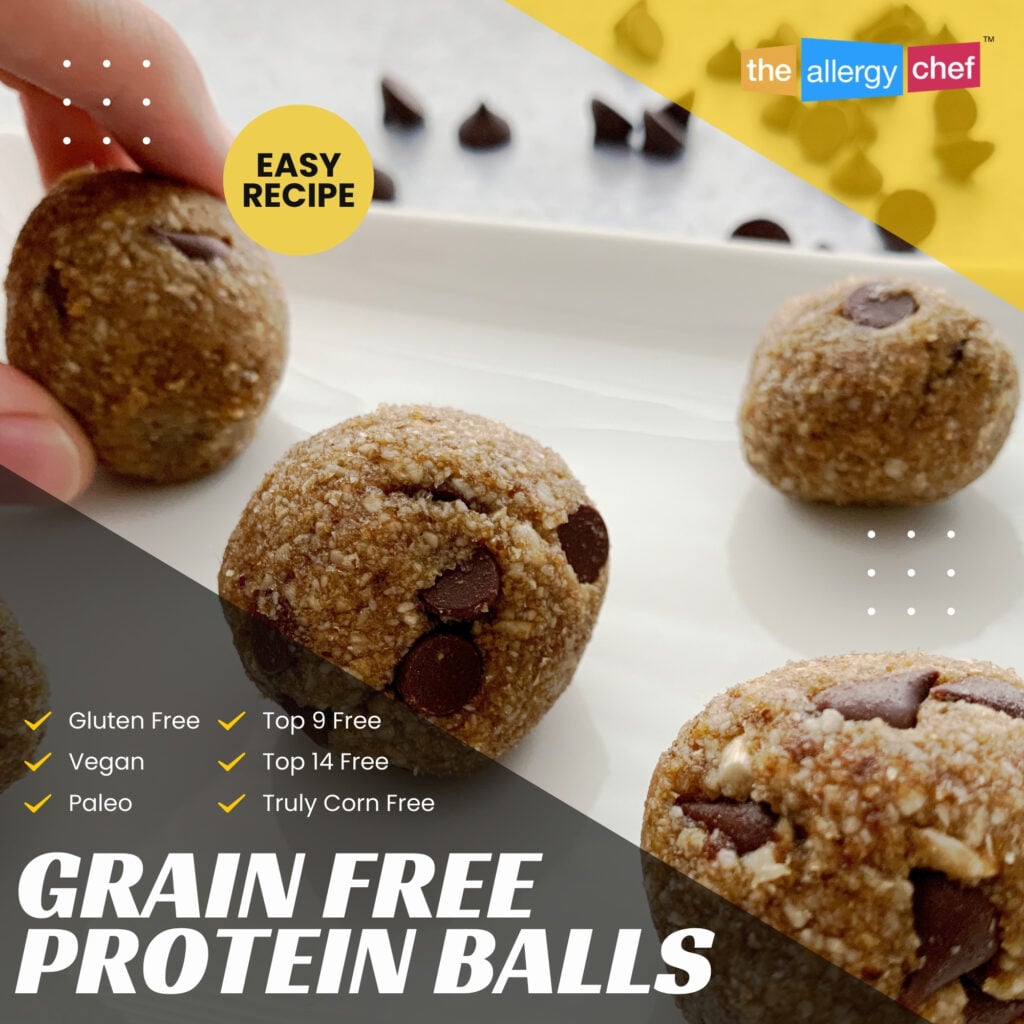
- Grain Free Power Balls Recipe (Vegan, Oat Free, Top 9 Free, Top 14 Free)
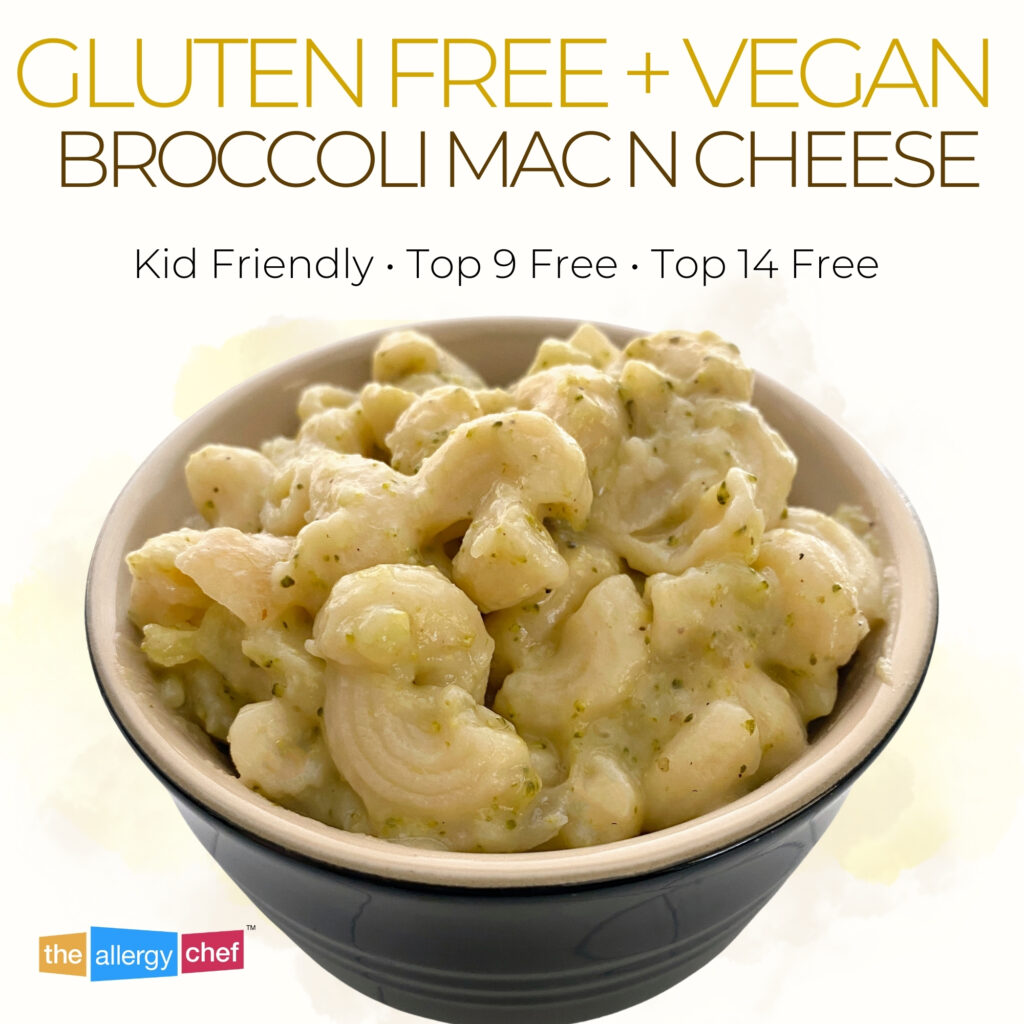
- Kid Friendly Gluten & Dairy Free Broccoli Mac and Cheese Recipe (Gluten Free, Vegan, Top 9 Free, Top 14 Free)
- Egg Free Potato Salad Recipe (Gluten Free, Allium Free, Top 9 Free, Top 14 Free)
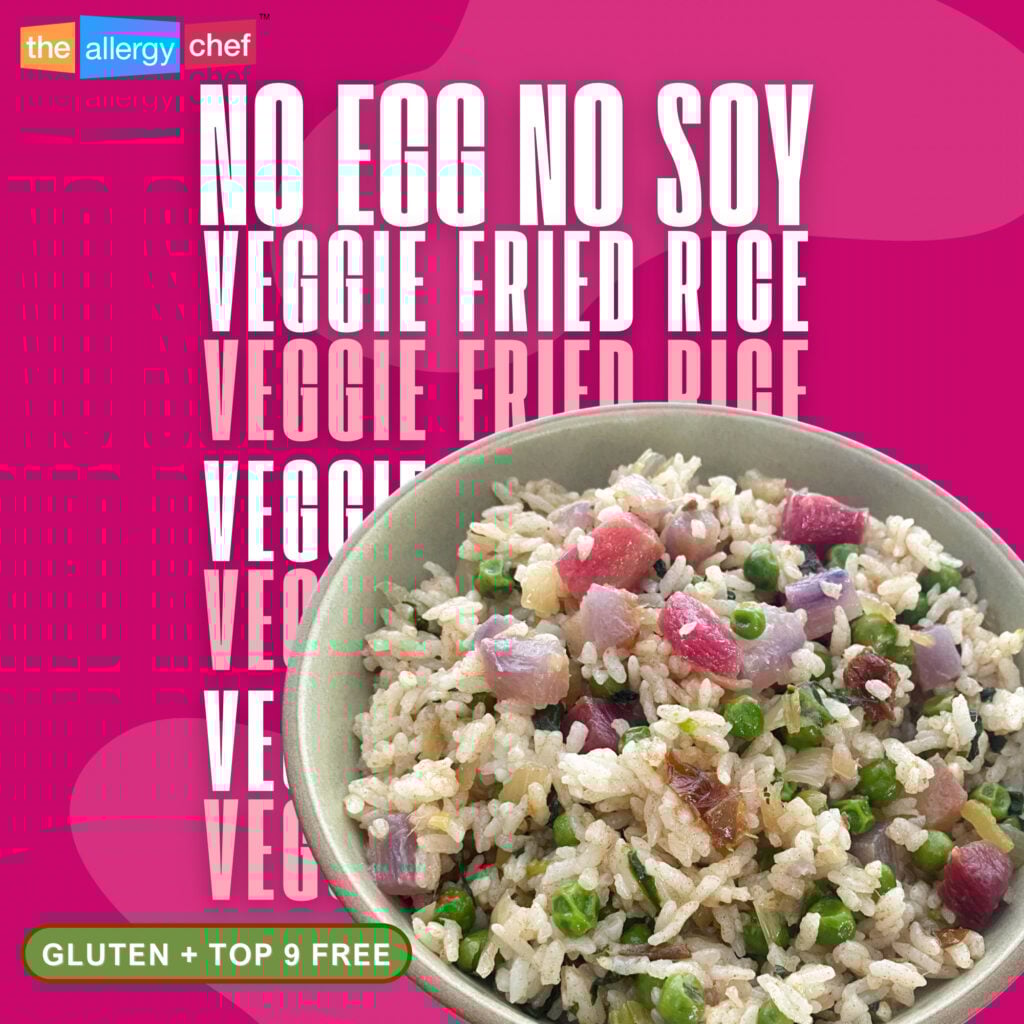
- Vegan Veggie Fried Rice Recipe (Gluten Free, Top 9 Free, Top 14 Free)
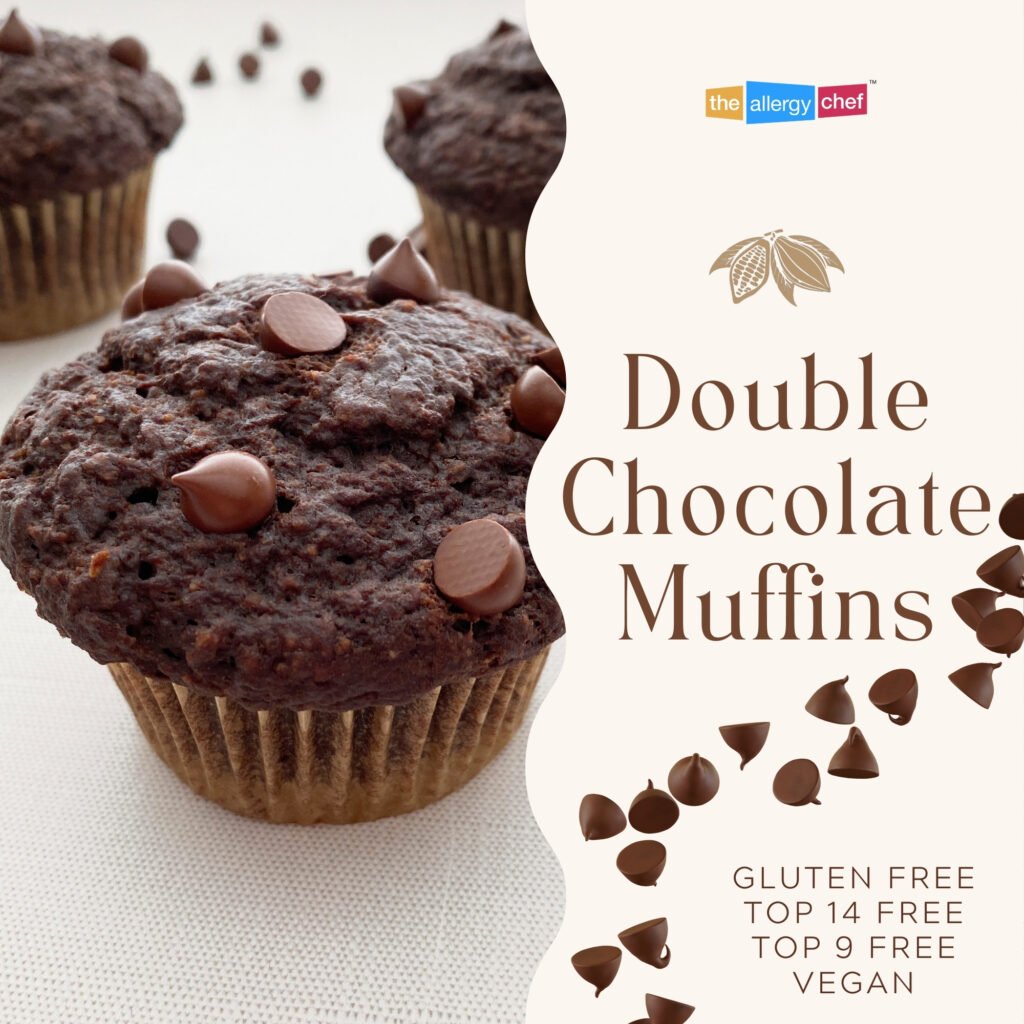
- Gluten Free Double Chocolate Muffins Recipe (Flax Free, Vegan, Top 9 Free, Top 14 Free)
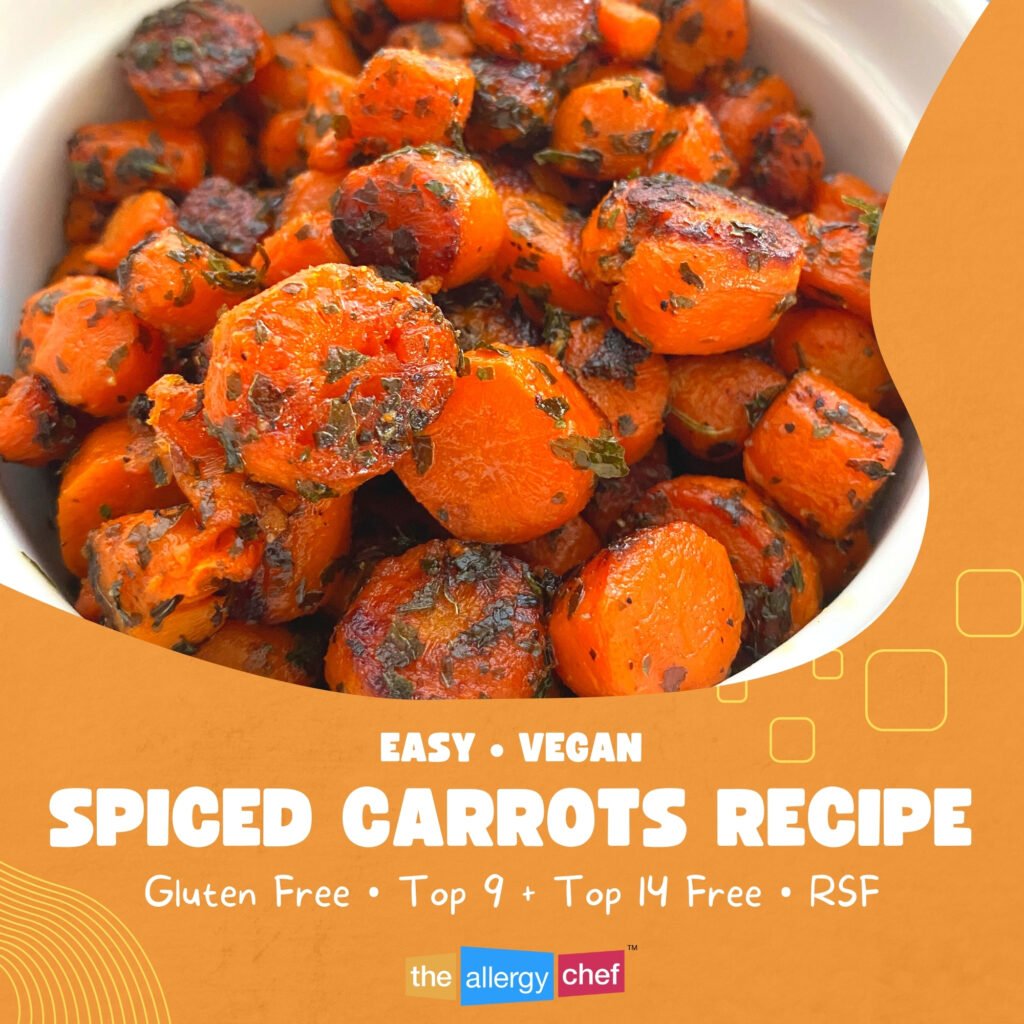
- Spiced Carrots Side Dish Recipe (Gluten Free, Vegan, Top 9 Free, Top 14 Free)
 |
 |
 |
 |
 |
 |
 |
 |
Answering Your Questions About Gluten Free Carbs
Is farina gluten free?
This is a great question! The term farina means “flour or meal made of cereal grains, nuts, or starchy roots”. In other words, it can be made from a range of raw materials.
You’ll have to read the label of the farina you’d like to purchase to see if it’s made from a gluten free grain (or pseudograin), or a wheat based or gluten containing grain (wheat, emmer, barley, etc.). Remember, there are lots of types of wheat including spelt, einkorn, and more.
Are oats gluten free?
Talk about the $64,000 question. There’s a lot of debate on this topic. On one hand, you have gluten free purity protocol oats which are deemed gluten free here in the United Sates, and in several other countries.
On the other hand, oats are included in the top 14 allergens in several countries under the phrase gluten containing cereals and grains. Furthermore, about 25% of people with Celiac Disease are unable to consume oats, not even Purity Protocol.
It all comes down to avenin. Gluten is the protein that effects people with Celiac Disease and Non-Celiac Gluten Sensitivity. In wheat, it’s called gliadin, and in barley it’s called hordein. Rye also contains gluten in that case it’s called secalin. You may have guessed it. Oats contain a protein called avenin which is protein strain that’s similar to gladian, hordein, and secalian.
On top of the similar protein, most oats when processed are done so with wheat on the same equipment and in the same facility. The amount of cross-contact between wheat and oat is HIGH, which is why the Purity Protocol designation was a much needed advancement in the processing of oats.
Some countries have decided that avenin is close enough to the other three strains to say that oats can’t be called gluten free. Other countries have decided that it’s different enough to allow for gluten-free oats.
At the end of the day, it comes down to your individual level of tolerance. My suggestion is to always trial Gluten Free Purity Protocol Organic Oats. If you can’t have those, you won’t be able to have oats, as the processing of other oats is inferior. You can read more about oats here.
Who sells the best gluten free bread?
So, this is SUCH a loaded question. There are a lot of variables that go into choosing a gluten free bread. RAISE (my membership website), has several gluten free bread reviews for you to enjoy, however, my kids haven’t tried them all. Not every bread available is safe for our household to try, which is why the answer will always be subjective.
Here’s what I can tell you. Overwhelmingly, when asked, people who CAN have eggs say Canyon Bakehouse is the best. For those who can’t have eggs, Little Northern Bakehouse is a popular choice. O’Doughs is another popular name.
There are brands such as Bread SRSLY and Young Kobras who make gluten free, vegan, top 8/9 free sourdough breads, and they ship. However, you have to really like sourdough bread to get into these.
Also, for the love of all that is good and right in the world, please warm or toast your gluten free bread. The results will be so much better.
To see alllllllll the gluten free bread options, including notes for other major allergens, grain free options, and so on, check out this article on Gluten Free Bread & Breadcrumbs.
What are the best flours to use for gluten free baking?
I wish I could tell you that there’s a super easy way to have the best results when baking gluten free. A lot of planning and testing goes into a good gluten free recipe. All of the recipes on RAISE are gluten free, as well as dairy free and egg free. Those two latter facts impact how I choose the gluten free flours I use.
Additionally, WHAT you’re trying to bake will influence your choice. Sure, you can use an all purpose flour, however, when you need to use a cake flour, or high protein flour, the choices you make will be altered. With all of that in mind, go read this article on gluten free flours. It talks about the options that are available to you, and how to make a good gluten free flour blend.
Are potatoes gluten free?
Yes! White potatoes, also known as gold potatoes, red potatoes, and russet potatoes are all gluten free. Sweet potatoes, Japanese yams, regular yams, and ube are all naturally gluten free as well. This article on potato varieties may be helpful for you to read.
Interestingly, potato starch is a staple in gluten free baking as it helps create a tender crumb in your baked goods. If you’ve ever had a dense gluten free baked good, there’s a good chance the base flour blend wasn’t as good as it could have been.
Does gluten free eliminate carbohydrates?
No, gluten free only eliminates carbohydrates that contain gluten. Wheat, rye, and barley are gluten containing grains and all of their forms are eliminated on a gluten free diet. If you’re newly diagnosed, this article, How To Go Gluten Free: What to do When You’re Newly Diagnosed, will be very helpful.
Even when you’re gluten free (and even grain free) you’ll still have a range of healthy ingredients to choose from that are also a good source of carbohydrates.
Is cross-contamination the same thing as cross-contact?
Nope, and I’m so glad you asked. In a nut free nutshell, cross-contamination refers to food borne illnesses (e. coli etc.) and cross-contact refers to allergens.
I’m going to point you towards this super helpful article on the topic so you can learn all the details. I also share how you can prevent cross-contamination in your kitchen.
What are some easy gluten-free breakfasts I can make?
Buckle up because I have so many breakfast ideas for you that will make your taste buds sing:
- Gluten Free French Toast + Thawed Frozen Blueberries + Drizzle of Maple Syrup
- Yogurt Parfait (Yogurt + Grain Free Granola + Chia Seeds (nutrition boost) + Fresh Berries + Banana Slices)
- Greek Yogurt Parfait or Sheep’s Yogurt Parfait (same idea as above, but swap the yogurt for a different taste)
- Cream of Buckwheat (a seed, not a variant of wheat) + Crispy Bacon + Chopped Dates + Wilted Spinach
- Gluten Free Oatmeal + Pumpkin Purée + Cinnamon + Diced Apples + Chopped Dates + Optional Crispy Bacon
- Quick Omelet with Cheese + Ground Meat + Spinach + Diced Bell Peppers + Mushrooms
- Leftover Sushi Rice From the Fridge + Seasoned Ground Meat + Fried Egg + Oven Roasted Veggies on the Side (the seasonings can go in several directions, and you can even add something like hot sauce on top)
- Basic Spinach Omelet (but jazzed up with Mexican cheese, goat cheese, or feta cheese, and diced tomatoes)
- Baked Apples or Baked Peaches with Cinnamon (add them on top of something like oatmeal and serve with a side of sausages [this is a great homemade sausage recipe FYI])
- Scrambled Eggs + Gluten Free Avocado Toast + Diced Tomatoes
- Chocolate Smoothie (cashews + cacao + bananas + mint + honey or maple syrup, add chia seeds to boost the nutrition and fiber)
Personally, when it comes to cooking easy gluten-free breakfasts for my family, I tend to go with the batch cook and freeze method, then they can grab what they want and it’s quick.
I like to stock the freezer with gluten free muffins, gluten free waffles, gluten free pancakes, and a whole lot more. I’d encourage you to check out the Advanced Recipe Search on RAISE (my membership website). Pop in all of your needs, then choose Freezer Friendly and Breakfast Recipes to limit the results.
If all else fails, make a simple bowl of gluten-free cereal with some fruit on the side, or something like Shakshuka, a basic gluten free porridge with fruit, or congee.
Is tapioca flour a good substitute for wheat flour?
Nope, on its own, tapioca flour (also called tapioca starch) would not be a good 1:1 substitute. Wheat flour has a lot of properties that need to be accounted for, which is why in the gluten free world, we use gluten free flour blends, rather than a standalone flour.
When you only use one flour (by choice, not because of your specific restrictions), you’re fighting with both hands tied behind your back. In the case of tapioca, it’s actually a light fluffy starch (even though the word flour implies something different). If you were to make this swap, you’d end up with a hot gummy awful mess.
The better move is to create a gluten free flour blend at home with basics such as rice flour, sorghum flour, and tapioca (it can help balance a blend).
Alternatively, you can use some kind of gluten free all purpose flour as a 1:1 substitute by weight. Weight is really important, FYI.
Instead of talking your ear off about this topic, I’m going to point you towards this super duper helpful article on gluten free flours. Review that information, and you’ll have a better idea of how to properly blend gluten free flours for fantastic results.
Should I avoid gluten free wheat starch if I have Coeliac Disease?
For anyone with a wheat allergy, I want to say up front: you absolutely must avoid gluten free wheat starch.
For anyone managing Coeliac Disease (Celiac Disease), you’ll have to decide where you draw the line. In the past few years, there’s been a rise in gluten-free foods containing “gluten free wheat starch”. This is a product that’s made by processing and washing the wheat to remove the gluten protein and leave the starch behind. Is is a perfect process? Maybe, and that’s the issue.
There are plenty of people with Coeliac Disease that say they eat gluten free wheat starch without issue. However, there have been quite a few people online with Coeliac reporting that they absolutely cannot eat gluten free wheat starch.
Ultimately, it’s personal preference. In my case, it’s not even a consideration since I’m in the gluten free camp because my kiddo has a wheat allergy. If this is something you’re interested in trying, I’d suggest a proper food trial, and make sure you keep a detailed food journal until you’re sure it’s a pass (or fail).
Would quinoa flour be a good 1:1 replacement for wheat flour in a cornbread recipe?
I’m so glad you asked, because no, quinoa flour would not be a good 1:1 substitute. Wheat flour has a lot of properties that need to be accounted for, which is why in the gluten free world, we use gluten free flour blends, rather than a standalone flour.
When you only use one flour (by choice, not because of your specific restrictions), you’re fighting with both hands tied behind your back. In the case of a cornbread recipe, personally, I’d make a gluten free flour blend with millet (since it will reinforce the corn flavour), sorghum, oat, and arrowroot. Those four tend to play really well together.
Alternatively, you can use some kind of gluten free all purpose flour as a 1:1 substitute by weight. Weight is really important, FYI.
Now, rather than continue to talk your ear off about this topic, I’m going to point you towards this super duper helpful article on gluten free flours. Review that information, and you’ll have a better idea of how to properly blend gluten free flours for awesome results.
Is it possible to purchase low-carb bread that’s also gluten free?
Yes! There are a few brands that make gluten-free bread that also happen to be low-carb. Rather than talk your ear off, check out this section of my Gluten Free Bread article where I outline all of the options.
Since these are products my kids haven’t tested, I can’t tell you which would be a great choice, but, at least you know where to start.
Who sells the best gluten free soy sauce?
Honestly, my understanding is that they’re all about the same. I don’t cook with soy sauce because I have a child allergic to wheat, and the issue I ran into was that most gluten free soy sauce was made on shared equipment with wheat (yes, even the BIG NAMES, wink wink). Said child is in the 30% group and can’t do shared equipment, so it was something I just opted to work around.
I suggest checking the Spokin App or the Fig App for some recommendations, and read what other users are saying.
What’s the best gluten free flour for biscuits?
According to my friend Audrey over at Mama Knows Gluten Free, the Pillsbury gluten free flour is the best for making biscuits. Since this isn’t something I’ve personally worked with, I can’t say more than that.
I’d encourage you to try her recipe since people online go wild for her stuff and see if you agree.
Are all legumes gluten free?
In their natural state, legumes (beans, lentils, soy, peanuts, etc.) are naturally gluten free. The issue you’ll run into on the commercial side is shared equipment.
In fact, there’s an organic brand that I adore, and appreciate their transparency. They don’t claim that their organic lentils are gluten free, and on the back of the label, there’s a clear warning about shared equipment with wheat and the potential for cross-contact.
Depending on your level of sensitivity, you’ll want to exclusively eat canned or dried legumes that aren’t made on shared equipment with wheat, or gluten containing ingredients.
Where can I purchase gluten free sauces?
If you’re looking to add a gluten free sauce to your meal, the great news is that there are loads of alternatives to choose from. Here in the United States, there’s Gluten Free Mall, Gluten Free Place, and the Gluten Free Shoppe. However, many people who are gluten free have found good options at Walmart.
Personally, I like to poke around on Amazon for good leads, but I also check out stores such as Natural Grocers and Sprouts. I’ve found that natural and organic grocery stores tend to have lots of fantastic options to choose from, so add them to your list of places to check.
Are dairy products gluten free?
Generally speaking, pure dairy products such as yogurt, milk, and cheese will be naturally gluten free. Plus, they have the added health benefits of healthy fats, calcium, and other minerals.
However, where you may run into trouble will be flavoured dairy products, or items such as yogurt with “added granola”. These additional ingredients can be a source of gluten, or a potential source of cross-contamination. If you want to purchase those types of products, make sure you confirm with companies that they are indeed truly gluten free.
Keep in mind though, many people with Celiac Disease are also dairy free. A lot find that after eliminating gluten and feeling better, they still have symptoms, and once milk has been eliminated, things clear up completely.
No two people are the same, and it’s entirely possible to have a milk allergy, lactose intolerance, or just not do well with milk because of genetics or your gut biome.
If you find that when eating truly gluten free dairy products you’re still not hitting neutral as expected, talk with your medical team about other potential foods that may need to be eliminated. And be sure to keep a detailed food journal in the meantime.