Today we’re going to talk about all things sunflower allergy. Managing a sunflower seed allergy sounds easy on the surface, however, it’s actually a lot harder than you’d think.
The three main reasons avoiding sunflower in foods are because:
- Sunflower is not a major allergen.
- Sunflower oil a common processing aid and isn’t declared on the label.
- Generally, sunflower seeds have gained huge popularity in food manufacturing over the past decade.
Now, let’s take a deeper look at food allergy basics, how you can avoid sunflower, and a lot more.
Warning: No Two People Are The Same
Before you go any further, and before you share anything online, it’s critical to understand that no two people are the same.
A sunflower allergy tends to have several groups:
- People who are allergic to both seeds and oil
- People who are allergic to just the seeds
- People who can consume some sunflower derivatives
These groups mean that if you take people and online information at face value, you could absolutely be hurting yourself in the long run. It doesn’t matter what a doctor said online in an article, or a stranger on the internet. Your experience is valid, and it’s yours.
You’re going to read things like “people allergic to sunflower can have the oil because it’s highly refined” yet, there are countless people online recalling how sunflower oil caused anaphylaxis for them.
So, I’ll say it again. No two people are the same. Your diagnosis, your thresholds, your symptoms, and your action plan are all yours.
What are Sunflowers
Sunflowers are large flowers that are part of the daisy family. They’re harvested for floral arrangements, as well as for use in food, bath & beauty products, and food manufacturing.
The flowers grow to be very tall (usually about 3 meters/10 feet), and they have a hairy stem. Their bright yellow colour makes them very visually appealing, and many people love having fresh sunflowers in their home to brighten the place up.
Sunflower seeds are an edible portion of sunflowers, and are grown worldwide for human and animal consumption. They’re a popular snack, but also used in a wide range of foods such as bread, bars, and candy.
Fun Fact: The term sunflower seed is actually a misnomer, but we all accept it. The hull (outside that’s removed) is called the pericap. The piece inside that people eat is actually a kernel, also called a sunflower heart.
What is a Food Allergy?
A food allergy is a response by your immune system that’s triggered by a protein that your body sees as a threat. This is not the same thing as a food intolerance (sometimes called a food sensitivity) or an autoimmune disease.
If you suspect you have a food allergy, ask your healthcare provider/main MD to refer you to an allergist for allergy testing where blood tests and/or a skin prick test can be ordered to determine if you have an allergy. Know that tests are not 100% accurate, but are still a good diagnostic tool.
A “true” food allergy is IgE mediated, and the immune system usually elicits a reaction within immediate ingestion to four hours. Outside of that window, it’s usually suspected that you have a food intolerance.
However, there are some types of allergenic diseases that are “true” food allergies and the reactions happen outside of the four hour window. Additionally, a person can have a more rare or complex case and suffer from delayed reactions (which can still be “true” food allergies).
In some patients, they have what’s called contact or airborne allergies as well. This tends to be a bit more common in those with peanut and tree nut allergies, but is also seen in those with a sunflower allergy. In their case, a reaction can be triggered by touching the food or through inhalation of its particles (like when cooking or baking).
Food allergies can be life threatening and should always be taken seriously. Work with your allergist and healthcare providers to create an action plan that will meet your needs.
Helpful Info
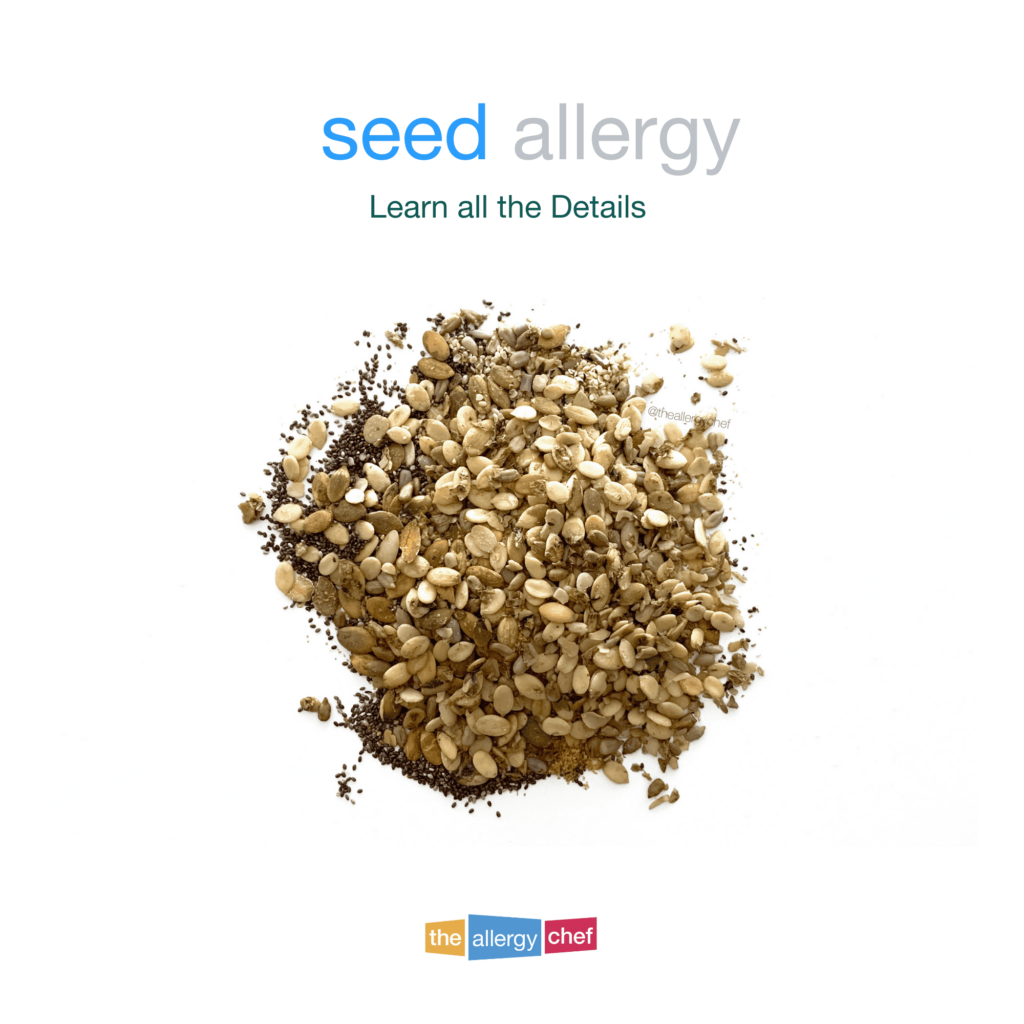
The diagnosis rate of a sunflower allergy is currently on the rise. However, there are a lot more seeds out there. If you’d like to learn more about different seeds and what it means to have a seed allergy, check out this helpful article.
Sunflower Allergy Symptoms
Food allergy reactions can vary among patients, as no two people are the same. Some allergy symptoms of a sunflower allergy include:
- Swelling of the Lips
- Swelling of the Tongue
- Swelling of the Throat
- Itchy Mouth and/or Throat
- Tingling of the Mouth, Lips, or Throat
- Shortness of Breath
- Difficulty Breathing or Asthma Symptoms
- Wheezing
- Skin Rash and/or Severe Redness of the Skin
- Itching
- Hives
- Racing Heart Rate
- Decreased Blood Pressure
- Impending Doom/Dread
- Dizziness
- Fainting/Loss of Consciousness
- Severe Stomach Pain
- GI Distress or Abdominal Pain
- Nausea
- Vomiting (including projectile vomiting)
- Diarrhea
- Blood in Stool
These symptoms are more the more severe symptoms of the allergic reaction spectrum, and can indicate anaphylaxis. It’s critical that if you see these sunflower allergy symptoms you recognize this is a medical emergency and you need to seek immediate medical help.
If you have a known allergy, follow your action plan including the use of an epipen if you have one, or prescribed antihistamines.
Three Critical Points
There are hundreds of symptoms a person can experience during an allergic reaction, but it’s important to know three things about sunflower allergy symptoms and allergic reactions:
- Not every reaction is anaphylaxis. People can have a “non-traditional” sunflower allergy reaction to food (or have mild symptoms) and still be allergic to sunflower seeds.
- Should a person experience anaphylaxis, or you see signs of anaphylaxis, it’s important to seek immediate medical treatment (use your epinephrine auto-injector if you have one). When left untreated, anaphylaxis can lead to anaphylactic shock, which can cause death.
- Previous allergic reactions don’t predict future reactions (or the severity of future reactions). In some patients, continued exposure to known allergens can cause more severe reactions each time. This is why strict avoidance of allergens is so important.
A child may talk about a food allergy differently than adults. Many children will say things like “my mouth is spicy” or “there’s a frog in my throat”. They’re trying to express what the reactions feel like to them with language or experiences that are familiar to them. Always take note of these types of statements from a child, as they can indicate a serious medical situation. If needed, don’t hesitate to seek medical treatment, and be sure to ask your GP for a referral to an allergy specialist.
You May be Asked to Do an Oral Food Challenge
A food challenge, sometimes called an oral challenge, is when an allergy patient eats a food they’ve tested as allergic to, or for a food where the results were inconclusive, under the supervision of their doctor and/or medical team. The goal of the challenge is to confirm the positive results or to determine if the patient isn’t allergic to the food.
There are several steps involved with a proper oral food challenge, including raising the patient’s heart rate to make sure a reaction doesn’t happen. If you’ve been tested for a sunflower allergy, or other food allergy, you may be offered an in-office oral food challenge to ensure the test results are accurate. A lot of people wonder, is this a good idea, or a really bad idea.
Honestly, it depends. Let’s say you had a severe reaction to sunflower seeds in the last year, and that’s what prompted you to get tested. Since a reaction is already known, in that case, an oral food challenge would be a bad idea. On the flip side, let’s say you were diagnosed with a poppy seed allergy after a panel was run alongside other foods.
Perhaps your allergist was concerned about potential reactions to other seeds and feels it’s in your best interest to challenge related foods. In that case, an oral food challenge could be very helpful.
How Challenges Can Help
Food challenges are also used to confirm if someone has outgrown an allergy (this is a lot more common in kids). For some kids, they’re diagnosed at an early age with really high numbers on their test results and the food(s) will be avoided for years.
During a checkup, their allergist may note that their numbers have decreased dramatically, and it would be safe to do a food challenge. Many allergy parents are understandably nervous, and some choose to move forward with the challenge whilst others decide they’ll continue to avoid the food(s).
In some cases, an allergic individual may not be offered an oral food challenge by their allergist, even with a reduction in numbers, and that’s because of other contributing factors (including a history of severe allergic reactions).
Know that food challenges are completely voluntary, and you don’t have to do anything you’re uncomfortable doing, nor do you have to subject your children to them. At the end of the day, do what’s best for you and your children.
Sunflower Seed Oil & Seed Oils: Are They Safe to Eat?
You may have read that you can have sunflower seed oil if you’re allergic to sunflower, and of course, now you’re wondering if that’s true. The reason you’ve heard this: some people with food allergies are able to eat the very highly refined version of the oil of what they’re allergic to. This has been seen in peanut allergy patients who can have peanut oil and soy allergy patients who can have soy oil.
The reason this works for some patients is because of how highly refined the oils are. In the cases of peanut oil and soy oil, most (and sometimes all) of the proteins are undetectable after the industrial refining process is complete.
For some patients, this means that the oil is rendered safe to eat, however. And this is a BIG however. Some patients have had severe allergic reactions to highly refined oils, so please don’t think this is carte blanch to buy all the oil. It means it’s a good topic to discuss with your medical team. Your team of healthcare provider can review your medical history and let you know if this would be safe for you to try.
Also, if you have a doctor that doesn’t take your concerns seriously, please find a new one. I’ve read too many horror stories and free-from folks need a doctor that’s going to really work with them, and for them.
The critical piece of information that’s often left out:
Not all commercial oils are highly refined. Sesame seed oil is the perfect example. It is absolutely, not a highly refined oil. If you have a sesame allergy, it is not safe to consume sesame oil, as sesame protein is still very much present. Additionally, a lot of sesame seed oil is cold pressed, and there’s very little refining involved in that process. This is true of a lot of seed oils sold in stores and used in commercial settings.
In the case of sunflower oil, some allergy patients report that if they consume organic sunflower oil, they react. If they eat highly refined, ultra processed junk food, they don’t react. Then, there are the patients who can’t have the oil at all. The only way to know which group you’re in is to do a food trial with your medical team.
You should also remember that no two people are the same. Only some people with peanut, soy, and seed allergies can eat highly refined oils. Many patients still have to avoid these products, no matter what the mainstream may say.
If you’d like to learn more about seed oils, cross reactivity, and seed oil alternatives, read this article.

Sunflower Allergy In Relation to Other Allergenic Conditions
There are some medical conditions and allergenic diseases that require a person to remove sunflower seeds from their diet, including those who require a low purine diet or low oxalate diet. Here’s a bit more info on two major conditions that eliminate sunflower seeds.
Oral Allergy Syndrome Connection
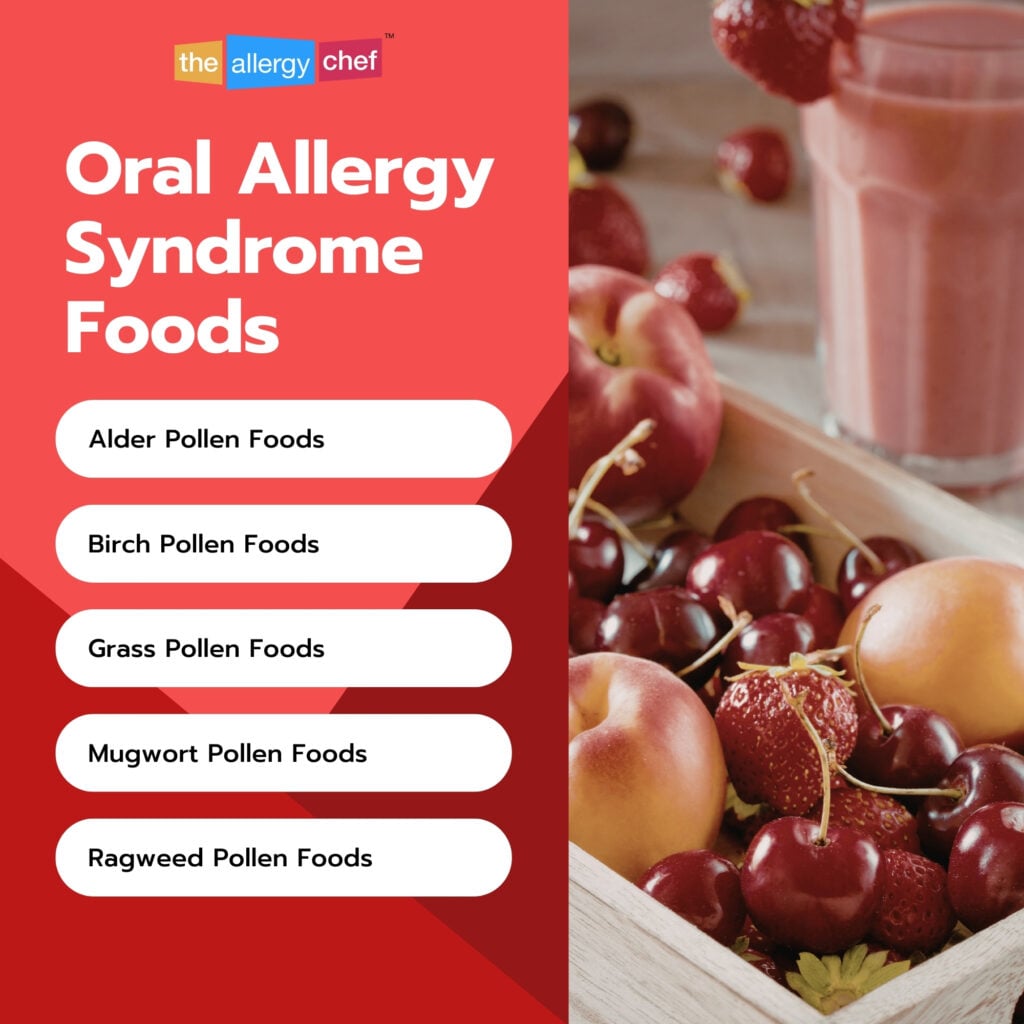
Oral allergy syndrome, now called pollen food allergy syndrome, is a special type of food allergy. As the name implies, the allergy symptoms happen in the mouth (oral). In easy to understand terms, here’s how it works:
A person allergic to a specific pollen must avoid a specific list of foods because the proteins in said foods “look similar enough to the pollen” to their immune system that it causes a reaction. However, in almost every OAS/PFAS patient, all allergic reactions occur above the collar bone, and mainly in the mouth and throat.
Many OAS/PFAS patients are able to tolerate the cross-reactive foods if they’re well cooked first, as this denatures the protein so their immune system can “clearly see” that this isn’t the pollen, but something else.
In the case of sunflower seeds, they’re cross reactive with birch pollen, mugwort pollen, and ragweed pollen. If you’d like to read more about OAS, check out this article here on my website.
 |
 |
 |
 |
Latex Allergy Connection
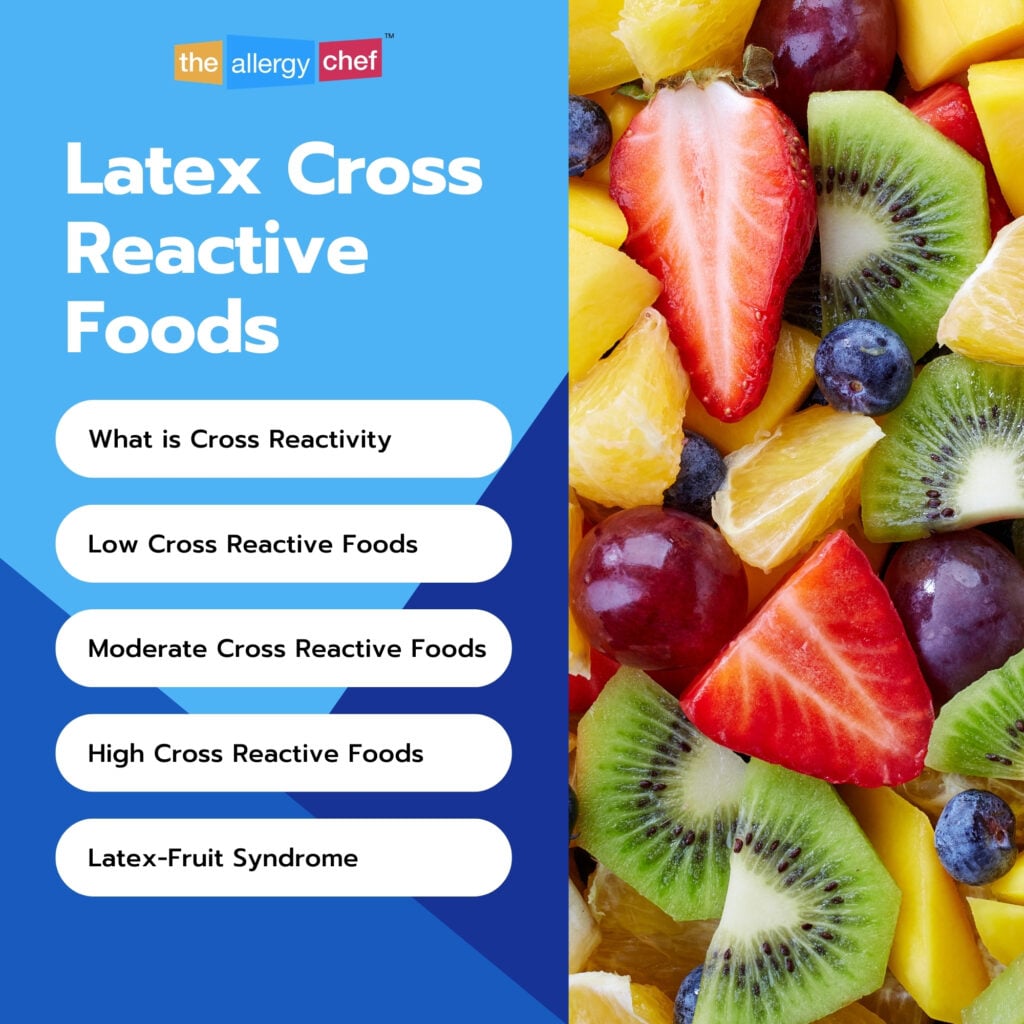
Many patients with a latex allergy have to eliminate foods that are cross reactive with latex. Foods all into three categories: low cross reactivity, moderate cross reactivity, and high cross reactivity.
Sunflower seeds fall into the low cross reactive category. If you manage a latex allergy, and only need to eliminate moderate and high cross reactive foods, then sunflower seeds should be OK to try.
However, if you eliminate low, moderate, and high, sunflower seeds are off the menu.
How to Shop for Food When Managing a Sunflower Allergy
When you have a sunflower allergy, the hard truth is this: shopping for anything pre-made will be incredibly difficult. Not impossible, but if you’re used to eating a Standard American Diet (SAD), it’s drenched in sunflower.
If you have other food allergies in addition to sunflower, know that allergy friendly foods are drenched in sunflower as well.
The saving grace is this: the current seed oil free movement. They have been getting louder and louder, and for those of us with a seed allergy, we’re reaping the benefits.
Where you can, look for brands that are all about clean ingredients, organic sourcing, and minimal ingredients + processing. Further down, I’ve shared some products with you and you’ll notice each brand keeps things SIMPLE.
Sunflower is Not a Major Allergen
If you’re familiar with major allergens, also called top allergens, sunflower doesn’t fall into that category. Sesame is the only seed on the list. Here in the US, we have the Top 9. In the EU, they have the Top 14. There’s also Top 10, Top 11, and Top 12 in miscellaneous countries.
Sunflower isn’t considered a major allergen anywhere. This means that if you see a “contains statement” or a “may contain” statement, sunflower is never included in that.
Always read ingredients carefully. I suggest using a finger to lead your eyes, line by line.
Understanding Trace Amounts
This is perhaps what makes sunflower allergy management incredibly difficult. Trace amounts of sunflower will be on a myriad of products because sunflower oil is used as a lubricant on the machinery (belts, etc.) to help some products glide smoothly. Bars (especially sticky fruit bars) are a great example.
Additionally, if equipment is used to manufacturer foods that contain sunflower, there can be trace amounts of sunflower on said equipment. This is a concern to investigate if you purchase food from brands that use a copacker.
Through my work, I’ve been able to estimate that about 30% of people with food allergies are unable to eat foods that have been made on shared equipment with what they’re allergic to due to these traces of sesame. If you’re in that group, and knowing what I know, the solution is to make most of your food at home. Trust me, it will be much easier in the long run.
There are some products below that are sunflower free that you can tap into to balance out making vs purchasing, but be prepared to cook and bake at home (and batch cook to fill a storage freezer).
General Labeling Information
In the U.S. food companies must use plain language on the food labels according to federal law (this is especially helpful with an egg allergy which we can talk about another time). What this means is that in the ingredient statement, you won’t see “Helianthus annuus” on the label (the scientific name for sunflower) but instead you’ll see “sunflower” or “sunflower seed” or something along those lines.
For some bath and body products, you’ll see “Helianthus annuus”, however, you should also see “(sunflower)” next to it. I’ve seen this a lot with natural and organic products where they use the scientific name for every ingredient in the product.
Different Names for Sunflower
Different forms of sesame can have different names, and you may see them on food packages. These are the names to be aware of:
- Sunflower
- Sunflower Lecithin
- Sunflower Oil
- Sunflower Seeds
- Sunflower Seed Butter
Diet Types That Are Naturally Sunflower Free
If you see foods marketed to these specific diets, they’re going to be sunflower free. Keep in mind, the whole sunflower kernel is not a seed oil, so seed oil free brands may still contain whole sunflower.
- AIP Paleo
- Low/No Oxalate Diet
- Low Purine Diet
Sunflower Free Product Recommendations
This is by NO means an exhaustive list. Rather, I’m sharing a few suggestions to get you started.
Click here for sunflower free + dairy free cheese.
Chips: Artisan Tropic, or look for brands shouting seed oil free on the package
Chocolate: Sacred Heart
Dairy Free Ice Cream: Cado
Dairy Free Milk: Malk
Energy Bars: Bearded Brothers
Granola: Nana Joe’s (gluten free + grain free)
Gluten Free Crispbreads: Le Pain des Fleurs
GF Pizza Dough: Wholly Wholesome (contact them for cellulose source info)
Gluten Free Sourdough: Bread SRSLY
Sauces: KC Natural (pizza, pasta, BBQ, salsa, and more, but also tomato free since this is a hyper niche brand)
Sunflower Allergy: List of Foods to Avoid
When you’re managing a sesame allergy, know that there are foods that naturally contain sunflower products. When you see these foods, you’ll know right away that sunflower is involved.
- Nut Free Granola
- “Seeded” Foods (anything that has seeds sprinkled on)
- Sunflower Risotto (sometimes seen in Europe)
- Sunflower Seed Bread
- Sunflower Seed Brittle
- Sunflower Seed Powder
Hidden Sources of Sunflower: List of Foods That Can Contain Sunflower Seeds
If you’re looking to purchase food, it’s in your best interest to reach out to brands first, ask about shared equipment, their facility, and so on.
I’m going to level with you: sunflower is pretty much everywhere in packaged foods, anything convenient (like marinades), baked goods, bath & beauty (including things like chapstick), and so on.
Like corn, there are hundreds of uses for sunflower in the food world, and that’s because it’s cheap. It’s also considered allergy friendly, making it a “perfect” ingredient choice. You’ll find sunflower in conventional products, natural foods, and organic foods.
Managing this condition is difficult because of how prevalent the use is…. in fact, the best advice I can give you when you’re new to the diagnosis is to make your food at home from safe raw materials.
Is it convenient? Nope. Is it safe? Absolutely. Remember, you don’t need to make Michelin Star meals to keep yourself fed.
List of Foods Where Sunflower Can Hide
This is a non-exhaustive list. Just because a product type is on this list doesn’t guarantee the presence of sunflower (but the opposite is also true). This means that you need to really read ingredient labels carefully.
- Allergy Friendly Products (seeds are a top choice for anything allergy friendly, gluten free, vegan, nut free, and peanut free)
- Baked Goods (bread, muffins, cake, cookies, gluten free baked goods)
- Bird Food (also called bird feed)
- Candy (chocolate and non-chocolate candies)
- Cereal
- Chips
- Condiments
- Cookies
- Crackers
- Dairy Free Substitutes (milk, butter, cheese, ice cream, cream cheese, sour cream, etc.)
- Egg Free Products
- Fried Foods
- Garnish
- Margarine
- Nut Free Products
- Packaged Sandwiches
- Protein Balls/Power Balls
- Protein Powders
- Energy Bars
- Salads & Salad Dressings
- Sauces & Marinades
- Seeded Products (seeded bread loaves, etc.)
- Sesame Free Foods (example: sesame free falafel)
- Supplements & Vitamins
- Vegan Meat Substitutes
- Vegan Foods of All Kinds (savory foods, snacks, and desserts)
- Vegetable Oil
Bath & Beauty Products Usually Contain Sunflower
- Deodorant
- Lip Gloss
- Lotion
- Makeup
- Shampoo
- Soap
- Sun Screen
To circumvent this issue, start with a basic olive oil soap. It’s nothing fancy, but absolutely gets the job done. I personally use a bar of olive soap on my hands, face, body, and hair. I have zero complaints, and zero reactions.
Eating Out at Restaurants with a Sunflower Allergy
If you’d like to eat at a restaurant whilst managing a sunflower seed allergy, you’ll have to do a lot of investigating before choosing to dine out.
The absolute safest option will be an expensive farm-to-table restaurant directly on a farm where everything is made from scratch. In those environments, they control a lot, and have so much control over the ingredients and can accommodate those with food allergies.
The other safest option will be a restaurant that caters to Paleo folks, but also makes big claims about being seed oil free. You’ll still need to investigate everything thoroughly, but chances of success are pretty high.
A steak house is another good starting point, especially one that advertises clean ingredients, and organic ingredients. That’s not to say they don’t use sunflower, but your chance of success is simply higher.
Whilst it’s rare to find this, if you can find a restaurant that caters to AIP Paleo, it will be sunflower free, as the entire diet type is seed free.
You’ll want to avoid vegan and plant based restaurants, as these will have a lot of sunflower in their different food components.
I’ll also suggest avoiding high-end restaurants that have rotating seasonal menus that change frequently. Whilst they can make some minor adjustments, they really aren’t able to accommodate food allergy folks as easily since the ingredients are pretty set and the menu isn’t very flexible.
How to Replace Sunflower Seeds in Recipes
Let’s take a quick look at some general ways you can substitute sunflower seeds in recipes. Most recipes are going to call for whole sunflower seeds (kernels), or sunflower seed butter. You’ll also see sunflower oil as an ingredient, but not sunflower seed powder.
These substitutes really take texture into consideration, along with taste, and how present in flavour the substitute will be. You don’t want to wreck a recipe with a substitute that steals all of the attention.
Best sunflower seed kernel alternatives:
- Watermelon Seeds (chopped or blitzed in a food processor)
- Cashews (chopped or blitzed in a food processor)
- Pilli Nuts (chopped or blitzed in a food processor)
- Crunchy Chickpeas, chopped
The Best sunflower seed butter substitutes:
- Power Balls & Protein Bars: Almond Butter, then Peanut Butter, then Soy Butter, then Tiger Nut Butter (tuber, not a tree nut)
- Sandwiches & Smoothies: Any spread that you like the taste of will work. This article has lots of options to choose from.
- Granola Bars: Almond Butter, then any spread you like the taste of. Almond butter will be closer to neutral than many other options.
- Frosting: Peanut Butter, then Tiger Nut Butter (tuber, not a tree nut)
Best sunflower oil substitutes:
- Baking: Tiger Nut Oil (tuber, not a tree nut)
- Deep Frying: Avocado Oil, then Canola Oil
- Stove Top Cooking: Tiger Nut Oil, then Avocado Oil, then Tallow (camel hump fat will be pretty neutral, then beef tallow)
- Salad Dressing: For a neutral approach, tiger nut oil. For a flavourful approach, sesame seed oil, perilla seed oil, and oils from tree nuts.
- Homemade Mustard: Canola Oil, then Tiger Nut Oil
Remember, these are just generalizations to point you in the right direction. You’ll still need to assess if the substitute will compliment the other ingredients, which is the ultimate goal.
Answering Your Sunflower Allergy Questions
If I have a sunflower allergy, do I need to avoid all seeds?
Managing a sunflower allergy can be tough (I have one as well). What’s important to know about not only your sunflower allergy but all seed allergies is that you can be allergic to one, some, or all seeds.
The only way to know if you’ll need to avoid all seeds is to work with your medical team. They can order allergy tests, supervise an oral challenge, and give you great guidance based on your case history and test results.
I’m allergic to peanuts. Should I avoid sunflower seeds as well?
This is a great question because research in recent times have shown that those with a peanut allergy are more likely to also have a pea allergy and/or sunflower allergy. Some of this is due to cross-reactivity, however, that’s not the only reason.
I won’t talk your ear off on the topic, but you’ll want to research the prevalence between legume and seed allergies. It’s all very fascinating.
Unfortunately, no two people are the same, and there’s no way to predict what you may or may not be allergic to. Work with your MD to do allergy testing, and an oral challenge if needed to determine what you’re allergic to.
Should I avoid mustard seed if I’m allergic to sunflower?
Not necessarily. You can be allergic to one, some, or all seeds. You’ll want to ask your health care team about your diagnosis, potential for cross-reactivity, to order a sesame allergy test, and maybe even do an oral food challenge, to make sure that sesame will be safe for you to consume.
What kind of nut free spread can I use with a sunflower allergy?
First, you’ll want to read labels very carefully for any allergy friendly spreads you may find in stores. Seeds are a common nut free and peanut free alternative. In your case, the best nut free + sunflower free spreads will be:
- Chickpea Butter
- Granola Butter (made from oats, can be a little dessert-ish, but you only live once)
- Peanut Butter
- Pumpkin Seed Butter
- Soy Butter
- Tiger Nut Butter (tuber, not a tree nut)
- Watermelon Seed Butter
You’ll want to reach out to brands to ensure sunflower seed oil isn’t a processing aid before making your purchase. If you’d like to learn more about these options, and see more alternatives, check out this article.
How can I avoid accidental exposure to sunflower?
The first big thing to do is to avoid foods that contain sunflower. From there, you can talk with food manufacturers before purchasing products to confirm sunflower isn’t made on the same line as their product. You’ll also want to confirm that sunflower oil isn’t a processing aid on the machinery they use.
If you’re concerned about accidental exposure when eating out at restaurants, you’ll want to talk with an establishment in advance, extensively. If sunflower is an ingredient on any of their menu items, you’ll need to find out what the risk of cross-contact is before eating there.
Unfortunately, there’s no 100% way to avoid every risk, unless you grow your own food and make everything at home. Even allergy friendly and free-from brands have the occasional food recall due to undeclared allergens because somewhere in their supply chain, a mistake was made.
What you can do however is be prepared. Make sure you have an action plan for your food allergy and know what to do if you have an allergic response. Also make sure that those in your family know how to treat an allergic response and how to advocate for you if necessary.
When you’re new to food allergy management, everything is going to feel BIG. Every small choice will feel HUGE. However, over time, you’ll find your groove and be a shopping pro, cooking pro, and totally starting to thrive and live your best life.
I have a sunflower seed allergy. Should I also avoid sesame seeds?
Not necessarily. Some people have cross reactive allergic reactions, and some patients are allergic to more than one type of seed. Remember, anyone can be allergic to anything, and in any combination. You’ll want to talk with your medical care team about your diagnosis, order more tests if needed, and possibly do an oral food challenge to find out if you should be avoiding sesame.
Is there a treatment or cure for a sunflower allergy or food allergies?
There is no cure for food allergies, but food allergy research is progressing each day and learning more about how the immune system works. We may see a cure in the future, but for now, the only approved medical treatment at the time of this writing is called Oral Immunotherapy (OIT).
OIT is never guaranteed to work. In fact, when someone passes, we say they’re “in remission”, not “cured”, as there are no cures for food allergies. Know that results vary from one individual to the next because this is all a science of the immune system. Since no two people are the same, it’s impossible to predict 100% of the time how individuals will respond to OIT.
During treatment, patients ingest small amounts of what they’re allergic to. Some start at less than a 1 gram dose, and for reference, an ounce is 28 grams. This is done in hopes of having the immune system build tolerance. Some patients do well with this therapy and some patients never get past the first dose because of how sensitive they are to the allergen.
But wait, there’s more!
One the thing about OIT that people don’t talk about enough is that just how you can gain tolerance, you can lose it as well. I’ve also met people in this boat where they passed OIT, then a few years later woke up one day and had a severe allergic reaction.
Additionally, those with EOE have a higher risk of developing more issues if they undergo OIT. This type of science is, in my opinion, poorly understood, and all you can do is do your best and work with the knowledge you have and the guidance your medical team provides.
When it comes to OIT, really assess what it can do for you, and what your goals are. If the risk seems worth it, as an adult, I say go for it. If you’re managing a child, it’s different because of consent.
It’s really important that children give fully informed consent before you introduce known food allergens to their system (something a lot of parents overlook). This is doubly true if your child has a complex case.
Think of it this way: would YOU want something done TO you, or WITH you? There’s a big difference in those two scenarios.
If I experience contact dermatitis when touching sunflower seeds, am I allergic to sunflowers?
It’s possible. Anytime someone experiences skin irritation from touching a particular food, it’s a great idea to take photos in good lighting, then schedule an appointment with your doctor. Depending on the kind of healthcare system you use, you may have to meet with your main provider to receive a referral. In some cases, with all of this online health stuff, you might be able to email your doctor with the photos and request a referral that way (which I’m sure will be much faster).
Go through the process of allergy testing and see what the results are. If they’re inconclusive, work with your medical team on the next steps.
With skin reactions including eczema, rashes, irritation, and so on, it’s not always cut and dry. There may be other factors at play, and that’s what you’re investigating.
If you have an IgE mediated allergy, your medical team should be able to diagnosis it rather quickly, then advise you on food allergy management.