
Today we’re going to take a look at seed oils and seed oil alternatives. Before we go any further, I want to make this point: this list does not place any particular food into a good, bad, or dangerous category. With the anti-seed oil movement, there’s so much attention on seed oils right now, which is great. I’m all for gathering evidence and helping people make better choices.
However, there are people allergic to seeds who really need this information, and that’s the main goal of this list. I’m here to educate you on what types of seeds are used commercially, as well as what options you have for selecting seed oil alternatives.
Ultimately, your health and wellness is yours, so choose foods that nourish you, and keep you medically safe.
Have a seed allergy? Check out these seed allergy articles and resources.
List of Seed Oils
Here’s a long list of seed oils used around the globe for various purposes. Some oils are rarely seen in commercial foods due to their cost. Other oils are used for nutritional purposes, or for the cosmetic industry. Some oils are mainly used in a particular country, so where you live will greatly impact which variety of seed oils you regularly see.
- Ambadi (rarely used in food and more for non-food uses)
- Apple Seed Oil (mainly used in bath and beauty products)
- Camelina Seed Oil (also known as false flax, most likely to see this in European beauty products)
- Canola Oil (also called rapeseed oil)
- Castor Oil
- Chia Seed Oil
- Corn Oil
- Cottonseed Oil
- Flaxseed Oil (also called Linseed Oil)
- Grapeseed oil
- Hemp Seed Oil
- Mustard Oil (used commonly in South Asian countries along with some African nations, and isn’t sold in some countries due to erucic acid levels)
- Peanut Oil
- Pequi Oil (native to Brazil and used as a cooking oil)
- Perilla Seed Oil (an amazing alternative to sesame seed oil, popular in Korea)
- Poppy Seed Oil
- Pumpkin Seed Oil
- Rice Bran Oil
- Safflower Oil
- Sacha Inchi Oil
- Sesame Oil
- Soybean Oil
- Sunflower Oil
- Tea Seed Oil (not to be confused with tea tree oil, popular cooking oil in south China)
- Watermelon Seed Oil
Oils such as peanut oil or soybean oil don’t sound like seed oils on the surface. However, the oil is made from the edible seed of the plant, not the harvested portion such as the bean or edible peanut.
List of Seed Oil Alternatives
Here’s a breakdown of different oils you can tap into that aren’t derived from seeds. I’ve organized it by category in case you manage multiple food allergies.
Fruit Based Oils
- Avocado Oil
- Olive Oil
- Palm Oil
Nut Based Oils
- Almond Oil
- Argan Oil (used in food and cosmetics)
- Cashew Oil
- Hazelnut Oil
- Macadamia Nut Oil
- Marula Oil (native to Africa, can be used in cooking, cosmetics, and non-food items, some oil is harvested from the nuts, and some is harvested from the seed)
- Pecan Oil
- Pine Nut Oil
- Pistachio Oil
- Walnut Oil
Have a tree nut allergy? Read this article on the Hidden Sources of Tree Nuts.
Fats Made From Animals
- Bacon Drippings
- Beef Tallow & Beef Suet
- Butter (mammal butter is seed free, most dairy free butter will contain seeds)
- Cod Liver Oil
- Duck Fat
- Ghee (clarified butter, not safe if you have a milk allergy)
- Goose Fat
- Krill Oil
- Lamb Tallow
- Lard, Lardo, Fatback, Salo (different types all from rendered pig)
- Schmaltz (rendered chicken fat)
- Tallow & Lard (rendered animal fat)
Misc. Oils Not From Seeds
- Coconut Oil
- Seaweed Oil
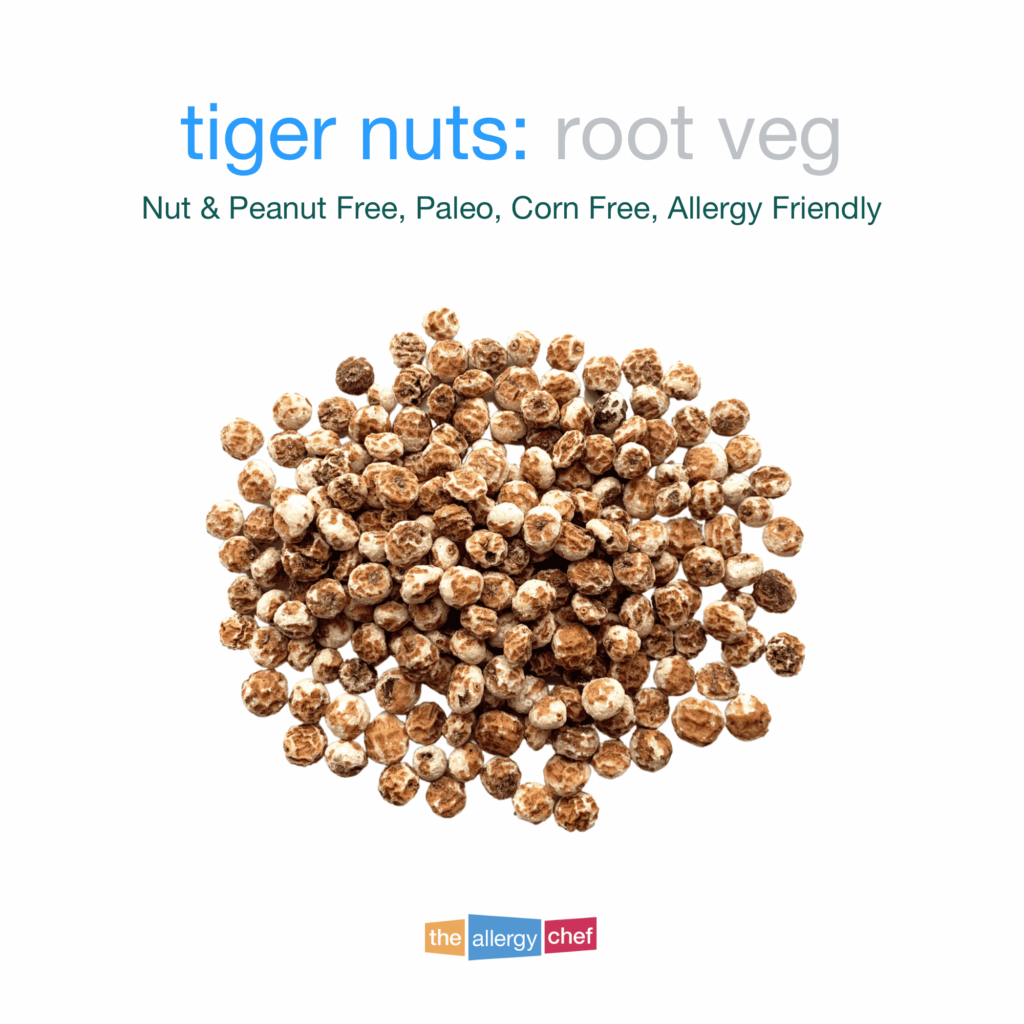
- Tiger Nut Oil (tuber, not a tree nut)
Are Seed Oils Safe to Consume If You’re Allergic to the Plant (Example: Peanut Oil)
First, no two people are the same. You may have read somewhere that peanut oil is safe if you have a peanut allergy, or that soybean oil is safe if you have a soy allergy.
Many doctors and researchers say this because with highly refined oils such as soybean oil and peanut oil, the proteins are “gone”, and therefore, an allergic reaction cannot occur. This is based on the definition of an IgE Allergic Reaction in its “purest form”.
However, this is not true for everyone. Some people have reported they can have the oil whilst others have reported they have an allergic reaction to the oil. In fact, I’ve personally met peanut allergic people who have had airborne reactions from restaurants that use peanut oil in the fryer. The same is true for people with a corn allergy.
Interestingly, some doctors are convinced you can’t have an allergic reaction from airborne particles. Guess I’m wearing a full face respirator to leave the house, cook, and bake for nothing then… Annnnd that’s my point. No two people are the same. Many doctors are hesitant to step outside of the current guidelines, so keep that in mind if you happen to be one of the ones having “impossible” reactions.
Also know that this information only applies to highly refined oils. Cold press oils such as sesame, avocado, walnut, and all their friends very much still have the proteins in tact. If you’re allergic to an oil that’s lightly refined or unrefined, you will have an allergic reaction to the oil.
If you’re living with a severe allergy to something, it’s best to avoid it until you can work with a professional to determine if any form of consumption will be safe for you.
How Seed Oils are Used Commercially
If you have to avoid seed oils for medical reasons, it’s important to understand that they’re in most convenience products. Below I’ll give you a brief overview of their commercial uses, but this is not an exhaustive list.
Seed Oils for Frying
Seed oils can be used in restaurants, and by brands that produce packaged fried foods (chips, etc.). These days, some restaurants are offering seed oil free fryers, which can work to your benefit. However, just because the fryer is free from seed oils doesn’t mean all of the ingredients they use are seed oil free.
Always contact restaurants in advance to talk about your needs, and to find out if they can accommodate you safely. You’ll have the most luck with Paleo restaurants, grain free restaurants, organic restaurants, farm to table restaurants, and steak houses. They may still have seed oils on site, but may be able to serve you a safe meal.
Seed Oils in Bath & Beauty Products
High quality seed oils are used in a lot of luxury bath and body products, as well as skin care products that promise rejuvenation, inflammation reduction, etc.
Some brands have very clear labels and you’ll know if seed oils are present. Other brands will only use scientific names on the labels, rather than plain english, and it may be easier to contact them directly for information.
Most brands of quality won’t use cheap oils that have been heavily refined which is nice since these products go on our bodies.
If you’re allergic to seed oils, and can’t have them on your skin, look for brands that use tallow as their base. Check your local farmer’s market for artisanal producers, and websites like LocalHarvest.com where you can find really cool farm products (some brands ship nationwide).
Sunflower Seed Oil as a Processing Aid in Packaged Foods
If you’re allergic to sunflower, it’s important to know that sunflower seed oil is a processing aid used on food machinery, especially in sticky products. The machines are oiled, and this allows the food to glide along easier. This DOES NOT need to be disclosed on the label.
Some packaged snacks also have this issue, and it’s important that you contact companies before purchasing their products if you can’t tolerate trace amounts of sunflower.
Managing a sunflower diagnosis is incredibly difficult in modern times (like a corn allergy). I’ve put together this extensive article to help you better understand the different ways sunflower is used in food and agriculture. You can also read about the hidden sources of sunflower as well.
Seed Oils in Packaged Foods & Baked Goods
From breads to cookies, seed oils are used in commercial foods by most brands these days. Even foods such as cereal, which you would think wouldn’t contain seed oils can absolutely contain seed oils.
Reading labels will always be your first line of defense, so take your time in grocery stores, especially if you’re newly diagnosed.
The easiest (and hardest) way to think abut it is this: any product of convenience (such as marinaded meat at the meat counter) or packaged food (cookies, snacks, crackers, etc.) can contain seed oils.
I know. That’s practically the entire grocery store. Plus, seeds are vegan, so you’ll see them in vegan foods, dairy free substitutes, and the nut free folks love them because they’re not nuts.
If you’re newly diagnosed, the best advice I can give you is this: go back to the basics and make simple meals at home. Then, contact brands, and start with brands that are all about the anti-seed oil movement. Remember, fruits, vegetables, and other basics & raw materials are naturally seed free.

Seed Oils in Convenient Food Products
These days, you’ll find seed oils in most convenient products including:
- Baked Goods
- Condiments
- Cookies
- Crackers
- Dairy Free Substitutes
- Fried Foods
- Frozen Foods
- Meat Marinades
- Sauces
- Salad Dressing
- Vegan & Vegetarian Foods
This is a super short list that barely scratches the surface. If you need to strictly avoid seed oils, make food at home and investigate super clean brands.
Smoke Point of Popular Cooking Fats
As you follow different recipes, it’s important to choose a cooking fat that can handle the temperatures you’ll be cooking at. Different cooking oils not only have deliver a specific flavor, but also a smoke point.
Smoke Point: The temperature where an oil starts to burn (and smoke). You can really see this if you heat an oil in a pan by itself. Once you hit the smoke point, smoke starts to come off the oil and will fill your kitchen (and sometimes set off the fire alarm).
Once the oil hits the smoke point, harmful compounds can start to form. If you eat smoked oil regularly, it can contribute to an increased risk of cancer, heart disease, and other health issues.
Temperature References
You’ll often see terms like “high smoke point” or “low smoke point”. For your reference, here are the temperatures that those terms refer to.
- Oils You Shouldn’t Heat: Max Temp is 225F/107c
- Low Smoke Point Oils: Max Temp is 350f/176c
- Medium Smoke Point Oils: Max Temp is 425f/218c
- High Smoke Point Oils: Max Temp is 510f/265c
Important Note: the max temp for each oil will be specific. These max temperatures refer to the category (low, medium, high).
List of High Smoke Point Oils (in ABC Order)
Personally, I never push an oil to its max smoke point. Also know that this number varies by how refined an oil is. If you have questions, it’s a good idea to reach out to brands and ask what their oil is specifically rated for (sometimes it says on the back of the bottle).
- Avocado Oil, Refined: 480f – 520f | 248c – 276c
- Canola Oil: 400f – 475f | 205c – 246c
- Corn Oil: 400f – 450f | 205c – 232c
- Grapeseed Oil: 420f | 215c
- Olive Oil, Lightly Refined: 390f – 479f | 199c – 248c
- Peanut Oil, Refined: 450f | 232c
- Tiger Nut Oil (tuber, not a tree nut): 460f | 238c
- Safflower Oil: 475f – 500f | 246c – 260c
- Sesame Oil, Refined: 410f | 210c
- Soybean Oil: 450f | 232c
- Sunflower Oil, refined: 450f | 232c
These oils are fantastic for frying, stir-fry, and broiling.
Medium Smoke Point Oils List (in ABC Order)
Remember, temperatures can vary by brand and level of refinement.
- Avocado Oil, Unrefined: 350f – 400f | 176c – 205c
- Coconut Oil, Refined: 400f | 205c
- Lard: 370f | 188c
- Vegetable Oil: 400f | 205c
These oils are fantastic for baking, sautéing at medium or medium high heat, marinades, sauces, simmering, and salad dressings.
List of Low Smoke Point Oils (in ABC Order)
- Butter (mammal, not dairy free): 302 – 350f | 150c – 176c
- Coconut Oil, Unrefined: 350f | 176c
- Extra Virgin Olive Oil: 320f | 160c
- Peanut Oil, Refined: 350f | 176c
- Sesame Oil, Unrefined: 350f | 176c
- Sunflower Oil, Refined: 320f | 160c
These oils are fantastic for low-medium heat cooking, sautéing, and making sauces. They also tend to have a fuller flavour, making them great for finishing a dish or using at the end of your cooking process.
Oils You Shouldn’t Heat
- Almond Oil, Unrefined: 225f | 107c
- Flaxseed Oil: 225f | 107c
These oils are fantastic for finishing a dish (you may have heard the term “finishing oil”), and to drizzle over cooked foods, cold foods, and raw food.
Choosing an Oil
You’ll want to use a different oil when cooking when compared to baking. However, most people choose a few oils and use them for everything. The flavour of the oil is important to take into account, as it can impart flavour on the final dish.
For example, you don’t want to fry in an oil with so much flavour that it starts to impact the final fired food.
If you’re a foodie at heart, take some time to try oils from all over the world, and be sure to try nut oils as well. Each one will deliver something a little different.
In cooking, you usually want to reach for a neutral oil, or unsalted butter.
For baking, I can’t tell you what’s best if you bake with major allergens. As a gluten free, allergy friendly baker, I can tell you that I use organic extra virgin olive oil as my workhorse. For specialty projects, Paleo baking, and grain free baking, I use organic tiger nut oil (tuber, not a tree nut), as it produces a better texture in the baked goods.
Answering Your Questions About Seed Oils
How do I know if I have a seed oil allergy?
This is a great question! If you’ve experienced symptoms that appear to be an allergic reaction, there are a few things to do:
- Seek medical attention.
- Take good notes and keep a detailed food journal until you can meet with your doctor. Write down everything you eat, drink, your sleeping patterns, any symptoms, and so on.
- Avoid eating anything you think you may be allergic to.
- Meet with your doctor and request allergy testing.
- Remember that no two people are the same. Even if tests are inconclusive, don’t eat foods that make you feel ill.
These are just a few basic first steps. I’m going to point you over to these four articles which have a lot more information on food allergies, testing, treatment, management, oral challenges, and everything in between.
- Seed Allergy Information
- Mustard Allergy Information (mustard is a type of seed)
- Sesame Allergy Information
- Sunflower Allergy Information
Are seed oils in vegetable oils?
Vegetable oil is a term that can mean “any kind of vegetable” that’s used to create the oil. Now, vegetable is a bit misleading since some of the plants used to make vegetable oil aren’t really vegetables.
All of that to say, yes, seed oils can be an ingredient in vegetable oils. Unfortunately, most commercial vegetable oils are a blended product, so you’d need to call the manufacturer to find out exactly what’s in the blend. The is especially important if you have a food allergy, or if you plan to dine out and can’t consume seed oils.
An easy thing to do to avoid this is to purchase single ingredient oils that are safe for you, based on your needs. You can use said oil as your go-to cooking oil, and it can be used in baking as well.
Which oils have the best health benefits?
It’s important to remember that the term healthy isn’t a regulated one, and you can get a different answer from different people (including doctors and scientists).
When it comes to the best overall benefits (including all of the nutrients, not just omegas) olive oil and coconut oil tend to tick more boxes than their counterparts.
As you research this topic, also take into account that the answer will change depending on how the oil is created (cold press versus heated, the use of hexane, etc.). All of the small details not only change the taste of the oil but the overall quality as well.
Ultimately, something to think about is this: unless you have a lot of health issues, you may be better off purchasing an olive oil, then focusing more about the whole food ingredients you choose to consume. In the grand scheme of things, the amount of oil you consume is considerably smaller than the content of your meals (protein, fruits, vegetables, etc.).
What are the best oils for homemade salad dressings?
When it comes to homemade salad dressings, I’m going to encourage you to focus on taste. If you LOVE making salad dressings, and want to have your own culinary adventure, I’d point you in the direction of nut oils such as walnut oil and almond oil.
If you want a super duper clean taste, go for tiger nut oil (tuber, not a tree nut). For funk, use sacha inchi oil. Now, if you’re a fan of Asian foods, you might want to try making salad dressing with sesame oil, or perilla seed oil (a great alternative if you have a sesame allergy).
On the off chance that you’re looking for a run of the mill, kind of average salad dressing that gets the job done, I’d suggest grapeseed, olive, and avocado oils.
Are seed oils really bad for my health?
Let me start with this: you’re asking a really big, really loaded question, and I’m here for it. We’ll dive in, but not too deep. You’re going to have to do a lot of research on the topic.
If you’ve seen short clips on social media with clickbait claims, make sure you read source material. Also, follow the money. Always follow the money because some “online experts” and “studies” have been bought and paid for by the same companies that produce ingredients known to harm people’s health.
We can’t only look at seed oils through a narrow lens.
The problem with a lot of the conversations happening right now is that people are taking an all or nothing stance on a super narrow ingredient.
Yes, seed oil consumption is at an all time high in western nations, however so is the consumption of sugar, sodium, and a whole host of other things. If we aren’t looking at these issues together, we’re running a fool’s errand.
In fact, I have yet to see a single study that takes two ultra healthy twin volunteers and feeds them the exact same ingredients, with the exception of seed oils, then tracks their health. See the problem? Yes, we can take some leaps and make some common sense conclusions, however, we also can’t point a massive finger at just seed oils.
If you were to eliminate all seed oil intake tomorrow, in every nation, you’d still have individuals at great risk for diabetes, cardiovascular disease, and many other grave diseases. Why? Because in this scenario, you removed one of hundreds of modern issues.
You haven’t addressed eating in moderation, exercise, lifestyle choices, and so much more.
In addition to that, whole foods are still taking a back seat in modern life.
So, we know seed oil consumption is up, however, at the same time, the consumption of fresh fruits and vegetables continues to be a struggle. So, are seed oils really THAT bad for you? It depends on who you ask and what their personal bias is.
We know that produce has so much healing power (antioxidants, vitamins, minerals, and more). We also know that food really is medicine, yet, as a society, most people are ignoring it.
Sure, we can argue that there needs to be more education, but we also need to look at how Big Food is literally engineering foods to hook people like drugs. Whilst I’m a fan of cookies, cakes, and ice cream (and think people should enjoy them), I also don’t think the ingredients in conventional foods are doing anyone any favors.
I’ll be the first to admit that I was so happy to see some of the lawsuits that have been brought against Big Food for how they process and market foods, especially to children. If you really want to get fired up on this issue, look at how healthy European nations feed their children school lunch (spoiler, for less money). It will rightfully light a fire in you.
I digress. Let’s get back on track.
There are plenty of reasons that seed oils have gotten a bad rap in recent years, and a lot of it has to do with the use of chemical solvents like hexane, and the lack of fat balance in these oils (omega-9 vs omega-6 vs omega-3 fatty acids).
When the ratio is off, some studies have shown that over time, this imbalance can increase certain health risks in some individuals.
Another reason people are pointing the finger at seed oils is because they’re a common denominator in foods that are poor in nutrition content (packaged snacks, etc.).
Yet, this takes us back almost to where we started. The problem with this approach is that society has put these oils on a pedistool and given them way more power than they deserve on their own. It needs to be an overall view of seed oils + poor quality food + sugar + sodium + all the ingredients we know shouldn’t be in food + declining soil health, and so much more.
See the problem? So, do seed oils play a role in the declining health of people around the world? Sure. But so does all the sugary sodas. And excessive amounts of ultra processed foods people eat. Plus the high stress lives people are living. And the list goes on.
Personally, I take the 80/20 position on this issue.
Seed oils have a purpose in the kitchen, and when I need one, I use a cold pressed and/or organic seed oil. Honestly, that’s the part of the conversation people are glossing over. It’s not necessarily the oil itself, it’s industrial refining process and solvents, in conjunction with the nutritional profile of the oil.
Bottom line: Seed oils are everywhere and unless you’re willing to prioritize the type of ingredients you eat, and back it up with your wallet (and time), you won’t be able to avoid them.
What you can do is reduce your risk in other ways. If you have health concerns, talk with your medical team about different lifestyle and diet changes you can make, and make said changes in a meaningful way. Don’t try to run a 5K next week, but instead, start with a 15 minute walk.
I want to thank you for coming to this very brief TED Talk of mine because we didn’t even get into a lot of the points of interest I could have covered. Just know that this is a BIG topic and ultimately, you have to choose to eat the foods that nourish you and leave you feeling great.