
Today we’re going to take a deep look at living with a rye allergy. I’ll cover food allergy basics, cover a bit about Celiac Disease, hidden sources of rye, and a bit more.
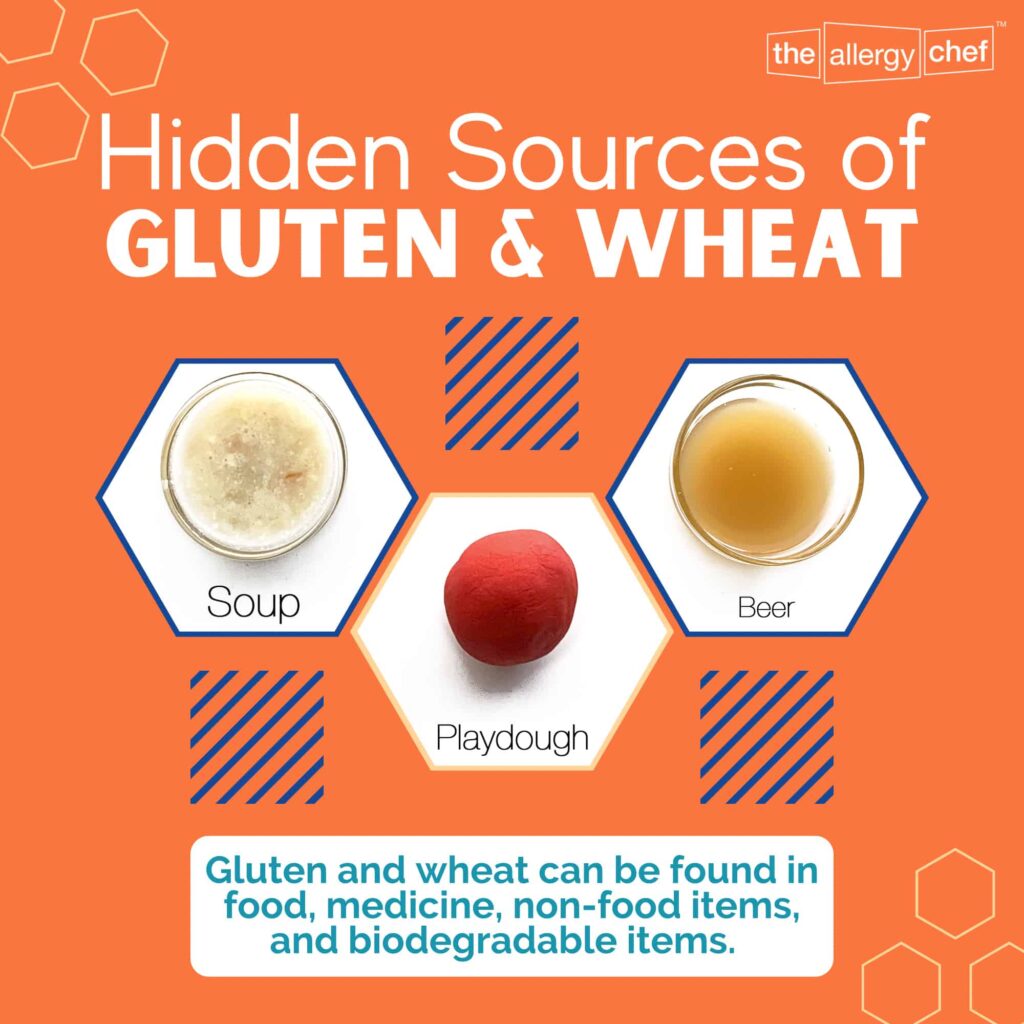
If you have a wheat allergy, or Celiac Disease, please refer to this article instead: Hidden Sources of Wheat & Gluten (covers allergy info + food).
What is Rye
Rye, sometimes called rye grain, is a type of grass that’s grown as a grain. It’s primarily grown in Russia and parts of Europe since it’s more tolerant of cold weather when compared with other cereal grains.
Rye is not the same thing as ryegrass, as the name would suggest. Ryegrass is a type of grass that’s not a food crop, though they’re both in the Poaceae family. It’s also not the same thing as wild rye grass pollen or cultivated ryegrass.
There are quite a few rye products, which I’ll cover further down in this article. Where flour is concerned, you’ll see two types: dark rye (wholegrain) and light rye (husk removed).
Compared to other grains, rye has a low gluten content, which is why you’ll commonly see it paired with other grains when used to make breads.
What is Gluten
Gluten is a protein found in wheat, rye, and barley. It’s responsible for the elasticity in dough. When you go gluten free, you’ll find that the ingredient list on packaged foods starts to look a bit scientific. That’s because manufacturers are trying to replicate what gluten does and the texture it provides.
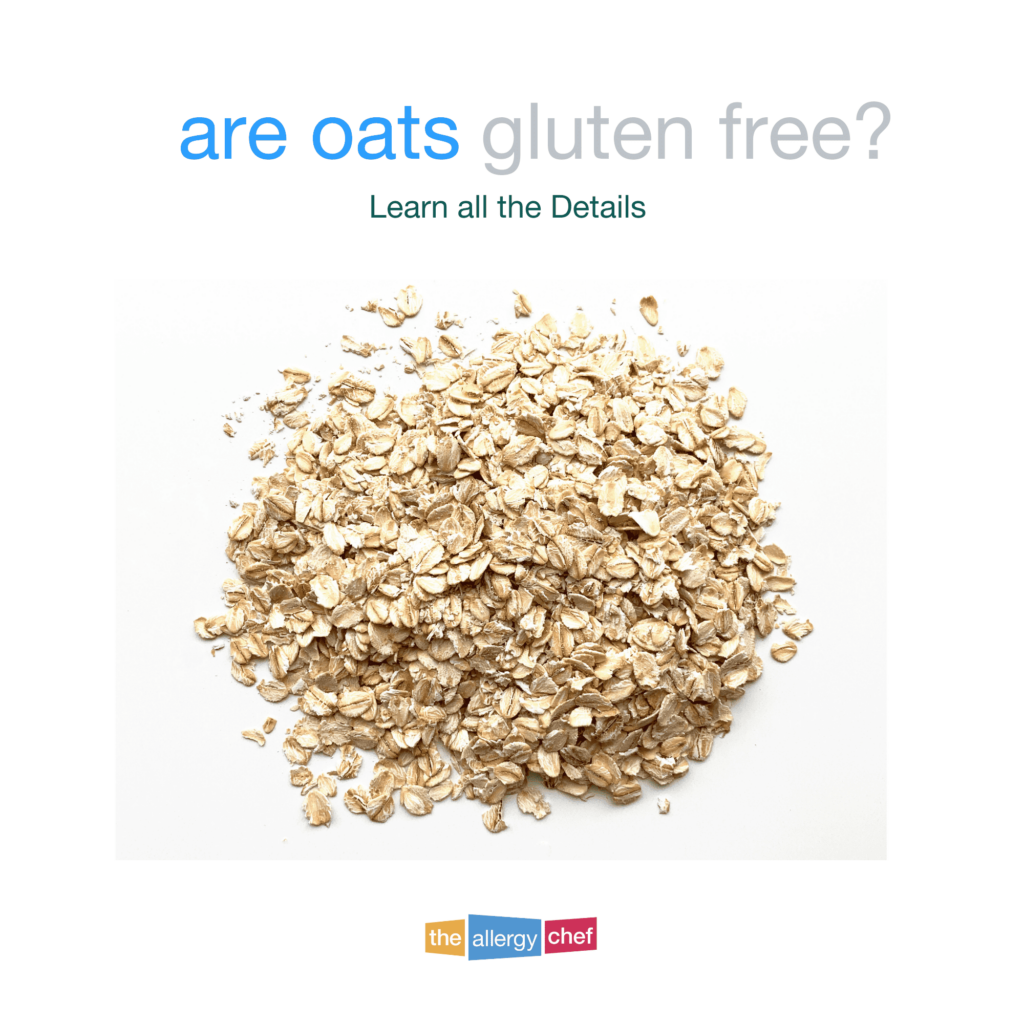
Oats, depending on which country you live in can be considered gluten free, or not. This article on oats explains the matter. It’s important to note that about 25% of people living with Celiac Disease are unable to consume oats, no matter the processing.
Gluten is the protein that affects people with Celiac Disease and Non-Celiac Gluten Sensitivity. In wheat, it’s called gliadin, in barley it’s called hordein, and in rye it’s called secalin. You won’t need to know these scientific terms as you read labels, but it’s always good to better understand what you’re working with.
Wheat & Gluten Resources
 |
 |
 |
 |
Celiac Disease vs Rye Allergy
Celiac disease is an autoimmune disorder. When individuals with Celiac eat gluten, their body attacks itself. There is no cure for Celiac Disease, and the only treatment option is to avoid gluten in all forms. Many patients with Celiac Disease will also need to use gluten free non-food items such as soap, shampoo, and makeup.
Types of Reactions
A rye allergy, like other food allergies is a reaction by the body (immune system) in response to something ingested, inhaled, or touched. In some cases, the response is life-threatening. Allergic reactions usually present within moments to four hours after initial contact.
IgE is the antibody at play where food allergies are concerned. With Celiac Disease, IgE is not responsible for the reaction, and cannot cause anaphylaxis (though, you can be experience extreme discomfort to the point of it being disabling).
Foods to Eat or Avoid
A rye allergy is an allergy to rye only. Someone with a rye allergy can still eat wheat and barley, which both contain gluten. In some people, their rye allergy may be life-threatening and they’ll need to carry an epi-pen.
Someone with Celiac Disease on the other hand, has an autoimmune disease where the body will attack itself when gluten is consumed. Over time, this can lead to not only awful reactions, but also a domino effect on their health. There are more than 200 Celiac Disease symptoms, and the combination of symptoms are unique to each person.
Long Term Damage
One of the key differences in a rye allergy versus Celiac is the long-term damage done to your intestines by Celiac Disease. Usually with a food allergy, the response is immediate (or happens within four hours) and the long-term effects from a particular reaction are little to none. However, with Celiac Disease, each time gluten is ingested, the villi in the intestines are damaged. This damage can lead to many more health complications.
Additionally, there’s a long list of other conditions that can be directly linked to eating gluten and living with Celiac Disease. If gluten is not avoid, over time, a person’s Celiac Disease can become crippling.
With a food allergy, the response is generally obvious, leading to a quick diagnosis and avoidance of the food(s) a person can not have. Celiac Disease is generally harder to diagnose as you can present with so many different symptoms.
Diagnosis of These Diseases
A rye allergy can is usually diagnosed with a skin prick test or blood test. Sometimes, an oral challenge is needed to confirm the diagnosis if the reactions aren’t obvious. With Celiac Disease, a genetic test can be done to see if you’re a carrier. Being a genetic carrier doesn’t guarantee you’ll develop Celiac Disease. Once it’s suspected, the gold standard for diagnosis is an endoscopy. However, if gluten has been removed from the diet, a scope test won’t be able to properly see the damage for conformation.
With both food allergies and Celiac Disease, no two people are the same. Some people can tolerate more trigger foods than others. Some can tolerate cross-contact (sometimes called cross-contamination) whilst others cannot.
If you suspect you may have Celiac Disease, or are new to your diagnosis, spend some time on Celiac.org and the Gluten Intolerance Group websites. This article on Gluten Free Swaps is another great read, as it can get you started with items people miss the most.
Rye Allergy Symptoms
Food allergy reactions can vary among patients, as no two people are the same. Some allergy symptoms of a rye allergy include:
- Swelling of the Lips
- Swelling of the Tongue
- Swelling of the Throat
- Itchy Mouth and/or Throat
- Tingling of the Mouth, Lips, or Throat
- Shortness of Breath
- Difficulty Breathing or Asthma Symptoms
- Wheezing
- Skin Rash and/or Severe Redness of the Skin
- Itching
- Hives
- Racing Heart Rate
- Decreased Blood Pressure
- Impending Doom/Dread
- Dizziness
- Fainting/Loss of Consciousness
- Severe Stomach Pain
- GI Distress or Abdominal Pain
- Nausea
- Vomiting (including projectile vomiting)
- Diarrhea
- Blood in Stool
These symptoms are more the more severe symptoms of the allergic reaction spectrum, and can indicate anaphylaxis. It’s critical that if you see these rye allergy symptoms your recognize this is a medical emergency and you need to seek immediate medical help.
If you have a known allergy, follow your action plan including the use of an epipen if you have one, or prescribed antihistamines.
Milder reactions can include a persistent cough, runny nose and/or sneezing, eczema, and more. However, milder symptoms don’t mean you should let your guard down, or take your allergy less seriously.
Three Critical Points
There are hundreds of symptoms a person can experience during an allergic reaction, but it’s important to know three things about rye allergy symptoms and allergic reactions:
- Not every reaction is anaphylaxis. People can have a “non-traditional” rye allergy reaction to food (or have mild symptoms) and still be allergic to rye.
- Should a person experience anaphylaxis, or you see signs of anaphylaxis, it’s important to seek immediate medical treatment (use your epinephrine auto-injector if you have one). When left untreated, anaphylaxis can lead to anaphylactic shock, which can cause death.
- Previous allergic reactions don’t predict future reactions (or the severity of future reactions). In some patients, continued exposure to known allergens can cause more severe reactions each time. This is why strict avoidance of allergens is so important.
Children and Food Allergies
A child may talk about a food allergy differently than adults. Many children will say things like “my mouth is spicy” or “there’s a frog in my throat”. They’re trying to express what the reactions feel like to them with language or experiences that are familiar to them. Always take note of these types of statements from a child, as they can indicate a serious medical situation. If needed, don’t hesitate to seek medical treatment, and be sure to ask your doctor for a referral to an allergy specialist.
Airborne and Contact Allergies
Most people who manage a rye allergy only need to worry about rye ingestion. However, som patients also manage airborne and/or contact allergies. Whilst this is more common in people with peanut and tree nut allergies, it’s also been documented in rye allergy patients.
In their case, a reaction can be triggered by touching rye or through inhalation of its particles (like when baking). For someone that manages this typ of condition, they’ll need to avoid bakeries where rye is onsite, as it will be in the air.
Reactions through skin or lungs tend to be different than an ingestion reaction, however, no two people are the same. There’s no way to predict if you’ll manage contact or airborne reactions, so unless you have a history of these reactions due to other allergies, assume you’re not in this rare group, but be aware of the potential.
Quick Personal Story
I personally manage a lot of airborne and contact reactions, hence, my full-faced respirator. One of my kids was born allergic to milk (along with several other foods). We knew right away that he had an ingestion and contact allergy to milk. However, he’d never *seemed* to have an airborne reaction.
When he was a teenager, he went to a pizza party (with his own safe pizza) and called me to come get him. He said he was feeling very unwell, and knew it was an airborne reaction to being in a room with that much milk present.
In my case, it doesn’t take much to trigger an airborne reaction, and my symptoms last for hours. In his case, it takes a LOT of particles to trigger the reaction, and it’s not a long lasting reaction.
I share this to further illustrate that no two people are the same, and, it was 15+ years before I knew he could have an airborne reaction.
Rye and Cross-Reactivity
It’s important to know that if you have a rye allergy, there’s a decent chance you’ll manage some kind of cross-reactive reactions, as this is somewhat common in rye allergy patients.
What is cross-reactivity?
Cross-reactivity means that a person has allergic reactions to foods they’re not actually allergic to.
This happens because the proteins in the foods they’re not allergic to “look similar enough to the protein they are allergic to” which essentially confuses their immune system and in turn, causes an allergic reaction.
Another way to think about this: do you ever find yourself out and think you see someone you know and you have to do a double take? You get that second look and think, man, they sure do look like so-and-so.
That’s what cross-reactivity is like. The immune system at first “glance” says, “Oh! I recognize you. You look just like rye! Ready the troops!!” Too bad the immune system didn’t do the double take and put the IgE antibodies away.
Allergy testing still has a long way to go, as current tests aren’t very helpful with cross reactivity. Patients that manage these challenges tend to learn the hard way, then add avoidance of yet another food to their daily food allergy management.
However, as someone who personally manages cross-reactivity, what I can tell you is this: you get used to it. Once you know what your personal food triggers are, you can avoid them, find substitutes, and live your best free-from life.
Foods with Known Cross-Reactivity to Rye
It’s important to remember that not everyone with a rye allergy will manage this condition. Additionally, just because you’re cross reactive to one item on this list doesn’t mean you’ll react to everything else on this list.
This article on rye has a great breakdown of the cross-reactivity.
Poaceae Foods (Grass Family)
Some rye allergy patients have reported reactions to other members of the poaceae family. Foods in the grass family:
- Barley
- Bamboo
- Corn/Maize
- Lemongrass
- Millet
- Molasses (sugar cane)
- Oat
- Rice
- Rye
- Sorghum
- Sugarcane (white sugar, brown sugar, etc.)
- Teff
- Wheat (all types)
- Wild Rice
Should My Food Always Be Certified Gluten Free?
Gluten free certification is great on the surface, but there’s a lot most consumers aren’t aware of. For this reason, I like to treat certification as more of a lead finder on companies to call. From there, I ask a lot of questions, and most companies don’t live up to my personal standards.
Food certifications, generally speaking, can sometimes indicate that a company has enough money to pay for it, and just barely makes it past testing. Some companies bend the rules as far as they can, and that’s a big reason I don’t recommend a lot of products.
On the flip side, some small farms and small producers simply can’t afford certification, but the product is 100% gluten free. In fact, in many cases, rye/gluten aren’t on the farm or in the facility. Without the cash though, you may pass them over thinking they must not be GF when in fact, they are.
My personal biggest issue with gluten free certification is the lack of food label transparency. Did you know: a company can produce a product that’s certified gluten free, made on shared equipment with wheat and/or gluten, and they don’t have to disclose it on the label?
To make matters worse, some brands that do this only test their products for gluten contamination once per year. YEAR. Not per batch, per year. If you don’t know much about how food is made, now is the time to learn. Once you know, you’ll really understand why that’s such an awful practice to allow.
Once I learned this about the certifications, I never trusted them again (I even called a popular certification organization to find out why this was allowed and couldn’t get a straight answer).
So, let that be your warning. Just because it’s certified gluten free doesn’t mean it will be safe for you, and just because it’s not certified doesn’t mean it’s not actually gluten free. It’s why I will always stress calling or email companies before trying a new product. Ask the questions that pertain to your needs (shared equipment, raw material sourcing, shared facility, etc.), then decide if you’d like to try it.
Ultimately, you have to do what you’re comfortable with. Rye is in a weird spot because you really don’t need to eat exclusively gluten free, you just need to ensure your wheat based options are truly rye free.
Major Allergens
Top allergens, also called priority allergens and major allergens is related to not only the allergy diagnosis rate, but also food labeling laws. The top allergens in each country indicate the foods that are responsible for the most medical emergencies and reactions.
Regulating bodies in each country will also have laws on how these ingredients must be called out on food packages and in restaurants.
US Top 9 Allergens
Here in the United States, the Top 9 Major Food Allergens are:
EU Top 14 Allergens
EU Member States along with a few other select countries recognize these foods as the top 14:
- Celery
- Cereals Containing Gluten (wheat, rye, barley, oats)
- Crustaceans
- Eggs
- Fish
- Lupin
- Milk
- Molluscs
- Mustard
- Peanuts
- Sesame
- Soybean
- Nuts
- Added Sulfite above 10mg/KG.
The UK, Switzerland, Iceland, Liechtenstein, Norway, Macedonia, and Ukraine also use these top 14 allergens, but each country will have its own laws and regulations for labeling and so on.
Interestingly, the EU legislation is the only one that requires non-prepackaged foods to follow the law across the board. In other countries, such as the United States, this varies state by state. It means that dining out in the EU will be easier, in theory.
Contains & May Contain Statements
Foods containing major allergens are legally required to disclose this information. If you’re in a top 14 nation, you’ll see rye in the ingredient list and it will either be called out in bold, or in a contains statement.
A contains statement looks like this: Contains: Rye, Gluten, Milk.
If you’re in a country where rye isn’t a major allergen, it will not be called out on the label, so always do your due diligence.
A May Contain statement isn’t a legal requirement in all countries. Sometimes it’s voluntary, and other times, it’s required. You’ll need to know your country’s regulations so you know what to expect on labels.
This statement refers to the manufacturing equipment and/or facility. If something is in the may contain statement, it means the food was made on shared equipment with the allergen, or in a shared space.
Each product will be different, so again, do your due diligence. In countries where the statement is voluntary, if you don’t see the statement, that doesn’t mean the allergen isn’t present. It means the company doesn’t use may contains statements and you’ll need to contact them for complete details.
How to Shop for Food When Managing a Rye Allergy
Depending on where you live, shopping for for food with a rye allergy is going to be pretty easy, or or be a little more difficult. In countries that recognize the EU top 14 allergens, spotting rye in foods will be on the easy side.
Dozens of other countries outside of the EU recognize “cereals containing gluten” which includes rye, as a major allergen. Australia, China, Egypt, Hong Kong, Mexico, and Russia are among those on the list.
Inside of a top 7, 8, or 9 country, along with countries that don’t recognize “cereals containing gluten”, rye will NOT be called out on a package. Legally, it’s not required to be part of a contains statement, etc.
However, and this is the silver lining, there aren’t a lot of products from the get go that contain rye as a min ingredient. The real challenge will be if you’re a person that can’t handle trace amounts of allergens, in which case, you’ll need to call about shared lines, especially if you eat wheat products.
If You’re in a Top 14 Free Nation or Cereals Containing Gluten Nation
Now, if you’re living in the land of Top 14, or in a country that considers all members of the gluten gang a major allergen, rye will be called out either in bold, or in a contains statement. It must be declared, even if it’s part of a sub ingredient such as a flour blend.
Shared Equipment
The one thing you’ll want to know about yourself when it comes to shopping is if you can tolerate traces of rye in your food. About 30% of people with food allergies are unable to eat foods that have been made on shared equipment with what they’re allergic to due to these traces of allergens.
No matter what country you reside in, if shared equipment is an issue, you need to contact companies before purchasing items. The nice thing is, rye has a narrow scope of use, so there’s a great chance you’ll be finding all sorts of delicious products to enjoy.
Your chief concern will be baked goods and foods containing flour due to shared milling equipment.
Rye Labeling Information
Most regulating bodies around the world require food companies to use plain language on the food labels (this is especially helpful with an egg allergy which we can talk about another time). What this means is that in the ingredient statement, you won’t see “Secale cereale” on the label (the scientific name for rye) but instead you’ll see “rye” or “rye flour” or something along those lines.
Rye Free Diet Types
There are quite a few diet types that are free from rye (mostly because it contains gluten):
- AIP Paleo Diet
- EU Top 14 Free
- GAPs Diet
- Gluten Free Diet
- Grain Free Diet
- Latex Cross-Reactive Free (rye is low cross-reactive, not moderate or high)
- Low FODMAP Diet
- Paleo Diet
- SCD Diet
You’ll be able to find recipes online for all of these diet types. The low FODMAP diet type and AIP Paleo diet will have a small amount of commercial products available. There are a LOT of commercial products available for Top 14 Free, Gluten Free, Grain Free, and Paleo.
Whilst US Top 9 Free isn’t a rye free diet type, it’s incredibly rare to find products that are top 9 free and contain rye. It’s just generally an avoided item in the free-from space here in the Sates.
Remember, if you are only allergic to rye, all of these diet types will over-eliminate for your needs. So, only use a specialty diet if it overlaps with a lot of your needs, or if you’re tackling another medical issue such as digestive problems or needing to reduce inflammation.
If you manage a rye allergy, along with other dietary restrictions, be sure to check out the Advanced Recipe Search on RAISE. You can mix and match over 100 filters for food allergens, food families, special diets, and much more (and all recipes are rye free).
Foods That Contain Rye
The list of foods containing rye is a pretty short one when compared to wheat and oats. This is good news, as you won’t need to avoid loads and loads of products.
These foods by nature will contain rye:
- Crispbread (not all, always check the label)
- Pumpernickel Bread
- Rye Berries
- Rye Bread
- Rye Bread
- Rye Chops (also called Rye Shreds and Rye Meal, think: steel cut oats, but made from rye)
- Rye Flakes
- Rye Kernels
- Rye Pasta
- Rye Whiskey
- Sultsina
Hidden Sources of Rye
If you’re allergic to rye, the “good” news is that it’s not an ingredient that hides all too often. The flavour is pretty polarizing, meaning it’s not nearly as profitable as other cereal grains, so it’s just used a lot less.
Now, if you’re also gluten free in addition to being rye free, please also refer to this list of hidden sources of gluten in this article.
- Barley Flour
- Breakfast Cereal (hot porridge specifically)
- Granola
- Muesli
- Salad Toppings
- Specialty Breads & Artisanal Baked Goods
- Traditional Kvass
- Triticale (a wheat-rye hybrid)
- Wheat Flour
Wheat flour and barley flour can be a source of hidden rye due to shared milling equipment. It’s not unheard of for barley, rye, oats, and wheat to be milled on the same lines. To avoid this, you’ll want to source your flour(s) from lines that are rye free. You’ll have to call around to different mills to find this, or you’ll have to use gluten free flour made on GF equipment.
Rye Substitutes
Before you can substitute for rye, you have to know what it tastes like, and the general texture it brings to the table. This allows you to make wise decisions as you go about choosing rye alternatives.
Most people feel rye has an intense flavour, and isn’t mellow at all. For best results, as a chef, my advice for you is to either lean hard into that and let “rye” be the star of the show, or, you need to pair it with other bold flavours so they can balance each other out.
Rye can also be perceived as a bit spicy, especially when it’s used in beer and whiskey. Generally speaking though, most people don’t really love the taste of rye, unless it’s something they grew up with. This is why it’s a lot more common in select European countries and Russia, where it’s primarily grown.
Best Rye Substitutes
For the taste of rye, caraway seeds are going to be your top choice. Caraway seeds can be used in a bread that you want to have the taste of rye, and it’s so close to the real deal that most people don’t notice the difference.
In baking, if you have a recipe that calls for rye flour, buckwheat flour (a gluten free grain from seeds) is going to be a fantastic alternative. If you’re not allergic to wheat, and you’re not 100% gluten free, spelt flour is another good alternative, followed by other ancient wheat varieties. Unlike a standard AP wheat flour, they’ll have a little more flavour to them.
Crispbread: This brand sells a range of rye free + gluten free crispbreads.
Answering Your Rye Allergy Questions
If I’m allergic to ryegrass, am I also allergic to rye?
This is a great questions, because the names are so similar, and they’re in the same family. However, if you’re allergic to ryegrass, you aren’t automatically allergic to rye.
Now, no two people are the same. An allergy patient can be allergic to anything, and in any combination. It’s entirely possible to be allergic to both, but again, there’s no automatic connection.
If you’re concerned about having a rye allergy, be sure to schedule an appointment with your medical team for allergy testing.
I have oral allergy syndrome. Is rye cross reactive with the OAS pollens?
The good news is that rye is not known to be cross reactive with alder pollen, birch pollen, grass pollen, mugwort pollen, or ragweed pollen.
However, rye is cross reactive with several other ingredients, which I’ve listed further up in this article (use the table of contents to jump back up).