

I’m so excited to share with you a lengthy list of stone fruits. You can use this list as a check list of delicious fruits to try this summer. Stone fruits are often called orchard fruits, however, there’s more than what’s only in an orchard that makes up the collection of fruits called stone fruits. So, let’s dive in.
If you have a stone fruit allergy, click here for an article full of helpful information.

What is a Stone Fruit
Stone fruits, also called drupes, is a type of fruit that has a large pit (or stone) in the center. A drupe tends to have soft flesh and a thin skin, but there are some exceptions.
Some fruits don’t seem like they would fall into the category of stone fruits like raspberries and blackberries, yet, they’re here. I’ll cover that a bit more later on (it’s fascinating).
Orchard Fruits Note
Whilst stone fruits are often called orchard fruits, it’s important to know that “orchard fruits” encompasses some stone fruits, alongside other fruits that aren’t stone fruits including apples and pears.
If you have a stone fruit allergy, that doesn’t mean you have an orchard fruit allergy. At the same time, if you have an orchard fruit allergy, there are stone fruits you’ll still be able to consume. It’s important to know exactly which fruits you’re allergic to, rather than rely on the just the category alone.
List of Stone Fruits (in ABC Order)
- Apricot
- Aprium
- Blackberry
- Cherry
- Coconut
- Date
- Green Almonds
- Jujube (also called Chinese Date and Red Date)
- Lychee
- Mango
- Mulberry
- Nectarine
- Olive
- Peach
- Plout
- Plum (a prune is a dried plum)
- Raspberry
Most stone fruits come in a range of varieties. For example, you can purchase sweet cherries, sour cherries, rainier cherries, and many more. Some fruits, like peaches and nectarines have more varieties than you’d think were possible.
If you live near a peach orchard, you may be able to purchase a different variety each week during peak season (I did this one year and it was amazing).
Hybrid Stone Fruits List
Depending on where you live, you may have access to a wider range of hybrid stone fruits. Many revolve around plums and apricots, and their names indicate the types of fruits used.
Here’s a non-exhaustive list of hybrid stone fruits:
- Aprium
- Apriplums
- Nectaplum
- Peacotum
- Plouts
- Plumcots
- Plumpicots
- Pluclots
- Pluots
These hybrids are super seasonal and when my kids were growing up, we were blessed to live in an area where we had access to these incredible delicious and juicy fruits.
In fact, at one point, one of my kids declared that peacotums were their all time favourite fruit. He also really likes apriums, but wasn’t a huge fan of plouts.
Interesting Terms to Know
Aggregate Fruit: Stone fruits such as raspberries and blackberries that are made up of clusters of small, individual drupes (each circle/pod that holds a seed)
Clingstone: Refers to the varieties of stone fruits where the flesh of the fruit clings tightly to the pit, or stone, in the center. Examples include nectarines, peaches, and plums.
Drupelets: The individual drupes that make up aggregates. Think about a blackberry. Each little circle/pod that holds a seed is a druplet.
Mesocarp: The flesh of the fruit, made of up the pericarp, endocarp, and exocarp. Really, these are scientific terms for the different sections of the flesh.
Freestone: A drupe that has a stone that can be easily removed from the flesh, such as some varieties of peaches and nectarines. Some farms specifically grow freestone versions since they’re easier to open, and deemed better for cooking and baking.
Tools to Remove Stones
There are a few stone fruits that are much easier to handle, with the right tools. Here are links from products I use (except for the coconut tool set, several of my tasters have a coconut allergy).
- Cherry Pitter (can also be used for olives)
- Chinois (my fave tool for making blackberry, raspberry, and strawberry puree)
- Coconut Opener Tool Set
- Mango 3-in-1 Blade (peels and opens at the same time)
- Paring Knife (this is my fave knife series, but there are less expensive options)
Easy Way to Cut Stone Fruits & Remove Small Stones
For fruits such as peaches, nectarines, and plums, the easiest way to remove the stone will be to cut the fruit with a small sharp knife. Here are the steps to follow:
1. Hold the fruit in your hand and press your knife into the side vertically. Press in, then rotate the knife and fruit as to cut the fruit completely around the stone.
2. Put your knife down, hold the fruit, then wiggle it apart. The stone should be in one half of the fruit and the other side should be stone free.
3. Place the stone half stone side down and run the knife along the half, vertically. You’re cutting it in half again.
4. Put the knife down and wiggle the two halves apart. Now, your stone should be sticking out of 1/4 of the fruit. You can either pull it out, or use your knife to cut it out.
Stone Fruit Recipes
- Chocolate Crumble Recipe (pictured with cherries, but you can use other fruits)
- Pork & Peaches Recipe
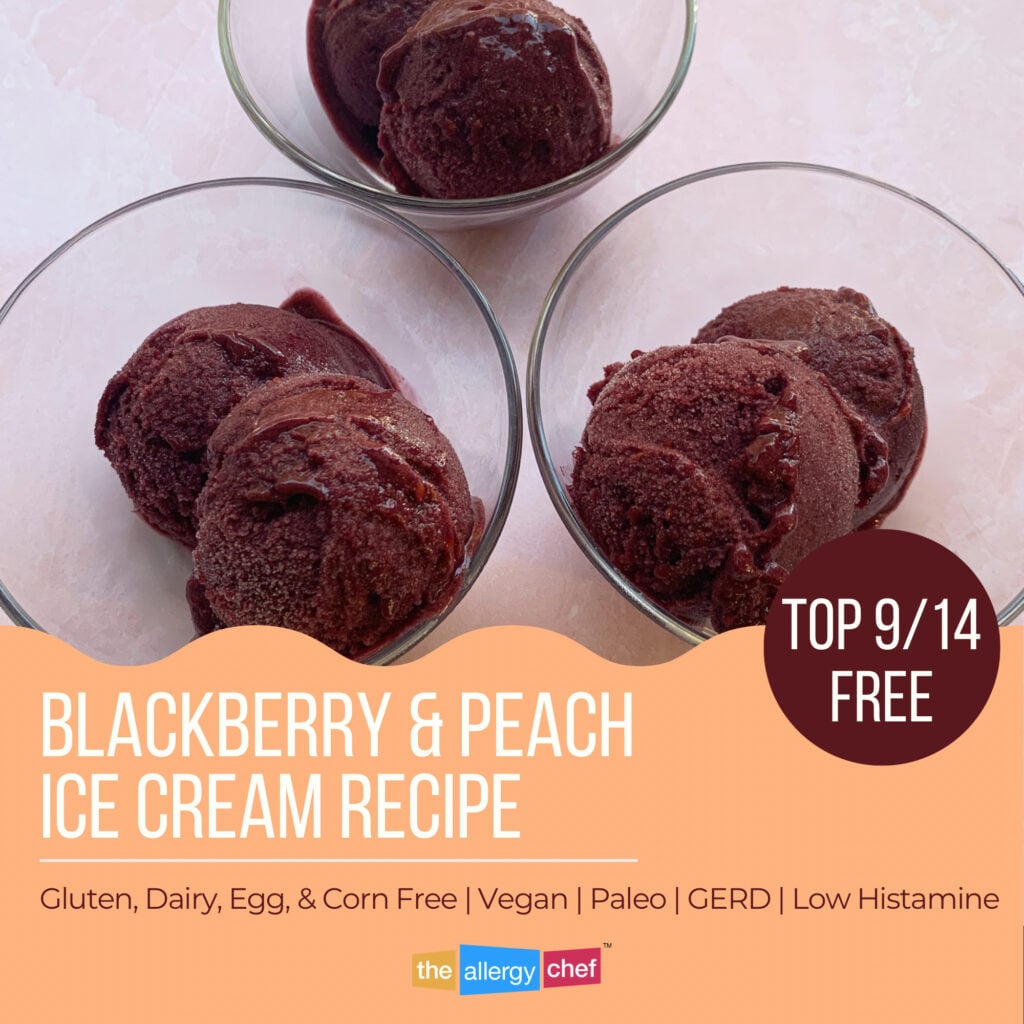
- Blackberry & Peach Ice Cream Recipe
- Kale & Date Chicken Recipe
- Grain Free Fruit Crumble (you can use any fruit for the filling)
- Baked Oat Bars with Cherry
 |
 |
 |
 |
 |
 |
Delicious Ways to Use Stone Fruits
If you’re up for a culinary adventure, I’ve got some fantastic ideas and recipes for you to try. The great news is that stone fruits pair so well with other ingredients including proteins, fruits, and vegetables.
Sure, you can make jam, but that’s the obvious use. So, let’s look at some other ways to use your summer harvest.
Cooking & Baking Tips
Make sure your fruit is ripe! Working with under-ripe fruit is a surefire way to have a sad dish in the end. No matter the fruit, make sure you’re working with ripe options for juicy, delicious, flavor forward results.
Experiment with different tools and cooking techniques. We’re here for a culinary adventure, so make sure you use fruits in a range of different ways.
Always taste first. Each fruit will bring some kind of natural sweetness to the table. It’s important to know how sweet your fruit is before you get started. This allows you to adjust the sugar content in your recipe.
Find a specialty grocery store or robust farmer’s market.
Apricots
One of the best desserts you can make with dried apricots is oatmeal raisin cookies. They add a lovely flavour along with a little bit of chew to your cookies. Double points for using dried apricots and dried chopped cherries.
You can also use apricots to make jam and handpies that I’m sure your whole family would enjoy.
Blackberries
Blackberries, like other berries, are super versatile. You can use this dark coloured berry in both sweet and savory applications, making it a real hero. Here are a few ideas to get you started:
- Pork + Blackberry + Peach + Tomato Salad
- Bacon + Date + Blackberry + Arugula + Balsamic Pizza
- Blackberry Cheese Course + Prosciutto
- Homemade Blackberry Vinaigrette
- Blackberry Ice Cream
- Homemade Blackberry Fruit Leather
- Blackberry Pastry Tart (pair with vanilla and orange for a real treat)
When working with blackberry, if you really want to up your game, make a blackberry puree first. The seeds can really take away from the overall eating experience, depending on the application.
If you’re using whole or sliced blackberries, that’s one thing; but for applications such as pastry gel, fruit leather, or ice cream, take the extra time to make the puree. I promise, you won’t regret it.

Cherries
If you’re a fan of pastry work like I am, rather than use a traditional flavor pairing, consider making tarts with combinations such as:
- Pear + Cherry
- Cheese + Cherry (think: cheese mousse in place of frosting or cream on top of your tart)
- Orange + Cherry + Vanilla
- Cherry + Lime
- Pineapple + Cherry
- Spicy Chocolate + Cherry (this could also be an easy cupcake to make [spicy chocolate cake + cherry frosting])
You can apply these combinations to a range of pastry (and non-pastry) projects.

Coconuts
Coconuts are pretty special because there are so many forms you can purchase:
- Coconut Aminos (savory alternative to soy sauce)
- Coconut Butter
- Coconut Flour
- Coconut Milk (there’s boxed watery style and full fat canned style)
- Coconut Nectar (liquid sweetener)
- Coconut Oil
- Coconut Shreds
- Coconut Sugar
- Coconut Water
Coconut can also be used in sweet application and savory applications. Knowing that, I’m going to let you search online for fantastic recipes.
Helpful Things to Know About Coconut
Coconut aminos have a limited scope of use, but are fantastic if you have a soy allergy. You can use it on fried rice, eggs, and anywhere else you’d want to use soy sauce. You can also use it as part of other sauce recipes, or even to bring in a cool flavor undertone in something like an onion tart. This is a super popular brand, and this brand is another good option (especially if shared equipment is an issue for you).
Coconut butter is not like an almond butter or peanut butter that you spread on a sandwich. It has limited uses, and a powerful flavour.
Know that coconut flour is a very special flour that absorbs liquid at a different rate than both wheat based flours and gluten free flours. You can’t do a 1:1 swap, so follow a good recipe that uses coconut flour as part of the blend.
Full fat coconut milk is BOMB-cot-com in curry recipes. I’d encourage you to make a Thai or Vietnamese coconut curry recipe ASAP.
Coconut nectar is a great liquid sweetener that can be used in place of honey, maple syrup, and agave in your recipes.
Coconut oil is an amazing cooking fat, but its real superpower is raw vegan cheesecakes. Since it’s solid at room temperature, it can help set a lot of fantastic desserts. The caveat is that you really have to like the taste of coconut.
Coconut shreds are an easy way to add coconut flavour to your desserts without needing to change the base recipe. You can roll items through the shreds and they’ll usually stick.
Coconut sugar is a fantastic replacement (1:1 ratio) for other granulated sweeteners such as cane sugar, maple sugar, date sugar, and so on. It has a great depth of flavor, and can alter pastry cream and ice cream when used well (in a good way).
Coconut water is great for smoothies. You can also turn it into ice cubes for a better blending experience.
Dates
Once you’ve removed the pits from your dates, they can bring all sorts of magic to your kitchen. With their low water content, dates are a pretty versatile food that can be used in savory cooking, a smoothie, baked goods, and more. Here are just a few ideas to try:
- Chopped dates on your salad
- Bite sized better-for-you Snickers: medjool dates + brazil nuts + smoked salt + chocolate (melted or chips)
- Kale and date chicken
- Spread date paste on a lamb burger
- Combine with pomegranates and orange zest (this ingredient combo can then be used in a range of applications)
- Date + chocolate + mushroom powder dessert (such as an ice cream or pastry tart)
- Use dates as the sweetener in a mole (Mexican sauce)

Green Almond
A green almond is an unripe fruit from a sweet almond tree. This is a reputable farm in California that sells them and ships nationwide (I used to purchase their goods at a farmer’s market when I lived there).
These are tart, juicy, and on the crunchy side. Some people like to eat them pickled, whilst others prefer them with a cheese course.
Note: Green almonds have a short season, and you can usually only get them in the spring time.
Lychees
Personally, I think lychees are a fantastic snack, and can also really jazz up your drinks. To make a blended drink, you’ll have to carefully peel away the hard exterior. Inside, there’s a soft, jelly-like flesh with a large pit in the center.
You can use a knife, or your hands to pull the flesh away from the stone. Pop that in your blender with a little coconut water and other fruits you enjoy for a refreshing drink.
Another great idea to try: raspberry, coconut, lychee ice cream.
Mangoes
Many people love eating mango as a snack, and purchasing it dried for adding to lunches. I think mango can be used in a few other ways, including:
- Spicy mango dessert sauce
- Mango + French vanilla baked Alaska
- Chocolate cupcakes with mango frosting
- Homemade mango fruit leather
- Strawberry mango pastry tart or jelly role cake
You can have a lot of fun with the appearance of your mango by slicing it hedgehog style.

Mulberries
Mulberries have such an amazing color and one of the best ways to let them shine is to use them as a salad topping, or as part of a dessert that’s vanilla focused (vanilla cake, vanilla ice cream, etc.).
It’s easy for their flavour to get a little lost if you crowd them, so think hard, because this is one of the more expensive stone fruits to purchase.
Nectarines
Move over peach cobblers, there’s a new fruit in town. OK, maybe not new, but you get the idea. Nectarines and peaches are cousins, and a lot of people call nectarines “smooth peaches”.
Are they an exact replica of peaches? Absolutely not. They have their own flavour profile, but I can admit, they’re pretty dang close.
Depending on where you live, you may have access to a tonne of varieties of nectarines. During the peak season, local farmers often sell a different variety each week, and they all have a little something different to bring to the table.
Anywhere you’d use a peach, you can use a nectarine. They’re great for snacking, salads, savory applications (especially with rice, chicken, corn, and pork), pair well with balsamic vinegar, and can even be used as a pizza topping (in the right situation).
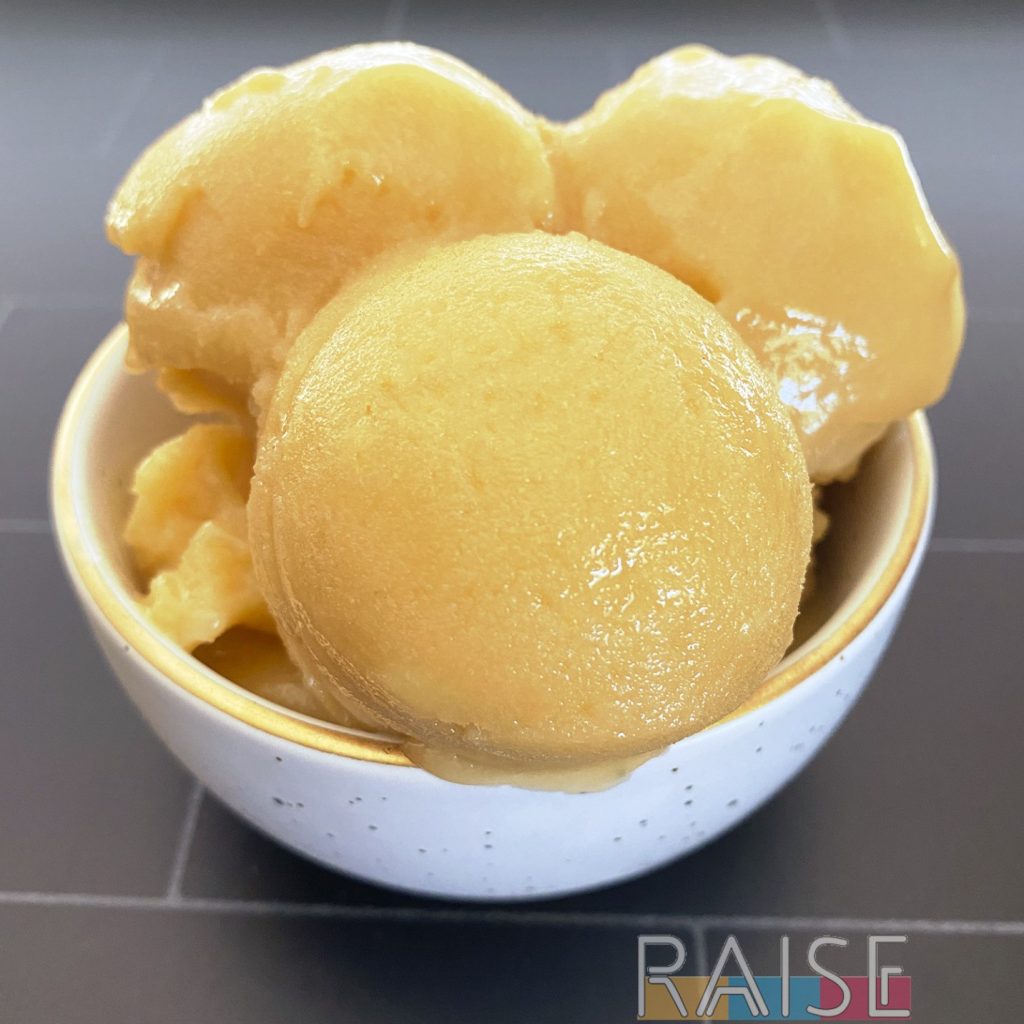
I love making nectarine + peach ice cream, along with nectarine fruit leather.
Olives
We all know that olives pair well with salad and pizza. However, there’s so much more to these little stone fruits.
First, if you’ve never had the joy of an olive bar, I want you to call around to local grocery stores to see who has one. Some stores, such as Whole Foods Market, have little olive bars with several varieties you can taste and purchase.
On the savory side, olives are fantastic with most proteins and vegetables. On the sweet side, they pair well with chocolate because the chocolate can help balance out the sharpness of olives.
If you want them to be a feature alongside vanilla, I suggest making a mushroom vanilla cake with chopped olives folded into the batter. I know… it sounds out there, but it works.
You can also make some kind of truffle chocolate ice cream and sprinkle olives on top.
Peaches
I think I should launch a petition to mandate that everyone (who isn’t allergic to peaches) learn how to make grilled peaches. I use this indoor grill and make some amazing peach recipes with grilled peach as the base.
Peaches taste fantastic with pork, as well as game meats. During peak season, there are dozens of varieties to choose from, including jumbo the peaches that are about 1.5x the size of a baseball (good times!).
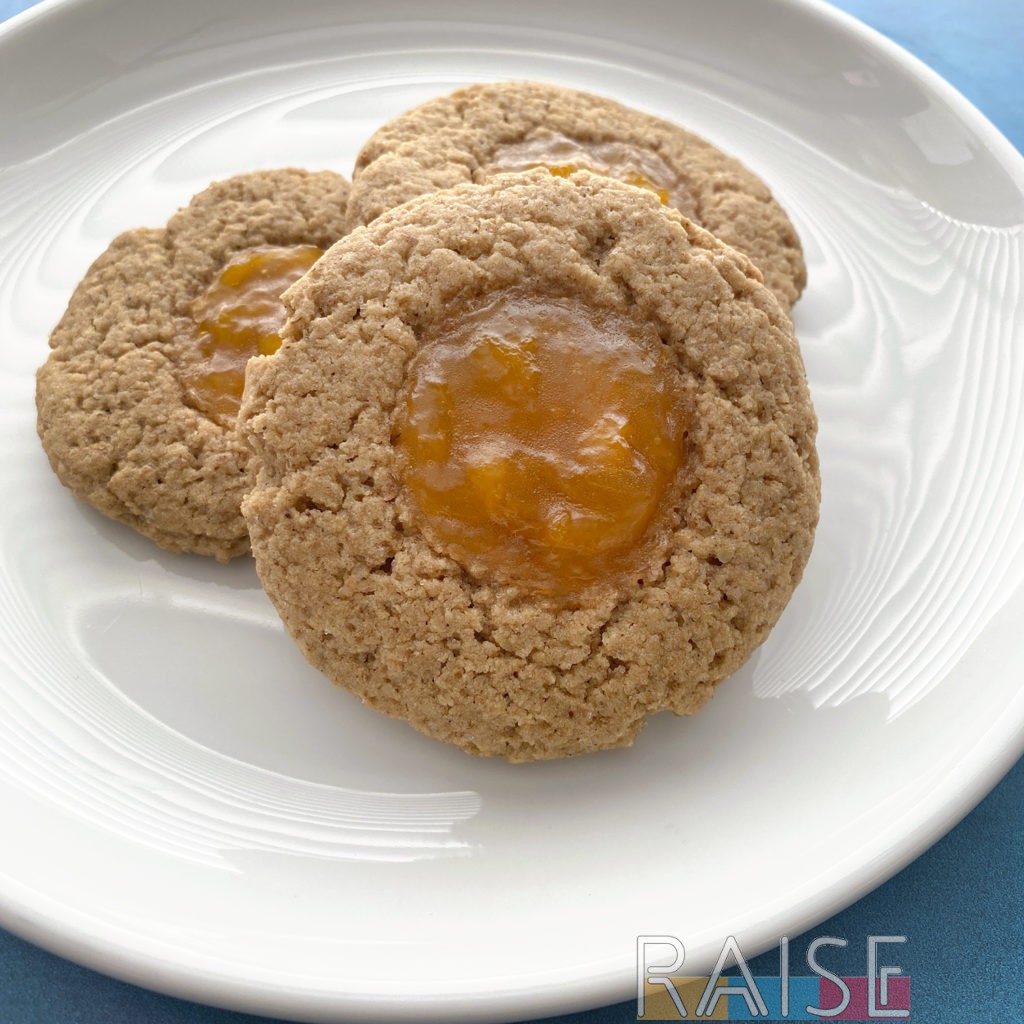
Peaches can be transformed into ice cream, fruit leather, smoothies, cake frosting (use freeze dried peach for this), thumb print cookies (use peach jam), and so much more. On the savory side, you can use them in stews, chili, and pasta. Honestly, your only limitation will be your imagination.
Plouts
Plouts have a limited scope, but they pair well with ingredients such as strawberry, feta, chicken, rabbit, and several other stone fruits.
You can always start with a snack or a salad, or go a step further and make a vinaigrette. Plouts would work well alongside a cheese course (make sure you pair them with the right cheese though), and as a jam.
Plums
Plum is something a lot of people will eat as a snack, simply because its unique flavor profile doesn’t lend itself to loads and loads of other recipes and pairings.
Personally, I’d make something like grilled plum with cherry balsamic + crispy bacon + shaved zucchini salad to really let plums shine.
Raspberries
Unlike other berries, raspberries are preeeettyyyy tart, and you won’t find them hanging out in many large pies. However, a raspberry hand pie could be just the right amount of tart and sweet for your liking.
When working with raspberries, it’s so important that you taste them and bring enough sweetness from other ingredients to balance them out.
If you’re like my kids, there’s a great chance you’ll love rose raspberries and golden raspberries. These are a much more mild version of the berry, but they’re only available in some areas, and they’re very seasonal (yet very delicious).

Answering Your Questions About Stone Fruits
Can I grow plants from the stone like I would seeds?
Yes! Now, I absolutely, do not have a green thumb. I would suggest doing lots of research on this topic. I’ll also encourage you to purchase plant starts or young trees, assuming you aren’t trying to grow a hybrid fruit.
Which stone fruits should I avoid pairing with strawberries?
This is going to be totally subjective, and also depend on the variety of strawberries you’re working with. As a loose rule, I’d suggest avoiding jujube, plout, and plum.
Interestingly, if you use something like feta cheese as a bridge, you can get away with pairing strawberries with olives.
With dates, you’ll want to be careful because of how sweet they are. It’s easy to overwhelm the strawberries if your ratios are off.
All other stone fruits will generally play well with strawberries, assuming you like them from the get go.
Do stone fruits pair well with watermelon?
That’s going to depend on who you ask, as some of the flavors will work better than others. Here’s a stone fruit list of items that will pair the best with watermelon: blackberries, cherries, mangoes, mulberries, nectarines, peaches, and raspberries.
I would avoid dates and jujubes completely. You’ll have to assess all other stone fruits one by one to see what you enjoy.
Are there stone fruits that won’t taste good as a jam?
Most stone fruits make beautiful jams. The fruits I’d avoid making jam with are jujube and lychee. In addition to those two, the fruits that generally won’t work as a jam sue to their texture are coconut, date, green almond, and olive.
All of the other stone fruits can work where function is concerned, but you’ll have to assess the taste to see if it’s your jam. Annnnd, on that punny note, I’ll see myself out.