
Last Updated on January 1, 2026 by The Allergy Chef
If you manage a corn allergy or corn intolerance, today I’ll be sharing corn free recipes that you can make for breakfast, lunch, dinner, snack, and dessert. Each of these recipes is gluten free, dairy free, egg free, and very allergy friendly. There are also some vegan recipes and grain free recipes as well.
If you’re new to managing a corn allergy, be sure to use the table of contents. After the recipes, I’ll be sharing so basic corn allergy information with you. You can also read my very helpful Hidden Sources of Corn article if you’d like to learn about the 200+ names and uses for corn in food, medicine, and agriculture.
Corn Free Recipes: Breakfast Options
- Grain Free + Corn Free Waffles Recipe
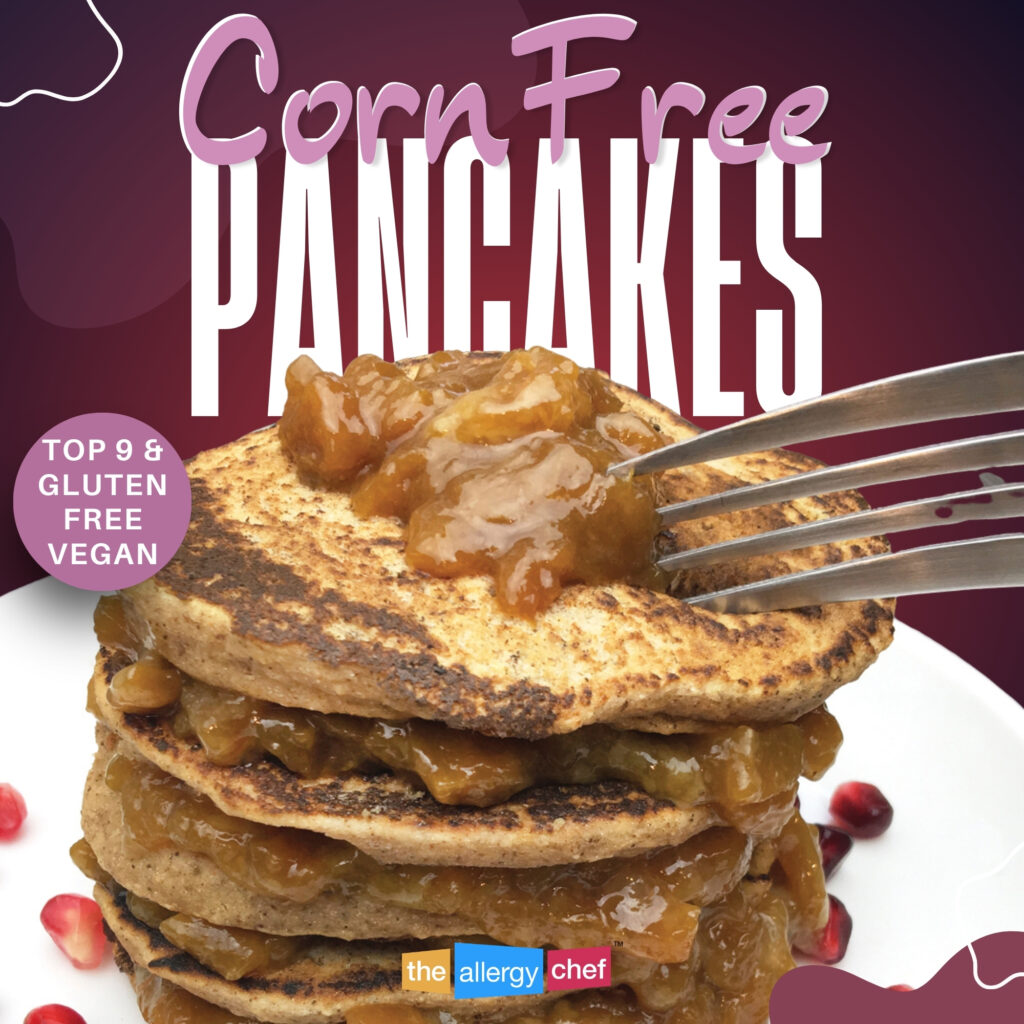
- Easy Gluten, Dairy, Egg Free Fluffy Pancakes
- Homemade Breakfast Sausage Recipe
- Creamy Dairy Free Breakfast Potatoes Recipe
 |
 |
 |
 |
Corn Free Recipes: Lunch Options (These Taste Good Cold)
- Corn Free Lamb Ragu (swap the lamb for different varieties of your safe meats so you don’t get bored)
- Easy Gluten Free Tacos Recipe
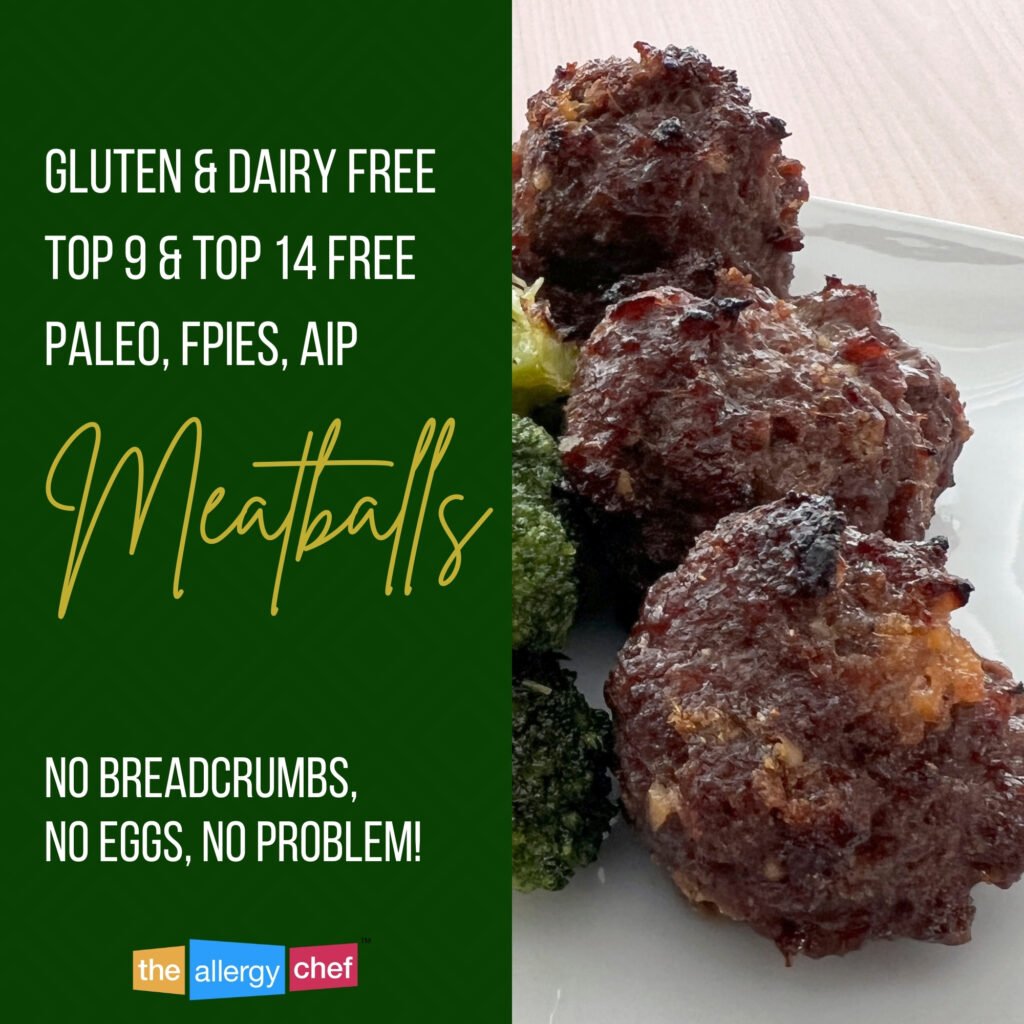
- Egg & Wheat Free Meatballs Recipe
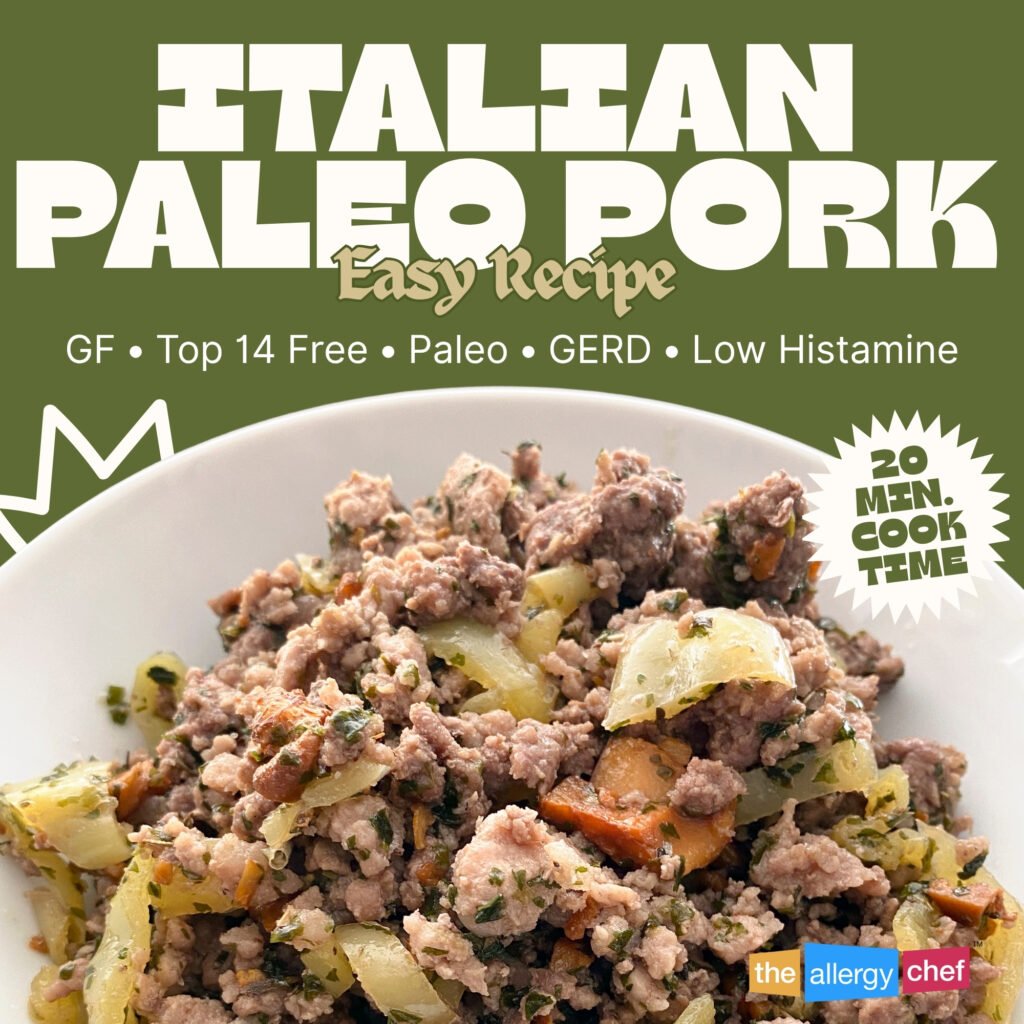
- Italian Paleo Pork Recipe
 |
 |
 |
 |
Truly Corn Free Dinner Recipes
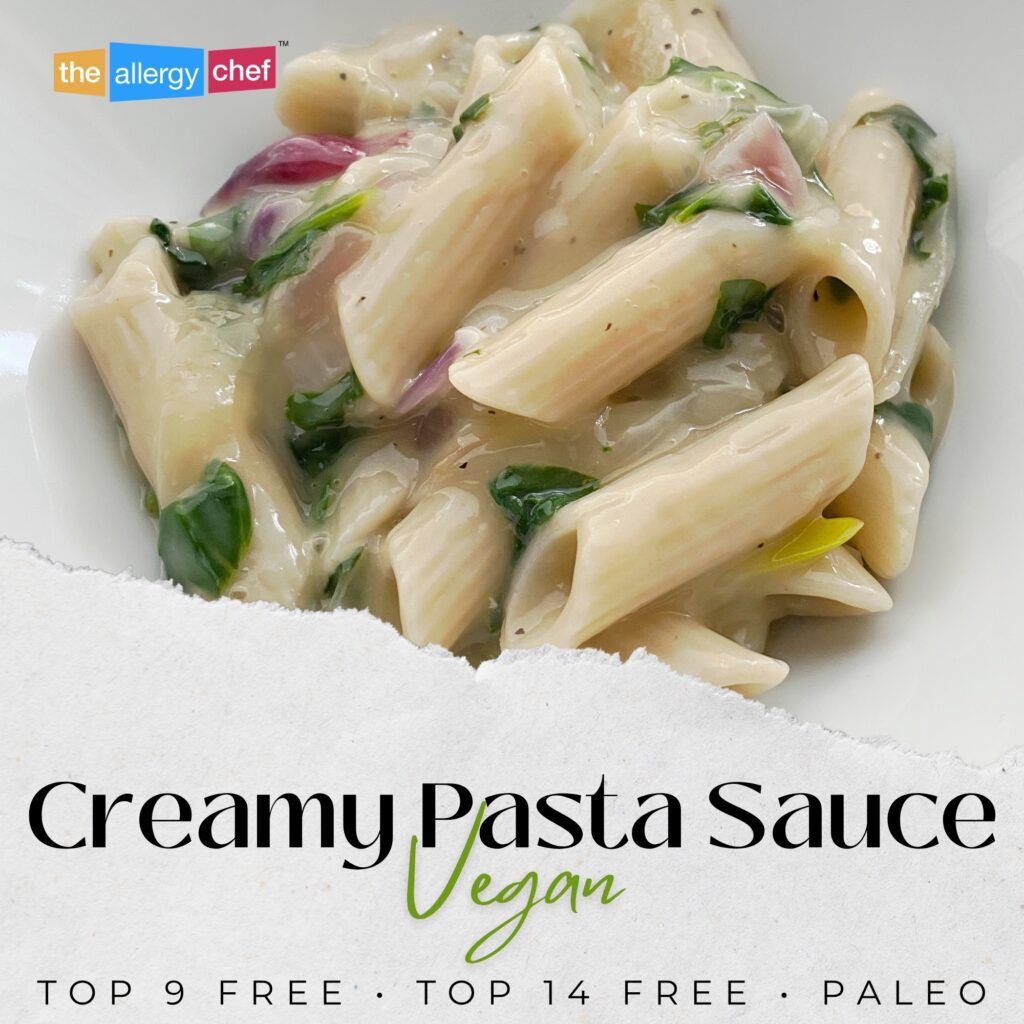
- Basic Creamy Pasta Sauce Recipe (use this as a jumping off point for a range of pasta sauces)
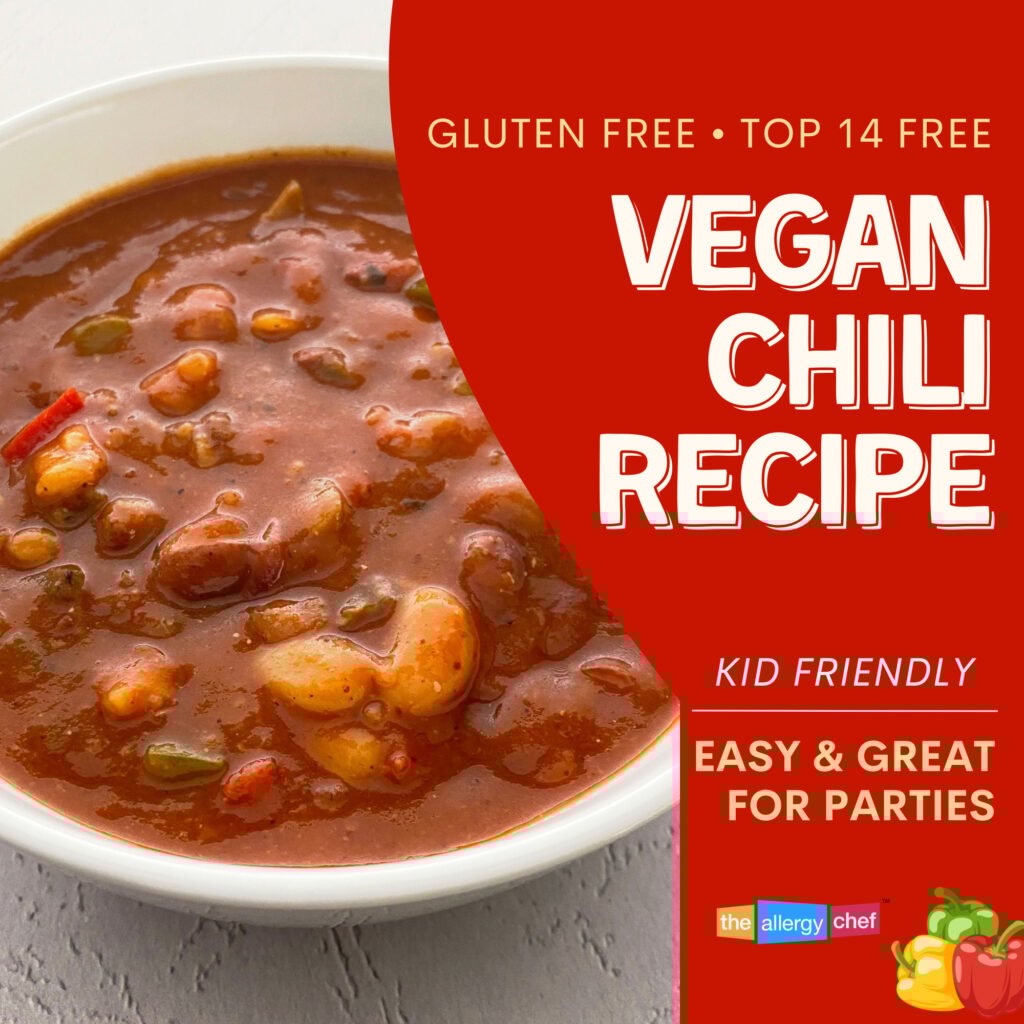
- Vegan Chili Recipe (my family loves this recipe with grain free + corn free chips)
- Ground Beef Curry Recipe
- Low Histamine Pancakes Recipe (breakfast for dinner)
 |
 |
 |
 |
Corn Free Dessert Recipes
- Easy Egg Free, Dairy Free, Corn Free Vanilla Ice Cream Recipe
- Rich Corn Free Chocolate Ice Cream Recipe
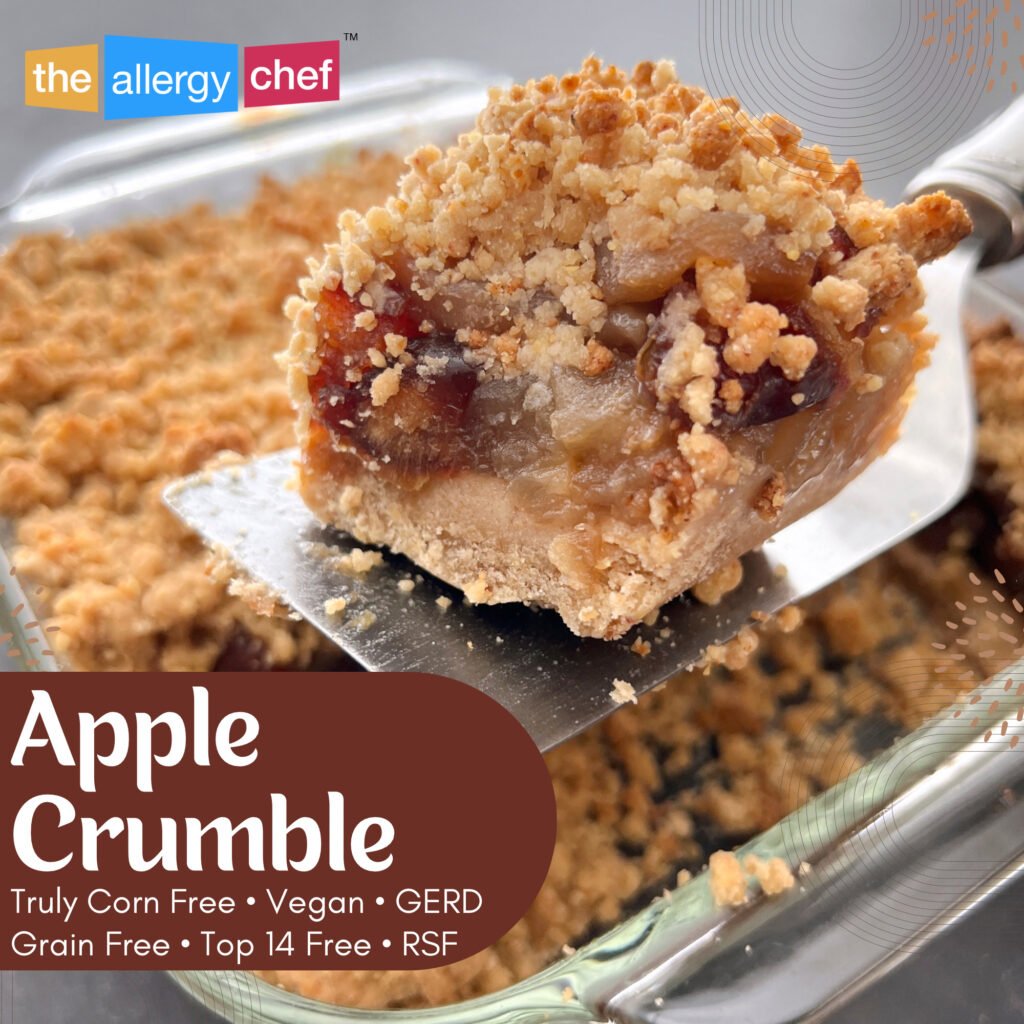
- Grain Free + Corn Free Apple Crumble Recipe
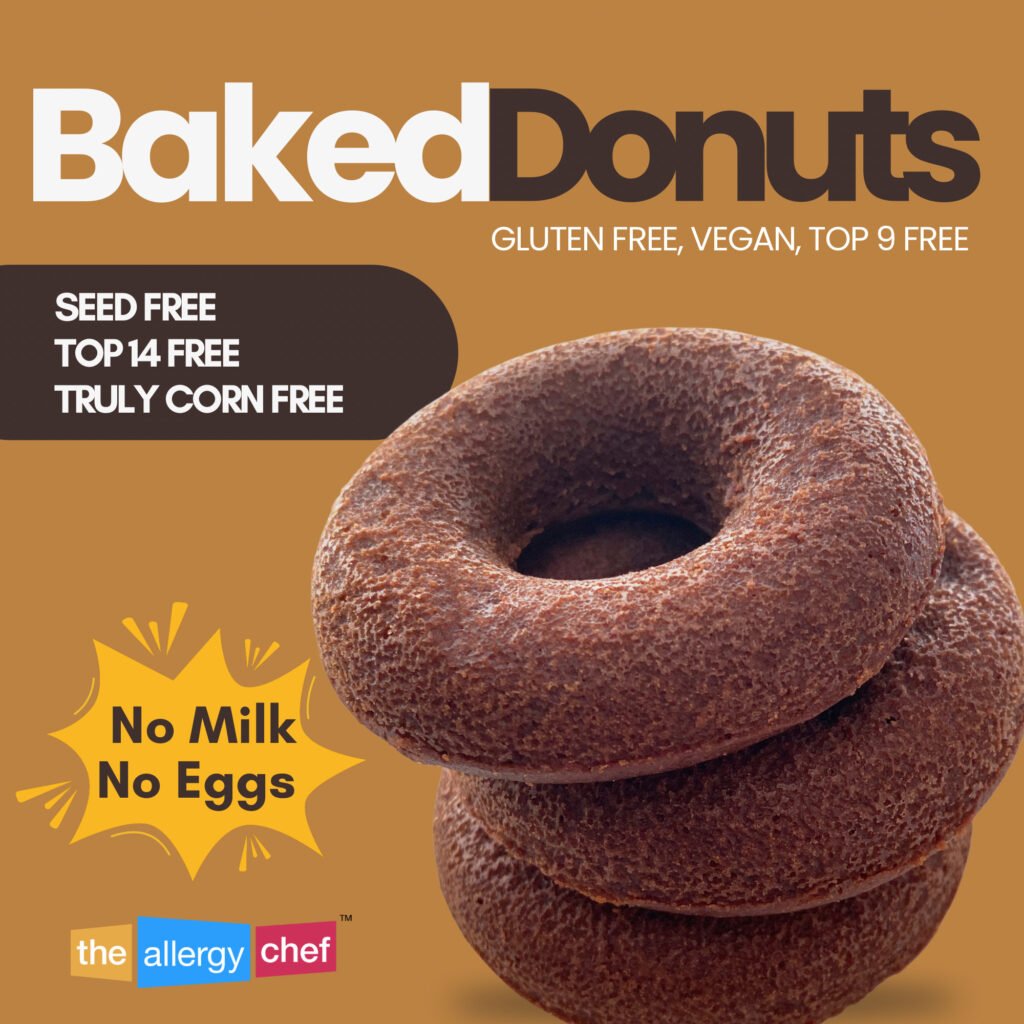
- Easy Corn Free Chocolate Baked Doughnuts
 |
 |
 |
 |
Corn Free Snacks & Corn Free Condiments
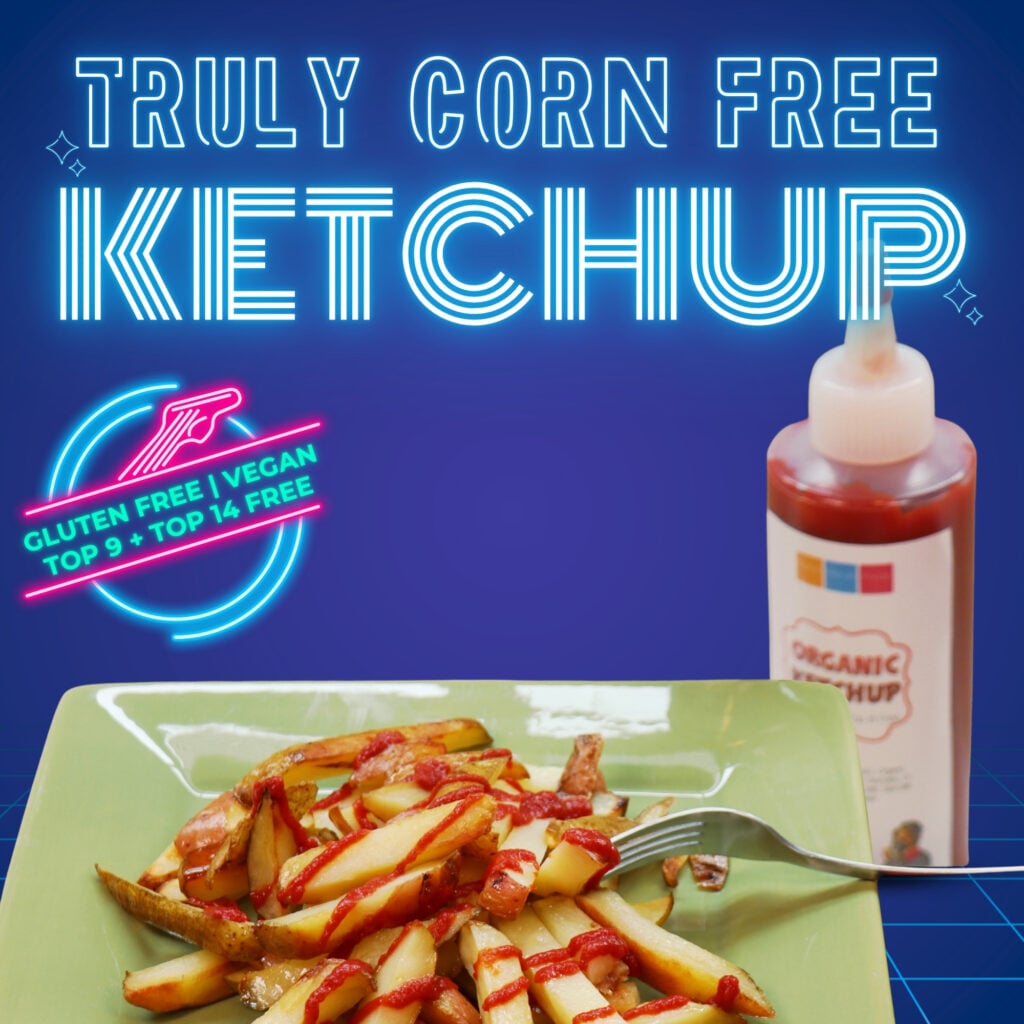
- Corn Free Ketchup Recipe
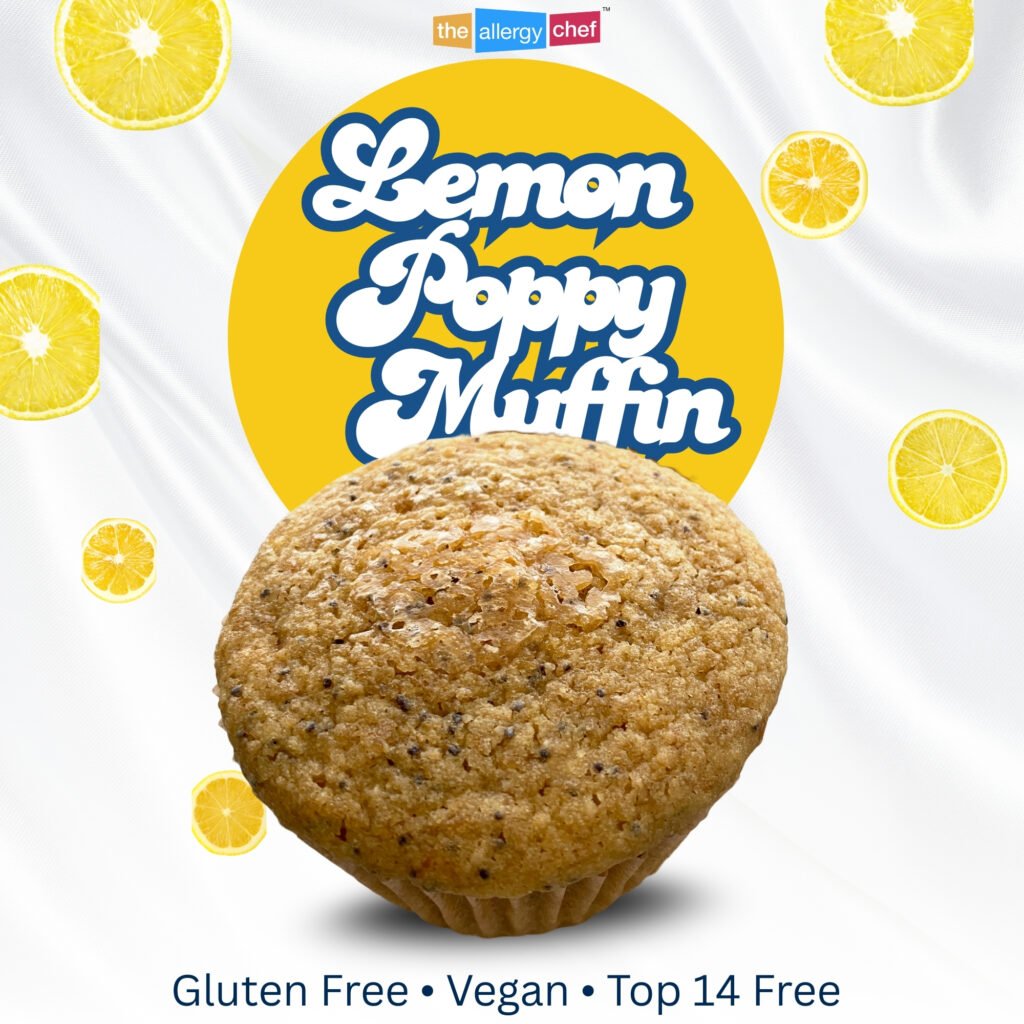
- Truly Corn Free Lemon Muffins
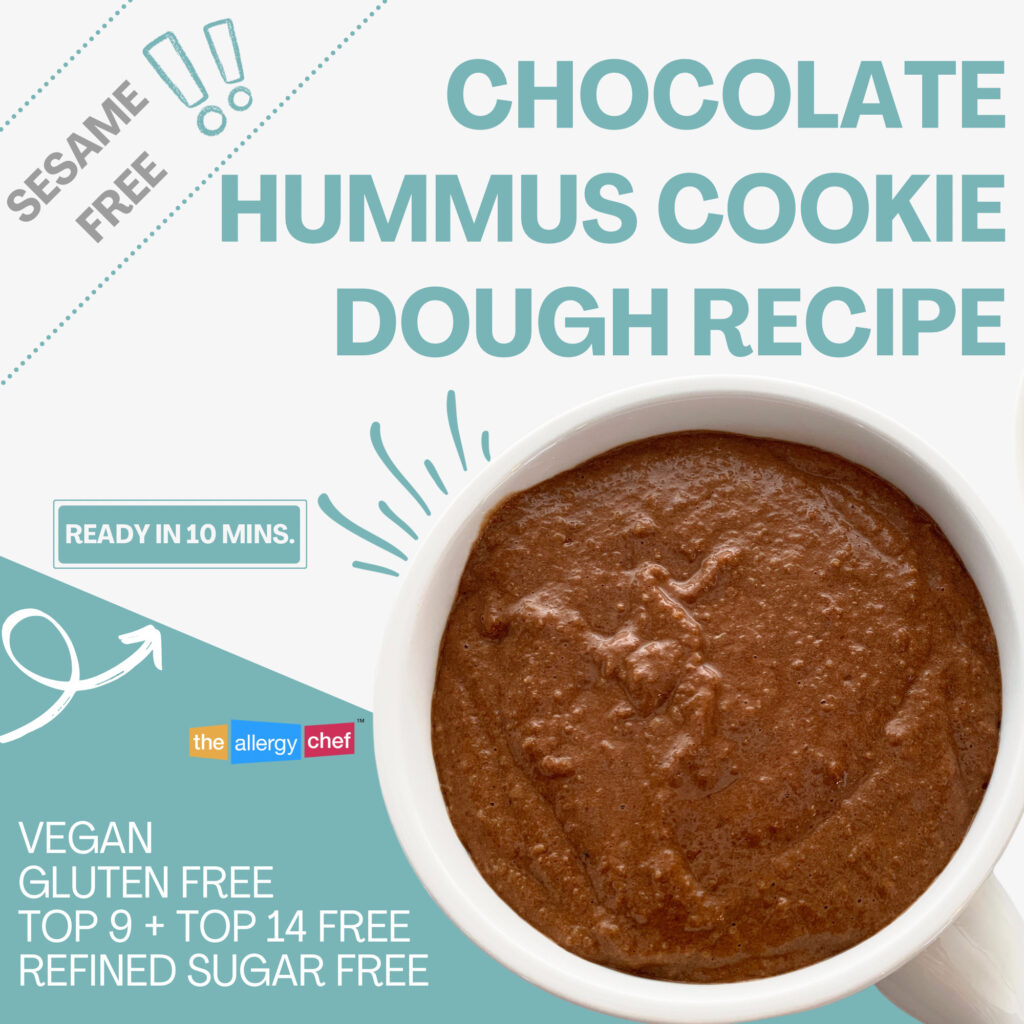
- Sesame Free Chocolate Hummus Recipe
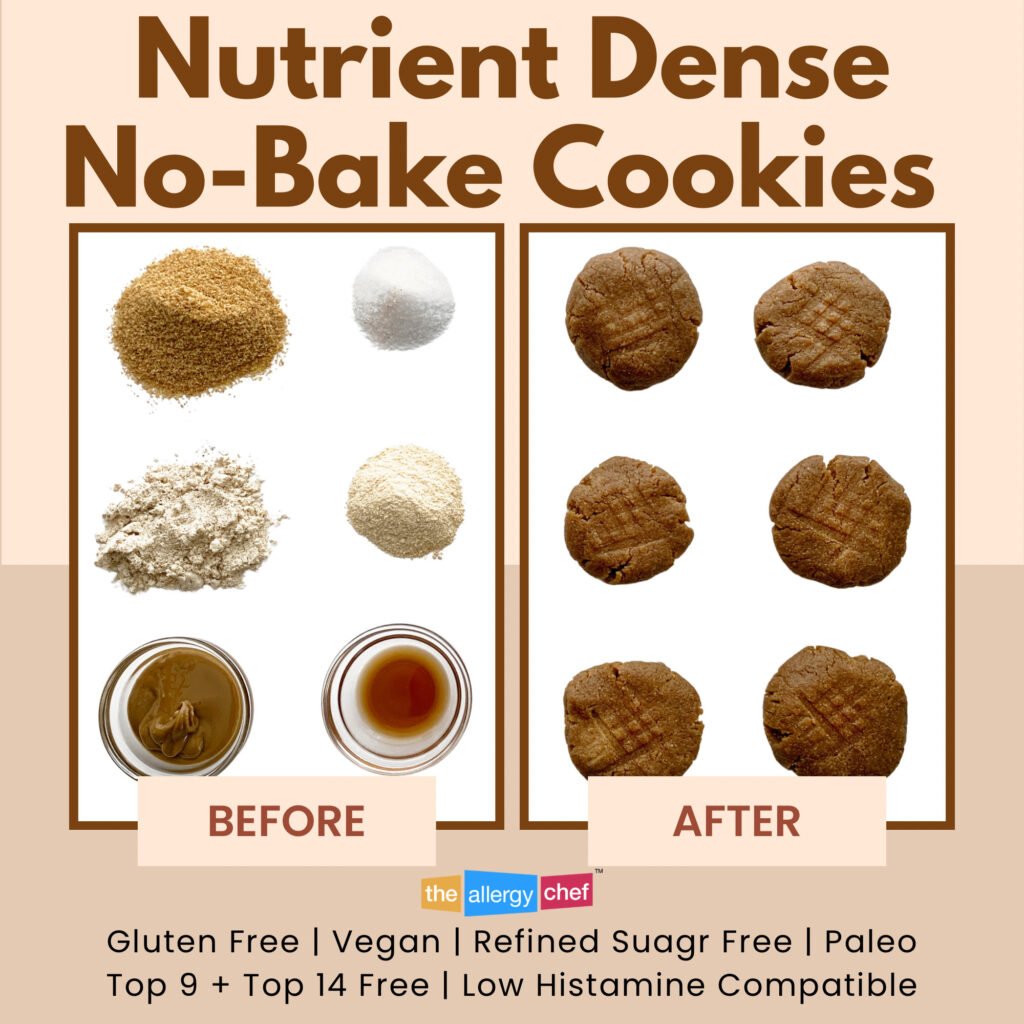
- Nutrient Dense No-Bake Cookies
 |
 |
 |
 |
Common Foods That Contain Corn & Corn Derivatives
I’m going to just say this up front: pretty much all foods can be contaminated with corn, especially if you live in the United States. This issue is wide and deep, and I don’t want to keep you here all day. I’m only going to scratch the surface.
I’ll give you some brief overviews, but then read the Hidden Sources of Corn article. You can also grab a copy of my Ultimate GF + Corn Free Cookbook if you want to learn how to properly source truly corn free products. The book also has over 150 truly corn free recipes and a lot more.
Warning: What you’re about to read may cause you to lose hope and feel overwhelmed. That’s not the intention. When you’re new to following a truly corn free diet, you need this education to avoid consuming corn.
Corn free products exist, you just have to know how to look for them. My book covers all of this, and gives you a head start.

Baked Goods
Just about all commercial bread, cake, cookies, etc. will contain corn. It will be in the form of corn starch, the fats used, baking powder, corn syrup, or one of the many other baking ingredients used.
Truly corn free baking isn’t impossible at home, in fact it’s rather easy. At the commercial level, brands have to save as money as possible, which means there will be lots of corn involved.
Condiments
Pretty much all condiments sold in the United States will contain corn. It doesn’t matter if it’s organic, Paleo, sugar free, etc. The reason: white vinegar.
This is a corn derived product and you’ll find it in everything. Sad story: I once found a jar of olives that contained organic apple cider vinegar and was so excited. I contacted the owner and they gave me the inside scoop on all things olives.
Ready? No matter what the ingredient label says, the olives have been put through an initial soak with white vinegar before it’s bottled with any other kind of vinegar.
In other words, they ALL contain corn. Period. The only way to get around this kind of stuff is to hit quality farmer’s markets and start talking to people. I’ve found so many artisanal producers that sell truly corn free products this way. However, you’re also going to pay a lot more for said products.
Eggs
Eggs will usually contain corn due to the feed of the chickens. In the United States, farms sell washed eggs, and the wash can also contain corn derivatives. You have to really shop around locally to find truly corn free eggs. You’re most likely to find this at your local farmer’s market.
Fish
Farmed fish is 99.99999999% guaranteed to contain corn because of the feed and additives given to the fish.
Wild fish has a much better chance of being truly corn free, especially if you’re sourcing frozen at sea fish from a quality vessel/company.
Fresh Fruits & Fresh Vegetables
Before diagnosis, most people don’t know that a lot of fresh produce is waxed with a corn derived fruit and vegetable wax. Additionally, some produce such as avocado, pineapple, and banana are sprayed with a corn derived ripening gas.
I know. Even when you’re trying to shop healthy, corn is there to get you. Plus, there’s the corn derived biodegradable produce bags to look out for.
Frozen Fruits & Frozen Vegetables
Most frozen produce contains anti-caking ingredients that are corn derived. There’s also the growing process you need to ask about.
The easiest way to circumvent this is to freeze fresh corn free produce you’re able to tolerate.
Gluten Free + Wheat Free Foods
As brands go about making gluten free alternatives for consumers, they tend to lean hard into corn based ingredients. If you’re gluten free or wheat free, and want to purchase food, you’ll want to look for expensive, artisanal brands. Also look for grain free options, as these are a lot less likely to contain corn.
Meat
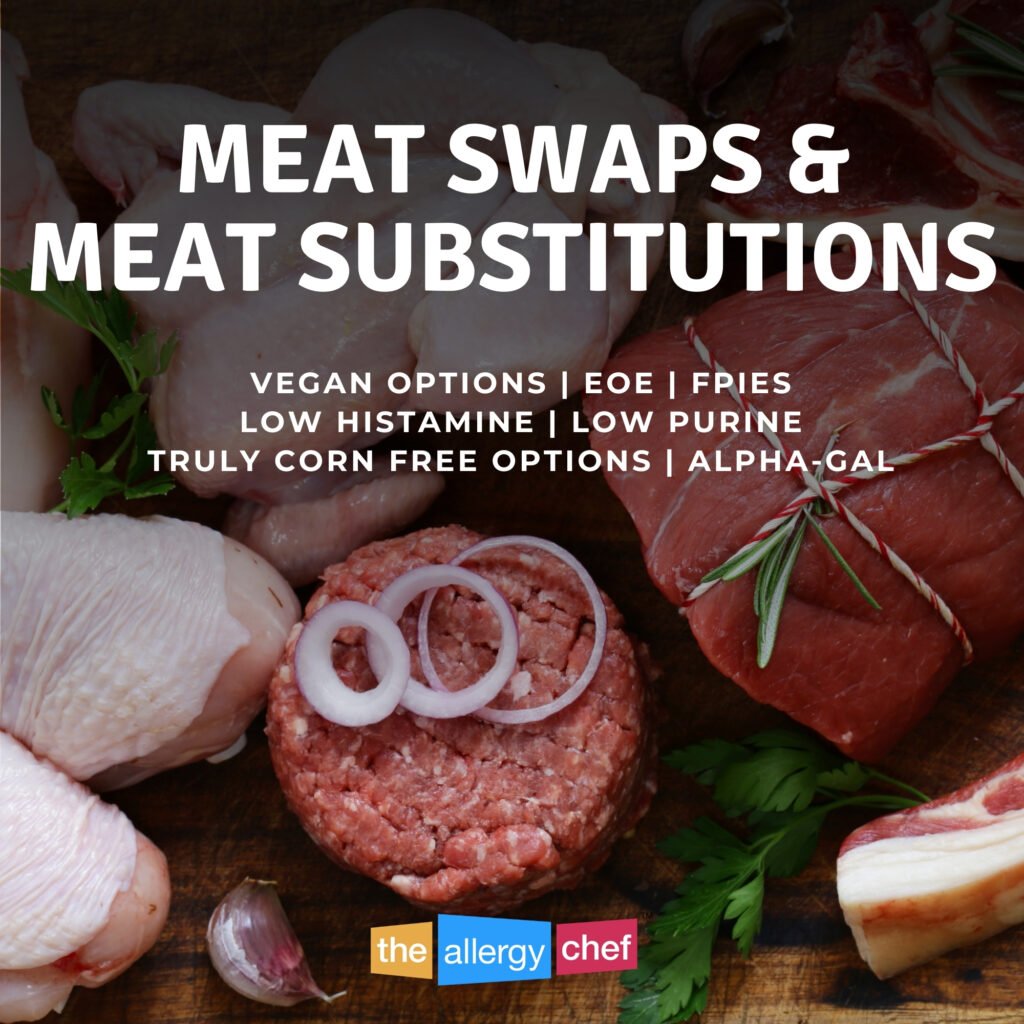
Commercial meat in the United States will either contain corn due to the feed used on the animal, or through the butchering process. It has to do with meat processing regulations and most places use the wash option, which contains corn derivatives.
This extends to chicken, beef, pork, and everything else. Even if you see grass fed or pasture raised, that’s only half the battle. You have to also find out about the butchering.
Spices
Most spice brands contain anti-caking agents that are corn derived.
Sugar
Most powdered sugar contains corn starch and will be off the table. Even if a brand sells a powdered sugar without corn starch, you still have to find out about the ingredient sourcing, shared equipment, and so on.
Other types of sugar can also contain corn due to the growing and processing.
Critical Note: 99.999999999999999999% of all alternative sugars and sugar substitute products will contain corn be corn derived. It doesn’t matter that the package says. When you call the company and ask for disclosure, they’ll tell you it’s corn derived.
Vanilla Extract
Most of the world’s supply of vanilla beans are sprayed with a corn derived drying agent at the time of harvest. From there, these contaminated vanilla beans are turned into vanilla extract, then used in a wide range of products.
Even if you find the perfect looking food to purchase, if it contains vanilla extract, you have to find out which brand of vanilla they used to ensure your personal safety.
Water
Yes, there’s corn in water. Most people with a corn allergy can tolerate some kind of water, but it’s going to be hit and miss since no two people are the same. Read more about water in this article on the Hidden Sources of Corn.
More Amazing Corn Free Resources & Articles
 |
 |
 |
 |
 |
 |
A Warning for Parents of Corn Free Children
If you manage a child with any kind of corn restriction, it’s critical that you are on your A++++ game. Little kids especially can’t tell you something like “all of my behaviour issues today stem from the corn derivatives you fed me last night”.
They can’t tell you that the reason they’re so lethargic is because you gave them a toy made from materials that contain corn.
Children can’t properly express the wide range of non-life-threatening symptoms they may experience. You may think it’s this, that, or the other, when in reality, it’s an issue with corn.
It’s in clothing, it’s in the air, it’s in water, it’s in toys, plastics, and so much more. When you manage a corn free child, especially if they have a severe corn allergy, you must do everything in your power to protect your child.
Eventually, you’re going to have to teach them how to cook, bake, advocate, and thrive. The road is long, but I can tell you from personal experience: there is nothing greater than being symptom free.
If you’ve never experienced the pain of daily allergic reactions, you’ll never know the amount of relief that’s felt when you finally have clean and safe food. So fight for your child and make sure they have that. Trust me. It’s worth it.
Answering Your Questions About Corn Free Recipes
What type of cooking oil should I use?
The great news is that when you’re managing food allergies, including a corn allergy, you can use any coking oil. Baking is a different answer, but in cooking, all fats are welcome.
In the case of a corn allergy, you’re most likely going to find truly corn free options with the following oils & fats:
- Bison Tallow (Honest Bison or Northstar Bison)
- Beef Tallow (look for ultra clean brands using grass fed and grass finished beef as their source)
- Camel Fat
- Coconut Oil (not all brands are truly corn free)
- Organic Extra Virgin Olive Oil (start with stupid expensive brands, those are the ones I usually find to be truly corn free)
- Organic Tiger Nut Oil (tuber, not a tree nut)
In a pinch, you can also use organic palm shortening from a corn free source. This will alter the overall taste of your food though, so only do this if you absolutely must.
Is it possible to make corn free gravy?
Yes! You’re going to want to look up a Paleo or AIP Paleo gravy recipe. The first big hurdle will be the fat. A gravy recipe needs fat as the base, and an oil based fat won’t be nearly as good as an animal based fat. Bison tallow and camel hump fat may be your best choices if you’re dairy free. If you can have milk, I’ve heard that people have success with Kerry Gold, however, I’ve never tested this and can’t confirm the safety.
Once you have the fat, you need some kind of flour. Nut flour, seed flour, and some pseudograin flours just won’t get the job done. You’ll need flours such as cassava, sorghum, rice, and so on.
Once you’ve got that, now you need safe, truly corn free spices and salt. You could add a protein (like sausage gravy), but that’s a whole extra step. Not impossible, and can be totally delicious, but make a plain gravy first to lock in your ratios.
How can I properly stock my kitchen pantry with a corn allergy?
This is a huge question. I’m going to point you to my Ultimate GF + Corn Free Cookbook for the answers. I’ve detailed all things pantry stocking in that cookbook.
Honestly, the term cookbook is misleading because it’s more like a survival guide and a roadmap to thriving.
Is there a particular cuisine that’s naturally corn free?
When it comes to a naturally corn free meal, I’d suggest looking at AIP Paleo, GAPs, and SCD. These three diet types are gluten free, wheat free, soy free, and lot of other frees. However, they’re also the most naturally corn free diet types around.
There aren’t a lot of companies selling pre-made foods for these diet types (AIP Paleo has the most). However, there are loads of recipe developers and cookbooks for these three diet types.
If you’re hoping to eat out somewhere, you’ll have the most success if you can find a Paleo restaurant operated by people who are really IN. Not someone who dabbles, but hardcore founders that had to go through their own health journey first, as they’re more likely to understand your needs.
What types of meals can I eat if I have wheat and corn allergies?
The great news is that there are so many different dishes you can make when managing wheat and corn allergies. You won’t lack flavor, or texture, so long as you source safe raw materials.
These days, you can find recipes for just about anything online, especially in the wheat free and gluten free space. In your case, you’d need to use truly corn free versions of the ingredients that are called for.
So long as you have safe fats for cooking and baking, wheat free flour options, safe milk, and so on, you’re golden. You have the potential to create hundreds of thousands of meals.
When you’re new, I don’t suggest trying to make loads of gluten free alternatives at home. Instead, focus on foods that are naturally gluten and wheat free, but get the corn free version. For example, rice, sweet potatoes, zucchini noodles, and cauliflower rice could all be foundations for meals. You just need the corn free versions, which you’re most likely to find at your local farmer’s market.
Start with basic meals, and as you get more comfortable with managing a corn free diet, expand to the more complicated recipes, make your own spice blends at home, and so on. Over time, you’ll see there are so many meals to eat and I simply can’t list them all.