
Last Updated on June 4, 2026 by The Allergy Chef
Today we’re going to take a look at how to make GERD pasta recipes at home from scratch, and I’ll also share some GERD Friendly Pasta Recipes that are also allergy friendly.
Be sure to use the table of contents. Further down in this article, I’ve included 8 different recipe concepts with the methods that you can try at home.
We’re going to start with recipe links, in case you just want to be told what to make. However, if you want theory, and want to learn how to take full control of your kitchen, or learn creative cooking methods, keep reading. Jump right past the links and straight into the best GERD techniques you’ll read about this week.
GERD Pasta Recipes (Gluten + Dairy + Egg Free)
These are some of my top GERD pasta recipes. Each of these heartburn-friendly recipes are gluten free, top 9 free, and more. You can also take these ideas and run with them. For example, in the creamy lamb pasta, you can swap the protein for something else for a different flavor profile.
- Cheese Free Creamy Mac
- Allium Free Honey Apple Pasta Recipe
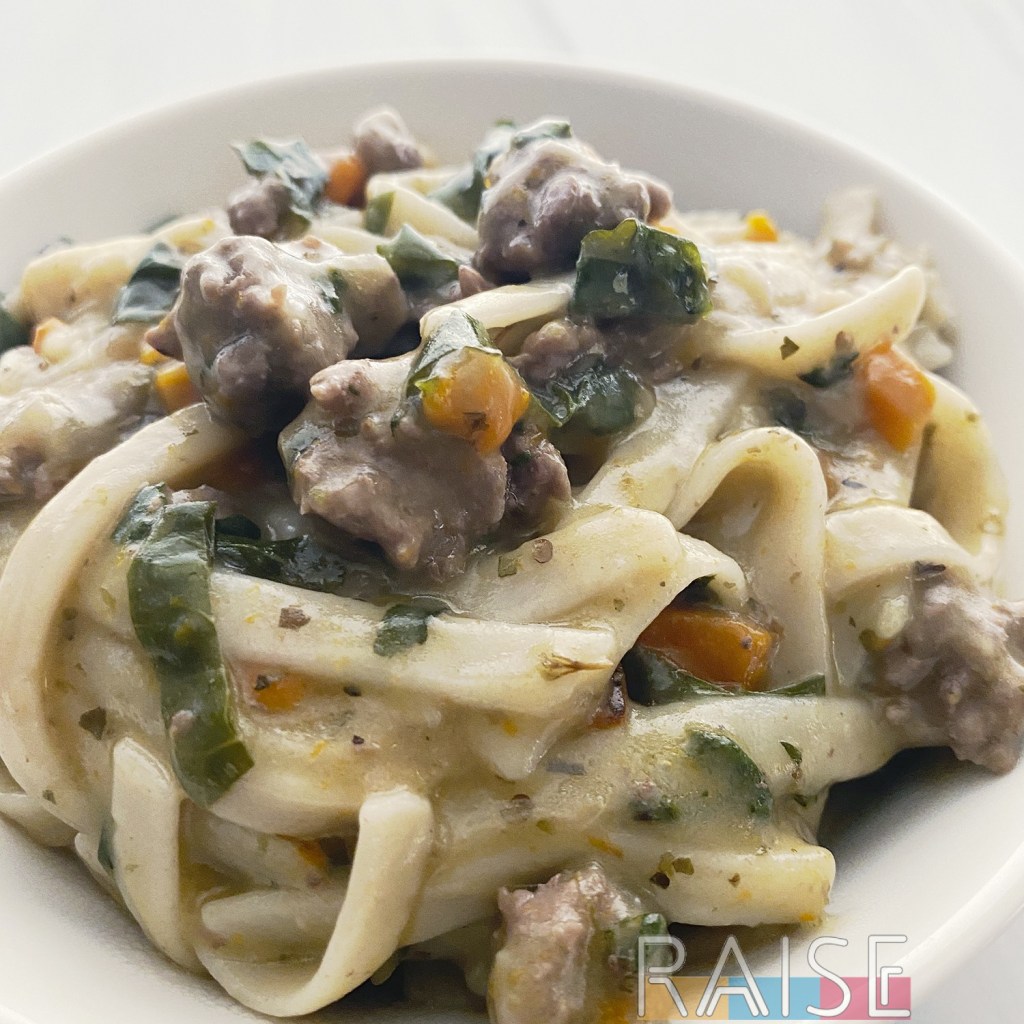
- Dairy Free Creamy Lamb Pasta
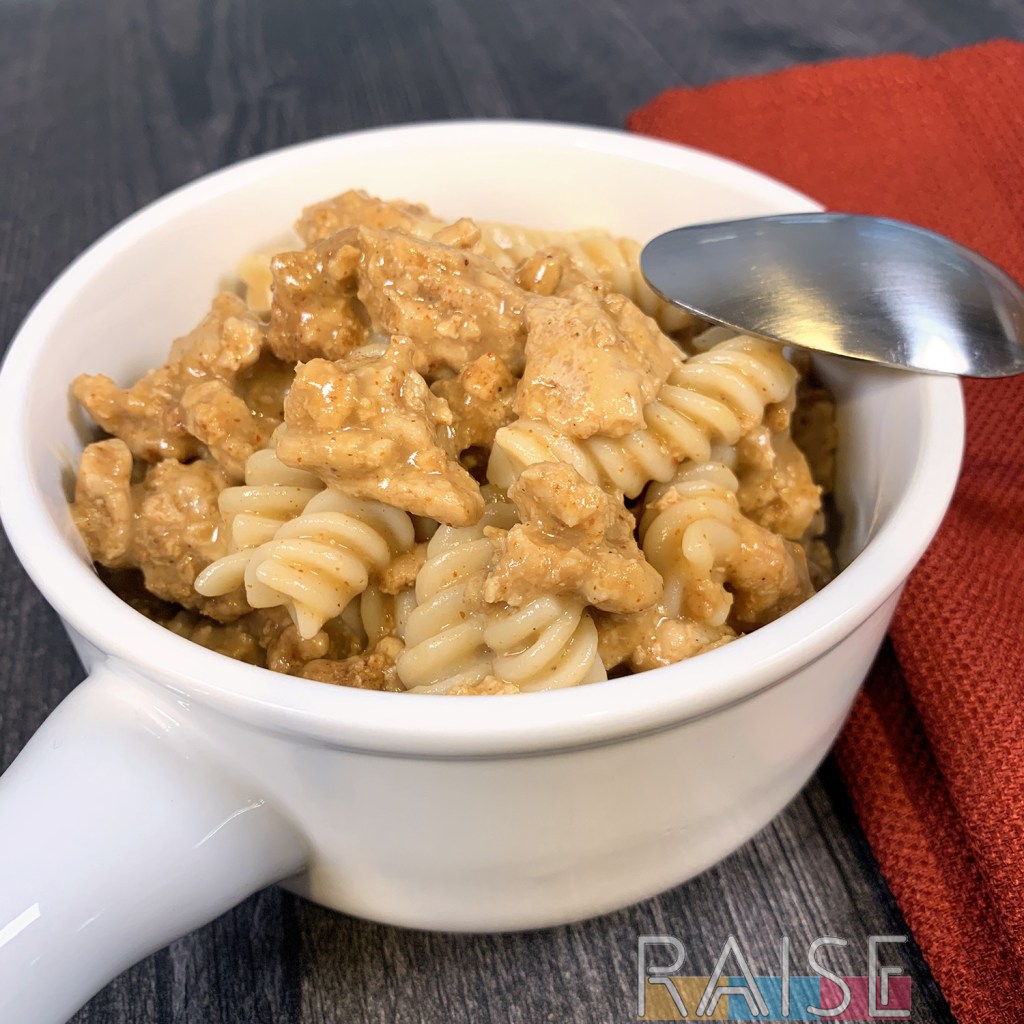
- Turkey Pasta Recipe with Custom Cheese Sauce
- Creamy pumpkin Spaghetti Squash Pasta
 |
 |
 |
 |
GERD Friendly Pasta Sauces
You can use these GERD friendly recipes as pasta sauces. I think sometimes we get so caught up on the idea of what pasta *should* look like, when in reality, it can be anything you’d like. On busy weeknights, an easy way to pull together a pasta dish is to make a batch of ground meat you enjoy and toss with cooked pasta.
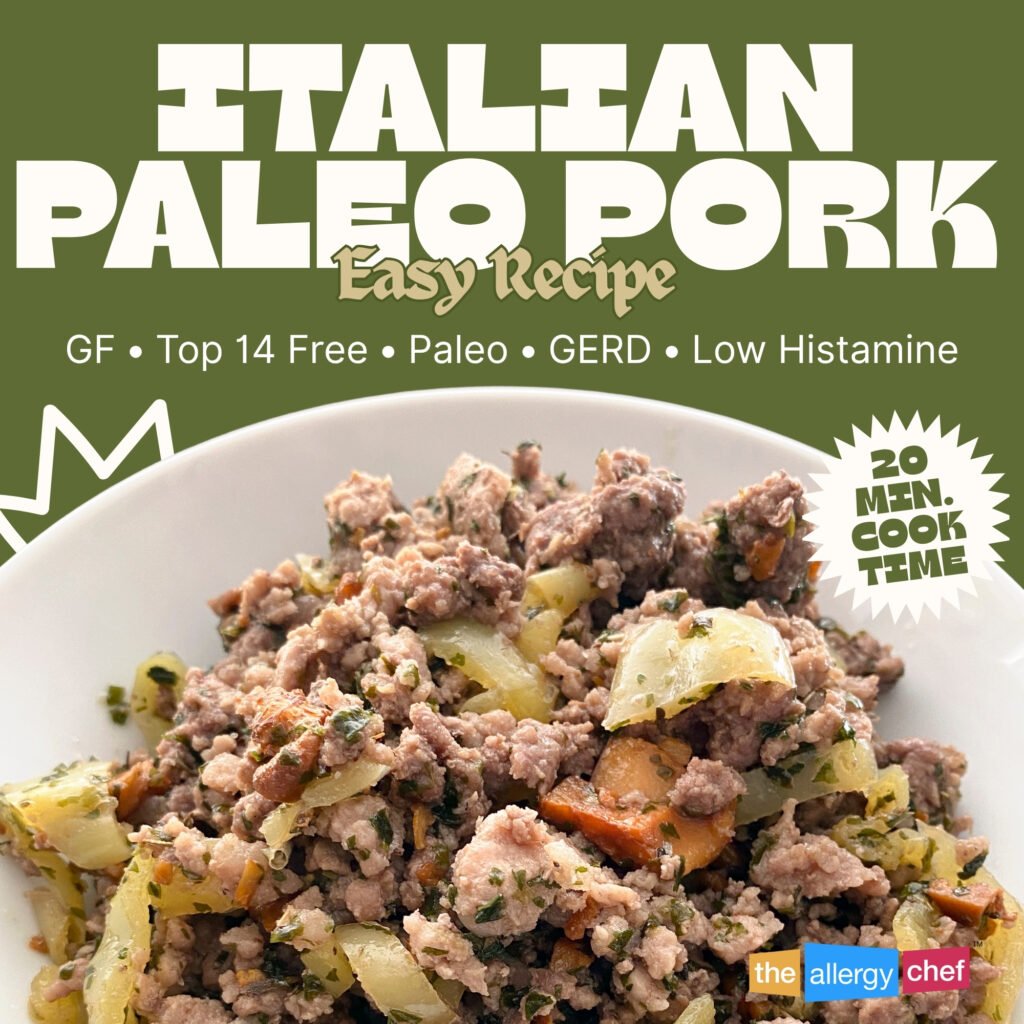
- Italian Pork and Beef
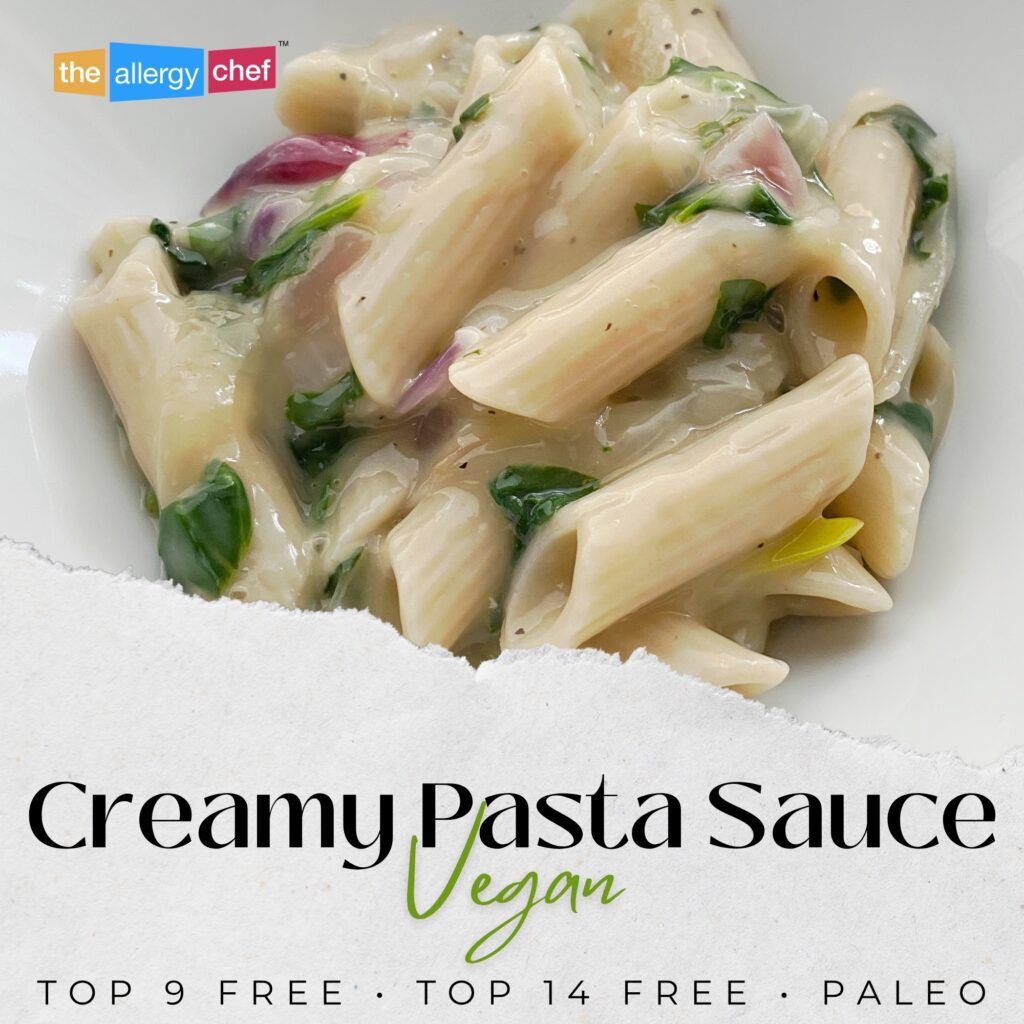
- Foundational Simple Pasta Cream Sauce Recipe (dairy free, vegan, top 14 free)
- Lemongrass Chicken (this is packed with lots of flavor)
- Pork & Peaches
 |
 |
 |
 |
GERD Friendly Pasta Recipe Ingredients
Alright, let’s jump into theory. These are the type of ingredients you’ll want in your pantry and fridge as you go about making GERD pasta recipes at home.
- Healthy Fats in Moderation (Olive Oil, Avocado Oil)
- Whole Grains (for dry pasta and fresh pasta)
- Non-Citrus Fruits (strawberries are excellent in select pasta recipes)
- Fresh Herbs & Dried Herbs
- Lean Protein (lean turkey, chicken breast, lean ground beef, select cuts of bison, veal, etc.)
- Ginger (you can grate a large piece and freeze in ice cube trays)
- Fresh & Frozen Vegetables (peas, carrots, greens, etc.)
Keep reading below where I list more ingredients that you can use to make swaps and substitutions for classic pasta ingredients.

Ingredients to Avoid in Pasta Recipes
When it comes to making a delicious pasta at home, there are ingredients most recipe developers will call for time and time again that will trigger GERD symptoms in most people that need to follow an acid reflux diet or something of that nature.
The most common triggers to avoid include:
- Alliums (onion, garlic, shallot, leek, chives, etc.)
- Cayenne Pepper, Crushed Red Peppers (and other spicy foods)
- Citrus Juice (lemon juice, lime juice, orange juice, etc.)
- Garlic (crushed garlic, pressed garlic, garlic powder, black garlic, etc.)
- Heavy Cream
- Onions (dried onion, diced onion, onion powder, onion granules, etc.)
- Parmesan Cheese and Other Hard Cheeses
- Peppercorns (black pepper, white pepper, green pepper, pink pepper)
- Tomato Products (tomato sauce, crushed tomatoes, cherry tomatoes, tomato paste, etc.)
- Vinegar
- Wine or Liquor
There will be others, but these will be the most commonly called for. Below, I’ll share how you can replace some of these ingredients.
How to Make GERD Friendly Pasta Sauce (Ingredient Swaps & Substitutions)
Often times, people think that once they have to follow a specific medical diet that a lot of their favourite foods are off the menu. Here’s what I want you to embrace: the foods are still on the menu, but they’re going to be different. You can still enjoy a creamy pasta sauce with some tweaks, or something that reminds you of a tomato sauce.
As long as you have the will, and a stocked kitchen, you’ll have awesome meals, I promise. So, let’s look at some basic swaps you can lean into when making a GERD friendly pasta sauce at home from scratch.
Replacing Aromatics (onion, garlic, etc)
OK, the typical aromatics are off the table, and that’s OK. Here’s how we work around that:
- Microplaned Ginger (use a tool like this or one like this)
- Sliced Carrots
- Thinly Sliced Celery
- Shredded or Sliced Parsnip
- Asafoetida (also called hing)
When combined, these ingredients can deliver real FLAVOR, just don’t be skimpy. Unless you’re going for a Michelin Star and subtle is the name of your game.
Replacing Tomatoes
Tomato sauce is like the Chevy of pasta sauces. Everyone knows what it is, what it’s supposed to taste like, and has ridden in one at least once. It’s reliable (OK, not all Chevys are reliable), and something Italian Nona’s can appreciate. So, how do we replace tomatoes? We lean into Nomatoes.
You’ll want to purchase a nomato sauce (this brand has pasta, pizza, bbq, and other sauces) or make one at home. Some brands that sell nomato sauce are nightshade free only, or cater to the AIP Paleo diet. Both of those diets still allow for ingredients that aren’t GERD friendly, do you may be making this at home. A typical nomato sauce leans hard into carrot, beet, ginger, and miscellaneous seasonings. In our case, it’s going to be something like:
- Carrot
- Beet
- Ginger
- Smoked Salt
- Mushroom Powder
- Asafoetida
- Basil
- Marjoram
When combined, these ingredients are going to be your version of a mother sauce (the five classic sauces in French cooking that are the base of pretty much all the other sauces). You’ll oven roast the carrots and beets, then blend everything together with enough milk to blend (and not a drop more).
Heat this on the stovetop so the asafoetida cooks (you can’t eat this raw). Take GREAT notes because once you have a delicious base, you can scale up, make a tonne, and freeze in 450g/16 ounces jars and freeze.
From here, RUN with this sauce. Add maple, add honey, add thyme or rosemary, add blended squash, load it with more veg, and the list goes ON AND ON. I’m telling you, this GERD mother sauce can do SO MUCH for you once you’ve got it just where you want it.
Other Flavour Replacements
Ultimately, when it comes to replacing foods that aren’t GERD compliant, you’re going to want to think about:
- Flavour Profile (dark, sweet, earthy, bright, sharp, etc.)
- Texture (this is more applicable to whole, fresh ingredients, rather than dried spices)
- Umami Content
- Sweetness (some ingredients are naturally sweet whilst others aren’t)
- Aroma & Colour (the latter is less important, but can help give you the illusion of full replacement)
Ingredients to lean into:
- Arugula (has peppery notes)
- Asafoetida (also called hing) **fantastic onion replacement**
- Dried Shrimp (umami)
- Dried Herbs
- Fermented Foods (rice koji, sauerkraut, etc.) **you want naturally fermented without vinegar, etc.**
- Fish Sauce
- Ginger (can bring in some illusion of spice)
- Grains of Paradise (a seed that has peppery and lemony notes)
- Homemade Broth & Homemade Reduced Stock (this is going to intensify flavours)
- Mushroom Powder
- Tiger Nuts (tuber, not a tree nut, has earthy nutty notes but without the fat content of tree nuts)
- Watercress (peppery flavour)
Delicious GERD Pasta Ideas
Now let’s take a look at what I love to do most: share ideas for delicious meals. Below you’ll find some tasty concepts, and you may even be able to find pre-made recipes online. I’ll be sharing ideas and general instructions for these pasta dishes.
NOTE: The recipes and concepts below are ratios based on experience and other recipes I’ve personally developed. As you read, you’re getting a peek into the mind of a free-from chef that’s constantly reinventing the wheel, so take these ideas and tweak them until you have something YOU love.
Easy Shrimp Pasta
To make an easy shrimp pasta, you’ll want to get your pasta cooking (don’t forget to salt the water). Next, make a basic cream sauce. You can use the ratios in this recipe, but skip the onions etc. Just focus on the milk, flour, fat, and salt.
Once your cream sauce is ready, set it aside, then cook your shrimp with salt, ginger, and asafoetida. You can substitute the shrimp for other shellfish including lobster or crab.
By the time your shrimp is ready, the noodles should be done cooking. Drain, then return to the pot and mix everything together. That’s it. Super basic and easy shrimp pasta.
Creamy Honey Ginger Salmon (or Fish) Pasta
When it comes to making pasta alternatives at home, that your whole family will love, this may be your ticket to success. You can also make some adjustments to this concept by swapping the salmon for a different protein, or using maple instead of honey.
To make the cream sauce base, you’ll need:
- Milk of Choice
- Fat of Choice (oil, butter, etc.)
- Flour of Choice (wheat or gluten free, if grain free only use cassava)
- Honey (or maple for something different)
- Sea Salt
- Asafoetida
- Ginger
To complete the pasta you’ll need:
- Cooked Pasta
- Fish of Choice (if salmon is too fatty for you, use swordfish, monkfish, or another sturdy white fish)
- Sea Salt
- Roughly Chopped Spinach
- Optional: 85 – 112g (3 – 4 ounces) Mushrooms (roughly chopped) OR Mushroom Powder (gives you another layer of flavor to enjoy)
Method
Cook your pasta in a large pot, then drain when it’s ready. Return the pasta to the pot.
Don’t start on the fish until the pasta is in the water. This allows you to use the pasta pot for assembly later. Once the pasta is in, heat a large pan on medium-high heat. Add your fish, salt, and roughly chopped mushrooms (or powder). Allow the fish to sear on one side before flipping it over. After the flip, add the fresh spinach, cook for a few more minutes, then break the fish into small pieces.
The pasta should be done, so drain it and return it to the pot. When the fish is done, slide it into the pasta pot that’s waiting. Next, you’re going to make the creamy honey sauce.
Add 60g fat of choice to your pan, along with 2 – 3 TBSP of your flour. Mix together as the fat melts/heats. Now, add 85g honey (3 ounces) and mix well. Next, add 670mL (24 ounces/3 cups) milk of choice. Mix everything together very well. If your sauce isn’t as thick as you’d like it to be, add an arrowroot slurry (85mL/3 ounces milk + 2 TBSP arrowroot).
When the sauce is hot, creamy, thick, and oh so delicious, turn the heat off and pour it into the pasta pot. Mix everything together very well and now you’ve got a creamy honey fish pasta. I have a recipe similar to this method here on RAISE (membership site) where you can see process photos, ratios, and ingredients in action.

Taco Spaghetti (such a tasty easy weeknight dinner)
This GERD-friendly dinner idea starts with leftover taco meat. This simple spaghetti creation is something everyone in my family raves over each time I make it. Here’s what you’ll need:
- Cooked Pasta (you don’t have to use spaghetti, but I think it’s a fun noodle)
- Leftover Taco Meat (seasoned any way you like)
- Black Beans or Pinto Beans
- Asafoetida + Ginger
- Maple Sugar
- Avocado
- Cashew
- Milk of Choice
- Smoked Salt (smoked salt example)
- Optional: Shredded Parsnip (for extra veggie content)
- Optional: Sweet Corn
Method
Get your pasta water boiling, and don’t forget to salt it. Cook your spaghetti as you normally do, then drain when it’s ready.
Whilst the pasta cooks, head a large pan on medium-high heat. Add a little cooking oil, your beans, asafoetida, ginger, a kiss of maple sugar, smoked salt, and the shredded parsnip. Mix everything together very well and cook for 10 – 15 minutes. Stir as needed to prevent burning/sticking. When the time is up, add as much leftover taco meat as you see fit. Continue to cook until the meat is hot.
If you’re going to use the optional corn and it’s frozen, get it heated according to the directions on the package.
As the stove does its thing, combine milk, avocado, and cashews in your blender. Add a little of the smoked sea salt as well. You’re going to want to use 450mL of milk (16 ounces/2 cups), along with YOUR PERSONAL amount of fat allowed. You’re going to have to do the math to get to this number. Let’s say you can have 30 grams of fat per meal (1 ounce). This sauce makes 3 – 4 servings, so use a total of 90g of fat. You’ll need to divide that 90g over the avocado and cashew, or use it all for avocado OR cashew, but not both.
Once you have that blended up, set it aside. When the pasta is drained and the beans taste good, combine everything into the largest pot you’ve been working with (either the pasta pot or the bean pot/pan). Mix everything together and you’ve got taco spaghetti.
Pad Thai
It you enjoy Thai food, you can still have it on the menu with some adjustments. Use lean chicken in your recipe, omit peppers found in traditional/authentic recipes, and stick to seasonings that are GERD friendly. Will this be just like on the streets of Thailand? Nope, but it will be made with safe ingredients for you, and that’s what really matters.
There are thousands of pad Thai recipes online you can modify. Before getting started, be sure to stock your kitchen with these types of ingredients:
- Fish Sauce
- Soy Sauce
- Ginger
- Grains of Paradise
- Thai Basil
- Marjoram
- Sauerkraut
- Cabbage
- Asafoetida
If you’d like to have this on the menu regularly, here are a few ways you can change it up in the future.
- Really lean into Thai basil
- Swap a base sauce for a different Asian sauce you tolerate
- Add a range of different shredded vegetables
- Rather than serve over pasta, serve the chicken in a rice spring roll wrapper, then pan fry for a pseudo-pot sticker experience.
Dutch Oven Creamy Spinach Pork Chop Pasta
This is an easy one-pot meal that many would consider comfort food because of how it warms you up from the inside. To make something like this, you’ll want a dutch oven or heavy pot and lid that are oven safe.
These are the types of ingredients you’ll want for this all-in-one meal:
- Oil/Fat of Choice for Cooking
- Cubed Pork Chop (remove the fat cap first)
- Smoked Sea Salt (smoked salt example)
- Milk of Choice
- Celery Slices
- Carrot Slices
- Roughly Chopped Mushroom
- Roughly Chopped Spinach
- Asafoetida
- Thyme
- Rosemary
- Arrowroot (for a slurry to thicken the stew) OR Roux
Method
Cut the pork into 1″ (2.5cm) cubes, and season all over with smoked sea salt. Heat your Dutch oven on medium heat, add the cooking oil, then the celery, carrot, and mushroom. Cook for 10 – 15 minutes.
Push all the veg to the side, then add the meat and spices, mix, and cook for 5 minutes. By pushing the veg over, you’ll have space to brown the pork. After 5 minutes, add the milk and allow it to come up to temperature.
Make a slurry with milk + arrowroot, then whisk into your stew. It should thicken up nicely. Add a bit more salt and your spinach then mix. Finally, add fresh sprigs of rosemary and thyme so the flavour permeates. Pop the lid on and roast in the oven until the pork is fork tender and shreds easily.
All of the measurements are going to be determined by how much pork you use, and the style of Dutch oven you’re working with. I have a recipe similar to this method here on RAISE (membership site) where you can see the ratios in action.
GERD Friendly Pesto Memory Recipe (with nut free option)
When you receive a diagnosis of GERD, and learn about what the diet entails, I’m sure pesto isn’t on your radar. However, we can take some creative liberties to get this pasta sauce back on the menu. Like all of my other free-from memory recipes, I’ll encourage you to first look at what pesto is at its core. It’s usually oil + veg (basil is the most popular) + nuts + Parmesan + lemon + garlic. That’s going to get you a tasty, basic pesto.
Let’s look at GERD alternatives.
Oil = Blend of oil + milk of choice to bring down the fat content.
Basil = Basil, it’s a GERD friendly herb.
Nuts = Nuts, but a lot less to bring down the fat content.
Parmesan = Parmesan, but a lot less to bring down fat content, plus we’ll boost the salt to make up for lost saltiness.
Lemon + Garlic = Grains of Paradise + Pinch of Ginger
Here’s a Gerd friendly pesto recipe to play around with:
- 115g Organic Fresh Basil Leaves
- 50g Organic Dry Roasted Unsalted Sunflower Seeds (nut free option) OR Cashew Pieces (creamiest option) OR Pine Nuts (most traditional option)
- Organic Grains of Paradise to Taste (this is what you’re looking for)
- 1/8 – 1/4 tsp Organic Ground Ginger
- 3 TBSP Nutritional Yeast (you can purchase unfortified if that’s something you need)
Part 2 Ingredients
- 112mL Organic Extra Virgin Olive Oil (4 ounces)
- 200mL Milk of Choice (7 ounces)
- 2 – 3 tsp Smoked Sea Salt to Taste (smoked salt example)
- Parmesan Cheese of Choice, within your tolerance limits for fat content
Method
Place your empty blender on your kitchen scale. Tare to zero and add the first part of the ingredients. Blend on high, you’ll need a tamper to get things to move around a little bit.
With the blender on low speed, pour the oil, then the milk in through the chute/hole in the lid. Once it’s all in, blend on high until super smooth. Remove the lid, add 1 tsp of smoked salt to start, along with your cheese. Blend, taste, then add more salt as needed.
Eat fresh for best results, store leftovers in your fridge, and eat within 5 days. Separation in the refrigerator is normal, so stir really well before you use this the second time around.

Creamy Butternut Squash Pasta Sauce
You can make a sweet or savory butternut squash pasta sauce at home. First, start by oven roasting frozen butternut squash (it’s easier than prepping a fresh squash). Roast on parchment paper, rather than in oil, to keep the fat content to a minimum.
Once you have the roasted squash, here’s a couple of suggestions for a delicious experience:
Sweet Squash Sauce
- 450g Organic Butternut Squash, roasted (16 ounces/1 lb)
- 390mL Milk of Choice (14 ounces)
- 8 large Organic Medjool Dates, pitted
- 1 tsp Organic Dried Parsley
- 1/2 tsp Organic Dried Marjoram
- 1/2 tsp Smoked Sea Salt (smoked salt example)
- 2 – 3 drops Liquid Smoke (this is the brand that I use)
Savory Squash Sauce
- 450g Organic Butternut Squash, roasted (16 ounces/1 lb)
- 390mL Milk of Choice (14 ounces)
- 1 tsp Organic Dried Parsley
- 1 tsp Organic Dried Marjoram
- 1/2 tsp Organic Ground Thyme
- 1/4 tsp Organic Ground Rosemary
- 3/4 – 1 tsp Sea Salt
GERD Friendly Alfredo Sauce
Here’s a suggested recipe you can use to make an alfredo sauce memory at home. This is NOT traditional alfredo sauce, but it will remind you of said sauce.
- 60g/2 ounces Dairy Free Butter
- 670mL/24 ounces Milk of Choice
- Shredded Cheese of Choice, based on your individual tolerance, see notes in method below
- Organic Ground Ginger to Taste
- Grains of Paradise to Taste
- Smoked Salt to Taste
- 60mL/2 ounces Milk of Choice
- 2 TBSP Arrowroot
Method
In a pan or pot large enough to hold all of the ingredients, heat your butter on medium heat. Allow it to fully melt, then add the ground ginger and ground grains of paradise. Cook for 3 – 5 minutes.
Add the milk and shredded cheese(s) and stir well. The types of cheese and amounts of cheese is entirely up to you. If you can tolerate 40g of cheese per serving, use 80 – 120g of cheese, as this is enough to make 3 servings or more. If you can, use more than one type of cheese to keep things interesting. You can use a milk based cheese or dairy free cheese for this sauce.
Whilst that cooks, combine the 60mL of milk and arrowroot together in a measuring cup. Mix well with a fork until all of the arrowroot is dissolved. This is your slurry. Set it aside.
Once the cheese is fully melted and the sauce has come to a bubble, sample it and adjust the salt and ginger as needed. Some types of cheeses are more salty than others, so keep that in mind. You may need to have a delicate hand with your salt.
When you have the seasonings just right, turn the heat off. Pour your slurry into the sauce and whisk like mad. You’ll feel resistance develop and the sauce will thicken. Stir for a minute, then you’re ready to serve. You can pour this on top of cooked pasta, or toss your cooked pasta in the sauce.
If you’re new to managing a restricted diet, get yourself a kitchen scale so you can weigh portions. It’s important that you stick to your personal limits on ingredients that contain fat.
Bread Pairings for Your GERD Pasta Recipes
When you’re cooking your pasta, you should consider some tasty side dishes. If you enjoy exploring international flavors, an easy way to bring in global options is through toppings. Some of the most popular spices from around the world are GERD friendly, and rather than making classic garlic bread, you could make sumac bread, Thai basil bread, or GERD friendly curry bread.
Another great side dish for pasta is oven roasted vegetables. Growing up, my kids loved simple options like frozen green beans + olive oil + sea salt + misc spices. Remember, it doesn’t have to be difficult to be delicious. Here are some bread options to consider:
- Focaccia
- Whole Wheat Toasted Bread
- Toasted White Bread
Focaccia is an interesting choice because each time you make it, you can use a different flavour profile. Once you’ve made focaccia a couple of times, you’ll quickly see how easy it is to transform it into something new.

Answering Your Questions About GERD Pasta Recipes
Is it OK to have gluten-free pasta on a GERD diet?
Yes! If you have a wheat allergy or manage Celiac Disease, you can use gluten-free pasta in your GERD pasta dishes. Check out this article if you need brands to choose from (I’ve included grain free options as well).
Is there a way to. make cacio e pepe GERD friendly?
The first option is to simply eat a very, very small amount and have the cacio e pepe as a side dish along with a lean protein. I know, easier said than done. In the case cacio e pepe, the cream, eggs, cheese, and black pepper can all cause trouble for someone with gastroesophageal reflux disease.
To skirt around the black pepper, try using a little ginger or a little grains of paradise if you can tolerate it. Next, I’d suggest making a basic cream sauce like this one. Don’t make the recipe exactly, but focus on the milk, butter, flour, and slurry ratios. Use a safe-for-you milk, and mind your portion size because of the butter content.
Finally, the egg yolk and cheese. These will be a lot harder to replicate, especially if you have a super low fat threshold limit to stick to. The best thing to do is to work the numbers. Let’s say you’re allotted 15 grams of fat per meal. I’d use 1/2 an egg yolk and skip the cheese (half a yolk is approximately 15g fat). You could also use 1/3 of an egg yolk + a little, little bit of cheese.
You’ll want to toss your cooked pasta in the cream sauce, add the ginger or grains of paradise, then add the egg and cheese blend. Essentially, we’re making a diluted version of cacio e pepe, so make sure you manage your expectations. This won’t be the uber rich and creamy version you’re used to, but a memory of the dish.
How can I make creamy spinach, but GERD friendly?
When managing acid reflux, making creamy sauces may seem impossible, but it’s not. First, you can tap into dairy free ingredients, and that takes care of the milk element. Though, you can use low-fat milk if that’s something you tolerate.
Next, you’ll want to cook down your spinach until it’s nice and wilted. You can use fresh ingredients, or frozen ingredients for this. In a separate pot, cook cauliflower or cubed potatoes (or a bit of both) in a safe-for-you milk.
Once the white veggies are easy to pierce with a fork, you’re ready to blend. Transfer the milk + veg pot to your blender and blend until ultra smooth. Once smooth, pour back into the pot. Next, make an arrowroot slurry (or cornstarch slurry) and whisk that in.
The slurry will thicken the milk pot. Once thick, add the cooked spinach and mix well. Now you have a creamy spinach base with a rich mouthfeel, but without a load of fat, which is the other chief concern.
If you’re used to having creamy spinach with cheese, depending on how much fat you personally tolerate, grate a little cheese on top before serving. When you grate cheese on top, rather than mix it in, you get the flavour hit right away, and it takes a lot less cheese to pick up on the flavour (when the cheese is mixed in, it can get lost, so you need more for the same effect).
Can I use lactose-free milk on a GERD diet?
When it comes to gastroesophageal reflux disease, whole milk, with the full fat content, is the top issue. If you can tolerate low fat milk, you’d need to look for lactose free low fat milk. This brand sells an option, but I’m not sure if it’s available nationwide.
If that’s not available to you, you can tap into a wide range of dairy free milk options. Here’s a list of brands and milk types to get you started.
Should I rinse cooked pasta?
As someone who has cooked regular pasta that’s wheat based, and gluten free pasta made from a range of ingredients, I can tell you that no, you don’t need to rinse cooked pasta.
There are a couple of exceptions to take into consideration. First, the taste of the pasta when it’s cooked, and if you’ll be serving it standalone (to a toddler for example). If rinsing the cooked pasta improves the taste, rinse it.
The other time you’d consider rinsing is when you’re making a pasta salad that’s very pasta forward. Again, this would be done to enhance the flavor of the cooked pasta.
Ultimately, it’s up to you if you rinse, and the best way to test it out is with a quick experiment. The next time you cook pasta, rinse a handful of cooked noodles. Taste the rinsed pasta, then unrinsed pasta, both plain and without a sauce. If you can taste the difference and have a preference, you have your answer.
Is there a way to make GERD friendly fried foods?
We all know that greasy foods are a huge no-go when following a low acid diet or GERD diet. However, if we look at the core principles, we can take them and make them GERD compliant. The case of fried foods, the good news is that you can absolutely make GERD friendly versions.
Let’s take a look at fried chicken, arguably one of the worst foods served here in the States. At its core, it’s chicken + seasonings + breading.
First, you’re going to want an air fryer or convection oven for best results. However, you can still get something crunchy from a regular oven, so don’t fret if you don’t have one.
For the best fried chicken, I’d suggest using pieces of chicken thigh (boneless, skinless, and trimmed), or chicken tenders. These tend to cost more, but I’m told they’re very tasty.
Next, you need to pull together a good spice blend. I’d use smoked salt, sage, thyme, maple sugar, and celery seed. Combine that with breadcrumbs. You can use a store bought breadcrumb, or make something at home in your food processor. Sourdough bread crumbs could be a very tasty option.
Sprinkle the salt all over your chicken. Next, pour a little water in a mixing bowl, and add the chicken. Then, add the bread crumbs and spices. Mix everything together very well. You only need enough water to make sure the spices and breadcrumbs stick to the chicken.
Air fry according to your unit’s instructions, or oven roast on a baking tray that’s lined with parchment paper. 400f/205c is good temperature, and your bake time will be determined by the size of your chicken pieces. Start with 15 minutes and go from there. You’ll want to use an instant read meat thermometer to make sure your chicken is up to temp before serving.
Now, will these methods get you commercial fried chicken? Nope. However, we’ve met the brief… remember the core principles? Chicken + spices + breading. That’s what we’ve got, and it will be crunchy, juicy, delicious, and a better choice overall.
You can take this concept and apply it to other proteins. Also experiment with panko breadcrumbs, as well as crushed cereal made from whole grains.