

Today we’re going to take a look at a beef allergy. It’s important to know there are several forms of a beef allergy including:
- IgE Mediated Beef Allergy (some people are born with this, and in some, it spontaneously develops)
- Beef Allergy After a Tick Bite (Alpha-Gal Syndrome)
- Acquired Red Meat Allergy
The category that you fall into will determine which types of foods you’ll need to avoid. Make sure your doctors have explained what type of beef allergy you have.
If you have EOE or FPIES (or manage a child that does) and you only need meat substitution options, check out this article instead.
Be sure to use the table of contents to jump to sections that contain the specific info you’re looking for.
What is a Food Allergy?
A food allergy is a response by your IgE antibodies (produced by your immune system) that’s triggered by a protein that your body sees as a threat. In the case of a pork allergy, a person has an allergic reaction when pork meat or anything pork derived is consumed. This is not the same thing as a food intolerance or an autoimmune disease.
If you suspect you have a food allergy, ask your healthcare provider or doctor to refer you to an allergist where a blood test and/or skin prick test can be ordered to determine if you have an allergy. Know that blood tests and skin tests are not 100% accurate, but are still a good diagnostic tool.
A “true” food allergy allergic reaction is IgE mediated, and the immune system usually elicits a reaction within immediate ingestion to four hours. Outside of that time frame, it’s usually suspected that you have a food intolerance. A detailed food journal is a great way to help your doctors during the diagnosis process.
However, there are some types of allergenic diseases that are “true” food allergies and the reactions happen outside of the four hour window (FPIES is a great example of this). Additionally, a person can have a more rare or complex case and suffer from a delayed allergic reaction (which can still be caused by “true” food allergies).
Food allergies can be life threatening and all signs & symptoms should always be taken seriously. Work with your allergist and healthcare providers to create an action plan that will meet your needs. if you’re experiencing symptoms of a meat allergy and are having a medical emergency, it’s important to use your epinephrine auto-injector (the most common types are an Epi-Pen and AvuiQ) if you have one and seek immediate medical treatment and followup.

Symptoms of a Beef Allergy
Food allergy reactions can vary among patients, as no two people are the same. Some allergy symptoms of a beef allergy include:
- Swelling of the Lips
- Swelling of the Tongue
- Swelling of the Throat
- Itchy Mouth and/or Throat
- Shortness of Breath
- Difficulty Breathing and/or Excessive Coughing
- Sneezing (usually excessive)
- Congestion and other ENT Issues
- Wheezing
- Skin Rash
- Eczema (a type of skin inflammation)
- Itching
- Hives
- Racing Heart Rate
- Decreased Blood Pressure or Low Blood Pressure (usually a sudden drop)
- Impending Doom/Dread
- Dizziness
- Fainting/Loss of Consciousness
- Severe Abdominal or Stomach Pain
- GI Distress
- Nausea, Reflux, Heartburn
- Vomiting (including projectile vomiting)
- Diarrhea
- Blood in Stool
These beef allergy symptoms are more on the severe side of the allergic reaction spectrum, and can indicate anaphylaxis. It’s critical that if you see these beef allergy symptoms that you seek immediate medical help. If you have a known allergy, follow your action plan (including the use of antihistamines or an epipen).
There are hundreds of symptoms a person can experience, but it’s important to know three things about beef allergy symptoms and reactions:
- Not every reaction is anaphylaxis (severe reactions). People can have a “non-traditional” beef allergy reaction to food and still be allergic to beef.
- Should a person experience anaphylaxis, it’s important to seek immediate medical treatment (use your epinephrine injector if you have one). When left untreated, anaphylaxis can lead to anaphylactic shock, which can cause death.
- Previous allergic reactions don’t predict future reactions (or the severity), and in some patients, continued exposure to known allergens can cause more severe reactions each time.
A child may talk about a food allergy differently than adults. Many children will say things like “my mouth is spicy” or “there’s a frog in my throat”. They’re trying to express what the reactions feel like to them with language or experiences that are familiar to them.
Children may also try to scratch food off of their tongue or spit food out quite a bit. Always take note of these types of statements from a child, as they can indicate a serious medical situation. If needed, don’t hesitate to seek medical treatment.
Alpha-Gal vs Beef Allergy
Let me start with this: it is entirely possible to be allergic to beef, and not have alpha-gal syndrome. You’ll see a lot of emerging data and info on this condition, but don’t assume you have it until your doctors confirm the diagnosis.
Alpha-Gal syndrome is an allergic condition suspected to be caused by a tick bite from lone star ticks. The lone star tick is usually only found in certain parts of the US (East, Southeast, and Midwest). It can also be found in some parts of Canada, Central America, and South America.
A person develops alpha-gal syndrome (AGS) because the lone star tick transfers alpha-gal molecules into humans, and these molecules can trigger production of IgE antibodies (the mechanism that drives food allergies and allergic reactions).
AGS hasn’t been around nearly as long as traditional food allergies. Researchers are still learning a lot about AGS and how to best help patients. They’re also learning that no two people are the same, and there’s a range of how patients present.
Foods to Avoid with Alpha-Gal Syndrome
Once you have a diagnosis of AGS, you’ll need to avoid all mammalian meats. You’ll also need to avoid foods that contain ingredients derived from mammalian meat.
In some cases of AGS, it’s not just the avoidance of mammalian meat, but also eliminating dairy products, gelatin, and other bovine ingredients. Your doctors can help you determine your level of sensitivity, and what management looks like for you.
This article on Alpha-Gal Syndrome has a lot more info on the condition, a long list of foods to avoid, and more.

Acquired Red Meat Allergy
Acquired red meat allergy means that over time, you’ve developed an allergy to red meat later in life. This particular condition hasn’t been studied nearly as much as other food allergies. Researchers have yet to determine the direct cause, an efficient way to determine the diagnosis, potential for cross-reactivity, and so on.
If you’re new to this diagnosis, here’s a list of red meats to avoid. In the case of a red meat allergy, you not only avoid beef, but also ingredients such as pork, duck, and bison.
Also know that bovine/meat products can be found in a lot of packaged goods, and I’ll cover that further down in this article.
More Meat Allergy Resources & Articles
- Chicken Allergy Information & Hidden Sources of Chicken
- Pork Allergy Information & Hidden Sources of Pork
- Alpha-Gal Information & AGS Management
- Meat Swaps & Substitutions
 |
 |
|
 |
Bovine Terminology
When it comes to beef, it’s important to know all of the relative terms involved. First, we have the term Bovine. This term includes all types of cattle, including cows, buffalo, and bison.
Next we have terms directly related to cows:
- Cow (female)
- Dairy Cow (cow specifically raise for milk production)
- Bull (uncastrated male)
- Veal (calf raised for food)
- Wagyu (Japanese beef)
It’s important to know the different names, especially if you plan on dining out. Terms such as veal don’t sound like beef, but is indeed beef.
Cuts of Beef
You’ll want to know this type of information, especially if you plan to eat out at restaurants. Often times, a restaurant menu will list “eye of round” rather than say “beef round”. If you don’t realize what the cut name means or where it comes from, you may accidentally order the wrong thing.
- Chuck
- Ribs
- Short Ribs
- Short Loin
- Filet Mignon
- Chateaubriand
- Tenderloin
- Sirloin
- Loin End
- Rump
- Round
- Hind Shank
- Brisket
- Fore Shank
- Plate
- Flank
- Ground Beef
- Beef Mince
Beef Offal
- Heart
- Gelatin (made from bones)
- Kidney
- Liver
- Marrow (the inner part of the bone)
- Oxtails
- Soup Bones
- Sweetbreads
- Tongue
- Tripe (stomach)
Tips When Ordering Out
Keep in mind, each of these cuts can also come from other large mammals including lamb and beef. On a menu, when that’s the case, it usually says something like “lamb shank” or “bison ribs”.
When in doubt, ask to see the vegan menu.
Know that vegetarian foods won’t contain beef flesh or any part of a cow that required its death. Whilst milk
Other Names for Beef Dishes on Menus
Here’s a list of terms to be aware of, as these dishes will contain beef. When it comes to restaurants, if it’s not from beef, they tend to call it out. For example, “Tartare” vs “Lamb Tartare”.
Without the name of the animal, assume it’s beef until you learn otherwise. This isn’t an exhaustive list, but I’ve included popular dishes from cuisines around the world.
- Angus
- Borscht
- Braciolone
- Bratwurst
- Bruscitti
- Carne Asada
- Carne-de-Sol
- Carpaccio
- Cha Lua
- Corned Beef
- Cottage Pie
- Crudos
- French Dip
- Galbi
- Goulash
- Gyudon
- Khash
- Labskaus
- Matambre
- Ossobuco
- Pares
- Pho
- Pot Roast
- Ragu/Ragout
- Rocky Mountain Oysters
- Scaloppine
- Sloppy Joe
- Steak
- Surf & Turf
- Tartare
- Tiger Meat
- Wiener Schnitzel

Beef Substitute
In cooking, other proteins can easily take the place of beef, especially ground beef (tacos, spaghetti, lasagna, sloppy joe, etc.). Here are other proteins to consider:
- Bison
- Boar (wild pig)
- Camel
- Elk (type of deer)
- Goat
- Lamb and Mutton
- Moose
- Pork
- Turkey (dark meat)
- Venison (deer)
It’s important to know that if you have a mammalian meat allergy, red meat allergy, or Alpha-Gal syndrome, most of these proteins are off the menu.
These proteins should only be considered if you have a standalone beef allergy. For more meat swaps and substitutions, including for Alpha-Gal, check out this article.
How to Use a Beef Substitute
There are two main ways you’d want to use a beef substitution: as a whole cut, as ground meat.
When it comes to selecting a ground meat, try to stay within the fat range that the original recipe has called for. If you only have access to lean meats, you can add in rendered animal fat or a liquid fat such as olive oil to help make up the difference.
If you need to use a whole cut (steak, loin, etc.), you can purchase these same cuts from other animals. Bison cuts are very easy to order online. My two favourite companies are The Honest Bison and Northstar Bison. Both sell more than bison FYI.
Once you have your substitute, you can make the recipe as directed, and use your meat as a 1:1 substitution.
Hidden Sources of Beef
Hidden Sources of Gelatin
Gelatin, usually from beef bones, is going to be the top hidden source of beef, as it has hundreds of culinary uses. Gelatin can come from other mammalian sources, as well as fish. Hidden sources of gelatin include:
- Baked Goods (brownies, cookies, fudge, gluten free goods, etc.)
- Beer (more common in homebrewing and small scale brewing)
- Candy
- Cheesecake
- Fruit Snacks
- Jams & Jellies (most brands use fruit pectin these days)
- Ice Cream
- Gummy Bears, Gummy Worms, and Gummy Snacks
- Marshmallows
- Mousse
- Non-Beef Meat Dishes & Meat Fillings (used to enhance texture and mouthfeel)
- Panna Cotta
- Pudding
- Sauces, Condiments, Glazes
- Soup & Stew
- Soup Dumplings
- Supplements, Face Masks, Bath & Body Items
- Whipped Cream
Know that some companies will list the gelatin source on the ingredient label “pork gelatin”, “beef gelatin”, or “fish gelatin”. If you see the term “gelatin”, you should assume it’s from cows until the company confirms otherwise.
Additional Hidden Sources of Beef
- Broth, Stock, Bone Broth (can be an ingredient or used to clarify)
- Bullion
- Collagen**
- Cowboy Beans
- Demi Glace
- Fryer Oil (can be used to clarify, or be a source of cross-contact from a shared fryer)
- Medication**
- Protein Powder
- Seed Oil Free *Anything* (seed oil free is the latest trend, and I’m not complaining, but most brands use beef tallow as the alternative)
- Soap (usually in the form of tallow)
**Notes
Collagen: Collagen is a very popular health supplement. It can be derived from other animals, but beef is the most common. You’ll find collagen in health and wellness forward items, both foods and bath & body. Some food labels will say “beef collagen” or “pork collagen” whilst others simply list “collagen”, so always ask about the source if it’s unclear.
Medication: Both prescription and over the counter (OTC) medicines can contain cow derived ingredients. When a doctor prescribes medicine, they have access to a database that’s supposed to warn them of potential allergens based on the patient’s specific needs.
The problem with this modern system: I’ve seen it fail first hand. The best advice I can give you is this: get the name of the medication they’d like you to take, then contact the manufacturer directly to ask your allergen based questions.
If you’re not comfortable taking the medication, ask your doctor for a prescription to have the medicine compounded. Compounding pharmacies aren’t super common, but the great news is that most have an online option and will ship nationwide.
You can get pretty much all pharmaceutical drugs (including OTC) compounded, but you will need a prescription, even for OTC medicines.
Foods to Enjoy With a Beef Allergy
There are still a LOT of foods you can enjoy when managing a beef allergy. Here are the main food groups and ingredients you can lean into.
- Avian Proteins (chicken, turkey, duck, goose, quali, pigeon)
- Fruits & Vegetables
- Grains (wheat, rice, corn, etc.)
- Lentils, Beans, and Legumes
- Nuts
- Seeds
If you manage a beef allergy, along with other food allergies, check out the Advanced Recipe Search on my RAISE website. There are over 700 recipes for members, and the ARS is a filtering tool with over 125 options. You can mix and match foods to eliminate, different diet types, and so on.
Beef Free Dinner Recipes
- Cranberry Chicken Salad Recipe (GF, Top 14 Free, Paleo)
- Chicken Meatballs (No wheat or eggs, Top 14 Free, Paleo)
- Pork & Peaches Recipe (GF, Top 14 Free, Paleo)
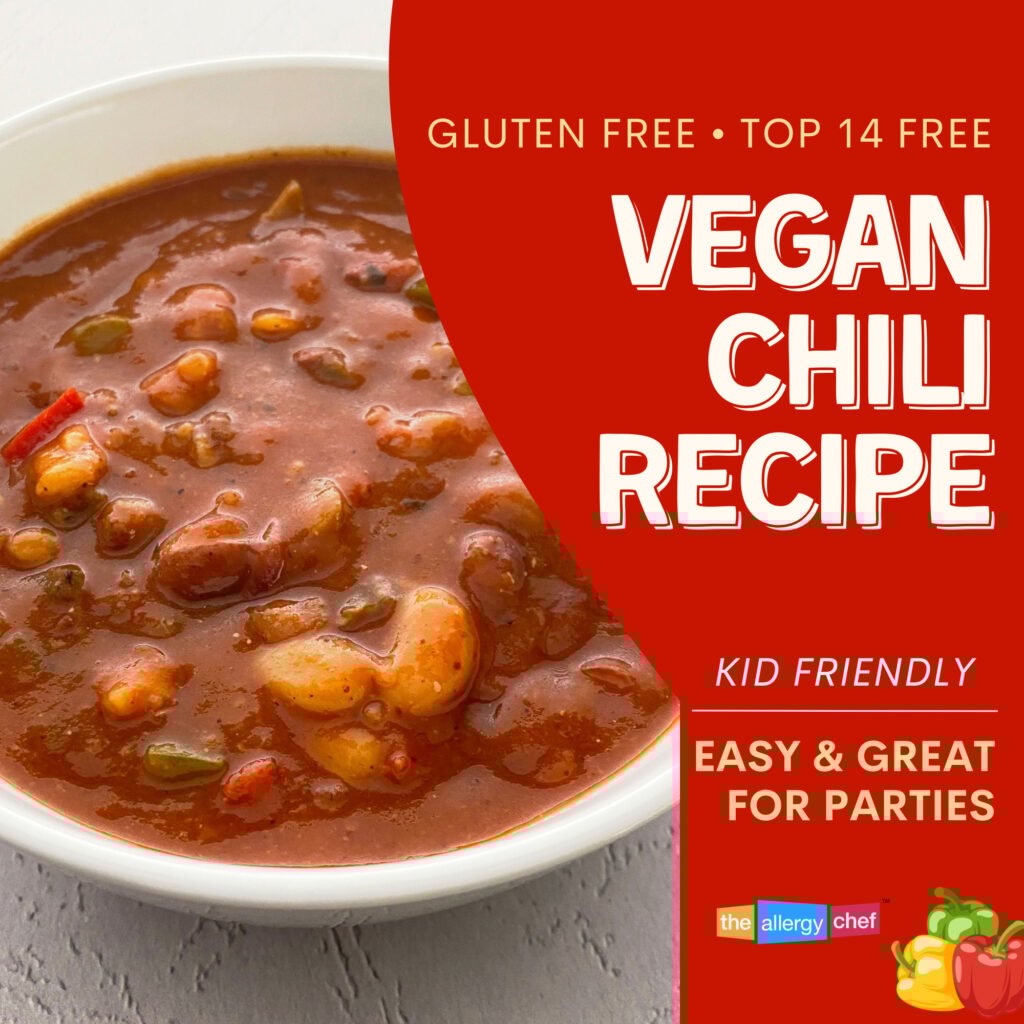
- Vegan Bean Chili Recipe (GF, Top 14 Free)
- Kale & Date Chicken Recipe (GF, Top 14 Free, Paleo)
- Easy Thai Garlic Chicken Recipe (GF, Top 14 Free, Paleo)
 |
 |
 |
 |
 |
 |
Answering Your Beef Allergy Questions
Is chicken a good substitute for beef?
Chicken isn’t the best beef substitute due to the vast difference in taste and fat content. This article on meat substitutions has better options for you to consider.
Would fish be a good substitute for beef?
Swordfish and monkfish specifically, aren’t the worst beef substitutes. Though, they’re better as a pork or chicken substitute.
If fish is your only protein option, I say go for it and manage your expectations. If you can have other mammalian meats, check out this article on meat substitutions for better suggestions.
Are there any medications that can cure my beef allergy?
No, there aren’t any medications to cure a beef allergy. When it comes to medicine, doctors prescribe medication for the treatment of food allergy symptoms, including anaphylaxis (such as an epipen).
Currently, there is no known cure for IgE mediated food allergies, however, there are treatment options such as oral immunotherapy (OIT). Ask your allergist if it’s a good fit for you, and what treatment would look like in your specific case.
I’ll warn you in advance: not everyone qualifies for OIT, nor is it successful in all patients.
How can I prevent food allergies?
Unfortunately, there’s no surefire way to prevent food allergies. There are solid theories on prevention such as early introduction of major allergens, and building a healthy gut biome. The latter is critical, and a lot of research is being done in this area.
However, patient history and genetics are also contributing factors to the development of food allergies. Honestly, this is a really big topic, and I encourage you to go down quite a few rabbit holes to learn as much about food allergies as you can.
At the end of the day, just remember that no two people are the same, and that anyone can be allergic to anything (and in any combination).
Can all tick bites cause alpha gal?
No, not all tick bites cause AGS. The specific tick species that’s know to cause alpha-gal syndrome is lone star ticks.
In some areas of the United States, Canada, Central America, and South America, the risk of developing AGS is higher, simply because these are the locations where this specific tick species is commonly found.
If you’re a fan of the outdoors, be sure to take all regular precautions when hiking trails (proper clothing/pants, tick checks for yourself and your pets when you’re all finished, and so on).
What’s the best beef substitute in a peanut curry?
Pretty much all meats are going to be a good substitute in a peanut curry, where function is concerned. If you want a taste that’s going to keep you in the beef neighborhood, I’d choose bison, lamb, or pork shoulder.
Peanuts in a curry have the ability to mask a lot of other flavors, including the gaminess you’ll find in some meats, including bison. If your curry recipe doesn’t call for a sweetener, you may want to add a little maple sugar, maple syrup, or light brown sugar to help lighten the flavor profile.
Can I eat beef on a low histamine diet?
Yes, you can eat fresh beef on a low histamine diet. However, you cannot eat dried meat, cured meats, entrails, or commercial sausages.
Some individuals can tolerate game meat and pork whilst others can’t, so keep that in mind if you come across a recipe that calls for a blended meat base.
Low histamine management also comes with an interesting food rule: no eating leftover meats that haven’t been frozen. The reason: the longer meat isn’t frozen, the more histamine develops, making a reaction more likely. Some people that follow a low histamine diet have their family members eat the leftovers, whilst others choose to follow freezer friendly recipes.
You can read more about low histamine meats, along with the top company selling low histamine meat here.
Is there testing to know if I have a beef intolerance and not a beef allergy?
There are a couple of testing options for food intolerance, however, most doctors look down on these tests. Generally speaking intolerance testing is harder to pin down than allergy testing, and that’s usually why they’re not on board.
There are five Igs involved with food allergy and food intolerance (IgE is the driving force behind an allergy). The testing methods aren’t super duper accurate with some of the Igs.
If you were to request an intolerance test from a typical western doctor, they wouldn’t be able to help you. Functional medicine teams and wholistic doctors are a lot more helpful with intolerance testing, so start there.
However, I’ll warn you, as someone who has done it ALL. These tests are a guide if you aren’t having quick and obvious reactions. If you eat a food and within a few hours have a massive, obvious reaction, it’s “easier” to diagnose.
If you’re sealing with 24/7 symptoms and no obvious cause, the diagnosis process will be considerably longer. You’ll want to keep a detailed food journal starting yesterday (this also helps pinpoint possible root causes), request testing, and take part in oral food challenges if that’s what your team suggests. They may also ask you to go on an elimination diet to make the diagnosis process easier.
Can I eat dark meat poultry like duck if I have a beef allergy?
Yes, you’ll still be able to eat game birds and dark meat poultry with a beef allergy. There’s no known cross reactivity between poultry and beef.