
It’s another great day and today, it’s all about gluten free pie crust. I’m going to show you how to make not only a gluten free pie crust, but one that’s vegan, egg free, dairy free, top 9 free, and more.
Now, you may have read that and thought… girl, what? Trust me. People without food allergies and dietary restrictions love this gluten free pie crust recipe. It’s flaky, it’s got the right amount of chew, and it’s not going to let you down.
If you’ve never made pie crust before, don’t skip the video. It’s super helpful, and maybe a little funny, but don’t worry, I’m not going to become a comedian next week.
If you’re looking to purchase a gluten free pie crust: use the table of contents to jump to the bottom of the post where I share brands and information.
Before You Bake: Choosing a pie plate (also called a pie dish). There’s a whole world of options out there, and this FANTASTIC article on glass vs metal vs ceramic pie plates is a must read if you like baking tests, like to nerd out, or need to buy one and aren’t sure what to get.
Design Note: This recipe can be used for sweet pies, savory pies, or as a homemade pop tart crust. It’s very easy to make, and after you’ve made this a few times, you’ll be an absolute pro.
Want more awesome gluten free vegan dessert recipes? Grab a copy of my Gluten Free & Allergy Friendly Cookies & Desserts Cookbook.
Gluten Free Pie Crust Recipe Video (You Should Really Watch This)
Allergy Status
Free From: Wheat/Gluten, Dairy, Egg, Soy, Tree Nuts, Peanut, Fish, Shellfish, Sesame, Top 9 Allergens, Top 14 Allergens, Alliums, Apple, Avocado, Banana, Beans & Lentils, Berries, Buckwheat, Carrot, Celery, Cinnamon, Citrus, Coconut, Cruciferous, Garlic, Latex Cross Reactive Foods (H/M), Legume, Lupin, Mushroom, Mustard, Nightshade, Oat, Onion, Pea & Pea Protein, Potato (Nightshade Variety), Poultry, Red Meat, Squash & Gourd, Stone Fruits, Strawberry, Sweet Potato & Yam, Tapioca/Cassava/Yuca/Manioc, Tomato, Yeast
Friendly To: EOE, GERD, Low FODMAP, Low Histamine, Migraine Diet (Cleveland Clinic, Johns Hopkins), Vegan
Compatible With: Cane/Refined Sugar Free
- Refined Sugar Free: Use a granulated sweetener you enjoy in place of the organic cane sugar. Organic maple sugar is my preferred substitute.
- GERD Reminder: Serve pie slices that stay within your individual tolerance/threshold for fat (dairy free butter).
Tools Needed to Make Gluten Free Pie Crust
- Kitchen Scale
- Food Processor OR Medium Mixing Bowl + Pastry Cutter (this is the set that I have and those rings are BOMB)
- Parchment Paper
- Rolling Pin
- Pie Dish/Pie Plate (I use glass, but this article has me asking questions…)
- Knife or Scissors
- Pie Weights (you can also use a box of dry beans)
Gluten Free Vegan Pie Crust Ingredients
Flax Gel/Bind
- 2 TBSP Golden Flax Meal (for best results, use this brand)
- 4 TBSP Water (room temperature or cold water)
Part 1 Ingredients (Dry Ingredients)
- 100g Sorghum Flour, superfine
- 55g Millet Flour, superfine
- 55g Brown Rice Flour, superfine
- 30g Arrowroot (read all about this awesome ingredient here)
- 1/4 tsp Sea Salt
Part 2 Ingredient
- 160g Dairy Free Butter (also called vegan butter) OR Unsalted Butter (cold)
As Needed
- 50g Organic White Cane Sugar

Ingredient Substitutions & Notes
Gluten Free Flour Blend: I use a total of 240g of gluten-free flour. Now, you may see my gluten free flour blend and think, I can swap this, that, or the other. The thing is, with the wrong flour mixture you risk disrupting the tenderness, and we all know how temperamental gluten-free flour can be when it’s not handled properly.
If you need to make a swap, rather than swap individual flours (which is more risky with this particular recipe), swap the full 240g for an all purpose gluten free flour you know will bake well. I’ve heard good things about King Arthur GF flour, and I’ve seen some AMAZING stuff from Better Batter.
Ultimately, don’t forget that if you swap out the most key ingredient, you need to do so eyes wide open. And don’t to that thing where you’re like, well, I swapped this, and this, and the other thing, and the recipe was terrible. Don’t bake it…. Yeah, we’ve all seen that.
Dairy Free Butter (Vegan Butter): If butter isn’t an option (vegan or milk based), you’ll want to use a fat that’s solid at room temperature. This WILL alter your pie crust in both texture and flavor, but, you’ll still have something, so that has to be the goal.
Personally, for savory pie, I’d use a 50/50 mix of bison tallow (or camel hump fat) and palm shortening. For a sweet pie, I’d only use shortening, or 70% shortening and 30% organic tiger nut oil (tuber, not a tree nut).
Remember, you’re not going to have the same gluten free pie crust as me if you make this swap.
Organic Cane Sugar: This is a granulated sweetener and can only be substituted with other granulated sweeteners. A liquid sweetener such as maple syrup will not work. Other granulated sweeteners including organic maple sugar, organic date sugar, and organic coconut sugar can all work. However, these sweeteners will slightly alter the taste of your gluten free pie crust, especially if you use the full 50g.
Gluten Free Pie Crust Directions
- Oven Temperature Part 1: 325f/163c
- Oven Temperature Part 2: 350f/175c
- Bake Time: 20 – 25 Minutes
Alright, before you head into the recipe instructions, if you haven’t watched the recipe video, consider watching, especially if this is your first time making a gluten free pie crust recipe.
Start by preheating your oven. Next, combine the flax and water together in a small bowl and set aside.
Place your empty food processor bowl on your kitchen scale and tare to zero. Add the Part 1 Ingredients, and tare between weighted ingredients. If you’re making a savory crust, add at least 15g of As Needed granulated sugar. For a sweet crust (what I made for chocolate pie and pop tarts) use the full 50g of As Needed cane sugar.
Next, add the cold dairy free butter and flax gel to the bowl. Pop the lid on and combine with your food processor.
To bake, line your tray/pan with pie crust that’s been rolled out. After docking the crust (poking the crust with a fork), add a layer of parchment paper. Top with your baking beans or pie weights. You’re now ready to blind bake or par-bake your pie crust. The timing can vary based on what you’re doing.
For the pie crust I made in the video, I baked my gluten free crust at 325f/163c for 16 minutes, increased the heat to 350f/175c, and baked for another 8 minutes. The baking beans were removed after the first 10 minutes of baking, but you can leave them on the whole time if you’d like.
Additionally, I did NOT chill the dough before baking. You can if you feel it’s necessary.
GF Pie Crust Instructions: Mixing Bowl Method
First, prepare your butter. For this to work, you need cold vegan butter or cold unsalted butter. Place your butter on a small plate and cut into 6 – 8 pieces (sometimes called pats of butter). Make sure they aren’t touching. They can be standing, or laying flat, but standing will be easier to use later. Pop the plate in your freezer to ensure your dairy free butter gets COLD.
Go do something for at least 30 minutes, and 60 minutes is even better.
Now that you’re back, preheat your oven. For the pie crust I made in the video, I baked my gluten free pie crust at 325f/163c for 16 minutes, increased the heat to 350f/175c, and baked for another 8 minutes. The baking beans were removed after the first 10 minutes of baking, but you can leave them on the whole time if you’d like.
Place a medium or large bowl on your kitchen scale, tare to zero, and add the Part 1 Ingredients. Don’t forget to tare between weighted ingredients.
If you’re making a savory crust, add at least 15g of As Needed granulated sugar. For a sweet crust (what I made for chocolate pie and pop tarts) use the full 50g of As Needed cane sugar.
With the sugar in your mixing bowl as well, give the dry ingredients a little mix with a fork to combine. Now, add the flax gel and cold butter from your freezer. Use your pastry cutter to mix the butter and flax into the dry ingredients. Stop mixing when you have a pie dough that looks like mine in the video.
Do your best to not over mix.
To bake, line your tray/pan with pie crust that’s been rolled out. After docking the crust (poking the crust with a fork), add a layer of parchment paper. Top with your baking beans or pie weights. You’re now ready to blind bake or par-bake your pie crust. The timing can vary based on what you’re doing.

GF Pie Crust Making Tips & Troubleshooting
There are some great tips below. You can also study for your Free-From Baking PhD by reading these articles as well:
- The Ultimate Guide to Egg Substitutes (a true masterclass)
- Why Egg Free Recipes Fall Flat (Gluten Free + Egg Free Baking)
- Gluten Free Baking Tips From an Expert (includes egg free and other allergens)
- Gluten Free Flour: Where to Start
Cracks are Forming (a lot of them)
Cracks can form if you over-dock the crust. Often times, you’ll see the cracks from one docking hole to another. To fix this, dock less. You don’t need a tonne of holes to have a well docked crust.
If you’re still seeing cracks, there may not be enough moisture in your pie dough. Add 1 – 2 Tablespoons of ice water to the pie dough before rolling it out.
Keeping the Fat/Butter Cold
Cold butter is critical for the success of this gluten free pie crust recipe. When you bake with cold butter, how it melts and the timing of the melting in the oven makes a difference. This contributes directly to you ending up with a flaky crust, rather than a weird almost cookie.
Additionally, if you feel you’ve touched your pie dough a LOT, and it’s very much room temperature, chill the pie dough (in the pie dish) in your fridge for 1 – 2 hours before baking.
Pie Crust Crumbling
If your vegan pie crust is crumbling (or maybe just your gluten free pie crust because you used the unsalted butter option), it means there isn’t enough moisture in your pie dough. This can especially happen if you swap my flour mix, or don’t follow the weighted measurements and “wing it”. Please don’t wing it.
Place your crumbly dough back into the food processor bowl (with the blade already in). Add 1 – 2 Tablespoons of ice water to the pie dough and mix again, then try rolling it out.
Save Time
If you plan to make pie often, invest in a disposable pie pan pack. This not only makes clean up easier, but makes it easier for you to gift pies to other people without things getting weird if they forget to return your pie plate.
Talk about a text message you don’t want to send… I don’t know about you, but I’d let them keep it. I’d be like ehhhhhh, I really don’t want to ask.
Watch the Video
Be sure to watch the recipe video in full for more info and tips for gluten free pie crust. Remember, I don’t make the videos to throw a bunch of fluff around. I make them to educate, and to teach you how to metaphorically fish.
Blind Baking & Par-Baking
Before you make your gluten-free pie crust recipe, it’s important to know some of the lingo you’ll see on other pie recipes.
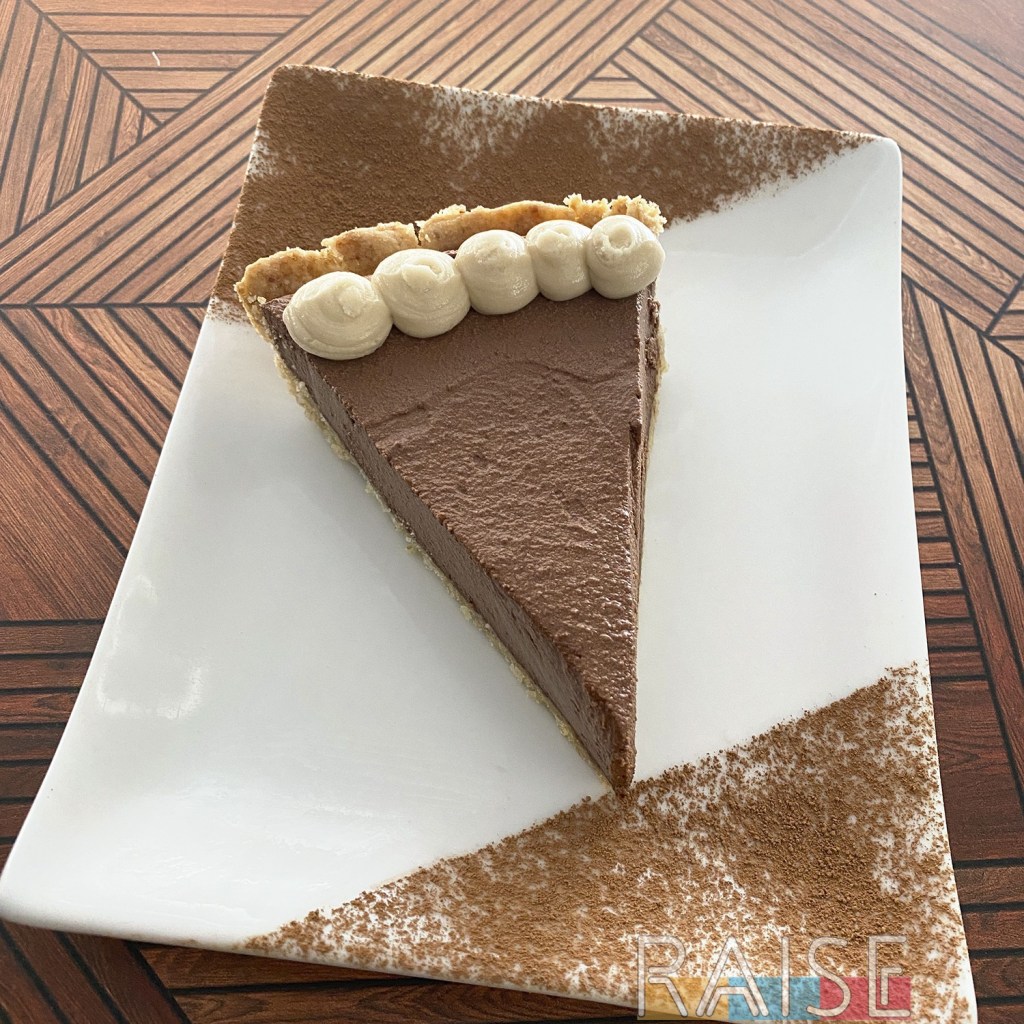
Blind Bake: Blind baking means you’ve made a pie dough, got it into the pie dish, and baked it fully, without any pie filling. You’ll want to use a blind baked crust for unbaked fillings, wet fillings, and super soft pie fillings. Some examples include cheesecake, lemon meringue pie, pumpkin pie, or coconut cream pie.
Par-Bake: Par-baking means you’ve partially (par, get it?) baked the pie crust. You then fill the undercooked crust with your pie filling and continue baking. You’ll want to use a par-baked crust when making something like pean pie, or savory pies.
Let’s Talk About Pie Fillings (Sweet & Savory)
The good news is that your gluten-free pie dough is CAPABLE. Like, a really cool super hero that can do a bunch of stuff. Like Superman. Actually, Batman because of how expensive gluten free and allergy friendly ingredients are these days. We need a benefactor.
If you plan on making really wet fillings, make sure you blind bake (fully pre cook) the pie crust. If you don’t, your gluten free crust will be soggy in the end. Talk about sad.
You can use this gluten free vegan pie crust for pretty much all classic pies (I’ve noted with B and P to indicate which type of baking you should do):
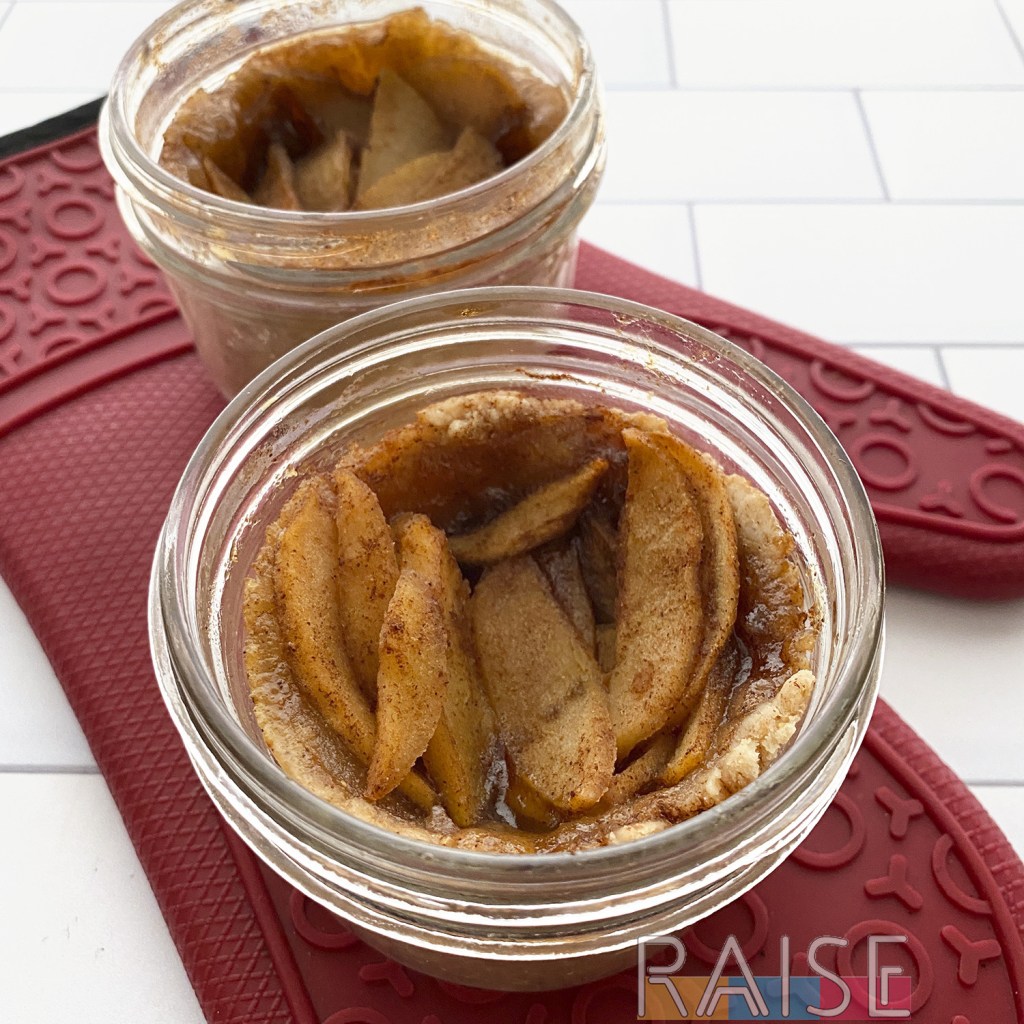
- Apple Pie (B)
- Blueberry Pie (B)
- Cheesecake (B)
- Coconut Cream Pie (B)
- Lemon Meringue Pie (B)
- Pecan Pie (B)
- Pumpkin Pie (P)
- Strawberry Cream Pie (B)
- Chicken Pot Pie (B)
- Onion Tart (P)
- Savory Mushroom Pie (P)
A Few Pie Filling Tips
When it’s time to bake fillings in your crust, there’s a good chance there will be a long bake time. You’ll want to wrap the edge of the crust in aluminum foil, or, use something like a pie shield. Whilst I’ve never used one, it sure looks interesting. If you’ve never used one either, read the reviews. Some will ruin your crust.
If you’re one person with food allergies, make it a point to make mini pies for yourself. You’ll need to invest in the right size containers, but as someone who does this ALL the time, trust me, it’s worth it. Glass containers are ideal because they can go in the fridge, oven, and freezer.
When in doubt, par-bake your gluten free crust. If you have a recipe that has you use a raw pie crust, and you’re nervous, par-bake, then wrap the edges of the pie crust in aluminum foil after you’ve added your pie filling.
Don’t forget! You can also make fusion desserts like a pie cake. Make your pie crust and blind bake. Then, add cake batter and bake until you pass a tooth pick test. Then, top with a delicious compote and a drizzle of a glaze. Oh my goodness, sign me UP!!
Have fun! Making pie at home should be a fun endeavor. If you’re finding it really hard, consider purchasing gluten free pie crust instead.
Delicious Savory Pie Fillings to Try
When it comes time to fill you pie crust, go wild. Sure, you can stick with the classics, but if you know me at all, it’s all about getting creative in the kitchen. You can always translate some of your favourite savory recipes into a pie filling for fantastic results. Here are just a few of my fun ideas, and I really hope you get to try one of these savory dishes (or 6).
- Beef Stew & Pea Pie (classic beef stew, thicken the sauce before using as a pie filling, add frozen peas before baking)
- Chicken Parmesan Pie (thin slices of eggplant, sprinkle of Parmesan cheese, creamy shredded chicken, another eggplant layer, Parmesan cheese)
- Creamy Pork & Apple Pie with Kale (shredded pork + stewed apples + roughly chopped baby kale + maple + spices)
- Mushroom & Jackfruit Pie [vegan] (shredded jackfruit in a creamy sauce, roughly chopped + pan seared mushrooms, seasoned well, balsamic vinegar, green herbs)
- Layered Thanksgiving Pie (creamy shredded turkey base, shredded balsamic Brussels sprouts, sprinkle of stuffing as the top)
- Quiche! (there are SO many recipes online you can try)
- Taco Pot Pie (top with guacamole and sour cream when serving)

Pie Crust Storage
For best and easiest results, your gluten free pie crust crust should be stored in a pie pan. Here’s what I mean by that. If you make crust, line your pan with said crust. From there, you can fridge your dough, bake your dough, or freeze your dough now that it’s in the pan.
If you store this as a dough ball, or as a traditional disc shape, it will be harder to work with later. That’s because it will be cold and HARD to roll out. You’d need to let it come up to temperature, roll it, shape it, then probably chill it again before baking (for best results if you want a flaky crust).
Cooked pie dough can be stored in the refrigerator for a week, or frozen for 4 – 6 months.
Uncooked pie dough can be frozen for 4 – 6 months. Bake from frozen. Don’t thaw for more than 20 – 30 minutes if you happen to have it out whilst working on anything else.
For best results, do not freeze as a traditional pie disc covered in plastic wrap, unless you plan to completely thaw it (and get it to room temperature) before using (but then you’d need to chill it in the fridge before baking for the best layers and flakes.
Container
You’ll have to do some testing on which container is best. Personally, my favorite way to use pie crust that I plan to freeze is in individual containers with airtight lids. I don’t need to wrap anything.
However, if you plan to freeze 9″/22.5cm pre-formed pie crusts, I don’t know the best lid. The pie pan is the “container”, but you’ll still need to cover the top. Plastic wrap is an option, just be sure to wrap the dish well.
How to Tweak This Gluten Free Pie Crust Recipe
There are lots of little things you can add to make your pie crust experience next level. Here are a few ideas to get you started:
- Lemon juice + lemon zest.
- Orange juice + orange zest.
- Roughly chopped fresh herbs.
- Mushroom powder.
- Blue spirulina powder (mainly for the colour).
- Tomato powder or spinach powder (again, for the colour).
Ideally, you want to use a minimal amount of liquid ingredients when tweaking your pie crust.
Delicious Gluten Free Dessert Recipes
Now that we’ve made gluten free pie crust, let’s take a look at some more tasty dessert options. You can also check out this article for more tasty ideas.
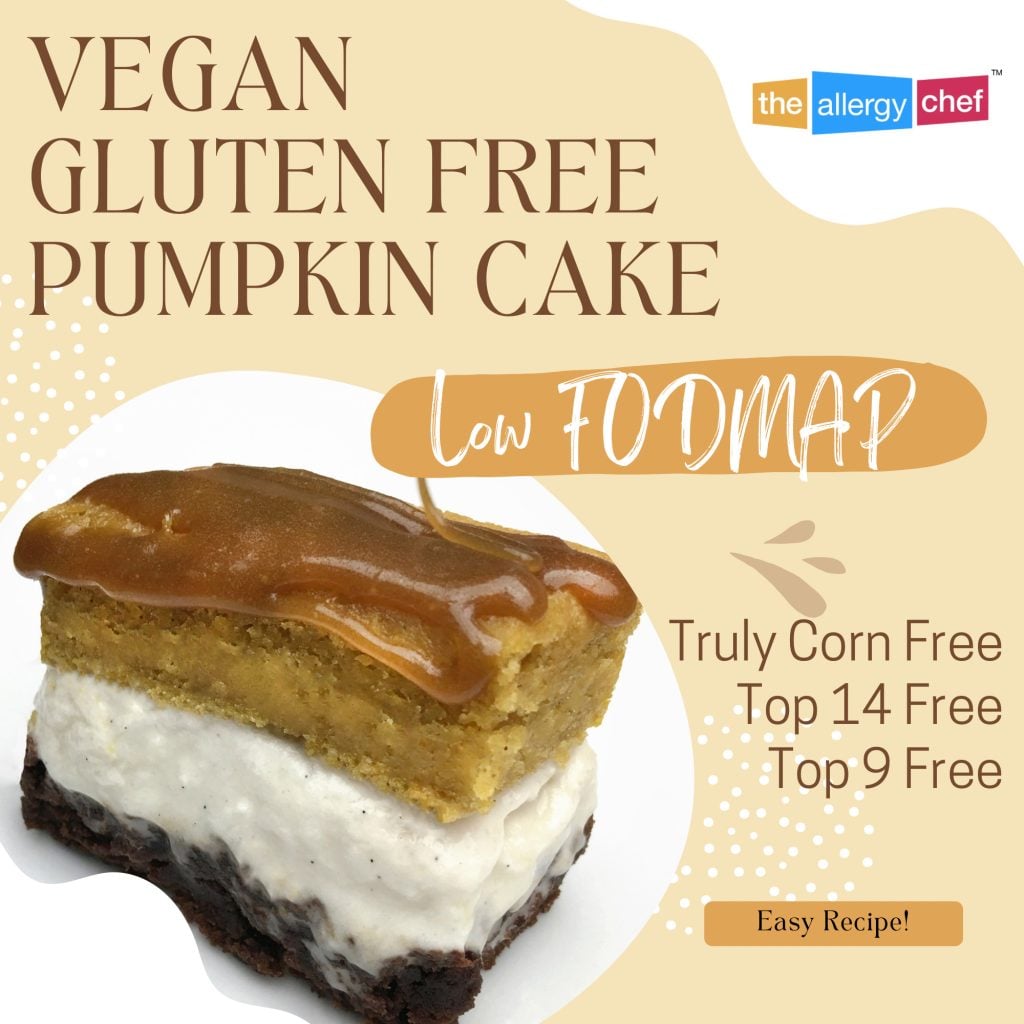
- Vegan Gluten Free Pumpkin Cake Recipe
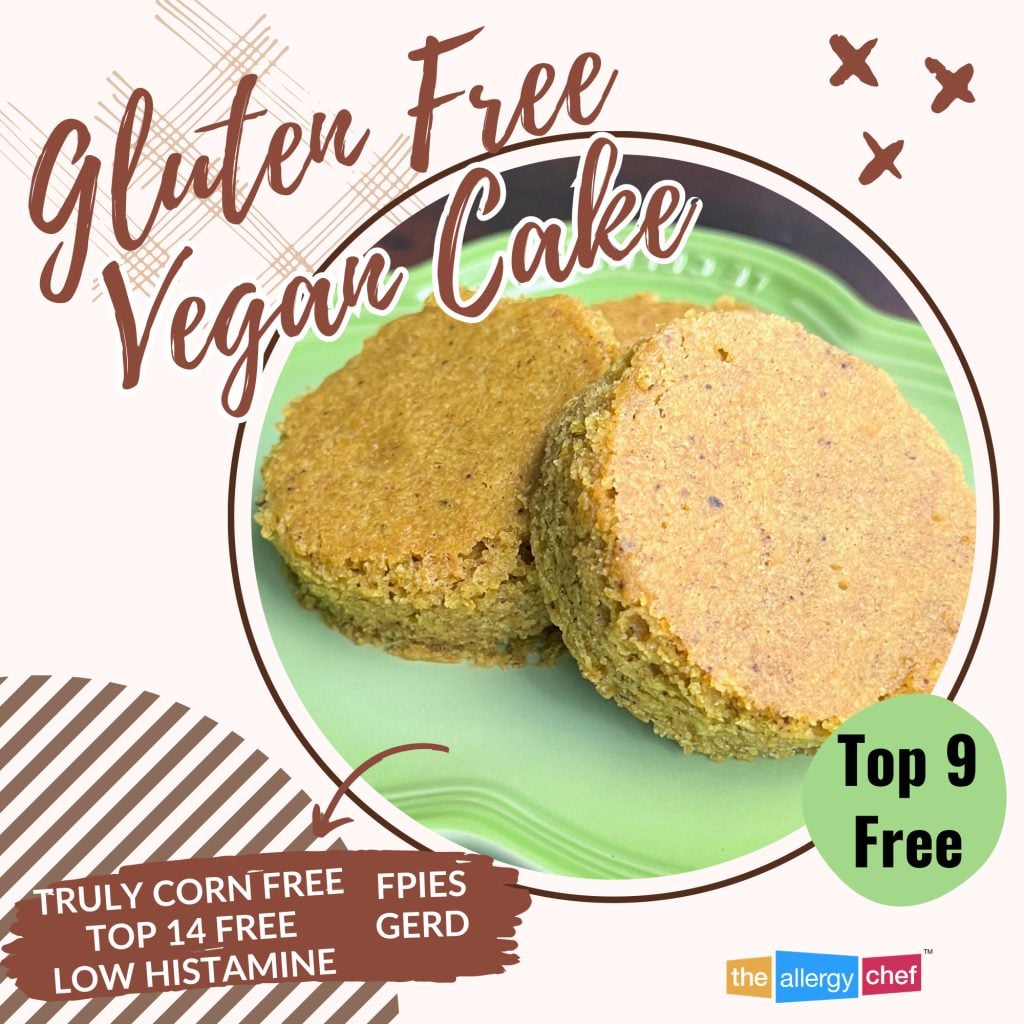
- Gluten Free Vegan Tiger Nut Cake Recipe (truly corn free, nut free [tiger nut is a veg], grain free)
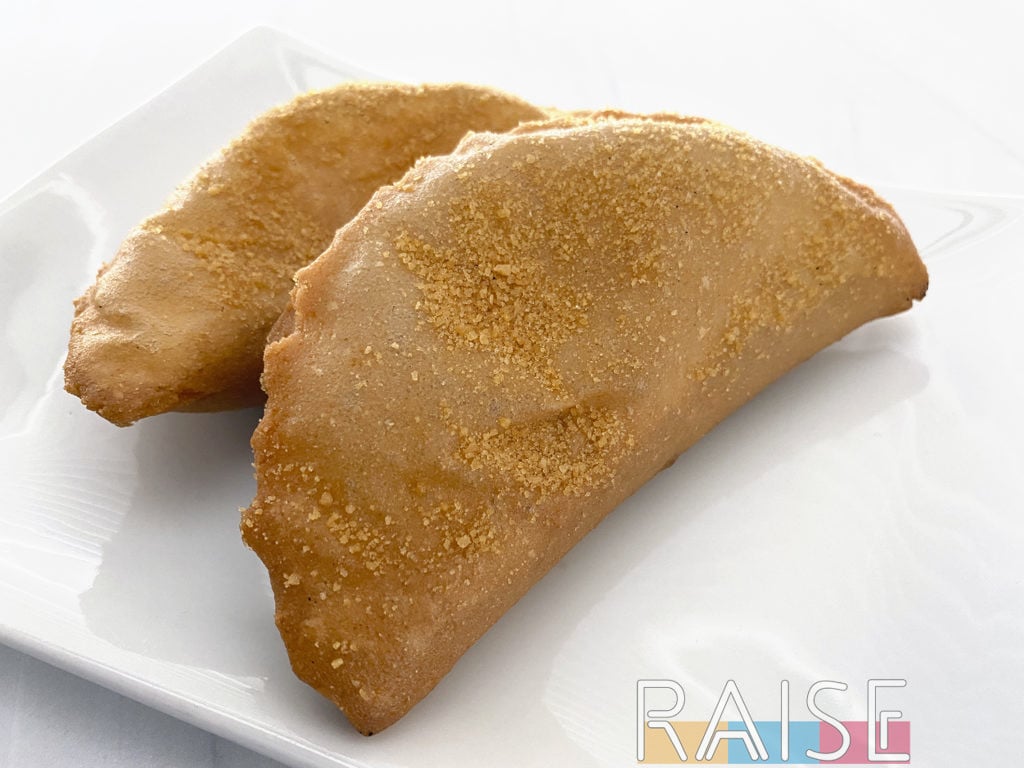
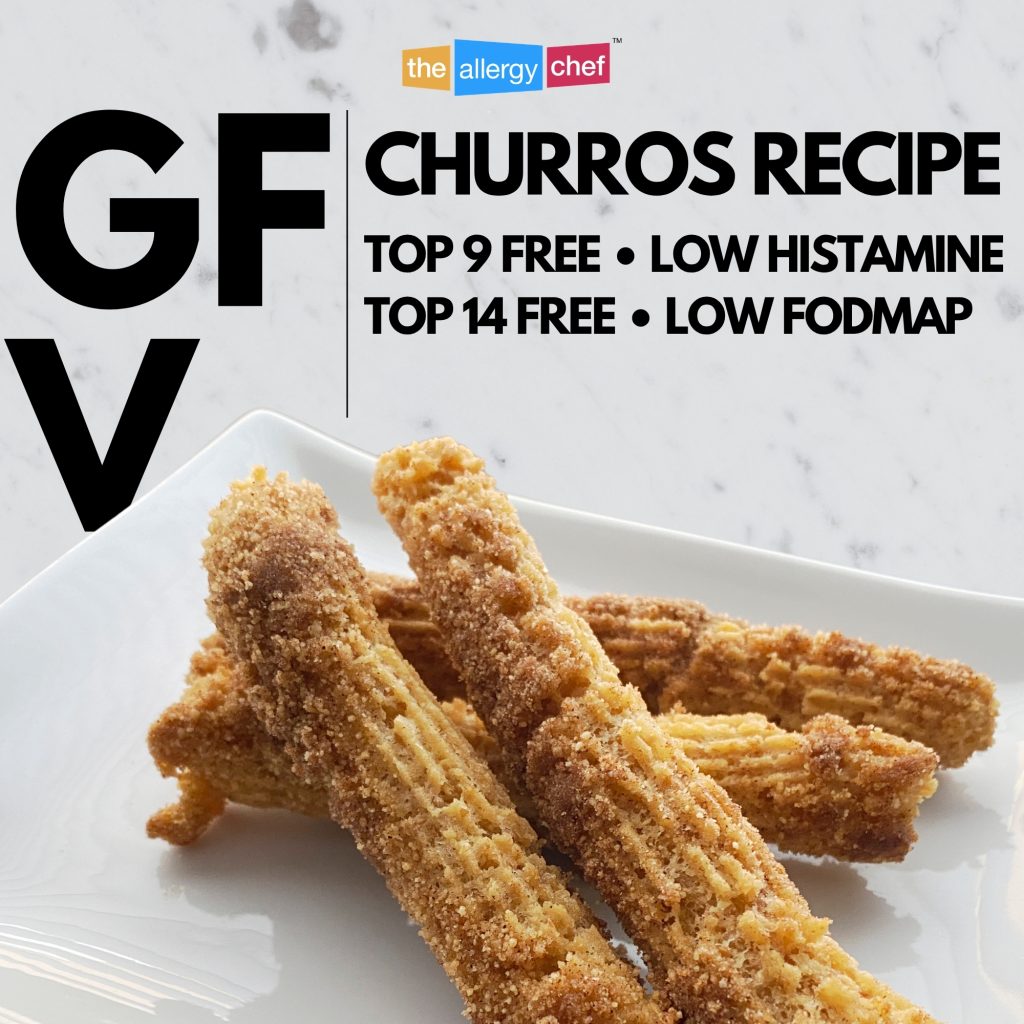
- Gluten Free Churros Recipe (vegan, top 9 free)
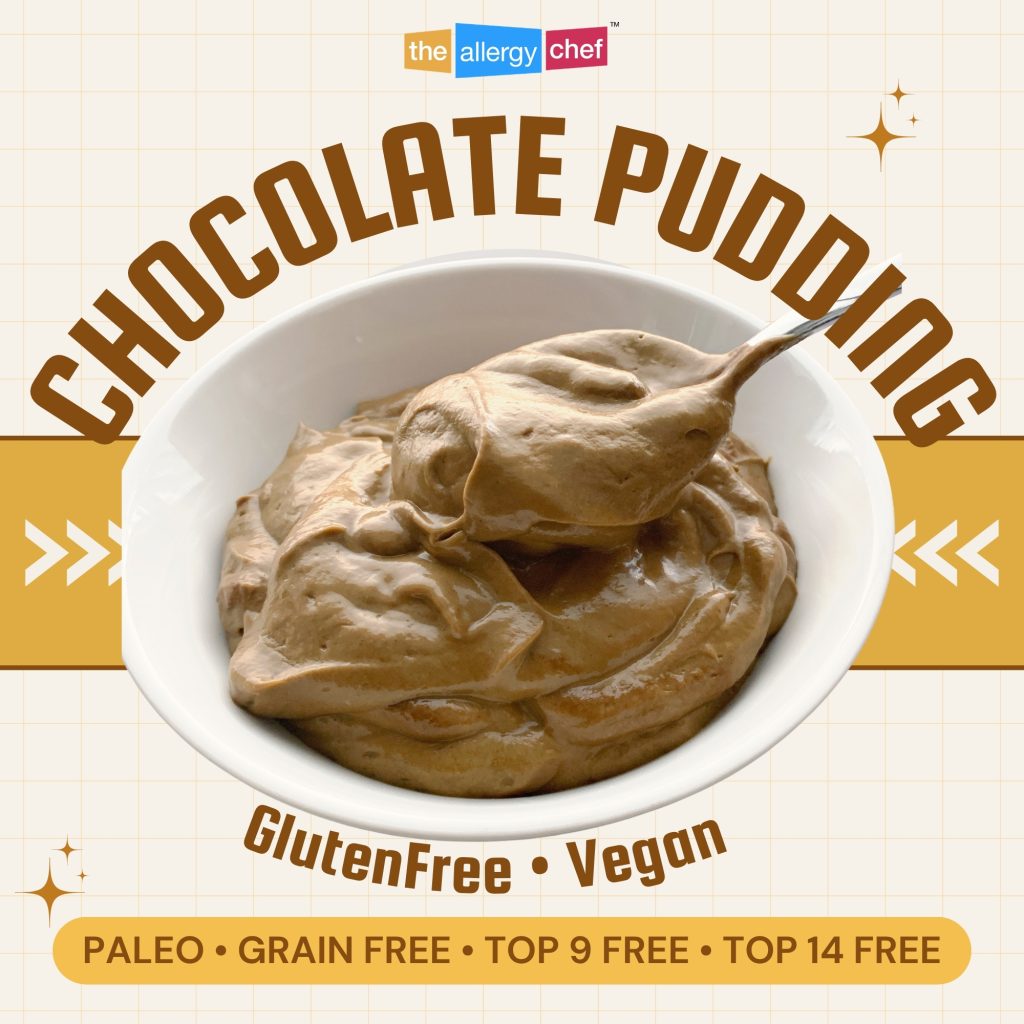
- Vegan Chocolate Pudding Recipe (better for you version, top 9 free, gluten free)
 |
 |
 |
 |
Gluten Free Pie Crust Brands to Purchase (and puff pastry)
OK, so maybe you’re not looking to make a crust because you already have a long to do list. Here are some pie crusts to investigate. I’m also including puff pastry brands because it’s adjacent to crusts, and bakes up fabulously with flaky layers.
Wholly Wholesome Gluten Free Frozen Pie Crust
(top 9 free, top 14 free, last I checked, top 9 free equipment but double check)
Sold at a wide range of natural, organic, and co-op style grocery stores. Also, this brand sells a frozen gluten free pizza dough ball that’s BOMB. You can even use it to make faux bread sticks that your kids will fight over (ask me how I know).
Mi-Del Gluten Free Graham Cracker Crust
(top 9 free, shared facility with egg, sesame, soy, and tree nuts)
This one seems to have pretty wide distribution and you can find it in a lot of stores. This product is shelf stable, and usually sold in the baking aisle.
Diamond Pecan Crust
(contains tree nuts, shared equipment with other tree nuts, milk, peanuts, sesame, and soy)
I’ve never seen this in an organic or natural store, with the most likely reason being the ingredients (some are questionable), so I can’t tell you much. Also, it contains oat flour but doesn’t say “gluten free oat flour” so get in touch before making a purchase.
Dufour Puff Pastry
(contains milk, shared equipment with soy, egg, wheat)
They have good distribution and you’ll find this in the freezer section.
Sweet Lorens Puff Pastry
(top 9 free, made in a dedicated room free from gluten, wheat, milk, peanuts, and tree nuts)
I’ve only seen this here and there, but, the brand has a great store locator on their site. Go there, and it shows you which products are sold at which stores in your area, making your life so much easier. You’l find her puff pastry in the fridge section somewhere.
Schär Puff Pastry
(contains soy, may contain sesame)
This is only sold at a few organic, natural, and co-op stores. Check their website for a store locator, but also call around. You’ll find this product in the freezer section.
Important Note
As you think about purchasing pie crust, or puff pastry, know that these products have HUGE potential. The puff pastry can be especially fun and there are all kinds of videos on social media that show you how to use puff pastry. Whilst those videos are using puff made with wheat flour, the gluten free versions can do the same stuff. I’ve messed around with it, somewhat successfully, so give it a go.
You can thaw the Wholly GF crust and then use it for all sorts of baking projects your family will love. I once thawed it, made a large lattice crust top thing, and used it on top of a cake with pie filling and everyone went wild. So, have FUN!

Answering Your Gluten Free Vegan Pie Crust Questions
Can I use this pie crust recipe for homemade tarts?
In theory, yes, you’ll be able to use this for sweet tarts, savory tarts, and everything else in between. However, personally, I use a slightly different gluten free recipe for tart shells, and it’s in my Free-From Cakes, Frostings, and Pastry Cookbook.
Does this taste like regular pie crust?
Truthfully, this dairy-free recipe does not have the same flavor as regular pie crust because inherently, the ingredients ARE different. I never want to mislead people and say this is a replica. Instead, what you’re getting is a delicious gluten free vegan flavor, a crust that’s still flaky, and a free-from option that FUNCTIONS very well.
I’ve had a lot of people try this crust, and even people without food allergies and dietary restrictions found it to be very enjoyable. Some noted that it is indeed *different*, but that different doesn’t equate bad. So, if you’re a little nervous, rest assured, you’re in good hands.
Can I use this recipe for a gluten free galette?
In theory, yes, you could use this gluten free pie crust recipe for a galette. Now, I need to preface my answer with this: I’ve never tested it, so everything I’m going to tell you is based on what I’d personally do, because the folds are my number one concern.
As you know, with a galette, you skip the regular pie dish and bake free-form on a baking tray. Some call it rustic, I call it unorganized, but to each his own.
First, make a double batch of this GF vegan pie crust, just to make sure you have enough crust to get the job done. If you have extra pie crust in the end, you could make individual mini pies or something with it.
Place your pie dough on a large sheet of parchment paper, then cover with another large sheet of parchment paper. Roll it out pretty big, because you’re going to fold it over.
Once it’s nice and wide, add your galette/pie filling. Keep in mind the folding, and how much edge/border you need to leave.
Now, gently make the folds. You might need to use scissors or a sharp knife to make strips so the folding is MUCH easier (I’d do this). And, I’d kinda overlap the strips as I fold them over to have that classic galette look.
If you’re not allergic to eggs (I have an egg free kiddo), do the egg wash, then bake. I hope you give this a go, and I really hope you come back and report in. With pictures, or it didn’t happen 🙂
Will this gluten free pie crust turn out well without xanthan gum?
Yes!! Great news, well, not great, but you get the idea. I personally have a severe, life threatening corn allergy. That means a LOT of ingredients are off the table, including most xanthan gum.
I’ve been able to own and operate an award winning GF + free-from bakery, all without xanthan gum. Now, I did tinker with guar gum at one point, but when I did side by side comparisons (even with a freeze and thaw test), the guar gum didn’t have a meaningful impact.
Here’s why: I don’t call for gluten free all purpose flour. Instead, I make a custom gluten-free flour blend for all of my recipes. This means there’s balance from the start, and you don’t need dough conditioners and enhancers and additives to boost the results. In the case of this gluten free vegan pie crust recipe, the gluten free flours are well weighted and are in perfect balance with the supporting ingredients, so you don’t need extra bits and bobs to get the crust to work well.
As long as you follow the recipe as-is, yes, your gluten free pie crust will turn out beautifully, even without xanthan gum, guar gum, and all their friends.
Can I make this pie crust recipe with almond flour or coconut flour?
So glad you asked! When you go to make this gluten free vegan pie crust recipe, you absolutely cannot use almond flour or coconut flour in place of my gluten free flour blend.
If those are your only safe gluten free flour options, I’d encourage you to start with a recipe that’s grain free and designed specifically for almond flour or coconut flour. Try searching online for vegan almond flour pie crust recipe. That will keep it egg free, and hopefully almond flour is the only flour being used.
Will this gluten-free crust taste good with a vegan pecan pie filling?
Absolutely yes, this awesome gluten free flaky crust will taste amazeballs with a vegan pecan pie filling. I’d suggest par-baking the pie crust, adding your pecan pie filling, then baking according to your pie filling’s instructions.
I’ll also add, most vegan pecan pie recipes have a decent bake time. You’ll want to cover the edges of your GF pie crust in aluminum foil or a pie shield. I’ve never used one, and I’ve seen that they’re available in silicone and metal. If you’re new to pie shields as well, take time to read reviews and try to stick with a reputable brand if you can.
Which brand of gluten free all purpose flour is the best for this recipe?
Honestly, I can only guess, but for good reason. I’m allergic to all of the gluten free all-purpose flour options, and can’t have them even touch my work surface. Whilst Bob’s Red Mill has great distribution, and is popular, it may not be the best. I’m pretty sure it works well with muffins and some other baked goods.
I’ve heard rave reviews about Better Batter, and their development chef is someone I’ve known for years. He does great work, and they have a gum free option as well. King Arthur is another brand I’ve heard good things about, but I know they used gluten free wheat starch in at least one product, so I’d be weary. Not all Celiacs trust that, and if you have a wheat allergy, it’s absolutely not an option.
Ideally, follow my recipe as-is. If you can’t, try to start with Better Batter.
Is it possible to make a lattice crust top with this crust recipe?
Yes! Just like with wheat based pie crust recipes, you can absolutely use this GF crust recipe to make a lattice crust top. You’ll want to follow the instructions and preparation method. Divide the pie dough into two portions.
Use one portion to fill the bottom of your pie pan (doesn’t matter what shape you’ll be using). You’ll use the second half of the pie dough to form the lattice.
Can I bake this gluten free crust in a rectangle tart pan?
Yes! In fact, you can bake your crust as any shape. The preparation will be the same, the press and bake technique are all the same, and so on.
The only advice I want to give you is this: don’t over fill the pan, and before you bake, place the pan on a baking sheet. This makes removing the baked crust from the oven MUCH easier and you don’t risk burning your fingers.
Could I make this pie crust recipe in advance?
Well hello there fellow prepper and getter-aheader. That’s a new word I just made up for the two of us. Yes, you can make your pie crust in advance. You know how people do the thing where they make the disk and wrap it in plastic wrap and put the whole thing in the refrigerator? Don’t do that.
Here’s what you’ll do instead:
- Make the recipe as-is.
- Put the crust in your baking vessel. Press in the bottom, make sure you cover the sides well, and dock the bottom of the crust a little bit.
- Store the crust ready to be used, and this will make your life A MILLION TIMES EASIER.
If you’ll be using the crust within 24 hours, cover well, then store in your fridge.
If you plan to use the crust within the next six months, cover well the store in your freezer.
You can par bake or blind bake straight from frozen, there’s no need to thaw in advance. However, if your crust sits on the counter for a while as you get the filling ready, that isn’t an issue. Just don’t let it sit on your work surface for hours. For best results, try to keep it to 30 minutes or less.
Is this a pie crust that I can braid as a pie decoration?
Possibly, since this isn’t something I’ve personally tested. But man do I sure love looking at those pie pics online where others have made magic on a pie plate. They’re so dang pretty! I digress.
If you have delicate fingers that can work with the small pieces of dough, I think it’s worth a try. I’d encourage you to follow a recipe/technique that uses standard pie crust, and then just use this crust instead.
However, if a traditional recipe has you chill the dough before braiding, skip that. You want to braid right after you’ve made the crust and it’s very pliable. Chilling after braiding won’t be an issue, and won’t impact the structure or flakiness.
So long as your braid is structurally sound, you can freeze before baking as well (in case you want to make this in advance).
Could I steam this pie crust?
I’m guessing you’re trying to use this pie crust as an alternative to some kind of wrapper that requires steaming. If that’s the case, maybe. First, make sure the dough is THIN.
Next, do a steam test. Make a few of whatever it is that you’re making and see how it turns out. I haven’t personally tested this but I imagine, if it’s successful, one of my kids would say it’s in their top favorites because who doesn’t love those little parcels of joy?
For storage, assuming it’s successful, I’d lean towards freezer storage over fridge storage, but again, you’ll want to test these things to see how it goes. Make sure you report back 🙂