

Can you be allergic to oatmeal? Yes, however, there’s a lot more to this answer, so let’s take a deeper look. A person may experience an allergic reaction when eating oatmeal, and here’s what that really means:
- The person is allergic to oats and all oat products, including oatmeal.
- Someone has eaten oatmeal, and had an allergic reaction to something else in the oatmeal but not the oats themselves (such as the milk that was used, or one of the toppings).
It’s also possible to have Celiac Disease and be in the group of about 25% of Celiacs that can’t have oat-based products. That’s due to the protein called avenin, which is similar in make up to other gluten-based proteins. There’s also the issue of cross-contact, but that’s a whole different discussion.
Important: It is not possible to be allergic to pure oatmeal made with water only, and not also be allergic to oats. You’re either allergic to oats, (including oatmeal and other oat-based products) or allergic to something in the oatmeal that was eaten.
The rest of this information gives a brief overview of an oat allergy. If you’d like to take a deeper dive on the topic, read this article as well.

What is a Food Allergy & Oat Allergy Diagnosis
A food allergy is a response by your immune system that’s triggered by a protein that your body sees as a threat. This is not the same thing as a food intolerance or an autoimmune disease. If you suspect you have a food allergy, ask your healthcare provider/main doctor to refer you to an allergist for allergy testing where blood tests and/or a skin prick test can be ordered to determine if you have an allergy. Know that tests are not 100% accurate, but are still a good diagnostic tool.
A “true” food allergy is IgE mediated, and the immune system usually elicits a reaction within immediate ingestion to four hours. Outside of that window, it’s usually suspected that you have a food intolerance.
However, there are some types of allergenic diseases that are “true” food allergies and the reactions happen outside of the four hour window. Additionally, a person can have a more rare or complex case and suffer from delayed reactions (which can still be “true” food allergies).
In some patients, they have what’s called contact or airborne allergies as well. This tends to be a bit more common in those with peanut and tree nut allergies, but is also seen in those with an oat allergy. In their case, a reaction can be triggered by touching the food or by breathing in its particles (like when cooking or baking). Food allergies can be life threatening and should always be taken seriously. Work with your allergist and healthcare providers to create an action/treatment plan that will meet your needs.

Oat Sensitivity vs Oat Allergy: What’s the Difference?
A food allergy is an IgE mediated immune system response that can cause a whole host of symptoms. One hallmark is the reaction time window of immediate contact to about 4 hours. Another hallmark is that an allergy can lead to anaphylaxis, and if left untreated, can lead to anaphylactic shock, which can lead to death.
On the other hand, an oat sensitivity, also called an oat intolerance, is not IgE mediated. You can experience a wide range of symptoms, but you won’t experience anaphylaxis. Additionally, a person can have linger reactions to oats for up to 28 days after ingestion if it’s a food intolerance. The reaction window is one reason an intolerance is harder to diagnosis and many patients are put on an elimination diet.
Many patients with any kind of food sensitivity or food intolerance tend to experience digestive issues, migraines, mild ENT issues, and skin reactions such as atopic dermatitis. However, this is a broad statement, and there are a lot more symptoms that may affect a person. Remember, no two people are the same, and anyone can experience any combination of symptoms.
The key difference, and easiest way to understand said difference is this: an IgE mediated reaction (allergy) has the potential to kill if not treated, whereas an intolerance or sensitivity cannot. The reaction is mediated through a different pathway, that doesn’t lead to anaphylaxis. Additionally, someone with an intolerance has the potential to feel the effects for a lot longer.

Oat Allergy Symptoms
Food allergy reactions can vary among patients, as no two people are the same. Oat allergy symptoms can range from mild symptoms such as a mild skin reaction to a severe allergic reaction that includes several major organs. Some allergy symptoms of an oat allergy include:
- Swelling of the Lips
- Swelling of the Tongue
- Swelling of the Throat
- Itchy Mouth and/or Throat
- Shortness of Breath
- Difficulty Breathing
- Wheezing
- Skin Rashes
- Eczema Symptoms
- Itching
- Hives
- Racing Heart Rate
- Decreased Blood Pressure
- Impending Doom/Dread
- Dizziness
- Fainting/Loss of Consciousness
- Severe Stomach Pain
- GI Distress
- Nausea
- Vomiting (including projectile vomiting)
- Diarrhea
- Blood in Stool
These symptoms are more on the severe side of the allergic reaction spectrum, and can indicate anaphylaxis. It’s critical that if you see these oat allergy symptoms that you seek immediate medical attention. If you have a known allergy, follow your action plan/treatment plan.
Critical Note About Symptoms
There are hundreds of symptoms a person can experience, but it’s important to know three things about oat allergy symptoms and reactions:
- Not every reaction is anaphylaxis. People can have a “non-traditional” oat allergy reaction to food and still be allergic to oats.
- Should a person experience anaphylaxis, it’s important to seek immediate medical treatment (use your epinephrine auto-injector if you have one). When left untreated, anaphylaxis can lead to anaphylactic shock, which can cause death.
- Previous allergic reactions don’t predict future reactions (or the severity), and in some severe cases, continued exposure to known allergens can cause more severe reactions each time.
A child may talk about a food allergy differently than adults. Many children will say things like “my mouth is spicy” or “there’s a frog in my throat” or “it feels like there are bees in my tummy”. They’re trying to express what the reactions feel like to them with language or experiences that are familiar to them. Always take note of these types of statements from a child, as they can indicate a serious medical situation. If needed, don’t hesitate to seek medical attention.
FPIES: A Different Type of Allergic Reaction
Food Protein Induced Enterocolitis Syndrome is a type of food allergy, but is non IgE mediated. Common symptoms include severe vomiting (sometimes called projectile vomiting), diarrhea, and dehydration. The reaction window for FPIES is usually outside of the 4 hours, making it more difficult to diagnosis.
FPIES is a rare condition by statistics alone, however, it’s a lot more common in babies and young children. It’s important to be aware of FPIES, generally speaking. Many parents who manage an FPIES baby have reported that the diagnosis journey is incredibly difficult since most healthcare providers are unaware of FPIES and how it presents.
The good news is that there’s a lot more awareness for this allergenic disease, and the diagnosis process is getting a bit easier. There are several foods that in the traditional case of FPIES, will trigger a reaction, and oats are one of them. For lots more information about FPIES, visit the FPIES International Association website.
List of Products to Avoid with an Oat Allergy
Common Places You’ll Find Oats and Oat-Based Products/Ingredients
- Oat Bran
- Oat Flour
- Oat Milk
- Gluten-Free Oats
- Purity Protocol Oats
- Oatmeal
- Steel Cut Oats
- Baked Goods (Brownies, Cookies, Cake, Streusel, Crumbles, etc.)
- Bread
- Breakfast Bars
- Breakfast Cereals
- Granola Bars
- Granola Butter
- Gluten Free Products (in the United States)
- Muesli
- Porridge
- Power Balls (sometimes called Power Bites)
Hidden Sources of Oats
- Baby’s First Solid Foods Type Products
- Coffee Shops (if the shop offers oat milk as a non-dairy milk option, the equipment may be contaminated)
- Dairy Free & Vegan Products (oat milk is a common substitute these days for cow’s milk)
- Dairy Free Drinks, Smoothies, and Other Dairy Free Beverages
- Pastries (including high-end pastries)
- Skin Care Products (especially topical products such as lotions, face creams, etc.)
- Vitamins & Supplements (including fiber/fibre supplements)
Oat Alternatives
Oatmeal Alternative
Make a creamy rice using sushi rice as the base, or make a super creamy quinoa. These can be flavoured with a wide range of ingredients, just like oatmeal. You’re essentially making congee, which is an Asian porridge made from rice.

Oat Milk
If you’re looking specifically for a creamy milk, try soy milk, as it tends to have a bit more body. All dairy free milks are a 1:1 exchange in cooking and baking. Additionally, you can also make really cool cashew milk blends at home that are rich and satisfying.

Granola Bars
You can make oat free granola bars, like this recipe on RAISE. You’ll need something like buckwheat groats (a gluten free grain) as a base, and from there, you can mix in other common granola bar ingredients.

Power Balls
You can make awesome power balls with toasted almond flour as your base, rather than oats. You’ll roast blanched or natural almond flour in your oven. Mix it up every ten minutes until all of the flour is nicely toasted. Then, in your food processor combine dates, flour, salt, vanilla, and any other ingredients you’d like to use to flavour your power balls. You can also boost the nutrition with ingredients such as flax seeds, chia seeds, and hemp seeds. This can be stored in the fridge, or in your freezer.
Crumbles and Baked Oat Bars
Crumbles often call for rolled oats as part of the topping. Baked oat bars are also a very popular snack. This recipe shows you how you can make something similar, totally oat free.

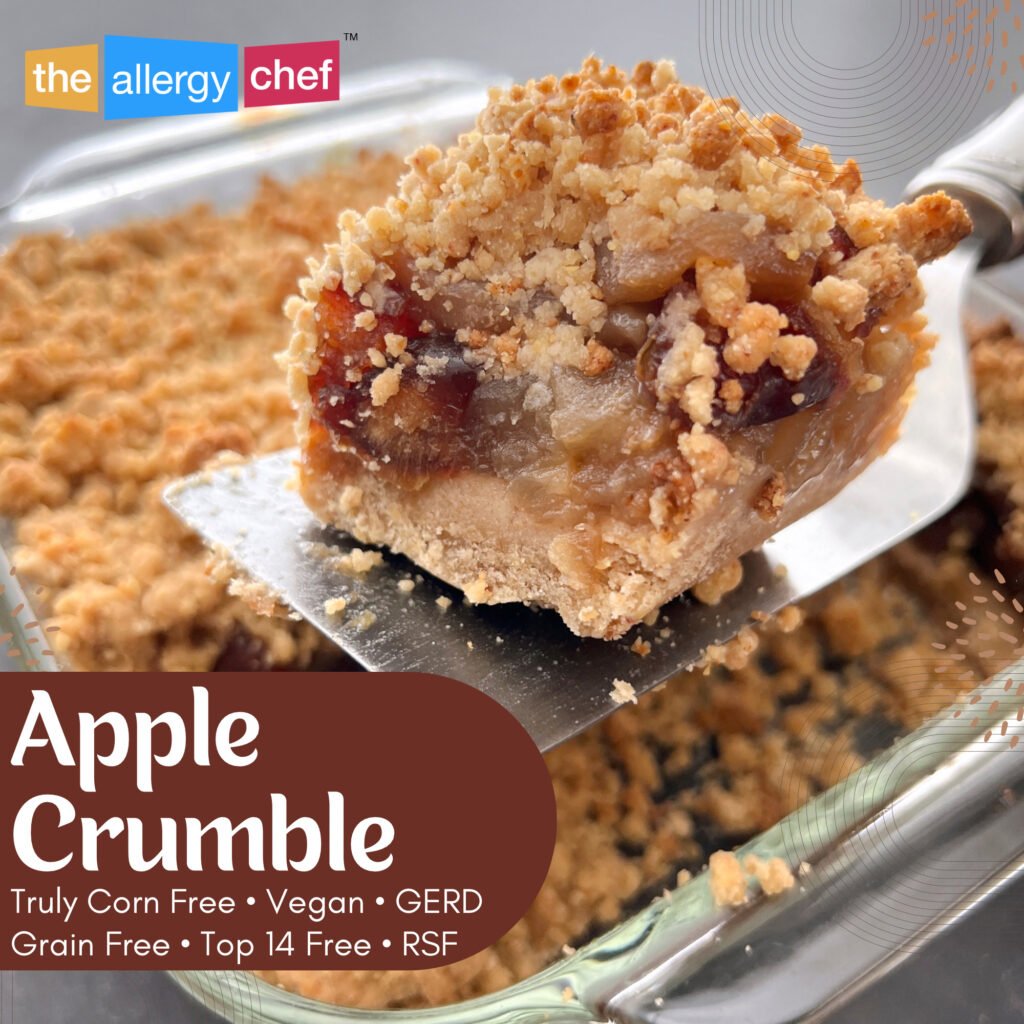
Apple Crumble Alternative
I have this great grain free apple crumble recipe you can try. When searching online, look for “Paleo apple crumble recipe” or “grain free apple crumble recipe” to get more results. If you search for oat free only, you may not see as many possibilities.
Answering Your Oat Allergy Questions
Is there a cure or treatment options for an oat allergy?
Let me be clear up front: there is no cure for food allergies. If you’ve read that elimination diets or other question approaches can cure you, it’s snake oil. Walk away.
When it comes to a food allergy, the safest thing to do is to eliminate the food, period. Some people seek out a treatment option called OIT, or oral immunotherapy.
During OIT, patients are given small doses of what they’re allergic to (starting at 1 gram or less), in hopes of desensitizing the body. This is done under the care of an allergy specialist. Not everyone who wants to do OIT can, as each case is assessed for safety and other contributing factors. Also, not every food allergy doctor offers OIT as an option in their office.
Some patients never make it past the first dose whilst others are able to complete the program. However, when someone passes, they aren’t “cured”, instead, we say they’re “in remission”. This is because (and this is critical) you can lose tolerance at any time, even when dosing regularly.
There’s a lot we still don’t know about the immune system and how it works in relation to food allergies. However, gut health and other environmental factors come into play. In my personal opinion, one must take a very holistic approach when seeking to treat food allergies.
Are there environmental factors that would make me allergic to oats?
In some cases, there are environmental factors that can contribute to the decline in a person’s immune system. However, it’s more likely in a case like this that it’s not a food allergy, but another condition such as MCAS (mast cell activation syndrome) which can mimic food allergies.
Anytime you think there’s an additional factor, work with your medical team to dig, and dig deep. Do all the tests, have your home tested, and so on. In some cases, there’s an underlying root cause that can be treated, and that in turn clears up the reactions.
To be clear though, if that’s the case, you weren’t managing an IgE mediated immune system response, but something else that looked like it.
Is it possible to have an allergic reaction to oatmeal even though my skin test was negative?
Yes, it’s possible to still have an allergic reaction, despite what skin tests and blood tests may report. The thing is, allergy testing is not 100% accurate. False positives and false negatives are regularly seen.
This is why some allergists like to have patients to an oral challenge to confirm the diagnosis. Also know, you’re in charge. You don’t have to do an oral challenge if you don’t want to. Additionally, if a food is causing a reaction, stop eating it, no matter what a food allergy test may have said.
Be sure to follow up with your healthcare provider if this is happening, and also keep a detailed food journal. Should you suffer from a severe allergic reaction, seek immediate medical attention and use your epinephrine auto-injector if you have one.
Do I need to avoid all oat-based skin care products if I’m allergic to oats?
That depends. For the most safety, yes, you should avoid all oat-based skin care products. However, that’s not the whole story.
As you may know, the skin is our largest organ, and the pores let potential allergens in, but also lets things out (such as sweat). Some patients mange what’s called a contact allergy. It means that in addition to eating oat proteins, touching oat proteins can also trigger an allergic reaction.
The only way to know if you manage this type of allergy is to start with a skin patch test where you put a small amount of the product on your skin and wait to see what happens.
There are a lot of people who manage food allergies that don’t have contact and airborne reactions, and therefore can use bath and body products that contain what they’re allergic to. However, many aren’t comfortable doing so. I’ve also found that most parents will avoid these products for their children with food allergies as to not cause unintentional harm.
Ultimately, you’ll need to do a test to see if the product is safe, but always err on the side of caution. These days, there are so many bath and body products to choose from, and you can easily avoid oat-based skin care products.
What’s a good carb option if I have rice, wheat, and oat allergies?
I’d suggest buckwheat (a gluten free grain that’s seed derived, despite the name), cassava, quinoa, potato, sweet potato, millet, and teff. These are all easy to purchase these days, and you can make a wide range of delicious foods using those ingredients. There are also lots of recipes online that will show you how to use them well, including my RAISE Membership website.