Today we’re going to talk about all things legume substitutes, bean substitutes (also called pulses), soy substitutes, and pea substitutes. I’ll also include a few other legume substitute options for ingredients such as jicama. We won’t be covering lentils however, since those are hyper unique, and can be tough to replace outside of the legume family.
This legume substitute article will assume that you’re allergic to the entire legume family, and recommendations will be 100% legume free. If however, you’re not allergic to all legumes, I’ll list some basic bean for bean options down below (use the TOC to jump down).
This is a HUGE resource, so be sure to use the table of contents to jump around as you see fit.

First, a Little Culinary Theory on Beans & Legumes
Anytime you need to start making very unconventional substitutions, like in the case of beans and legumes, it’s critical to fully understand what you’re replacing, so you know how to make the best choices.
Replacing legumes is all about creating a firm, yet creamy texture. In terms of flavour, a little mushroom powder can go a long way to help bring in some of the earthiness you’ll find in most beans and legumes.
However, replacing peas will be different than replacing beans because peas carry a bit of sweetness, and freshness. The texture is also slightly different. The same can be said of green beans when compared to their canned counterparts.
In some cases, there’s no replacement. For example, if you want to serve a side of fresh garden peas, there’s no 1:1 or even a 1:0.3 replacement. In a scenario like that, you’ll simply select a different veg you enjoy.
For foods such as pea soup, it’s the same situation. You’re not going to find a great substitute that screams pea soup. However, you can use something like diced grilled eggplant to lend some texture to the soup.
More than anything, as you set out on your bean and legume free culinary adventure, make sure you manage your expectations. We can create some really cool modifications and make recipes enjoyable, but these aren’t legumes.
Top 3 Legume and Bean Replacements & Uses
Before we get into specific recipes and scenarios, let’s look at some generalizations. These three bean and legume alternatives are going to be useful in a wide range of recipes.
Japanese Sweet Potato, White Fleshed
Japanese sweet potato is unique because you can create a firm exterior and creamy interior by roasting in the oven. Many vegetables soften completely when roasted, which is what makes this one stand out.
The best way to use Japanese sweet potato is to peel and small dice it. Your pieces should be about the size of a navy bean (product link for reference).
Line a baking tray with parchment paper, then oven roast your cubes at 400f/205c until done. You can spread oil over a tray and roast that way, and this will give you a slightly different texture in the end.
Once you have roasted cubes, fold them into something at the end of cooking, like a soup. Alternatively, they can be used on a taco as a bean replacement.
It’s important that you use white fleshed Japanese sweet potato and not other types of sweet potatoes or yams, as they don’t cook up the same.
Tip: Purchase a french fry cutter with a shoestring fry blade which will get you potato sticks that are a good width, then you only need to do the last cut by hand. Also, you can use your cutter for other fruit & veg.
Eggplant (Aubergine)
This has limited applications, since the middle gets pretty soft when cooked for a long period of time. For the best texture, grill eggplant until they have a medium cooked center, and some bite remains.
In terms of flavour, this isn’t the top choice since eggplant has more presence that a Japanese sweet potato will have.
You can also purchase ingredients such as fairy tale eggplant. These mini/baby eggplants are so cool, and are a fantastic size. You can simply slice them on the small side and they’re ready to use.
Remember, eggplant is fantastic for texture, but not for flavour.
Forest Nameko Mushroom
These are super special mushrooms, and you’ll only be able to find them at specialty stores or organic/natural style grocery stores.
Forest nameko mushrooms have a slimy texture, and are great for thickening different foods. However, the small caps, with all their slimy goodness, make for a fantastic bean replacement.
To use them, you’ll want to carefully cut off most of the stem and work with just the mushroom caps. Lightly cook them so they retain the slimy texture, then use them as part of a larger meal.
They can be folded into something at the end of cooking to replace the mouthfeel of beans. You can also use this as a layer in a dip or taco.
HUGE Tip
The most important thing to remember when going about substituting something like beans and other legumes is to manage your expectations.
Do not set yourself up for failure and think “this will taste exactly like the beans I’m used to eating”. That friend, just isn’t going to happen.
Instead, tell yourself “I’m stoked that I get to try something new that might remind me of this other thing that I used to eat”.
Flavor Your Substitute of Choice
You can increase your bean substituting experience with a little mushroom powder, liquid smoke, or even smoked salt.
Essentially, you want to add a little umami (not a lot, just a hint), to help bring in some of the lost flavour from replacing the beans.
Best Bean Substitutes by Scenario
Bean Substitute for Chili
Before you jump through replacing beans in chili, look up “Texas Chili Recipe”. Apparently, down there, some people find beans in chili recipes to be offensive. Like, call the authorities levels of offense. Their loss is our gain, right?
Now, if you’re like me and you’d like to take a creative approach to finding a bean substitute for chili, I’m going to let you in on one of the best recipes I ever developed: bean free chili featuring mushrooms and peaches.
Hear me out. The peaches add a fabulous texture and pair well with ground meat, onions, and all sorts of other savory chili ingredients. The mushrooms also add a great texture, a little umami, and lend to the overall mouthfeel of the chili.
If you’d like me to email you the recipe, along with several other legume free recipes, hop on this special email list.
Now, if you’re not in the mood to get hyper creative, other bean substitutes for chili include:
- Soy Free Pumpkin Tofu (cut into small pieces)
- Lightly Cooked Small Diced Zucchini (courgette)
- Pan Seared, But Lightly Cooked Eggplant (aubergine, small dice)
- King Trumpet Mushroom Stems (roughly chopped)
- Lobster Mushroom (roughly chopped, but pretty expensive, but also EPIC)
- Peeled & Small Diced Carrots (oven roast dry until barely fork tender, then fold into your chili)
- Small-Medium Diced Steamed Beets (steam until just fork tender, then fold into your chili, has a fantastic texture and an earthy flavor)
Bean Free Chili Tip
If you follow a recipe that uses a pressure cooker or slow cooker, make the recipe without the bean substitute. When your cooker is almost done, prepare your bean substitute, then fold it into your chili before serving. Add your fave toppings like cheese or sour cream etc., and enjoy.
If you slow cook or pressure cook the suggested substitutes the texture won’t stand up and it’s like just having another vegetable in your chili recipe.
Best Bean Substitute for Refried Beans
When it comes to replacing refried beans, you want to focus on texture first, followed by flavor.
You can use a potato masher on pumpkin seed tofu (soy free) to create a good texture. Then, cook over medium-high heat in a little oil (or lard) and season with smoked salt, smoked paprika, ground mushroom powder, and a few drops of liquid smoke.
Bean Substitute for Tacos & Burritos
When it comes to making delicious servings of tacos and burritos (including breakfast burritos) without beans, you have a lot of options to bring in the texture of beans. However, I’d like to remind you of this: in these types of recipes where there are a lot of other ingredients present, it might be just fine to omit the beans and move on with your life. It’s entirely possible to enjoy traditional Mexican flavors, but without the beans.
Great Bean Substitutes:
- Forest Nameko Mushroom Caps, Lightly Cooked
- Diced Mushroom, Lightly Cooked
- Diced Banana Blossom, Lightly Cooked,
- Peeled & Small Diced Zucchini, Lightly Cooked
Good Bean Substitutes:
- Corn
- Small Diced Eggplant, Lightly Cooked
- Diced Hearts of Palm, Lightly Cooked
Best Bean Substitute for Soups
Lots of soup recipes call for one to two cups of beans. When you see this, you’ll want to follow the soup instructions and skip over the beans. Then, you’ll fold a bean substitute into your soup. This is done because if your soup has a long cook time, the swap will lose the texture you’re trying to bring back in.
Great Bean Substitutes:
- Forest Nameko Mushroom Caps, Lightly Cooked
- Small-Medium Diced Beets, Steamed Until Fork Tender
- Diced Banana Blossom, Lightly Cooked,
- Peeled & Small Diced Zucchini, Lightly Cooked
Good Bean Substitutes:
- Small Diced Eggplant, Lightly Cooked
- Small Diced Vital Wheat Gluten, Lightly Cooked
White Bean Substitute for Puree
If you’ve ever dined at fancy restaurants and want to recreate a bean puree, but without the beans, you’ll want to make a puree of Tokyo turnips + Celeriac + Gold or Yukon Potatoes. Add in a little mushroom powder as well (a teaspoon is a good starting place).
This combination can deliver on the creamy and earthy notes. Also, don’t skimp on the butter or cream. Part of what makes restaurant food taste so good is the fat content.
Bean Substitutes for Cooked Grains
If you enjoy eating beans and rice, or beans and barley, bulgur, buckwheat, millet, couscous, and so on, it can still be on the menu. Just know, it’s going to look different. Here are some different substitutes you can mix into your rice for a bean-like experience:
Great Bean Substitutes:
- Forest Nameko Mushroom Caps, Lightly Cooked
- Small-Medium Diced Beets, Steamed Until Fork Tender
- Diced Lobster Mushroom, Lightly Cooked
Good Bean Substitutes:
- Corn
- Small Diced Eggplant, Lightly Cooked
- Small Diced Vital Wheat Gluten, Lightly Cooked
- Diced Hearts of Palm, Lightly Cooked
You can also experiment with using a combination approach, such as both mushrooms together, or beets + corn.
Chickpea Alternative for Hummus
People around the world love hummus, and there are so many variations on this recipe. The classic dip contains lemon, tahini (made from sesame seeds), spices, and usually some kind of fat such as olive oil.
In this scenario, chickpeas, aka garbanzo beans, can be replaced with roasted white yam. You’ll want to oven roast peeled yams until just past fork tender.
Allow them to cool, then transfer to your food processor along with the other ingredients in your recipe. The white yams are going to give you a bit of a creamy experience, along with a neutral flavor, which can then take on the other flavors of your recipe.
You can also add roasted white carrots to your dip for little sweetness.
Bean Substitute for Pasta
If you’ve got a recipe for a great bowl of pasta that leans into beans for the sauce (or as part of a sauce), here are some options to try.
When beans are blended into the sauce, use ingredients such as roasted eggplant, lightly roasted zucchini, or roasted white yam to replace the beans. You can also add a little full fat coconut milk to bring back some of the richness that’s lost (but you have to love coconut, and it can’t clash with the other ingredients). Butter, or dairy free butter can also help bring back richness into your sauces.
Where beans are used as part of the pasta, like a taco pasta, you’ll first need to assess the other ingredients. You don’t want to choose a substitute that will clash. Hearts of palm is a great example. It should only be on the menu when you’re making a pasta that can handle a little briny flavor.
On the other hand, diced lobster mushroom is a more universal option that can play well with most ingredients you might use. If you go this route, dice and sauté your mushrooms, then fold them into the pasta at the end of cooking.
Peeled and lightly sautéed zucchini (courgette) is another fantastic universal replacement that can bring in a lovely texture, and the taste isn’t overwhelming.
Bean Free Recipes & Legume Free Recipes
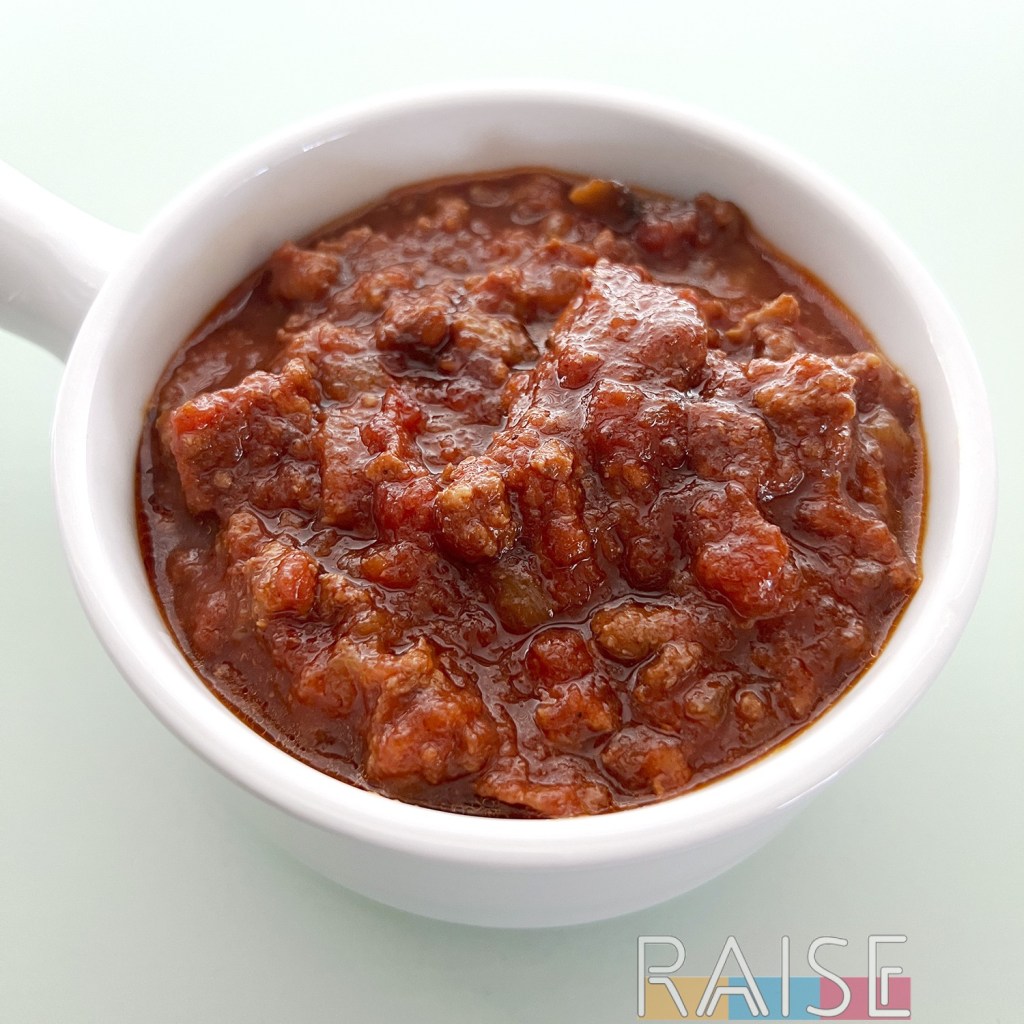
- Legume & Bean Free Chili Recipe
- Legume Free Vegan Potato Curry Stew
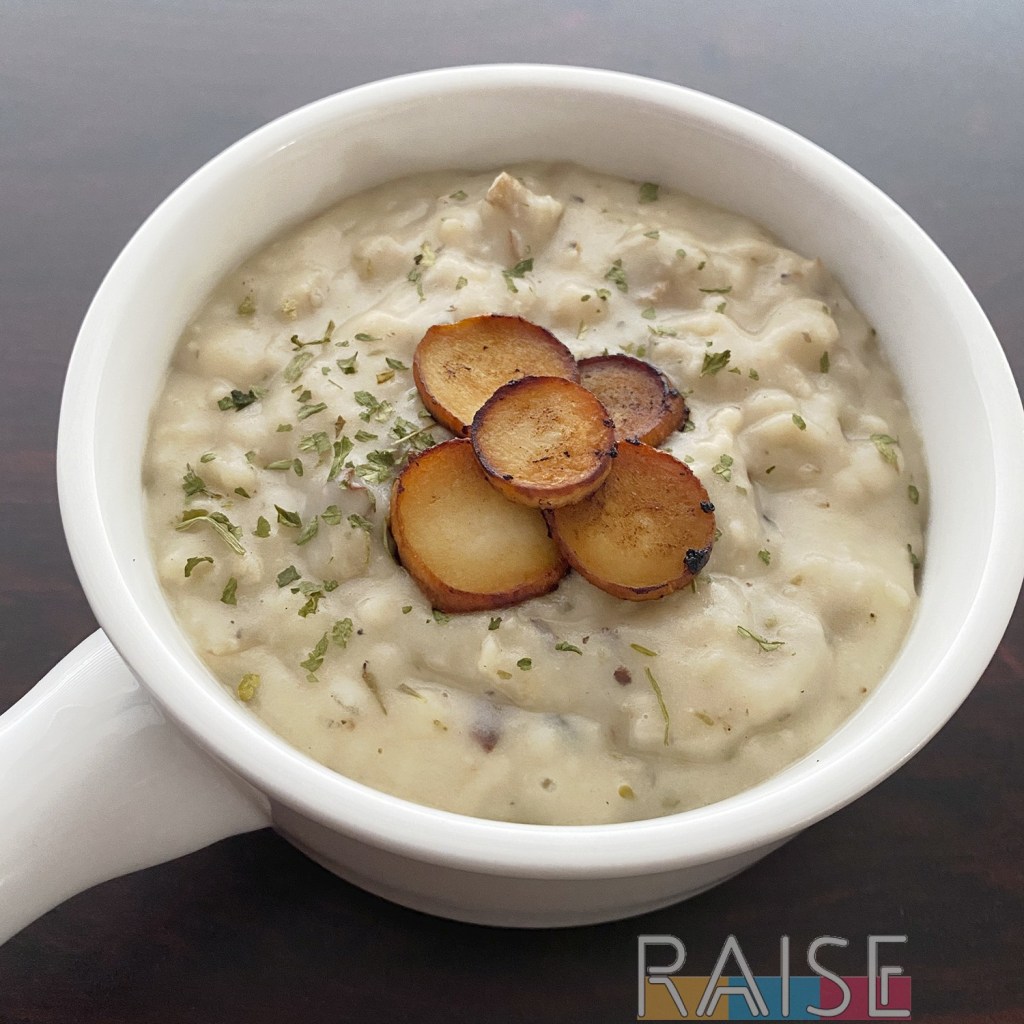
- Dairy Free Cream of Mushroom Soup (top 9 free + top 14 free)
- Kid Friendly, Legume Free Dutch Oven Curry Pasta Recipe
 |
 |
 |
 |
Substituting Legume Based Seasonings
When is comes to adding seasoning to your recipes, when you’re legume free, there are a few seasonings you’ll need to avoid:
- Carob (not a seasoning, but worth mentioning)
- Fenugreek
- Tamarind
Outside of these, you’ll still be able to enjoy rosemary, thyme, black pepper, garlic powder, marjoram, ginger, chili powders, and everything else in between.
Fenugreek, the most commonly used legume based seasoning is often found in curries, soups, and stews. The easiest thing to do is to omit the fenugreek and move on with your life, as it doesn’t have a huge impact if there are several other spices in the recipe.
However, if you’re in the mood to have a little culinary fun (I know I’m always ready for a good time in the kitchen), experiment with cumin and coriander (cilantro). These are seed based spices and can add a little extra depth to your recipes.
Alternatively, a little mushroom powder + a little organic maple sugar can help replace fenugreek in some of your recipes.
Have Caution with Smoked Spices and Smoked Salt
There is a link to a legume allergy and mesquite, a plant in the pea family. The timber can be used for smoking, however, lots and lots of other woods are used for smoking as well.
The most commonly found smoked spices will be smoked paprika and smoked salt (OK, not a spice, but here we are). Before purchasing a smoked seasoning, or any kind of food that’s been smoked (including sauces and condiments), call the company and ask what kind of wood they use, assuming you can’t have mesquite.
In some cases, it’s better to ask something like: “I have a mesquite allergy. Do you use mesquite chips as part of your smoking process? If not, can you tell me which wood(s) you’re using?”
If all else fails, you can always smoke at home with a smoking gun and safe wood chips, or heck, even get yourself a smoker (I’ve had my eye on one for years).
Pea Substitute Options
Best Pea Substitute for Pot Pie
When it comes to making a comforting chicken pot pie, the best pea substitute will be peeled and small diced carrots or parsnip. You’ll want to dice them to be about the size of a pea, and oven roast them dry on baking sheet lined with parchment paper for 10 minutes at 375f/190c to start the cooking process.
Once roasted, fold them into your pot pie mixture just before adding it to the pie crust (or puff pastry) and baking.
Other pea substitutes for pot pie include:
- Steamed Beets
- Roughly Chopped Broccoli Stems
- Riced Cauliflower (only use this if you LOVE cauliflower)
If capturing the color is important to you, experiment with roughly chopped romanesco (a decorative looking head in the broccoli family). It’s a lovely shade of bright green, and has flavor notes from cauliflower and broccoli.
I don’t suggest using vegetables such as asparagus, cabbage, or radishes to replace the peas, as they won’t get you nearly as close on taste and texture as the other suggestions above.
Pea Substitute for Tuna Casserole
For tuna noodle casserole, and other casseroles in general, a good pea substitute will be carrot. When using this substitute for green peas in your dinner, you’ll want to peel, then dice the carrots to be about the size of a pea. Steam until about half way cooked, then fold the carrots into your casserole mixture before transferring to your baking dish.
Add your toppings, bread crumbs, etc., then bake as your normally would. Other pea substitute options include (in order from best to so-so):
- Peeled & diced parsnips
- Small-medium diced king trumpet mushrooms or lobster mushrooms, folded into the mix before putting into the oven (don’t pre-cook for the best texture in the end)
- Small diced steamed beets
- Roughly chopped baby broccoli stems
If you’re not allergic to all legumes, chopped green beans can be another good replacement for peas in a tuna casserole. As you go about substituting, be sure you pick something that won’t clash with the other ingredients (cheddar cheese, etc.).
Best Pea Substitute for Shepherd’s Pie & Cottage Pie
Shepherds pie and cottage pie both feature ingredients such as ground meat (beef, lamb, etc.), mashed potatoes, onions, and other aromatics.
The best pea substitute for these pies will be corn kernels. This is also a super easy substitute to use. Corn pairs well with ground beef, ground lamb, and any other ground meat you choose to use in your shepherd pie recipe. Note: use whole corn kernels, not something like polenta,
Another fantastic pea substitute in this scenario is peeled & small-medium diced zucchini (courgette). You’ll add your diced raw zucchini to the pie filling, top with the potatoes (or sweet potatoes), then bake.
Other pea substitute options will include riced cauliflower and small diced raw mushrooms (fold them into the pie mix just before baking).
If you’d like to give your pea substitute a little boost, add a little touch of caster sugar to the ground meat mixture. This will bring in some of the sweetness you’d find in English peas and frozen peas.
Legume Substitutes for Fried Rice & Asian Recipes
If you enjoy cooking Chinese, Japanese, Thai, and other Asian recipes, you’ll want to get familiar with a range of legume free alternatives.
One easy thing to do is try spicy recipes that use sriracha and other spicy sauces rather than soy based sauces. You’ll also want to use plenty of flavourful vegetables including onions, bell peppers, fresh cloves garlic, and more.
When you do this, along with adding umami hits from ingredients like mushroom powder, you’ll create balanced, well rounded dishes that don’t scream “something’s missing”.
Pea Substitutes for Fried Rice
Many fried rice recipes call for about a cup of peas. The top three pea substitutes for fried rice are corn, small diced zucchini (courgette), and small diced carrot (not from frozen).
The second tier pea substitutes in fried rice will be steamed beets and lightly cooked mushrooms.
You’ll want to cook your corn (assuming it’s from frozen) and fold it into your fried rice mixture towards the end of cooking. To save time, you could make a big batch of corn at the start of the week for one meal, then use the leftovers along with cold rice for your fried rice a couple of days later.
For small diced zucchini (courgette), peel the zucchini, then dice to be about the size of peas. Add these to your pan or wok towards the start of your cooking. You want the zucchini to have time to soften. Alternatively, you can steam these, until just fork tender, then fold them into the fried rice mix towards the end of cooking.
If you plan to use the carrots, they can’t be frozen carrots, as these tend to be too soft to pass for peas once cooked. Instead, peel and dice fresh carrots. Steam them until they’re fork tender and have a texture that reminds you of peas. For even better results, use white carrots which will have a very mild carrot flavor, paired with a great level of sweetness.
Canned Veggies as a Pea Substitute for Fried Rice
Whilst not everyone is a huge fan of canned veggies, they have their place in the world. Native Forest sells canned mushrooms and canned chestnuts, both of which could be a decent pea substitute for fried rice.
For larger canned veggies, you’ll want to roughly chop the veggies, cook them a bit in a small skillet, then fold them into your fried rice. For smaller canned veggies (such as corn), you can leave it as is, cook it a bit in your skillet, then fold it into your fried rice.
You can also purchase canned green beans, canned/jarred beets, canned hearts of palm, and several other veggies that would be an excellent pea substitute for fried rice.
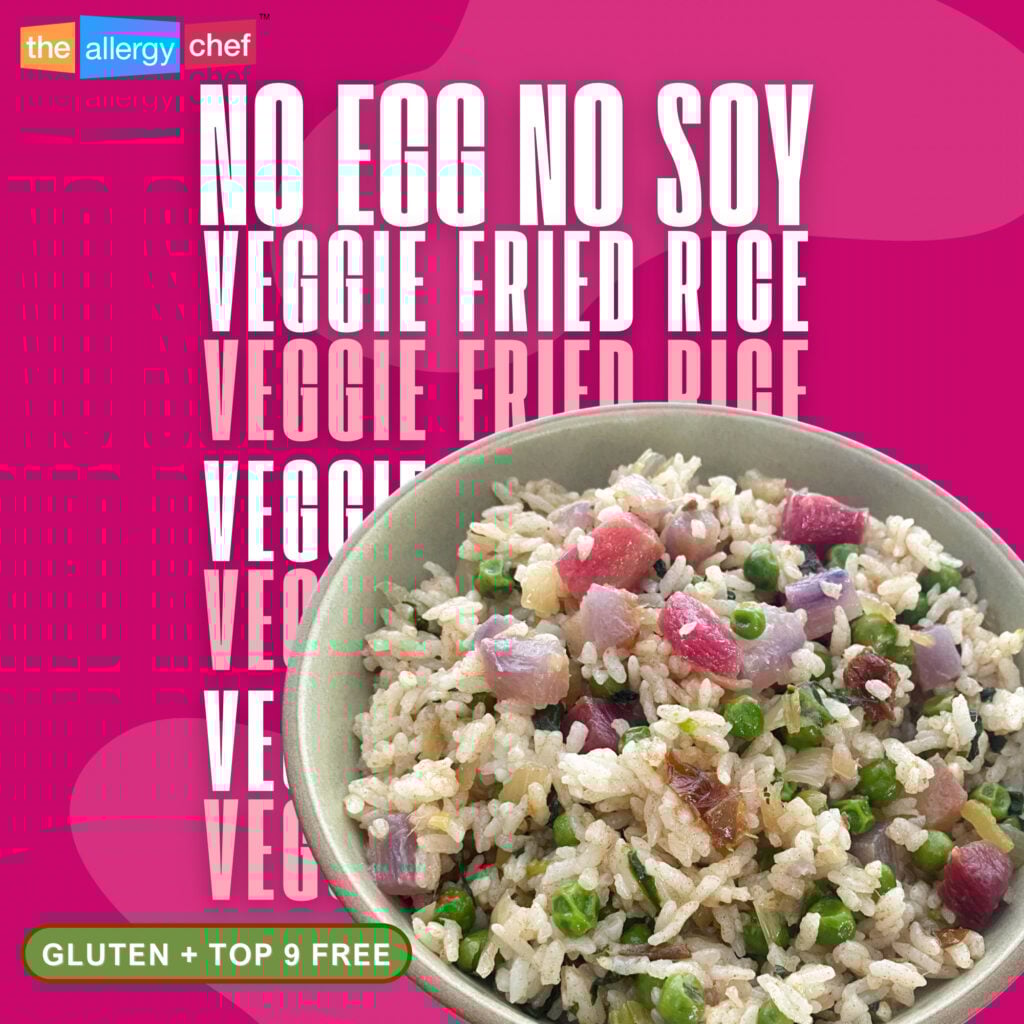
Related: Vegan Fried Rice Recipe – whilst the recipe has peas, you can use one of the above pea substitutes when making this vegan fried rice.
Soy Sauce Substitute for Fried Rice
Traditionally, fried rice is made up of leftover rice (usually white rice, but brown rice works as well), aromatics such as onion, scallions (green onions), or shallots, eggs, shrimp or pork, and vegetables. There’s also usually a sauce, such as soy sauce.
Soy sauce is a fermented bean sauce that’s salty and brings a lot of umami flavour to the recipe. Easy soy sauce swaps include:
- Coconut Aminos
- Fish Sauce (soy free vegan fish sauce in case you need it)
- Fermented Seaweed Paste
- Oyster Sauce
Each of these sauces and condiments will have pros and cons, but more than anything, they’ll all deliver on the umami flavor. I suggest purchasing a range of ingredients, then making several different Asian recipes to see which are your favorites.
You can also boost the overall flavors by cooking with sesame oil (use perilla seed oil if you have a sesame allergy), and adding mirin half way through the cooking process.
Note: Tamari, whilst sold at many stores, is not a soy free product.
For more soy sauce swaps, check out this handy article.

Tamarind Alternatives
Tamarind is sold in two main formats: pods and paste. You can also purchase powder, concentrate, and even candy.
Tamarind is popular in Thai and Indian cooking. Tamarind delivers three key flavors: earthy, sour, and umami. You’ll need a multi-pronged approach to replace it well.
When it’s called for you can use mushroom powder + cherry juice (or cherry molasses). Keep in mind, you won’t use a large amount of these, we’re talking a tablespoon or two. Also, tart cherry is better than a sweeter variety in this application.
Alternatively, you can use mushroom powder + pomegranate molasses. Be sure to explore different mushroom powder options, including making it yourself at home in a spice grinder.
Tofu Substitutes
Whilst the name doesn’t sound like a legume or bean, tofu is made from soy, a type of legume. I have some of the most exciting news ever.
If you need a soy free option for tofu, Big Mountain Foods (fava bean based) and Pumfu (pumpkin seed based) make two of the coolest products I’ve ever seen.
If you’re allergic to all legumes, stick with the Pumfu, and if you’re not allergic to fava beans (a type of legume), I’d encourage you to try both brands to see which one you prefer.
Soy free tofu is firm, and can be used in the exact same ways as soy based tofu.
More Legume Substitutes
Bean Sprouts Substitute
Bean sprouts are a pretty specific ingredient that won’t be easy to replace. Thin matchsticks of kohlrabi will be a good substitute, followed by thin matchsticks of celeriac.
For raw applications, thin matchsticks of Tokyo turnips will be your best bet, as they can deliver a light, fresh flavor.
Fenugreek Substitutes
Fenugreek falls under both the seed, and legume categories for culinary uses. Dried spinach leaves and celery seed are going to be two decent substitutes for fenugreek in cooking.
Green Bean Alternatives
If you’re looking to replace green beans, a good option is broccoli stems that have been cut to be about the same size, then steamed or oven roasted. Be sure to season with salt and a little oil for the best eating experience.
You can also use broccoli stems in casseroles that call for green beans, and they can also pair well with cheese.
Jicama Swaps
For people who love leaning into plants for all sorts of creative uses, jicama has been shining pretty bright over the past several years. The most popular use for this vegetable is grain free taco shells.
Tokyo turnips are going to be the best substitute for jicama, as they can deliver a crisp, refreshing vegetable experience. Using these small turnips as taco shells won’t be an option, unless you want really, really small tacos. For all other applications though, they’re the top pick.
Peanut & Peanut Butter Alternative
These days, there are SO many fantastic peanut butter alternatives to choose from. First, know that you’ll want to avoid WOWButter (made from soy), and chickpea butter which has been gaining popularity in recent years.
Nuts, seeds, and tuber butters are going to be the top substitutes for peanut butter. Here are a few examples to get you started.
- Nuts: Almond Butter, Pecan Butter, Walnut Butter
- Seeds: Sunflower Seed Butter, Tahini (made from sesame seeds),
- Tuber: Tiger Nut Butter (these aren’t tree nuts, they just have a bad name)
Granola butter, made from oats, is another option, but it’s for sweet applications only, unless you make it yourself at home.
In cooking and baking, these spreads and butters are all a 1:1 exchange for each other where function is concerned. Taste will vary based on the substitute you select.
Tip: Do NOT use tahini as a standard swap for peanut butter. The taste must be paired with other ingredients properly. It’s not the sort of item you’d use as a PB&J alternative.
For more info on these options, check out this article on peanut butter substitutes for cooking, baking, and snacking. This article on spreads and butters also covers the topic.
 |
 |
Vegan & Vegetarian Protein Options
Beans are a huge resource for those who follow a 100% plant-based diet, and for some vegetarians as well. One reason is their awesome protein content, and the ability to give a meaty mouthfeel to recipes. If protein is a concern, here are alternative vegan protein sources:
- Nuts
- Seeds
- Seitan (Vital Wheat Gluten, read more about it here)
- Spirulina
- Unsweetened Cacao
For vegetarians, eggs, cheese, whey protein powder, and cow’s milk yogurt are going to be additional sources of protein.
Legume Free Vegan & Vegetarian Meat Replacements
When it comes to meat free eating, there are quite a few tasty options you can lean into that are naturally legume free. In some cases, you may be able to purchase pre-made products with these ingredients, but generally, you’ll have to make these foods at home.
- Cauliflower Steak (serve with a homemade chimichurri)
- Hearts of Palm (great for meat free seafood, this is the brand I buy)
- Hen of the Woods Mushroom Steak
- Jackfruit (this brand sells pulled jackfruit which can mimic pulled meats and foods like shredded chicken)
- King Trumpet Mushroom Stems (makes a great faux scallop, and can also be scored)
For more creative vegan meat options, check out this article on meat swaps.
Alternative Fiber Sources
Some people lean into beans and other legumes for health reasons, improving gut health, overall nutrition profile, and the fiber content.
The great news is that there are a variety of ingredients you can add to your diet that are rich in fiber, prebiotics, and legume free. Great sources of fiber include:
- Chia Seeds
- Flax Seeds
- Oats
- Rice Bran
- Tomatoes
Other good sources include fruits such as prunes, dates, and dried figs. Bananas and chicory are both excellent sources of prebiotics (along with onions), and you can use these foods in a range of recipes.
Bean for Bean Replacement Options
If you’ve come here looking for a simple bean swap, or something of that nature, this section is for you.
For ease, these bean substitutes are going to stick to canned beans. If you have access to loads of dry bean options, and are comfortable preparing them, you’ll have a lot more swaps to choose from.
If you’re only allergic to one or two types of beans and need a bean substitute, here are options:
Aduki Bean
Also called adzuki beans, these are small, red, and usually used in some kind of stew. They’re also called small red beans.
The best bean substitute is navy beans, followed by black eyed peas. Both will work in a stew situation, and are small in size.
Black Bean
Black beans are common in Mexican, Latin, and Spanish cooking. You can replace these with pinto beans and black soy beans. Pink beans (so cool if you’ve never heard of them) are another fantastic substitute. Here’s a link to dry pink beans (the canned versions have a LOT of extra ingredients you might not love).
Black Eyed Peas
Black eyed peas are popular in US Southern cooking. The top replacements are navy beans and aduki beans, followed by pink beans. The pink beans should be used if your black eyed peas are in a meat dish, or stew.
Here’s a link to dry pink beans (the canned versions have a LOT of extra ingredients you might not love).
Cannellini Beans
These creamy beans are best replaced by lupini beans and butter beans, followed by red kidney beans and great northern beans.
You can use these substitutes in a range of Italian recipes and much more (cannellini beans are popular in Italian cuisine).
Chickpeas aka Garbanzo Beans
There are so many dishes that use chickpeas, including hummus, salads, and more. For function (hummus, falafel, etc.) any white bean can replace chickpeas.
However, for flavour, lupini beans and navy beans will be the top two swaps. For texture, other beans don’t quite read as firm as chickpeas, so you’ll have to be OK with that and manage your expectations.
Edamame Beans
Edamame is the name for green soy beans in their pods. They’re often eaten steamed. Lima beans and lupini beans will be the top two substitutes. Lupini beans have a bit more of an advantage since they’re also fantastic for pickling which can be fabulous if you’re making Asian meals.
Fava beans are another great substitute for edamame.
Great Northern Beans
These white beans can be replaced with navy beans and cannellini beans. Generally, white beans can stand in for one another without shifting the taste of texture of your food too much.
Kidney Beans
Red kidney beans can be replaced by cannellini beans. Pink beans are the next best choice, then aduki beans.
Kidney beans are popular in stews and both of those swaps will work well. Here’s a link to dry pink beans (the canned versions have a LOT of extra ingredients you might not love).
Lupini Beans
These creamy beans that are popular in Mediterranean dishes can be replaced by cannellini beans, chickpeas, and pink beans. I don’t suggest these beans for pickling. You’d be better off pickling other veggies and managing your expectations.
Here’s a link to dry pink beans (the canned versions have a LOT of extra ingredients you might not love).
Pinto Beans
Pinto beans are very popular in Tex Mex, Mexican, and Latin cooking. Pink beans are the top bean substitute for these tasty beans.
After that, white beans are a good choice, but where flavors are concerned, pink beans have them all beat. Here’s a link to dry pink beans (the canned versions have a LOT of extra ingredients you might not love).
Navy Beans
Navy beans are small white beans that are used in all sorts of random foods and cuisines. They can be easily replaced by other white beans (cannellini beans, great northern beans).
Given the size of these beans, you could roughly chop larger beans before using them, or just manage your expectations and know that your final dish will be a bit different.
Soybeans
Black soybeans can be replaced by regular black beans in pretty much all recipes and scenarios. They’re very close in size, but the flavors are a bit different.
You can also experiment with replacing soybeans with pink beans, red kidney beans, and aduki beans. Here’s a link to dry pink beans (the canned versions have a LOT of extra ingredients you might not love).
Answering Your Questions About Legume Substitutes
Would squash be a good bean alternative?
Generally, no, squash won’t be a good bean substitute. The reason is because by the time the squash is soft enough to be edible, you’re past the point of bean texture (firm and creamy). To make matters worse, the taste of squash is pretty far from beans, and not all that neutral.
Can I use hard boiled eggs in place of beans?
It’s going to depend on the dish. Let’s say it’s a bean dip, or chili. For those situations, no, you wouldn’t want to use hard boiled eggs. On the other hand, if it’s a recipe for burritos. Chopped hard boiled egg white (not the yolk) wouldn’t be the worst replacement for the beans. In that scenario, it delivers a nice texture, the flavour isn’t too powerful, and it’s well masked by other ingredients.
Unfortunately, where flavour is concerned, there aren’t a lot of times when hard boiled eggs will be a good ingredient to swap for beans.
What’s a good substitute for chickpeas in a quinoa salad?
I’m going to suggest chopped and seasoned soy free tofu in this scenario. Your legume free tofu from pumfu (pumpkin seed based) can take on other flavours very well, including ginger, onion, garlic, fresh herbs, and tomatoes, all of which you’d find in a quinoa salad.
Make sure your pumpkin seed tofu is cut to a size that reminiscent of beans. Cook them separately with a little mushroom powder, smoked salt, a couple drops of liquid smoke, and a touch of onion granules. This will help reinforce the flavours of the salad, but also give your tofu a little something special so it’s not a boring dish.
Is there a way to make legume free vegan burgers at home?
Yes! I’m sure you’ve noticed pretty much all commercial and homemade recipes for vegan recipes contain beans, pea, or lentils. This recipe from Bianca at Elephantastic Vegan is made from mushrooms, oats, sunflower seeds, breadcrumbs, and spices.
I can’t personally vouch for the recipe since I can’t eat these ingredients, but at the surface, it looks like a great option to try.
Would butternut squash be a good bean substitute in chili?
Honestly, not really. It’s easy for butternut squash to get lost among the ground beef (or ground turkey), and all of your other chili ingredients. By the time your chili is done cooking, the squash will be rather mushy and blend in with your tomato paste very well.
The key is to pick a good veggie that can be firm, such as beets or carrots. They’ll give you a little earthy flavor, a firm and somewhat creamy texture, and not get too lost in the other ingredients.
What’s the best soy milk alternative?
Have I got great news for you! In cooking and baking, all dairy free milks are a 1:1 substitute for soy milk. I’m going to assume you’re allergic to cow’s milk, but if you’re not, you can also use a mammal based milk (cow, goat, sheep, buffalo, camel).
In some instances, especially soups, stews, and some chili recipes, broth or stock can also be used as a soy milk replacement, but you have to make that swap on a case by case basis.
Personally, I use a homemade organic oat milk from purity protocol oats in all of my cooking and baking, and the results are FANTASTIC. If you’re looking for a good brand because you don’t want to make it yourself, check out Malk. They make super clean dairy free milk options.
Cashew milk is the other alternative I’d have you try out since it has great body and a neutral flavour. Just make sure you’re purchasing an option that’s not all water with 5 cashews in the mix.
Is it possible to make a vegetable pot pie without legumes?
Truthfully, you’re not going to have the same vegetable pot pie experience without peas and green beans, which are super common in those recipes. However! That doesn’t mean you won’t have a mega delicious vegetable pot pie.
If I were tackling this project, I’d use small diced steamed beets + oven roasted frozen carrot cubes as my vegetable alternatives. The beets would be steamed until fork tender so they have a little bite left in them, and the carrots would be roasted to a nice softness.
I’d fold those into the filling for my pot pies, load up the pie dough, crimp those edges, and get to baking. The filling would also taste fantastic with biscuits, yanno, in case you’re not in the mood to pull out your pie dish and do all that extra work with pie dough.
What’s a good tamari substitute for stir-fry?
Tamari is a fermented Japanese product made from soy and rice. It’s usually a byproduct from making miso.
To best replace this, you’ll want to take a combination approach of fermented rice koji and something like oyster sauce or fish sauce. Combined, these are going to deliver a range of flavor notes that can remind you of tamari. You can also add a little mushroom powder and caster sugar to the mix to balance it out.
Is it possible to make tempeh without legumes?
From what I can tell, no. I researched high and low, and it seems that no matter the brand or recipe, they’ll always call for some kind of bean. Soybean is the most traditional variety, but there are options for chickpeas, black beans, and even aduki beans.
Some recipes claim to be grain free, or use nuts, or use grains, etc. The reality is, even when they’re using pseudograins such as millet and quinoa, beans are still involved.
Whilst there’s no real 1:1 replacement for legume free tempeh, I’d encourage you to explore other fermented foods, or learn how to make fermented foods at home. Lean into rich, earthy ingredients such as beets or mushrooms to try to recreate some of the tempeh magic.
But also, manage your expectations, because tempeh is super specific and difficult to replicate without legumes.
Are potato chips legume free?
Most potato chips will indeed be legume free. The two concerns will be anything BBQ flavoured (mesquite may be part of their formula), and shared equipment. Generally though, just about all potato chips are legume free.
As you venture into tortilla chips, keep a close eye on grain free tortilla chips and multi grain tortilla chips, as these can sometimes contain beans. There are also brands that specialize in bean tortilla chips, or bean and rice tortilla chips.
Is tuna salad legume free?
Generally speaking, yes, tuna salad, and even chicken salad, will be legume free. You’re more likely to see green peas or green beans in tuna casserole rather than tuna salad.
You’ll still want to read labels carefully to ensure there are aren’t any gums that are legume derived in the tuna salad mix, a legume derived spice (fenugreek and mesquite).
Does gluten free panko contain beans or legumes?
Some brands of gluten free panko do in fact contain legumes. You’re more likely to see this in grain free breadcrumbs since beans aren’t a grain or traditional flour. However, there are loads of gluten free panko options (and grain free options) that are indeed legume free.
This article on gluten free + allergy friendly breadcrumbs and bread will point you in the right direction. Use the table of contents since it’s a gigantic resource.
Is gravy legume free?
Homemade gravy from traditional ingredients (drippings/fat, flour, sea salt, beef broth or milk, etc.) will naturally be legume free. However, store bought gravies can absolutely contain legumes, especially vegan gravy.
It’s very common for commercial gravy to contain guar gum and other gums/binders/thickeners that ca be legume derived. You’ll have better chances of success when looking at grain free or Paleo gravy, followed by organic/clean options. This isn’t a legume free guarantee, just better odds.
Are condiments like Worcestershire and ketchup legume free?
Condiments are going to be an absolute mixed bag. What I can tell you is this: vegan condiments are especially likely to contain legumes (soy, tamarind, gums). Non-vegan brands are more likely to be legume free, however, lower quality condiments are more likely to contain legumes from binding agents.
In the clean/organic space, you won’t run into legumes as much, but they will absolutely be present, even in ketchup and Worcestershire sauce.
The good news though is that legume free condiments exist, and brands don’t change the formulas often, so once you find a brand you like, it should serve you well for the long haul.
I’d suggest stores like Natural Grocers, Fresh Thyme, and small co-op style stores when looking for legume free condiments. These types of stores pride themselves on carrying high quality, clean options, simple options, and so on.