Let’s talk all things pantry meals and freezer meals! Today I’m going to be sharing a lot of information, inspiration, and recipes to help you create an awesome pantry, and tasty food with said pantry staples.
Let’s face it. Eating out is expensive. Plus, you have no control over the quality of the ingredients. Add to that the fact that some people manage food allergies, Celiac Disease, and a wide range of special or restricted diets, and suddenly, cooking at home is the best thing ever. Note: the recipes that I’ll be sharing today are GF, allergy friendly, and affordable.
Sure, you have to have elbow grease, but as someone who has been cooking and baking from scratch for over 20 years, most meals at home, it’s worth it. And… everyone without food allergies says my food blows away what’s in stores and restaurants (that’s the quality talking right there).
So, if you’re ready to take the plunge, let’s jump in. Be sure to use the table of contents liberally to see the info that matters most to you.
List of Essential Ingredients to Keep in Your Pantry
Whether it’s a cupboard in your kitchen or shelves in your garage, having a well stocked pantry can only help you. Well, this assumes that you’ll cook at home and rotate through the supply. HUGE Tip: Don’t panic buy or stock up just because something is on sale. If you don’t need it, or can’t get thru it fast enough, you’re only wasting money in the long run.
- Canned & Jarred Tomatoes (tomato sauce, tomato paste, diced tomatoes, crushed tomatoes)
- Oil (olive oil, avocado oil, coconut oil, tiger nut oil [tuber, not a tree nut])
- Canned Fish (tuna, salmon, sardines)
- Dry Beans & Lentils (if you enjoy properly preparing them, if not, get canned)
- Canned Beans (pinto beans, black beans, cannellini beans, red kidney beans, chickpeas AKA garbanzo beans, refried beans, etc.)
- Rice (brown rice, sushi rice, jasmine rice, arborio rice, etc.)
- Granulated Sweeteners (white sugar, brown sugar, maple sugar, date sugar, coconut sugar, etc.)
- Liquid Sweeteners (agave syrup, maple syrup, date syrup, honey, etc.)
- Broth & Stock (chicken, beef, vegetable, bone broth, etc.)
- Dry Pasta & Dry Noodles (wheat based, gluten free, vegetable based, specialty pastas)
- Salt & Smoked Salt
- Individual Spices (cumin, paprika, marjoram, oregano, ginger, black pepper, basil, onion powder/granules, garlic powder/granules, cayenne, ancho chili, etc.)
- Seasoning Blends (curry powder, Italian seasoning, chili powder, BBQ seasoning, steak rub, etc.)
- Liquid Smoke (this is the brand I use)
- Specialty Ingredients for Cooking (olives, capers, specialty peppers and pickles, etc.)
- Jams & Jellies
- Snacks you LOVE
- Baking Supplies (wheat flour, gluten free flour, baking powder, baking soda, sweeteners, etc.)
Raw Proteins to Freeze at Home
When it comes to stocking foods, don’t forget about the proteins you cook with the most. There are several ways to prep these as well.
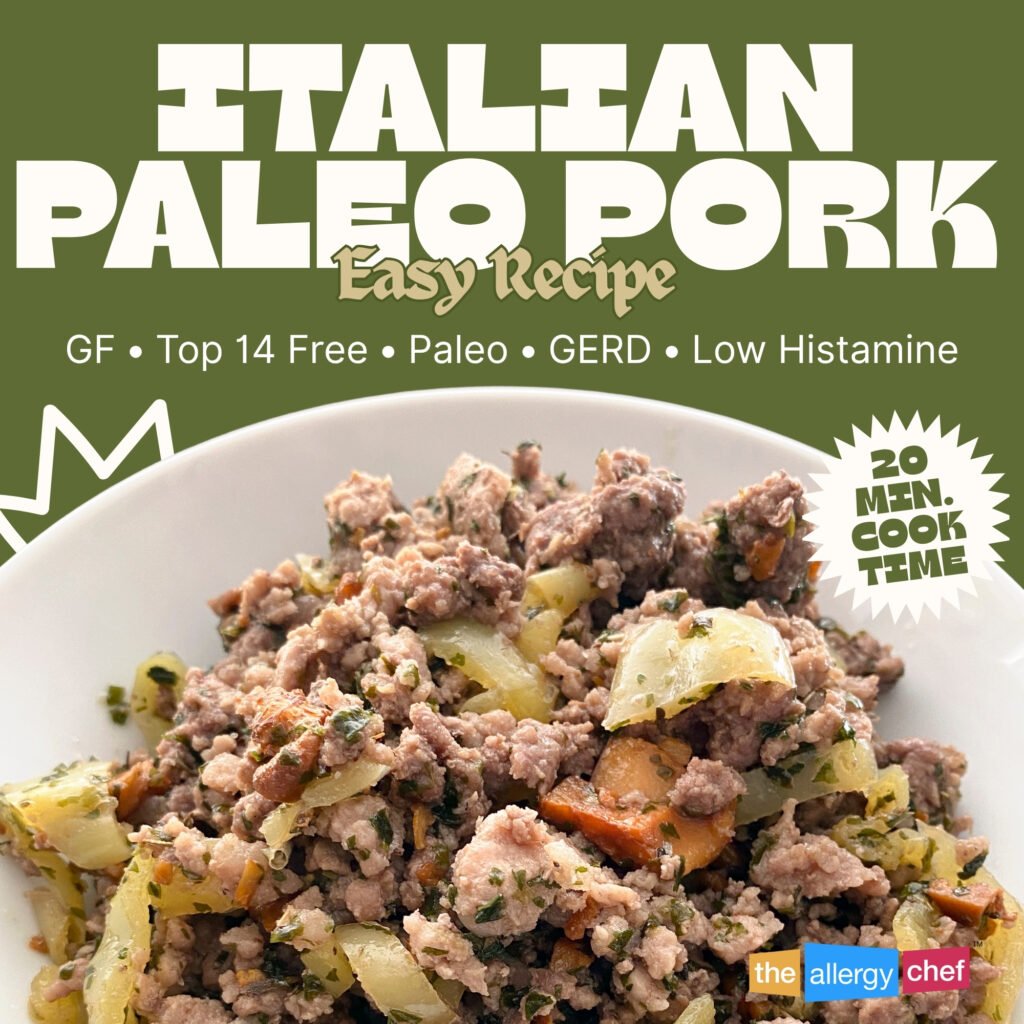
You can purchase bulk amounts of ground meat, pre-season, and label with the recipe name it’s for, and freeze. Additionally, you can purchase chicken thigh, pre-trim and slice, and freeze in one pound increments in freezer bags. You can do the same thing with chicken breast.
When my kids were growing up and eating a LOT, I’d go to Costco, purchase a tonne of meats, then spend a day pre-prepping them. I’d mostly cut the meats, rather than pre-season (though, I did that sometimes). It made for MUCH easier meals throughout the week, for several months. Here’s a short list of ideas to get you started:
- Chicken Thigh
- Chicken Breast
- Ground Beef
- Pork Shoulder
- Pork Chops
- Ground Turkey
- Ahi Tuna
Stores such as Costco also sell fish that’s been filleted and frozen in single portion sizes. Get those. Do not purchase whole fish, only to do this yourself. Been there, done that.

Convenient Frozen Foods to Stock
- Guacamole (buy the large organic 3 pack at Costco in the fridge section, it’s freezer friendly)
- Lunch Meat (buy large packs at Costco in the fridge section and freeze)
- Meatballs (homemade or store-bought)
Frozen Veggies & Frozen Fruit to Stock
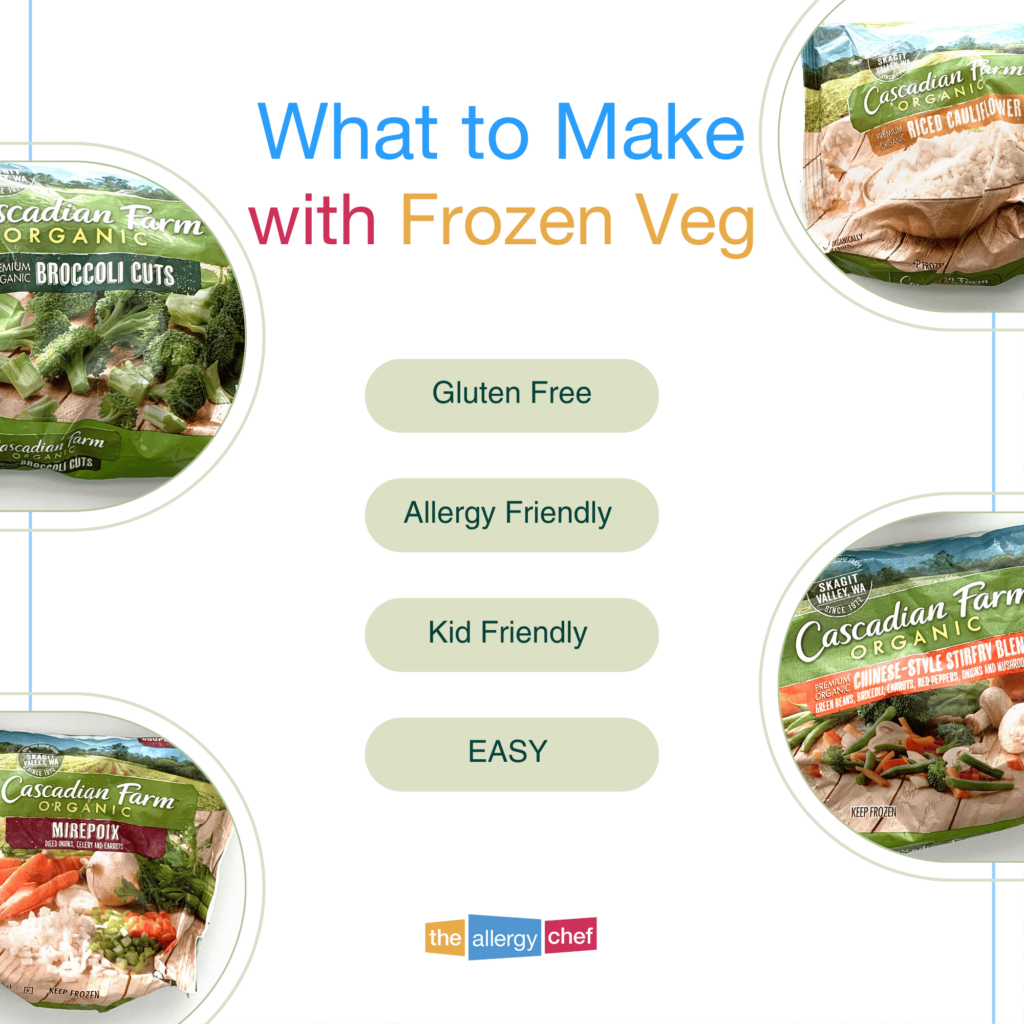
- Broccoli
- Peas
- Peas & Carrots
- Diced Onions
- Pearl Onions (great for soups and stews)
- Peas
- Kale
- Shredded Potatoes
- Banana (great for smoothies)
How to Organize Your Pantry
When it comes to pantry organization, above all else, your method needs to be efficient for YOU. It doesn’t matter what cute pictures you saw on Pinterest, or how your grandma kept things organized. If your system doesn’t work for you, it’s going to drive you crazy, and you’ll be less likely to use it.
Number One Rule for Your Staples
The number one simple rule to storing non-perishable foods in bulk is “first in, first out”. Here’s what that means. Let’s say you buy cans of corn every month on sale, and you’re four months in. In April, you don’t eat the cans you last purchased in April. You need to eat the cans you purchased back in January, because they were the first ones there.
The reason why is because of the best by and use by dates. Generally, what you purchase first will expire first, therefore it should be at the front of the line. Now, depending on how and where you shop, there’s always a chance that you get a longer date the first time and a shorter date the second time. If you want to really be on top of everything, you can compare the dates.
Personally, I don’t, and just use the first in, first out method when it comes to the shelf-stable items I purchase. Since I manage a mixed allergy household and ook just about everything from scratch, rotating through items before they expire usually isn’t an issue.
Make Sure You Can Quickly Grab What You Need
Think about how the shelf-stable items are packed at a grocery store. That’s generally what you want to recreate at home. In your storage space, cans of the same items should be stacked as high as possible, and in one or two long rows backwards.
If you have items disorganized, like the beans and tomato paste are in the same row, you can’t grab an item quickly. You’d need to stop, look, and move things around. Simply put, that isn’t helpful.
When you first start building your pantry, take the time to line things up neatly so you can grab things quick. If you have kids who help a lot, you may want to label the space as well. It could be simple with terms like grains, sweeteners, tomatoes, beans, vegetables, etc. This way, when the kids help put groceries away, if they aren’t sure where to put something, they can look at the label.
Organize Pantry Items by Frequency of Use
If your storage area is on the small side, and your pantry items have to be somewhat mixed up, think about how often items are used. If you cook with beans often, given them priority placement near the front.

For the Most Part, Skip the Cute Jars
Have you seen those pictures where people have a jar for just about everything in their pantry? Pantry stapes don’t need to be stored in jars, unless you really want to do that extra work.
Now, there are pros, in some situations, to the jar system. Here’s a great example:
Jane has a somewhat small kitchen, but oddly, a large garage. Also, Jane LOVES to purchase everything in 25 and 50 pound bags so she can save money. Jane refills the jar from the bag in the garage, then takes said jar back to the kitchen. This allows her kitchen to remain clear of wholesale bags, which she could easily trip over.
If you’re not Jane, there’s a good chance you just don’t have that much volume, so transferring from a bag to a jar is a waste of your time. Plus, a lot of the “airtight jars” aren’t really airtight. I’ve tested it.Trust me on this one.
Now, if you’re Sally, you have a reason to get containers, and that’s because you bake. A LOT. For those who bake a lot, I encourage you to purchase dry ingredients in bulk, then have a storage system in your kitchen. Each canister needs a label, and a measuring spoon so you don’t have to do dishes each time you use it.
I won’t lie, it’s an investment up front (plan to spend at least $300 on canisters and measuring cups). However, in the long run, it makes your baking a lot more efficient.
Invest in Containers for Your Freezer
The types of containers you purchase will be unique to your needs and household. A single young male who’s a gym bro will have different containers from a family of five that includes a toddler, a person with Celiac Disease, and a person with a severe corn allergy.
So, first you need to assess your needs. Do you want lots of individual meals available for people to take, or do you want a family dinner sized set of containers so you pull one and feed everyone?
Once you know that, you can get to purchasing. Also know, it’s very normal to have a mix of containers. Next, choose the type. Do you want glass, or something else? Due to my severe corn allergy, it’s glass all the way (a lot of plastics contain corn).
Now, you need to choose the actual size. I strongly suggest doing a little experiment. Purchase two containers in 4, 6, 8, 10, 12, and 16 ounces. Make a big batch of two recipes you love that freeze well. Now, pack those containers. You have two meals to test out. Thaw for lunches etc., and see what size feels good for your needs. That will help you decide what size to INVEST in.
I don’t use that word lightly. You can easily spend $500 on glass containers for your freezer. Been there, done that. The last thing you want to do is purchase sizes that don’t make sense, so don’t skip this step if you’re new to the batch cooking life.
The bottom line is this: the right sized containers allow you to easily and efficiently use your freezer stock. If you always serve up 12 muffins when thawing them, use a container that holds 12 muffins, not 9, and not 15. You want to be able to grab the one container for the one meal.
How to Efficiently Use Your Pantry Staples
OK, you’ve done the research, you know what to buy, and now you have a pantry full of dry goods, canned goods, jarred goods, and so on. Now what?
Now, you meal plan. If you don’t rotate thru your stash, you’ll end up with a lot of waste, and I don’t want that for you. Generally, when I meal plan, at least 40% of meals come from freezer stock, and the rest is fresh made. Of the fresh made, at least half leans into pantry staples and raw materials in the freezer. This ensures I’m on a steady rotation of ingredients.
Each meal plan will be unique, so look at what you have stocked. If you have loads of beans and rice, plan to have that at least once a week, if not twice. Search online though for new and exciting recipes so you don’t get bored with your pantry staples.
After 6 – 12 months of really working through your pantry ingredients, you’ll have a lot more confidence in the process, so don’t give up. In the end, it’s worth all the effort.
How to Properly Use Your Freezer Stock
I cannot stress the importance of meal planning when it comes to creating freezer stock. Let’s say you put in the time, energy, and money to create a three month supply of delicious food that’s frozen.
If you let the food sit for 18 months, there’s a great chance that freezer burn will develop and you won’t be able to eat the food. It’s not a bacterial issue, it’s a quality and texture issue that most people can’t get past, myself included. Ugh. Once forced myself to eat something that tasted of freezer burn and hated every bite. I totally ate it out of spite because I was NOT going to waste super expensive truly corn free ingredients, but man…. just awful. I can still taste it. And smell it.
Back to meal planning. So, each week, create a meal plan. Aim to use at least 3 of your frozen meals, if not 5 or 6. The goal is to be “constantly prepping”. Once you’ve done the initial push, you want to batch cook at least one or two meals per week moving forward so you’re always adding something new to your stock.
However, you do it in a way that feels natural. Let’s say you love chili. Make it at least twice a month and each time you do, double or triple batch. It’s “natural batch cooking” at its finest. Over time, you’ll eat thru the old stuff whilst adding new stuff, and the freezer generally stays as full as you’d like it to be.
More than anything, just don’t fall into the trap of purchasing and cooking so much that you forget you already have a freezer full of food to rotate through.
Preventing Freezer Burn & Ice Build Up
Good old freezer burn… the arch nemesis to those who like to bulk cook and get ahead. The number one thing you can do to prevent freezer burn and ice build up is to remove air. That’s it. There’s no real *big secret* that’s going to change everything. It’s always going to come back to the amount of air present.
Have you ever purchased meats that have a tight seal, or a vacuum packed seal? If you have, you’ll know that they don’t develop freezer burn. Now, have you ever purchased ground meat from Costco that’s in the container with the plastic seal but there’s air inside? If you have, and you’ve frozen it, you know first hand that ice can build up and freezer burn can happen.
That, is the perfect example for all things freezer burn. Now, a little ice build up isn’t the end of the world, especially if you’ll be eating the food within a few months. However, once freezer burn sets in, there’s a smell and taste that essentially makes the food inedible.
The containers you choose are going to be your first line of defense. However, they have to be full, but not so full that there isn’t room for expansion on the occasions its needed. If you really, truly want your food to stand the test of time, you’re going to want to invest in something like a FoodSaver system. However, that comes with extra work, material costs, and there’s a bit of a learning curve.
Does it work? Yup. Do we all need one? Nope. Ultimately, it’s going to come down to your personal preferences. I actually had one, hated it, used it twice, and just made sure containers were properly filled etc. and moved on with my life. To each his own. Just remember. Air. Get rid of as much air as possible.
You can also look into purchasing these types of freezer bags with a little air removal pump. If I had to do it all over again, I’d probably use something like this, happily.
How to Save Money When Stocking Your Pantry
Whether you’re new to buying pantry stapes or a seasoned pro, it’s important that you don’t bankrupt yourself filling the cupboards. There are several ways to shop these days including in person and online (pickup, delivery, shipping). Each has its advantages and disadvantages. Here are some tips.
Look Up Specialty Stores Online
If you manage any kind of restricted or special diet, look for special “stores” online that sell a range of products. Gluten Free Mall and Vitacost are great examples. The advantage to a website like this, especially if you’re newly diagnosed is that you can buy ONE. You don’t have to get a six pack to try a little of this and a little of that.
Some will offer free shipping over a certain amount whilst others don’t. Don’t worry about the shipping when you’re new. It’s all about having access to a range. Once you find the products you enjoy, shop around. Check specialty shops, Amazon, the manufacturer’s site, local stores, and so on. See who has the best price per ounce and order from there.
Look for Sales
If you have something that you love, check to see if there’s a sale somewhere. I’ve often been able to save up to a hundred dollars on pantry basics because I was able to stock on sale. When you can do that, you’re truly winning.
Stock Up on Black Friday & Other Key Sale Times
Fun fact: I’ve saved several thousands over the past 5 years by purchasing pantry items during Black Friday sales. It’s so easy to think about electronics and items you want to gift during the holidays. However, food manufacturers want to get in on holiday sales as well, so check your most used brands.
In addition to that, if you have a lot of snack foods in your pantry (bars, chips, etc.) check near back to school season. One brand I purchase… I saved 40% on a six month supply because I got it during a back to school sale and stacked a discount. FORTY PERCENT. So, strategically check websites of brands you frequent.
Shop Costco and Other Big Box Stores
There are a few levels of price points to be aware of:
- Wholesale
- Bulk
- Discount
- Retail Case Discount
- Retail

These price points each have pros and cons. Retail is simply the full price. No sales, just MSRP. Discount pricing is a one-time sale, or a specialty store such as Grocery Outlet. It’s a special discount on products that may be expiring soon, etc. A retail case discount is usually 10%, and only available at regular grocery stores. If you purchase the whole box of something, you get 10% off. It can be anything- a particular cereal, pasta sauce, protein bars, and so on.
A case can be 4, 6, 8, 10, or 12 items to the case, so know how much you need. Some stores have recently stopped offering this, so ask before you order a case.
Bulk pricing is what you’ll see at member stores such as Costco. They buy in cash in huge amounts and pass on mega discounts to you. If you upgrade your membership to the one where you get 1% or 2% back at the end of the year, and shop there enough, the reward pays for the membership. Been there, done that. Zero regrets.
Wholesale is where you’ll find the most savings, but comes with a huge catch. It’s only available to people with a resale license. I had one for about 5 years and saved a tonne of money on free-from ingredients. The other disadvantage is that you’re buying 25 or 50 pound bags of flour, and huge amounts of packaged goods. You’re getting cases and cases of items, so make sure you have a good way to use it all before it expires. In my case, I did, so it was fine.
The goal is to purchase in amounts that save you the most money whilst also making sense. If you purchase by the case, but always toss half the case because you’re one person who can’t eat the item fast enough, you’ve wasted money.
Create Your Own Buyers Club
Now, this takes more work, but could be worth it for you. If you’re single, and want to save money, create a club/group with a few other single friends that eat the way that you do. Each week, everyone has key items they all agree to split and one person picks them up, and drops them off to everyone. Do this on a rotation and you all save time and money over the course of a year.
A 3 or 4 person club is a good size because it’s easy to divide most packages by 3 or 4. If you do this for Costco, have a 3 person club if you plan to buy meats, since those come in 3 packs.
Don’t (Always) Trust Amazon
Back in my day… damn I’m old. But really, back in the day, Amazon had THEE best prices, and the shipping was always free. And man did we have it good even before the days of Amazon Prime.
However, one day I noticed something really weird: a super high price on an item I had previously purchased. Over the course of a year I watched as Amazon quietly increased prices on everything, whilst in person prices didn’t go up. In some cases, they were going down.
The carpet had been pulled from under us all. See, Amazon did a great job getting probably at least a billion people hooked on their services when they were “cheap”. Now…. oh man. The wild prices I’ve seen. So, this is your warning. Price. Check. Everything.
From glass containers to pantry staples, Amazon costs more. I recently saw something that was $5 more per jar on Amazon. FIVE DOLLARS. Now, that may not seem like much, but multiplied over your entire pantry stock… that five bucks adds up fast to hundreds and hundreds of dollars wasted. So glad I price checked.
When it comes to where to check, you can look at the Camel Camel website, your local grocery stores, and the manufacturer’s website. Keep in mind, it’s not all bad. Sometimes, the price on Amazon is the same as the store, and if you get enough items, you have the free shipping. Just… look out for yourself out there.
Breakfast Recipes & Ideas to Make with Pantry & Freezer Staples
There are so many tasty breakfast foods you can make from the pantry ingredients and freezer ingredients you have on hand.
Breakfast Skillets
You can make a breakfast skillet with frozen ingredients and spices from your cupboard. Common ingredients include potato, a protein, and vegetables. You can purchase unseasoned shredded potatoes in the freezer section at many grocery stores, and use that as a base.
From there, add ground proteins and frozen vegetables you love. You can also chop fresh herbs on top for an extra pop of flavour. Here are a few combination ideas to get you started:
- Ground Pork + Shredded Potatoes + Maple + Ginger + Frozen Pearl Onions
- Ground Chicken + Shredded Potatoes + Curry Powder + Yogurt + Maple
- Canned Tuna + Shredded Potatoes + Diced Tomatoes + Maple + Black Pepper
- Ground Beef + Frozen Peppers + Frozen Mirepoix + Shredded Potatoes + BBQ Spices
- Ground Turkey + Shredded Potatoes + Italian Seasoning + Frozen Pearl Onions
Veggie Burger Breakfast Sandwiches
If you’re a meat eater that wants to add a few extra vegetables to their weekly rotation, make a veggie burger breakfast sandwich. You can use an english muffin as the base, toast a veggie burger, and scramble an egg. All together, this is ready to go in about 15 minutes.
Sheet Pan Breakfasts
You know what’s really nice? Opening some packages from the freezer, adding it all to a baking tray, popping it in the oven, and walking away. By the time you’ve gotten ready for work, breakfast is ready and you didn’t have to work too hard for it. Here are a few meal combinations to consider:
- Frozen Meatballs + Frozen Green Beans + Toast
- Frozen Breakfast Sausage + Frozen Waffles + Partially Thawed Frozen Fruit
- Frozen Salmon + Frozen Green Beans + Maple Toast
Delicious Breakfast Recipes From Your Pantry Staples
Here are some gluten free and allergy friendly recipes you can serve up for breakfast, all made primarily with pantry stapes and freezer ingredients.
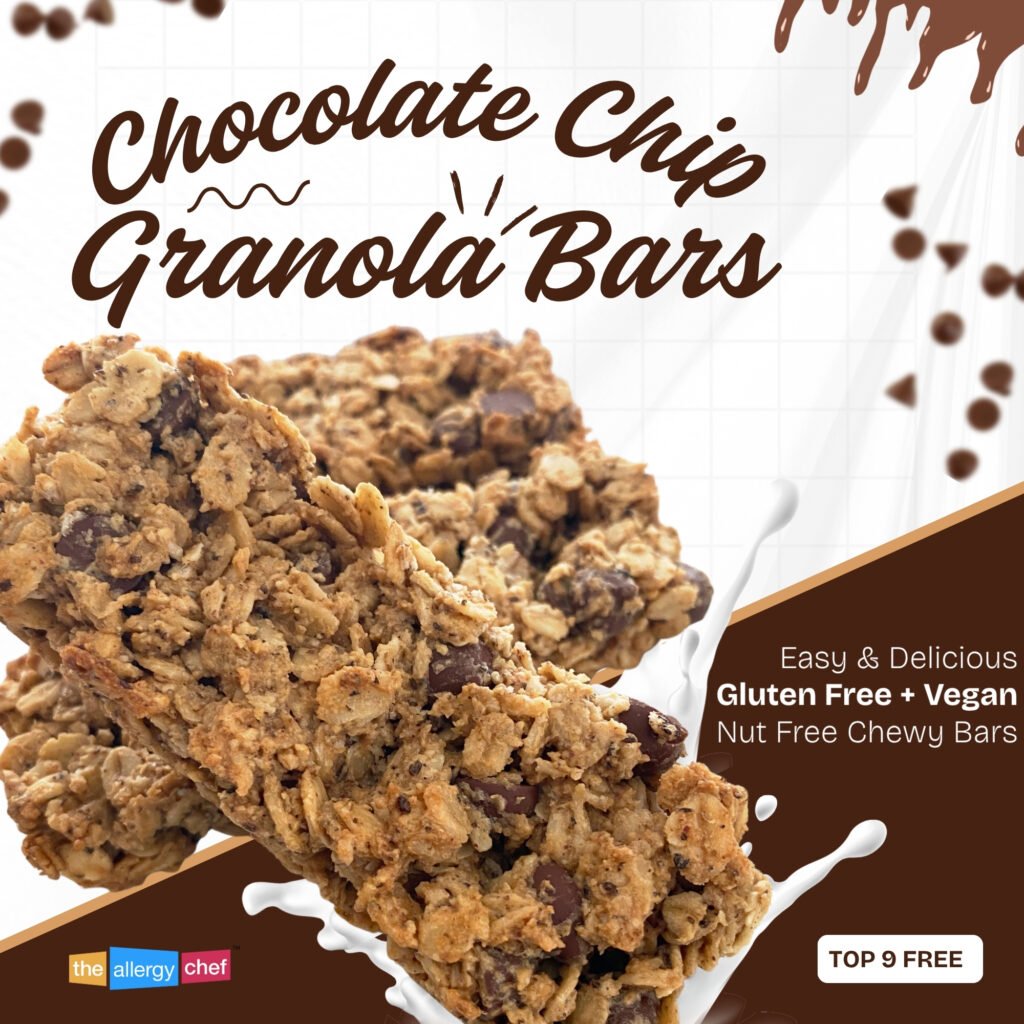
- Chocolate Chip Granola Bars
- Maple Muffins (egg free, vegan, top 9 free)
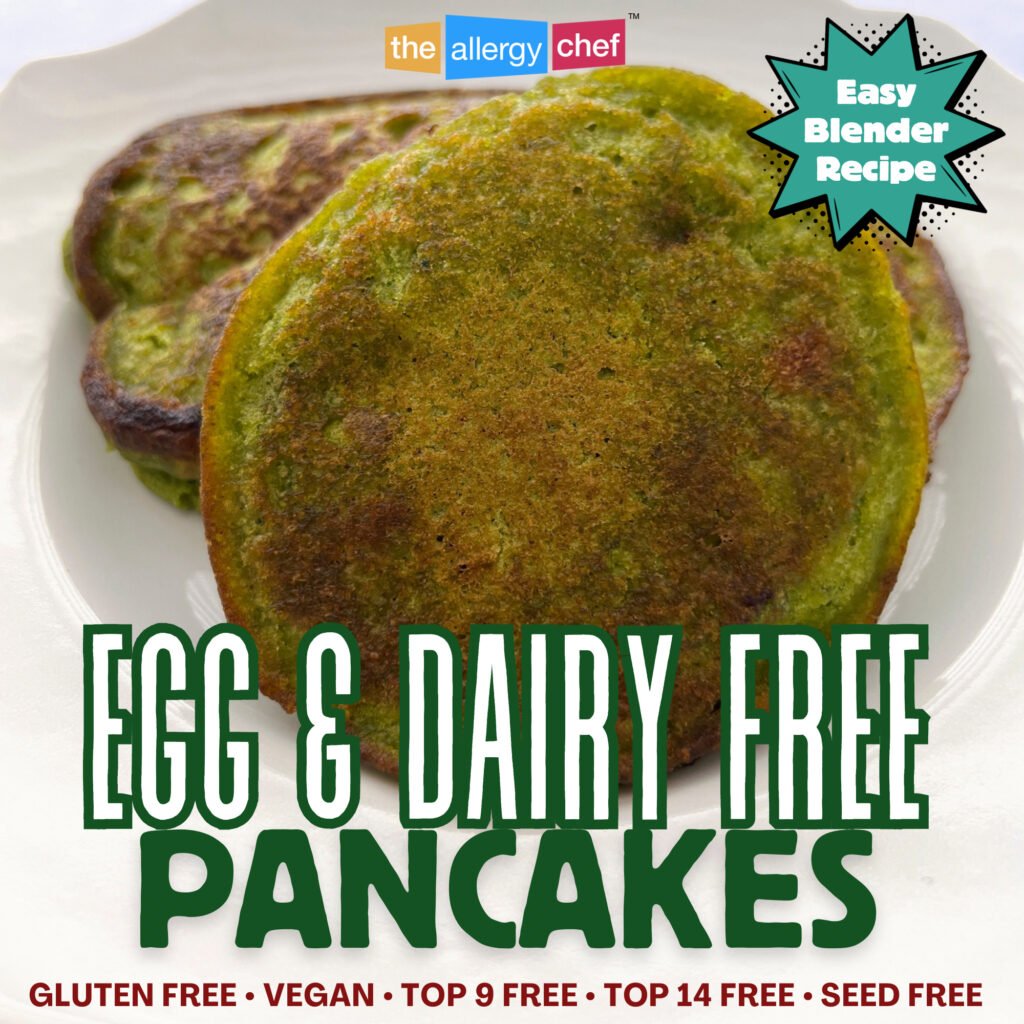
- Pancakes
- Waffles
|
 |
 |
 |
Lunches You Can Make with Freezer & Pantry Items
Your first line of defense when it comes to lunches, in my humble free-from opinion, will be leftovers and freezer stock. When my kids were growing up, I kept dozens of individual sized portions of foods they loved in the freezer. Each day, they’d pick out what they wanted and heated it up at lunch time (they were homeschooled and didn’t have to think much about thawing).
However, there are also a lot of meals that can be easily made primarily from your pantry and freezer. Here’s a list to get you started:
- Chickpea Salad
- Salads in General
- Tomato Soup + Toast
- Pasta Salad
- Tuna & Crackers
- Quinoa Bowls
- Avocado Sushi

Gluten Free & Allergy Friendly Pantry Recipes
Here are some GF AF recipes that lean into pantry staples:
 |
 |
 |
 |
Freezer Meal Recipes to Enjoy
These are all gluten free and allergy friendly recipes that freeze well. You can make up a double or triple batch of these recipes and rotate thru them for several months.
- Chicken Pot Pie (gluten free, top 9 free, top 14 free)
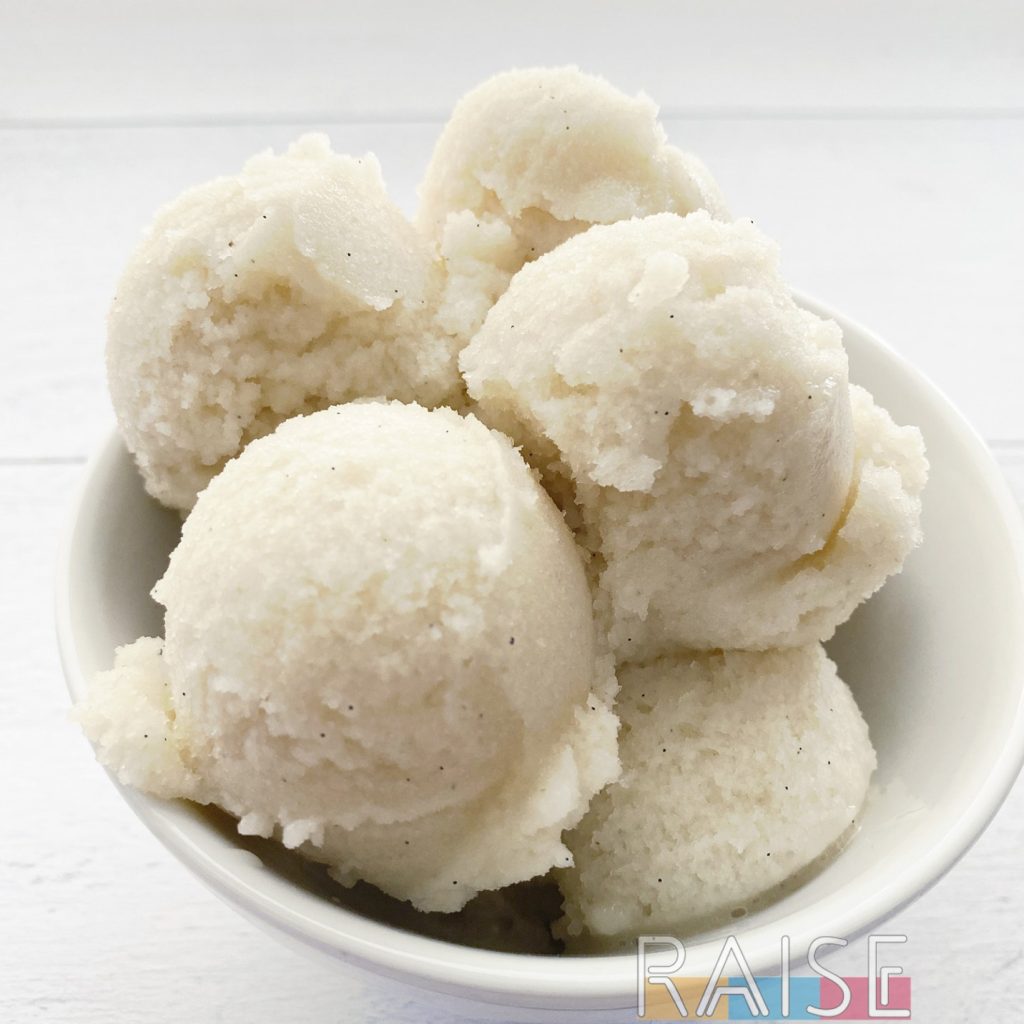
- Ice Cream (dairy free, vegan, top 9 free)
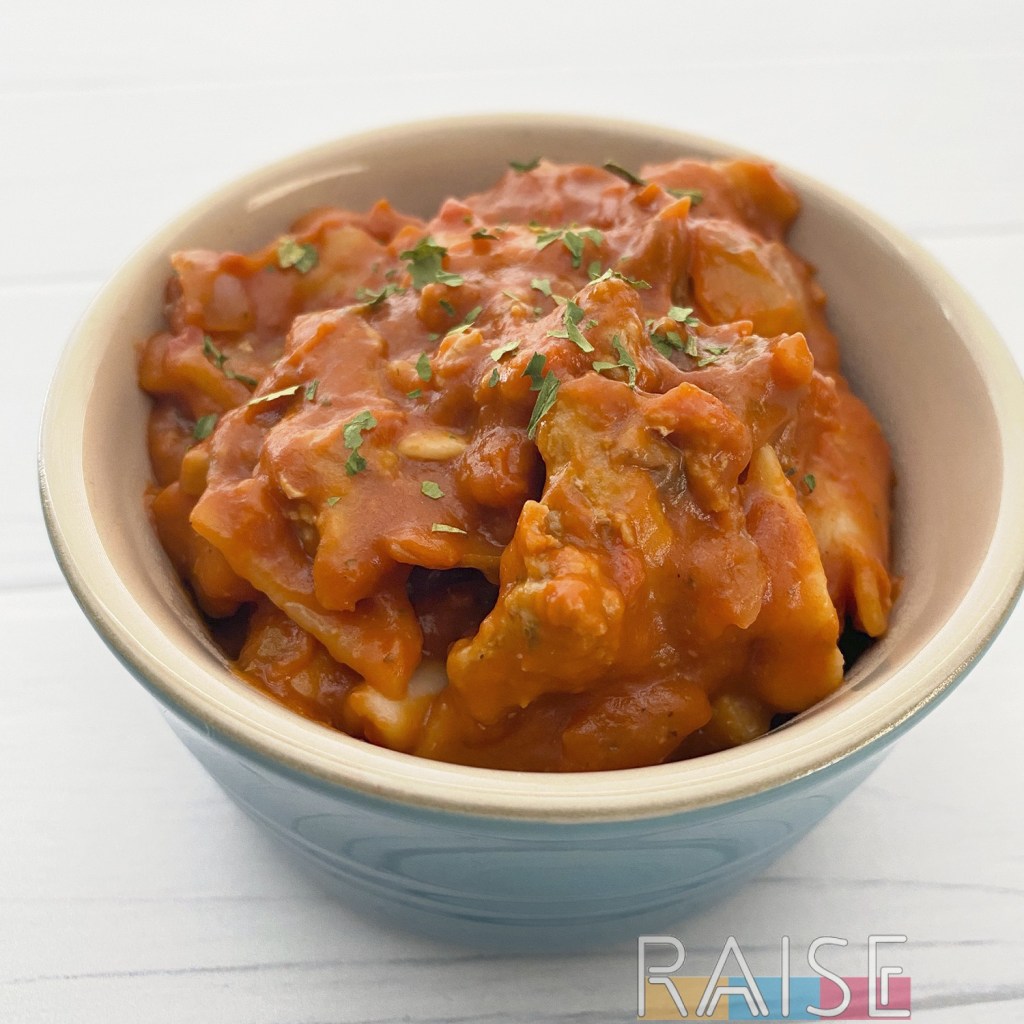
- Lasagna Soup (gluten free, top 14 free, vegan option)
- Dutch Oven White Bean Chicken Chili Recipe
 |
 |
 |
 |
Ideas & Inspiration for Your Next Pantry Meal
It’s so easy to get stuck in food ruts, which is why I’m always thinking up something NEW to make. Here are some really fun ideas you can try the next time you’d like to make an easy meal, but that has a little twist.
Loaded Meaty Fusion Quesadillas
Mexican meets Italian is what this meal is all about. Season ground meat with Italian seasoning or taco seasoning. Rather than cook a regular quesadilla, you’ll layer it like this:
- Tortilla (top)
- Cheese
- Jarred Pasta Sauce
- Seasoned Meat (in the hole)
- Cheese (with a hole in the middle)
- Tortilla (bottom)
The end result is a super tasty meal that my kids beg me to make regularly. Since they’re old enough, I tell them to make it for themselves 🙂 Yanno, because I’m over here thinking up new items to make.

Savory French Toast Casserole
Rather than reach for cinnamon and nutmeg, think about the world of savory ingredients. You can make a French toast casserole with savory seasoned meat and a rich and creamy sauce with tarragon, salt, and marjoram for savory notes.
Taco Burgers
Season your burger meat with taco seasoning and cook as usual. For toppings, include guacamole and diced red onion. Serve a salsa mayo on the side for dipping.
Spicy Korean Rice & Bean Bowls
Make your standard rice and beans, but lean into dried pepper spices such as ancho chili and chipotle. Then, top with a delicious Korean gochujang sauce.
Condiments & Convenience Items to Batch Prep
This is really for people like me who have to make jus about everything from scratch. There are several key items that you can bulk prep and freeze:
 |
 |
Each of these comes in handy down the road. The trick to making it work is to freeze in container sizes that make sense for you. A single person shouldn’t be using the same sizes as a family. When freezing sauces, know that you have to mix them very, very well once they’re thawed. Some breakage occurs, but the taste is still fabulous and the convenience outweighs the break.
For roasted garlic, pesto, caramelized onions, and ginger, freeze these in ice cube trays. You can pull out just what you need each time, and I promise, it’s going to make your free-from life SOOOOOOOOOOOOOOOOOOOOOOOOOOO much easier.
Delicious Pantry Meal Ideas: Bowls
Apparently the casserole is no longer the king of the kitchen, but the bowl is. You can also serve bowls family style and allow people to build what they really want to eat (this is extra helpful if you have selective/picky eaters).
To serve family style: rather than have ingredients on the plates or in the bowls, you have components in serving dishes along with serving spoons or tongs. People can dish up what they’d like. If you have little kids, look into cute novelty tongs. To save time, use your storage containers as serving dishes. When dinner is finished, pop the lids on and put them away.
What makes bowls so easy? You pull most of the ingredients from your pantry and freezer stock. You also don’t have to overthink them, and generally don’t need to follow a difficult or involved recipe.
Easy Chicken Curry Bowls
To make this easy concept, place organic chicken thighs into a large mixing bowl. Top with yogurt (or full fat coconut milk from a can), curry powder, smoked salt, and frozen diced onions. Optionally, add organic maple syrup or organic maple sugar. Mix this up really well and let it sit for a little bit. Preheat your oven to 400f/205c.
If you have a rice cooker, start a pot of rice, and use your steamer basket insert to heat frozen veggies at the same time. This is part of what makes this meal so easy. Once the rice cooker is going, transfer the chicken mix to a large glass baking dish. Cover with foil and pop that into your oven.
Cook for at least 25 minutes. Use an instant read meat thermometer. Your chicken needs to be 165f/74c internally to be done. The chicken will pull apart easily. Load bowls with rice from your rice cooker, a spoon or two of veggies, and your easy baked curry chicken. If you love spicy foods, add some crushed red pepper flakes before serving.
Like, yeah! Most of the ingredients can come from your freezer or pantry, making this a super easy meal.
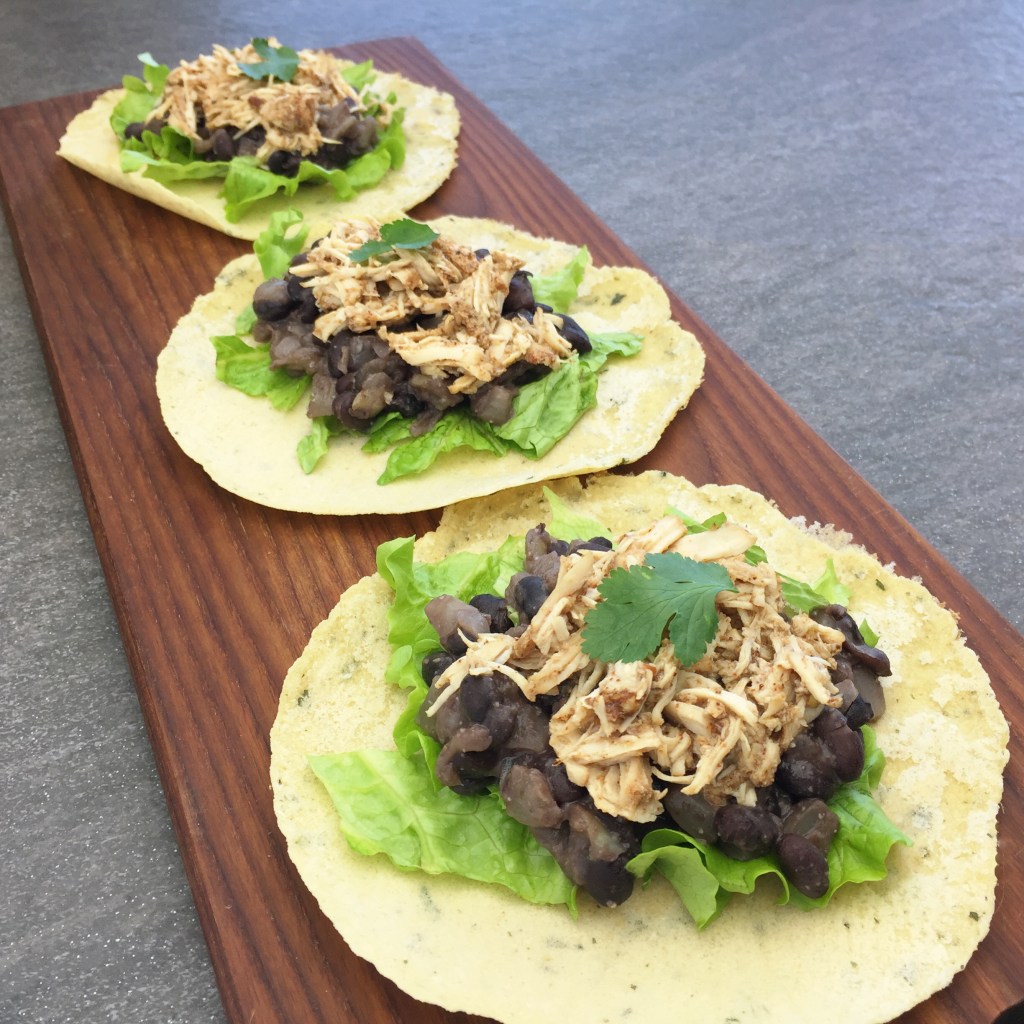
Taco Bowls
Taco bowls, and even burrito bowls, can make for a wonderful Taco Tuesday. What’s even better is that if you have time, rather than cook a pound of meat and season, cook up several pounds. You can freeze leftover taco meat, which will make future meals a lot easier.
Key Ingredients for a good taco bowl:
- Refried Beans
- Seasoned Ground Meat (or Seasoned Pulled Jackfruit for a vegan or vegetarian bowl)
- Salsa
- Guacamole (I purchase an organic 3 pack at Costco that freezes well)
- Cream Cheese or Sour Cream (optional)
- Rice or Cauliflower Rice (optional)
- Tortillas or Hard Taco Shells (optional)
What’s nice about building this kind of bowl is that most of the ingredients can come from your pantry or freezer. You can also change up the layers to use up ingredients that may expire soon.
If you add rice, it reads a bit more like a burrito bowl, which is great. You can trade the refried beans for cans of regular beans. If you have a safe hard taco shell, break that up and put it on top of your bowl for a taco salad adjacent bowl.
If you’re feeling fancy, you can add fresh chopped herbs like cilantro or chives to your taco bowls.
FYI: If you’ve never had cream cheese + salsa, you’re missing out. Sour cream + salsa is a close second. The next time you reach for salsa, put a little cream cheese or sour cream into a small bowl, give it a tiny mix, and sample. If you’re taste buds scream WOW, this is the only way forward. If you think I’m crazy, you only used a small sampling bowl, so everything is fine.
 |
 |
 |
 |
Burger Bowls
Burger bowls, like taco bowls, can come together using the ingredients from your pantry and freezer. Here are some layer suggestions:
- Chopped Burger Patty (this can be from your freezer)
- Tater Tots
- Chopped Romaine Lettuce
- Quartered Fresh Cherry Tomatoes (this tool quarters tomatoes FAST)
- Sauce (mayo, ketchup, mustard, etc., or a combo of sauces)
- Relish
- Fresh Onions or Caramelized Onions
Essentially, a burger bowl is a burger, without the bun, served in a bowl, on a bed of tater tots. You can also purchase sweet potato tots, and other non-potato tots if needed.
 |
 |
Shredded Vegan Bowls
Shredded vegan bowls are a great way to tap into pantry staples and freezer staples you have on hand. It’s a simple combination of grains, typical side dish veggies, and a vegan protein on top. Shredded jack fruit is an awesome option, followed by mushroom stems, tofu, and hearts of palm. If you’re soy free, check out Big Mountain Foods soy free tofu (fava bean) and Foodie’s Pumfu soy free tofu (pumpkin seed). Here are some combination examples:
- Sushi Rice + Frozen Green Peas + Togarashi Seasoned Shredded Jackfruit
- Quinoa + Canned Corn + BBQ Seasoned Shredded Jackfruit + BBQ Sauce
- Sushi Rice + French Green Beans + Korean Gochujang Seasoned Shredded Jackfruit
- Brown Rice + Dairy Free Cream of Mushroom Soup + Pan Cooked/Seared Frozen Mushrooms
- Pasta + Asparagus Heads + Italian Seasoned Tofu Cubes + Creamy Vegan Sauce
Cool Product: This tofu scramble seasoning is new to me but is such a cool idea. You could take something like this, season jackfruit or tofu, and make it part of your bowl.

Easy Pantry Meals to Make
There are so many tasty meals you can make with the ingredients in your pantry, and with a little help from spices and maybe something from your freezer as well. Here’s a short list of easy meals you can make with the bare essentials.
- Pasta + Jarred Pasta Sauce + Frozen Vegetables
- Canned Refried Beans + Frozen Guacamole + Jarred Salsa + Chips or Tortillas
- Dutch Oven or Baked Pasta + Steamed Veggies
- Quinoa Salad (quinoa, canned black beans, canned corn, fresh tomatoes, spices)
- Creamy Curry Rice & Beans

Easy Freezer Meals to Make
If you’re a fan of leaning into frozen ingredients, the good news is that there are a lot of meals you can make with the help of your freezer. You can also double down and batch cook and freeze meals, which essentially makes your own version of convenient fast food.
- Frozen Meatballs + Leftover Rice + Frozen Vegetables
- Smoothie (from frozen fruits and veg) + Frozen Tots/Fries
- Frozen Grilled Chicken + Frozen Vegetables + Rice (cook veg and rice together in the rice cooker)
- Frozen Shrimp + Pasta + Sauce (cooked as baked pasta in the oven)
Freezer Meal Prep Ideas
There’s a lot of reasons you’d want to tap into meal planning and filling a freezer with a delicious food stock.With strategic meal prep, over the course of about three months, you can batch cook and freeze enough food to last well over a year.
Why do all of that work? So you can thrive. Having cooked food waiting for you in your freezer removes the daily struggle of cooking and cleaning. You also don’t have to think too hard about what’s for breakfast, lunch, or dinner. You simply thaw and reheat some of your loot and you’re good to go. So, let’s take a look at some of the best foods to meal prep and batch cook.
Stew & Chili
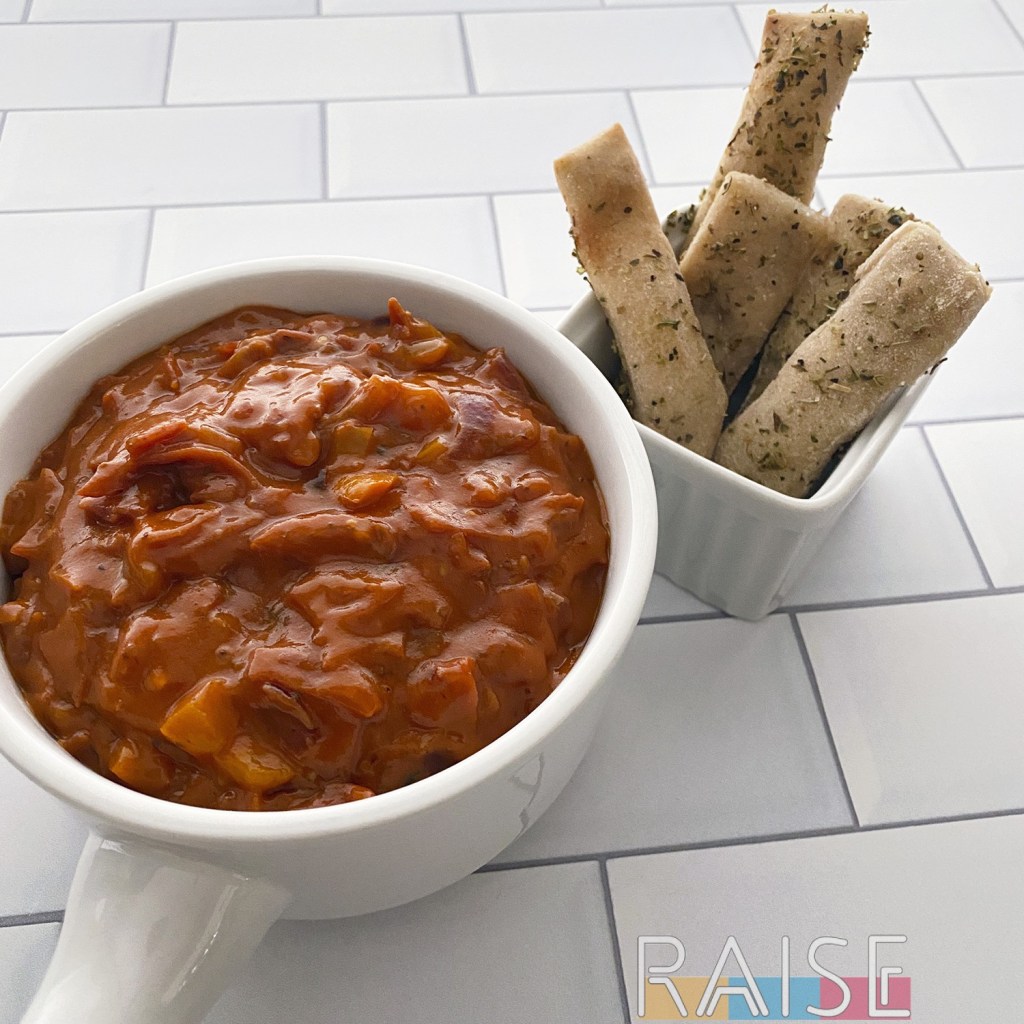
Stews can be made up of a variety of ingredients, and they’re very freezer friendly. Additionally, this is something you can make in a slow cooker, pressure cooker, or Instant Pot for a hands off cooking experience.
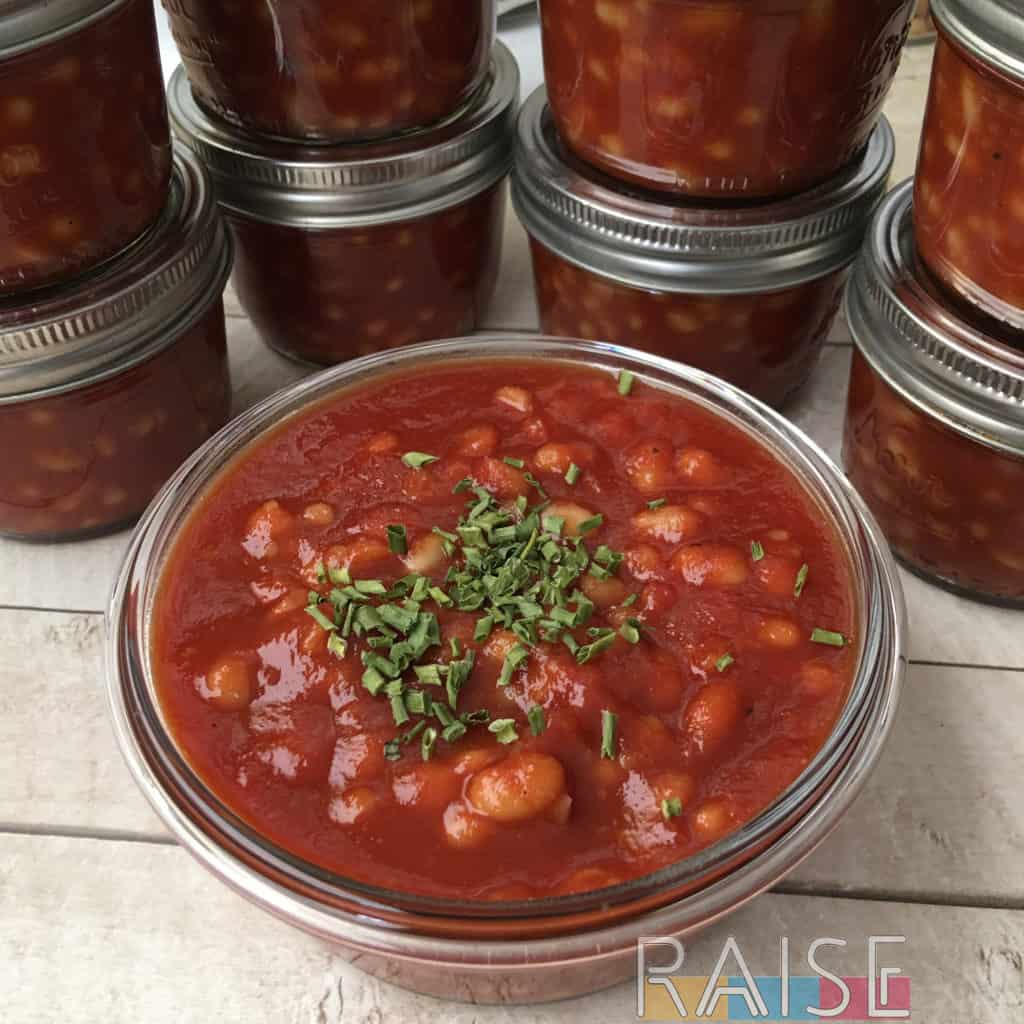
You can use canned beans from your pantry, jarred sauces from your pantry, and frozen vegetables to make amazing stews and chilis. Plus, you can double or triple batch stews and chilis to fill the freezer.
Once you have something like chili, have FUN with leftovers:
- Chopped Hot Dogs + Frozen Fries or Tots + Chili + Cheese (think: bun-less chili cheese fries)
- Sautéed Kale w/Cheese + Burger Patty + Chili (think bun-less chili burgers)
- Toasted Cheese Bread + Chili
- Chips + Chili (for dipping)
- Celery + Chili (for dipping)
Gluten Free & Allergy Friendly Stew and Chili Recipes to Enjoy
- Dutch Oven Pork & Mushroom Stew
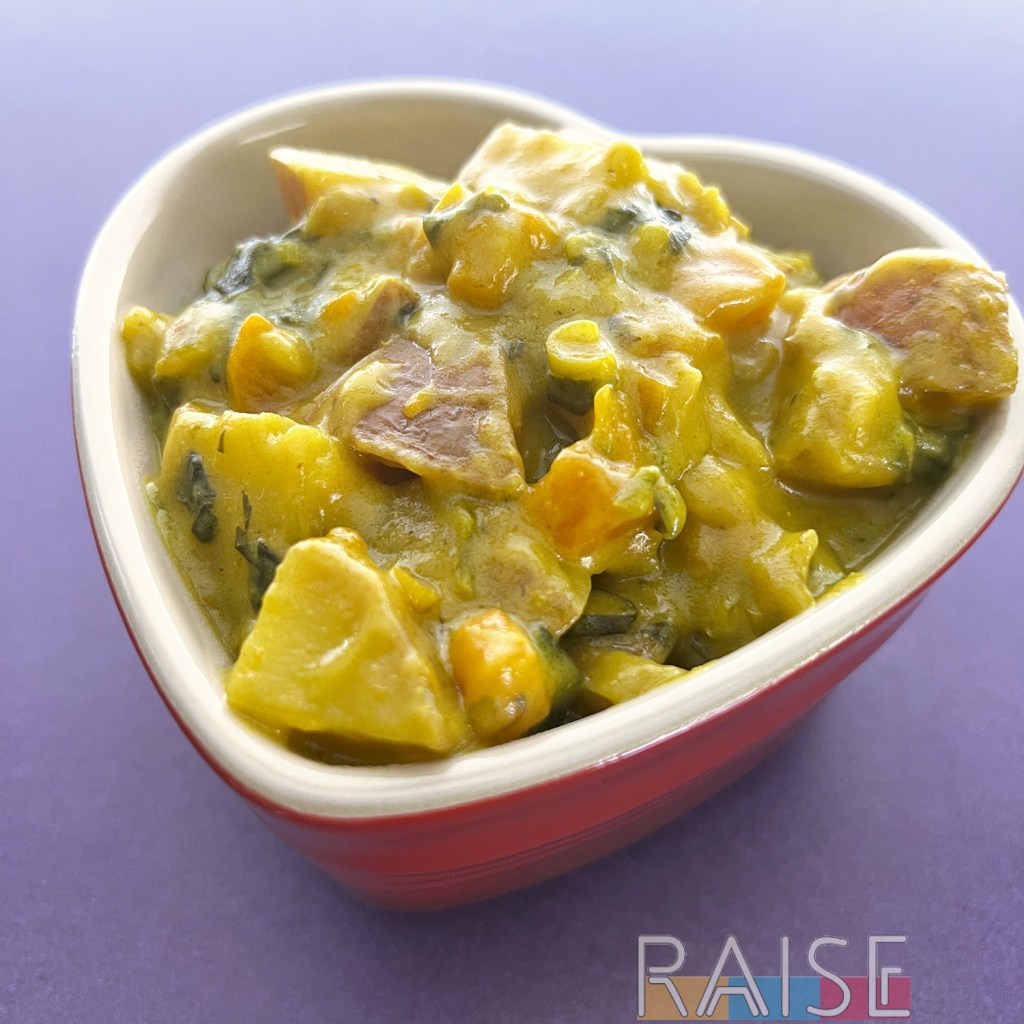
- Dutch Oven Legume Free Vegan Potato Curry Stew
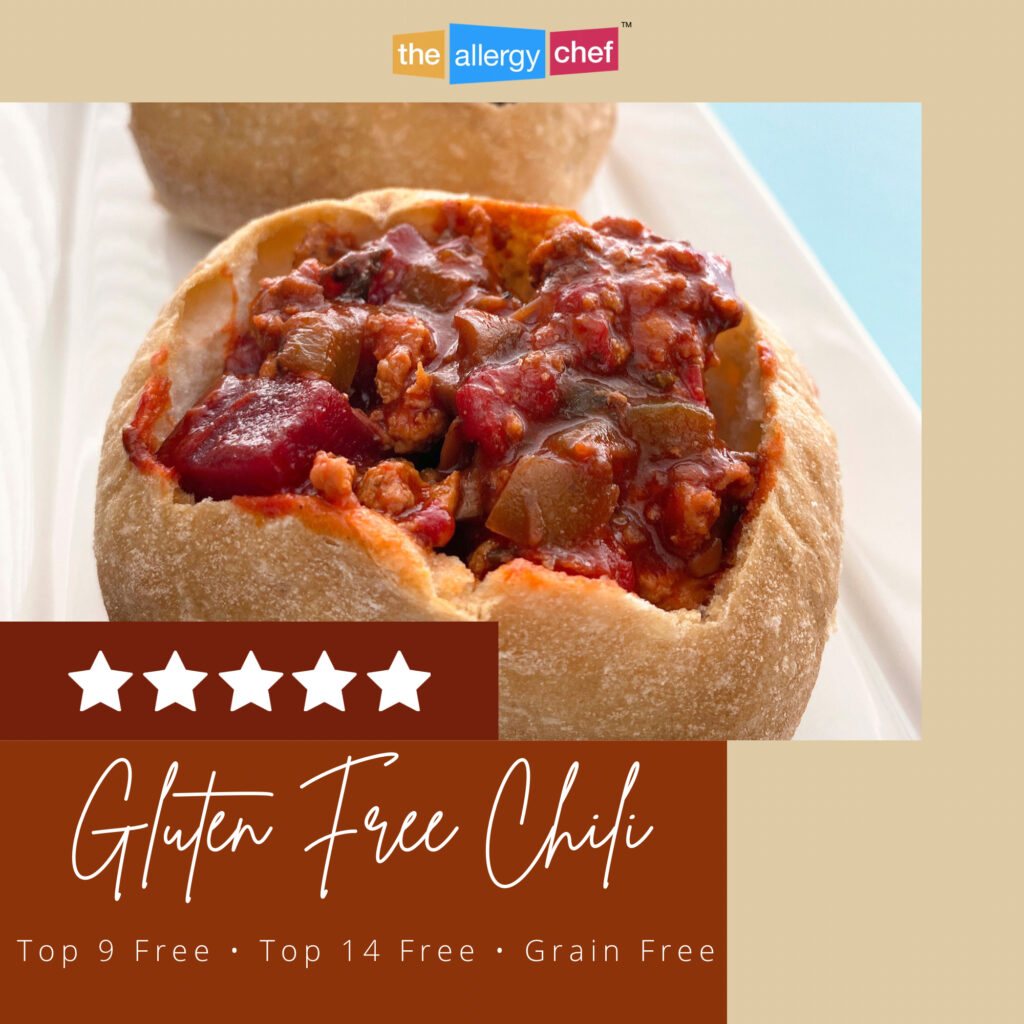
- Allium Free Beet & Chicken Chili Recipe
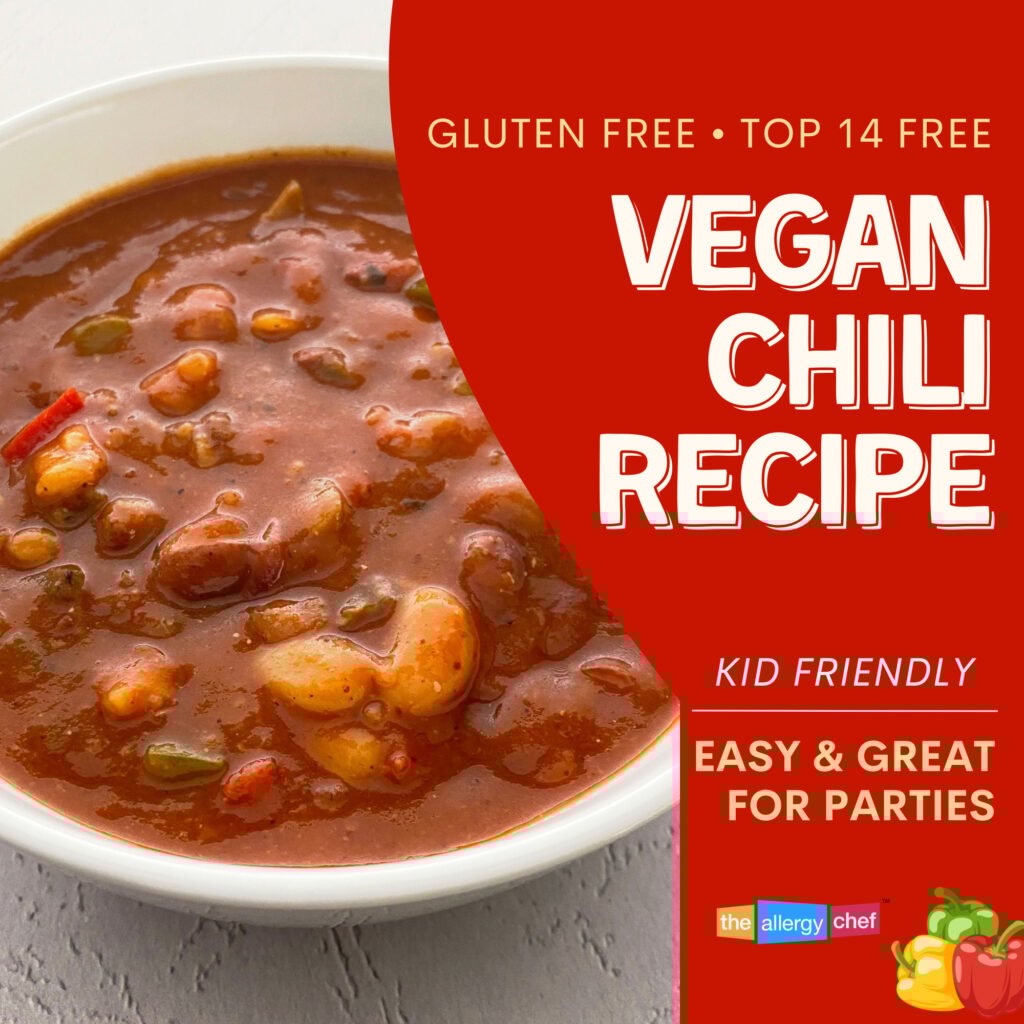
- Vegan Bean Chili
 |
 |
 |
 |
Homemade Pizza
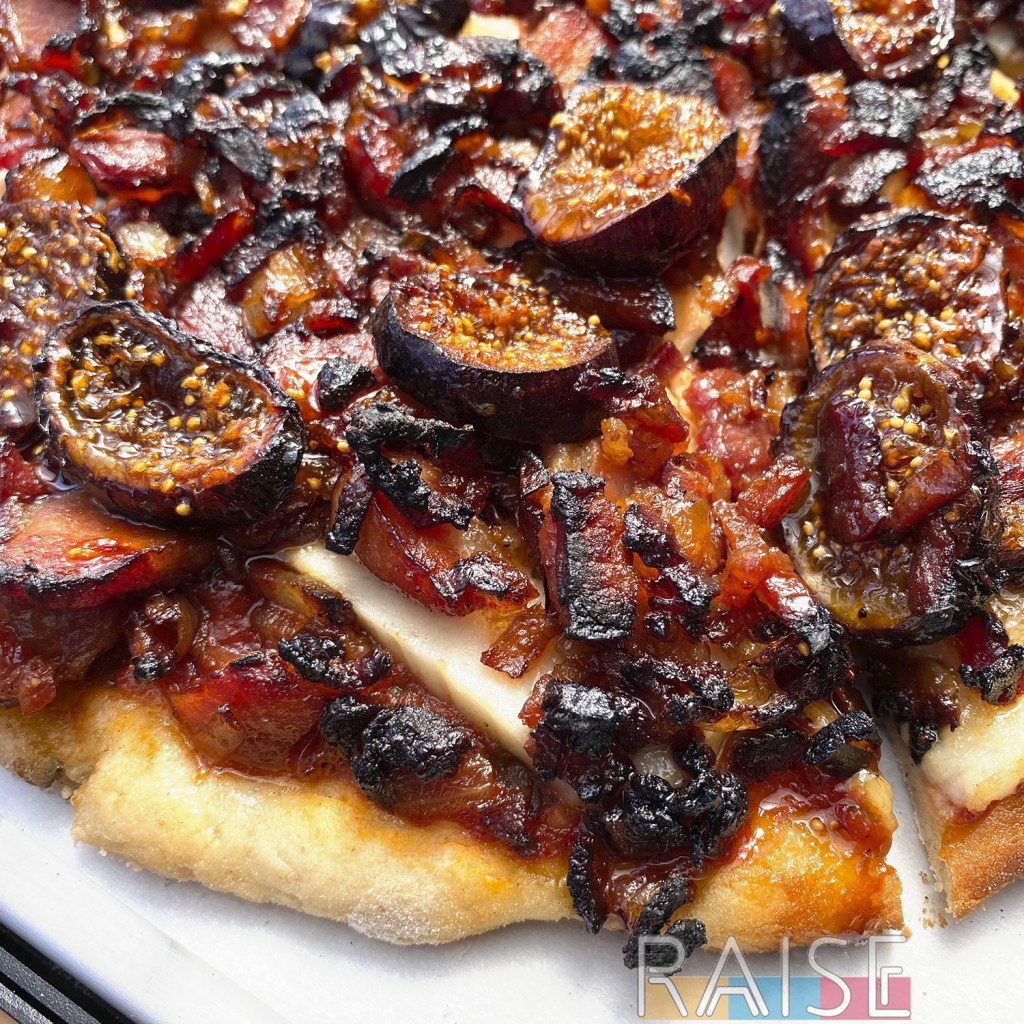
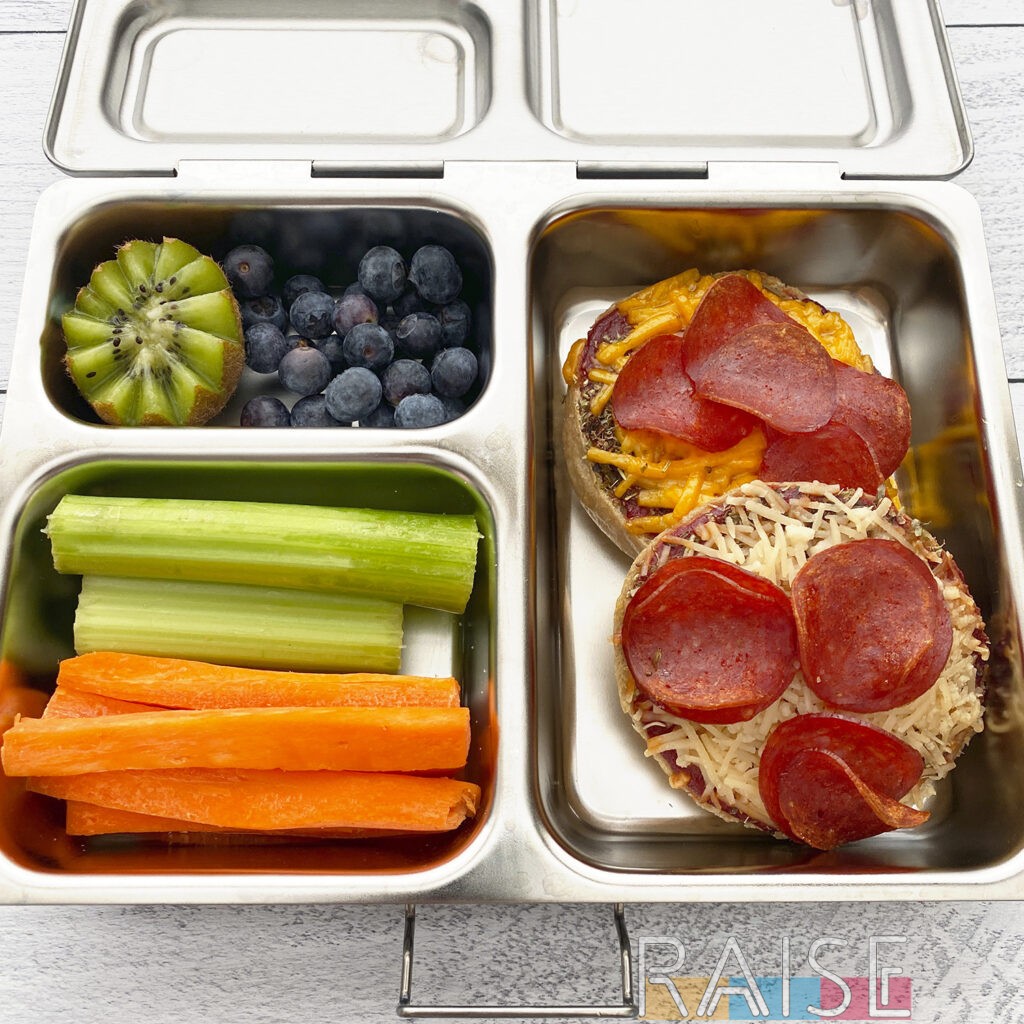
You know what’s a real delight when you’re managing food allergies and restricted diet? Access to seriously delicious pizza by the slice. Knowing that pizza wasn’t something I could purchase for my kids, I got a pizza oven and learned all the ins and outs.
The end result: super cool, mighty delicious, unique flavour combinations that were safe for them. After cooking pizza (and the kids eating some of course), I’d portion it by the slice, rather than freeze the whole pizza.
This allowed them to take what they needed, but also to mix and match flavours whenever they pleased. This friend, can feel like absolute food freedom. Now, you don’t neeeeedd a pizza oven to get great results. In fact, I started with a pizza pan like this one. I never had a pizza stone, but I’ve heard great things about them. You can get that as a stepping stone to a proper pizza oven.
Aside from allergens and cross-contact, another great reason to make pizza at home: you get to control the ingredients. I often made pizzas that were legit healthy. They were loaded with organic ingredients, lots of veggies, pasture raised meat, and so on. If nutritional value is important to you, explore making pizzas at home. I don’t think you’ll regret it.
 |
 |
 |
 |
Muffins
Muffins make for a fantastic breakfast, snack, and even lunch or dessert. You can thaw them on the counter for about an hour and you’ve got something soft and delicious to pop on a plate. What’s great about muffins is that you can tap into your pantry baking supplies to get the baked. The muffin recipes that I share freeze for 4+ months which can be amazing when you’re feeding a family.
Now, if you’re going to go thru the effort of baking, make it a double or triple batch and add to your freezer stock. One of the TOP reasons to bake muffins at home: custom flavours. Grocery stores have to create for the masses, and I totally respect that. However, I also enjoy creating tasty recipes that are free-from and incredibly delicious. Here are some muffin flavor ideas to get you thinking:
Muffin Flavour Ideas:
- Apple Pie
- Cinnamon
- Chocolate Chip
- Coffee Crumble
- Lemon
- Maple
- Pepperoni & Cheese (one of my kids thinks this recipe makes me a certified genius)
- Pumpkin
- Raspberry
To make muffins at home, you’ll either need a basic box mix, or simple ingredients. My recipes tend to call for a variety of gluten/corn free flour, corn free baking powder, flavouring agents, corn free vanilla, milk of choice, olive oil, flax meal, and apple cider vinegar.
You can also jazz up simple boxed muffins with pantry ingredients such as freeze dried fruit, mini chocolate chips, and dried fruits such as cranberries.

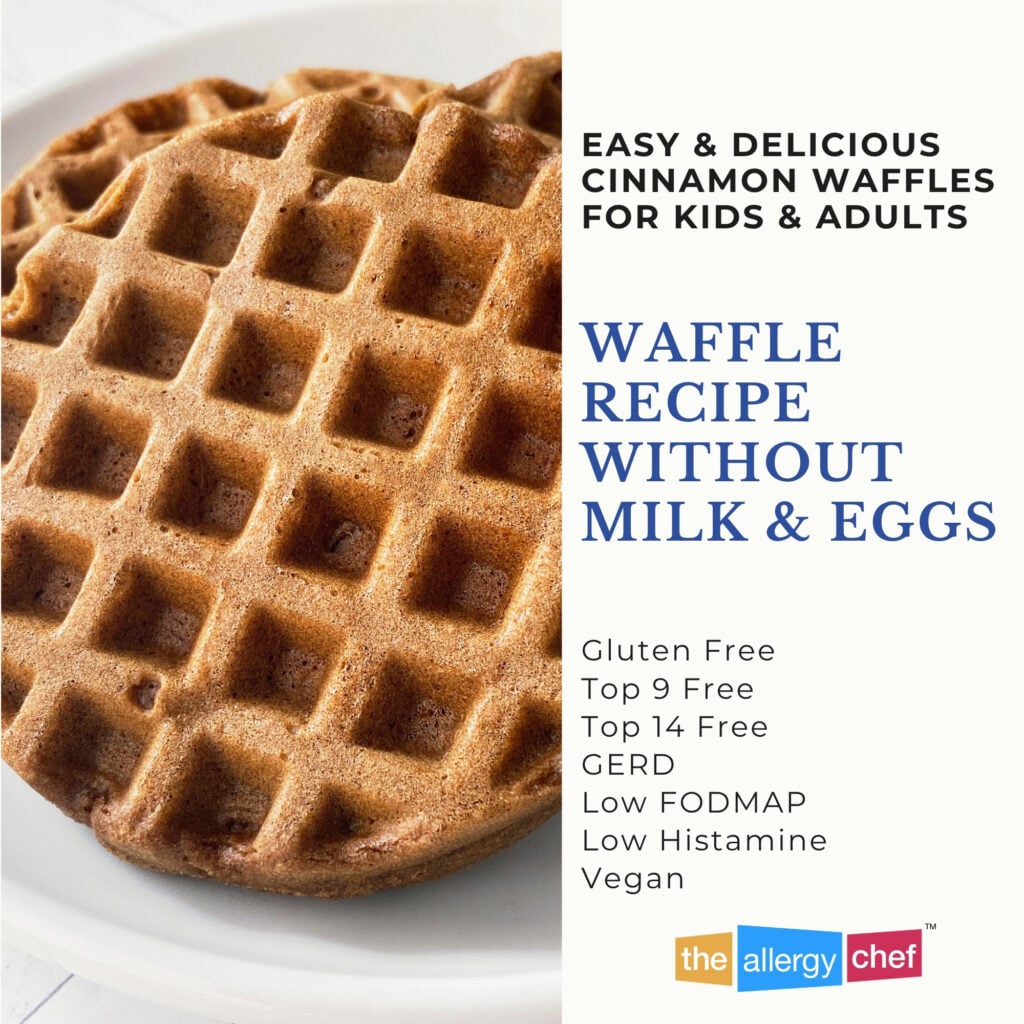
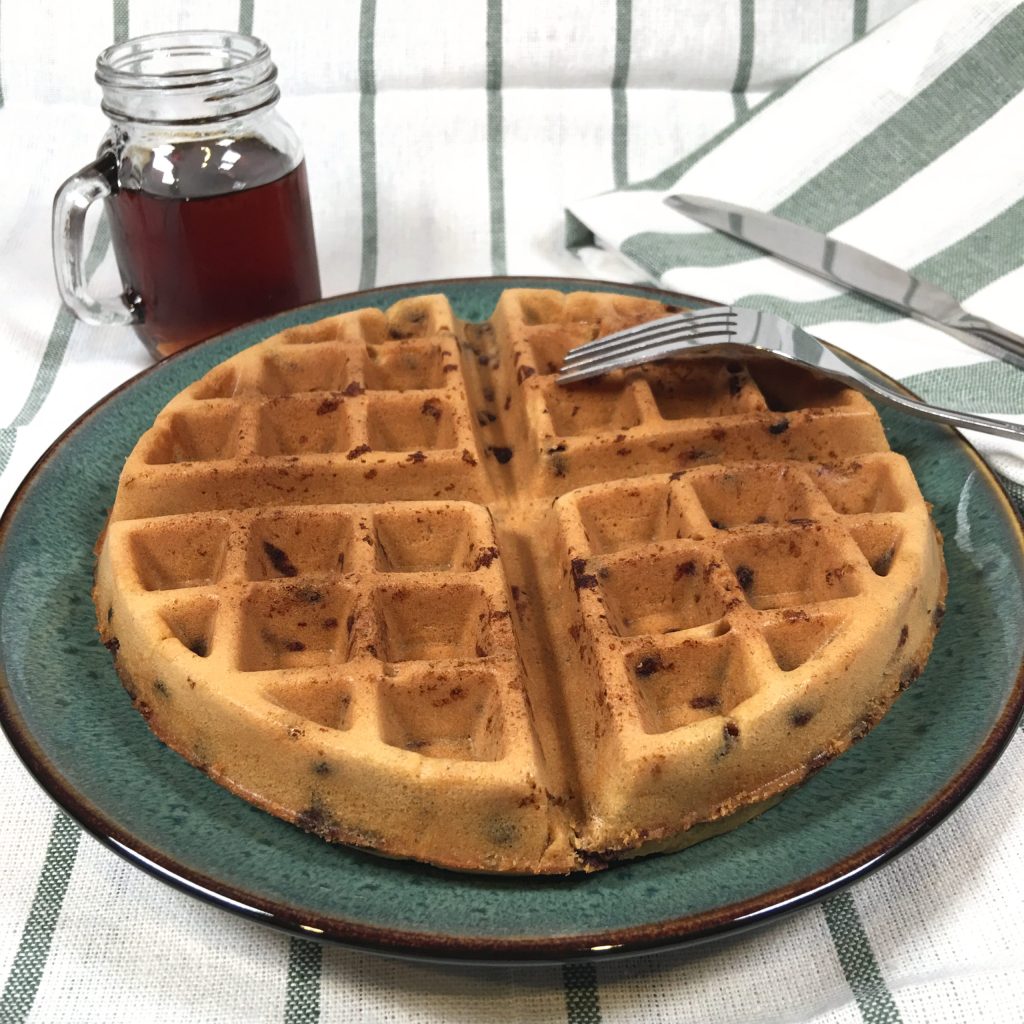
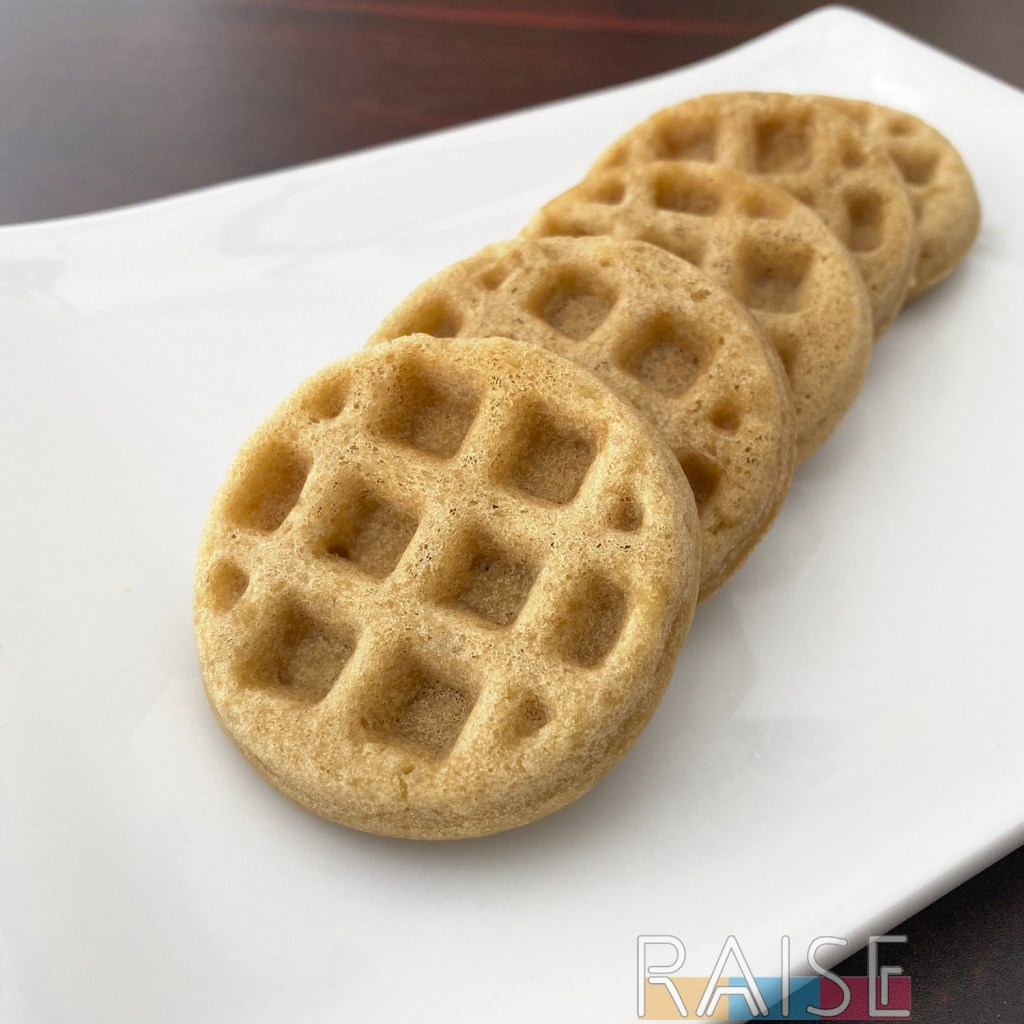
Waffles
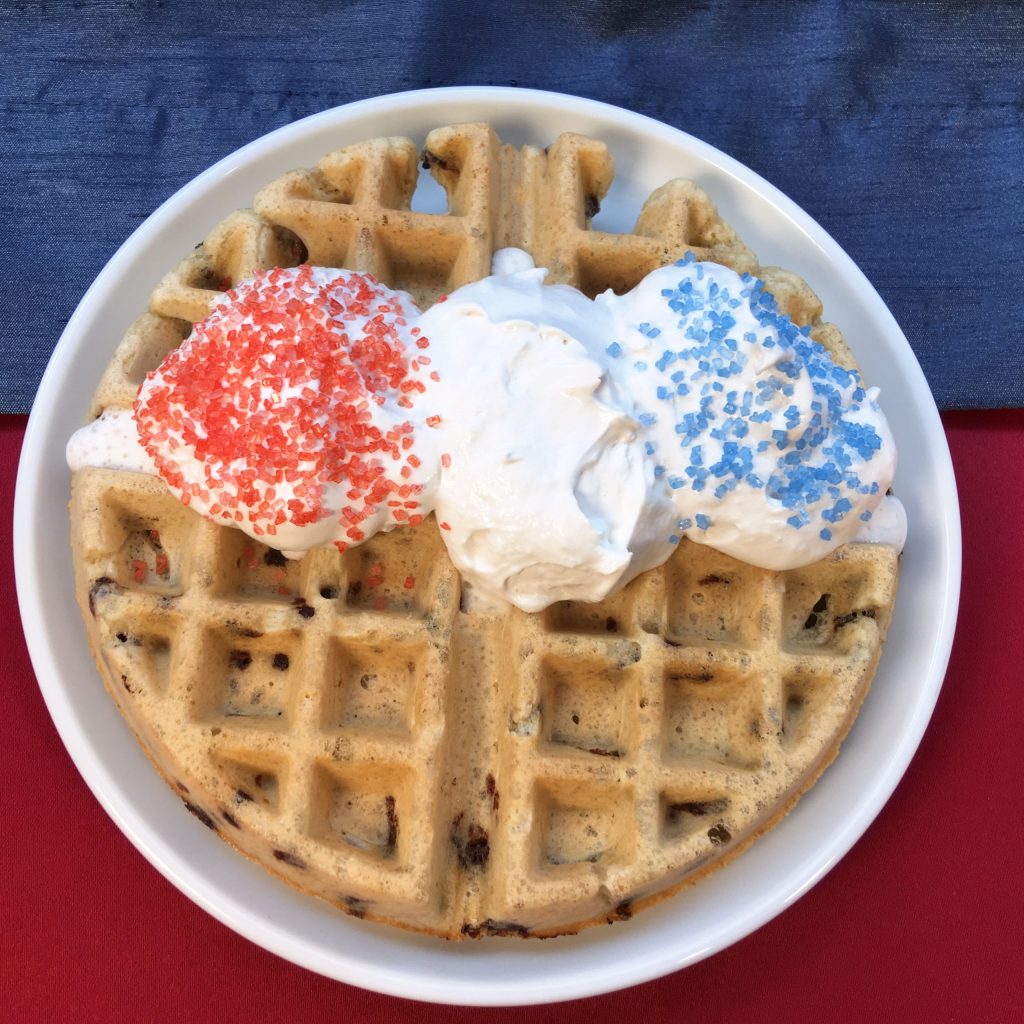
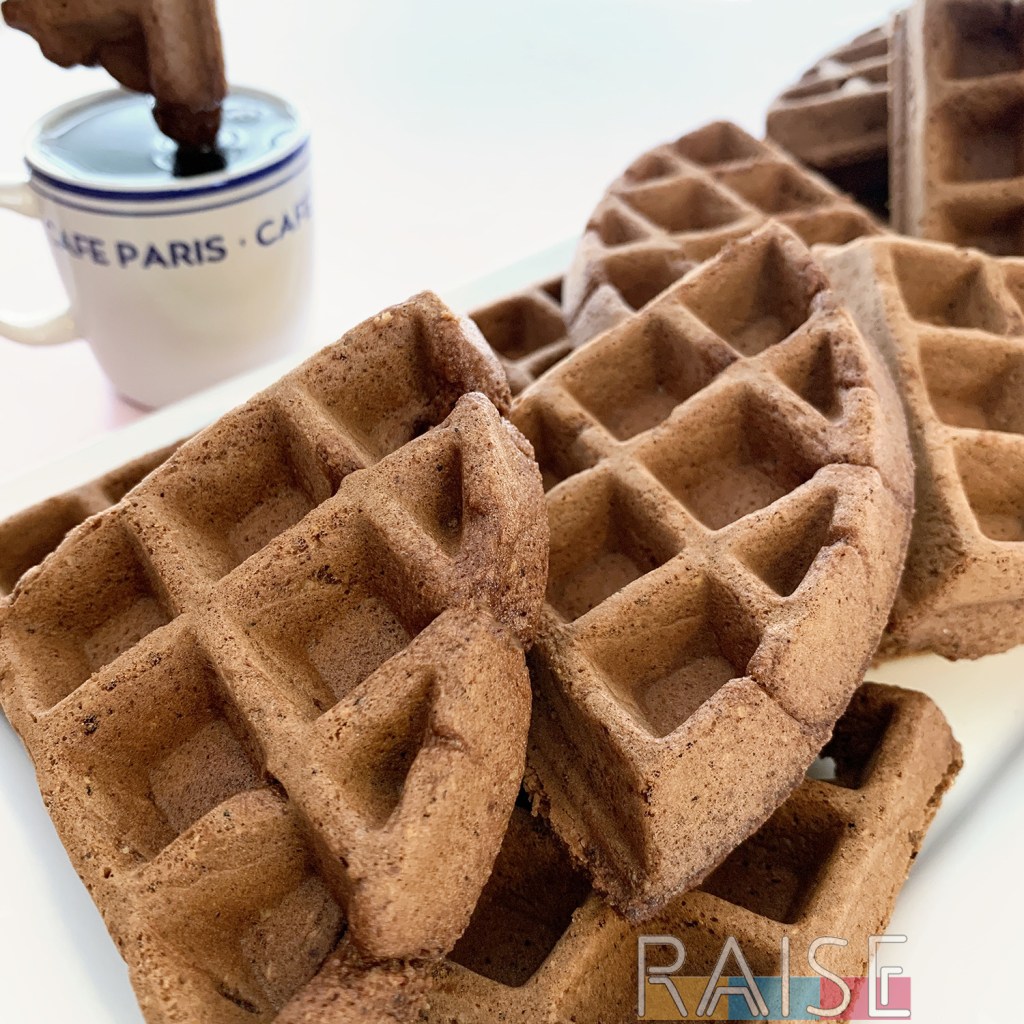
Waffles freeze so well and essentially beg to be frozen. Not only that, but you can purchase this mini waffle maker and end up with commercial sized waffles you can reheat in your toaster. Personally, I regularly use this large double waffle maker because it saves time.
Waffles make for an easy meal, and they’re great for breakfast, lunch, dinner, snacks, and dessert. Legit, a super versatile food. You can make simple waffles, jazzed up waffles, sweet waffles, and even savory waffles. The recipes that I share freeze for 4+ months which is really helpful.
If you manage food allergies and other dietary restrictions, be sure to check out the waffle recipes I share. Some flavours that really stand out include:
- Cinnamon Toast Waffles (if you want something like Cinnamon Toast Crunch, but with healthy ingredients, this waffle is BOMB)
- Chocolate Chip Waffles (no brainer here with kids)
- Pepperoni & Cheese Waffles
- Coffee Waffles (great for adults)
- Cinnamon Waffles Recipe without Milk (Low Histamine, GERD, Low FODMAP, and more)
- Lemon Raspberry Waffles
- Sunbutter Chocolate Chip Waffles
- Maple Waffles (these are great for chicken and waffles)
You can also change up simple boxed waffles with pantry staples such as freeze dried fruit, mini chocolate chips, and dried fruits such as cranberries.
 |
 |
 |
 |
 |
 |
 |
 |
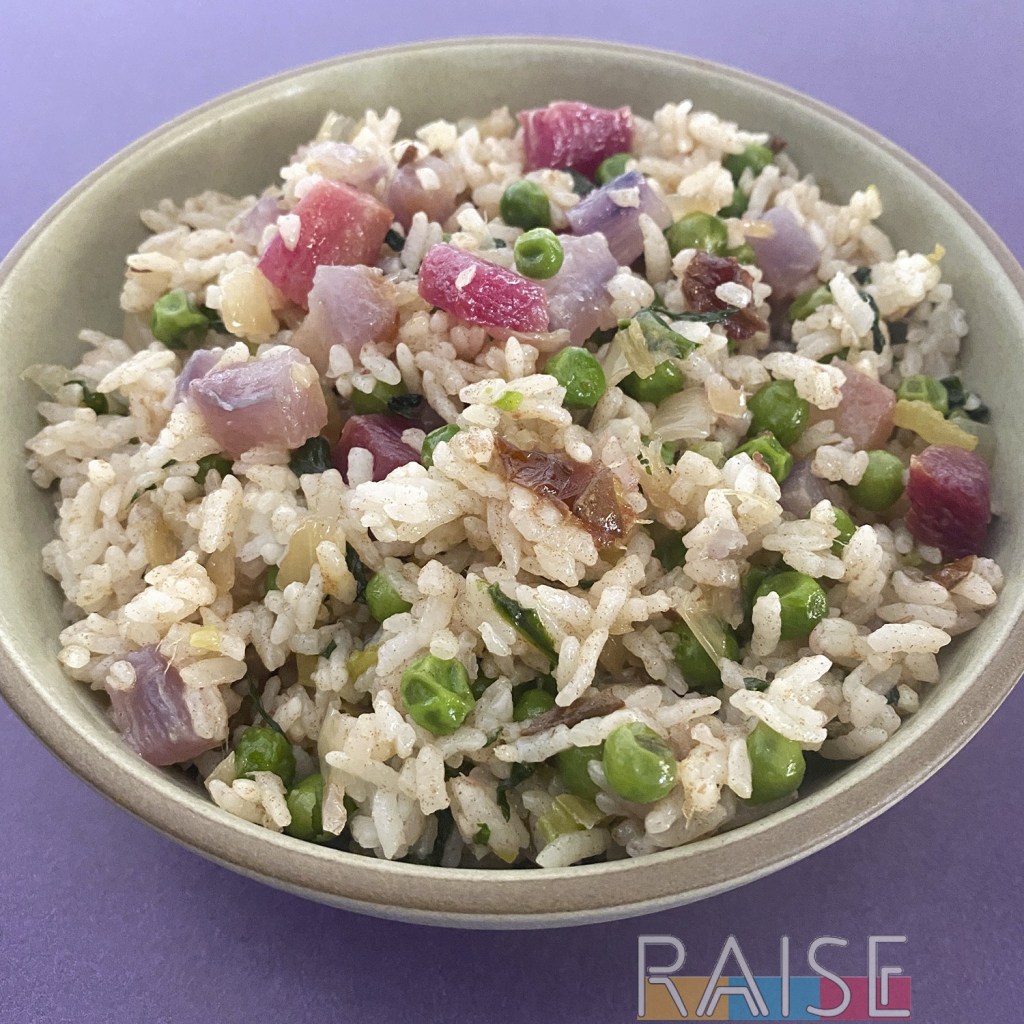
Fried Rice
There’s traditional fried rice, and then there’s “what’s in the fridge” fried rice. Both versions have a place in the world if you ask me, and both can be super tasty. In the case of WITF rice, lean into sauces such as soy sauce, fish sauce, and coconut aminos, which can totally give you classic fried rice vibes. Also, if you can have eggs, add one or two scrambled eggs and suddenly, you’re solidly in fried rice territory.

To make a basic fried rice: From your pantry, you’ll want rice and sauce. From your freezer, you can pull veggies and a protein. From there, all you need are some good dried spices and seasonings.
Protein choices: You can make fried rice with vegan proteins, as well as chicken, shrimp, and pork. Whilst you can use other meats, it’s not as “fried rice” when you do. It’s more like meat and rice, but honestly, does that really even matter?
Fried Rice Tip: When making fried rice at home, cold leftover rice is one way to make your rice taste more authentic. Also make sure your cooking pan is hot enough, and that you use enough oil.
Vegan Tip: Novelty products such as JUST Egg Substitute can be a fun addition to your fried rice. Also look into the brand Abbot’s. They make a clean ingredient meat alternative that’s also top 9 free (no wheat, no soy, etc.).
 |
 |
 |
 |
Pasta & Pasta Bakes
Tasty Pasta From the Pantry
Pasta is such an Italian classic that you can make at home with a large pot and two pantry staples: dry noodles and a jar of pasta sauce. From there, you can take it in so many different directions.
You can add a protein that’s leftover in your freezer, grate on some cheese, or oven roast frozen veggies. Whilst you can make top level pasta dishes at home from scratch like an Italian grandmother, you can also take the easy road on a busy night. Remember, just because there are a thousand ways to make pasta super exciting doesn’t mean you have to try it this week.
Pasta bakes are like the oven equivalent to pressure cooker stew. You add the ingredients into a large glass baking dish, casserole dish, or Dutch oven, give it all a good mix, then bake it in the oven covered with foil. That’s it.
Like stovetop pasta, you can create an infinite number of flavour combinations, and it can all start with simple pantry staples.
Easy Pasta Recipes
- Nut Free, Top 14 Free Pesto (combine with bacon and fresh cooked noodles)
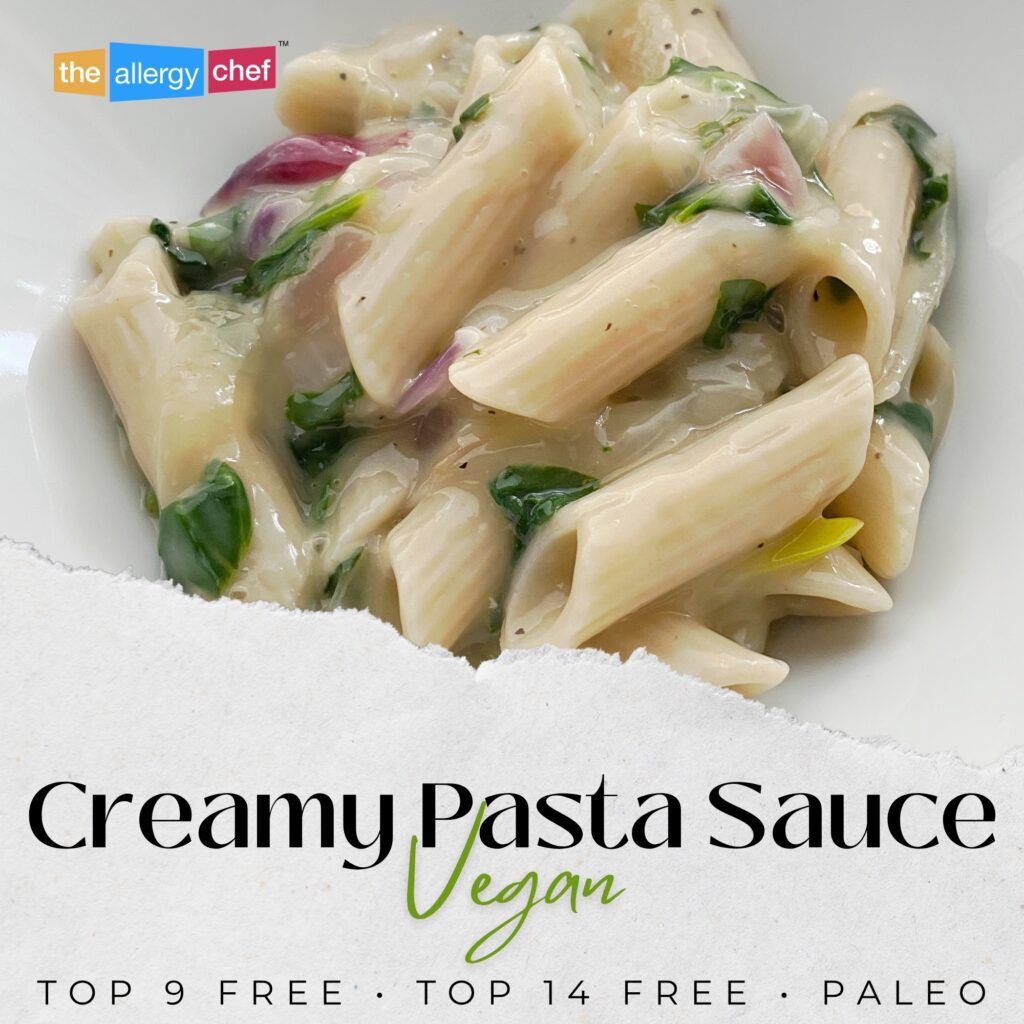
- Creamy Vegan Pasta Sauce (add cooked pasta and anything else you fancy)
- Creamy Mushroom & Pea Pasta
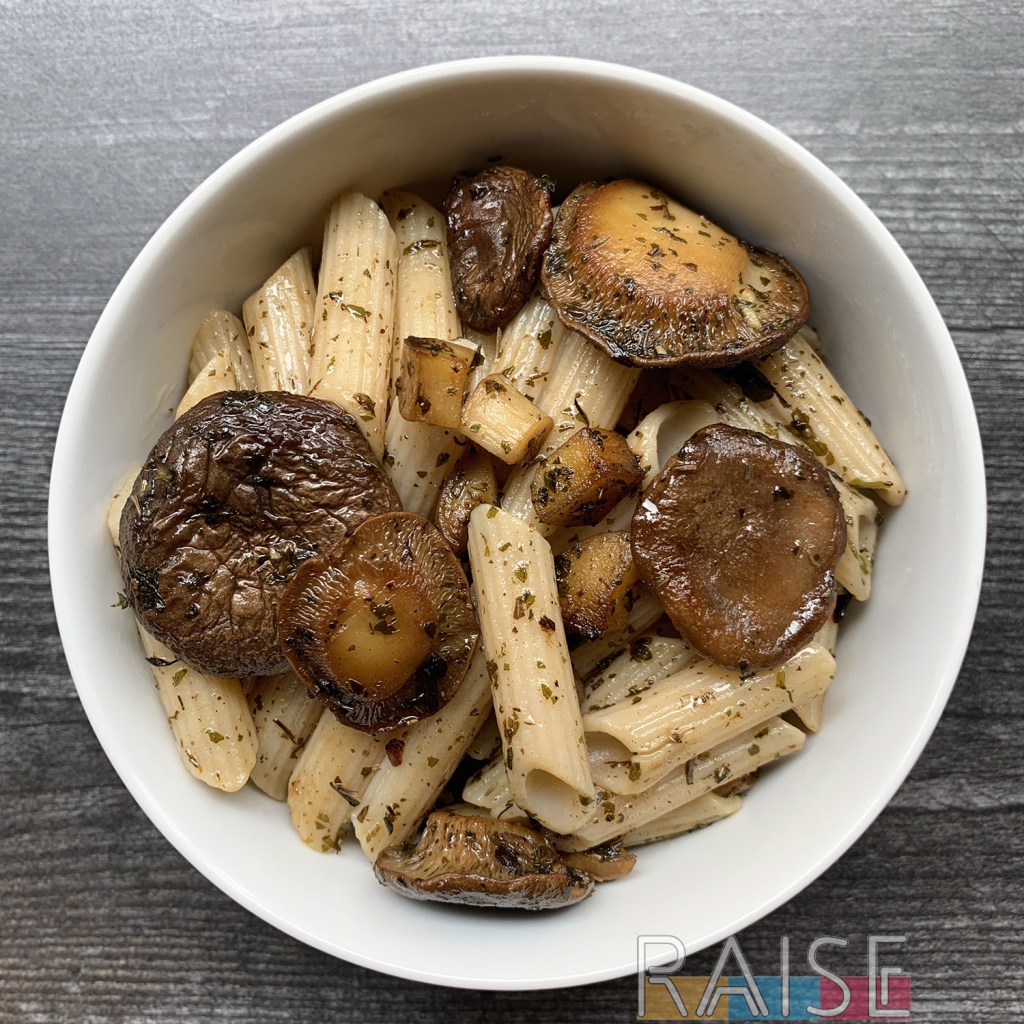
- Easy Vegan Mushroom Pasta
|
 |
 |
 |
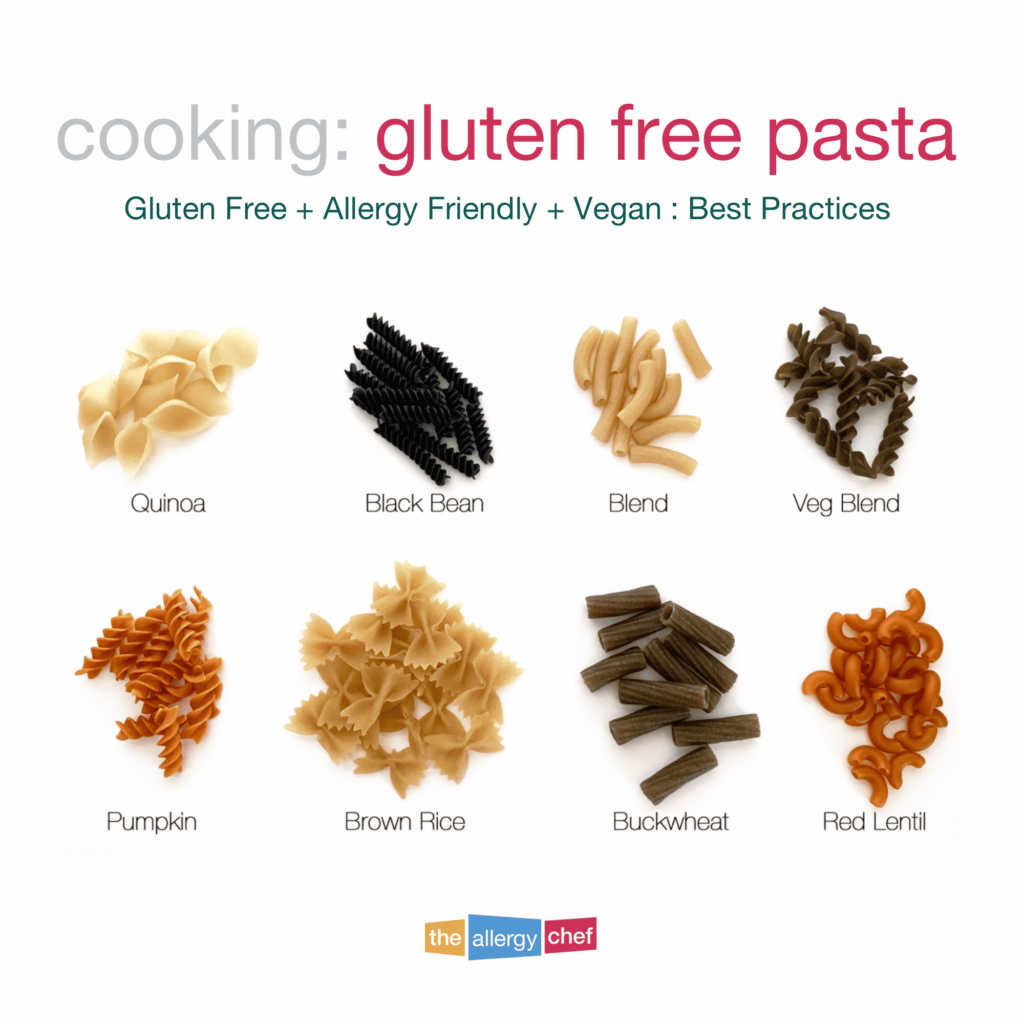
Gluten Free Pasta Note: My kids who CAN have wheat say Jovial Gluten Free Pasta is hands down the closest to wheat pasta there is. Check their website or get in touch with them for the current allergen status of the facility and equipment. Read this article for tips and info on cooking gluten free, allergy friendly pasta.
Pasta for the Freezer
Now, on the other hand, if you like to batch cook and get ahead, there are quite a few pasta recipes that freeze and thaw beautifully. When you want to freeze pasta, there are a few general guidelines to think about:
- Choose a hearty pasta and avoid super thin/delicate pasta.
- Freezing alternative pastas is hit and miss (think: glass noodles, etc.)
- Hearty tomato sauces freeze best.
- Dishes should be sauce heavy. If the pasta is only lightly coated, your chances of success diminish greatly.
- Both vegan and meat-based pastas can freeze well. If you use vegan proteins, success will be protein dependant.
- White sauces and cream sauces aren’t the best at freezing and thawing.
- It’s OK to freeze pastas that include melted cheese.
- Sauces containing dairy free cheese will freeze well, so long as your cheese is 100% melted and incorporated into the dish.
- Raw egg and lightly cooked egg pastas should not be frozen (think: cacio e pepe)
- Not all homemade pastas will freeze well, so test freeze a small amount before potentially wasting all of your hard work and money.
If you need to use an alternative pasta (grain free, vegetable based, etc.), focus on freezing great sauces instead. You can freeze meaty sauces, red sauces, avocado cream sauces, butternut squash sauce, and several others. Upon thawing your sauce, mix it VERY well and reheat, then add fresh cooked pasta and enjoy.
Sauces & Pastas to Freeze
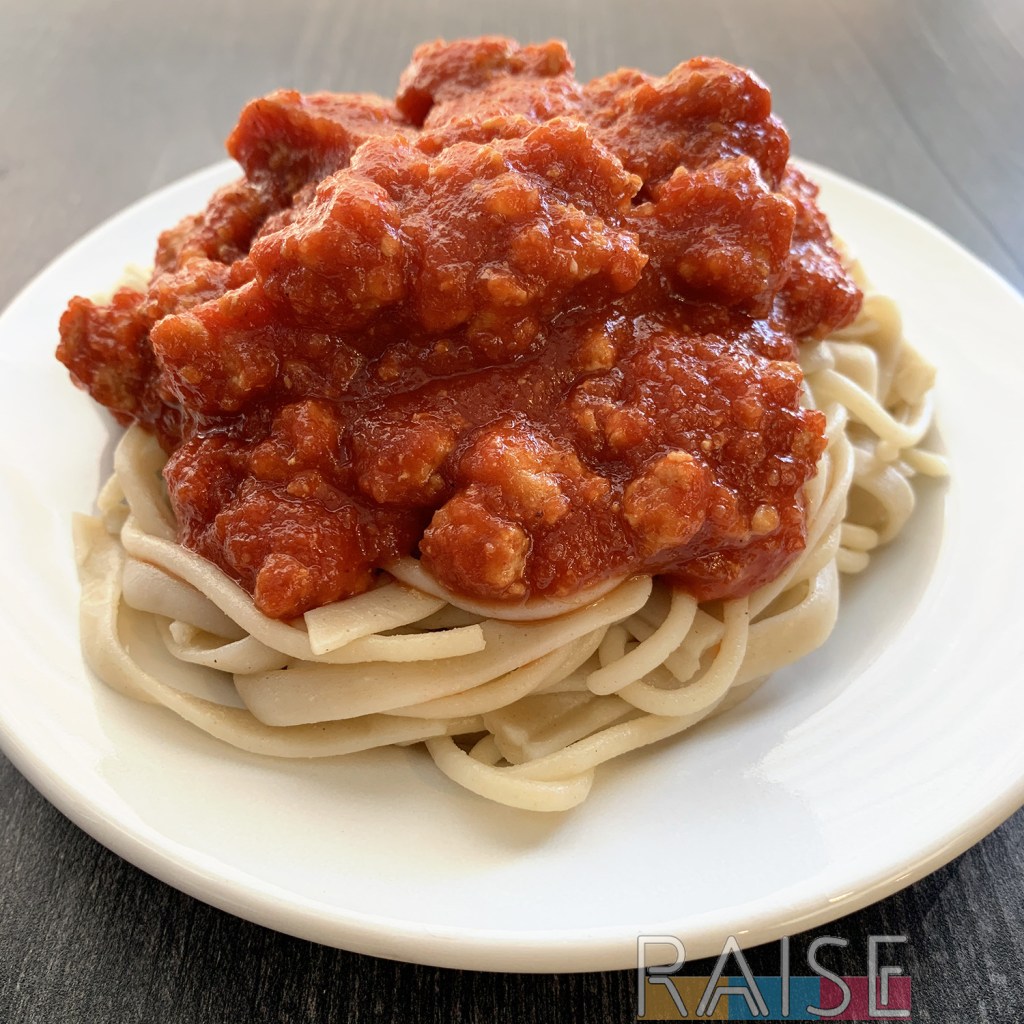
- Sloppy Joe Pasta (the sauce can be frozen)
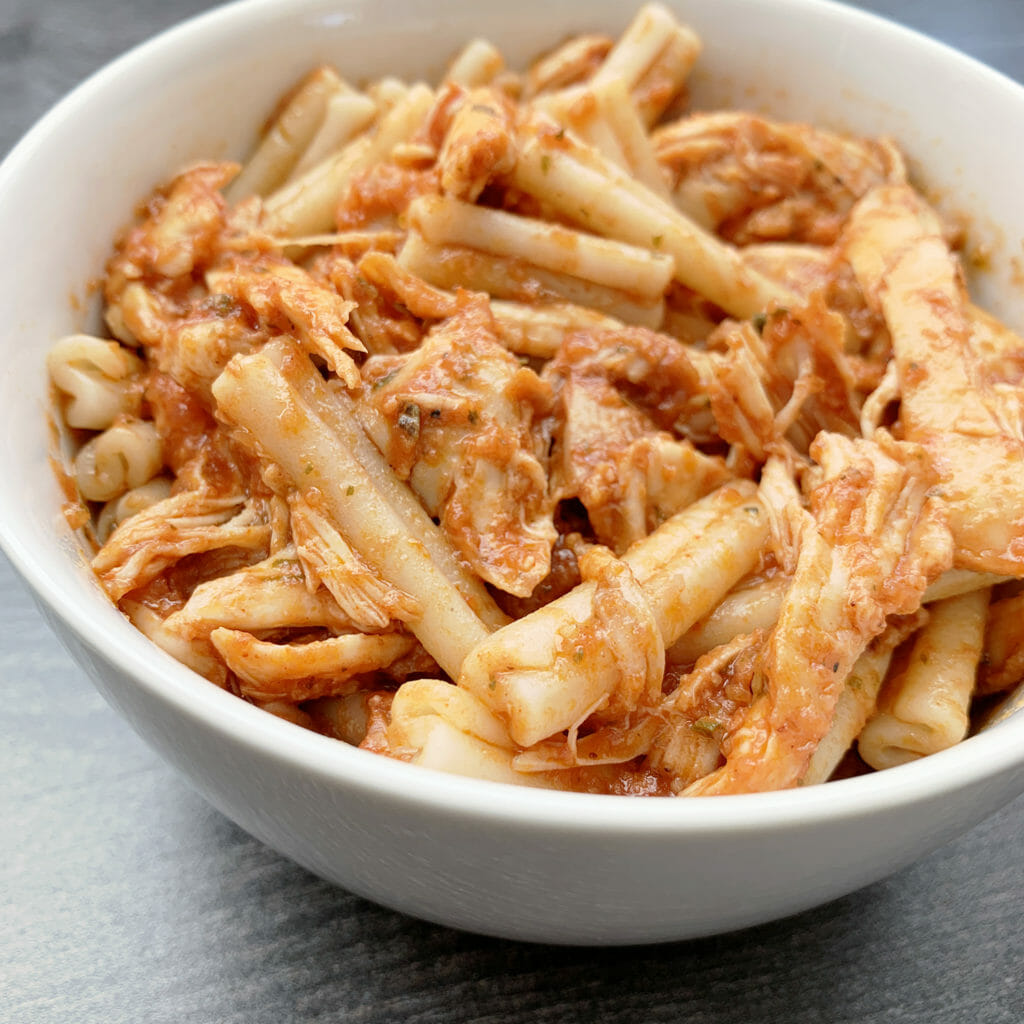
- BBQ Chicken Pasta (the whole dish can be frozen)
- Lasagna Soup (the whole dish can be frozen)
- Dutch Oven Peach Pasta (the whole dish can be frozen)
 |
 |
|
 |
Smoothies
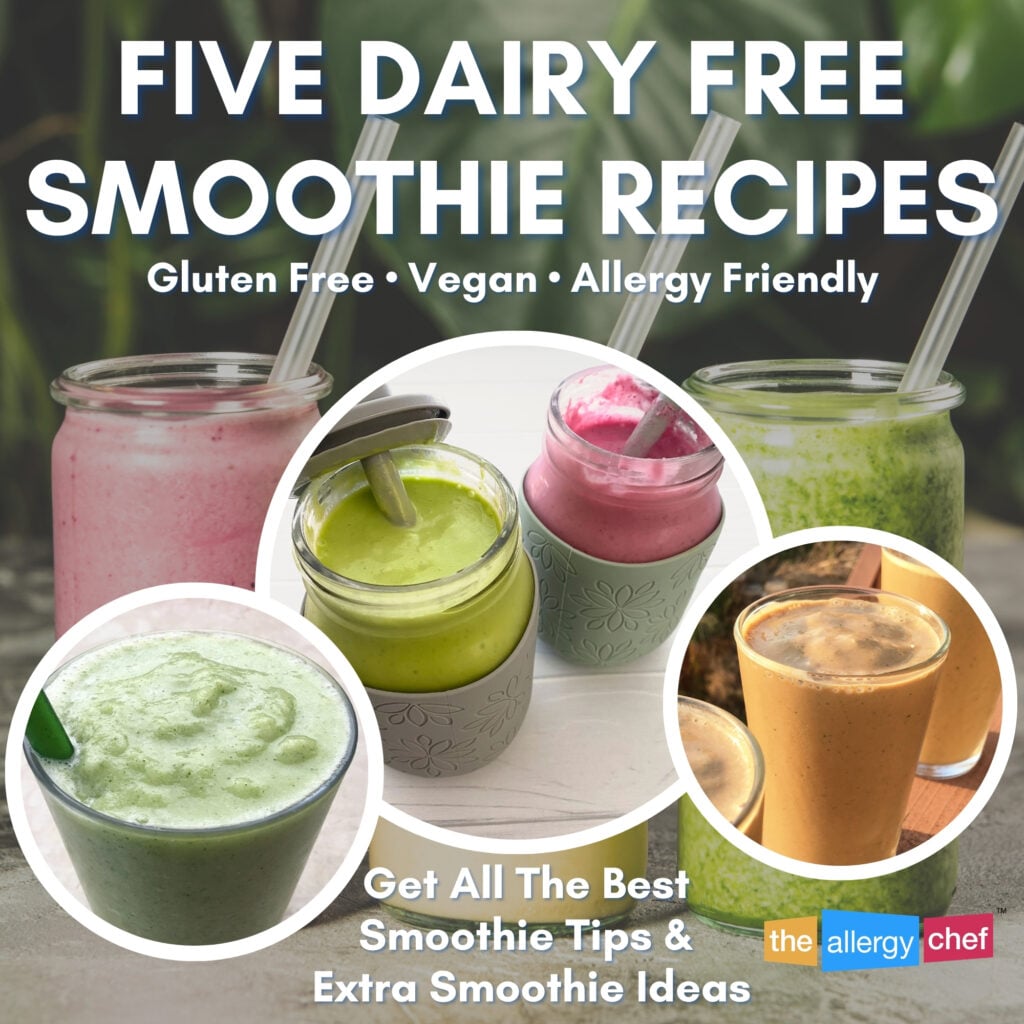
Smoothies are something that can be made from freezer ingredients, but also something you make for your freezer. If you opt to make smoothies for the freezer, consider freezing them in popsicle molds for snack. You can also freeze them in ice cube molds, then on a busy morning, pop several cubes into your blender with a milk of choice, blend, and you’re good to go.
The advantage to smoothies, in my humble free-from opinion, is that you can use them to boost your daily nutrient intake, include ingredients that improve gut health, add protein powder, and so on. If you manage any kind of restricted diet, have an underlying medical condition, or are clinically deficient in some nutrients, smoothies can help you get what you need.
If you have kids, you can also teach them how to make smoothies since it’s a pretty easy thing to create. For little kids, talk about colour, texture, number of items you’re using, and so on. Cooking experiences can be natural teaching moments as well.
In addition to being quick to make, you can include vegetables in your smoothies (something people overlook unless it’s spinach or kale). Frozen riced cauliflower can be added to boost the nutrition of your smoothie, but some people can really taste it and don’t enjoy it (my kids included).
Frozen zucchini on the other hand is BOMB. I purchase bulk fresh zucchini and freeze it for smoothies. I slice it into 1″ (2.5cm) thick slices and freeze it. Then, when I’m making a smoothie, I use that instead of ice. When replacing the ice content with frozen vegetables, this can prevent your smoothies from tasting super watery if you don’t drink them fast enough.
 |
 |
Soup
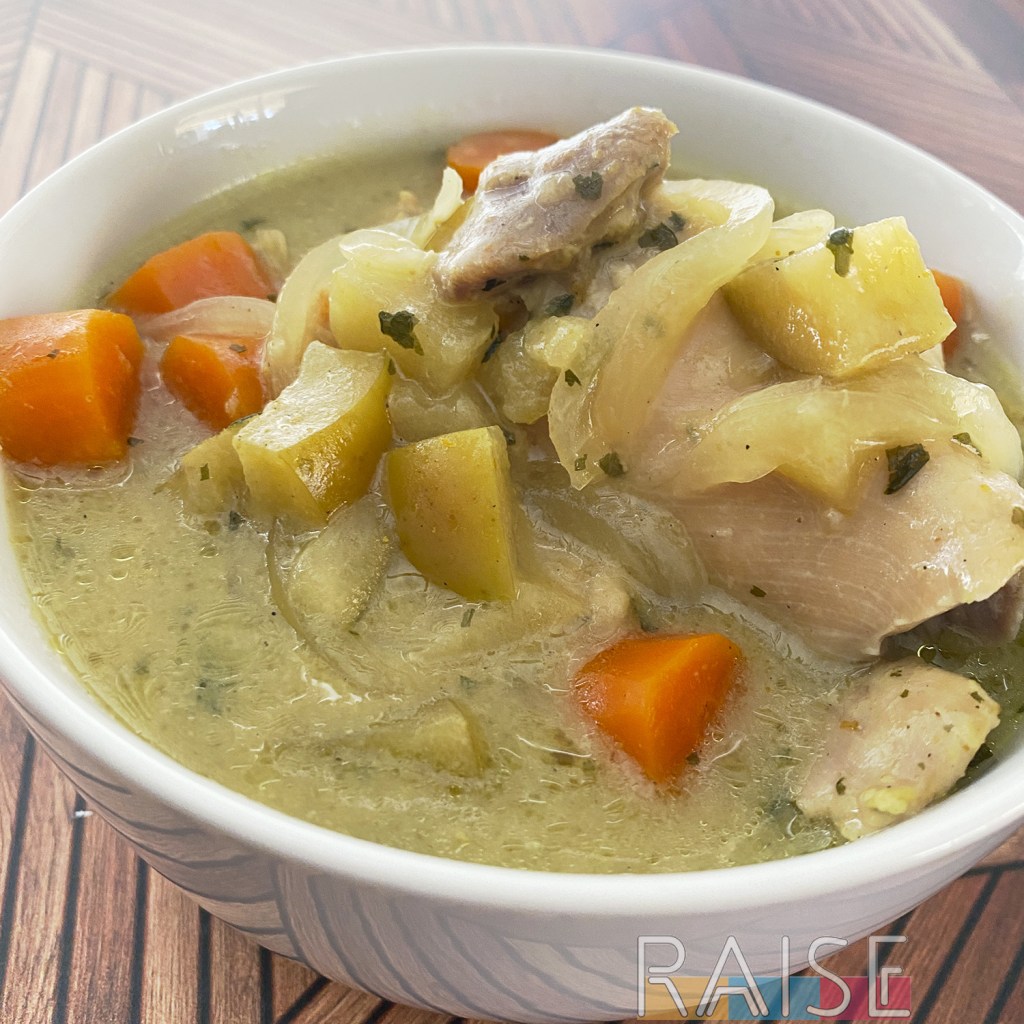
Like smoothies, soups can be created from frozen ingredients, but also created for your freezer stock. You can make super simple soups from ground meat from your freezer, frozen vegetables, an onion, seasonings, and water. Pop all of that into your pressure cooker or Instant Pot, and soup will be ready in about 30 minutes. You can also cook this on the stovetop.
If you manage any kind of diet that requires fat reduction, soup can be a great way to experience loads of flavour whilst staying within your daily allotted grams of fat per day. You can make soup on the stove top, or in your pressure cooker. Either way, it’s a nutritious meal that’s easy to customize and easy to make. Here are some soup ideas:
- Easy Cooking Video: Chicken & Onion Soup
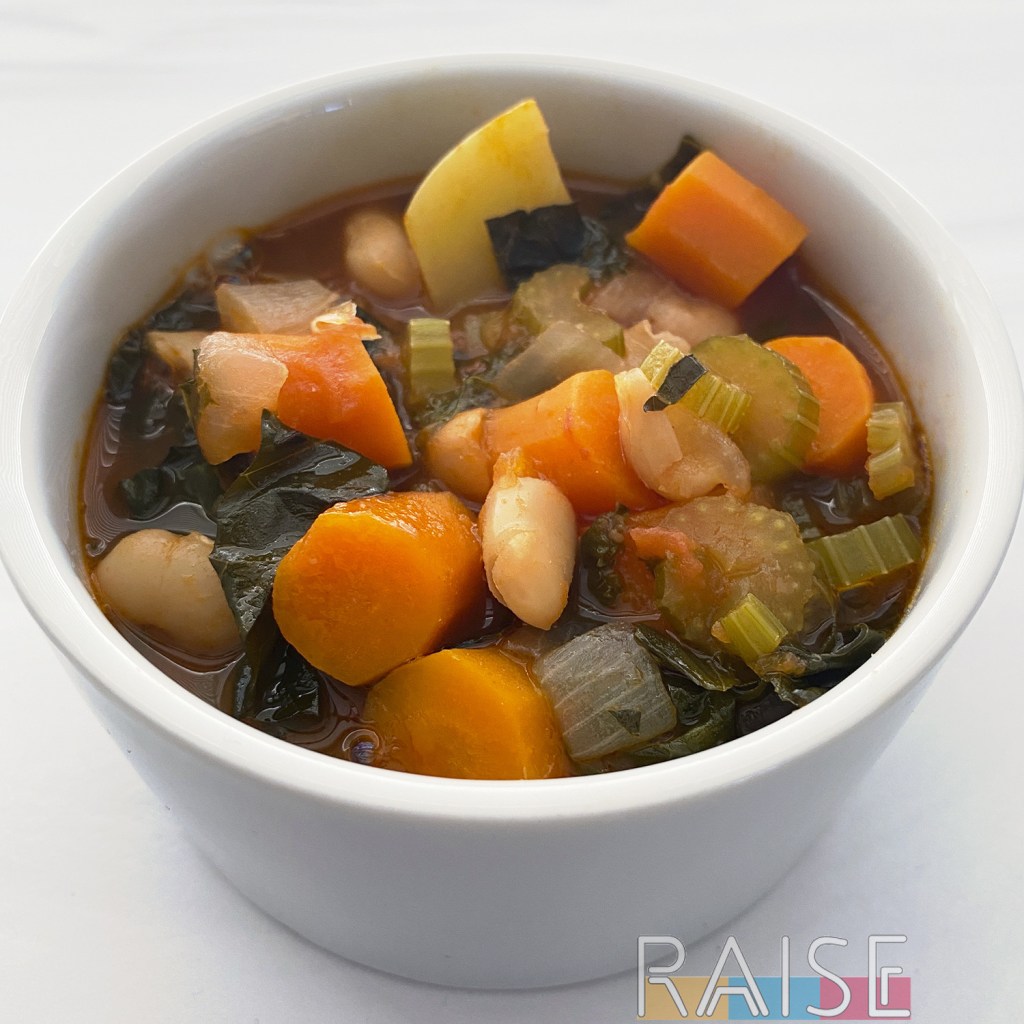
- Hearty Vegan Winter Soup Recipe
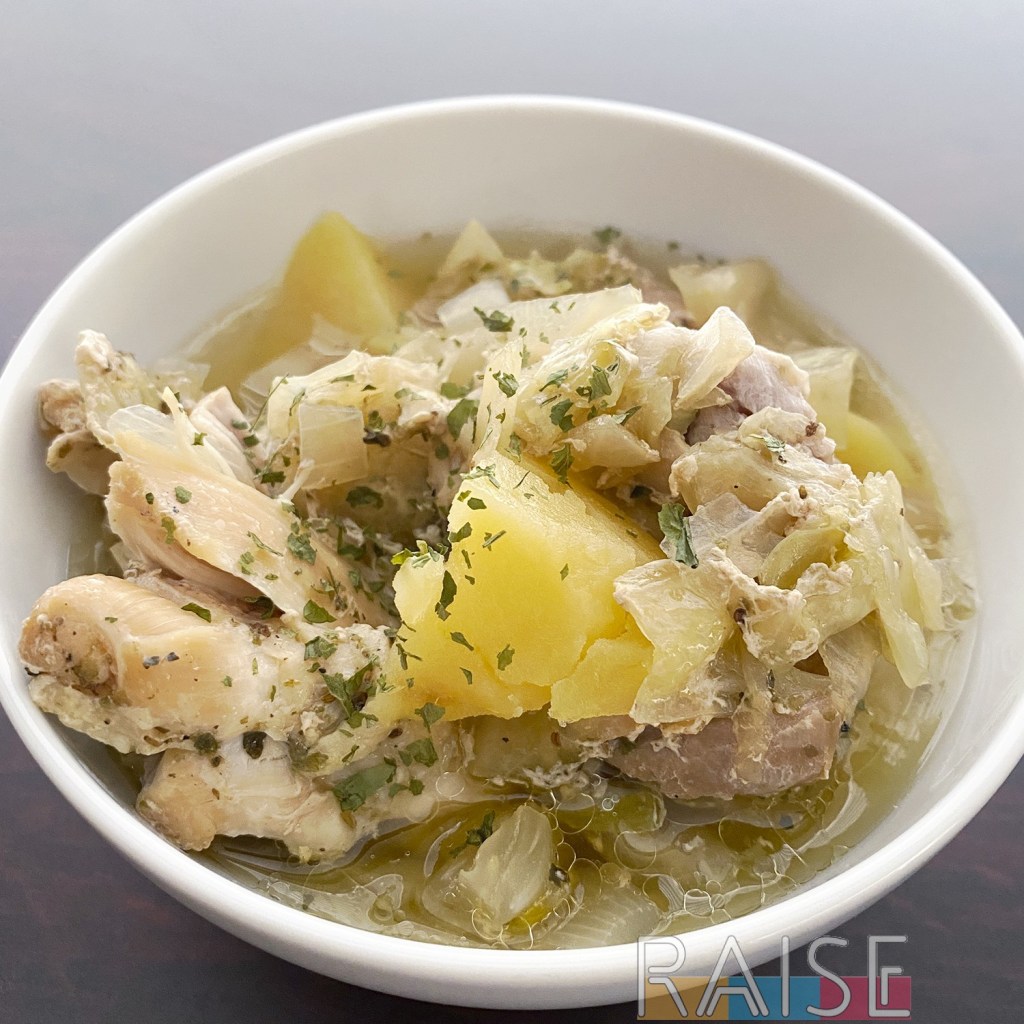
- Easy Pressure Cooker Cabbage & Chicken Soup
- Dairy Free Curry Chicken Pressure Cooker Soup
If you’re looking for what’s easy in the pressure cooker, here are some very basic formulas:
- Meat + Vegetable + Water + Seasoning
- Meat + Vegetable + Tomato Sauce + Seasoning
- Vegetable + Starchy Vegetable + Water + Seasoning
- Starchy Vegetable + Beans + Tomato + Seasoning
Pro tip: you can use frozen vegetables in your soup.
 |
 |
 |
 |
Answering Your Questions About Freezer Meals and Pantry Meals
What’s a good alternative to sesame oil if you have a sesame allergy?
I absolutely love telling people about perilla seed oil. It’s a lot more popular in Asian countries, especially Korea. It’s a great alternative to sesame seed oil. I’ve cooked with a few times just to mess about, and you should know that it has a very present flavour.
Start with a small amount so you can see if you like it before ordering more, and have loads of fun with it.
Can I freeze leftover cooked greens?
If you’ve used the traditional preparation method of cooking greens for a VERY long time, to the point that they’re falling apart, no, I wouldn’t suggest freezing them. The best way to save them is going to be storing them in your fridge, and eating them within the week.
Whilst you can technically freeze anything, the issue is if thaws well, and if the texture can hold up to the freeze and thaw. When something is falling apart, like greens, the thaw and second consumption won’t be awesome.
Now, if you plan to mix them into something, like a chocolate brownie batter, then it won’t matter nearly as much and you could totally freeze the leftovers. If you’re planning to eat them straight however, I wouldn’t do it.
What are some good comfort food recipes to freeze?
I think a lot of people would say something like:
- Pizza
- Chili
- Bread
- Homemade Chicken Nuggets
- Lasagna
However, it’s really about what brings YOU comfort. So if your list is like the one I’ve shared, go for it. However, if the ones your list are way different, that’s OK. The whole point of batch cooking and freezing food is to create a stock you’ll be happy to eat. So cook what brings you joy and comfort.
I’ll add this: if you plan to freeze rice dishes without a sauce, you’re going to need something like a FoodSaver system to prevent freezer burn. Technically, you can freeze anything, but not everything thaws well. Above in this article, I cover this a bit more, so be sure to re-read that portion as you decide what to cook and bake.
Can I freeze cheese?
Some people like me will tell you yes, you can freeze cheese. Others, oh man. They’d have a small heart attack if they heard me giving out that advice. Here’s the thing to know about freezing cheese: it’s all about the application.
If you plan to freeze cheese, thaw it, and cook it in a lasagna, who cares. Honestly, it’s not a big deal because it’s just going to melt anyway. See my point? On the other hand, if you take a wheel of soft brie, freeze it, thaw it, then try to host a classy party… People will look at your sad brie and question your life’s choices.
Essentially, if you plan to cook with a cheese that’s not soft or fresh, you can get away with freezing it. Soft and fresh cheeses can be frozen once they’ve been cooked, like on a pizza.
Most cheese, once it’s been frozen and thawed will experience a change in texture, and most people won’t enjoy it. I will say this though. If you’re in a boat like mine where you have to purchase specialty sheep cheese from France in bulk and freezing is the only option, do it. You just learn to live with the texture change and enjoy the fact that you have something safe to eat.